

Imagine standing at the edge of a vast, volcanic caldera, surrounded by diverse landscapes that span over 2.2 million acres. This is the reality at Yellowstone National Park, America’s first national park, established in 1872.
As you plan your visit to this incredible destination, you might wonder which state is home to this natural wonder. The answer lies in the northwest corner of Wyoming, although small portions extend into Montana and Idaho.
Understanding Yellowstone’s geographic location is crucial for travelers to plan their trips effectively. With its unique features and diverse landscapes, Yellowstone remains one of the most visited national parks in the United States and is considered a marvel of the world.
Key Takeaways
- Yellowstone National Park is primarily located in Wyoming.
- The park spans across three states: Wyoming, Montana, and Idaho.
- It was established as the first national park in the United States in 1872.
- Yellowstone is considered the world’s first national park.
- The park covers over 2.2 million acres of diverse landscapes.
The Geographic Location of Yellowstone National Park
The vast expanse of Yellowstone National Park is nestled in the northwestern United States, a fact that influences its climate and biodiversity. As the world’s first national park, Yellowstone is renowned for its unique geological features and diverse ecosystems.
Yellowstone National Park is strategically located at coordinates 44°36′N 110°30′W, making it easily accessible for visitors from across the globe. But its significance extends beyond its geographical location; it is a vast protected area that preserves some of the world’s most unique geological features.
Yellowstone’s Coordinates and Size
Yellowstone covers an impressive 2,219,791 acres (3,468.4 square miles or 8,983 square kilometers), making it larger than the states of Delaware and Rhode Island combined. The park’s dimensions are approximately 63 miles north to south and 54 miles east to west, creating a roughly rectangular shape.
The park’s vast landscape includes diverse terrain ranging from 8,000 feet in elevation, featuring mountains, canyons, rivers, and lakes. As Naturalist John Muir once said, “In God’s wildness lies the hope of the world.” Yellowstone’s wildness is a testament to the importance of preserving natural wonders for future generations.
- Yellowstone National Park is situated in the northwestern region of the United States, at coordinates 44°36′N 110°30′W.
- The park spans an area of 3,468.4 sq mi (8,983 km2), making it a significant protected area.
- Its diverse terrain includes mountains, canyons, rivers, and lakes, with elevations reaching up to 8,000 feet.
Understanding Yellowstone’s geographic location and size provides a foundation for appreciating its natural beauty and the importance of conservation efforts within the park.
What State is Yellowstone in? The Definitive Answer
Yellowstone National Park’s location spans across multiple states, but one state is home to the majority of it. To be precise, 96% of Yellowstone is located in Wyoming, making it the definitive answer to the question of what state Yellowstone is in, although it’s not the complete picture.
As we explore the distribution of Yellowstone across different states, it becomes clear that Wyoming plays a significant role. Let’s dive deeper into Wyoming’s connection to Yellowstone.
Wyoming: Home to 96% of Yellowstone
Wyoming is home to the vast majority of Yellowstone National Park, containing approximately 96% of the park’s total area. This makes Wyoming the state most associated with Yellowstone, and rightly so. The state’s claim to Yellowstone includes most of the park’s major attractions, such as Old Faithful, Yellowstone Lake, and the Grand Canyon of the Yellowstone.
Wyoming proudly features Yellowstone in its tourism materials and considers the park one of its crown jewels. As a testament to this, Wyoming’s stewardship of Yellowstone dates back to the park’s establishment in 1872, when the area was still part of Wyoming Territory. Wyoming didn’t become a state until 1890, but its connection to Yellowstone has been long-standing.
Here are some key points that highlight Wyoming’s significance to Yellowstone:
- The state of Wyoming is home to the majority of Yellowstone’s land area, with 96% of the park within its borders.
- Wyoming’s portion of Yellowstone includes its most famous attractions, making it a crucial part of the park’s overall experience.
- The state’s historical connection to Yellowstone, dating back to when it was still a territory, underscores its importance.
As we can see, while Yellowstone is often associated with multiple states, Wyoming is the state that is most closely tied to the national park. This connection is not just geographical but also historical and cultural.
“Yellowstone is a treasure that Wyoming is proud to host,” reflects the sentiment of many who have experienced the park’s natural beauty. The park’s presence in Wyoming has contributed significantly to the state’s identity and tourism industry.
What State is Yellowstone in? The Definitive Answer
You might be surprised to learn that Yellowstone National Park isn’t confined to a single state. While the majority of the park is located in Wyoming, other states also have a share of this incredible natural wonder.
Montana and Idaho: The Remaining Portions
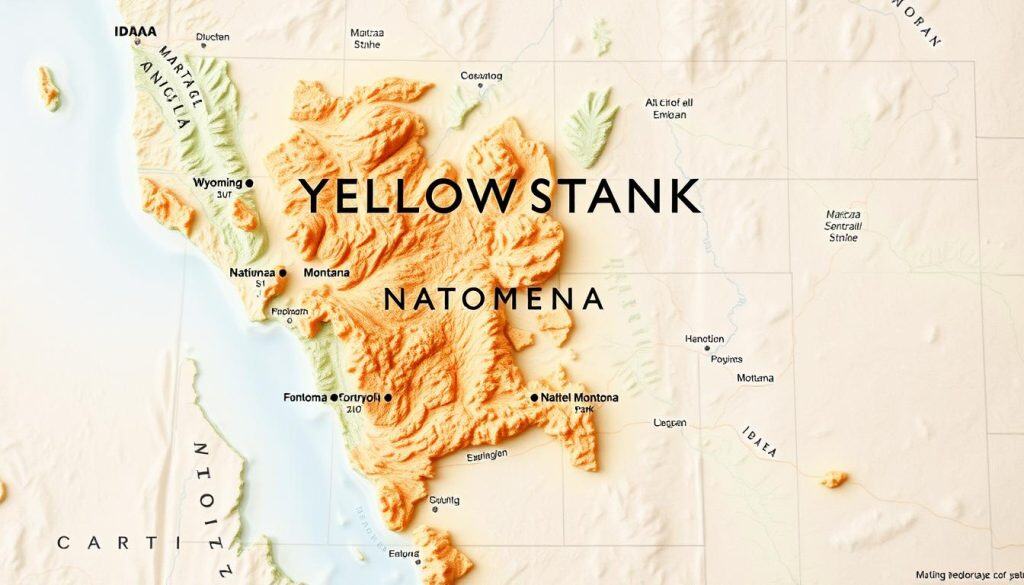
Although Wyoming claims the lion’s share of Yellowstone National Park, Montana and Idaho also have significant portions. Approximately 3% of the park’s total area is in Montana, primarily in the northern sections, while Idaho has about 1% in the western region.
Montana’s portion includes the popular North Entrance at Gardiner and the Northeast Entrance near Cooke City, making it an important gateway to the national park. The Montana section of Yellowstone features the famous Mammoth Hot Springs and parts of the wildlife-rich Lamar Valley.
Idaho’s small section of the park is less visited but still contains beautiful backcountry areas worth exploring for those seeking a more remote experience.
- While Wyoming claims the lion’s share of Yellowstone National Park, Montana contains approximately 3% of the park’s total area, primarily in the northern sections.
- Idaho has the smallest claim to Yellowstone, with just 1% of the park falling within its borders in the western region.
- Montana’s portion includes the popular North Entrance at Gardiner and the Northeast Entrance near Cooke City, making it an important gateway to the park.
- The Montana section of Yellowstone features the famous Mammoth Hot Springs and parts of the wildlife-rich Lamar Valley.
- Idaho’s small section of Yellowstone is less visited but still contains beautiful backcountry areas that are worth exploring for those seeking a more remote experience.
In total, the national park covers a vast area across these three states, offering diverse landscapes and experiences for visitors.
The Five Entrances to Yellowstone National Park
Established on March 1, 1872, Yellowstone National Park marked a significant milestone in conservation history. As you explore the park’s rich history, you’ll discover that it’s not just a natural wonder, but also a testament to human conservation efforts.
One of the most popular ways to experience Yellowstone is through its entrances, particularly the West Entrance, located near the lively town of West Yellowstone, Montana. The West Entrance is the busiest gateway to Yellowstone National Park, providing convenient access to many of the park’s famous attractions.
West Entrance: West Yellowstone, Montana
The West Entrance to Yellowstone National Park is situated near the town of West Yellowstone, Montana, and serves as the park’s primary access point. As you enter the park through this entrance, you’ll be greeted by the stunning natural beauty of Yellowstone’s geothermal features, including the Lower, Midway, and Upper Geyser Basins.
West Yellowstone, Montana, offers a range of visitor services, including lodging, dining, and shopping options, making it an ideal base for exploring the park. The town is particularly convenient for visitors coming from Idaho Falls, Bozeman, or Salt Lake City. As Anthony Walton once said, “Yellowstone is a place where the very fabric of our existence is threatened, and yet, it is also a place of great beauty and wonder.” This quote captures the essence of Yellowstone’s unique appeal.
During winter months, the West Entrance becomes a hub for snowmobile and snow coach tours into the park, providing a unique way to experience Yellowstone’s winter landscapes. With its rich history, natural beauty, and convenient access, the West Entrance is an ideal starting point for your Yellowstone adventure.
- The West Entrance is the most popular entrance to Yellowstone National Park.
- It provides access to many of the park’s famous geothermal features.
- West Yellowstone, Montana, offers a range of visitor services.
- The entrance is convenient for visitors coming from nearby cities.
- It’s a hub for winter activities, including snowmobile and snow coach tours.
The Five Entrances to Yellowstone National Park
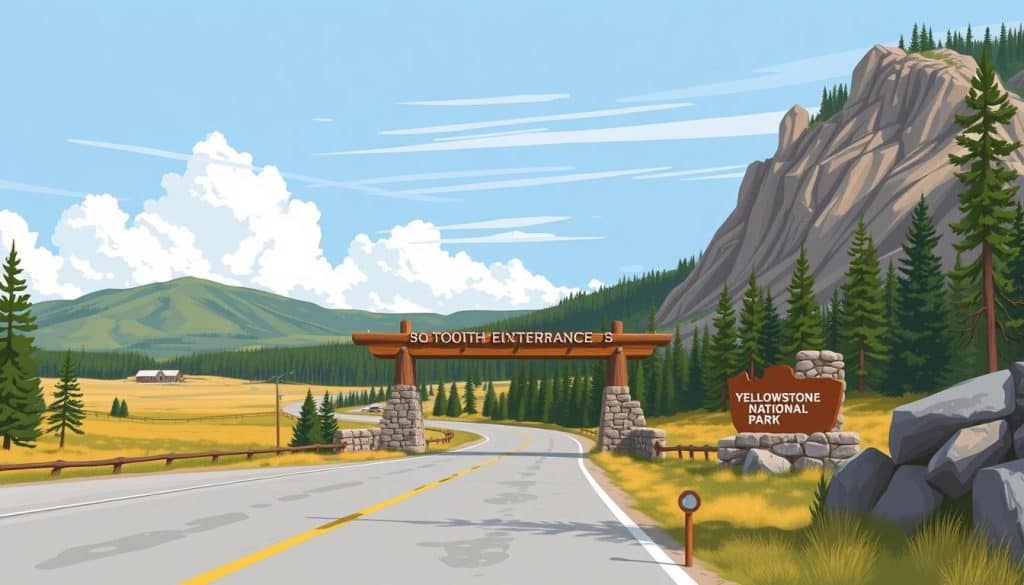
With multiple entrances to Yellowstone National Park, choosing the right one is essential. The South Entrance, located in Wyoming, is a popular choice for many visitors.
South Entrance: Jackson, Wyoming
The South Entrance to Yellowstone National Park is located in Wyoming, approximately 60 miles north of the popular resort town of Jackson. This entrance offers the unique advantage of allowing visitors to experience both Yellowstone and Grand Teton National Parks in one trip, as the two parks are connected by the John D. Rockefeller Jr. Memorial Parkway.
Visitors entering through the South Entrance will first encounter Yellowstone Lake and the West Thumb Geyser Basin, showcasing the park’s geothermal features. The area is known for its natural beauty and diverse wildlife.
- The South Entrance is typically open from May through October, weather permitting, and closes during winter months due to heavy snowfall.
- Jackson, Wyoming serves as a luxurious gateway community with high-end accommodations, dining, and shopping options for visitors seeking premium experiences.
- This entrance provides easy access to some of Yellowstone National Park‘s most spectacular attractions.
As you plan your visit to Yellowstone National Park, consider entering through the South Entrance for a unique and unforgettable experience. The surrounding area offers a range of amenities and services, making it an ideal choice for those looking for a comfortable and enjoyable trip.
By choosing the South Entrance, you’ll be able to explore the best of what national park has to offer, from its stunning natural beauty to its rich cultural heritage.
The Five Entrances to Yellowstone National Park
As we continue our journey through Yellowstone National Park’s entrances, we arrive at the East Entrance, a gateway that offers a unique blend of natural beauty and rich cultural heritage. This entrance is not just a passage into the park; it’s an experience that begins in the charming town of Cody, Wyoming.
Cody, Wyoming: The Gateway to the East Entrance
The East Entrance to Yellowstone National Park is located in Wyoming, approximately 53 miles west of the historic town of Cody. This town is famous for its Western heritage and is home to the world-class Buffalo Bill Center of the West museum complex. As you drive towards the park, you’ll be treated to scenic views that are quintessentially American.
The journey through the East Entrance takes you through the scenic Sylvan Pass, offering some of the most dramatic mountain views in the park. As you wind your way through the Absaroka Mountains, the serene beauty of Yellowstone Lake comes into view, providing a tranquil contrast to the rugged mountains.
One of the advantages of using the East Entrance is that it typically experiences less traffic than the West or South entrances. This can potentially offer a more peaceful entry experience, allowing you to fully appreciate the natural beauty that surrounds you.
The East Entrance is generally open from early May to early November, weather permitting. During this time, it provides access to a variety of activities around Yellowstone Lake, including fishing, boating, and hiking. Whether you’re an outdoor enthusiast or simply looking to enjoy the serene landscapes, the East Entrance offers a fulfilling experience.
| Activity | Location | Season |
|---|---|---|
| Fishing | Yellowstone Lake | May to November |
| Boating | Yellowstone Lake | May to November |
| Hiking | Around Yellowstone Lake | May to November |
As Buffalo Bill Cody once said, “There is something about the outside of a horse that is good for the inside of a man.” This quote encapsulates the spirit of adventure that defines the East Entrance to Yellowstone National Park. The town of Cody, with its rich Western heritage, is the perfect place to experience this spirit before entering the park.
“The clearest way into the Universe is through a forest wilderness.”
This sentiment resonates deeply with the experience of entering Yellowstone through the East Entrance. The journey is not just about reaching a destination; it’s about immersing yourself in the natural beauty and wonder of one of America’s most treasured national parks.
The Five Entrances to Yellowstone National Park

As you enter Yellowstone National Park through its Northeast Entrance, you’re on the cusp of an unforgettable wildlife adventure. The Northeast Entrance, located near the charming mountain towns of Cooke City and Silver Gate, Montana, is more than just a gateway to the park; it’s an experience in itself.
The Lamar Valley Experience
This entrance provides the most direct access to the Lamar Valley, often referred to as “America’s Serengeti” due to its abundant wildlife viewing opportunities. Here, you can witness a diverse range of wildlife, including wolves, bison, and grizzly bears, in their natural habitat.
The Northeast Entrance Road remains open year-round, making it one of the few ways to access the national park by vehicle during the winter months. This unique accessibility offers visitors a chance to experience the park’s serene winter landscapes and observe wildlife against the backdrop of snow-covered terrains.
- The Northeast Entrance to Yellowstone National Park is located in Montana near Cooke City and Silver Gate.
- It provides direct access to Lamar Valley, known for its abundant wildlife viewing opportunities.
- The Northeast Entrance Road is open year-round, allowing vehicle access during winter.
- Cooke City and Silver Gate offer charming, albeit limited, accommodations and services.
- The scenic Beartooth Highway connects this entrance to Red Lodge, Montana during summer months. For more information on visiting Montana’s national parks, check out our guide on the best time to visit Montana national.
Visiting Yellowstone National Park through its Northeast Entrance is an experience that combines the thrill of wildlife viewing with the beauty of the surrounding landscape. As part of the larger national park system, it offers a unique blend of adventure and connection with nature.
The Five Entrances to Yellowstone National Park
The journey to Yellowstone National Park begins at one of its five entrances, each with its own character and attractions. As we explore the North Entrance, you’ll discover why it’s considered one of the most iconic ways to enter the park.
Gardiner, Montana: The North Entrance
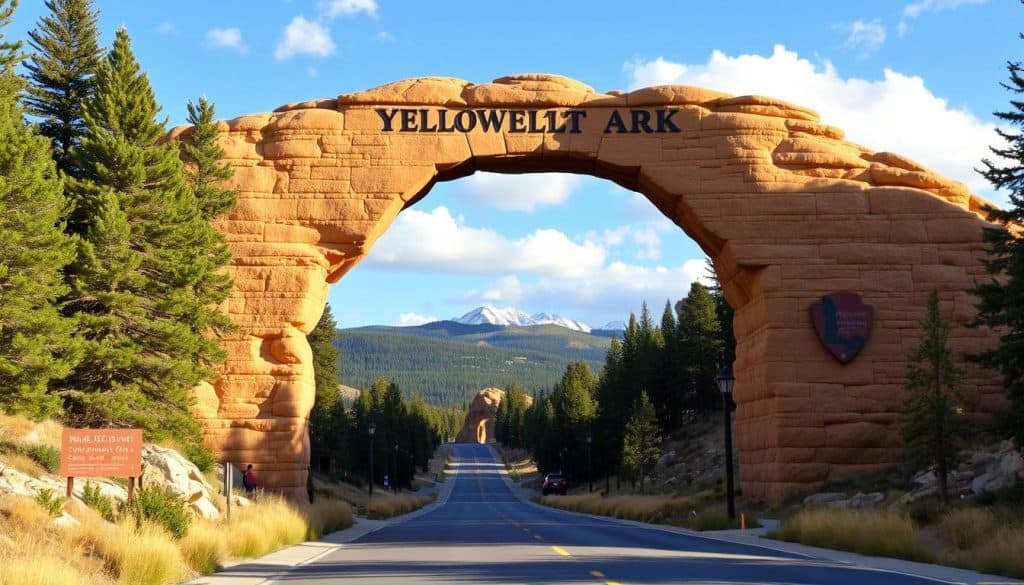
The North Entrance to Yellowstone National Park is located in Gardiner, Montana, and is marked by the historic Roosevelt Arch, dedicated by President Theodore Roosevelt in 1903. This entrance provides immediate access to Mammoth Hot Springs, one of the park’s most unique thermal features and the location of park headquarters.
Some key features of the North Entrance include:
- The North Entrance is the only entrance that remains open to regular vehicle traffic year-round, making it crucial for winter visitors.
- Following the catastrophic flooding in 2022, the North Entrance Road was rebuilt, now offering spectacular new views of the Gardiner River canyon and Mammoth Hot Springs.
- Gardiner, Montana serves as a year-round gateway community with a range of accommodations, dining options, and outfitters for various park activities.
Visiting Yellowstone National Park through the North Entrance is an experience unlike any other, with its historic significance and immediate access to natural wonders like Mammoth Hot Springs.
The History of Yellowstone as the World’s First National Park
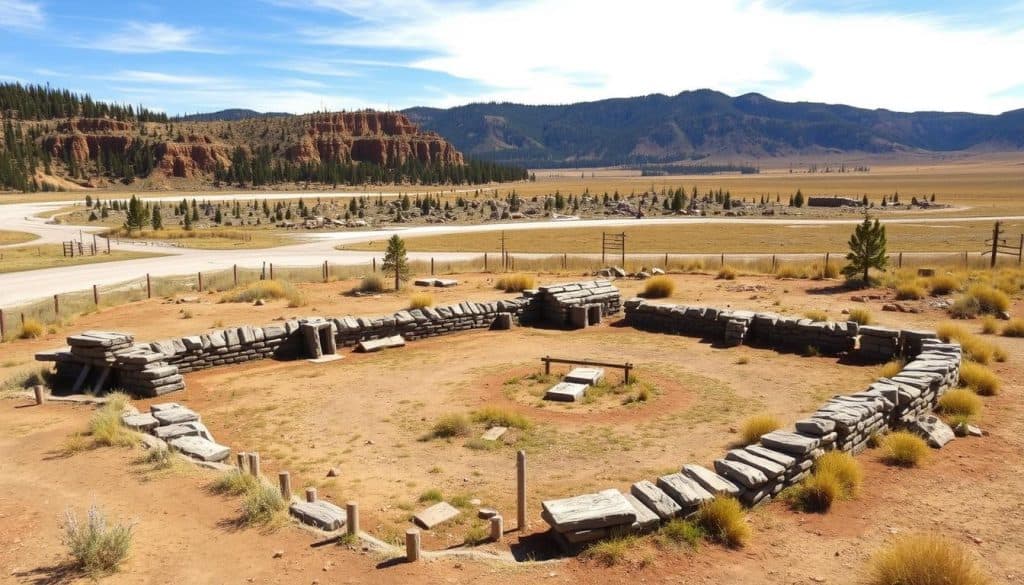
For at least 11,000 years, Native Americans have called the Yellowstone region home, leaving behind a legacy that is still felt today. The human history of Yellowstone National Park began when Native Americans started to hunt and fish in the region.
Native American Presence in Yellowstone
Archaeological evidence shows that Native Americans inhabited the Yellowstone region for thousands of years. During the construction of the post office in Gardiner, Montana, in the 1950s, an obsidian point of Clovis origin was discovered, dating back approximately 11,000 years.
The presence of Native Americans in Yellowstone was not limited to a single tribe; multiple tribes utilized the area, including the Shoshone, Bannock, Crow, Nez Perce, and Blackfeet. Although most used it seasonally rather than for permanent settlement, their impact on the region was significant.
- Archaeological evidence shows that Native Americans have inhabited the Yellowstone region for at least 11,000 years, with a Clovis point discovered near Gardiner dating to this ancient period.
- Multiple tribes utilized the Yellowstone area, including the Shoshone, Bannock, Crow, Nez Perce, and Blackfeet, though most used it seasonally rather than for permanent settlement.
- Native Americans primarily visited Yellowstone for hunting, gathering, and collecting obsidian, which was highly valued for making tools and weapons.
- The thermal features of Yellowstone National Park held spiritual significance for many tribes, who considered them sacred places with healing properties.
- Despite their long history in the region, Native American tribes were effectively excluded from the national park after its establishment, a historical injustice that park authorities have only recently begun to address.
The history of Native American presence in Yellowstone is a vital part of understanding the first national park‘s rich cultural heritage. As we explore the depths of Yellowstone’s history, we uncover the layers of human experience that have shaped this unique landscape.
The History of Yellowstone as the World’s First National Park
The history of Yellowstone National Park is a rich tapestry of natural wonders and human exploration. Long before it became the world’s first national park, Yellowstone was a region of mystery and intrigue for early European explorers.
Early Encounters and Exploration
The allure of Yellowstone’s uncharted territories drew many explorers, but few were as pivotal as John Colter, a member of the Lewis and Clark Expedition. In 1806, Colter left to join a group of fur trappers and, after splitting up with them in 1807, he passed through a portion of what later became the park during the winter of 1807-1808.
Colter observed at least one geothermal area in the northeastern section of the park, near Tower Fall. His descriptions of a place of “fire and brimstone” were met with skepticism, and the area he described became mockingly known as “Colter’s Hell.” This wasn’t an isolated incident; other explorers, like mountain man Jim Bridger, also reported Yellowstone’s wonders, including boiling springs and “a mountain of glass” (obsidian), but were similarly disbelieved.
- John Colter’s journey through the region in 1807-1808, marking him as the first European American to visit the area.
- The Raynolds Expedition of 1859-60, which was the first organized attempt to explore the region, though they were prevented from entering what would become Yellowstone due to heavy spring snows.
- The Cook-Folsom-Peterson Expedition of 1869, the first documented group to explore the Yellowstone region specifically.
- The Washburn-Langford-Doane Expedition in 1870, a more famous expedition that further documented Yellowstone’s wonders.
These early explorers and expeditions laid the groundwork for Yellowstone’s designation as the first national park, a title that reflects its unique natural and cultural significance. As we reflect on the history of Yellowstone National Park, it’s clear that the stories of these early explorers are an integral part of its legacy.
The History of Yellowstone as the World’s First National Park
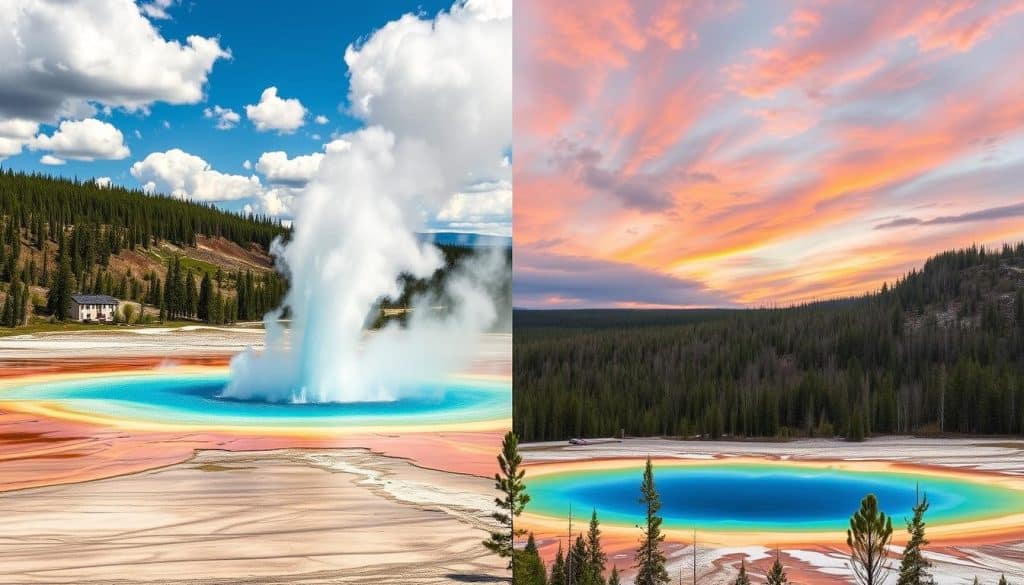
On March 1, 1872, a landmark legislation was signed, creating the world’s first national park. This significant event marked the establishment of Yellowstone National Park, a place of breathtaking natural beauty and diverse geological features.
A New Era in Conservation
The creation of Yellowstone National Park was largely influenced by the Hayden Geological Survey of 1871. This survey, led by Ferdinand V. Hayden, included notable figures such as photographer William Henry Jackson and painter Thomas Moran. Their documentation helped convince Congress of the area’s value and the need for its preservation.
Ferdinand V. Hayden was a passionate advocate for the park, believing that it should be “set aside as a pleasure ground for the benefit and enjoyment of the people.” He warned that without protection, the area would be exploited for its natural resources.
- Yellowstone National Park was established on March 1, 1872, when President Ulysses S. Grant signed the Yellowstone National Park Protection Act, making it the first national park in the United States and the world.
- The legislation protected Yellowstone from private development and resource extraction, establishing the revolutionary concept that certain landscapes should be preserved for their natural beauty.
- This groundbreaking act set the precedent for the national park system in the United States and inspired similar conservation efforts worldwide.
The establishment of Yellowstone as a national park has had a lasting impact on conservation efforts. It has inspired the protection of numerous other natural areas around the world and continues to be a model for conservation initiatives.
Today, Yellowstone National Park remains a unique and fascinating place, attracting visitors from all over the world. Its history and natural beauty make it a truly special destination.
Yellowstone’s Unique Geological Features
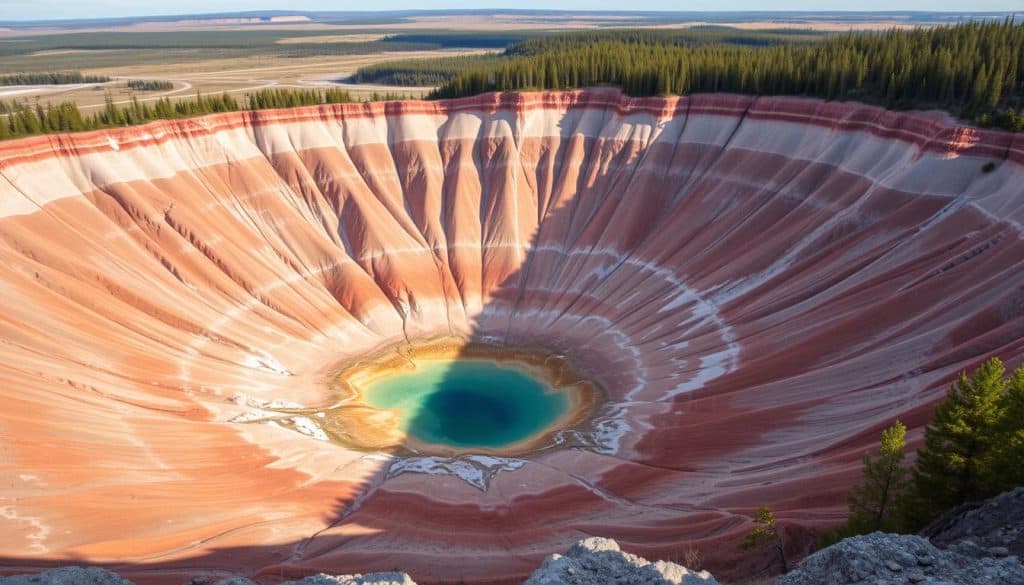
The geological features of Yellowstone National Park are unlike anywhere else on Earth, thanks to the presence of a dormant supervolcano. As you explore this incredible national park, you’ll discover that its unique landscape is a result of its position atop a volcanic hotspot.
The Yellowstone Caldera: A Dormant Supervolcano
Yellowstone National Park sits atop a massive volcanic system known as the Yellowstone Caldera, which is essentially a dormant supervolcano measuring approximately 30 by 45 miles. This caldera formed through a series of catastrophic eruptions, the most recent occurring approximately 640,000 years ago, though smaller eruptions have occurred since then.
The enormous magma chamber beneath Yellowstone fuels the park’s famous geothermal features and causes the ground to rise and fall in certain areas as magma shifts below. Yellowstone Lake, one of North America’s largest high-elevation lakes, sits partially within the caldera, with the lake floor containing active hot springs and geysers.
- Yellowstone National Park sits atop a massive volcanic system known as the Yellowstone Caldera, which is essentially a dormant supervolcano measuring approximately 30 by 45 miles.
- This caldera formed through a series of catastrophic eruptions, the most recent occurring approximately 640,000 years ago, though smaller eruptions have occurred since then.
- The enormous magma chamber beneath Yellowstone fuels the park’s famous geothermal features and causes the ground to rise and fall in certain areas as magma shifts below.
- Yellowstone Lake, one of North America’s largest high-elevation lakes, sits partially within the caldera, with the lake floor containing active hot springs and geysers.
- Scientists closely monitor the Yellowstone volcanic system using seismographs, GPS, and other technologies to track earthquake activity and ground deformation that might indicate changes in the magma chamber.
The presence of water in Yellowstone Lake and other areas of the park plays a crucial role in its geological activity, contributing to the formation of geothermal features and maintaining the park’s unique ecosystem.
Yellowstone’s Unique Geological Features
One of the most striking aspects of Yellowstone National Park is its vast array of geothermal features, including geysers and hot springs. These natural wonders are a result of the park’s unique geology, sitting atop a volcanic hotspot where magma from deep beneath the Earth’s surface heats groundwater, creating the perfect conditions for these phenomena.
Geothermal Wonders of Yellowstone
Yellowstone is home to more than 10,000 hydrothermal features, including approximately 500 geysers, which is more than half of all active geysers in the world. The process that creates these features involves groundwater seeping into the earth, being heated by the underlying magma chamber, and then rising back to the surface as hot springs, geysers, mud pots, or fumaroles.
The park’s hydrothermal areas are grouped into distinct basins, including the Upper, Midway, and Lower Geyser Basins, Norris Geyser Basin, and West Thumb Geyser Basin. Each of these basins has its own unique characteristics, offering visitors a diverse range of geothermal features to explore. For instance, the vibrant colors seen in Yellowstone’s hot springs are due to heat-loving microorganisms called thermophiles, which create colorful mats in different temperature zones.
Geysers like Old Faithful erupt when underground water chambers fill and heat to the boiling point, creating pressure that eventually forces water and steam through narrow constrictions to the surface. This process is both fascinating and complex, making Yellowstone National Park a unique destination for those interested in geological wonders.
The diversity and concentration of geysers and hot springs in Yellowstone are unparalleled, making it a national park like no other. Visitors from around the world come to witness these incredible displays of natural power and beauty.
- Yellowstone contains over 10,000 hydrothermal features, including approximately 500 geysers.
- The geothermal features are created by groundwater being heated by the underlying magma chamber.
- Hot springs form colorful pools due to the presence of thermophiles.
- Geysers erupt due to the buildup of pressure from heated water and steam.
- The park’s hydrothermal areas are divided into several distinct basins.
Yellowstone’s Unique Geological Features
One of the most fascinating aspects of Yellowstone is its unique geological features, particularly the famous Old Faithful. As you explore the park, you’ll discover a myriad of geothermal wonders that showcase the incredible natural forces at work beneath the surface.
Famous Geysers and Hot Springs
Yellowstone National Park is renowned for its geothermal features, including geysers and hot springs. Old Faithful, perhaps the most iconic geyser, erupts approximately every 90 minutes, shooting water up to 185 feet into the air for 1.5 to 5 minutes. This predictability makes it one of the most visited and awe-inspiring attractions in the park.
Other notable geothermal features include the Grand Prismatic Spring, the largest hot spring in the United States and third largest in the world. Measuring approximately 370 feet in diameter, it’s celebrated for its vibrant, rainbow-like coloration caused by different species of thermophilic bacteria.
Mammoth Hot Springs is another highlight, featuring a series of terraced travertine formations. Hot water rising through limestone dissolves calcium carbonate, which is then deposited at the surface, creating intricate and ever-changing formations.
The park is also home to numerous other geysers, such as those found in the Norris Geyser Basin. Here, you’ll find Steamboat Geyser, the world’s tallest active geyser, capable of shooting water more than 300 feet high during major eruptions, although these events are unpredictable.
- Old Faithful: Erupts approximately every 90 minutes, shooting water up to 185 feet into the air.
- Grand Prismatic Spring: The largest hot spring in the United States, known for its vibrant colors.
- Mammoth Hot Springs: Features terraced travertine formations created by hot water.
- Norris Geyser Basin: Home to Steamboat Geyser, the world’s tallest active geyser.
| Geothermal Feature | Location | Notable Characteristics |
|---|---|---|
| Old Faithful | Upper Geyser Basin | Erupts every 90 minutes, shoots water up to 185 feet |
| Grand Prismatic Spring | Midway Geyser Basin | Largest hot spring in the US, vibrant rainbow colors |
| Mammoth Hot Springs | Mammoth Hot Springs Area | Travertine formations, hot water deposits calcium carbonate |
| Steamboat Geyser | Norris Geyser Basin | Tallest active geyser, unpredictable eruptions up to 300 feet |
“The wonders of Yellowstone’s geothermal features are a testament to the park’s unique geology and a reminder of the awe-inspiring power of nature.”
Yellowstone’s Diverse Ecosystems
One of the most fascinating aspects of Yellowstone is its diverse range of ecosystems, from subalpine forests to sagebrush steppe. As you explore the park, you’ll notice the varied landscapes that create a complex mosaic of ecosystems, supporting a wide range of plant and animal life.
Forests and Grasslands
Yellowstone National Park is predominantly covered by subalpine forests, which account for approximately 80% of the park’s landscape. These forests are primarily composed of lodgepole pine, Douglas fir, Engelmann spruce, and subalpine fir, and are part of the South Central Rockies forests ecoregion.
The park’s forests have undergone significant transformations, notably following the massive wildfires of 1988, which burned about one-third of the park’s area. While devastating, these fires also highlighted the natural role of fire in forest regeneration. The aftermath of these fires has shown how ecosystems can recover and adapt over time.
In addition to its forests, Yellowstone is home to grasslands and sagebrush steppe environments. These areas, though smaller in comparison, are crucial for grazing animals like bison and elk, particularly in regions such as Lamar Valley and Hayden Valley.
- The subalpine forests dominate the landscape, with lodgepole pine being a significant component.
- The 1988 wildfires significantly altered the park’s forests, demonstrating the role of fire in regeneration.
- Grasslands provide vital habitats for grazing wildlife, such as bison and elk.
- Ecotones, or transition zones, between forests and grasslands support greater biodiversity.
- The park’s plant communities have adapted to its harsh climate, with short growing seasons and cold winters.
These diverse ecosystems are not just visually striking; they also play a critical role in supporting the park’s wildlife. The varied plant communities have adapted to Yellowstone’s challenging conditions, creating specialized niches for both plants and the animals that depend on them.
Yellowstone’s Diverse Ecosystems
Yellowstone National Park is renowned for its diverse ecosystems, which include majestic rivers, serene lakes, and breathtaking waterfalls. As you explore the park, you’ll discover that its aquatic landscapes are just as fascinating as its geothermal features.
Rivers, Lakes, and Waterfalls
The park is home to numerous water bodies that support a wide range of flora and fauna. Yellowstone Lake, for instance, is one of the largest high-elevation lakes in North America, situated at an impressive 7,733 feet above sea level. It covers an area of 132 square miles, boasts 110 miles of shoreline, and reaches depths of up to 390 feet.
The lake is not only a stunning natural feature but also a crucial component of the park’s ecosystem. It’s centered over the Yellowstone Caldera, the largest supervolcano on the continent, making it a unique and fascinating geological formation.
In addition to Yellowstone Lake, the park features an impressive array of rivers and streams. The Yellowstone River, which flows through the park, is the longest undammed river in the continental United States, stretching 671 miles from its headwaters to its confluence with the Missouri River. The park’s rivers and streams total over 1,000 miles, providing habitats for diverse fish populations, including the native Yellowstone cutthroat trout.
Yellowstone National Park is also dotted with numerous waterfalls, with approximately 290 scattered throughout its vast expanse. The Lower Falls of the Yellowstone River, located in the Grand Canyon of the Yellowstone, is a standout feature, plunging 308 feet into the canyon below.
| Water Feature | Description | Notable Facts |
|---|---|---|
| Yellowstone Lake | Largest high-elevation lake in North America | 7,733 feet above sea level, 132 square miles, 390 feet deep |
| Yellowstone River | Longest undammed river in the continental United States | 671 miles long, flows through the Grand Canyon of the Yellowstone |
| Lower Falls | Most spectacular waterfall in the park | 308-foot drop, located in the Grand Canyon of the Yellowstone |
The park’s thermal waters create unique aquatic environments that support specialized microorganisms. These microorganisms thrive in extreme conditions, contributing to groundbreaking scientific research in various fields, from medicine to astrobiology.
Wildlife in Yellowstone National Park
Yellowstone National Park is renowned for its incredible diversity of wildlife, including some of the most iconic species in North America. As you explore the park, you’re likely to encounter a wide range of fascinating animals.
Herbivores of Yellowstone
The park is home to a variety of herbivores, including bison, elk, and other species that play crucial roles in shaping the ecosystem. The Yellowstone Park bison herd is particularly notable, being the oldest and largest public bison herd in the United States.
- The Yellowstone Park bison herd consists of approximately 5,000 animals, descendants of the last wild bison that survived the mass slaughter of the 19th century.
- The park’s northern range supports one of the largest elk herds in North America, with current estimates ranging between 6,000 to 8,000 animals.
- Other herbivores in the park include mule deer, white-tailed deer, moose, pronghorn, and bighorn sheep, each occupying specific ecological niches.
These grazing animals are not just fascinating to observe; they also play vital roles in the park’s ecosystem through their feeding patterns, migration routes, and interactions with predators.
| Herbivore Species | Estimated Population | Ecological Role |
|---|---|---|
| Bison | 5,000 | Grazing, habitat creation |
| Elk | 6,000-8,000 | Grazing, migration patterns |
| Mule Deer | Varies | Browsing, seed dispersal |
As highlighted by a conservation expert,
“The management of herbivore populations, particularly bison, remains a complex issue due to concerns about disease transmission to domestic livestock when animals leave park boundaries.”
The diverse array of herbivores in Yellowstone National Park underscores the importance of conservation efforts and responsible wildlife management practices.
Wildlife in Yellowstone National Park
As you explore the vast wilderness of Yellowstone National Park, you’ll encounter a diverse range of wildlife, including some of the most iconic predators in North America. The park is home to a variety of apex predators, including wolves, bears, and cougars, which play a crucial role in maintaining the balance of the ecosystem.
Predators: Wolves, Bears, and Cougars
The presence of these predators is a testament to the park’s successful conservation efforts. Yellowstone National Park’s wolf reintroduction program, begun in 1995, stands as one of the most successful wildlife restoration efforts in history. Today, approximately 100 wolves live in the park across 8-10 packs.
The Greater Yellowstone Ecosystem supports approximately 700-1,000 grizzly bears, with about 150 living within park boundaries. This represents a remarkable recovery from near-extinction in the lower 48 states. In addition to grizzly bears, the park is also home to black bears, with an estimated population of 500-650 animals within the park.
Mountain lions (cougars) maintain a secretive presence in Yellowstone, with an estimated 34-42 adults living within park boundaries. Although they are rarely seen by visitors, their presence is felt throughout the ecosystem.
These apex predators have created a trophic cascade since their restoration, changing prey behavior and abundance, which in turn has affected vegetation patterns, smaller animal populations, and even river morphology. This phenomenon is referred to as “the ecology of fear” by ecologists.
The complex relationships between predators and prey in Yellowstone National Park highlight the importance of conservation efforts and the need to protect this unique ecosystem.
Wildlife in Yellowstone National Park
One of the most fascinating aspects of Yellowstone National Park is its incredible array of wildlife, from majestic birds to fascinating aquatic creatures. As we explore the park’s diverse ecosystems, we find that Yellowstone is home to hundreds of species of mammals, birds, fish, reptiles, and amphibians.
Bird Species and Aquatic Life
The national park provides a habitat for approximately 300 bird species, including iconic raptors like bald eagles, osprey, and peregrine falcons that hunt along the park’s waterways. The trumpeter swan, North America’s largest waterfowl, maintains a small but stable population in Yellowstone, with about 10 resident pairs nesting on park waters.
Yellowstone Lake and its surrounding aquatic ecosystems support 11 native fish species, including the Yellowstone cutthroat trout, which faces threats from introduced species like lake trout. The park’s thermal waters host extremophile microorganisms that have led to groundbreaking scientific discoveries.
Amphibians like the boreal chorus frog and Columbia spotted frog serve as important indicator species for ecosystem health. These creatures are particularly sensitive to environmental changes due to their permeable skin.
- The diversity of bird species in Yellowstone National Park is a testament to its rich ecosystems.
- The park’s water bodies, including Yellowstone Lake, support a wide range of aquatic life.
- Conservation efforts are crucial to maintaining the balance of national park ecosystems.
Popular Attractions in Yellowstone
The Grand Canyon of the Yellowstone is a testament to the park’s geological wonders, carved by the relentless flow of the Yellowstone River. As one of the most spectacular sights within Yellowstone National Park, it draws millions of visitors each year.
A Marvel of Geological Activity
The Grand Canyon of the Yellowstone stretches approximately 20 miles long, up to 4,000 feet wide, and 1,200 feet deep. The canyon’s vibrant yellow, orange, and red walls result from hydrothermally altered rhyolite rock containing iron compounds that oxidized to create the striking colors.
As you stand on the rim of the canyon, you are greeted by the breathtaking views of the Yellowstone River as it winds its way through the chasm. The Lower Falls, plunging 308 feet, and Upper Falls, dropping 109 feet, create spectacular focal points within the canyon and rank among the park’s most photographed features.
Artist Point on the canyon’s south rim offers perhaps the most famous view in the national park, capturing Lower Falls framed by the colorful canyon walls in a scene immortalized by painter Thomas Moran in 1872. Other outstanding viewpoints include Lookout Point and Grand View on the north rim, each offering unique perspectives of this remarkable landscape.
| Viewpoint | Location | Notable Features |
|---|---|---|
| Artist Point | South Rim | Lower Falls, colorful canyon walls |
| Lookout Point | North Rim | Panoramic view of the canyon |
| Grand View | North Rim | Expansive view of the canyon and river |
Visiting the Grand Canyon of the Yellowstone is an unforgettable experience, offering insights into the geological history and natural beauty of Yellowstone National Park. As part of your visit to this national park, be sure to take in the majesty of this natural wonder.
Popular Attractions in Yellowstone
As you explore the wonders of Yellowstone National Park, one of the most breathtaking attractions you’ll encounter is Mammoth Hot Springs. This natural marvel is a testament to the park’s unique geological features and offers a glimpse into the Earth’s incredible processes.
Mammoth Hot Springs is renowned for its travertine formations, created as hot water rich in minerals rises through limestone, depositing calcium carbonate at the surface. This process results in intricate, ever-changing formations that resemble frozen waterfalls. Unlike most of Yellowstone’s thermal features, which form in rhyolite rock, Mammoth Hot Springs emerges from limestone, creating its distinctive white terraces.
Exploring the Mammoth Hot Springs Area
The Mammoth area is home to over 50 hot springs spread across upper and lower terraces. Notable features include Minerva Terrace, Palette Spring, and Liberty Cap, a 37-foot tall dormant hot spring cone. These terraces are constantly evolving as water flow shifts, creating new formations while others become dormant. Approximately 2 tons of travertine are deposited daily across the complex, making it a dynamic and fascinating site to explore.
The Mammoth Hot Springs area also holds historical significance as it serves as Yellowstone’s park headquarters. The historic Fort Yellowstone buildings, which date back to the U.S. Army’s administration of the park from 1886 to 1918, are now preserved as a National Historic Landmark. This blend of natural wonder and historical importance makes Mammoth Hot Springs a unique and enriching experience for visitors.
| Feature | Description |
|---|---|
| Minerva Terrace | A prominent travertine formation known for its intricate patterns and vibrant colors. |
| Palette Spring | A vibrant hot spring displaying a range of colors due to the presence of various minerals. |
| Liberty Cap | A 37-foot tall dormant hot spring cone, offering a striking visual contrast to the surrounding landscape. |
Visiting Mammoth Hot Springs is an unforgettable experience, offering insights into Yellowstone’s geological and historical heritage. As part of your journey through Yellowstone National Park, this attraction is not to be missed.
Popular Attractions in Yellowstone
At an elevation of 7,733 feet, Yellowstone Lake is not only a stunning natural feature but also one of the largest high-elevation lakes in North America. As the largest lake in Yellowstone National Park, it covers an impressive 132 square miles with 110 miles of shoreline and reaches depths of 390 feet.
A Lake of Superlatives
Yellowstone Lake is centered over the Yellowstone Caldera, the largest super volcano on the continent. The lake’s northern half covers the southeast portion of this massive volcanic feature, resulting in significant geothermal activity on the lake floor, including hot springs and geysers.
The West Thumb Geyser Basin, located on the lake’s western shore, is a unique attraction where geothermal features emerge directly from the lakeshore and underwater. One of the most fascinating features is Fishing Cone, where early visitors reportedly caught fish and cooked them in the same spot.
The lake is also dotted with several islands, including Stevenson Island and Frank Island, with the largest being Dot Island at approximately 0.5 square miles. In the winter, Yellowstone Lake freezes over completely, with ice reaching 3 feet thick. However, areas with thermal activity remain open or have thinner ice, creating hazardous conditions for winter travelers.
Visiting Yellowstone Lake offers a chance to experience the natural beauty and unique geological features of Yellowstone National Park. Whether you’re interested in its geothermal wonders or its serene landscapes, Yellowstone Lake is a destination that promises an unforgettable experience.
Activities and Recreation in Yellowstone
From leisurely strolls to challenging multi-day treks, Yellowstone’s diverse landscapes have something for every hiker. As you explore the park’s vast wilderness, you’ll discover a wide range of hiking trails that cater to different skill levels and interests.
Hiking Trails and Backpacking Adventures
Yellowstone National Park offers more than 900 miles of hiking trails, ranging from easy boardwalk strolls around geyser basins to challenging multi-day backcountry treks across diverse landscapes. Some popular day hikes include:
- The Fairy Falls Trail to Grand Prismatic Overlook, a 5-mile round-trip journey.
- The Mount Washburn trail from Dunraven Pass, a 6.4-mile round-trip hike.
- The Elephant Back Mountain Loop, a 3.6-mile round-trip trail offering panoramic views of Yellowstone Lake.
The park maintains approximately 300 backcountry campsites for overnight wilderness adventures, with permits required for all overnight stays in the backcountry.
As you hike through Yellowstone, it’s essential to remain vigilant about wildlife safety, particularly regarding bears. Carrying bear spray and making noise while hiking can help avoid surprise encounters. The park’s trail system provides access to remote thermal areas, pristine lakes, mountain summits, and wildlife viewing opportunities that can’t be experienced from roadside locations.
Activities and Recreation in Yellowstone
As you explore the vast wilderness ofYellowstone National Park, you’ll discover a plethora of activities to enjoy, including fishing and boating. The park’s diverse water bodies offer a range of opportunities for outdoor enthusiasts.
Fishing Opportunities
Fishing is a popular activity inYellowstone National Park, with numerous lakes and streams teeming with fish. To protect native species, fishing regulations are in place, and a permit is required. Many areas are designated as catch-and-release only, particularly for the native Yellowstone cutthroat trout.
The park boasts an impressive2,650 miles of streamsand150 lakes, providing diverse fishing experiences. From the challenge of small mountain streams to the expansive waters ofYellowstone Lake, there’s something for every angler.
Some key fishing regulations to keep in mind include:
- Obtaining a permit before you start fishing
- Following catch-and-release guidelines in designated areas
- Handling fish gently to ensure their survival
| Fishing Location | Type of Fishing | Regulations |
|---|---|---|
| Yellowstone Lake | Catch-and-release for cutthroat trout | Permit required |
| Mountain Streams | Fly fishing for trout | Catch-and-release only |
| Lake Yellowstone | Boat fishing for lake trout | Check local guidelines for bag limits |
Boating in Yellowstone
Boating is another popular activity in the park, with most major lakes open to watercraft. However, all boats must be inspected for invasive species before launching.Yellowstone Lake,Lewis Lake, andShoshone Lakeare among the lakes where boating is permitted.
AtBridge Bay Marinaon Yellowstone Lake, visitors can rent boats or take guided fishing charters. This provides a great opportunity for those without their own equipment to experience the park’s largest body of water.
“The serenity of paddling across Yellowstone Lake at dawn, surrounded by the awakening wilderness, is an experience that will stay with you forever.”
Non-motorized boating, such as canoeing and kayaking, offers a peaceful way to explore Yellowstone’s waterways. These activities allow visitors to access remote shorelines that are inaccessible by land trails.
Whether you’re an avid angler or enjoy a leisurely boat ride, Yellowstone National Park offers a range of fishing and boating experiences that cater to all interests and skill levels.
Activities and Recreation in Yellowstone
Yellowstone offers some of the best wildlife viewing opportunities in the country, with areas like Lamar Valley and Hayden Valley being hotspots for spotting iconic species. As a visitor, you’re likely to be thrilled by the chance to observe these incredible animals in their natural habitats.
Prime Locations for Wildlife Viewing
The park’s diverse landscapes support a wide range of wildlife, including bison herds, wolf packs, and grizzly bears. Lamar Valley, often referred to as the “Serengeti of North America,” is particularly renowned for its abundant wildlife. Hayden Valley is another prime location, known for its high concentration of grizzly bears and wolves.
To make the most of your wildlife viewing experience, consider visiting during the early morning and evening hours when animals are most active. Using specialized wildlife spotting scopes and binoculars can also enhance your experience, allowing you to observe animals without disturbing them.
For both professional and amateur photographers, Yellowstone provides unparalleled opportunities to capture stunning images of wild animals against spectacular natural backdrops. To get the best shots, be patient and prepared to spend time waiting for the perfect moment. Remember to maintain a safe distance from the wildlife; the park regulations require visitors to stay 100 yards away from bears and wolves and 25 yards away from all other animals.
Joining a guided wildlife tour with experienced naturalists can significantly enhance your wildlife viewing experience. These guides can help you locate animals and provide insights into their behaviors and ecological roles, enriching your understanding and appreciation of the wildlife.
By following park regulations and being mindful of your surroundings, you can enjoy a safe and rewarding wildlife viewing experience in Yellowstone National Park.
Activities and Recreation in Yellowstone
One of the best ways to experience the richness of Yellowstone National Park is by participating in the diverse ranger-led activities available throughout the year. These programs are designed to enhance your understanding and appreciation of the park’s natural and cultural resources.
Educational Programs for All Ages
Yellowstone National Park offers a variety of educational programs that cater to different interests and age groups. These include guided walks, campfire talks, wildlife watching excursions, and junior ranger activities for children. By participating in these programs, you can gain deeper insights into the park’s geology, wildlife, and history.
The educational programs cover a wide range of topics, from the park’s unique geological features to its diverse wildlife and ecosystems. For example, you can join a guided walk to explore the park’s geothermal features, such as Old Faithful and the Grand Prismatic Spring.
| Program Type | Description | Age Group |
|---|---|---|
| Guided Walks | Explore the park’s natural wonders with a knowledgeable ranger | All Ages |
| Campfire Talks | Evening programs featuring multimedia presentations | All Ages |
| Junior Ranger Activities | Engage in age-appropriate activities to earn badges and certificates | 4 and up |
In addition to these programs, the Yellowstone Forever Institute offers in-depth field seminars and educational adventures for visitors seeking more comprehensive learning experiences. You can also explore other national parks during your trip.
By participating in these ranger-led programs, you can create lasting memories and develop a deeper appreciation for the natural and cultural significance of Yellowstone National Park. Whether you’re interested in geology, wildlife, or history, there’s something for everyone in this incredible national park.
Seasonal Variations in Yellowstone
Visiting Yellowstone National Park during the summer offers an unforgettable experience. The park is at its most vibrant, with warm weather and long days that allow for extensive exploration.
Peak Season
Summer, which spans from June through August, is considered the peak visitation season for Yellowstone National Park. During these three months, approximately 75% of the park’s annual 4 million visitors arrive.
- All park roads, facilities, and services are fully operational, with extended hours at visitor centers and a complete schedule of ranger-led programs.
- Summer temperatures typically range from 70-80°F (21-27°C) during the day to 30-40°F (0-4°C) at night, though afternoon thunderstorms are common.
- Wildlife viewing opportunities shift as animals move to higher elevations to escape the heat, with bison rut occurring in August.
It’s essential to make advance reservations for lodging and campgrounds if you plan to visit during the summer, as accommodations often book up 6-12 months in advance.
As you plan your national park adventure, keep in mind that the summer season is the busiest time of the year. Being prepared and flexible will help ensure a memorable trip to this incredible national park.
Seasonal Variations in Yellowstone
The fall season in Yellowstone is a time of transition, marked by changing leaves and increased wildlife activity. As the summer warmth dissipates, the park undergoes a transformation that’s both visually stunning and behaviorally significant among its wildlife.
Changing Colors and Wildlife Activity
Fall in Yellowstone National Park brings a serene beauty, with cooler temperatures and vibrant foliage, especially among aspen and cottonwood trees. The crowds that thronged the park during the summer months dissipate after the Labor Day weekend, making it a more peaceful time to visit.
As the seasons change, wildlife becomes more active as animals prepare for the coming winter. The elk rut, or mating season, peaks in September and October, filling the air with the haunting bugle calls of bull elk. This period is particularly exciting for wildlife enthusiasts and photographers.
- The changing colors among aspen and cottonwood trees create a picturesque landscape.
- Bears become more visible as they enter hyperphagia, a period of intensive feeding before hibernation.
- Park facilities begin to close in stages throughout the fall, with most services shutting down by mid-October.
- Photographers find fall to be an exceptional time, with golden light and atmospheric morning mist rising from thermal features.
As the fall progresses, the contrast of early snow against the autumn colors adds to the visual spectacle, making it a unique time to visit Yellowstone National Park. The reduced crowds and increased wildlife activity make it an ideal season for those looking to experience the national park in a different light.
Seasonal Variations in Yellowstone
Winter brings a unique charm to Yellowstone, turning it into a snow-covered wonderland. As the temperatures drop, the park’s landscape transforms, offering a serene and majestic experience for visitors.
Snow-Covered Landscapes
From November to April, Yellowstone National Park is blanketed in snow, creating a winter wonderland that is both breathtaking and tranquil. Most park roads are closed to regular vehicle traffic during this period, but they remain open to over-snow travel via snowmobile or snow coach, providing a unique way to explore the park’s winter landscapes.
The North Entrance at Gardiner, Montana, is the only entrance that remains open to private vehicles year-round. This entrance provides access to the road between Mammoth Hot Springs and the Northeast Entrance at Cooke City, making it a vital route for both visitors and locals.
Winter temperatures in Yellowstone National Park frequently drop below zero°F (-18°C), especially at night. This cold weather creates spectacular conditions where the park’s thermal features produce massive steam plumes against the frigid air, a sight that is both mesmerizing and unforgettable.
Wildlife viewing can be exceptional during the winter months as animals tend to concentrate in lower elevation areas. Wolves and other predators become more visible against the snow as they hunt elk and bison in the valleys, making it a great time for wildlife enthusiasts to visit the national park.
| Winter Activity | Description | Location |
|---|---|---|
| Snowmobiling | Explore Yellowstone’s winter landscapes on a guided snowmobile tour. | Various locations within the park |
| Snow Coach Tours | Experience the park’s winter beauty in a heated snow coach. | Old Faithful and other major attractions |
| Wildlife Viewing | Observe wildlife in their natural winter habitats. | Lower elevation areas and valleys |
For those planning to visit Yellowstone National Park in the winter, it’s essential to note that accommodations are limited. The Old Faithful Snow Lodge and Mammoth Hot Springs Hotel offer lodging options, but advance reservations are crucial for both lodging and guided snowmobile or snow coach tours.
Seasonal Variations in Yellowstone
The arrival of spring in Yellowstone marks a period of dramatic change and renewal. As the last wisps of winter dissipate, the park transforms into a dynamic landscape of melting snow, swollen rivers, and emerging wildlife.
Renewal and Snowmelt
Spring in Yellowstone, which spans from April to May, is characterized by the melting of winter snow. This process creates a dramatic landscape where swollen rivers and waterfalls are juxtaposed with patches of snow remaining in shaded areas and at higher elevations.
It’s a season of new life, with bison calves, often referred to as “red dogs” due to their reddish-brown color, appearing in April and May. They are soon followed by elk calves and other young animals, making it an exciting time for wildlife enthusiasts.
Bears emerge from hibernation in March and April, often visible with their cubs as they forage in meadows for early spring vegetation. This presents excellent opportunities for wildlife viewing.
As spring progresses, park roads gradually open to regular vehicle traffic between mid-April and late May, following snow removal operations. The full Grand Loop Road is typically accessible by Memorial Day weekend, marking the beginning of the peak tourist season.
Visiting Yellowstone in the spring offers a unique experience. You can enjoy the park with fewer crowds than in the summer, yet find increasingly available services. However, be prepared for rapidly changing weather conditions, ranging from snow to rain to sunshine.
| Month | Weather Conditions | Park Activities |
|---|---|---|
| April | Cool, with snow and rain | Bear sightings, bison calves |
| May | Mild, with occasional snow | Elk calves, road openings |
Spring is a time of renewal in Yellowstone National Park, a national park that never ceases to amaze with its natural beauty and diverse wildlife. As the snow melts and the days grow longer, the park awakens from its winter slumber, offering visitors a chance to experience its wonders in a new and vibrant light.
Accommodations in and Around Yellowstone
Accommodations within Yellowstone National Park range from historic hotels to modern lodges, offering something for every kind of traveler. Whether you’re looking for luxury or simplicity, the park’s lodging facilities are designed to provide a comfortable stay.
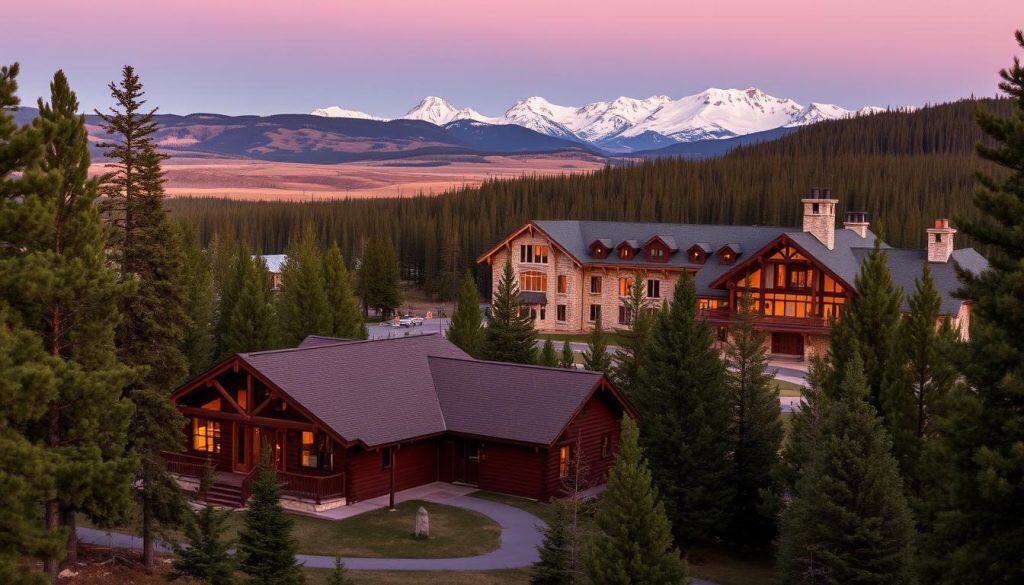
Lodges and Hotels Within the Park
Yellowstone National Park features nine lodging facilities operated by Xanterra Travel Collection. These range from the historic luxury of the Old Faithful Inn to the more modern accommodations at Canyon Lodge. The variety ensures that visitors can choose lodgings that suit their preferences and are conveniently located near major park attractions.
The Old Faithful Inn, built in 1904, is a marvel of “parkitecture” and stands as the largest log structure in the world. Its massive stone fireplace, hand-crafted clock, and soaring seven-story lobby make it an experience in itself. On the other hand, the Lake Yellowstone Hotel, completed in 1891, is the park’s oldest operating hotel and a National Historic Landmark. It features Colonial Revival architecture, stunning lake views, and elegant dining experiences.
Other in-park accommodations include Old Faithful Lodge, Old Faithful Snow Lodge, Mammoth Hot Springs Hotel, Canyon Lodge, Roosevelt Lodge, Grant Village, and Lake Lodge. Each of these is positioned near major attractions within the national park, making it easy for visitors to explore the park’s wonders.
It’s worth noting that all in-park lodging requires advance reservations. Booking windows open approximately 13 months in advance, and prime summer dates often fill within hours of becoming available. Planning ahead is essential to secure your preferred accommodations within this incredible national park.
Accommodations in and Around Yellowstone
Camping in Yellowstone is an adventure like no other, with numerous campgrounds that provide a range of experiences. Whether you’re looking for a developed campground with amenities or a more primitive site to immerse yourself in nature, Yellowstone National Park has something for everyone.
Camping Options in Yellowstone
Yellowstone National Park maintains 12 frontcountry campgrounds with over 2,000 campsites. These campgrounds vary significantly, from large developed sites with flush toilets and dump stations to smaller, more primitive sites with vault toilets. This variety ensures that visitors can choose a camping experience that suits their preferences and needs.
For those planning ahead, five campgrounds—Bridge Bay, Canyon, Fishing Bridge RV Park, Grant Village, and Madison—accept advance reservations through Yellowstone National Park Lodges. The remaining seven campgrounds operate on a first-come, first-served basis, which can be a great option for those who prefer a more spontaneous trip.
- Frontcountry Campgrounds: With over 2,000 campsites, these campgrounds offer a range of amenities and experiences.
- Backcountry Camping: For the more adventurous, over 300 designated backcountry campsites are available, requiring permits that can be reserved in advance or obtained in person.
- Camping Seasons: The camping seasons vary by location, with lower elevation campgrounds like Mammoth and Madison typically open from late April through October.
The park also offers over 300 designated backcountry campsites for wilderness enthusiasts. These sites require permits, which can be reserved starting March 1 for the upcoming summer or obtained in person no more than two days before the start of a trip. Backcountry camping is ideal for those looking to truly immerse themselves in Yellowstone’s natural beauty and solitude.
Campgrounds within the park provide basic amenities but generally do not offer electrical hookups, showers, or laundry facilities. However, Fishing Bridge RV Park is an exception, providing full hookups for hard-sided RVs only. This makes it an ideal choice for RV travelers who require these amenities.
As you plan your camping trip to Yellowstone, consider the time of year and the type of experience you’re looking for. Whether you’re interested in the developed campgrounds or the solitude of backcountry camping, Yellowstone National Park offers a camping experience that will leave you with unforgettable memories.
Accommodations in and Around Yellowstone
As you plan your trip toYellowstone National Park, you’ll find that the surrounding towns offer a variety of accommodations to suit every taste and budget. The nearby communities have developed to cater to the diverse needs of visitors, providing a range of options from budget-friendly motels to luxury resorts.
Nearby Towns and Accommodations
The towns aroundYellowstoneare equipped with various lodging options. For instance,West Yellowstone, Montana, is a popular gateway community with numerous hotels, motels, and vacation rentals. It’s an ideal base for exploring thenational park.
Other notable towns includeGardiner, Montana, which offers year-round access to the park’s northern section, andCody, Wyoming, known for its cultural attractions like the Buffalo Bill Center of the West. For a more rustic experience,Cooke City and Silver Gate, Montana, provide smaller, frontier-style lodging options.
- West Yellowstone serves as a developed gateway with various accommodations and restaurants.
- Gardiner, Montana, offers a range of accommodations and year-round access to the park’s north.
- Cooke City and Silver Gate provide rustic lodging options, ideal for wildlife enthusiasts.
- Cody, Wyoming, offers extensive lodging and cultural attractions, though it’s a bit further from the park.
When choosing where to stay, consider the advantages of each town, including their proximity toYellowstone National Parkand the amenities they offer. Whether you’re looking for luxury or something more budget-friendly, there’s a suitable option available near this incrediblenational park.
Planning Your Visit to Yellowstone
The key to a successful Yellowstone trip lies in choosing the right time to visit, considering factors like weather, crowds, and accessibility. As you plan your adventure to Yellowstone National Park, understanding the seasonal variations can greatly enhance your experience.
Best Times to Visit
Yellowstone’s accessibility varies by season. The park is typically open year-round, but most roads and facilities close during the winter. Visitors should be aware of the following seasonal changes:
During the spring, snowmelt can lead to flooding, and some roads may still be closed. In summer, most park roads and facilities are fully accessible, but crowds can make parking difficult. As fall arrives, crowds begin to thin, and some facilities start to close towards the end of September and the beginning of October. In winter, most park roads are closed to regular traffic, but snowmobile tours are available.
When deciding the best time to visit Yellowstone National Park, consider your priorities. If you prefer full accessibility to roads and facilities, summer (mid-June through mid-September) is the best time, though it brings the largest crowds and highest prices.
- For a balance of good weather and fewer crowds, consider the “shoulder seasons” of late May to early June or September after Labor Day through early October.
- Wildlife viewing is often best in spring (April-May) when animals are more active at lower elevations and new births occur, or fall (September-October) during elk and bison rutting seasons.
- Winter (December through March) offers a magical experience with steam from thermal features more dramatic against the cold air, excellent wolf watching, and a peaceful atmosphere, though access is limited to snowmobile or snow coach tours.
- Summer offers the longest daylight hours for exploration (up to 16 hours) and warmest temperatures, but requires planning around afternoon thunderstorms and advance reservations for all accommodations.
As
“The right time to visit Yellowstone depends on what you want to experience, whether it’s the vibrant wildlife of spring or the serene landscapes of winter.”
By understanding these seasonal variations, you can plan a national park visit that suits your preferences, ensuring a memorable experience in this incredible national park.
Planning Your Visit to Yellowstone
Getting around Yellowstone National Park requires some planning, as the park’s vast landscape and lack of a shuttle system mean visitors must rely on personal vehicles, rental cars, or guided tours. Understanding the transportation options available is key to a smooth and enjoyable experience.
Transportation Options
Most visitors explore Yellowstone National Park by private vehicle, utilizing the Grand Loop Road, which forms a figure-eight pattern connecting major attractions and covering approximately 142 miles of scenic driving. This allows for a flexible itinerary and the ability to enjoy the park’s scenic beauty at your own pace.
The park does not operate a shuttle system, making personal vehicles, rental cars, or guided tours the primary transportation options. For those flying in, commercial airports serving Yellowstone include Bozeman Yellowstone International Airport (BZN) in Montana, Jackson Hole Airport (JAC) in Wyoming, and Idaho Falls Regional Airport (IDA) in Idaho. From these airports, visitors can rent cars or use shuttle services to reach the park.
For those who prefer not to drive themselves, guided tour companies offer day trips and multi-day excursions from gateway communities. These tours provide not only transportation but also interpretation and logistics, enhancing the overall experience.
During winter, transportation within the national park transitions to over-snow vehicles. Guided snowmobile tours and snow coaches operate from mid-December through mid-March on groomed roads connecting major thermal areas and lodges, offering a unique winter experience.
| Transportation Method | Description | Seasonality |
|---|---|---|
| Private Vehicle | Explore the park via the Grand Loop Road | Year-round |
| Rental Car | Available from nearby airports | Year-round |
| Guided Tours | Day trips and multi-day excursions | Year-round |
| Snowmobile Tours/Snow Coaches | Guided winter activities | Mid-December to mid-March |
Choosing the right transportation option depends on your preferences and the time of year you visit. Whether you drive yourself or join a guided tour, the national park offers an unforgettable experience filled with natural wonders and exciting activity options.
Planning Your Visit to Yellowstone
As you prepare for your adventure to Yellowstone National Park, it’s crucial to pack the right gear. The park’s vast wilderness and unpredictable weather conditions demand a thoughtful approach to packing.
Packing Essentials for Yellowstone
One of the most critical aspects of visiting Yellowstone National Park is dressing appropriately. Layered clothing is a must, as temperatures can fluctuate dramatically throughout the day, often ranging 30-40 degrees between morning and afternoon. This is especially true in the park’s high elevation, where weather conditions can change rapidly.
“The key to enjoying your time in Yellowstone is being prepared for its unpredictable climate,” says a seasoned park visitor. This wisdom is echoed by many who have experienced the park’s dramatic weather shifts.
- Layered clothing for temperature control
- Sun protection, including sunscreen, sunglasses, and wide-brimmed hats, due to the park’s high elevation (6,500-8,500 feet)
- Bear spray for hiking and outdoor activities, with proper usage knowledge
- Binoculars and a spotting scope for wildlife viewing
- A refillable water bottle, rain gear, sturdy hiking boots, a detailed park map, first aid kit, flashlight, and a camera
In Yellowstone, you’re sharing the environment with both black and grizzly bears. Thus, bear spray is not just a precaution, it’s a necessity for many trails. Moreover, the high elevation increases UV exposure, making sun protection crucial.
By packing these essentials, you’ll be well-prepared to enjoy the natural wonders of Yellowstone National Park, from its geothermal features to its diverse wildlife. Remember, a successful visit to this incredible national park is largely about being prepared for its vast and sometimes unpredictable environment.
Conservation Efforts in Yellowstone
The history of Yellowstone National Park is intertwined with conservation struggles. As the world’s first national park, it has faced numerous challenges in balancing preservation with the demands of tourism and local economic interests.
Early Conservation Challenges Faced by the Park
During its early years, Yellowstone faced significant conservation challenges. Local opposition to the park was strong, with many advocating for reduced boundaries to allow mining, logging, and settlement within what is now protected land.
- Rampant poaching nearly eliminated bison, elk, and other wildlife species before the U.S. Army assumed management responsibilities in 1886.
- The park initially lacked effective management structure and funding, leaving resources vulnerable to exploitation.
- Early visitors often vandalized thermal features, damaging unique geological formations.
The impact of these challenges can be seen in the following table:
| Challenge | Impact | Year Addressed |
|---|---|---|
| Poaching | Near elimination of bison and elk | 1886 |
| Lack of Management | Exploitation of resources | 1886 |
| Vandalism | Damage to thermal features | Ongoing |
Understanding these historical conservation challenges is crucial for appreciating the ongoing efforts to protect Yellowstone National Park and its unique features.
Conservation Efforts in Yellowstone
The conservation story of Yellowstone is one of continuous adaptation and innovation, addressing the complex issues facing this national treasure. As the world’s first national park, Yellowstone National Park sets a precedent for conservation efforts, not just within the United States but globally.
Protecting Biodiversity and Ecosystems
One of the most significant conservation success stories in Yellowstone is the wolf reintroduction program, initiated in 1995. This program has been hailed as one of the most successful wildlife restoration efforts in United States history. By reestablishing wolves, a keystone predator, the ecosystem has undergone significant transformations, showcasing the intricate balance within the park’s environment.
Bison management is another critical area of focus. Efforts to establish quarantine procedures and tribal relocation programs are underway, aiming to resolve century-old conflicts between bison and neighboring agricultural interests. This approach not only helps in managing the bison population but also addresses the concerns of local communities.
Climate change monitoring and adaptation strategies have become increasingly important. Rising temperatures are affecting snowpack, fire regimes, and wildlife migration patterns across the Greater Yellowstone Ecosystem. By understanding these changes, the park can better prepare for and mitigate the impacts of climate change.
Invasive Species and Visitor Management
The management of invasive species is a multifaceted challenge. In Yellowstone Lake, efforts are being made to combat the presence of lake trout, which prey on native cutthroat trout. Similarly, terrestrial invasive species like non-native plants are being targeted to prevent them from displacing native vegetation.
As visitation to Yellowstone approaches 5 million annually, visitor use management has become crucial. The park is exploring various strategies, including reservation systems, timed entry, and alternative transportation methods, to reduce environmental impacts while ensuring visitor access.
These conservation initiatives underscore the dynamic and evolving nature of protecting Yellowstone National Park. By addressing these challenges, we can ensure the long-term preservation of this incredible national resource.
Interesting Facts About Yellowstone National Park
The world’s first national park, Yellowstone, is a place of incredible natural beauty and scientific interest. As the pioneer of national parks, it has set a precedent for conservation efforts around the globe.
Let’s dive into some of the fascinating facts about this incredible destination. Yellowstone is home to an astonishing array of geothermal features, including geysers and hot springs.
Record-Breaking Features
Yellowstone National Park boasts several record-breaking features that make it a unique destination. One of the most notable is its collection of geothermal features. With approximately 10,000 thermal features and more than half of the world’s active geysers, Yellowstone is the planet’s largest concentration of geothermal wonders.
- It contains over 500 active geysers, with Steamboat Geyser in Norris Geyser Basin being the tallest active geyser in the world, capable of erupting over 300 feet high.
- The Yellowstone Caldera is one of the world’s largest active volcanic systems, measuring approximately 30 by 45 miles.
- Yellowstone Lake is the largest high-elevation lake in North America, situated at 7,733 feet above sea level and covering 132 square miles.
- The park is also home to one of the world’s largest petrified forests, with numerous standing petrified trees dating back 50 million years.

These features not only make Yellowstone a fascinating destination for tourists but also provide scientists with a unique opportunity to study geological processes up close.
As we explore the many wonders of Yellowstone, it’s clear that this national park is a true marvel of the natural world, offering insights into the Earth’s history and the processes that shape our planet.
Interesting Facts About Yellowstone National Park
As I reflect on the rich history of Yellowstone National Park, I’m struck by the significant milestones that have shaped its preservation. The park’s establishment as the world’s first national park is a landmark event in conservation history.
Historical Milestones
Yellowstone’s designation as a national park was a groundbreaking moment. On March 1, 1872, President Ulysses S. Grant signed legislation that established Yellowstone as the world’s first national park, forever changing the way nations preserve natural landscapes.
The early days of Yellowstone were marked by challenges, including vandalism and poaching. To address these issues, the U.S. Army managed the park from 1886 to 1918, establishing Fort Yellowstone at Mammoth Hot Springs and developing management practices that would later be adopted by the National Park Service.
- The creation of the National Park Service in 1916 was largely inspired by the need for professional management of Yellowstone and other early national parks.
- Stephen Mather, the first director of the National Park Service, implemented policies that still guide park management today.
- Yellowstone’s global significance was recognized in 1978 when it was designated as a UNESCO World Heritage Site, acknowledging its natural wonder and pioneering conservation model.
- The park’s boundaries have remained relatively stable since its establishment, with only minor adjustments, a testament to its enduring conservation legacy.
These historical milestones highlight Yellowstone’s importance not only as a natural wonder but also as a model for conservation efforts worldwide.
| Year | Event | Significance |
|---|---|---|
| 1872 | Establishment as the world’s first national park | Set a precedent for conservation globally |
| 1886-1918 | U.S. Army management | Developed early management practices for national parks |
| 1916 | Creation of the National Park Service | Professionalized national park management |
| 1978 | Designation as a UNESCO World Heritage Site | Recognized global significance and conservation model |
Interesting Facts About Yellowstone National Park
Yellowstone National Park is more than just a national treasure; it’s a hub of intriguing stories and lesser-known trivia. As we explore the park’s many wonders, we uncover fascinating facts that highlight its unique geological, cultural, and scientific significance.
Lesser-Known Trivia
As I delve into the lesser-known aspects of Yellowstone, I’m struck by the park’s rich history and diverse features. The earliest evidence of human activity in Yellowstone dates back 11,000 years, with the discovery of a Clovis-type spear near the park’s north entrance. This spear, made from obsidian found within the park, underscores the significance of Yellowstone to Native Americans, who not only mined this material but also traded it across vast distances.
Some of the fascinating facts about Yellowstone include:
- The park’s thermal features are home to extremophile microorganisms, which have led to groundbreaking scientific discoveries, including the heat-resistant enzyme Taq polymerase used in COVID-19 testing worldwide.
- Yellowstone contains approximately 290 waterfalls over 15 feet high, with many remote cascades that are rarely seen by visitors.
- The park experiences around 1,000-3,000 earthquakes annually, reflecting the ongoing geological activity beneath the surface.
The significance of Yellowstone’s features can be further understood by examining the following table, which highlights some of the park’s most interesting attributes:
| Feature | Description | Significance |
|---|---|---|
| Thermal Features | Home to extremophile microorganisms | Led to discoveries like Taq polymerase |
| Waterfalls | Approximately 290 over 15 feet high | Many are remote and rarely seen |
| Earthquakes | 1,000-3,000 annually | Reflects ongoing geological activity |
| Obsidian | Highly prized by Native Americans | Traded across vast distances, found as far as the Mississippi Valley |
As we explore these lesser-known facts, it becomes clear that Yellowstone National Park is not just a national park but a world-renowned destination that offers insights into geological wonders, cultural heritage, and scientific breakthroughs. The park’s name, derived from the Minnetaree Indian term “Mi tsi a-da-zi” or the French “Roche Jaune,” both meaning “Yellow Stone,” refers to the yellow rocks seen in the Grand Canyon of the Yellowstone.
In conclusion, Yellowstone is a treasure trove of fascinating stories and facts, making it a unique park that stands out among other national parks in the world.
Conclusion
As America’s first national park and a global conservation model, Yellowstone National Park has inspired the protection of natural wonders worldwide. Primarily located in Wyoming (96%), with smaller portions in Montana (3%) and Idaho (1%), Wyoming is the definitive answer to “What state is Yellowstone in?”
The park’s extraordinary combination of geothermal features, diverse wildlife, and spectacular landscapes makes it an unparalleled destination. As we look to the future, Yellowstone faces challenges such as climate change and increasing visitation, issues that will shape its conservation and accessibility.
Understanding Yellowstone’s geographic context, natural history, and conservation significance enhances our appreciation for this remarkable place that belongs to all Americans as part of our national heritage. Whether you’re planning your first visit or returning for a deeper exploration, Yellowstone National Park is a world away from the ordinary, making it a true home to nature’s wonders.
FAQ
Which states does Yellowstone National Park cover?
Yellowstone National Park spans across three states: Wyoming, Montana, and Idaho. Wyoming has the largest portion, with about 96% of the park’s area.
How many entrances are there to Yellowstone National Park?
There are five entrances to Yellowstone: West Entrance, South Entrance, East Entrance, Northeast Entrance, and North Entrance.
What are some of the unique geological features of Yellowstone?
Yellowstone is known for its geothermal features like Old Faithful, Mammoth Hot Springs, and numerous geysers and hot springs. The park sits atop the Yellowstone Caldera, a dormant supervolcano.
What types of wildlife can be found in Yellowstone?
Yellowstone is home to a diverse range of wildlife, including bison, elk, grizzly bears, wolves, and numerous bird species.
What are some popular activities to do in Yellowstone?
Visitors can enjoy hiking, backpacking, fishing, boating, and wildlife viewing. The park also offers ranger-led programs to enhance the visitor experience.
What is the best time to visit Yellowstone?
The best time to visit depends on your preferences. Summer is peak season, while spring and fall offer fewer crowds and unique landscapes. Winter provides a serene, snow-covered environment.
How can I access Yellowstone National Park?
You can access the park by car through its five entrances or by flying into nearby airports and then driving or taking a shuttle to the park.
What accommodations are available within Yellowstone?
Yellowstone offers various accommodations, including lodges, hotels, and camping options. Nearby towns also provide additional lodging choices.
Are there any conservation efforts in Yellowstone?
Yes, Yellowstone has a long history of conservation efforts, including protecting its natural resources and wildlife. The park is involved in various environmental protection initiatives.
Can I visit Yellowstone Lake?
Yes, Yellowstone Lake is one of the park’s main attractions. Visitors can enjoy boating, fishing, and taking in the scenic views around the lake.