
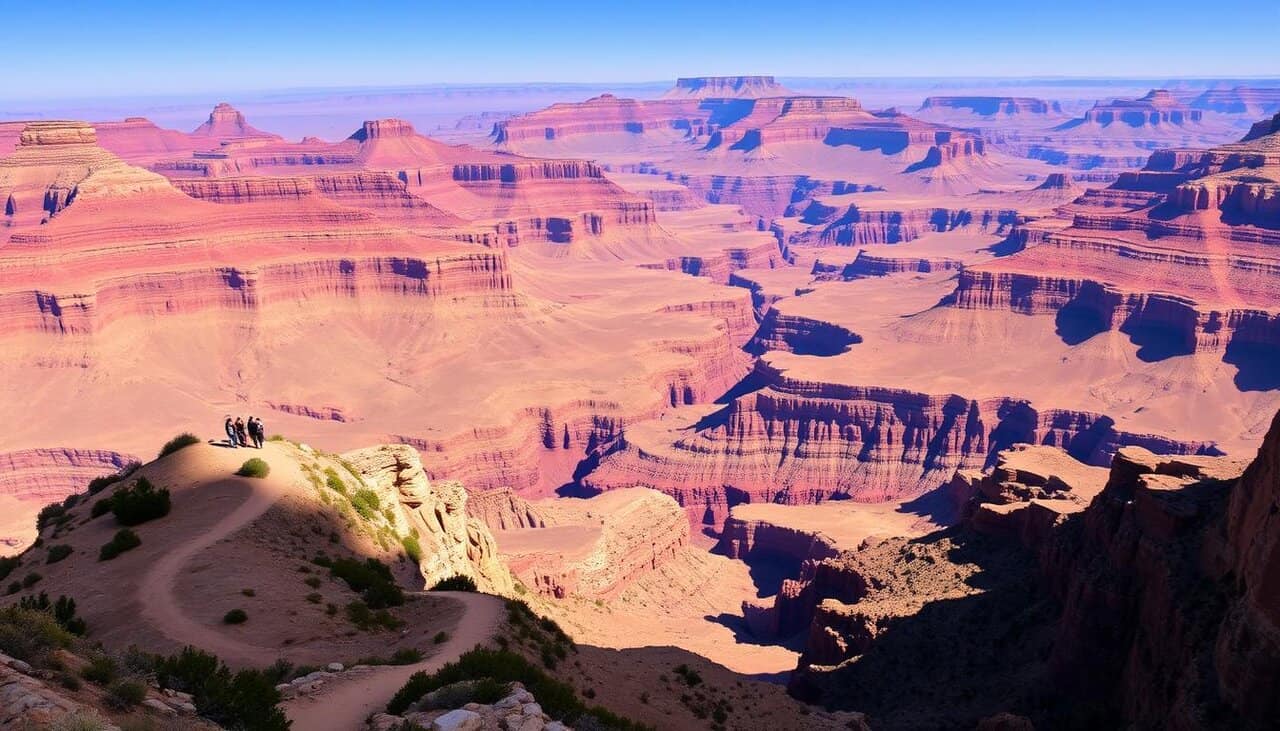
As I stand at the edge of one of America’s most breathtaking natural wonders, I’m reminded of the awe-inspiring Grand Canyon. But have you ever wondered, what state is this magnificent site located in?
The answer is Arizona. The entire Grand Canyon is situated within Arizona’s borders, although it’s near the boundaries of Utah and Nevada. Spanning 277 miles long and up to 18 miles wide, the Grand Canyon is an iconic landmark that draws millions of visitors each year.
As we explore the Grand Canyon’s significance and geography, you’ll gain a deeper understanding of this natural wonder and its importance in the American Southwest.
Key Takeaways
- The Grand Canyon is located entirely within the state of Arizona.
- It’s a significant landmark in the American Southwest, near Utah and Nevada.
- The Grand Canyon is 277 miles long and up to 18 miles wide.
- It’s one of America’s most iconic natural wonders.
- The Grand Canyon attracts millions of visitors annually.
The Grand Canyon’s Location in Arizona
The Grand Canyon, one of the world’s most iconic natural wonders, is located in the state of Arizona. As we explore its location, you’ll gain a deeper understanding of this natural marvel.
Exact Geographic Location
The Grand Canyon is situated at the coordinates 36°18′N 112°45′W. It begins in the Northeast near the town of Page, Arizona, and continues westward for 277 miles through the Colorado Plateau. This precise location within Arizona’s northwestern region makes it a unique feature of the state’s geography.
Size and Scale Comparison
The Grand Canyon is enormous, covering an area of 1,904 square miles. To put that into perspective, it’s larger than the entire state of Rhode Island, which covers 1,212 square miles. The canyon’s scale is difficult to comprehend without some comparisons.
| Location | Area (square miles) |
|---|---|
| Grand Canyon | 1,904 |
| Rhode Island | 1,212 |
The Grand Canyon’s dimensions are equally impressive, with depths of over a mile in some areas and widths of up to 18 miles. This massive canyon is a significant part of Arizona’s landscape, making it a prominent feature in the American Southwest.
The Grand Canyon’s Proximity to Other States
The Grand Canyon is not just a natural wonder in Arizona; it’s also a focal point that connects to neighboring states. Its location makes it an ideal destination for those exploring the American Southwest.
Neighboring States and Borders
The Grand Canyon is close to the borders of Utah and Nevada, making it easily accessible from these states. Page, Arizona, near the Utah-Arizona border, is the closest large city to the Grand Canyon and offers a range of attractions, including Antelope Canyon and Lake Powell.
| State | Distance to Grand Canyon | Notable Attractions |
|---|---|---|
| Utah | Close proximity | Antelope Canyon, Lake Powell |
| Nevada | Relatively close | Las Vegas |
| Arizona | Within state | Grand Canyon, Horseshoe Bend |
Regional Context in the American Southwest
The Grand Canyon is a centerpiece among other notable natural attractions in the American Southwest. Visitors often combine a Grand Canyon trip with visits to nearby destinations like the Navajo Nation and Tower Butte, highlighting the region’s rich cultural and natural heritage.
The Grand Canyon’s location makes it a hub for exploring the broader region. As Theodore Roosevelt once said, “Let this great wonder of nature remain as it now is…You can not improve on it.” This quote underscores the importance of preserving the Grand Canyon and its surrounding area.
“The Grand Canyon is a great natural wonder… it is a place that can be visited with profit and enjoyment.”
The Different Rims of the Grand Canyon
The Grand Canyon is not just a single destination; it’s a multifaceted wonder with three distinct rims, each with its own charm and attractions. When visiting the Grand Canyon, you have the opportunity to experience one or all of its three main rims: the South Rim, North Rim, and West Rim.
South Rim: The Most Visited Area
The South Rim is the most developed and visited area of the Grand Canyon, offering year-round accessibility and a wide range of amenities for visitors. Here, you can enjoy shopping, dining, and lodging options, as well as museums and historic buildings to explore. The South Rim is ideal for those who want to experience the Grand Canyon with comfort and convenience.
As John F. Kennedy once said, “The Grand Canyon is one of the most spectacular things I’ve ever seen.” The South Rim is particularly famous for its sunset views and is a great spot for families and first-time visitors.
North Rim: The Secluded Experience
In contrast, the North Rim offers a more secluded and rugged experience, perfect for skilled hikers and campers. Sitting 1,000 feet higher in elevation than the South Rim, the North Rim features different ecosystems and is known for its untouched natural beauty. However, due to heavy snowfall, the North Rim is closed seasonally from December to May.
For adventure seekers, the North Rim provides an opportunity to explore the Grand Canyon in a more serene and less crowded environment.
West Rim and Hualapai Tribal Lands
The West Rim is distinct from the other two rims as it is owned and operated by the Hualapai Indian Tribe, rather than being part of the National Park Service. This rim offers unique attractions such as the Grand Canyon Skywalk, a glass walkway that extends over the edge of the canyon.
| Rim | Accessibility | Main Attractions |
|---|---|---|
| South Rim | Year-round | Shopping, dining, lodging, museums |
| North Rim | May to November | Hiking, camping, natural beauty |
| West Rim | Year-round | Grand Canyon Skywalk, tribal lands |
Each rim of the Grand Canyon offers a unique experience, allowing visitors to choose the one that best suits their interests and travel plans.
What State is Grand Canyon in? Administrative Divisions
Despite being entirely within Arizona, the Grand Canyon area is divided among various administrative entities. This complex management structure is crucial for understanding how the region is conserved and managed.
Grand Canyon National Park Boundaries
The Grand Canyon National Park is the most prominent administrative division, encompassing the main canyon area and managed by the National Park Service. The park’s boundaries are carefully defined to protect the canyon’s natural and cultural resources. As a visitor, understanding these boundaries is essential for planning your trip and appreciating the park’s diverse landscapes.
You can explore more about the park’s history and management on the Grand Canyon National Park Wikipedia page.
Native American Reservations Within and Around the Canyon
The Grand Canyon area is also home to several Native American reservations, including the Hualapai, Havasupai, and Navajo Nations. Each of these reservations has its own governance and visitor policies, adding to the richness and diversity of the region’s cultural heritage.
| Reservation | Governance | Visitor Policies |
|---|---|---|
| Hualapai | Self-governance | Permits required for certain activities |
| Havasupai | Tribal council | Restricted access to certain areas |
| Navajo | Navajo Nation government | Guided tours available |
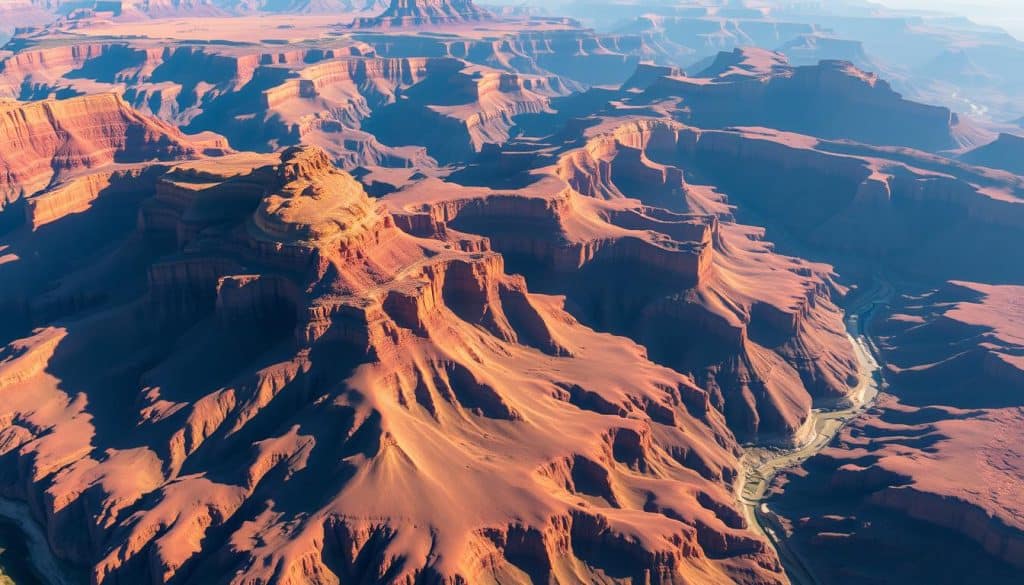
The surrounding area is also contained within the Baaj Nwaavjo I’tah Kukveni – Ancestral Footprints of the Grand Canyon National Monument, further highlighting the complexity of the region’s administrative landscape.
Distances from Major Cities to the Grand Canyon
If you’re wondering how far the Grand Canyon is from major cities like Las Vegas and Phoenix, you’re in the right place. Understanding these distances is key to planning your trip effectively, whether you’re looking for a day trip or a longer stay.
Distance from Las Vegas to Different Rims
The distance from Las Vegas to the Grand Canyon varies significantly depending on which rim you plan to visit. The West Rim is the closest, approximately 130 miles from the Las Vegas Strip, making it a viable option for a day trip. The drive typically takes around 2.5 hours. In contrast, both the North Rim and South Rim are over 270 miles away, requiring around 4.5 hours of driving time.
Distance from Phoenix and Other Arizona Cities
For those traveling from Phoenix, the South Rim is the most accessible part of the Grand Canyon, at approximately 224 miles away. The drive takes around three and a half hours, making it a feasible day trip or a longer visit. If you’re flying, you might consider landing at the nearest airport to minimize travel time.
Travel Times and Transportation Options
Besides driving, there are various transportation options available, including shuttle services, tour buses, and even air tours that can significantly reduce your travel time. When planning your trip, consider these options to make your journey to the Grand Canyon as smooth as possible. Whether you’re looking for a quick visit or an extended stay, understanding your transportation choices can make a big difference in your overall experience.
Geological Formation of the Grand Canyon
As I stand at the edge of the Grand Canyon, I’m struck by the immense geological history exposed before me. The Grand Canyon is a natural laboratory that showcases the geological processes that have shaped our planet over millions of years.
The Role of the Colorado River
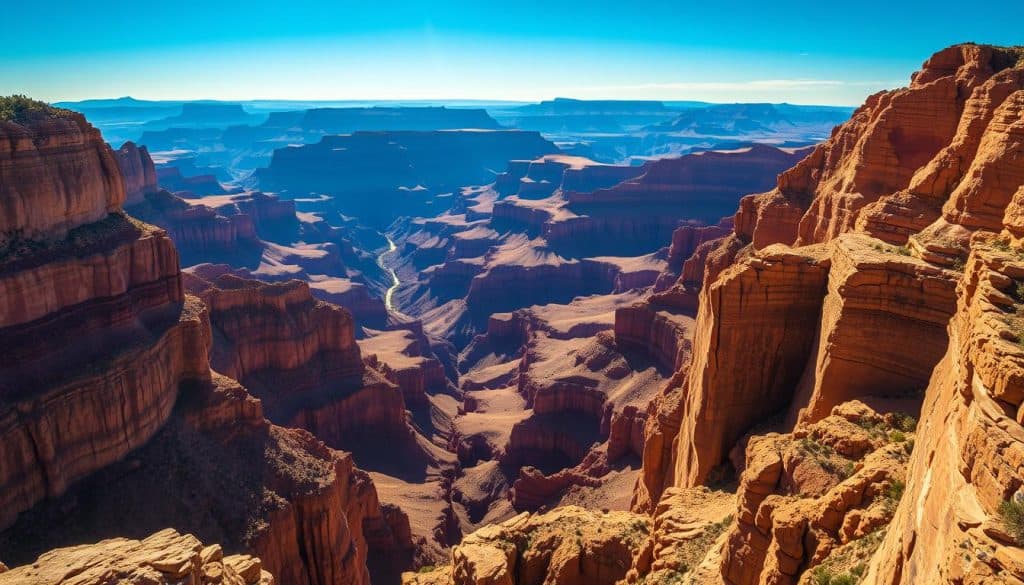
The Colorado River has played a crucial role in the formation of the Grand Canyon. Over time, the river and its tributaries have carved through the uplifting Colorado Plateau, creating the massive canyon we see today. The river’s relentless flow has cut through layer after layer of rock, exposing nearly two billion years of Earth’s geological history. The Colorado River established its course through the area approximately 5-6 million years ago, although some aspects of the canyon’s formation are still debated among geologists.
Age and Rock Layers
The Grand Canyon is renowned for its extensive and visible rock layers, which provide a unique record of the region’s geological past. The rocks exposed in the canyon walls date back as far as 1.8 billion years, offering insights into the Earth’s history during that time. The layers of rock reveal a complex geological history, with different types of rock forming under various conditions over millions of years.
Ongoing Geological Processes
The geological processes that formed the Grand Canyon continue to shape it today. Erosion, rockfalls, and other natural forces constantly modify the landscape, slowly changing the canyon’s appearance over time. These ongoing processes demonstrate the dynamic nature of the Grand Canyon, a landscape that is both a testament to the past and a living, evolving entity.
| Geological Process | Description | Impact on the Grand Canyon |
|---|---|---|
| Erosion | Wearing away of rock by natural forces | Continuous shaping of the canyon walls |
| Rockfalls | Sudden release of rock from the canyon walls | Changes the landscape, creating new formations |
| Weathering | Breakdown of rock into smaller fragments | Contributes to the erosion process |
Climate and Weather Conditions in the Canyon
As you prepare for your trip to the Grand Canyon, it’s essential to grasp the area’s complex weather patterns. The Grand Canyon’s vast landscape creates diverse climate conditions that vary significantly between the South Rim, North Rim, and the inner canyon.
Seasonal Variations Between Rims
The Grand Canyon experiences distinct seasonal variations between its rims. During the summer months, both the South Rim and North Rim can expect heavy rains and afternoon thunderstorms. In contrast, the winter season brings snowfall, with the North Rim typically receiving more snow and being closed from December to May due to road closures on State Route 67.
Visitors should be prepared for these seasonal changes, packing accordingly whether they’re visiting during the hot summer or the cold winter months.
Impact of Elevation on Climate
The elevation of the Grand Canyon significantly impacts its climate. The North Rim, averaging 8,000 feet above sea level, is generally cooler than the South Rim. This difference in elevation means that temperatures can vary substantially between the two rims and the inner canyon, sometimes differing by as much as 20-30 degrees on the same day.
Understanding this elevation impact is key to planning your visit, ensuring you’re prepared for the conditions you’ll encounter.
The Grand Canyon’s Historical Significance
The Grand Canyon is more than just a natural wonder; it’s a site steeped in history. For thousands of years, the area has been continuously inhabited by Native Americans, who built settlements within the canyon and its many caves.
Native American History and Presence
The Grand Canyon has been home to numerous Native American cultures, including the Ancestral Puebloans, Cohonina, Sinagua, Havasupai, Hualapai, Southern Paiutes, and Navajo peoples. These tribes have lived in and around the canyon area, each leaving their mark on the landscape. The Pueblo people considered the Grand Canyon a holy site, making pilgrimages to it. The Hopi people view it as the location where humankind emerged from the Third World, highlighting its deep spiritual significance.
European Discovery and Exploration
The first European known to have viewed the Grand Canyon was García López de Cárdenas from Spain, who arrived in 1540. This marked the beginning of European awareness of the canyon, although it wasn’t until the 19th century that American exploration began in earnest. For over two centuries after Cárdenas’ visit, there was limited European contact with the Grand Canyon, but as American exploration commenced, the area became increasingly significant in the history of the United States.
Understanding the Grand Canyon‘s rich history helps visitors appreciate it not just as a geological wonder but as a place with deep cultural and historical significance spanning millennia. You can learn more about the Grand Canyon’s history and its importance over time.
Becoming a National Park in Arizona
The Grand Canyon’s transformation into one of America’s most beloved national parks was a gradual process that involved the efforts of many conservationists and politicians.
Preservation Efforts and Theodore Roosevelt’s Role
President Theodore Roosevelt was a major proponent of preserving the Grand Canyon. He visited the area multiple times, hunting and enjoying the scenery. In 1906, Roosevelt declared the Grand Canyon a game preserve, and in 1908, he designated it a national monument. These actions were crucial steps toward its eventual national park status. Roosevelt’s efforts helped raise awareness about the Grand Canyon’s importance and laid the groundwork for future conservation efforts.
Official National Park Designation
On February 26, 1919, President Woodrow Wilson signed a bill designating the Grand Canyon as the 15th national park in the United States. This milestone marked the culmination of years of advocacy and political maneuvering. The National Park Service, established in 1916, took over the management of the Grand Canyon, balancing preservation with accessibility for the growing number of visitors.
The table below summarizes key events in the Grand Canyon’s journey to becoming a national park:
| Year | Event | Presidential Action |
|---|---|---|
| 1906 | Grand Canyon declared a game preserve | Theodore Roosevelt |
| 1908 | Grand Canyon designated a national monument | Theodore Roosevelt |
| 1919 | Grand Canyon designated a national park | Woodrow Wilson |
The Grand Canyon’s designation as a national park has ensured its protection for future generations. Today, it remains one of the most iconic natural wonders in the United States, attracting millions of visitors each year.
Unique Features of Arizona’s Grand Canyon
Arizona’s Grand Canyon is a testament to the power of geological processes, featuring a complex landscape that continues to captivate visitors today. As we explore this natural wonder, it’s essential to appreciate its unique features that make it one of the world’s most remarkable landscapes.
Dramatic Landscapes and Geological Formations
The Grand Canyon is home to numerous natural wonders that make it a fascinating destination. Some of the notable features include:
- Dramatic rock formations that tell the story of the region’s geological history
- Hidden waterfalls like Ribbon Falls, which offer breathtaking views
- The turquoise waters of Havasu Creek, a sight to behold
- The mighty Colorado River, which continues to shape the canyon today
These features not only make the Grand Canyon visually stunning but also provide insights into its geological history. For instance, the Colorado River has played a crucial role in carving out the canyon over millions of years. If you’re planning to visit, you might want to check the best time to visit Arizona’s national to make the most of your trip.
Flora and Fauna of the Region
The Grand Canyon is not just a geological marvel; it’s also a haven for biodiversity. The region supports over 1,500 plant species, 355 bird species, 89 mammal species, and 47 reptile species across its various ecological zones. The extreme elevation changes within the canyon create multiple distinct ecosystems, ranging from desert scrub at the canyon bottom to subalpine forests on the North Rim. This diversity of life is a testament to the Grand Canyon’s unique environment and its ability to support a wide range of flora and fauna.
Conclusion
As we wrap up our journey through the Grand Canyon’s many facets, it’s evident that this Colorado River-carved masterpiece is a true American gem. The Grand Canyon, located in Arizona, is a steep-sided canyon that stretches 277 miles long, up to 18 miles wide, and over a mile deep.
The Grand Canyon National Park offers diverse experiences across its three main areas: the South Rim, North Rim, and West Rim. The South Rim is the most accessible and visited area, open year-round with a range of amenities. In contrast, the North Rim provides a more secluded experience, with a shorter visiting season due to its higher elevation. For a unique perspective, visitors can explore the West Rim, which is managed by the Hualapai Tribal Lands.
When planning your visit to this magnificent national park, consider the best times to visit and camping options. The National Park Service provides valuable information on visitor services, including typical hours of operation and current conditions. Whether you have a day or several days to explore, the Grand Canyon promises an unforgettable experience. For those looking for more national park adventures, you might also be interested in exploring other great destinations in the US, such as those featured in our guide to the best national parks to visit in.
In conclusion, the Grand Canyon is a must-visit destination that embodies the natural beauty and spirit of Arizona. With its rich history, diverse landscapes, and wide range of visitor experiences, it stands as one of America’s most treasured national landmarks.
FAQ
Which rim of the Grand Canyon is most accessible?
The South Rim is the most accessible part of the Grand Canyon, open year-round and featuring many amenities and services.
Can I visit both rims in one day?
Visiting both the North Rim and South Rim in one day is challenging due to the distance between them, approximately 215 miles, and the time required for hiking or taking a scenic drive.
What is the best time to visit the Grand Canyon?
The best time to visit depends on your preferences, but generally, spring (March to May) and fall (September to November) offer mild weather and smaller crowds.
Are there any Native American reservations near the Grand Canyon?
Yes, several Native American reservations surround the Grand Canyon, including the Navajo Nation, Hualapai Tribe, and Havasupai Tribe, each offering unique cultural experiences.
How does the Colorado River impact the Grand Canyon?
The Colorado River has played a crucial role in carving the Grand Canyon over millions of years, continuing to shape its landscape through erosion.
What are the camping options available within the Grand Canyon?
The Grand Canyon offers various camping options, including backcountry camping, developed campgrounds like Mather Campground on the South Rim, and primitive camping on the North Rim.
How can I plan a trip to the Grand Canyon?
Planning a trip involves deciding on the time of visit, choosing your rim or area of interest, booking accommodations or camping in advance, and arranging for transportation to and around the park.
What services does the National Park Service offer at the Grand Canyon?
The National Park Service provides a range of services, including visitor centers, guided tours, educational programs, and safety information, to enhance your Grand Canyon experience.