
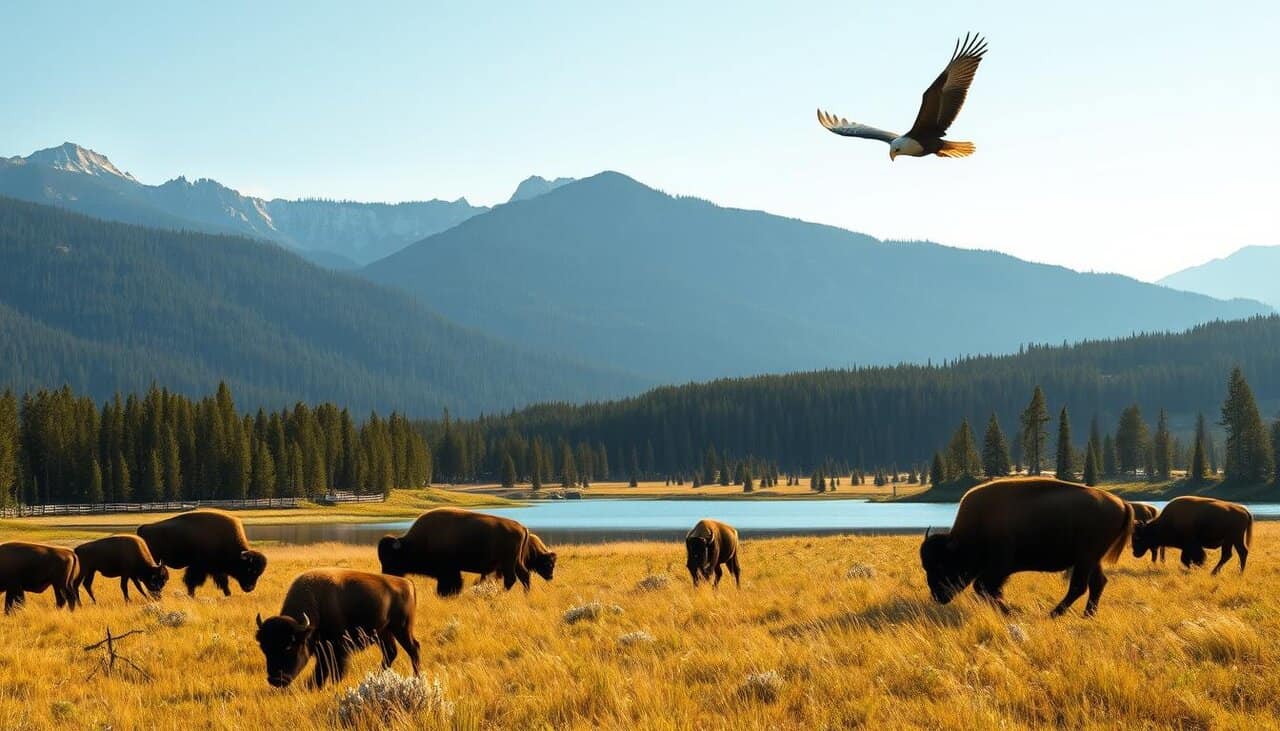
Did you know that over 4 million visitors flock to Yellowstone National Park every year, with the majority arriving between June and September?
This high elevation park offers a unique experience in every season, from the serene winter landscapes to the vibrant summer wildlife.
Understanding the seasonal patterns of Yellowstone is crucial to planning your trip, as weather conditions vary dramatically throughout the year.
Whether you’re seeking wildlife encounters, geothermal wonders, or simply a chance to connect with nature, the best time to visit Yellowstone depends on your personal interests and preferences.
Key Takeaways
- Yellowstone offers unique experiences throughout the year.
- The best time to visit depends on personal interests.
- Weather conditions vary dramatically from winter to summer.
- Understanding seasonal patterns helps plan the optimal trip.
- Crowd levels, wildlife activity, and road accessibility are key factors.
Yellowstone Through the Seasons: An Overview
As the world’s first national park, Yellowstone provides a distinct experience with each changing season, from the warmth of summer to the tranquility of winter. This variability is largely due to its vast geographical diversity and significant elevation changes.
The First National Park’s Year-Round Appeal
Yellowstone National Park is a destination that captivates visitors throughout the year. In the spring, the park awakens from its winter slumber, and new life emerges. Summer brings warmth and long days, ideal for exploring the park’s vast landscapes. Autumn paints the park with vibrant colors as the foliage changes, and winter transforms it into a serene, snow-covered wonderland. Each season offers unique opportunities to experience the park’s natural beauty and wildlife. For instance, if you’re planning to visit other national parks in the region, you might want to check out the best time to visit Montana’s national for a broader regional experience.
How Elevation Affects Your Visit
Yellowstone’s elevation ranges from approximately 6,000 feet to over 11,000 feet, creating diverse microclimates that significantly impact visitor experiences. The temperature drops approximately 3-5°F for every 1,000 feet of elevation gain, meaning higher areas can be 10-15°F cooler than lower valleys. This variation affects not just the weather but also the accessibility of certain areas and the behavior of wildlife.
| Elevation Range (ft) | Typical Temperature Drop (°F) | Impact on Visitors |
|---|---|---|
| 6,000 – 7,000 | 3-5 | Mild temperatures, accessible trails |
| 7,000 – 9,000 | 6-10 | Cooler temperatures, potential for snow |
| 9,000 – 11,000 | 12-15 | Cold temperatures, snow, and limited access |
Understanding these elevation-related changes can help you plan your visit more effectively, ensuring you’re prepared for the conditions you’ll encounter.
Winter Wonderland: December Through February
From December to February, Yellowstone becomes a winter wonderland, offering unique experiences. The park’s landscape transforms into a serene and peaceful environment, with snow-covered trees and steaming geysers creating a surreal atmosphere.
Snowy Landscapes and Steaming Geysers
The winter season brings a magical quality to Yellowstone, with the contrast between the snow and the park’s geothermal features being particularly striking. Imagine witnessing Old Faithful erupting against a backdrop of snow-covered pines. The park’s unique geology is even more breathtaking during this time, as the cold air makes the steam from the geysers and hot springs more visible. You can experience this winter wonderland by taking a guided tour, such as a snowmobile or snowcoach tour, which operates from the North, West, and South entrances.
Wildlife Viewing in Winter
Winter is an excellent time for wildlife viewing in Yellowstone. The snow makes it easier to spot animals like wolves and bison, which are more visible against the white backdrop. The northern range’s wolf and bison populations are particularly active during this time, making it a great opportunity for wildlife enthusiasts to observe these animals in their natural habitat. Guided wildlife tours are available, focusing on these populations and providing insights into their behavior and habitat.
Winter Activities and Access
Despite the cold, Yellowstone offers a range of winter activities, including cross-country skiing and snowshoeing. The park has groomed trails near Mammoth Hot Springs, Tower, and the Grand Canyon of Yellowstone, with equipment rentals available. You can also explore the park’s winter landscape on a guided snowshoeing tour, often led by rangers from the Albright Visitor Center. However, it’s essential to be prepared for the extreme cold and potential road closures due to weather conditions. The 52-mile road between Gardiner and Cooke City, Montana, remains the only plowed route open to regular vehicles, while the park’s interior is accessible via guided snowcoach tours or snowmobile trips from mid-December to mid-March.
Spring Awakening: March Through May
Yellowstone’s spring awakening is a magical time, full of surprises and natural beauty. As the last remnants of winter melt away, the park transforms into a vibrant landscape, teeming with life and offering unique experiences for visitors.
Thawing Landscapes and Road Openings
During spring, the icy grip of winter begins to loosen, and some bare ground becomes visible, particularly at lower elevations. If you plan to drive around the park, make sure to have a 4WD vehicle ready for potential ice and inclement weather. As the snow melts, roads begin to open, although they can still be affected by spring storms.
The changing conditions mean that road closures are common through May due to snow, ice, or flooding from snowmelt. Visitors should be prepared for variable road conditions and plan accordingly.
Wildlife Emergence and Baby Animals
Spring is a time of renewal for Yellowstone’s wildlife. As the weather warms, animals that were hidden during the winter months begin to emerge. This is a great time to see baby animals, such as bison calves and bear cubs, taking their first steps in the park’s lush landscapes.
With the arrival of spring, the park comes alive with the sounds of new life. Visitors can witness the emergence of various wildlife, making it an ideal time for nature enthusiasts and photographers.
Spring Weather Considerations
Spring weather in Yellowstone is notoriously unpredictable, with conditions ranging from heavy snowstorms to warm, sunny days within the same week or even day. Temperatures can fluctuate significantly, with daytime highs reaching the 60s°F (15-20°C) and nighttime temperatures dropping below freezing.
| Month | Average High Temperature | Average Low Temperature | Precipitation |
|---|---|---|---|
| March | 45°F (7°C) | 24°F (-4°C) | 2.5 inches |
| April | 52°F (11°C) | 30°F (-1°C) | 2.2 inches |
| May | 62°F (17°C) | 38°F (3°C) | 2.8 inches |
To be prepared, visitors should pack layers, waterproof footwear, and gear for both cold and warm weather conditions. The variable spring weather also creates dramatic lighting conditions, making it a photographer’s paradise.
Peak Season: June Through August
As summer unfolds, Yellowstone National Park transforms into a bustling hub of activity, attracting visitors from all over the world. The warm weather and long days make it an ideal time to explore the park’s many wonders.
Summer Weather and Accessibility
Summer brings fair weather to Yellowstone, with warm temperatures and minimal precipitation, making it ideal for outdoor activities. All major roads and attractions within the park are typically accessible during this time, allowing visitors to explore the park’s many wonders without restriction. The long days provide ample time for hiking, wildlife viewing, and exploring the park’s geothermal features.
The accessibility of the park’s facilities and services is also at its peak during the summer months. Visitor centers, campgrounds, and lodges are fully operational, providing a comfortable and convenient experience for visitors. You can plan your trip and make the most of your time in the park by checking the best national parks to visit in for additional insights.
Wildlife Activity in Summer
Summer is a great time for wildlife viewing in Yellowstone, as the warm weather brings many animals out of their winter habitats. Visitors can expect to see a variety of wildlife, including elk, bison, bears, and wolves, as they roam freely throughout the park. The summer months also offer opportunities to see baby animals, such as bear cubs and wolf pups, which can be a thrilling experience for many visitors.
Managing Summer Crowds
With the high volume of visitors during the summer months, crowds can become a significant issue. To manage these crowds, visitors can consider arriving at popular attractions early in the morning or later in the evening when the crowds have dissipated. Exploring less-visited areas of the park, such as the Bechler region or Yellowstone Lake’s eastern shore, can also provide a more serene experience.
Additionally, planning your visit during the week instead of on weekends can help minimize encounters with large crowds. By being mindful of these strategies, you can enjoy a more peaceful and fulfilling experience in Yellowstone, even during the peak summer season.
Fall Colors: September Through November
Autumn in Yellowstone National Park is a time of transition, marked by changing foliage and shifting wildlife patterns. As the summer warmth dissipates, the park’s landscape transforms into a tapestry of golden hues, with the aspens turning yellow and the cottonwoods displaying a vibrant orange.
Autumn Landscapes and Wildlife
The fall season offers a unique opportunity to witness Yellowstone’s diverse wildlife as they prepare for the coming winter. The reduced crowds make it an ideal time for wildlife enthusiasts to explore the park. The Lamar Valley, in particular, remains accessible throughout the fall and is a prime location for viewing wildlife such as elk, bison, and bears. By November 7, you’ll have the chance to travel around the park in a normal highway vehicle, after which most roads close except for the route between the North and Northeast entrance.
Fall Weather Patterns
During the fall, Yellowstone’s weather becomes increasingly unpredictable, with temperatures fluctuating significantly between day and night. Visitors should be prepared for early snowstorms, which can occur as early as October. The average high temperature in September is around 64°F (18°C), dropping to a chilly 34°F (1°C) by November. It’s essential to pack layers and be prepared for changing weather conditions when visiting Yellowstone in the fall.
Road Closures and Accessibility
As fall progresses, the park’s road network gradually closes in preparation for winter. Most roads remain open through September and early October, but the first closures typically occur in mid-October due to snow at higher elevations. By early November, all park roads close to regular vehicle traffic except for the northern road between Mammoth Hot Springs and the Northeast Entrance at Cooke City. This road remains open year-round, providing access to the wildlife-rich Lamar Valley throughout fall and winter.
- Most park roads remain open through September and early October.
- The first road closures occur in mid-October, affecting areas like the Beartooth Highway.
- By early November, most roads are closed except for the northern route.
What Month is the Best Time to Go to Yellowstone National Park?
If you’re planning a trip to Yellowstone, understanding the best time to visit can make all the difference in your experience. The park offers unique attractions and activities throughout the year, but some months are more favorable than others due to weather, wildlife activity, and crowd levels.
June: The Prime Month for Most Visitors
June is often considered the prime month for visiting Yellowstone by many travelers. The weather is mild, with average highs in the 60s and 70s°F (15-26°C), making it ideal for outdoor activities like hiking and wildlife watching. During June, the park’s facilities and roads are fully accessible, and the long days allow for extended exploration. As one park veteran notes, “June is the month when Yellowstone is in full bloom, and the wildlife is particularly active.”
Wildlife enthusiasts will particularly enjoy June as it’s a great time to see newborn animals, such as baby bison and elk calves, taking their first steps. The lush vegetation and abundant water sources also make it a photographer’s paradise.
September: The Insider’s Choice
September is often cited by park insiders as the secret best month to visit Yellowstone. It offers summer-like conditions with significantly reduced crowds. The post-Labor Day period sees visitation drop by nearly 40% compared to August, yet most facilities remain open and all roads are still accessible throughout the month.
The cooler temperatures in September encourage more wildlife to be active throughout the day, unlike the peak summer months when many animals are only active at dusk and dawn. Elk enter their rut (breeding season) in September, creating spectacular viewing and photography opportunities. Additionally, the fall colors begin emerging in mid-to-late September, with aspen groves turning golden yellow.
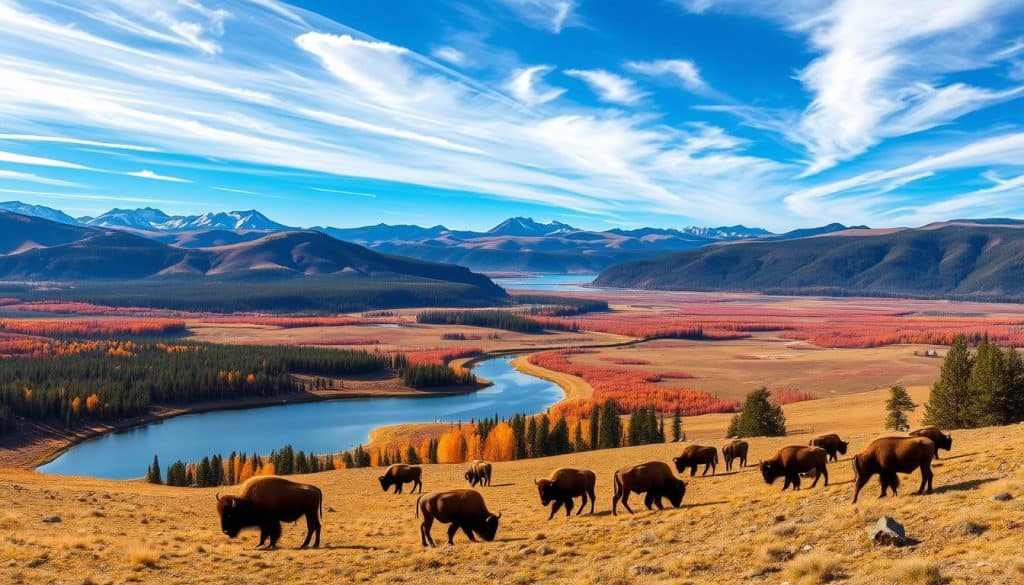
As a photographer, I can attest that September offers some of the best conditions of the year, with dry trails, fewer insects, comfortable temperatures, and dramatic lighting from lower sun angles. It’s a great time to capture the park’s stunning landscapes and wildlife.
Best Times for Wildlife Watching
Yellowstone National Park is a wildlife enthusiast’s paradise, offering diverse wildlife watching opportunities to observe a wide range of species throughout the year. As you plan your visit, understanding the seasonal behaviors of the park’s fauna can significantly enhance your experience.
The park is home to an array of wildlife, including large mammals, birds, and smaller creatures. The best times to observe these animals vary by species and season, making Yellowstone a year-round destination for wildlife enthusiasts.
Wolf and Bear Viewing Seasons
For wolf and bear sightings, the best time is during the spring and early summer when these animals are more active. Spring brings the emergence of new cubs and pups, making it an exciting time for observers. The Lamar Valley is particularly known for its wolf population, while bears can often be seen in areas with abundant food sources.
Bison and Elk Rutting Season
The rutting season for bison and elk typically occurs in the fall. During this time, males engage in displays of dominance, making for dramatic viewing. The elk rut, which usually peaks in September, is a highlight of the season, with bugling calls filling the air. Bison rutting can be observed slightly later, often into October.
Bird Watching Opportunities
Bird activity in Yellowstone increases dramatically in the spring, with migratory species returning and nesting behaviors becoming evident throughout the park. The park hosts over 300 bird species throughout the year, with spring migration (May-June) bringing the greatest diversity and activity.
| Season | Bird Activity | Notable Species |
|---|---|---|
| Spring (May-June) | Migration and nesting | Bald eagles, osprey, warblers |
| Summer (June-July) | Breeding and territorial displays | Songbirds, raptors |
| Fall (September-October) | Migration | Waterfowl, sandhill cranes |
Best Times for Geothermal Features
The best time to visit Yellowstone’s iconic geothermal features can significantly enhance your overall park experience. Yellowstone National Park is renowned for its geothermal wonders, including Old Faithful, geysers, and vibrant hot springs.
Viewing Old Faithful and Geysers
Old Faithful is one of Yellowstone’s most predictable and popular geothermal features. The geysers are active throughout the year, but the viewing experience can vary with the seasons.
During the summer, Old Faithful’s eruptions are most predictable, but this is also the peak tourist season, making it crowded. In contrast, winter provides a serene landscape with steaming geysers against the snow, creating a surreal atmosphere that’s equally captivating.
- Summer: Predictable eruptions, peak tourist season.
- Winter: Serene, snowy landscapes with steaming geysers.
Grand Prismatic Spring and Hot Springs
The Grand Prismatic Spring is another highlight, displaying a kaleidoscope of colors due to thermophilic bacteria. The colors are most vibrant during mid-day in summer when the sun is overhead.
Visiting during the early morning or late afternoon can help avoid the crowds that flock to the spring during peak hours. Additionally, the contrast between the steaming thermal features and the surrounding landscape is particularly striking during the winter months.
| Season | Best Time to Visit | Experience |
|---|---|---|
| Summer | Mid-day | Vibrant colors, predictable geyser eruptions |
| Winter | Anytime | Serene landscapes, steaming features against snow |
| Spring/Fall | Early morning or late afternoon | Balanced experience with fewer crowds |
Best Times for Hiking and Outdoor Activities
To make the most of your visit to Yellowstone, it’s essential to know when the trails are accessible and the conditions are favorable. The park’s diverse elevations and climates mean that the hiking season varies significantly across different areas.
Trail Accessibility by Season
Yellowstone’s trails are affected by the season, with snow cover, mud, and water levels determining their accessibility. In the lower elevations, trails may be open from May through October, while high-elevation trails are typically snow-free and accessible from mid-July to mid-September. Early season hikes, from June to early July, often involve navigating snow-covered passes and muddy trails, making them challenging.
Backcountry Hiking Windows
The prime window for backcountry hiking and overnight backpacking in Yellowstone is from mid-July through mid-September. During this period, high passes are generally snow-free, and stream crossings are manageable. For those who prefer fewer crowds, late September and early October can be rewarding, with the added bonus of fall colors and active wildlife. However, hikers must be prepared for potential snow and freezing temperatures. The Yellowstone backcountry permit system opens reservations on March 1st each year, and popular areas tend to book quickly.
Weather Considerations Throughout the Year
The unpredictable weather of Yellowstone National Park demands careful planning and preparation from its visitors. As you plan your trip, understanding the park’s climate is essential for making the most of your visit.
Temperature Ranges by Month
Yellowstone’s temperature varies significantly throughout the year. In the winter months (December to February), temperatures can drop below freezing, while summer months (June to August) can see temperatures rise into the 70s and 80s Fahrenheit. It’s not uncommon for higher elevations to experience colder temperatures, even in the summer. For instance, cold snaps can occur in any month at higher elevations, making it essential to pack layers.
Preparing for Yellowstone’s Unpredictable Climate
To navigate Yellowstone’s unpredictable weather, it’s crucial to be prepared. A layering system is key: use moisture-wicking base layers, insulating mid-layers, and waterproof outer layers to adapt to changing conditions. Summer thunderstorms are common, and weather can vary dramatically across the park. Sudden temperature drops and wind chill are also factors to consider. Checking forecasts specifically for interior locations is recommended, as gateway community forecasts may not accurately reflect park conditions.
Avoiding the Crowds: Timing Your Visit
To make the most of your trip to Yellowstone National Park, understanding the park’s visitation patterns is crucial. By timing your visit right, you can avoid the crowds and have a more enjoyable experience.
Peak and Off-Peak Visitation Patterns
Yellowstone experiences a significant influx of visitors during the summer months, making it the peak tourist season. If you’re looking to avoid the crowds, consider visiting during the shoulder season, which includes the months of April, May, September, and October. These periods offer a more serene experience, with fewer visitors and more comfortable temperatures.
The table below summarizes the visitation patterns throughout the year:
| Season | Months | Visitor Density |
|---|---|---|
| Peak Season | June – August | High |
| Shoulder Season | April, May, September, October | Moderate |
| Off-Season | November – March | Low |
Best Times of Day for Popular Attractions
Even during peak season, you can minimize your encounters with crowds by visiting popular attractions at the right time. For instance, heading to Old Faithful early in the morning or late in the afternoon can significantly reduce your exposure to crowds. Similarly, visiting Grand Prismatic Spring during the midday sun can offer vibrant colors, but be prepared for larger crowds.
Some strategies for avoiding crowds include arriving at popular attractions before 9 am or after 4 pm. Wildlife viewing is also best during early morning and evening hours when animals are most active. By planning your day accordingly, you can have a more peaceful and enjoyable experience at Yellowstone.
Conclusion: Planning Your Perfect Yellowstone Trip
With its diverse landscapes and activities, Yellowstone National Park offers something unique in every season, making the best time to visit a matter of personal choice. As you plan your trip, consider what experiences you value most.
For wildlife enthusiasts, late May and early June are ideal for seeing baby animals and emerging bears, while September offers the elk rutting season. Photographers may prefer September for its fall colors and active wildlife or winter for its dramatic landscapes.
Families often find June or early September optimal, balancing good weather with manageable crowds. For hikers and backpackers, mid-July through September offers the best conditions. Budget-conscious travelers can find better deals during the shoulder seasons.
No matter when you visit, advance planning is crucial. Lodging within the park can book up to 18 months in advance for summer dates. Consider a multi-season approach to truly experience Yellowstone’s diversity. For more information on planning your trip and exploring other national parks, visit our guide on best national parks trips.
By planning ahead and choosing the right time for your interests, you can create an unforgettable Yellowstone National Park experience.
FAQ
When are roads and facilities typically open in Yellowstone?
Most roads and facilities are open from late May to early October, but some may remain closed due to weather conditions or maintenance.
Are there any specific weather conditions I should be prepared for?
Yes, Yellowstone’s weather can be unpredictable. Be prepared for sudden changes in temperature, rain, or snow, even in summer. Temperatures can drop significantly at higher elevations.
Can I see wildlife in Yellowstone, and when is the best time for wildlife watching?
Yes, Yellowstone is renowned for its wildlife. The best times for wildlife watching vary by species. For example, wolf and bear viewing is often best in spring and early summer, while bison and elk rutting season occurs in fall.
How can I avoid crowds in Yellowstone?
Visiting during the shoulder season (April to May or September to November) can help you avoid crowds. Additionally, exploring early in the morning or later in the evening can provide a more serene experience.
Are geothermal features like Old Faithful accessible year-round?
Most geothermal features, including Old Faithful, are accessible year-round, but some boardwalks or trails may be closed due to weather conditions or maintenance.
What are the best times for hiking and outdoor activities in Yellowstone?
The best times for hiking depend on trail accessibility, which varies by season. Generally, trails at lower elevations are accessible earlier in the spring, while higher elevation trails may remain snow-covered until mid-summer.
Can I visit Lamar Valley for wildlife viewing, and when is the best time?
Yes, Lamar Valley is known for its abundant wildlife. The best time for wildlife viewing in Lamar Valley is often early morning or late evening, and during spring and early summer for wolf and bear sightings.
How do I prepare for Yellowstone’s unpredictable climate?
Be prepared by packing layers, including warm clothing for colder mornings and evenings, even in summer. Stay informed about weather forecasts and park conditions before heading out.