
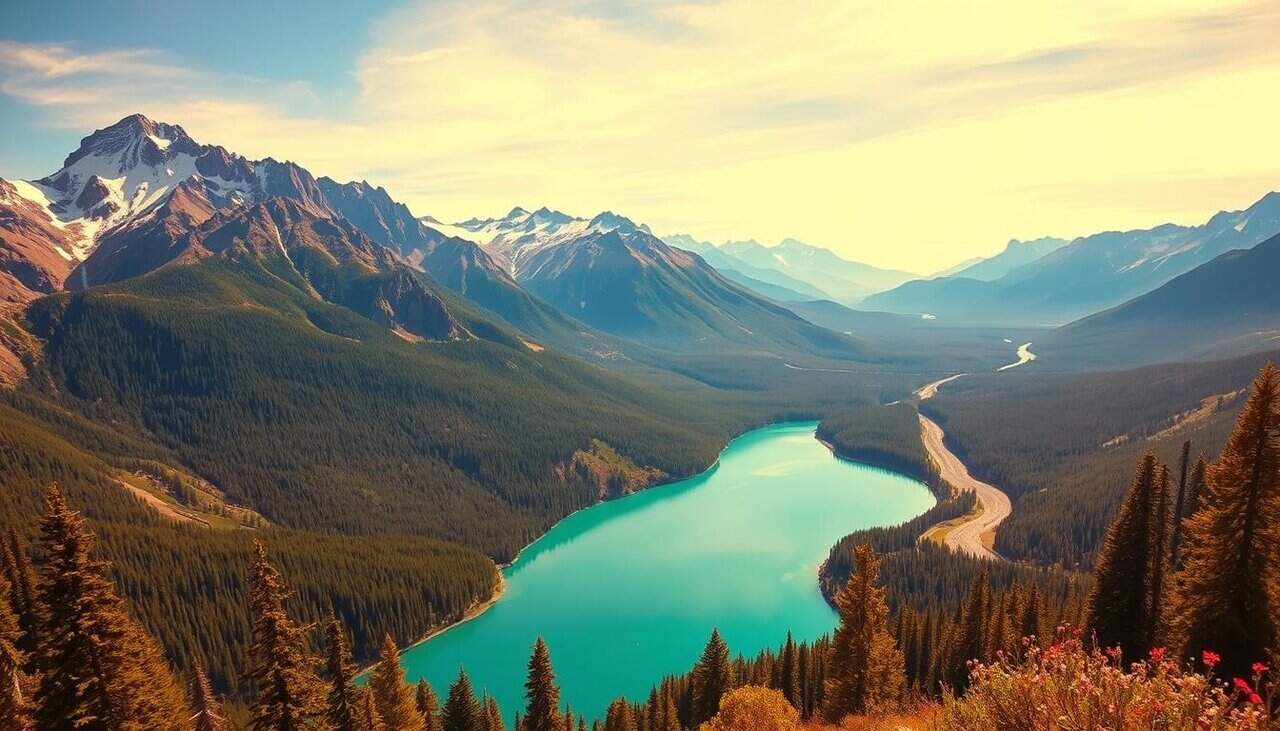
I’ve always been fascinated by America’s incredible national park system, which protects some of the most spectacular landscapes on Earth. With 63 national parks spread across the United States, each offering unique natural wonders, determining which one deserves the “top” spot is both challenging and subjective.
In my journey exploring these magnificent places, I’ve experienced the thrill of hiking through diverse ecosystems and marveling at the rich history and abundant wildlife that call these parks home. As we dive into what makes one national park stand out above the rest, you’ll understand why it’s considered the crown jewel of the US National Park System.
Key Takeaways
- Understanding the criteria for ranking America’s finest national park
- Exploring the unique features that make a national park exceptional
- Discovering the diverse ecosystems and wildlife within the top national park
- Learning about the rich history behind America’s national parks
- Gaining insights into the hiking and outdoor adventures available
The Legacy of America’s National Parks
America’s national parks represent a revolutionary idea that has been unfolding since 1872. The concept of preserving natural wonders for public enjoyment rather than private exploitation has been a cornerstone of American identity. As I reflect on the significance of these protected areas, I’m reminded of the profound impact they’ve had on our nation’s heritage.
The National Park System: America’s Best Idea
The National Park System is often regarded as “America’s best idea.” This distinction is well-deserved, given the system’s role in safeguarding some of the continent’s most spectacular landscapes. By protecting these areas, the National Park Service ensures that future generations can experience the natural beauty that has defined America for centuries. The system’s inception in 1872, when Yellowstone became the world’s first national park, marked a significant turning point in conservation history.
63 National Parks and Counting
Today, the National Park Service manages 63 national parks across the United States, each with its unique character and natural features. These parks range from vast wilderness areas like Wrangell-St. Elias in Alaska, which spans over 8 million acres, to smaller gems like Hot Springs National Park in Arkansas. The diversity of landscapes and ecosystems protected by the National Park System is a testament to the complexity and richness of America’s natural heritage.
| Park Name | Location | Size (acres) |
|---|---|---|
| Wrangell-St. Elias National Park | Alaska | 8,000,000+ |
| Hot Springs National Park | Arkansas | 5,550 |
| Yellowstone National Park | Wyoming, Montana, Idaho | 2,219,791 |
The legacy of the national park system continues to evolve, with new parks being added periodically to protect additional landscapes and ecosystems for future generations. As we look to the future, it’s clear that these protected areas will remain a vital part of America’s identity and a source of inspiration for generations to come.
What is the top 1 national park in the US?
After exploring numerous national parks, I’ve found that one park consistently ranks as the best. The debate about America’s top national park is ongoing, but for many, the answer is clear: Yellowstone National Park.
Yellowstone: America’s First and Finest National Park
Established in 1872 as the world’s first national park, Yellowstone pioneered the concept of preserving natural wonders for public enjoyment. This first national park in the world is a treasure trove of diverse ecosystems, including rugged mountains, lakes, and grasslands.
Yellowstone is home to an incredible array of wildlife, such as bison, moose, elk, and deer. With a bit of luck, visitors may even spot wolves or grizzly bears, though black bears are more commonly seen. The park’s diverse ecosystem is a major factor in its ranking as the top national park.
Why Yellowstone Consistently Ranks #1
So, what makes Yellowstone stand out from other national parks? Here are a few reasons:
- It’s not just a one-trick park; Yellowstone offers an astonishing variety of natural wonders in a single location.
- The park contains approximately 60% of the world’s geysers, including the famous Old Faithful.
- It boasts the largest concentration of mammals in the lower 48 states.
- Yellowstone features dramatic canyons, pristine lakes, and alpine rivers, creating a complete package that no other park can match.
While other parks, like the Grand Canyon or Yosemite, might excel in specific categories, Yellowstone’s breadth of offerings earns it the top spot in comprehensive rankings. Its accessibility also contributes to its #1 status, making its wonders available to visitors of all abilities and interests.
In conclusion, Yellowstone National Park is not just another national park; it’s a place where the world’s natural beauty is on full display. Its unique combination of geothermal features, diverse wildlife, and varied landscapes makes it a must-visit destination for anyone who loves the great outdoors.
Yellowstone’s Geological Wonders
One of the most striking aspects of Yellowstone National Park is its geothermal features. As I stepped into this incredible national park, I was immediately struck by the unique landscape that surrounds you.
Yellowstone sits atop one of Earth’s largest active supervolcanoes, resulting in an extraordinary geothermal landscape. This landscape is characterized by an impressive array of hot springs, mud pots, fumaroles, and geysers.
The World’s Greatest Concentration of Geysers
What truly sets Yellowstone National Park apart is its concentration of geysers. With approximately 500 geysers, it boasts nearly 60% of the world’s total. This is a truly unique feature that makes the park a fascinating place to explore.
| Geothermal Feature | Description | Notable Example |
|---|---|---|
| Geysers | Natural springs that erupt hot water and steam | Old Faithful |
| Hot Springs | Pools of hot water, often colorful due to bacterial mats | Grand Prismatic Spring |
| Mud Pots | Ground that bubbles and churns with mud | Mud Volcano Area |
| Fumaroles | Steam vents that emit gases and vapors | Norris Geyser Basin |
Old Faithful and Other Geothermal Features
Beyond the famous Old Faithful, Yellowstone contains over 10,000 geothermal features. Old Faithful erupts approximately 20 times per day, sending a column of steaming water up to 185 feet into the air. The predictability of its eruptions makes it a must-see attraction within the park.
As you walk through geyser basins like Upper Geyser Basin or Norris Geyser Basin, the experience is surreal. The landscape is dotted with colorful hot springs and steaming geysers, creating an otherworldly atmosphere.
Visiting Yellowstone National Park offers a unique opportunity to witness active geological processes that have shaped our planet. It’s not just a park; it’s a living laboratory that showcases the natural wonders of our world.
Yellowstone’s Diverse Ecosystems
One of the most remarkable aspects of Yellowstone National Park is its diverse ecosystems, which span over 2.2 million acres. As you explore this vast wilderness, you’ll discover a wide range of landscapes, from alpine forests and subalpine meadows to river valleys and sagebrush grasslands.
Forests, Lakes, and Grasslands
Yellowstone’s forests cover roughly 80% of the park, primarily consisting of lodgepole pine, along with Douglas fir, Engelmann spruce, subalpine fir, whitebark pine, and limber pine. These forests create diverse habitats for countless species. The park is also home to Yellowstone Lake, the largest high-elevation lake in North America, situated at 7,733 feet above sea level and spanning 132 square miles with 110 miles of shoreline.
The grasslands and river valleys within the park form crucial habitats for the large mammals that make Yellowstone National Park famous. The Lamar Valley, often referred to as “America’s Serengeti,” and Hayden Valley are particularly noteworthy. What makes Yellowstone’s ecosystems particularly special is their relatively intact nature – this is one of the largest nearly-intact temperate ecosystems on Earth.
The Grand Canyon of Yellowstone
The Grand Canyon of Yellowstone is another breathtaking feature of the park. Stretching approximately 24 miles long, up to 1,200 feet deep, and half a mile wide in places, the canyon is a testament to the power of the Yellowstone River, which tumbles through it in a series of dramatic waterfalls. The yellow-hued walls of the canyon, which gave the park its name, frame the powerful Lower and Upper Falls, creating a truly awe-inspiring sight.
For those interested in exploring more of America’s natural wonders, you might also enjoy visiting other national parks known for their wildlife. Each of these destinations offers a unique perspective on the diverse ecosystems found across the United States.
Yellowstone’s Iconic Wildlife
One of the main attractions of Yellowstone National Park is its incredible array of wildlife, including some of North America’s most iconic species. As the world’s first national park, Yellowstone preserves a diverse ecosystem that includes rugged mountains, lakes, and grasslands where great herds of bison graze along with moose, elk, and deer.
The Last Great Bison Herds
Yellowstone National Park offers the most spectacular wildlife viewing opportunities in the contiguous United States – it’s the only place in America where all native species that existed prior to European settlement still roam free. The park is home to North America’s largest wild bison herd, with approximately 5,000 animals grazing peacefully across the landscape, particularly in areas like Lamar Valley.
I recall my dawn visit to Lamar Valley, watching the bison herd – a living connection to the tens of millions that once roamed the continent. This experience was truly unforgettable and provided a glimpse into the rich natural history of the area.
Wolves, Bears, and Other Predators
The reintroduction of wolves to Yellowstone in 1995 created one of conservation’s greatest success stories, restoring the park’s natural balance and offering visitors the rare chance to observe these elusive predators in their natural habitat. Both grizzly and black bears inhabit the park, with populations recovering after near-extinction.
Seeing a grizzly with cubs foraging in a meadow from a safe distance was one of my most thrilling wildlife encounters. Beyond the famous large mammals, Yellowstone hosts incredible biodiversity: 67 mammal species, 285 bird species, 16 fish species, 6 reptile species, 4 amphibian species, and countless insects – creating a complete ecosystem.
What makes wildlife viewing in Yellowstone particularly special is the accessibility – while patience is required, the park’s open valleys and road system make wildlife encounters more likely than in many other wilderness areas. This unique combination of accessibility and biodiversity makes Yellowstone a standout destination for wildlife enthusiasts.
The History of Yellowstone National Park
With a history spanning thousands of years, Yellowstone is more than just a park – it’s a cultural and ecological treasure trove. As the world’s first national park, Yellowstone preserves a diverse ecosystem that includes rugged mountains, lakes, and grasslands where great herds of bison graze along with moose, elk, and deer.
A Monumental Conservation Achievement
Yellowstone’s designation as the world’s first national park in 1872 represents a pivotal moment in conservation history. It was the first time a government set aside land specifically for preservation rather than development. The Washburn-Langford-Doane Expedition of 1870 played a crucial role in Yellowstone’s establishment, bringing back reports of its wonders that were initially dismissed as tall tales.
The park’s early years were challenging, with limited funding and poaching problems. The US Army managed the park from 1886 to 1918 until the National Park Service was established. Despite these challenges, Yellowstone’s history as the first national park gave it a special place in American culture, pioneering the concept of public lands preserved for their natural value.
| Year | Event |
|---|---|
| 1870 | Washburn-Langford-Doane Expedition |
| 1872 | Establishment of Yellowstone as the world’s first national park |
| 1886-1918 | US Army management of the park |
Native American History and Cultural Significance
Long before becoming a national park, this land held deep significance for numerous Native American tribes. Archaeological evidence shows human presence dating back at least 11,000 years. At least 26 tribes have historical connections to Yellowstone, including the Shoshone, Bannock, Nez Perce, Crow, and Blackfeet, who hunted, gathered, traveled through, and conducted ceremonies in this sacred landscape.
Understanding and respecting this rich cultural heritage is essential to appreciating Yellowstone’s true significance. As we explore the park’s history, we’re reminded of the importance of preserving not just its natural wonders but also its cultural legacy.
Visiting Yellowstone: Essential Information
As you prepare to visit Yellowstone National Park, understanding the park’s seasonal dynamics is crucial. Having experienced the park in all its seasonal glory, I can attest that the time of your visit significantly impacts your Yellowstone adventure.
Best Times to Visit
Yellowstone transforms dramatically with the seasons, offering a unique experience throughout the year. Summer (June-August) is the peak tourist season, with warm temperatures and all facilities open, but it’s also the busiest time. To avoid the crowds, I recommend visiting popular attractions before 9 am or after 3 pm.
- Summer: Warmest temperatures, all facilities open, but largest crowds.
- Fall (September-October): Fewer visitors, comfortable temperatures, beautiful foliage, and active wildlife.
- Winter (November-April): A magical snow-covered wonderland, but limited access to snowcoaches and snowmobiles.
- Spring (May-early June): Wildlife births, emerging greenery, but unpredictable weather and muddy conditions.
Each season offers a distinct experience, so it’s essential to choose the time that best fits your preferences and plans.
Accommodations and Facilities
Yellowstone offers a range of accommodations to suit different needs, from the historic Old Faithful Inn to more modern lodges, 12 campgrounds, and numerous backcountry camping opportunities. For a truly immersive experience, I strongly recommend staying inside the park for at least part of your visit.
Reservations are essential, especially during the peak summer season. Staying inside the park allows you to experience Yellowstone at dawn and dusk when wildlife is most active and day-trippers have departed, making for a truly magical experience.
Top Contenders: Grand Canyon National Park
While Yellowstone may hold the #1 spot overall, Grand Canyon National Park presents its strongest competition – focused on a single geological feature of such overwhelming scale that it defies comprehension. The Grand Canyon is a breathtaking natural wonder that has captivated visitors for generations.
The Magnificent Colorado River Canyon
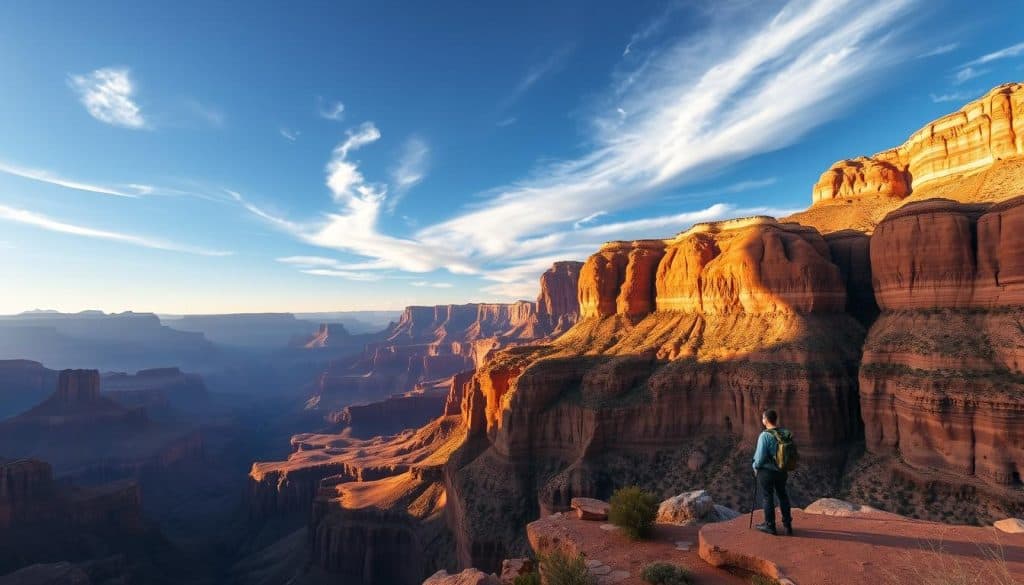
The US has many spectacular canyons, but there’s a reason the name Grand Canyon was given to this particularly splendid natural wonder. Carved by the winding Colorado River to depths of well over a mile in places and up to 18 miles across, the Grand Canyon stretches 277 miles through the high desert of northwestern Arizona. Its exposed layers of sediment range from warm pink and brown hues to rich shades of red and gold, revealing nearly two billion years of Earth’s geological history.
Viewing the Canyon from Different Perspectives
What makes the Grand Canyon truly special is how it combines immensity with intricate detail. From the massive scale visible from viewpoints like Mather Point to the intimate side canyons and rock formations you discover while hiking, the Grand Canyon offers a diverse experience. You can hike into the canyon, take a guided ride down on a mule, or experience the thrill of rafting trips down the Colorado River.
- The South Rim is open year-round with more services, making it a convenient option for many visitors.
- The North Rim, with its higher elevation and fewer crowds, offers a more serene experience, though it’s only open from May to October.
- Hiking below the rim, even a short distance down trails like Bright Angel or South Kaibab, transforms your perspective from spectator to participant.
- Alternative experiences include mule rides into the canyon, rafting the Colorado River, or helicopter tours that reveal the canyon’s true scale and complexity.
For the most profound Grand Canyon experience, I highly recommend exploring beyond the rim. Whether you choose to hike, ride a mule, or raft down the Colorado River, you’ll gain a deeper appreciation for this natural wonder.
Top Contenders: Yosemite National Park
As I reflect on the most breathtaking national parks in the US, Yosemite National Park stands out as a strong contender. This park is renowned for its stunning natural beauty, featuring iconic landmarks such as Half Dome and El Capitan, as well as the highest waterfall in North America, Yosemite Falls.
Yosemite National Park is a place of extraordinary beauty that has inspired many, including naturalist John Muir and photographer Ansel Adams. The park’s diverse landscapes, ranging from granite cliffs to picturesque valleys, offer a wide range of recreational opportunities, including hiking, biking, and climbing.
Iconic Rock Formations and Waterfalls
Yosemite is home to some of the most spectacular rock formations in the world, including the massive granite monolith El Capitan and the iconic Half Dome. The park’s waterfalls are equally impressive, with Yosemite Falls being a highlight, particularly during the spring when the water flow is at its peak.
The park’s unique geology has created a diverse range of landscapes, from the U-shaped Yosemite Valley to the high country wilderness areas. Visitors can explore the park’s many hiking trails, including the famous cables route up Half Dome, or simply take in the breathtaking views from one of the many scenic overlooks.
| Landmark | Height/Size | Notable Feature |
|---|---|---|
| Yosemite Falls | 2,425 feet | Tallest waterfall in North America |
| Half Dome | 4,800 feet above valley floor | Iconic granite dome |
| El Capitan | Largest granite monolith in the world | Popular rock climbing destination |
John Muir’s Wilderness Legacy
Yosemite National Park has a rich conservation history, thanks in part to the efforts of naturalist John Muir. Muir’s advocacy played a significant role in the park’s establishment and protection, and his legacy continues to inspire conservation efforts today.
The park’s wilderness areas, which make up over 94% of its total area, offer a glimpse into the natural beauty that Muir fought to preserve. Visitors can explore the park’s many hiking trails, including portions of the John Muir Trail, and experience the same landscapes that inspired Muir’s writing.
As we consider the top national parks in the US, Yosemite National Park is certainly a strong contender. Its unique combination of geological features, diverse wildlife, and rich conservation history make it a must-visit destination for outdoor enthusiasts and nature lovers alike.
Top Contenders: Zion and Bryce Canyon
My journey through America’s national parks has led me to Zion and Bryce Canyon, two parks that showcase the diversity of desert landscapes. These Utah national parks offer some of America’s most distinctive landscapes, representing two completely different but equally magnificent expressions of desert geology.
Zion’s Towering Red Cliffs
Zion National Park captivated me with its immense scale – walking along the Virgin River in Zion Canyon with 2,000-foot sheer sandstone cliffs towering overhead creates a cathedral-like feeling that explains the park’s biblical name. The park’s most famous hikes deliver unforgettable experiences, such as the hike to the top of Angels Landing, with its thrilling chain section leading to panoramic views, and The Narrows, where you wade upstream through a slot canyon with walls a thousand feet tall and sometimes just 20 feet apart.
Bryce Canyon’s Fantastical Hoodoos
Just 50 miles away, Bryce Canyon National Park offers a completely different landscape – a natural amphitheater filled with thousands of delicate “hoodoos” creating a fairytale forest of stone. Bryce’s network of trails allows you to descend among the hoodoos for an intimate experience of these fantastical formations. The Queens Garden/Navajo Loop combination is particularly spectacular, offering a unique perspective on the park’s natural beauty.
Both parks are not only remarkable for their geological wonders but also for their accessibility. They offer experiences for visitors of all abilities, from scenic drives with roadside viewpoints to challenging backcountry adventures. For more information on planning your visit to these and other national parks, check out the best national parks to visit in.
| Park | Main Attraction | Hiking Trails |
|---|---|---|
| Zion National Park | Towering Red Cliffs | Angels Landing, The Narrows |
| Bryce Canyon National Park | Hoodoos | Queens Garden/Navajo Loop |
Top Contenders: Great Smoky Mountains
As I explored the diverse landscapes of America’s national parks, Great Smoky Mountains stood out for its unparalleled biodiversity. This national park, straddling the border between North Carolina and Tennessee, is a treasure trove of natural wonders.
America’s Most Visited National Park
Great Smoky Mountains National Park holds the distinction of being America’s most visited national park, welcoming over 12 million visitors annually. Its proximity to major population centers and lack of an entrance fee make it an accessible destination for visitors from all walks of life. The park’s rich biodiversity and diverse landscapes, from lush forests to scenic vistas, attract nature lovers and outdoor enthusiasts alike.
With over 800 miles of trails, including a section of the famous Appalachian Trail, visitors can explore the park’s many wonders on foot. The park’s accessibility and diverse recreational opportunities make it a favorite among national park visitors.
Biodiversity and Scenic Beauty
The Great Smoky Mountains are renowned for their extraordinary biodiversity, with over 19,000 documented species calling the park home. This includes more tree species than in all of northern Europe and the highest density of black bears in the eastern United States. The park’s scenic beauty is equally impressive, with the misty blue haze that gives the mountains their name creating a breathtaking backdrop for outdoor adventures.
The park’s diverse ecosystems, from temperate rainforests to scenic viewpoints, offer a unique national park experience. As you explore the park, you’ll discover why Great Smoky Mountains is considered one of America’s most beloved national parks.
Top Contenders: Glacier National Park
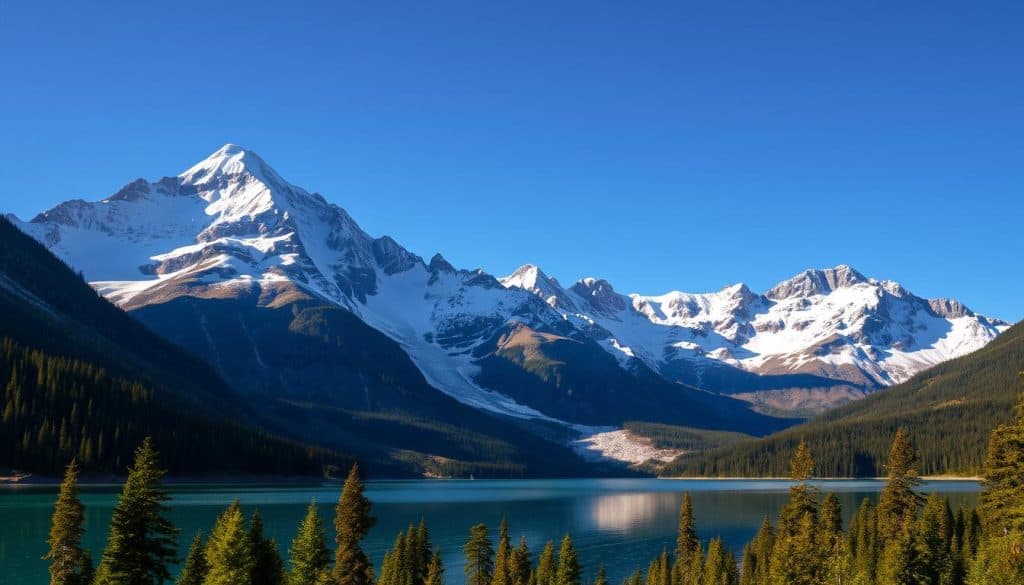
Glacier National Park, straddling the Continental Divide, offers some of the most spectacular views in North America. This Montana marvel is known for its rugged, pristine character, with over 1 million acres of untouched wilderness.
The Crown of the Continent
Earning its nickname “Crown of the Continent,” Glacier National Park is home to some of the most breathtaking alpine scenery in the US. The park’s centerpiece, the Going-to-the-Sun Road, is a 50-mile engineering marvel that crosses the Continental Divide at Logan Pass (6,646 feet), offering heart-stopping views around every turn. With over 700 miles of trails for hiking and exploring, visitors can experience the park’s diverse ecosystems, from forested valleys with sparkling glacial lakes to alpine tundra at the top of the pass.
The park is teeming with wildlife, including grizzly bears, moose, beaver, bighorn sheep, elk, and mountain goats. Wildlife viewing opportunities abound, with the park being home to all of its original predators, including grizzly bears, wolves, and mountain lions, plus over 260 species of birds.
Disappearing Glaciers and Climate Change
Glacier National Park’s name has taken on poignant significance due to the rapid disappearance of its glaciers. Of the estimated 150 glaciers present when the park was established in 1910, only 25 active glaciers remain today, with most projected to disappear by 2030 due to climate change. This change not only affects the park’s aesthetics but also its ecosystems. For those interested in exploring more national parks and their rankings, you can find a comprehensive list on this site.
Despite the challenges posed by climate change, Glacier National Park remains a must-visit destination for its dramatic mountains and breathtaking views. Visitors can enjoy the park’s beauty while it still exists in its full glory.
How National Parks Are Ranked
The National Park Service doesn’t rank its parks, but that doesn’t stop us from trying to figure out which one stands out. As I’ve researched numerous national park rankings for this article, I’ve found that determining the “best” national park is inherently subjective.
Official vs. Popular Rankings
There’s a significant difference between official government standings and popular opinion when it comes to ranking national parks. The National Park Service treats each national park as unique and valuable, rather than comparing them directly. On the other hand, travel publications and websites have their own criteria for ranking, often considering factors like scenic beauty and diversity of attractions.
For instance, some sources may prioritize parks with iconic features or those that offer a wide range of recreational activities. This subjective approach leads to varied results across different rankings.
Criteria for Evaluating Parks
So, what makes one national park stand out from another? Several factors come into play, including:
- Scenic beauty and unique geological features
- Diversity of wildlife and ecosystems
- Recreational opportunities and accessibility
- Conservation value and protection of rare species
Let’s consider these factors in a more structured way:
| Criteria | Description | Example |
|---|---|---|
| Scenic Beauty | Unique landscapes and geological formations | Grand Canyon’s vast expanse |
| Wildlife Diversity | Variety of ecosystems supporting different species | Yellowstone’s geysers and diverse fauna |
| Recreational Opportunities | Activities such as hiking, camping, and wildlife viewing | Yosemite’s hiking trails and camping sites |
As we evaluate these national parks, it becomes clear that the “best” park is often a matter of personal preference, whether you’re looking for dramatic landscapes, wildlife encounters, or opportunities for solitude.
Preserving America’s Natural Treasures
As we explore the grandeur of America’s national parks, we must also confront the challenges they face in the modern era. These treasured places are not just breathtaking destinations; they are complex ecosystems that require careful management and conservation.
Conservation Challenges
The national parks in the US are facing unprecedented threats. Climate change is altering ecosystems, with visible effects such as Glacier’s disappearing ice fields and changes in Yellowstone’s wildlife migration patterns. Overcrowding has become a significant issue, with 44 parks setting visitation records in 2021, leading some to implement reservation systems. Funding remains a persistent challenge, with the National Park Service facing a maintenance backlog exceeding $22 billion. Wildlife management also poses complex dilemmas, including conflicts between humans and wildlife as development encroaches on park edges.
| Challenge | Impact | Example |
|---|---|---|
| Climate Change | Altering Ecosystems | Glacier’s disappearing ice fields |
| Overcrowding | Straining Infrastructure | Reservation systems in Arches and Yosemite |
| Funding | Maintenance Backlog | $22 billion backlog in National Park Service |
The Role of Visitors in Park Preservation
As visitors, we play a crucial role in the preservation of these national treasures. By practicing Leave No Trace principles, respecting wildlife distance guidelines, and staying on designated trails, we can significantly reduce our impact. Supporting conservation organizations is another way to contribute to the protection of these places. As I reflect on the future of our national parks, I remain optimistic, knowing that their value as repositories of natural and cultural heritage ensures continued public support for their preservation.
Planning Your National Park Adventure
As someone who’s visited all 63 national parks, I can attest that thoughtful planning is key to a successful national park adventure. With so many incredible destinations to choose from, creating an itinerary can be overwhelming, but with some guidance, you can craft a trip that will leave you with lifelong memories.
Multi-Park Itineraries
When planning your national park adventure, consider visiting multiple parks to maximize your experience. For first-time visitors, a “Grand Circle” tour of the Southwest is an excellent choice, covering Grand Canyon, Zion, Bryce Canyon, Capitol Reef, Arches, and Canyonlands. These parks are all within a day’s drive of each other, making it easy to explore their unique landscapes.
- Combine Yellowstone and Grand Teton for a complementary experience, featuring geothermal wonders, wildlife, and dramatic mountain scenery.
- The Pacific Northwest offers another compelling cluster, with Olympic, Mount Rainier, and North Cascades providing diverse experiences from coastal wilderness to alpine meadows.
Responsible Tourism Practices
As visitation to national parks increases, it’s essential to adopt responsible tourism practices. Timing is crucial – visiting during shoulder seasons (May-early June or September-October) often provides the best balance of good weather, open facilities, and fewer crowds.
- Make reservations where required and have flexible itineraries to accommodate changing conditions.
- Visit popular attractions at off-peak times and explore less-visited sections of parks to minimize your impact.
- Consider purchasing an America the Beautiful Pass ($80 annually), which covers entrance fees at all national parks and federal recreation lands, supporting the park system while providing excellent value for multi-park visitors.
By planning carefully and being mindful of your impact, you can have a transformative adventure in America’s national parks.
Conclusion: The Enduring Appeal of America’s Top National Park
After exploring the contenders, I firmly believe that Yellowstone is the crown jewel of America’s national parks. Its status as the first national park is not just a historical footnote, but a testament to its unmatched combination of diverse natural wonders.
What makes Yellowstone special is its ability to offer something for everyone. Whether you’re looking for easy day trips along boardwalks amidst geysers, challenging hikes through backcountry, or simply viewing wildlife from your car, Yellowstone delivers. The park’s 2.2 million acres are a treasure trove of exploration possibilities, with over 900 miles of trails, 15 miles of boardwalks, and 466 miles of roads.
Yellowstone’s appeal is not seasonal; it transforms with each visit, revealing new facets of this remarkable place. From the vibrant activity of summer to the serene views of winter, every day spent in Yellowstone is a new adventure. While other parks may excel in specific categories, none matches Yellowstone’s comprehensive collection of natural wonders.
The enduring appeal of Yellowstone and all our national parks lies in their ability to connect us with something larger than ourselves. These protected places offer not just recreation but restoration for the human spirit. Whether you’re planning your first national park adventure or your fiftieth, I encourage you to experience these American treasures with an open heart and mind.
As you plan your visit to Yellowstone or other national parks, remember that these are not just parks – they’re home to diverse ecosystems and cultural heritage. Let’s appreciate and protect these natural wonders for generations to come.
FAQ
What makes Yellowstone National Park a top destination for adventure seekers?
Yellowstone offers a diverse range of landscapes, including geothermal features like Old Faithful, hot springs, and an abundance of wildlife, making it an ideal location for hiking, camping, and exploring.
Are there any guided tours available in Yellowstone and other national parks?
Yes, many national parks, including Yellowstone, offer guided tours led by park rangers or experienced guides, providing visitors with a deeper understanding of the park’s natural and cultural significance.
How can I plan a multi-park itinerary for my next adventure?
To plan a multi-park itinerary, start by identifying the parks you want to visit and researching the best times to visit each one, then create a schedule that allows for travel time between parks and flexibility in case of unexpected changes.
What are some responsible tourism practices I can follow when visiting national parks?
To minimize your impact on national parks, follow guidelines such as staying on designated trails, not feeding wildlife, and disposing of waste properly, helping to preserve these natural treasures for future generations.
Can I visit national parks year-round, or are they seasonal?
While some national parks are open year-round, others may have seasonal closures or limited access during certain times of the year, so it’s essential to check with the park service before planning your visit.
How can I contribute to the conservation efforts in national parks?
You can support conservation efforts by following park rules, participating in volunteer programs, and donating to reputable organizations dedicated to protecting national parks and their resources.