
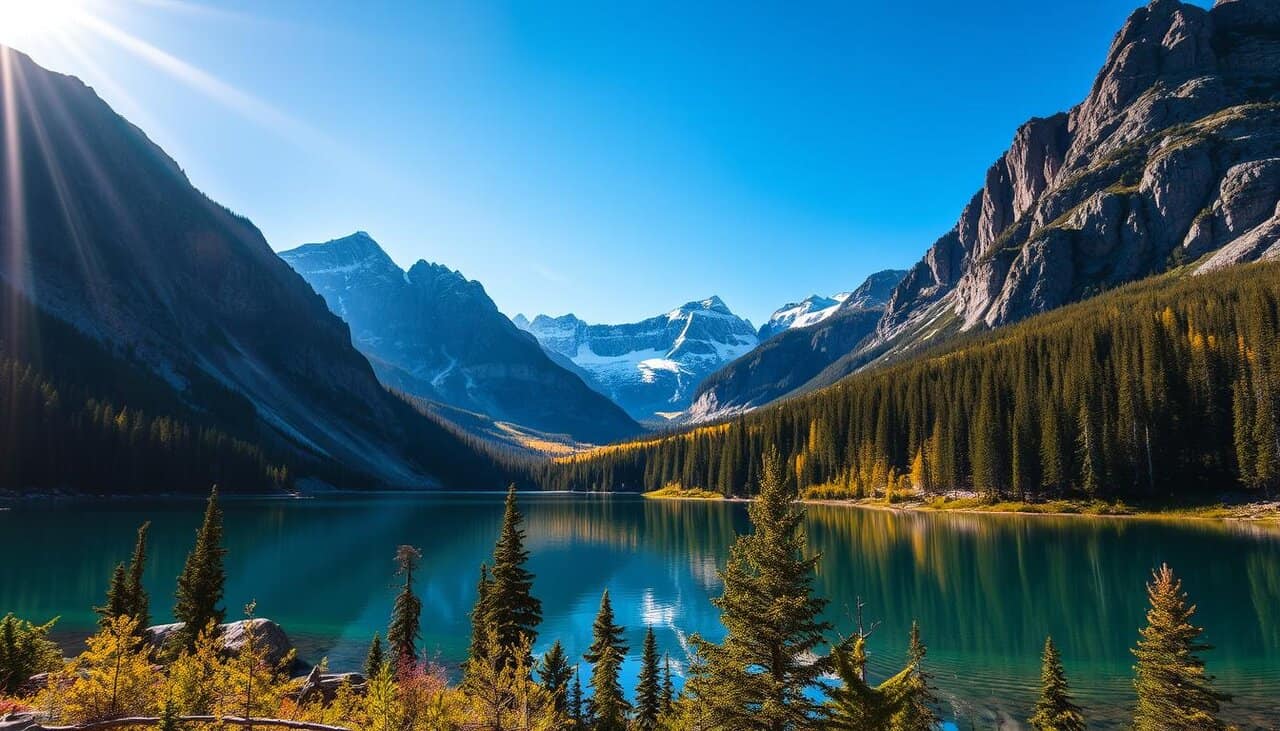
Did you know that the world’s first national park, Yellowstone, is home to an astonishing array of geothermal wonders, including over 10,000 geysers, hot springs, and mud pots? This incredible national park is just one of the 63 national parks across the United States, each with its unique features and attractions.
As I reflect on what makes a park truly special, I realize that national parks are more than just breathtaking landscapes – they’re also vital ecosystems that preserve our planet’s natural beauty.
From the majestic mountains to the serene lakes and grasslands, our national parks are a testament to the incredible diversity of our country’s natural heritage. In this article, we’ll explore the question of which national park holds the coveted #1 spot in the United States.
Key Takeaways
- The National Park System encompasses 63 national parks across the United States.
- Different criteria, such as visitor numbers, historical significance, and biodiversity, can be used to rank national parks.
- Yellowstone National Park is considered by many to be America’s premier national park.
- National parks preserve our most spectacular landscapes and ecosystems.
- The concept of national parks is often referred to as “America’s best idea.”
The Crown Jewel of America’s National Parks
America’s national park system has its roots in a single, extraordinary place – Yellowstone National Park. As the world’sfirst national park, established in 1872, Yellowstone set a revolutionary precedent for conservation. This pioneering designation not only preserved a diverse ecosystem but also paved the way for the entire national park system worldwide.
Yellowstone was chosen as the first national park due to its unique geological features, including geysers, hot springs, and diverse wildlife. The park preserves a vast ecosystem that includes rugged mountains, lakes, and grasslands where great herds of bison graze along with moose, elk, and deer. This diverse landscape is home to a wide variety of flora and fauna, making it a significant national park that continues to captivate visitors from around the world.
America’s First National Park
Yellowstone’s historical significance extends beyond its natural beauty. As America’s first national park, it represented a new concept – that spectacular landscapes should be preserved for public enjoyment rather than private exploitation. This idea was revolutionary at the time and has since inspired over 100 countries to establish their own national park systems. As noted in an article from the Los Angeles Times, Yellowstone’s designation was a landmark moment in conservation history (https://www.latimes.com/archives/la-xpm-1993-05-16-tr-35976-story.html).
The establishment of Yellowstone as a national park was a model for national parks not just in America but around the world. It demonstrated that with proper protection, these natural wonders could be preserved for future generations. For those interested in exploring more of America’s national parks, there are numerous other parks that offer unique experiences and breathtaking landscapes, as highlighted on https://enjoynationalparks.com/what-are-the-best-national-parks/.
| Year | Event | Significance |
|---|---|---|
| 1872 | Establishment of Yellowstone as the world’s first national park | Set a global precedent for conservation |
| 1916 | Creation of the National Park Service | Unified management of national parks under a single agency |
| Present Day | Over 100 countries have established national parks inspired by Yellowstone | Global impact on conservation efforts |
Yellowstone’s status as the original national park gives it a special place in American conservation history and continues to make it the crown jewel of the park system. Its diverse ecosystem, unique geological features, and historical significance make it a must-visit destination for anyone interested in exploring America’s natural wonders.
What is the top 1 national park in the US?
Among the many incredible national parks in the US, there’s a clear favorite among visitors and experts alike. Yellowstone National Park stands out as America’s premier national park, and for good reason.
Yellowstone: America’s Premier National Park
Yellowstone preserves a diverse ecosystem that includes rugged mountains, lakes, and grasslands where great herds of bison graze along with moose, elk, and deer. With luck, you may spot one of the park’s wolves or grizzly bears, though black bears are more commonly seen. The park is also known for its geothermal wonders, which include hot springs, mud pots, fumaroles, and nearly 60 percent of the world’s geysers.
The most famous of these geysers, Old Faithful, erupts approximately 20 times per day at semi-regular intervals. This unique combination of wildlife, geology, and geothermal features makes Yellowstone a truly unique national park.
Why Yellowstone Ranks #1
So, why does Yellowstone stand out as the top national park? For one, its size and diversity are unmatched. Spanning over 2.2 million acres, it provides habitat for the largest concentration of mammals in the lower 48 states. Additionally, Yellowstone’s historical significance as the world’s first national park gives it a special status that no other park can claim.
Expert opinions from naturalists, park rangers, and travel writers consistently rank Yellowstone at or near the top of America’s national parks. Its cultural impact is also significant, featuring prominently in art, literature, film, and the American imagination. Whether you’re a nature lover, a history buff, or simply looking for a unique adventure, Yellowstone has something to offer, cementing its position as America’s #1 national park.
Yellowstone’s Iconic Features
Yellowstone National Park is a treasure trove of natural wonders, and its iconic features are a major draw for visitors from around the world. As we explore this incredible park, you’ll discover that its geothermal wonders and grand landscapes make it a truly unique destination.
Geothermal Wonders: Old Faithful and Beyond
Yellowstone is known for its geothermal features, which include hot springs, mud pots, fumaroles, and nearly 60 percent of the world’s geysers. The most famous of these is Old Faithful, which erupts approximately 20 times per day at semi-regular intervals. But there’s more to explore beyond this iconic geyser.
Let’s take a tour of Yellowstone’s most spectacular geothermal features. We’ll venture to the Grand Prismatic Spring, the largest hot spring in the US, known for its vibrant colors created by microbial mats. The Norris Geyser Basin is another highlight, featuring a diverse range of geysers and hot springs. And then there’s Mammoth Hot Springs, with its travertine terraces that are a marvel of geological formation.
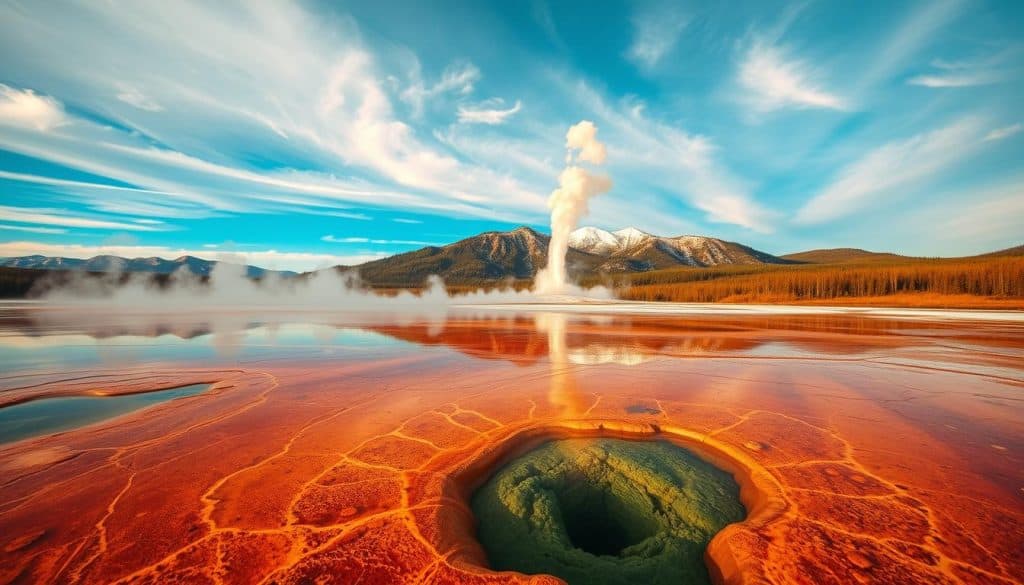
The science behind these geothermal wonders is fascinating. They’re all manifestations of the massive volcanic system that lies beneath Yellowstone, creating the world’s largest concentration of geysers and hot springs. This volcanic activity is what makes Yellowstone so unique and fascinating.
The Grand Canyon of Yellowstone
Another iconic feature of Yellowstone is the Grand Canyon of Yellowstone, a 20-mile-long canyon carved by the Yellowstone River. This canyon is not only impressive in its scale but also features dramatic waterfalls and colorful rock walls that rival the more famous Grand Canyon in beauty.
As you stand at the edge of the Grand Canyon of Yellowstone, you’ll be struck by the breathtaking views. The Yellowstone River tumbles through the canyon in a series of dramatic waterfalls, creating a landscape that’s both awe-inspiring and humbling. The colorful rock walls, shaped by millions of years of geological activity, add to the natural beauty of this incredible place.
These iconic features of Yellowstone create a landscape that feels almost otherworldly, with steaming vents, bubbling mud pots, and brilliantly colored bacterial mats that make Yellowstone unlike any other place on Earth. As you explore this national park, you’ll experience the natural wonders that make it so special.
Wildlife Encounters in Yellowstone
With its vast and varied landscapes, Yellowstone is home to an incredible array of wildlife, from majestic bison to elusive wolves. As America’s premier national park, Yellowstone offers a unique opportunity to observe a wide range of species in their natural habitat.
Bison, Wolves, and Grizzlies
Yellowstone is renowned for its conservation success stories, particularly regarding its bison herds. The park is home to the oldest and largest public bison herd in the United States, with numbers recovering from near-extinction to over 5,000 animals today. The reintroduction of wolves in 1995 has also had a dramatic positive impact on the ecosystem, demonstrating the complex interplay between species in this vibrant national park.
The presence of grizzly bears, black bears, moose, elk, and deer further enriches the biodiversity of Yellowstone. Visitors to the park may catch a glimpse of these incredible creatures, though it’s essential to maintain a safe distance and respect their wild nature.
Best Spots for Wildlife Viewing
For those eager to experience Yellowstone’s wildlife, there are several key places to visit. Lamar Valley, often referred to as “America’s Serengeti,” is a prime location for spotting wolves and other wildlife. Hayden Valley and the Madison River corridor are also excellent areas for observing a variety of species in their natural habitats.
When viewing wildlife, it’s crucial to follow guidelines for responsible viewing, keeping a safe distance and never approaching the animals. This not only ensures visitor safety but also protects the well-being of Yellowstone’s incredible wildlife, preserving the national park for future generations.
The Most Visited National Park: Great Smoky Mountains
Great Smoky Mountains National Park stands out as the most visited national park in the United States, attracting over 12 million visitors each year. As I reflect on its popularity, several factors come to mind.
Visitor Statistics and Popularity
Great Smoky Mountains National Park is a favorite among travelers, with its stunning landscapes and diverse wildlife. One of the primary reasons for its immense popularity is its strategic location, within a day’s drive for one-third of the U.S. population. Additionally, it’s one of the few major national parks that doesn’t charge an entrance fee, making it an accessible destination for many.
The park’s visitor statistics are impressive, with over 12 million visitors annually, more than twice the number of the second most visited national park. This high volume of visitors is a testament to the park’s broad appeal.
What Makes Great Smoky Mountains Special
The Great Smoky Mountains National Park is renowned for its remarkable biodiversity, boasting more than 19,000 documented species of plants and animals. This rich biodiversity is a result of its unique geography and climate. The park’s ancient mountains, which are among the oldest in the world, create a distinctive landscape of rounded, forested peaks often shrouded in a blue mist.
Beyond its natural beauty, the park is also steeped in cultural heritage, with preserved historic structures from Appalachian settlers. This blend of natural and cultural resources makes Great Smoky Mountains National Park a truly special place, offering visitors a unique experience that combines exploration of the great outdoors with a glimpse into the region’s history.
Grand Canyon: America’s Natural Wonder
Stretching 277 miles through northwestern Arizona, the Grand Canyon is an awe-inspiring sight. As one of America’s most iconic natural wonders, it attracts visitors from around the globe. The Grand Canyon is more than just a spectacular view; it’s a testament to the power of geological forces that have shaped our planet over millions of years.
The Awe-Inspiring Geology
The Grand Canyon’s exposed rock layers tell a fascinating geological story, representing nearly two billion years of Earth’s history. As you stand at the edge of the canyon, you’re not just witnessing a breathtaking view; you’re looking at one of the most complete geological records on the planet. The canyon’s vast scale – 277 miles long, up to 18 miles wide, and more than a mile deep – creates a landscape that overwhelms the human sense of scale.
The geological story of the Grand Canyon is complex and multifaceted. The Colorado River, which carved this natural wonder over millions of years, continues to shape the landscape today. The exposed layers of sediment range from warm pink and brown hues to rich shades of red and gold, providing a visual representation of the region’s geological history.
Experiencing the Grand Canyon
There are many ways to experience the Grand Canyon, each offering a unique perspective on this natural wonder. The South Rim, with its easier access and more visitor facilities, is a popular choice for many visitors. For those seeking adventure, hiking into the canyon or taking a guided ride down on a mule offers an unforgettable experience. Alternatively, rafting trips down the Colorado River provide a thrilling way to see the canyon from within.
Whether you choose to hike, ride, or simply take in the views, the Grand Canyon is a must-visit destination for anyone interested in nature, geology, or simply experiencing one of the world’s most incredible landscapes. As one of the Seven Natural Wonders of the World, the Grand Canyon is a symbol of American natural heritage, attracting travelers from around the globe.
Yosemite: The Park That Inspired Conservation
The natural beauty of Yosemite National Park has not only inspired artists and naturalists but has also played a significant role in shaping America’s environmental ethic. As a place that has been at the forefront of conservation efforts, Yosemite continues to captivate visitors with its majestic landscapes.
Half Dome and El Capitan
Yosemite is home to some of the most iconic rock formations in the world, including the towering granite monoliths of Half Dome and El Capitan. Half Dome towers 4,800 feet above the valley floor, while El Capitan, the largest single piece of exposed granite in the world, is a mecca for rock climbers. These natural wonders, along with Yosemite’s spectacular waterfalls, including Yosemite Falls, North America’s tallest at 2,425 feet, make the park a unique destination.
The park’s geological features are a testament to its rich history, shaped by ancient glaciers that carved out the valley’s perfect U-shape. This geological history, combined with the park’s diverse wildlife and ecosystems, makes Yosemite a fascinating place for visitors and scientists alike.
John Muir’s Legacy
Naturalist John Muir was instrumental in Yosemite’s conservation history. His passionate writings about the park influenced President Theodore Roosevelt, helping to shape America’s conservation ethic. Muir’s work not only protected Yosemite but also laid the groundwork for the national park concept, inspiring future generations to protect America’s natural treasures.
The legacy of John Muir and the impact of his work on conservation are still celebrated today. Yosemite National Park remains a symbol of the environmental movement, with its preservation serving as a model for national parks across the country. As we reflect on Yosemite’s significance, we are reminded of the importance of protecting our natural world for future generations.
Zion and Bryce Canyon: Utah’s Red Rock Marvels
For those who crave adventure and natural beauty, Zion and Bryce Canyon National Parks in Utah are must-visit destinations. These two parks, though geographically close, offer distinctly different experiences that showcase the diversity of Utah’s red rock country.
Towering Cliffs and Narrows
Zion National Park is known for its dramatic landscape of towering sandstone cliffs, rising up to 2,000 feet from the canyon floor. The park’s most famous hikes include Angels Landing, with its chain-assisted final section along a narrow ridge, and The Narrows, where hikers wade through the Virgin River between towering canyon walls.
Visitors can explore Zion’s scenic trails, such as the Zion Canyon, and experience the park’s natural beauty firsthand.
Fantastical Hoodoos
In contrast, Bryce Canyon National Park is famous for its thousands of delicate “hoodoos” – tall, thin spires of rock that create a fantastical landscape often described as a “stone forest.” The park’s unique geology and panoramic views from the canyon rim make it a standout destination for nature lovers and photographers.
Visitors to Bryce Canyon can enjoy hiking trails such as the Navajo Loop and Queen’s Garden Trail, which offer breathtaking views of the hoodoos. For more information on planning your trip, check out resources like Best National Parks Trips.
Acadia: New England’s Coastal Gem
As the only national park in the northeastern United States, Acadia National Park offers a distinct blend of rugged coastline and mountainous landscapes. This unique combination makes it a standout destination for those looking to experience the natural beauty of New England.
Rugged Coastlines and Mountain Views
Acadia’s diverse landscape is characterized by its deeply indented rocky coastline, rounded ancient mountains, and picturesque lighthouses. The park’s 45 miles of historic carriage roads, a gift from philanthropist John D. Rockefeller Jr., provide car-free avenues for walking, biking, and horseback riding through some of the park’s most beautiful areas. Visitors can enjoy breathtaking views of the coast and surrounding mountains from various vantage points throughout the park.
The park’s unique ecosystem, representing a transition zone between the northern boreal forest and the deciduous forests typical of more southerly regions, supports a wide range of flora and fauna. This biodiversity, combined with the park’s natural beauty, makes it an ideal location for hiking and exploring.
Cadillac Mountain Sunrise
One of the most popular experiences in Acadia is watching the sunrise from Cadillac Mountain, the park’s highest peak at 1530 feet. At certain times of the year, it’s the first place in the United States to see the morning sun, making it a bucket-list experience for many visitors. The sweeping views of the coast and surrounding islands are truly unforgettable.
Acadia’s compact size (under 50,000 acres) creates an accessible wilderness experience. Visitors can hike mountain trails in the morning and enjoy fresh lobster in charming coastal towns like Bar Harbor in the afternoon, making it a versatile destination for a wide range of interests.
Olympic: Three Parks in One
Olympic National Park stands out as a premier national park, boasting glacier-capped mountains, old-growth rainforests, and over 70 miles of coastline. This diverse park is a nature lover’s paradise, offering a unique experience that combines different ecosystems within a single national park.
Rainforests, Mountains, and Coastlines
The park’s diverse landscapes range from the lush temperate rainforests, such as the Hoh Rain Forest, to the rugged Olympic Mountains and the wild Pacific coastline. The Hoh Rain Forest is one of the finest remaining examples of a temperate rainforest in the United States, with up to 14 feet of annual rainfall creating an otherworldly landscape of moss-draped trees and ferns.
You can hike the trails in the Hoh or Quinault areas and admire the many shades of green as you look for Roosevelt elk and other wildlife. The park’s 73 miles of wild coastline offer a great place to walk on pristine beaches, peer into tidepools, and watch for marine wildlife.
Biodiversity and Unique Ecosystems
Olympic National Park is recognized as both a UNESCO World Heritage Site and International Biosphere Reserve, acknowledging its exceptional natural qualities and the importance of preserving its biodiversity. The park’s alpine zone, including Hurricane Ridge with its panoramic views and wildflower meadows, and Mount Olympus with its extensive glacier system, adds to its unique ecosystems.
As you explore this national park, you’ll experience the rich biodiversity that makes Olympic National Park a standout among national parks. Whether you’re hiking through the rainforests or driving up to Hurricane Ridge, the park offers an unforgettable experience.
Glacier: The Crown of the Continent
Glacier National Park, straddling the Continental Divide, is renowned for its dramatic landscapes and diverse wildlife. As you explore this spectacular national park, you’ll discover why it’s considered one of the crown jewels of America’s national park system.
The Engineering Marvel of Going-to-the-Sun Road
The Going-to-the-Sun Road is an engineering feat that spans 50 miles, crossing the Continental Divide at Logan Pass (6,646 feet). This scenic road offers some of the most dramatic mountain driving in America, ascending from forested valleys to alpine tundra.
As you drive along this iconic road, you’ll be treated to breathtaking views of glacial lakes, towering peaks, and abundant wildlife, including grizzly bears, moose, and bighorn sheep.
The Disappearing Glaciers of Glacier National Park
Glacier National Park is home to over 700 miles of trails, ranging from easy day hikes to challenging multi-day backpacking routes. However, the park’s namesake glaciers are rapidly disappearing due to climate change.
From over 150 glaciers in 1850 to just 25 today, the loss is stark. This change creates an urgency to visit while these natural wonders still exist. You can explore the park’s many hiking trails and experience the beauty of Glacier National Park before it’s too late.
For more information on the best national parks to visit, check out our guide on the best-rated national parks.
Arches and Canyonlands: Desert Masterpieces
As I explore the desert landscapes of Utah, I’m drawn to the natural beauty of Arches and Canyonlands National Parks. These two parks, located near Moab, Utah, showcase different aspects of the Colorado Plateau’s spectacular geology and are often visited together.
Delicate Arch and Landscape Arch
Arches National Park is home to over 2,000 natural sandstone arches, the greatest concentration found anywhere in the world. Among these, Delicate Arch stands out as an iconic symbol of Utah, appearing on the state’s license plates. The 3-mile round-trip hike to Delicate Arch is one of the most popular trails in the national park system, offering an unforgettable experience, especially at sunset.
Another notable arch is Landscape Arch, with the longest span in North America, measuring 306 feet. The park’s unique formations are a photographer’s paradise, with the red stone taking on a warm glow in the golden light of morning or late afternoon.
Island in the Sky
In contrast to Arches, Canyonlands National Park is much larger and more diverse, preserving a vast wilderness of canyons, mesas, buttes, and spires carved by the Colorado and Green Rivers. The Island in the Sky district is a highlight, offering panoramic overlooks where visitors can gaze out over a seemingly endless landscape of canyons from viewpoints like Grand View Point and Green River Overlook.
The scenic drives and short walks in Island in the Sky provide breathtaking views without requiring long hikes, making it accessible to a wide range of visitors.
Sequoia and Kings Canyon: Land of Giants
Sequoia and Kings Canyon National Parks, managed as a single entity, are a marvel of the natural world, boasting some of the most impressive landscapes on Earth. Located in California’s Sierra Nevada mountain range, these two adjacent parks are superlative in every way.
The World’s Largest Trees
The parks are home to great stands of giant sequoias, the world’s largest trees. The General Sherman Tree in Sequoia National Park is the largest tree by volume in the world, standing 275 feet tall with a base diameter of 36 feet and estimated to be 2,200 years old. Walking among these ancient giants in groves like Giant Forest and Grant Grove gives visitors a new perspective on human scale against these massive living monuments.
Experience the majesty of these natural wonders by hiking through the groves, where the air is filled with the scent of pine and the sound of leaves rustling in the gentle breeze. The sheer size and age of these trees evoke a sense of awe and reverence, connecting visitors with the natural world in a profound way.
Mount Whitney and Deep Canyons
The parks’ dramatic topographic range is breathtaking, from deep canyons to Mount Whitney, the highest peak in the contiguous United States at 14,505 feet. Kings Canyon is notable for being one of America’s deepest canyons, even deeper than the Grand Canyon in places. John Muir aptly described it as “a rival to Yosemite” for its spectacular granite cliffs and waterfalls.
Visitors can enjoy a variety of recreational activities, including day hikes and longer wilderness backpacking trips. The parks’ wild, scenic rivers, many waterfalls, and thousands of lakes and ponds offer ample opportunities for exploration and adventure. For a unique experience, consider guided horseback riding or tours of some of the parks’ many caves, but be sure to book well in advance.
How National Parks Are Ranked
The quest to identify the number one national park is a discussion that resonates with many outdoor enthusiasts. As I’ve updated my list of all US National Parks ranked, now standing at 63, it became clear that ranking these natural wonders is not a straightforward task.
Ranking national parks involves considering various factors, from visitor numbers to expert opinions. Let’s dive into the methodologies used to evaluate these incredible places.
Visitor Numbers vs. Expert Opinions
One way to rank national parks is by visitor numbers. For instance, Great Smoky Mountains National Park leads with over 12 million annual visitors, while parks like Yellowstone and Grand Canyon typically welcome 4-5 million visitors each day. However, visitor statistics can be misleading as they are heavily influenced by a park’s accessibility and location.
On the other hand, expert opinions consider factors like scenic beauty, biodiversity, and geological significance. These criteria provide a more comprehensive evaluation of a park’s value and uniqueness.
Criteria for Evaluating Parks
Experts use a range of criteria to evaluate national parks, including:
- Scenic beauty and unique geological features
- Biodiversity and wildlife viewing opportunities
- Recreational opportunities and accessibility
- Cultural and historical significance
Different visitors prioritize different aspects of a park, making a single ranking system challenging to establish. What one person considers the top national park might not be the same for another, as they make their home in different places and enjoy different views.

Planning Your Visit to America’s Top National Parks
The National Park Service is stretched thin this year, making it crucial for visitors to plan ahead. Due to staffing cuts, travelers can expect longer wait times, fewer services, and the potential closures of certain areas. To make the most of your adventure, it’s essential to be prepared.
Best Times to Visit
Choosing the right time to visit can significantly enhance your national park experience. The best times vary depending on the park’s location and climate. For northern parks like Glacier National Park, summer is the ideal time, offering warm weather and access to hiking trails. In contrast, desert parks like Arches National Park are best visited during spring or fall when temperatures are more bearable.
For parks like Great Smoky Mountains, fall is a particularly popular season due to the vibrant foliage. However, this also means larger crowds. If you’re looking to avoid the crowds, consider visiting during the shoulder season. Wildlife enthusiasts should plan their visits according to animal migration patterns and breeding seasons.
Essential Tips for National Park Trips
Advance planning is key to a successful national park visit. Many popular parks, including Mount Rainier, Glacier, and Arches, have implemented timed entry reservations during peak seasons. Check the park’s website before your visit to avoid disappointment.
To avoid crowds, try visiting popular spots at sunrise or explore less-known areas within the park. Weekday visits can also be less crowded than weekend trips. When it comes to accommodations, book your stay at park lodges or campgrounds 6-12 months in advance for peak season visits.
Consider using park shuttle systems to reduce traffic congestion and parking challenges. In areas with limited cell service, a good road atlas or offline maps can be invaluable. By planning ahead and being flexible, you can have a more enjoyable and stress-free visit to America’s top national parks.
Conclusion
With its unparalleled natural beauty and diverse ecosystems, Yellowstone is often considered the crown jewel of thenational parks. However, the “best”parkultimately depends on personal preferences and the experiences visitors value most. America’snational parksoffer a wealth of diverse landscapes and opportunities forwildlifeencounters andadventure.
From geothermal wonders to towering mountains, deep canyons, and pristine coastlines, eachparkprovides unique experiences that can’t be found elsewhere. For instance, if you’re interested inwildlife, you might want to explore other great options like those featured onthis page.
As you plan your next trip, consider exploring beyond the most famousparksto discover lesser-known gems. Whether you’re driving along a scenicroador hiking through breathtakingviews, there’s always something new to experience in these incredibleplaces. Let’s work together to support and protect these national treasures through responsible visitation and conservation efforts, ensuring they remain pristine for future generations to enjoy on their nextdayout or on a longeradventure.
FAQ
What makes Yellowstone National Park stand out from other national parks?
Yellowstone is considered America’s premier national park due to its unique geothermal features like Old Faithful, diverse wildlife, and rich geological history.
Are there any other national parks that come close to Yellowstone’s popularity?
Yes, the Great Smoky Mountains National Park is often considered one of the most visited national parks, attracting millions of visitors each year with its beautiful landscapes and diverse wildlife.
What are some must-see attractions when visiting Yellowstone?
Some of the top attractions in Yellowstone include the Grand Canyon of Yellowstone, Old Faithful, and an abundance of wildlife such as bison, wolves, and grizzlies.
How do national parks like Yellowstone and Grand Canyon rank in terms of visitor numbers?
Visitor numbers play a significant role in ranking national parks, with parks like Great Smoky Mountains and Grand Canyon consistently ranking high due to their natural beauty and accessibility.
What are some essential tips for planning a trip to a national park?
When planning a trip to a national park, it’s crucial to consider the best times to visit, prepare for variable weather conditions, and respect the park’s wildlife and ecosystems.
Can you visit national parks year-round, or are there specific seasons that are best?
While some national parks are open year-round, the best time to visit often depends on the park’s location and the activities you have planned, with many parks offering unique experiences during different seasons.