
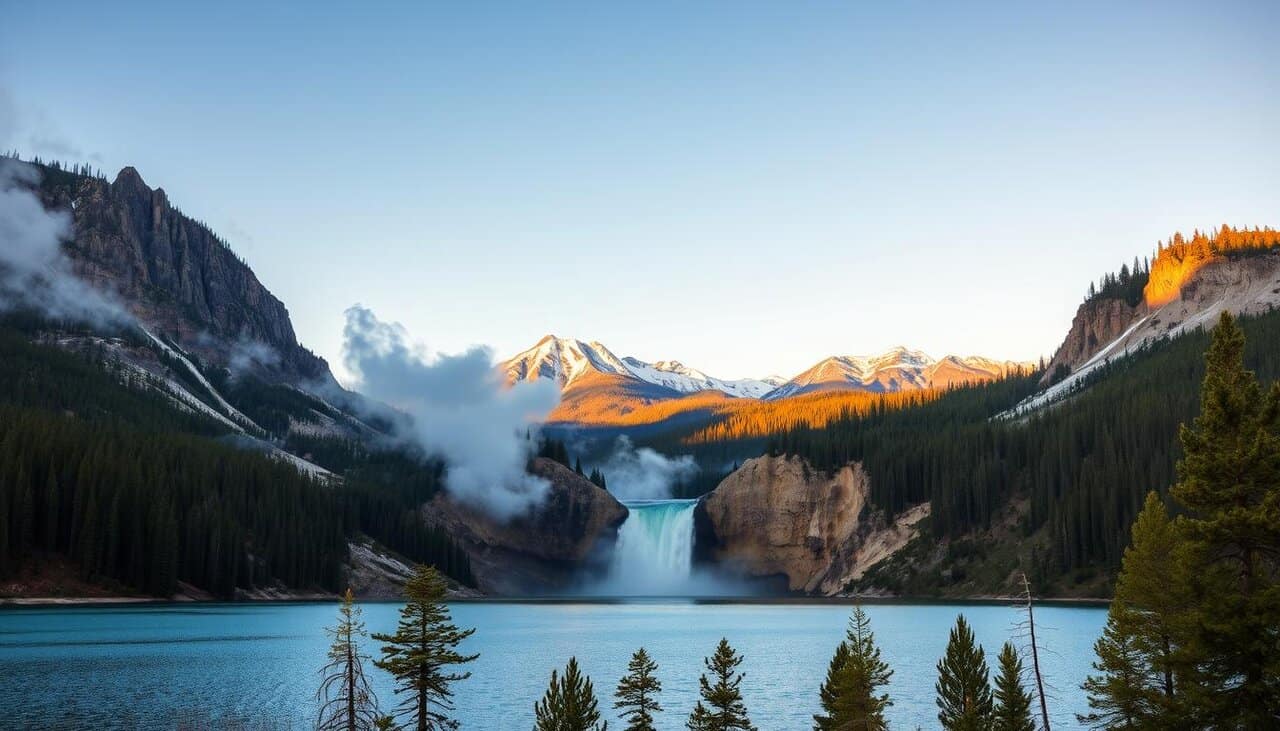
I’ve always been fascinated by America’s national parks, those incredible protected lands that showcase the best of our country’s natural beauty and diversity. With over 63 national parks across the United States, each offering a unique experience, it’s challenging to pinpoint just one as the top destination.
Did you know that nearly 327 million people visited national parks in the U.S. in 2021? This staggering number highlights the significance of these natural wonders. As we explore the answer to the question on everyone’s mind – What is the top 1 national park in the US? – we’ll discover why Yellowstone National Park consistently ranks as America’s premier national park.
Key Takeaways
- Yellowstone National Park is America’s first national park, established in 1872.
- It is famous for its geothermal features like Old Faithful and hot springs.
- The park is home to a wide range of wildlife, offering perfect opportunities for nature lovers.
- Yellowstone has hiking trails that lead to breathtaking views and camping under the stars.
- Other top national parks include Yosemite, Grand Canyon, Zion, and Glacier National Park.
The Significance of National Parks in American Heritage
America’s national parks are more than just breathtaking landscapes; they’re the embodiment of a nation’s commitment to preserving its natural and cultural heritage. As we explore the significance of these protected areas, it becomes clear that they play a vital role in American identity and the country’s environmental policies.
The National Park Service’s Mission and History
The National Park Service, established in 1916, has been dedicated to conserving the scenery and natural and historic objects and wildlife therein. The story of America’s national parks begins with a revolutionary idea – that certain landscapes were so magnificent they should belong to everyone, preserved for future generations to enjoy. The first national park, Yellowstone, established in 1872, set a global precedent that has inspired over 100 countries to establish their own national park systems. I’ve always been moved by how the National Park Service has evolved, maintaining its core mission while adapting to the changing needs of the nation.Key aspects of the National Park Service’s mission include:
- Conserving natural and cultural resources
- Providing opportunities for public enjoyment and education
- Protecting wildlife and their habitats
The Cultural and Environmental Impact of National Parks
National parks have profoundly shaped American identity, providing a sense of pride and connection to the land that transcends political divisions. These parks have become more than just beautiful places – they’re living museums that tell the story of America’s natural and cultural heritage. The environmental impact of these protected areas cannot be overstated – they serve as crucial havens for biodiversity, clean air and water production, and as living laboratories for understanding climate change. When you visit a national park, you’re not just experiencing natural beauty – you’re participating in a long tradition of conservation that has become one of America’s greatest contributions to the world.
What is the top 1 national park in the US?
When considering the top national park in the US, one name consistently rises to the top: Yellowstone. As we explore what makes Yellowstone so remarkable, it’s clear that its status as America’s first national park is just the beginning.
Yellowstone: America’s First National Park
Established in 1872, Yellowstone National Park was a pioneering conservation effort that set the standard for protecting natural wonders worldwide. This first national park preserves a diverse ecosystem that includes rugged mountains, lakes, and grasslands where great herds of bison graze alongside moose, elk, and deer. Visitors to Yellowstone may be lucky enough to spot wolves or grizzly bears, though black bears are more commonly seen.
Yellowstone is also renowned for its geothermal wonders, featuring hot springs, mud pots, fumaroles, and nearly 60 percent of the world’s geysers. The most famous of these, Old Faithful, erupts approximately 20 times per day at semi-regular intervals. Other scenic highlights include the Grand Canyon of Yellowstone, through which the Yellowstone River tumbles in a series of dramatic waterfalls.
Why Yellowstone Consistently Ranks #1
So, what makes Yellowstone consistently rank as the number one national park? The answer lies in its unparalleled combination of geothermal wonders, diverse wildlife, and spectacular landscapes all in one place. As noted on national parks ranked websites, Yellowstone’s unique features make it a standout destination.
- Yellowstone offers an unmatched diversity of natural wonders, from geothermal features like Old Faithful to vast wilderness areas and abundant wildlife.
- The park’s crown jewel, Old Faithful, is a major draw, erupting approximately 20 times per day and demonstrating the powerful forces at work beneath the Earth’s surface.
- Beyond the geysers, visitors can experience incredible wildlife viewing opportunities, including bison, elk, wolves, and bears in their natural habitat.
- The Grand Canyon of Yellowstone provides yet another dimension to the park’s appeal, with its dramatic waterfalls and colorful rock formations.
As you can see, Yellowstone’s comprehensive package of natural wonders makes it truly deserving of the top spot among America’s national parks. For more insights on the best national parks, you can visit what are the best national parks.
Yellowstone National Park: A Closer Look
I’ve had the privilege of exploring Yellowstone National Park multiple times, and each visit reveals something new. As America’s first national park, Yellowstone is a treasure trove of natural wonders, from its iconic geothermal features to its abundant wildlife and breathtaking landscapes.
Iconic Geothermal Features
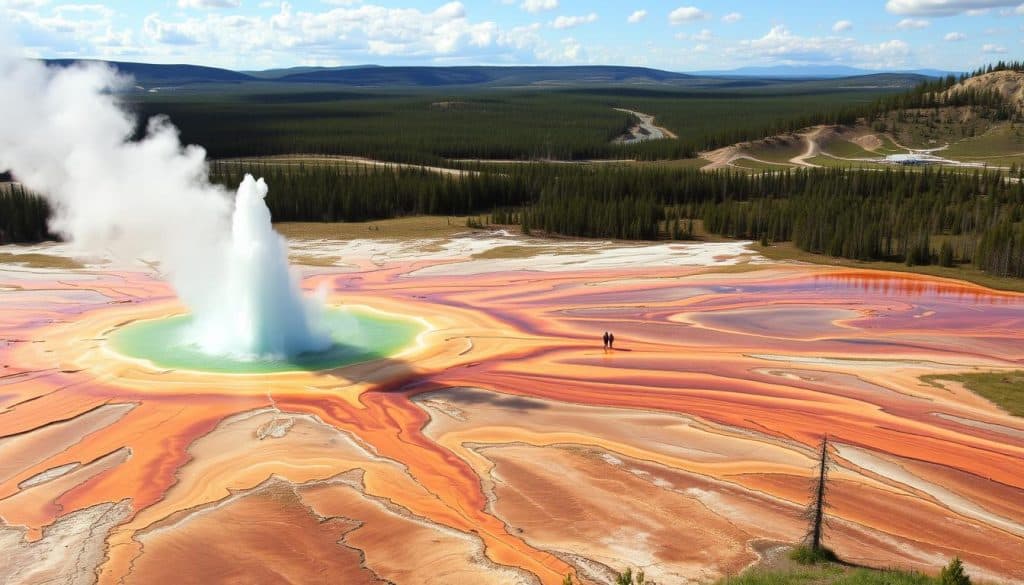
Yellowstone is renowned for its geothermal wonders, boasting nearly 60 percent of the world’s geysers. The park is home to over 10,000 geothermal features, including hot springs, mud pots, and fumaroles. Old Faithful, one of the park’s most famous attractions, erupts approximately 20 times per day.
The Grand Prismatic Spring, the largest hot spring in the United States, is another highlight, displaying a kaleidoscope of colors due to the presence of microorganisms and minerals.
Wildlife Viewing Opportunities
Yellowstone offers unparalleled wildlife viewing opportunities in the lower 48 states. The park is home to a diverse range of wildlife, including bison, elk, wolves, and grizzly bears. Lamar Valley, often referred to as “America’s Serengeti,” is a prime location for observing these animals in their natural habitat.
As I spent hours watching bison herds roam freely, it became clear why Yellowstone is a wildlife enthusiast’s paradise.
The Grand Canyon of Yellowstone
The Grand Canyon of Yellowstone is a spectacular sight, with the Yellowstone River tumbling through a series of dramatic waterfalls. This 20-mile-long canyon features dramatic yellow walls, which gave the park its name.
The Lower and Upper Falls are must-see attractions within the canyon, offering breathtaking views and photographic opportunities.
Yellowstone Lake and River Systems
Yellowstone Lake, the largest high-elevation lake in North America, is a highlight of any visit to the park. Sitting at 7,733 feet above sea level, it covers an area of 132 square miles.
The park’s river systems form a critical ecological network, supporting diverse wildlife and connecting various ecosystems within this vast wilderness.
The Top 5 Most Visited National Parks
As I look at the visitor statistics for national parks, I’m always fascinated by which parks draw the most people each year. The numbers can be quite revealing, showing us not just the most popular destinations but also highlighting the challenges these parks face due to their popularity.
Great Smoky Mountains National Park
Great Smoky Mountains National Park stands out as the most visited national park in the US, attracting over 12 million visitors annually. Its popularity can be attributed to its strategic location, straddling Tennessee and North Carolina, making it easily accessible to a large population. The park’s diverse flora and fauna, along with its beautiful landscapes, contribute to its appeal. However, the surrounding towns like Gatlinburg and Pigeon Forge can be a bit too commercialized for some tastes.
Grand Canyon National Park
Coming in second is the Grand Canyon National Park, one of the world’s most spectacular natural wonders. It draws around 5-6 million visitors each year who come to marvel at its vast expanse and breathtaking views. The Grand Canyon is not just a testament to nature’s power but also a reminder of the importance of preserving such sites for future generations.
Rocky Mountain National Park
Rocky Mountain National Park ranks third, with approximately 4.5 million visitors annually. Its proximity to Denver and its accessible alpine scenery make it a favorite among nature lovers and adventure seekers. The park offers a range of activities, from hiking to wildlife viewing, making it a versatile destination.
Zion National Park
Zion National Park rounds out the top four, attracting over 4 million visitors despite its relatively small size. Its unique red cliffs and slot canyons are a major draw, offering visitors a chance to explore one of nature’s most dramatic landscapes. The park’s popularity has led to measures to manage the crowds, ensuring that it remains a wonderful experience for all who visit.
What’s interesting is that while these parks are incredibly popular, they also face significant challenges with overcrowding, especially during peak summer months. Many are now implementing reservation systems and timed entry permits to manage the visitor numbers and preserve the natural beauty of these incredible places.
The Most Scenic National Parks in the US
America’s national parks are renowned for their stunning beauty, with certain parks standing out for their particularly dramatic landscapes. As someone who has had the privilege of visiting many of these incredible places, I can attest to the fact that some national parks are truly breathtaking.
When it comes to pure scenic beauty, I believe certain national parks stand head and shoulders above the rest – places where the landscape is so dramatic it literally takes your breath away. What makes these parks especially scenic is the combination of dramatic topography, pristine ecosystems, and the quality of light – particularly during golden hour when the landscapes are transformed into something truly magical.
Yosemite National Park
Yosemite National Park in California offers what I consider the most perfect valley view in America – with Half Dome, El Capitan, and Yosemite Falls creating a scene that has inspired artists and photographers for generations. Naturalist John Muir and photographer Ansel Adams both found inspiration in Yosemite’s magnificent scenery.
Grand Teton National Park
Grand Teton National Park presents perhaps the most dramatic mountain skyline in the country, with the jagged Teton Range rising abruptly from the valley floor without foothills – creating a scene that looks almost too perfect to be real. The park’s pristine lakes and rivers add to its natural beauty.
Olympic National Park
Olympic National Park in Washington offers incredible diversity – from glacier-capped mountains to old-growth rainforests and wild Pacific coastline all within a single park. This diversity makes it a unique and fascinating destination for nature lovers.
Glacier National Park
Glacier National Park’s Going-to-the-Sun Road provides some of the most spectacular alpine driving in North America, with views that rival anything in the Swiss Alps. The park’s glaciers and alpine lakes are a testament to its untouched natural beauty.
National Parks with the Most Unique Landscapes
As I reflect on my travels through America’s national parks, I’m drawn to those with landscapes that defy the ordinary. These parks are not just visually stunning; they also offer a glimpse into the Earth’s incredible geological history. In this section, we’ll explore some of the most unique landscapes found in national parks across the United States.
Bryce Canyon National Park
Bryce Canyon National Park is a nature lover’s paradise, featuring the world’s largest concentration of hoodoos – those bizarre spire-shaped rock formations that create an otherworldly landscape often described as a “stone forest.” The park’s distinctive red rock formations contrast beautifully with the green trees and blue sky, making it a photographer’s dream. In winter, the park transforms into a snow-covered wonderland, perfect for cross-country skiing and snowshoeing.
Arches National Park
Arches National Park is home to over 2,000 natural stone arches, the highest density anywhere in the world. The park’s most iconic landmark is Delicate Arch, a symbol of Utah and a testament to the park’s unique geological processes. Visitors can hike through the park’s many trails, exploring the sandstone formations that have been shaped by millions of years of erosion.
White Sands National Park
White Sands National Park protects the world’s largest gypsum dune field, creating a surreal landscape of brilliant white sand that stretches as far as the eye can see. This stark white landscape is a dramatic departure from the typical desert imagery, offering a unique experience for visitors. The park’s gypsum dunes are not only beautiful but also provide a habitat for a variety of unique plants and animals.
Carlsbad Caverns National Park
Carlsbad Caverns National Park takes you underground into a different world entirely, with its massive chambers decorated with countless stalactites and stalagmites formed over millions of years. The park’s underground limestone caves are a marvel of geological formation, offering a glimpse into the Earth’s hidden wonders. Visitors can explore the caves through guided tours, discovering the unique formations that make this park so special.
These national parks showcase the incredible diversity of landscapes found in the United States, from the surreal white sands to the towering red rock formations. Each park offers a unique experience, inviting visitors to explore and appreciate the natural beauty of our world.
Best National Parks for Wildlife Viewing
From the majestic grizzly bears to the elusive manatees, America’s national parks offer some of the most spectacular wildlife viewing experiences. As someone who’s spent countless hours wildlife watching in these protected areas, I can attest to the connection it gives you to the natural world.
Denali National Park
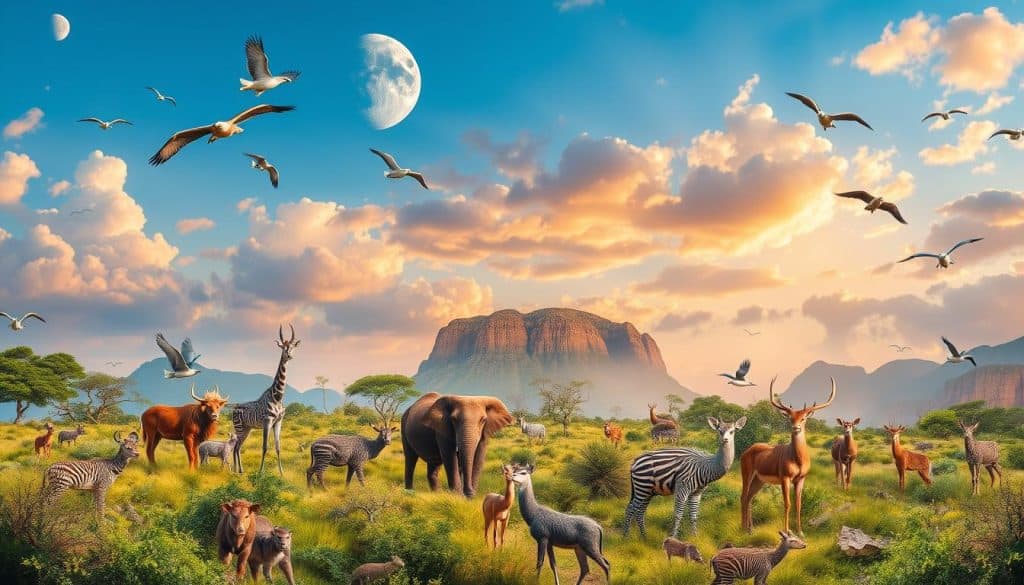
Denali National Park in Alaska is a wildlife enthusiast’s paradise, offering the chance to see the “Big Five” large mammals in North America – grizzly bears, wolves, moose, caribou, and Dall sheep – roaming freely across six million acres of wilderness. The park’s vast tundras and forests are home to a diverse array of wildlife.
Everglades National Park
The Everglades provides a unique wildlife experience with its subtropical wilderness, where alligators, manatees, dolphins, and over 360 bird species thrive. This vast wetland is a critical habitat for numerous species, making it a fascinating destination for wildlife viewing.
Theodore Roosevelt National Park
Theodore Roosevelt National Park in North Dakota is often overlooked but offers incredible opportunities to see bison, wild horses, elk, prairie dogs, and pronghorn antelope against the dramatic backdrop of the badlands. The park’s 30-plus mile scenic loop is a must-drive for any wildlife enthusiast.
Katmai National Park
Katmai National Park is renowned for its brown bear viewing, particularly at Brooks Falls, where bears gather to catch salmon. This creates one of the most iconic wildlife photography scenes in the world, making Katmai a must-visit for bear enthusiasts.
What makes these national parks so special for wildlife viewing is that they allow animals to behave naturally, following ancient migration patterns and engaging in behaviors that would be impossible in more developed areas. Successful wildlife viewing requires patience, respect for the animals’ space, and understanding that these are wild creatures – not zoo exhibits.
Most Underrated National Parks Worth Visiting
My journey through the US national parks revealed some extraordinary places that are worth visiting, yet remain under the radar. While many flock to the more famous parks, these hidden gems offer unique experiences without the crowds.
Capitol Reef National Park
Capitol Reef National Park is often overshadowed by Utah’s other parks, but its colorful cliffs, massive domes, and historic orchards create a unique experience. It’s a bit of a pain to get to, about a 2-hour drive from Moab, but the homemade pie at the historic Gifford House is a treat you won’t find elsewhere. Be sure to bring water and sunscreen for the hikes, as it can get hot.
North Cascades National Park
North Cascades National Park, despite being just a few hours from Seattle, receives surprisingly few visitors. It offers alpine scenery that rivals the Swiss Alps, with over 300 glaciers, jagged peaks, and turquoise lakes. The park’s remote nature means you’ll have plenty of opportunities for solitude and adventure.
Big Bend National Park
Big Bend National Park in Texas is one of the most remote parks in the lower 48, requiring a significant commitment to reach. However, it rewards visitors with a stunning desert mountain landscape, hot springs along the Rio Grande, and some of the darkest night skies in the country. It’s a true gem for those willing to venture off the beaten path.
Channel Islands National Park
Channel Islands National Park, often called “America’s Galapagos,” consists of five islands off the coast of Southern California. The park offers incredible hiking, kayaking through sea caves, and the chance to see unique species that evolved in isolation. It’s an adventure that’s sure to leave a lasting impression.
These underrated national parks have one thing in common: they require more effort to reach, but that extra effort means you’ll share these spectacular landscapes with far fewer people. Visiting these less-crowded parks often provides a more authentic wilderness experience and a deeper connection to the landscape.
Best National Parks for Hiking Enthusiasts
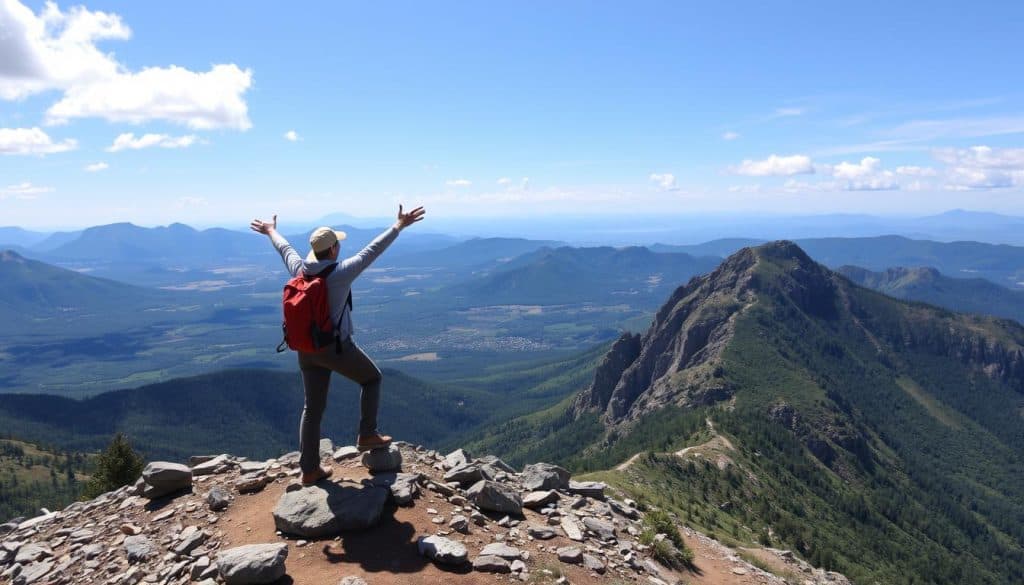
As an outdoor enthusiast, I’ve had the privilege of hiking through some of the most stunning national parks in the US. These parks offer trails for all levels of adventure, from easy day hikes to multi-day backpacking trips.
Zion’s Angels Landing and The Narrows
Zion National Park is a hiker’s paradise, offering iconic trails like Angels Landing and The Narrows. Angels Landing is a thrilling chain-assisted climb up a narrow fin of rock to panoramic views, while The Narrows involves wading upstream through a slot canyon with walls towering 1,000 feet above you.
Grand Canyon’s Rim-to-Rim Trail
The Grand Canyon’s Rim-to-Rim trail is a 21-24 mile journey that takes you from one rim down to the Colorado River and back up the other side. This hike showcases the canyon’s immensity and geological story along the way.
Yosemite’s Half Dome
Yosemite National Park’s Half Dome hike is a challenging 16-mile round trip that rewards hikers with unparalleled views of Yosemite Valley. The famous cable section is a thrilling experience for those who dare to take it on.
Acadia’s Cadillac Mountain
Acadia National Park offers a different kind of hiking experience on the East Coast, with the opportunity to summit Cadillac Mountain – the first place in the United States to see the sunrise for much of the year.
These national parks offer some of the best hiking trails in the US, providing a mix of challenge, scenery, and adventure. Whether you’re a seasoned hiker or just starting out, these parks have something to offer.
National Parks with the Most Impressive Trees
US national parks protect some of the most remarkable trees on the planet, offering a glimpse into the natural world’s majesty. As someone who’s always been fascinated by these natural wonders, I’ve had the privilege of visiting several parks that are home to truly awe-inspiring trees.
These parks don’t just preserve the trees; they provide an experience that connects us with the natural world in profound ways. Let’s explore some of the national parks that are renowned for their impressive trees.
Sequoia & Kings Canyon National Parks
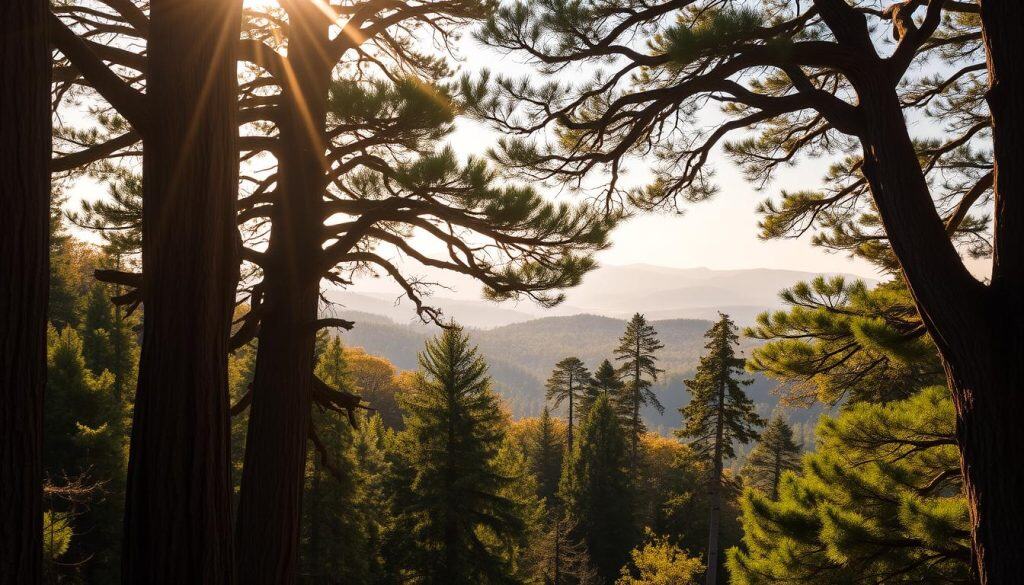
Sequoia & Kings Canyon National Parks are home to the largest trees on Earth by volume – the giant sequoias. The General Sherman Tree, for instance, stands at an impressive 275 feet tall with a base diameter of 36 feet and is estimated to be between 2,300 and 2,700 years old. These trees are not just large; they’re among the oldest living things on Earth, providing a unique perspective on the passage of time.
Redwood National Park
Redwood National Park is another destination that showcases nature’s grandeur with its coast redwoods, the tallest trees in the world. Some of these trees reach heights of over 350 feet, creating cathedral-like groves where sunlight filters through the canopy in ethereal rays. The experience of walking among these giants is humbling and awe-inspiring, reminding us of the beauty and wonder of the natural world.
Joshua Tree National Park
Joshua Tree National Park offers a different but equally fascinating tree experience with its distinctive Joshua trees. These trees, a type of yucca, are found only in the American Southwest and create landscapes that are both surreal and captivating. The Joshua trees’ unique shapes and the stark beauty of their surroundings make for a memorable visit, one that feels like stepping into a different world.
Visiting these national parks with their impressive trees often creates a sense of reverence and connection to something much larger than ourselves. It’s an experience that not only inspires awe but also encourages us to appreciate and protect these natural wonders for future generations.
- Sequoia & Kings Canyon National Parks are a must-visit for their giant sequoias.
- Redwood National Park preserves the tallest trees in the world.
- Joshua Tree National Park offers a unique landscape with its Joshua trees.
Best Coastal National Parks
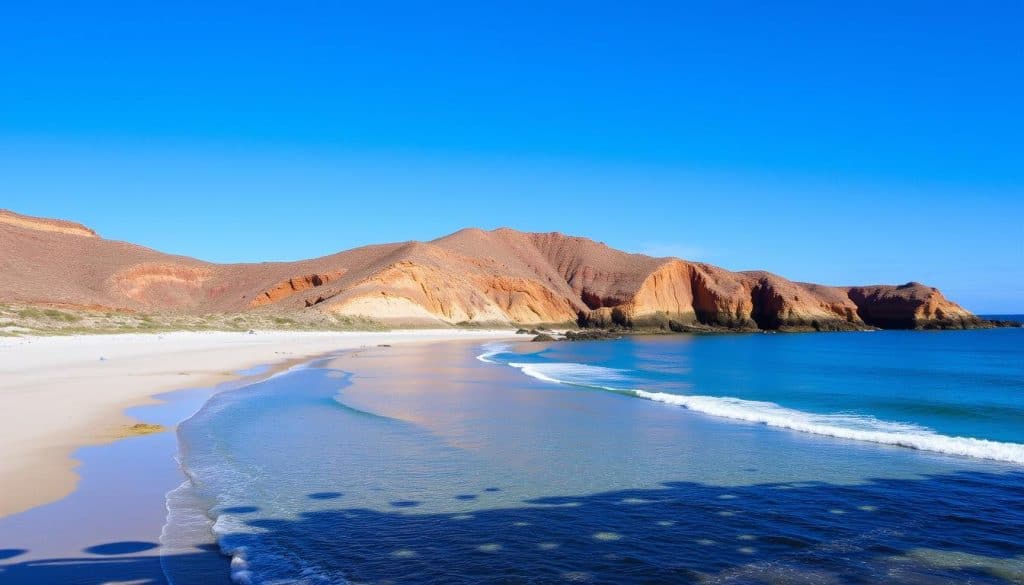
As I reflect on my visits to America’s coastal national parks, I’m struck by the diverse landscapes that define our nation’s shoreline. These parks are not just visually stunning; they also protect critical habitat for marine life and preserve our cultural heritage.
Acadia National Park
Acadia National Park in Maine is a quintessential New England coastal experience, featuring granite headlands, spruce-covered islands, and 45 miles of historic carriage roads perfect for cycling or walking. You can circumnavigate a tranquil lake, hike up a mountain, or explore the rugged coastline.
Olympic National Park
Olympic National Park in Washington boasts one of the longest undeveloped coastlines in the lower 48 states. The park features massive sea stacks, tide pools teeming with marine life, and driftwood sculptures along the beach. It’s a haven for those who appreciate the raw beauty of nature.
Dry Tortugas National Park
Dry Tortugas National Park, located 70 miles west of Key West in the Gulf of Mexico, offers a unique blend of natural and historical experiences. The park is known for its crystal-clear turquoise waters perfect for snorkeling and the massive 19th-century Fort Jefferson.
For more information on the best national parks to visit, check out our guide on the best-rated national parks.
National Parks with the Best Stargazing
In an increasingly urbanized world, the darkness of national parks is a treasure for astronomy enthusiasts. As someone who’s spent many nights camping in these parks, I can attest to the unparalleled experience of gazing up at a star-filled sky.
Death Valley National Park
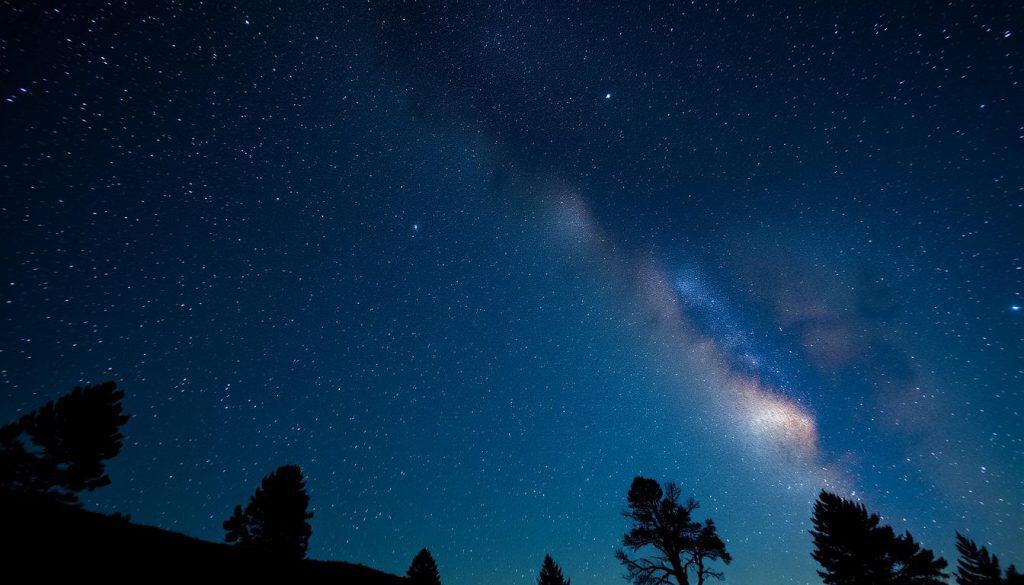
Death Valley National Park is certified as an International Dark Sky Park, offering some of the darkest night skies in the United States. Its remote location, low humidity, and minimal light pollution create ideal conditions for seeing the Milky Way in all its glory.
Great Basin National Park
Great Basin National Park in Nevada is another haven for stargazers, combining excellent stargazing with astronomy programs at their observatory. The park’s motto, “Half the park is after dark,” reflects their commitment to protecting and celebrating their night skies.
Big Bend National Park
Big Bend National Park in Texas boasts the least light pollution of any national park in the lower 48 states. Its remote location means you can see up to 2,000 stars on a clear night, compared to perhaps 200 in a typical suburb.
To make the most of stargazing in these national parks, plan your visits around the new moon for the darkest skies, use red flashlights to preserve night vision, and give your eyes at least 20 minutes to fully adjust to the darkness.
How National Parks Are Ranked
Evaluating national parks involves considering several key aspects. As someone who’s explored many of these incredible places, I’ve come to realize that ranking them isn’t straightforward. There’s no single official ranking system; instead, parks are assessed through multiple lenses depending on who’s doing the ranking and for what purpose.
Visitor Numbers and Popularity
One way to rank national parks is by visitor numbers. Great Smoky Mountains National Park consistently tops the list with over 12 million annual visitors. However, this metric often reflects a park’s accessibility and proximity to population centers rather than its inherent quality. For instance, parks near major cities tend to attract more visitors.
Biodiversity and Conservation Value
A more scientific approach to ranking parks involves measuring their biodiversity and conservation value. Factors like species richness, presence of endangered species, and ecological integrity are considered. Olympic National Park and Everglades National Park are examples of parks that score highly in this category due to their unique ecosystems and diverse wildlife.
Scenic Beauty and Unique Features
Scenic beauty and unique features also play a significant role in ranking national parks. Parks with superlative elements like Yellowstone’s geysers, Yosemite’s waterfalls, or the Grand Canyon’s immense scale typically rise to the top. These natural wonders attract visitors and inspire a sense of awe.
Ultimately, the most meaningful rankings combine multiple factors while acknowledging that personal preference plays a huge role. What makes a park “best” for one person might be entirely different for another based on their interests and what they value in outdoor experiences.
Planning Your National Park Visit
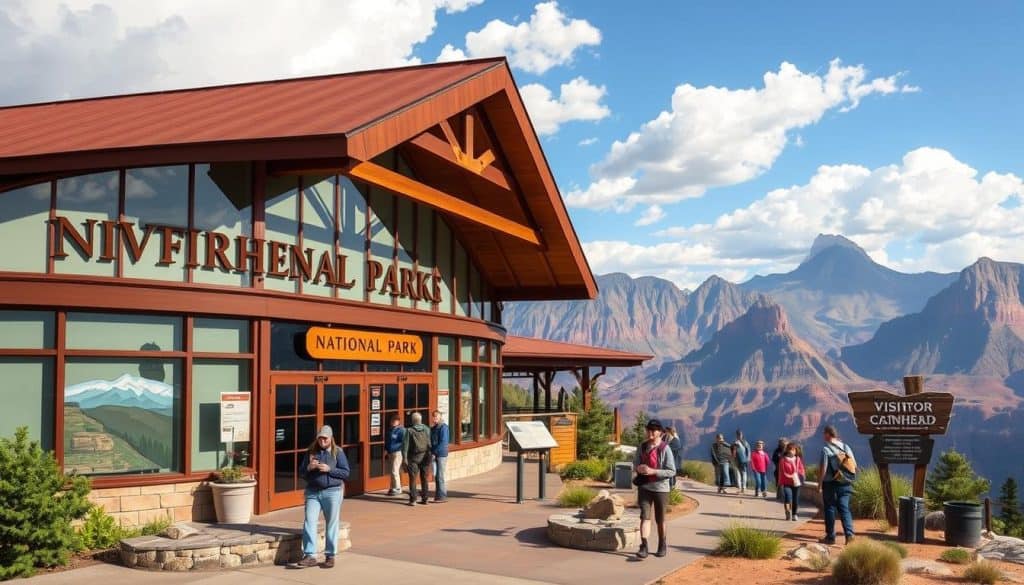
With the National Park Service facing staffing cuts, it’s more important than ever to plan your national park visit carefully. Travelers can expect longer wait times, fewer services, and the potential closures of certain areas. Staying prepared with the right information can make all the difference between a frustrating experience and a magical one.
After planning dozens of national park trips, I’ve learned that proper preparation is key, especially as parks become increasingly popular and implement new reservation systems. Timing your visit is crucial – I recommend researching each park’s peak and shoulder seasons.
Best Times to Visit Different Parks
Places like Yellowstone are transformed by seasons, with summer crowds giving way to winter solitude. Desert parks like Death Valley, on the other hand, are best visited in spring or fall to avoid extreme temperatures. Understanding these seasonal variations can help you plan a more enjoyable trip.
Entrance Fees and Annual Passes
The America the Beautiful Annual Pass is one of the best travel values available, offering unlimited access to all national parks and federal recreation lands for a full year at $80. This pass is a no-brainer if you plan to visit more than two or three parks. Some parks also offer free admission on certain days or have specific fee structures, so it’s worth checking the park’s website before your visit.
Accommodation Options
Accommodation options vary widely across the park system, from historic lodges like Old Faithful Inn and El Tovar Hotel that require reservations up to 13 months in advance, to campgrounds both inside and outside park boundaries, and gateway communities with hotels for every budget. Many popular parks now require advance planning beyond just accommodation, including timed entry permits and reservations for popular hikes.
Building flexibility into your itinerary is essential, as weather can dramatically impact your experience. Having backup plans for both rainy days and unexpectedly perfect conditions allows you to make the most of your time. Don’t overlook the value of speaking with park rangers upon arrival – they can provide current trail conditions, wildlife sightings, and insider tips that can help you discover hidden gems.
The Impact of Climate Change on National Parks
Having explored many national parks repeatedly over the years, I’ve witnessed firsthand the accelerating impacts of climate change – transformations that are altering these protected places in profound and sometimes heartbreaking ways. As we cherish these natural wonders, it’s crucial to understand the changes unfolding within them.
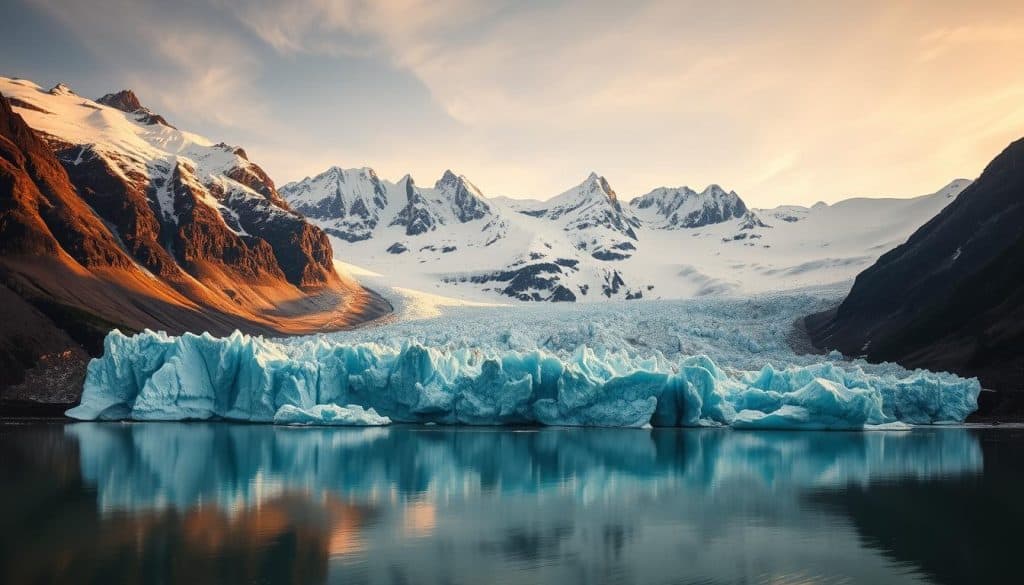
Melting Glaciers in Glacier National Park
Glacier National Park offers perhaps the most visible evidence of climate change in our national park system. The park’s ecosystems are home to abundant wildlife, including grizzly bears, moose, beaver, bighorn sheep, elk, and mountain goats. Of the 150 glaciers present when the park was established in 1910, only 25 remain today, and scientists predict they could all disappear by 2030. This rapid change is a stark reminder of the global issue at hand.
Rising Temperatures and Wildlife Habitats
Rising temperatures are shifting wildlife habitats throughout the national parks. In places like Yellowstone, species are moving to higher elevations as their traditional ranges become too warm. Joshua Tree National Park may become too hot for its namesake trees to reproduce. This shift affects not just the species but the overall biodiversity of these parks.
Conservation Efforts and Visitor Responsibility
Conservation efforts within the national parks include monitoring climate impacts, restoring damaged habitats, reducing the parks’ own carbon footprints, and educating visitors about these changes. As visitors, we share the responsibility to minimize our impact – by following Leave No Trace principles, using public transportation when available, supporting conservation organizations, and advocating for climate policies that will help preserve these special places for future generations.
- Glacier National Park’s glaciers are disappearing rapidly.
- Wildlife habitats are being altered due to rising temperatures.
- Visitors can make a difference by adopting sustainable practices.
Conclusion: The Enduring Legacy of America’s National Parks
As we reflect on the national parks of the United States, it’s clear that they represent a treasure trove of natural and cultural heritage. The American writer Wallace Stegner famously called national parks “the best idea we ever had.” After exploring all 63 national parks across the United States, I’ve come to deeply appreciate this description.
Our national parks preserve some of the continent’s wildest places and most spectacular landscapes, from soaring mountains and fantastically sculpted canyons to rugged coastlines, vast grasslands, and towering forests. These diverse ecosystems provide habitat for an equally varied array of wildlife. For instance, Yellowstone is known for its geysers, while the Grand Canyon is renowned for its immense depths.
Beyond their natural beauty, these parks preserve our cultural heritage – from ancient cliff dwellings to historic battlefields, and from pioneer homesteads to indigenous sacred sites. They provide unparalleled opportunities for connection – to nature, to history, to ourselves, and to each other – in an increasingly disconnected world.
As we look to the future, I believe our national parks will only become more precious – serving as living laboratories for understanding climate change, refuges for endangered species, and places where future generations can continue to experience the natural world in all its wonder. You can explore more about the best national parks and their unique features to plan your next adventure.
In conclusion, whether a particular park remains the top national park or another rises to take its place in popular opinion, what matters most is that we continue to protect, cherish, and responsibly enjoy these extraordinary places that belong to all of us.
FAQ
What makes Yellowstone National Park a top destination?
Yellowstone is renowned for its geothermal features like Old Faithful, diverse wildlife, and rich geological history, making it a unique adventure spot.
Are there any hiking trails suitable for beginners in national parks?
Yes, many national parks, including Great Smoky Mountains and Acadia, offer trails for all skill levels, from easy day hikes to more challenging multi-day treks.
How do national parks contribute to conservation efforts?
National parks protect vital habitats and ecosystems, preserving biodiversity and promoting conservation through research, education, and sustainable tourism practices.
Can I visit national parks year-round?
Most national parks are open year-round, but some facilities and roads may be closed during winter months due to weather conditions; it’s best to check the park’s website before planning your visit.
What are some must-see attractions in Grand Canyon National Park?
The South Rim is a must-visit, offering stunning views of the canyon, while the Colorado River provides opportunities for rafting and kayaking adventures.
How can I minimize my impact on the environment while visiting national parks?
By following park rules, staying on designated trails, and practicing Leave No Trace principles, you can help preserve the natural beauty of these incredible landscapes.