

Since the U.S. National Park Service started keeping records in 1904, its diverse landscapes have registered more than 16.4 billion visits.
Some of the best-known national parks experienced record crowds in 2024, with Great Smoky Mountains National Park alone passing 12 million recreation visits.
As someone who’s had the privilege of exploring these magnificent parks, I’m excited to take you on a journey to uncover the top national park in the US.
We’ll explore the criteria that determine how these parks are ranked, from the number of visitors to the rich wildlife and unique features that make each one special.
Key Takeaways
- Understanding the criteria for ranking national parks
- Discovering the top 10 most visited national parks in the US
- Learning what makes certain parks more popular than others
- Gaining insights into the unique features of each park
- Getting practical tips for visiting these parks
America’s Natural Treasures: The National Park System
As I reflect on my visits to numerous national parks, I’m struck by the vast diversity and beauty of America’s natural heritage. The US National Park System is often referred to as “America’s best idea,” and I couldn’t agree more after exploring dozens of these natural treasures over the years.
The National Park Service manages an incredible85 million acres of land, encompassing 150,000 miles of rivers and streams and over 21,000 miles of trails. This vast network includes 63 national parks among its 429 total units, each representing a unique piece of America’s natural and cultural heritage.
The first national park, Yellowstone, was established in 1872, setting a precedent for conservation that would eventually spread worldwide. Today, these parks aren’t just about pretty views – they’re living laboratories for scientific research, sanctuaries for endangered species, and outdoor classrooms for millions of visitors.
I’ve seen firsthand how these parks transform visitors, creating lifelong connections to nature that often inspire greater environmental stewardship. Each park has its own character and appeal – from the geothermal wonders of Yellowstone to the breathtaking depths of the Grand Canyon to the misty mountains of the Smokies.
The National Park Service faces growing challenges, from climate change to overcrowding, as they work to balance conservation with public access. Despite these challenges, the national park system remains a vital part of America’s identity, preserving the country’s most precious natural and cultural resources for future generations.
With so many incredible parks to explore, it’s clear that the National Park System is a true treasure trove of natural wonders, offering something for everyone and inspiring a deeper appreciation for the natural world.
How National Parks Are Ranked: Visitor Numbers and Beyond
The ranking of national parks can be a complex task, involving various factors beyond just visitor numbers. When evaluating the top national park, it’s essential to consider multiple metrics.
Visitor numbers are the most straightforward metric for ranking national parks. The U.S. National Park Service has been meticulously tracking visitor statistics since 1904, giving us over a century of data to analyze. As of the latest records, the national parks have registered more than 16.4 billion visits.
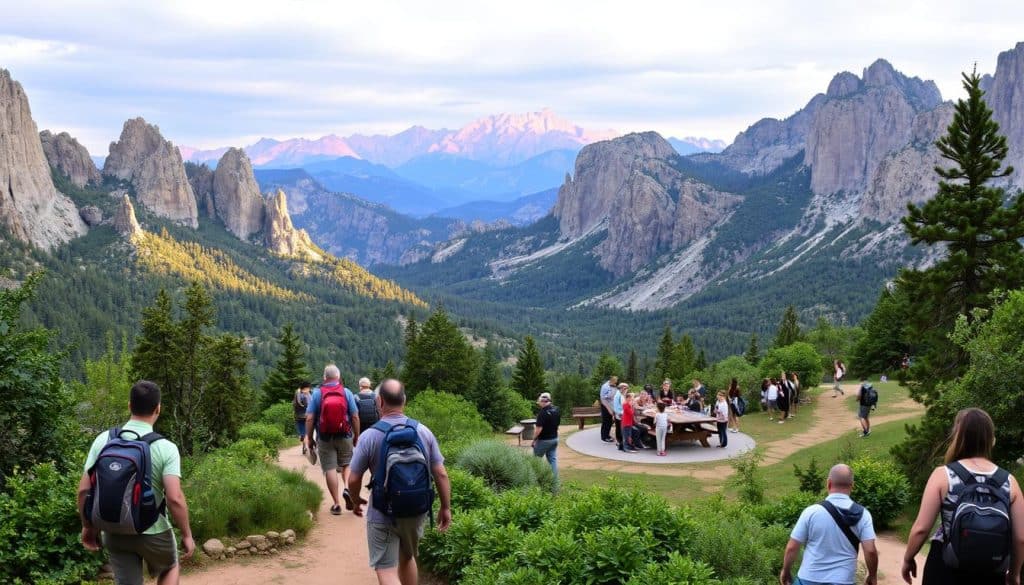
However, relying solely on visitor numbers doesn’t tell the whole story. Some of the most spectacular national parks are remote or have limited capacity, resulting in fewer visitors despite their incredible features. As conservation experts often note, “numbers don’t capture the full essence of a park’s value.”
Other factors that experts consider when evaluating parks include biodiversity, unique geological features, historical significance, and recreational opportunities. For instance, some parks experience extreme seasonal fluctuations – I’ve visited Yellowstone in summer when it was packed with tourists and in winter when it felt like I had the place to myself.
Accessibility also plays a significant role in visitor numbers. Parks near major population centers or with good road access naturally attract more people than remote wilderness areas. Furthermore, social media has dramatically influenced park popularity in recent years, with certain photogenic locations seeing massive increases in visitation after going viral.
As we rank national parks, it’s crucial to balance visitor numbers with these other factors to get a comprehensive picture. By doing so, we can appreciate not just the most visited parks, but also those hidden gems that are equally deserving of recognition.
The Appeal of America’s National Parks
There’s something special about America’s national parks that captivates visitors from around the world. For me, it’s the chance to disconnect from our digital lives and reconnect with something more primal and authentic. National parks offer a wide range of experiences, from wildlife viewing to adventure activities, that cater to diverse interests.
Visiting a national park is like stepping into a different world. The vast landscapes, rich biodiversity, and unique geological features make each park a distinct experience. If you’re planning to visit one, you might want to start with the most iconic ones listed on top 10 best national parks.
Yellowstone National Park
Yellowstone stands as the pioneer of the entire national park concept – established in 1872 as the world’s first national park, it set the standard for conservation worldwide. What makes Yellowstone National Park so captivating is its unparalleled combination of geothermal features, diverse wildlife, and dramatic landscapes all in one place.
The park spans 2.2 million acres across Wyoming, Idaho, and Montana, featuring ecosystems ranging from alpine meadows to dense forests. The stars of the show are bison, bears, sheep, moose, and wolves. With 4.7 million visitors in 2024, Yellowstone continues to inspire wonder and adventure in people from around the globe.
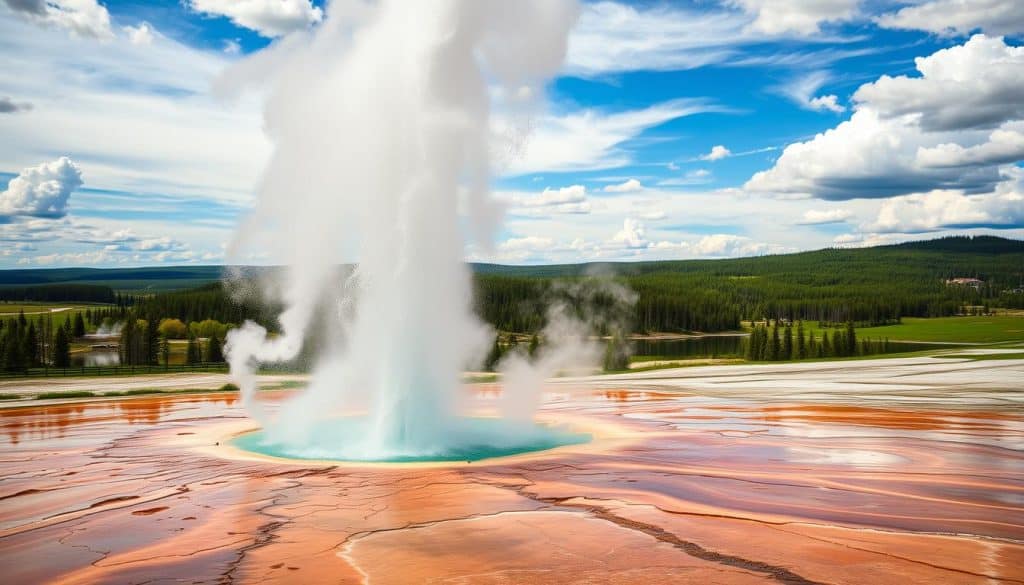
Some of the highlights include the famous geysers like Old Faithful, which demonstrate the powerful forces at work beneath the Earth’s surface. Beyond the famous features, it’s the unexpected moments that make national park visits so special – like rounding a bend on a trail to find a meadow filled with wildflowers or witnessing a perfect sunset over a mountain lake.
Counting Down: Parks Ranked 10-6
Join me on a journey through the top 10 national parks, starting with number 10. As we count down, we’ll explore the unique features and attractions of each park that make them so popular among visitors.
10. Glacier National Park
Glacier National Park in Montana takes the 10th spot, with over 3.2 million visitors in 2024. This stunning park is known for its spectacular alpine scenery and rapidly disappearing glaciers.

The park’s name is derived from the massive ice flows that carved its dramatic landscape over millions of years. Visitors can hike the park’s many trails, including the famous Going-to-the-Sun Road.
9. Grand Teton National Park
At number 9, Grand Teton National Park in Wyoming attracted more than 3.6 million visitors with its dramatic mountain skyline that rises abruptly 7,000 feet above the valley floor.
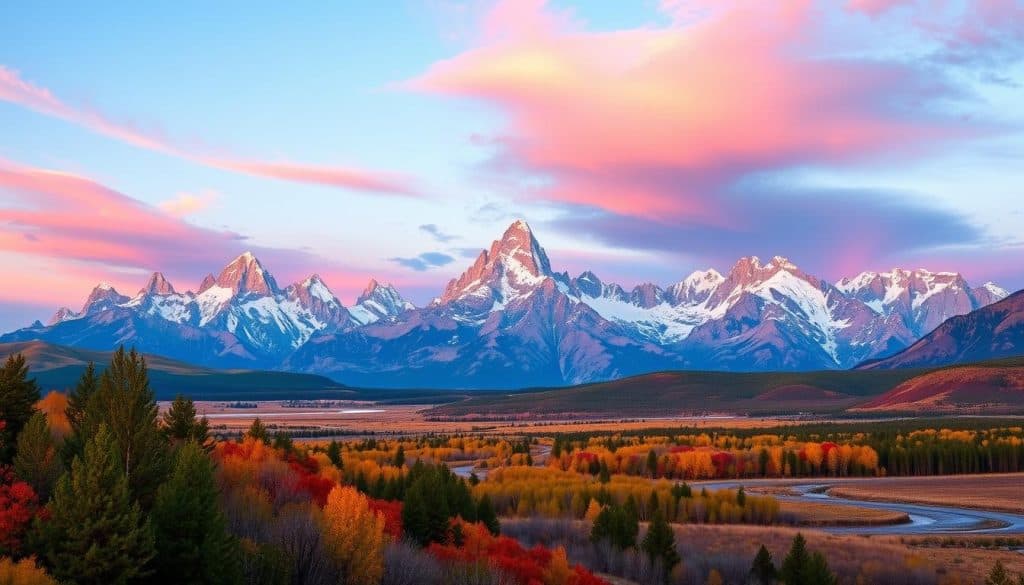
I have hiked many of Grand Teton’s 200+ miles of trails, and the combination of crystal-clear lakes, abundant wildlife, and those iconic jagged peaks makes it one of my personal favorites.
8. Olympic National Park
Olympic National Park in Washington state comes in at number 8, with over 3.7 million visitors in 2024. This park is truly three parks in one, featuring wild Pacific coastline, temperate rainforest, and alpine highlands.
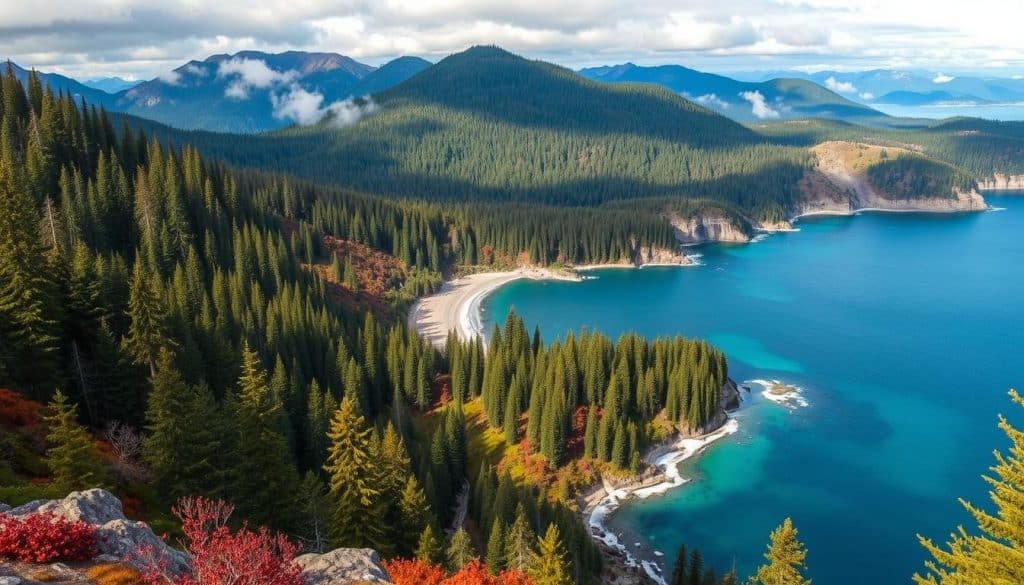
Visitors can explore the park’s diverse ecosystems, from the rugged coastline to the glacier-capped mountains.
7. Acadia National Park
Acadia National Park takes the 7th spot with nearly 4 million visitors in 2024, making it the most visited park in the eastern United States.
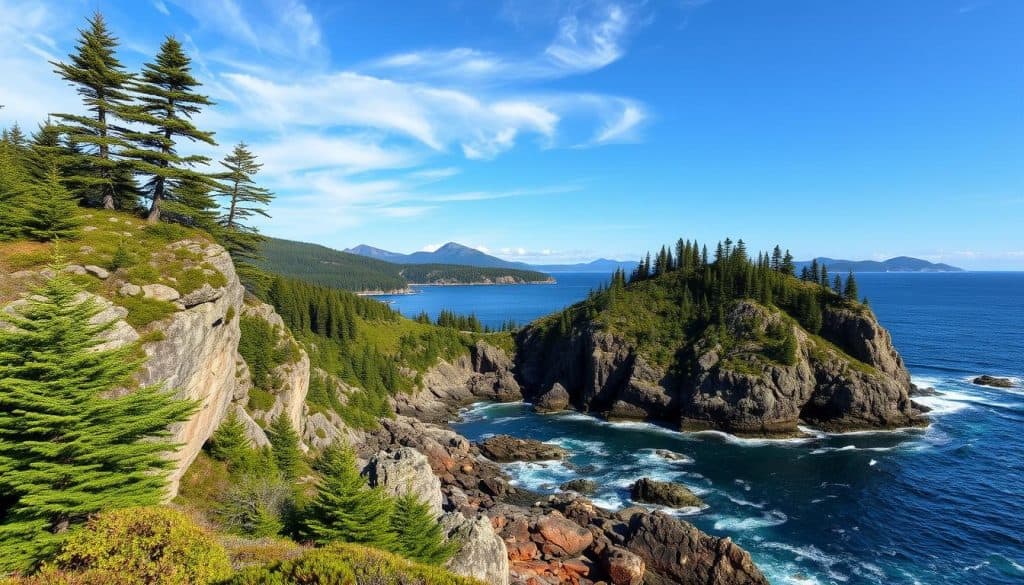
What makes Acadia special is its unique combination of rocky coastline and forested mountains, plus its accessibility from major population centers.
6. Yosemite National Park
Rounding out this section at number 6 is Yosemite National Park, which drew over 4.1 million visitors to its iconic valley and waterfalls in 2024.
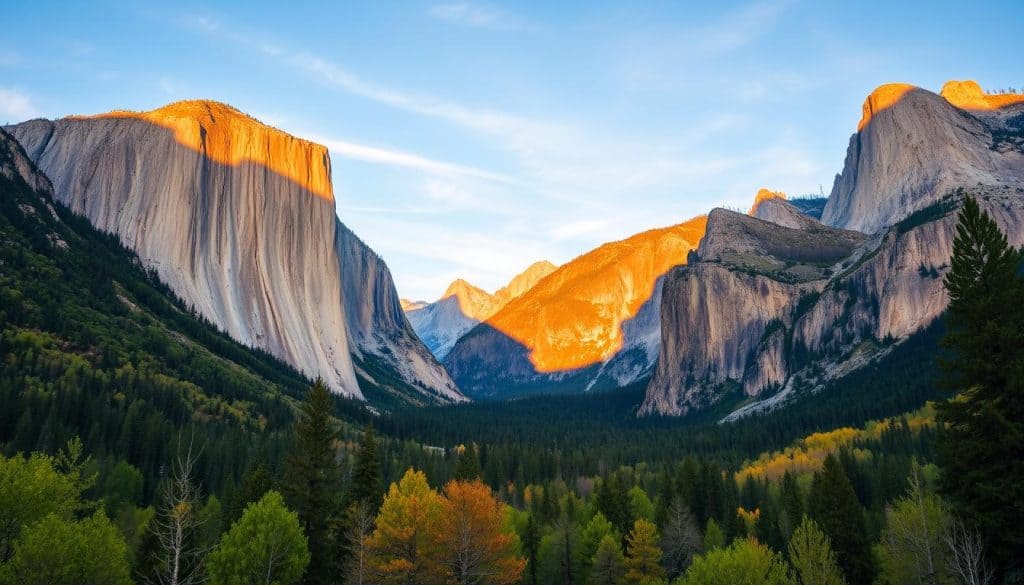
Yosemite’s granite monoliths like El Capitan and Half Dome have become symbols of American wilderness and continue to challenge world-class rock climbers.
Each of these parks offers distinct ecosystems, recreational opportunities, and natural wonders that make them worthy of their top 10 status.
The Top 5 Most Visited National Parks
As we dive into the top 5 most visited national parks in the US, you’ll discover the natural wonders that attract millions of visitors each year. These parks are not just popular destinations; they are also significant representations of America’s diverse natural beauty.
5. Rocky Mountain National Park
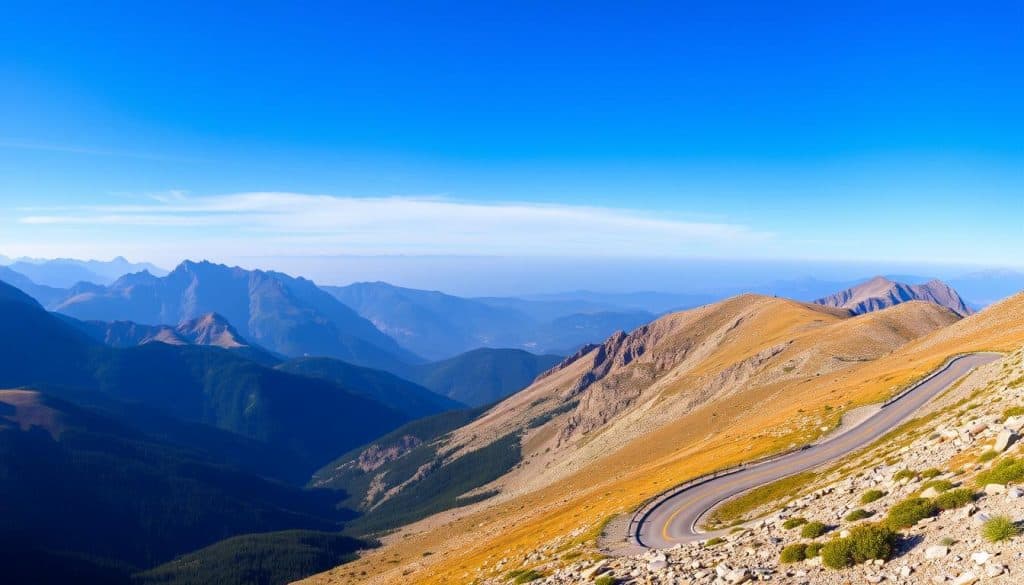
Rocky Mountain National Park in Colorado is a haven for those seeking high-alpine experiences without the need for extensive hiking. With 4.2 million visitors in 2024, it offers sweeping alpine vistas, 150 lakes, and 450 miles of streams. The park’s diverse ecosystems range from wetlands to pine forests, montane areas, and alpine tundra.
4. Yellowstone National Park
As the world’s first national park, Yellowstone National Park attracted 4.7 million visitors in 2024. Spanning across Wyoming, Idaho, and Montana, it boasts craggy peaks, explosive geysers, alpine lakes, and deep forests, home to a wide variety of wildlife including bison, bears, sheep, moose, and wolves.
3. Grand Canyon National Park
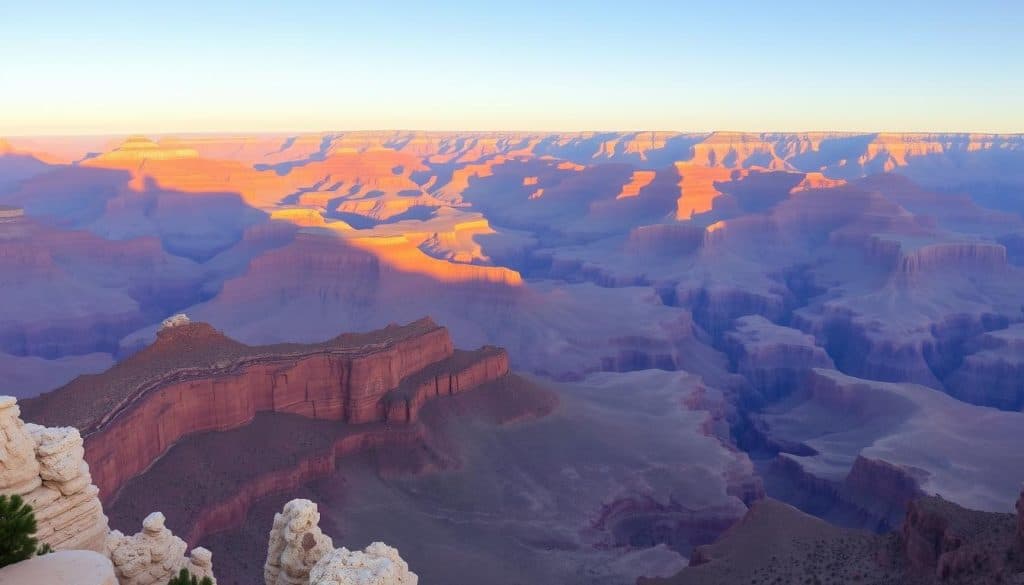
The Grand Canyon National Park in Arizona is one of the most iconic natural wonders in the US, with 4,919,163 million visitors in 2024. This massive canyon is up to a mile deep and 18 miles wide, offering visitors the chance to hike, ride mules, or raft down the Colorado River.
2. Zion National Park
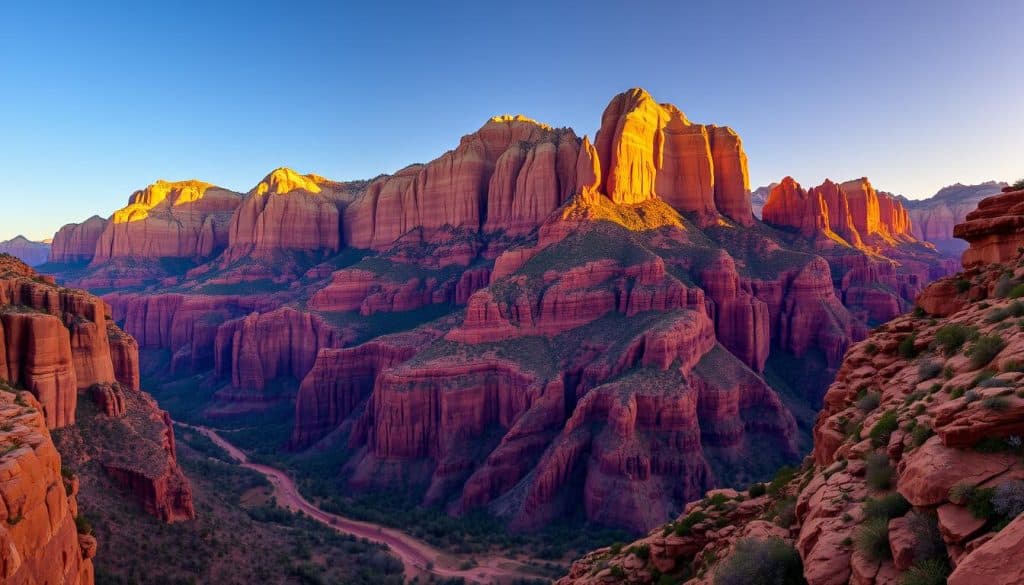
Zion National Park in Utah is known for its striking vertical topography, with rock towers, sandstone canyons, and sharp cliffs. It drew 4,946,592 million visitors in 2024, who came to experience the unique landscapes and hike through the Virgin River-carved Zion Canyon.
1. Great Smoky Mountains National Park
Topping the list is the Great Smoky Mountains National Park, straddling the Tennessee-North Carolina border, with a staggering 12 million visitors in 2024. The park’s appeal lies in its accessibility, free admission, and the misty mountain scenery that gives it its name. Visitors can explore via a scenic highway or over 800 miles of hiking trails.

What is the top 1 national park in the US? Great Smoky Mountains
The allure of Great Smoky Mountains National Park lies in its breathtaking natural beauty, rich biodiversity, and the wide range of experiences it offers to visitors. As the most visited national park in the US, it attracts over 12 million visitors each year, and for good reason.
The Natural Beauty of Great Smoky Mountains
The natural beauty of the Smokies is characterized by rolling, forested mountains that appear to smoke with fog and mist, especially in the morning and evening hours. This phenomenon gives the park its name and creates a mystical atmosphere that captivates visitors. I’ve had the pleasure of visiting during all four seasons, and each offers a completely different experience – from the vibrant spring wildflowers to the lush summer greenery, the spectacular fall foliage, and the serene winter snowscapes.
The park’s scenic beauty is further enhanced by its numerous waterfalls, including the popular Grotto Falls and Laurel Falls. The misty peaks and valleys provide a picturesque backdrop for hiking, photography, and simply immersing oneself in nature.
Biodiversity in the Smokies
What truly sets Great Smoky Mountains apart is its incredible biodiversity. Scientists have documented over 19,000 species within the park and believe there may be up to 100,000 total species. The park contains more tree species than all of northern Europe and boasts the highest concentration of salamander species in the world, earning it recognition as a UNESCO World Heritage Site.
The Smokies represent a recovering landscape, having been logged before becoming protected. The forest you see today has largely regrown over the past century, adding to the park’s unique ecological story. This rich biodiversity is a major draw for visitors, offering a chance to explore a vibrant and thriving ecosystem.
Visitor Experiences in Great Smoky Mountains
Visitor experiences in Great Smoky Mountains National Park range from leisurely scenic drives like the popular Cades Cove Loop to challenging hikes such as the ascent of Clingmans Dome, the highest point in Tennessee at 6,643 feet. The park’s 800+ miles of trails include 71 miles of the Appalachian Trail, offering everything from easy nature walks to multi-day backpacking adventures.
Unlike most national parks, the Smokies charges no entrance fee, a condition of the original land transfer that has significantly contributed to its accessibility and popularity. With entrances and attractions in both Tennessee and North Carolina, visitors can explore the park from multiple angles, enjoying the diverse landscapes and experiences it has to offer.
What Makes Great Smoky Mountains So Popular?
As I reflect on my numerous visits to national parks across America, I’m drawn to understanding what makes Great Smoky Mountains so incredibly popular – drawing more than twice as many visitors as any other national park. With over 12 million visitors in 2024, this park is a true gem in the national park system.
Thestrategic locationof Great Smoky Mountains National Park is perhaps the biggest factor contributing to its popularity. The park is within a day’s drive of about one-third of the U.S. population, making it accessible to millions of potential visitors. This proximity means thatpeoplefrom all over the country can easily plan a trip to the park, whether it’s a quick weekend getaway or a longer vacation.
Another significant factor is the presence of multiplegateway communitieslike Gatlinburg and Pigeon Forge. These towns offer abundantlodging, dining, and entertainment optionsright at the park’s doorstep, enhancing the overall visitor experience. Unlike many other national parks, Great Smoky Mountains provides a comprehensive vacation package that caters to various interests and age groups.
One of the most compelling reasons for the park’s popularity is itsfree admission policy. Established when the land was transferred from state to federal ownership, this policy removes a significant financial barrier that exists at other parks, which typically charge $20-35 per vehicle. This accessibility encourages morevisitorsto explore the park’s natural beauty without the added cost.
The park’syear-round accessibilityis another key advantage. While many western national parks have limited winter access due to snow, the Smokies’ relatively moderate elevation and climate keep most areas open all year. This means that visitors can enjoy the park’s beauty in various seasons, from the vibrant wildflowers of spring to the autumn foliage.
Great Smoky Mountains also offers a range of experiences that cater to different interests. The park’sscenic drives, such as Newfound Gap Road and Cades Cove Loop, make its beauty accessible to visitors of all ages and physical abilities. For those who enjoy hiking, there are over 800 miles of trails to explore. Additionally,cultural heritage siteslike the preserved mountain homesteads at Cades Cove provide historical context that appeals to visitors interested in Appalachian culture and history.
The diversity of experiences available in the park means it appeals to a broader range of interests than more specialized parks. Visitors can enjoywaterfall hikes,wildlife viewing, orhistorical exploration, among other activities. The misty, rolling mountains create a landscape that feels simultaneously grand and intimate, offering a unique experience that draws visitors back time and again.
Lastly,word of mouth and traditionplay significant roles in the park’s popularity. Many families have been visiting the Smokies for generations, creating a tradition that passes from parents to children. This loyalty, combined with the park’s natural beauty and accessibility, makes Great Smoky Mountains National Park a beloved destination forpeoplefrom all over the country.
In summary, the combination of strategic location, gateway communities, free admission, year-round accessibility, diverse experiences, and the passing down of traditions through generations all contribute to making Great Smoky Mountains National Park the most visited national park in the US.

Best Times to Visit America’s Top National Park

As the most visited national park in the US, Great Smoky Mountains offers diverse experiences across different times of the year. With more than 12 million visitors in 2024, travelers can explore its misty peaks and waterfall-filled valleys via a mountain-skimming scenic highway or by taking 800-plus miles of hiking trails stretching across North Carolina and Tennessee.
After multiple visits to this incredible national park across different seasons, I’ve found that timing can dramatically impact your experience. For instance, fall is undoubtedly the most popular season, with October bringing spectacular foliage as the park’s diverse hardwood forests transform into a kaleidoscope of reds, oranges, and golds.
If you visit during peak fall color (typically mid-October to early November), prepare for heavy traffic on park roads and crowded overlooks. I recommend arriving very early or staying until sunset to make the most of your visit. In contrast, spring offers a completely different but equally magical experience, with wildflowers carpeting the forest floor from March through May.
For the best balance of pleasant weather and manageable crowds, I recommend the “shoulder seasons” of late April to early June and September to early October. If you’re interested in wildlife viewing, early morning and late evening are prime times, regardless of the season. Weekdays are always less crowded than weekends, and arriving at popular areas before 9 am or after 5 pm will help you avoid congestion.
Remember, the park’s higher elevations can be 10-15 degrees cooler than surrounding valleys, so dress in layers and be prepared for changing conditions, especially if you’re hiking to summits like Clingmans Dome.
Planning Your Visit to Great Smoky Mountains

Planning a trip to Great Smoky Mountains National Park can be daunting, but with the right strategies, you can have a fulfilling experience. With over 12 million visitors in 2024, this national park is a must-visit destination for nature enthusiasts and hikers.
First, decide which side of the park to use as your base. The Tennessee side, particularly Gatlinburg and Pigeon Forge, offers more amenities and entertainment options. In contrast, the North Carolina side, including Cherokee and Bryson City, provides a quieter, more nature-focused experience.
Consider staying within the national park for an immersive experience. The campgrounds at Elkmont, Smokemont, and Cades Cove are popular choices, but be sure to reserve well in advance, especially during peak seasons. If camping isn’t your preference, look for accommodations in gateway communities like Townsend, known as the “peaceful side of the Smokies.”
To navigate the park efficiently, download the official park app before your visit. It works offline and provides valuable information on trails, facilities, and ranger programs. Plan your must-see destinations in advance, such as Cades Cove, Newfound Gap, and Clingmans Dome, which are among the most popular spots for first-time visitors.
For hiking enthusiasts, the park offers over 800 miles of trails, ranging from challenging routes like Alum Cave to Mount LeConte to easier paths like the Gatlinburg Trail. Don’t forget to pack for changing weather conditions and bring binoculars for wildlife viewing, as the national park is home to diverse wildlife, including black bears, elk, and over 200 species of birds.
For more information on hiking trails and to explore other national parks, visit https://enjoynationalparks.com/best-hikes-in-us-national-parks/.
Conservation Challenges in America’s Most Visited Park
As I reflect on my multiple visits to Great Smoky Mountains National Park, I’m reminded of the growing conservation challenges it faces due to its immense popularity. With more than 12 million visitors in 2024, the park’s natural beauty is under threat from various factors.
The sheer volume ofvisitorscreates inevitable impacts on trails, facilities, and wildlife habitats that the National Park Service must constantly address. I’ve witnessed firsthand the strain on the park’s infrastructure and the delicate balance between preserving nature and accommodating the public.
One of the significant issues isair pollutionfrom surrounding urban areas and industry, which has created visibility issues, sometimes reducing visibility from over 100 miles to less than 20. Invasive species, such as the hemlock woolly adelgid, have also taken a toll on the park’s biodiversity, killing thousands of old-growth hemlock trees and fundamentally changing forest ecosystems.
Climate change is another pressing concern, altering precipitation patterns, temperature ranges, and fire regimes, potentially threatening the park’s incredible biodiversity. The park’s popularity also leads to traffic congestion, diminishing the visitor experience. To mitigate these issues, the park implemented a parking fee program called “Park it Forward” in 2023 to generate revenue for maintenance and staffing.
Despite these challenges, Great Smoky Mountains National Park remains a conservation success story. Once heavily logged and exploited, these mountains have recovered to become one of the most biodiverse temperate forests in theworld. The ongoing conservation efforts are crucial to preserving this natural treasure foryearsto come.
Beyond the Top 10: Other Notable National Parks
There’s more to the national park system than the top 10 most visited parks; many other parks offer unforgettable experiences. The US national park system is vast and diverse, with 429 park units managed by the National Park Service (NPS), including 63 national parks.
Some of the lesser-known national parks are worth visiting for their unique features. For instance, Bryce Canyon National Park in Utah is known for its distinctive hoodoo formations, while Death Valley National Park holds the record for the hottest place on Earth.
Other notable parks include Crater Lake National Park in Oregon, known for its deep, intensely blue lake, and Big Bend National Park in Texas, which offers solitude and stunning desert landscapes. Mesa Verde National Park protects Ancestral Puebloan archaeological sites, providing a glimpse into the lives of people who lived there over 700 years ago.
| Park Name | Location | Notable Feature |
|---|---|---|
| Bryce Canyon National Park | Utah | Hoodoo formations |
| Death Valley National Park | California/Nevada | Hottest place on Earth |
| Crater Lake National Park | Oregon | Deepest lake in the US |
| Grand Canyon National Park | Arizona | Iconic canyon |
These parks, among others, showcase the diversity and richness of the national park system, offering unique experiences for visitors from around the world.
How Rankings Change Over Time
As I’ve observed national park visitation trends, I’ve noticed that rankings aren’t static – they shift over time due to various factors. The Great Smoky Mountains has maintained its #1 position for decades, but the competition for other spots in the top 10 can be quite fluid from year to year.
Several factors contribute to these changes. For instance, new parks occasionally enter the system, like New River Gorge National Park, redesignated in 2020, and White Sands, upgraded from a National Monument to a National Park in 2019. Social media has also dramatically influenced visitation patterns, with places like Horseshoe Bend seeing a surge in visitors after becoming Instagram favorites.
Climate change is another factor, with parks like Glacier National Park experiencing increased interest as people rush to “see them before they’re gone.” The COVID-19 pandemic created significant disruptions, with many parks closing temporarily in 2020 but then experiencing record crowds in 2021 and 2022.
To understand these changes better, let’s look at some visitation numbers. The National Park Service provides detailed visitation numbers on their website, which can offer insights into how rankings have changed over the years.
| National Park | 2020 Visitation | 2021 Visitation | 2022 Visitation |
|---|---|---|---|
| Great Smoky Mountains | 11 million | 14.2 million | 12.5 million |
| Grand Canyon | 4.1 million | 7.6 million | 7.3 million |
| Zion National Park | 3.6 million | 5.2 million | 4.7 million |
These evolving rankings remind us that our national parks are dynamic systems, both ecologically and in terms of human interaction, constantly changing in response to natural processes and human influence.
Conclusion
With over 12 million visitors annually, Great Smoky Mountains National Park is not just a favorite among nature lovers, but a testament to the enduring appeal of America’s natural treasures. Throughout this article, we’ve explored what makes the Smokies so popular – its accessibility, free admission, diverse experiences, and stunning beauty all contribute to its #1 ranking.
Our national parks represent America’s greatest natural treasures, protecting everything from ancient redwood forests to desert canyons, from coastal wilderness to mountain peaks for future generations. These parks aren’t just pretty places – they’re living laboratories where scientists study biodiversity, climate change, and ecological processes; they’re outdoor classrooms where children develop connections to nature; and they’re sacred spaces where people find solace, adventure, and inspiration.
As you plan your own national park adventures, remember that these places belong to all of us – they’re our collective natural heritage, and we all share responsibility for their preservation. Whether you’re watching bears fish for salmon in Alaska, hiking among towering hoodoos in Utah, or standing in awe at the rim of the Grand Canyon, our national parks offer experiences that can’t be replicated elsewhere.
I encourage you to explore beyond the most famous parks and practice Leave No Trace principles, respect wildlife by keeping a safe distance, and take the time to truly immerse yourself in these extraordinary landscapes. The question of which park is “top” or “best” ultimately matters less than the fact that we have these incredible places protected for everyone to enjoy – and that’s something truly worth celebrating.
FAQ
What makes Great Smoky Mountains National Park so appealing to visitors?
The park’s diverse landscapes, including mountains, lakes, and wildlife, offer a unique experience for visitors. With over 800 miles of hiking trails, you can explore the natural beauty of the Smokies.
What are the best times to visit Great Smoky Mountains National Park?
The park is open year-round, but the best times to visit are during spring and fall when the weather is mild and the crowds are smaller. You can enjoy hiking, camping, and other outdoor activities during these seasons.
How can I plan my visit to Great Smoky Mountains National Park?
To plan your visit, check the park’s website for up-to-date information on trail conditions, weather forecasts, and park events. You can also contact the park’s visitor center for more information on lodging, camping, and other activities.
What are some of the conservation challenges facing Great Smoky Mountains National Park?
The park faces several conservation challenges, including habitat loss, climate change, and over-tourism. The park service is working to address these issues through various initiatives, such as wildlife conservation and sustainable tourism practices.
Are there other notable national parks worth visiting in the US?
Yes, there are many other notable national parks worth visiting, including Yellowstone National Park, Grand Canyon National Park, and Yosemite National Park. Each park offers a unique experience and breathtaking natural beauty.
How do national park rankings change over time?
National park rankings can change over time due to various factors, such as changes in visitor numbers, park infrastructure, and conservation efforts. The park service continually monitors and updates the data to reflect the current rankings.