

Every year, thousands of hikers tackle trails that test their endurance and push their limits. But some hikes are more than just challenging — they’re downright dangerous. I’ve seen experienced hikers underestimate the power of nature, and it can have devastating consequences.
From treacherous terrain to unpredictable weather, these trails demand respect and preparation. For instance, a single misstep on Half Dome’s cables can be fatal, while Glacier National Park’s trails are notorious for grizzly bear encounters.
As we explore the most intimidating hiking challenges in the U.S., you’ll gain a deeper understanding of what makes these trails so hazardous and how to approach them with caution.
Key Takeaways
- Understanding the hazards of America’s most feared hiking trails
- Preparation is key to staying safe on treacherous terrain
- The role of weather and wildlife in hiking risks
- Respecting nature and knowing your limits
- Essential skills and equipment for tackling challenging hikes
America’s Most Dangerous Hiking Trails: An Overview
Some of America’s most spectacularhiking trailshide risks that can be fatal if not respected. As we explore these perilous paths, it’s crucial to understand the risks involved.
America’s mostdangerous hikesshare common risk factors, including extreme elevation changes and exposure to severe weatherconditions. Many hikers underestimate thetraildifficulty or overestimate their abilities, leading to deadly consequences. Statistics show that certain national parks have disproportionately high rescue rates.
For instance, North Cascades National Park has a death rate 22 times higher than average despite low visitation. Weather plays a crucial role inhikingdanger, with lightning strikes, sudden snowstorms, and flash floods accounting for manydeathseach year. Understanding these risks can helppeoplemake informed decisions about which routes match their experience level.
Half Dome Cables, Yosemite National Park
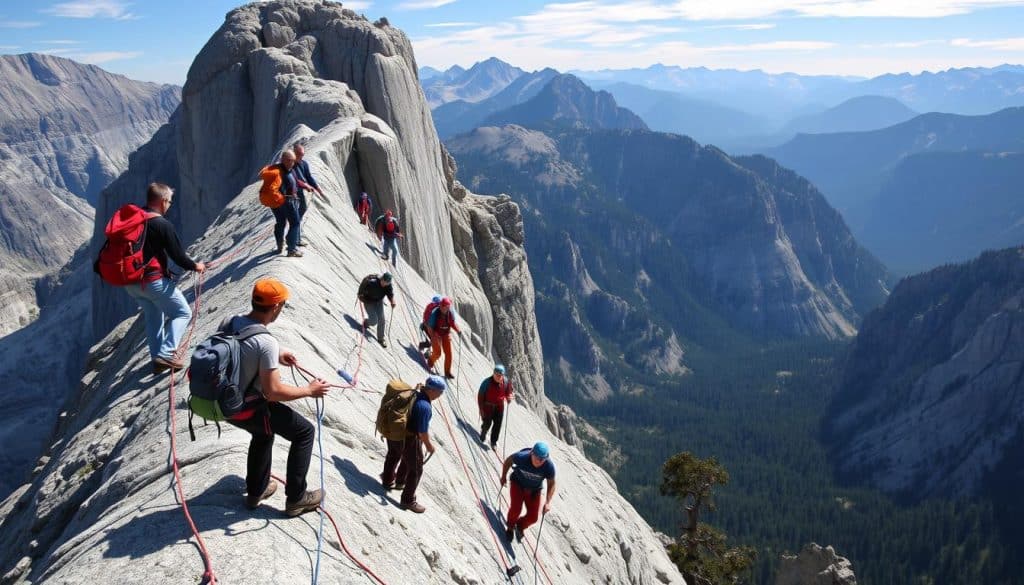
Half Dome, a colossal granite dome in Yosemite, is a hike that tests even the most experienced hikers. This iconic landmark in Yosemite National Park attracts many visitors, with 300 allowed to hike the trail daily, thanks to the permit system.
The final 400 feet of the climb involves steel cables and wooden planks bolted into the rock, aiding hikers but not making the route entirely safe. The Park’s Search and Rescue team responds to over 250 incidents annually, with at least 13 deaths recorded since 2005, making it one of the most dangerous hikes in the US.
The dangers are multifaceted: the granite becomes slippery during rainstorms, and lightning strikes the exposed cables. The Mist Trail approach also poses risks, with hikers having died after falling from Vernal and Nevada Falls.
- Half Dome features the infamous cable route – a 400-foot near-vertical climb using steel cables and wooden slats.
- The National Park Service limits access to 300 visitors daily on the trail and 50 on the summit through a permit lottery.
- At least 13 documented deaths have occurred since 2005, mostly due to slippery granite or lightning strikes.
Angel’s Landing, Zion National Park

As one of the most spectacular hikes in the United States, Angel’s Landing attracts visitors from all over the world. Located in Zion National Park, this hike is not for the faint of heart. The trail begins with a relatively easy 2.5 miles, accessible to people of various hiking experience levels.
However, the challenge intensifies with Walter’s Wiggles, a section of 21 steep switchbacks that will test your endurance. After Scout Lookout, the final decision point, hikers face the most daunting part: a narrow, exposed ridge with chains as handrails and 1,000-foot drop-offs on both sides.
The trail has seen at least 13 fatalities since 2000, primarily due to overcrowding and the risky nature of the hike. To manage the crowds and enhance safety, the National Park Service now requires permits for the final ascent. If you’re planning to tackle Angel’s Landing, make sure you’re prepared for the challenge and check out our guide on the best hikes in national parks for more information.
The Maze, Canyonlands National Park

Located in Canyonlands National Park, The Maze is a hiking trail that tests both physical and mental endurance. This remote area is known for its labyrinthine network of sandstone canyons and fins.
The trail weaves through a challenging environment where temperatures can soar above 110 degrees under the summer sun. Reaching the trailhead requires a high-clearance 4×4 vehicle, making it a significant adventure.
Getting lost is a primary danger due to the similar terrain and lack of distinct landmarks. Visitors must be well-prepared with maps and navigation skills.
For those planning to hike The Maze, obtaining a permit from the National Park Service is mandatory for overnight stays. Rangers provide crucial guidance on navigating this challenging section of the park.
For more information on hiking trails in Utah’s national parks, check out this guide.
What is the Scariest Hike in America? Mount Washington’s Presidential Traverse

Among America’s most feared hikes, Mount Washington’s Presidential Traverse is notorious for its extreme conditions. This 20.4-mile hike traverses some of New Hampshire’s highest mountains, including Mount Washington, known for having the worst weather in the world.
The Presidential Traverse is particularly challenging due to its exposed ridgelines and unpredictable weather. Mount Washington holds the record for the highest wind speed ever recorded on land at a staggering 231 mph. Weather conditions can change rapidly, with hikers experiencing 70°F sunny weather transforming into 40°F storms with hurricane-force winds in under an hour.
The hike spends miles above treeline, leaving hikers fully exposed to weather with few escape routes or shelters. Mount Washington’s unique geography creates a convergence of three major storm tracks, resulting in severe and unpredictable weather conditions.
Experienced hikers recommend carrying full winter gear, studying multiple weather forecasts, and being willing to abort the hike at the first sign of deteriorating conditions.
Capitol Peak via the Knife Edge, Colorado

The climb to Capitol Peak is not for the faint of heart, featuring a notorious section known as the Knife Edge. This ridge is a 150-foot long, razor-sharp peak of granite with drop-offs of over 1,000 feet on both sides.
Experienced hikers and climbers know that Capitol Peak is one of Colorado’s most challenging hikes. The route to the top is 17 miles round-trip with 5,300 feet of elevation gain, making it a physically demanding journey.
The danger is amplified by Colorado’s notorious afternoon thunderstorms and loose rock, which can lead to deaths. It’s a climbing challenge that requires previous scrambling experience and technical skills.
Barr Trail on Pikes Peak, Colorado

Colorado’s Pikes Peak is known for its extreme weather conditions, and the Barr Trail is no exception, with hikers facing a high risk of lightning exposure. This trail is particularly dangerous due to its high altitude and location, which make it prone to lightning strikes. The trail gains 7,400 vertical feet over 13 miles, mostly above the treeline, exposing hikers to harsh weather conditions.
Experienced hikers recommend starting the hike before dawn to avoid lightning and reaching the summit by 10 a.m. Being below the treeline by noon is crucial to minimize exposure. The altitude and physical demands of the hike can also lead to altitude sickness, impairing judgment.
- The Barr Trail’s unique danger profile is centered around lightning risk.
- Pikes Peak’s location creates perfect conditions for electrical activity.
- Starting too late in the morning guarantees exposure to lightning risk.
Denali, Alaska
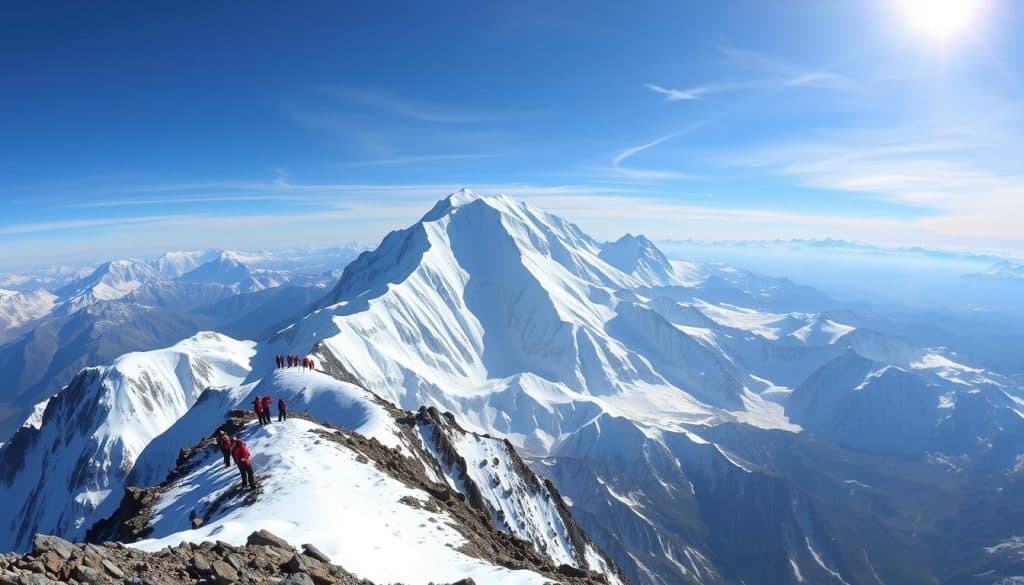
At 20,194 feet, Denali is not just a mountain; it’s an extreme mountaineering challenge that tests climbers’ endurance, skill, and mental toughness. Climbing Denali is a serious expedition that requires weeks of commitment and specialized skills. The climbing route is fraught with challenges, including navigating through thick backcountry terrain, braving high winds and icy conditions, crossing ice-covered glaciers, and managing the risks of altitude sickness.
The mountain’s extreme northern latitude and harsh weather conditions make it particularly dangerous. Temperatures can drop to -40°F, and the altitude can make it feel like climbing a 22,000-foot peak. Climbers must be prepared to haul their supplies and equipment up the mountain, often making multiple trips between camps while battling exhaustion and the effects of high altitude.
Only about 50% of hikers successfully reach the summit, and the mountain has claimed over 100 lives in the past century. The standard West Buttress route involves crossing the treacherous Kahiltna Glacier and navigating steep ice and snow slopes. Climbers must be well-prepared and experienced to tackle this formidable hike that stands at an incredible 20,194 feet.
Huckleberry Trail, Glacier National Park
For hikers, Glacier National Park’s Huckleberry Trail presents a unique challenge: avoiding grizzly bears. Glacier National Park is home to the highest grizzly bear population density in the Lower 48, making it a particularly hazardous destination for hikers.
The trail’s name comes from the abundant huckleberry bushes that line the route, which are a primary food source for the park’s estimated 563+ grizzly bears. During peak berry season, typically from July through September, the National Park Service often closes the trail entirely due to concentrated and dangerous bear activity.
To stay safe, hikers are required to carry bear spray, make noise constantly while hiking on the trail, and travel in groups of four or more during high-risk seasons. The park statistics show that Glacier National Park has had more fatal bear attacks than any other national park in the continental United States.
Conclusion: Respecting Nature’s Most Challenging Trails
The scariest hikes in the U.S. share a common thread – they demand respect, preparation, and a deep understanding of nature’s power. Whether you’re drawn to the thrill of adventure or seeking to test your limits, these trails offer unique challenges that require specific skills and knowledge.
With a knowledgeable guide, you can navigate these dangerous hikes more safely. Proper preparation, including researching conditions and bringing appropriate gear, makes all the difference. For those inspired to tackle these iconic hikes, remember that the mountains and wilderness areas have existed for millennia – there’s no shame in waiting for better conditions or building experience on less demanding trails first.
FAQ
What makes Half Dome’s cables so challenging to climb?
The cables on Half Dome are steep and exposed, with a vertical ascent of over 400 feet, making them intimidating for many hikers, especially when weather conditions are poor.
Are there any safety precautions I should take when hiking Angel’s Landing?
Yes, hikers should be prepared for steep drop-offs and use chains to navigate the most challenging sections. It’s also essential to check weather forecasts before embarking on the hike.
How difficult is the hike to the summit of Mount Washington?
The Presidential Traverse on Mount Washington is considered extremely challenging due to its unpredictable weather, steep terrain, and high altitude. Hikers should be experienced and well-prepared.
What are the most significant risks associated with hiking Capitol Peak via the Knife Edge?
The most significant risks include exposure to harsh weather, steep drop-offs, and ice and snow on the Knife Edge, making it a hike that requires careful planning and experience.
Can I hike Barr Trail on Pikes Peak without prior experience?
While it’s possible, hikers should be aware of the high altitude and unpredictable weather. It’s recommended to have some hiking experience and to be prepared for changing conditions.
How do I prepare for a hike on Denali?
Hiking Denali requires extensive climbing experience, physical conditioning, and knowledge of wilderness survival and crevasse rescue techniques. Climbers should also be prepared for extreme cold and remote terrain.
Are there any specific challenges associated with hiking the Huckleberry Trail in Glacier National Park?
Hikers should be prepared for unpredictable mountain weather, steep terrain, and potential encounters with wildlife. It’s also essential to have experience with backcountry hiking and navigation.
What should I do if I’m caught in a storm while hiking on one of these trails?
If caught in a storm, hikers should seek shelter, avoid exposed areas, and stay low to minimize the risk of being struck by lightning. It’s also crucial to have a plan and emergency supplies.