
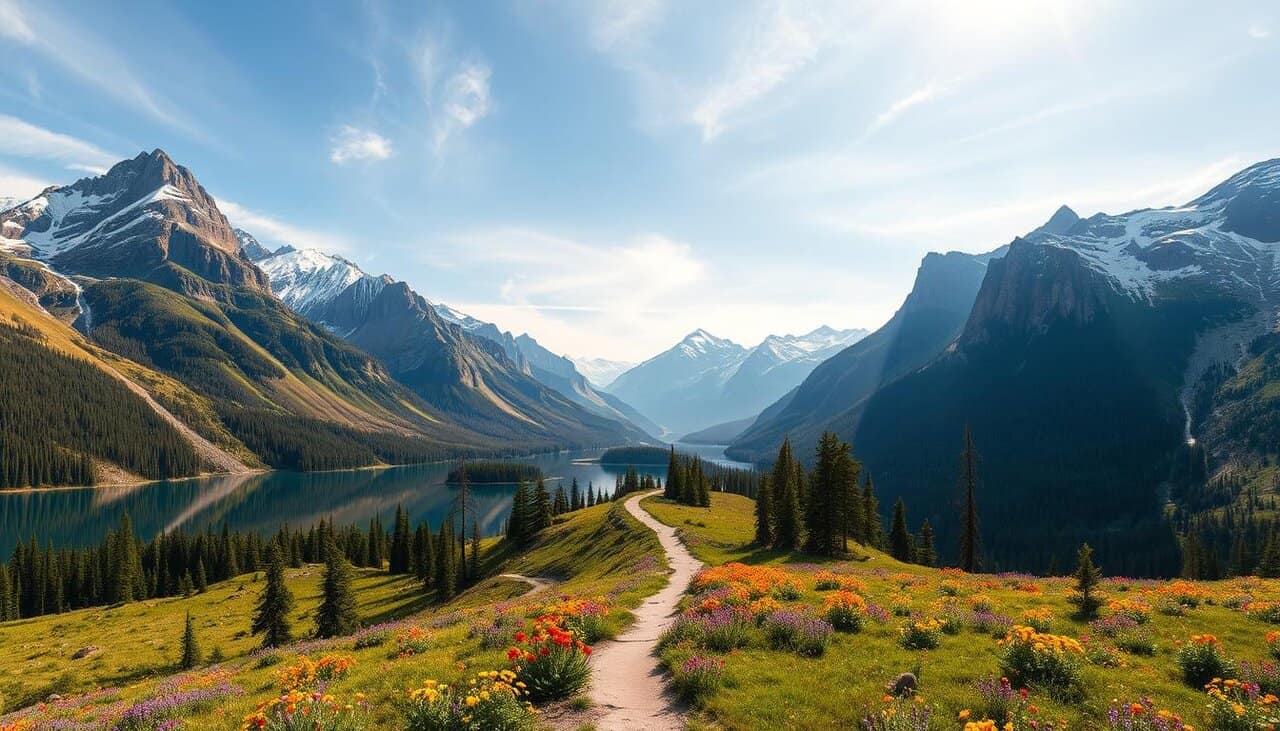
With over 63 million people visiting national parks in the United States alone each year, it’s clear that these protected areas are a treasured part of our world‘s natural heritage.
From the majestic wildlife to the breathtaking landscapes, national parks offer a diverse range of experiences that showcase the beauty of our planet.
As we explore the most stunning national park destinations, we’ll examine what makes each one special and provide practical tips for your next adventure.
Key Takeaways
- Explore the most beautiful national parks around the world
- Discover the unique features that make each park special
- Learn about the diverse landscapes and ecosystems found in national parks
- Get practical tips for visiting and photographing these natural wonders
- Find out what makes a national park truly beautiful
The Beauty of America’s National Parks
From the majestic Rocky Mountains to the serene coastlines of Maine, America’s national parks embody the country’s rich natural heritage. These protected areas are not just havens for wildlife; they are also a testament to the diverse landscapes that make the USA so unique.
The history of the National Park Service is a fascinating story. Established as “America’s best idea,” it has been preserving the country’s natural wonders for generations. The national park system encompasses over 84 million acres of land, featuring mountains, canyons, forests, and coastal areas that are home to a wide variety of flora and fauna.
- Diverse landscapes protected within the national park system
- Conservation efforts preserving natural habitats for future generations
- Cultural icons symbolizing American heritage and identity
- Accessible to visitors for recreation, education, and connecting with nature
National parks contribute significantly to local economies and are becoming increasingly popular, with record numbers of visitors seeking outdoor experiences. However, they face challenges such as climate change, overcrowding, and funding issues. As we appreciate these natural wonders, it’s essential to consider our role in preserving them for the world to enjoy.
What is the prettiest national park? Criteria for Judging Beauty
Determining the prettiest national park is a challenging task due to the subjective nature of beauty. Different people are drawn to different types of natural landscapes, making it a complex evaluation.
The team at Bounce has analyzed various factors, including Instagram posts, TikTok views, online reviews, and Google searches, to identify the prettiest parks in 2023. These modern metrics provide insight into a park’s visual appeal and popularity among visitors.
Several criteria can be used to evaluate the beauty of national parks, including visual appeal, diversity of landscapes, and unique features. For instance, the Grand Canyon’s vast expanse and layered rock formations make it a breathtaking sight.
Key Factors in Evaluating Park Beauty
| Criteria | Description |
|---|---|
| Visual Appeal | The overall aesthetic attractiveness of the park’s landscapes and features. |
| Diversity of Landscapes | The variety of ecosystems, geological formations, and natural features within the park. |
| Unique Features | Distinctive or rare natural elements that set the park apart from others. |
As Nature writer Emma Marris once said, “The more I traveled, the more I realized that the world’s most beautiful places are often the ones that are most fragile.” This quote highlights the importance of preserving our national parks for future generations.
Seasonal changes, accessibility, and personal experiences also play significant roles in how people perceive a park’s beauty. For example, fall colors in Rocky Mountain National Park or spring wildflowers in Saguaro National Park can dramatically alter the visitor experience.
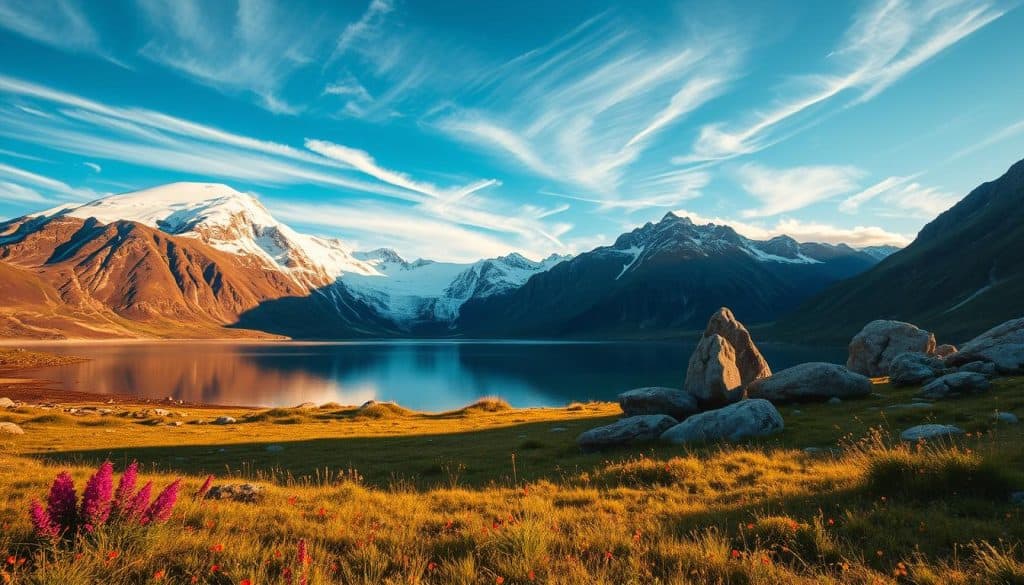
By considering these factors, we can gain a deeper understanding of what makes a national park beautiful and why different parks appeal to different people.
Grand Canyon National Park: A Majestic Wonder
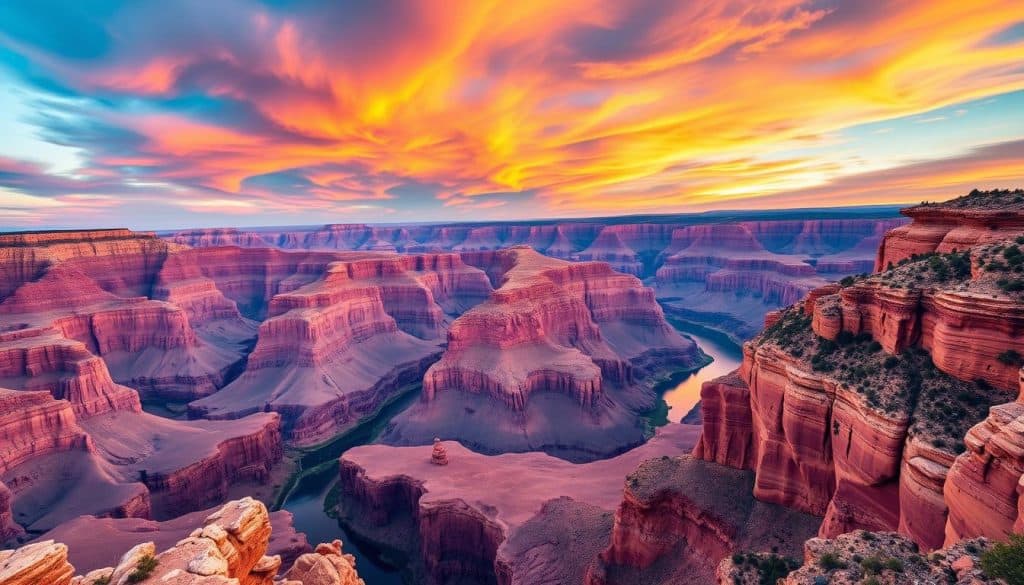
As you step up to the edge of the Grand Canyon, the vast expanse unfolds before your eyes. You’ll feel as if you’re standing on top of the world, with layers of sedimentary, igneous, and metamorphic rock revealing the Earth’s geological history.
The Grand Canyon is a breathtaking natural wonder, with a mile-deep chasm carved by the Colorado River over millions of years. The Grand Canyon National Park offers various ways to experience its majesty, from walking the trails along the canyon’s floor to rafting the Colorado River.
The canyon’s stunning color palette, with layers of red, orange, and brown rock, is a sight to behold. The different viewpoints along the South and North Rims offer unique perspectives on the canyon’s vastness. With over 4 million Instagram posts, Grand Canyon National Park is the most picturesque national park in the US.
Whether you’re watching the dramatic lighting changes at sunrise or sunset, or spotting the diverse wildlife, the Grand Canyon is an unforgettable experience. It’s not just a natural wonder, but also a place of cultural significance to Native American tribes who have lived there for thousands of years.
Yellowstone National Park: Geothermal Marvels
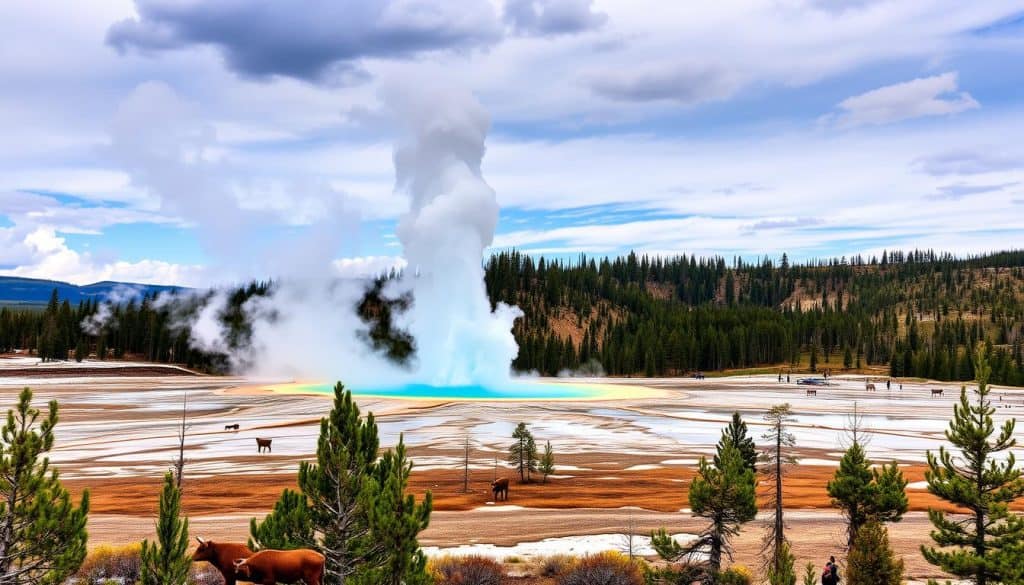
As America’s first national park, Yellowstone stands out for its unique geothermal features and diverse landscapes. Spanning over 2.2 million acres, this vast wilderness is home to countless wildlife, including bison, elk, and grizzly bears.
Yellowstone is perched on top of a dormant volcano and is world-famous for its hot springs and geysers. The park’s geothermal features, such as Old Faithful geyser and the colorful Grand Prismatic Spring, are a testament to its unique geological significance.
Visitors can explore the park’s diverse landscapes, from mountains and forests to valleys and canyons, via the Grand Loop Road, making its beauty accessible to all. For more information on the best national parks to visit, check out our list of the top 10 best national parks.
Yosemite National Park: Iconic Valleys and Waterfalls
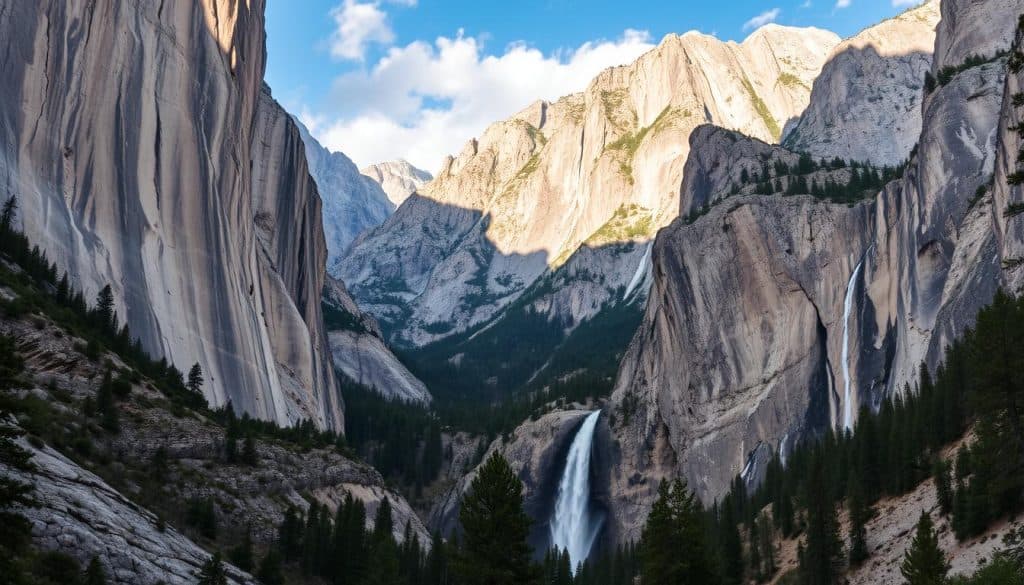
Yosemite National Park, a UNESCO World Heritage site, is renowned for its spectacular valleys and waterfalls. As you hike through its scenic valleys, you’ll be surrounded by breathtaking views of granite monoliths like Half Dome and El Capitan, creating one of the most recognizable landscapes in America.
The park is home to some of North America’s most spectacular waterfalls, including Yosemite Falls, Bridalveil Fall, and Nevada Fall. In the spring, these waterfalls reach their peak flow, making it a perfect time for hiking and exploration.
Yosemite’s diverse ecosystems range from valley floor meadows to alpine zones at higher elevations, offering a unique experience for visitors. The park is also famous for its ancient giant sequoia groves, including the Mariposa Grove, where trees over 2,000 years old stand tall.
If you’re planning to visit other beautiful national parks, consider exploring the best national parks on the West for more breathtaking landscapes.
Rocky Mountain National Park: Alpine Splendor
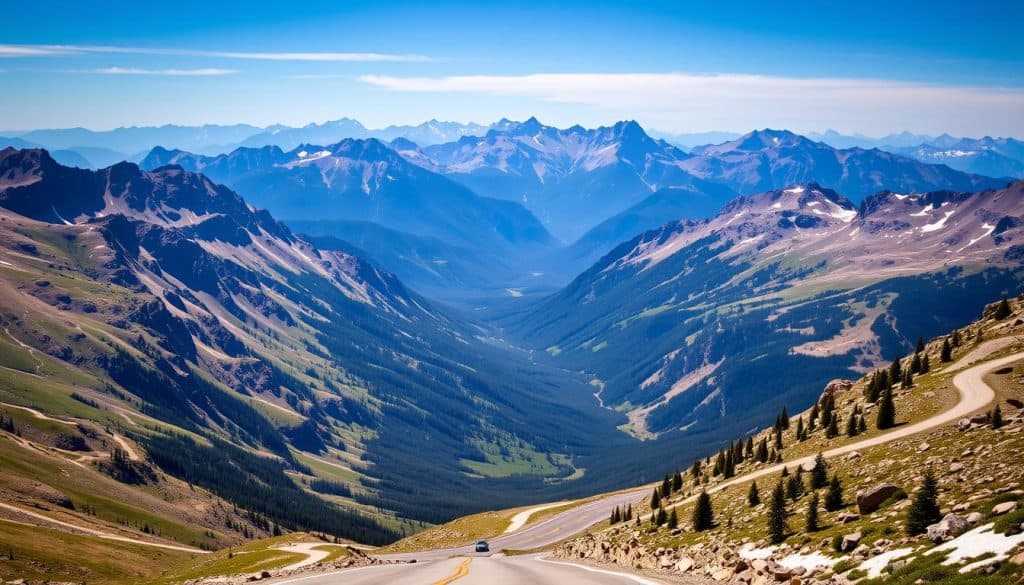
The majestic beauty of Rocky Mountain National Park is a treat for the eyes, with its towering peaks and serene lakes. As you drive along Trail Ridge Road, the highest continuous paved road in the US, you’ll be treated to spectacular panoramic views of the surrounding alpine landscapes.
The park boasts over 60 peaks exceeding 12,000 feet in elevation, offering diverse ecosystems at different altitudes. From montane forests to alpine tundra, each environment is teeming with unique plant and animal life. You’re likely to spot large herds of elk, bighorn sheep, and even moose.
With over 300 miles of trails, Rocky Mountain National Park offers hiking experiences for all skill levels. You can explore beautiful alpine lakes like Bear Lake, Dream Lake, and Emerald Lake, or try rock climbing, backcountry camping, and horseback riding for a more adventurous experience.
Grand Teton National Park: Dramatic Mountain Landscapes
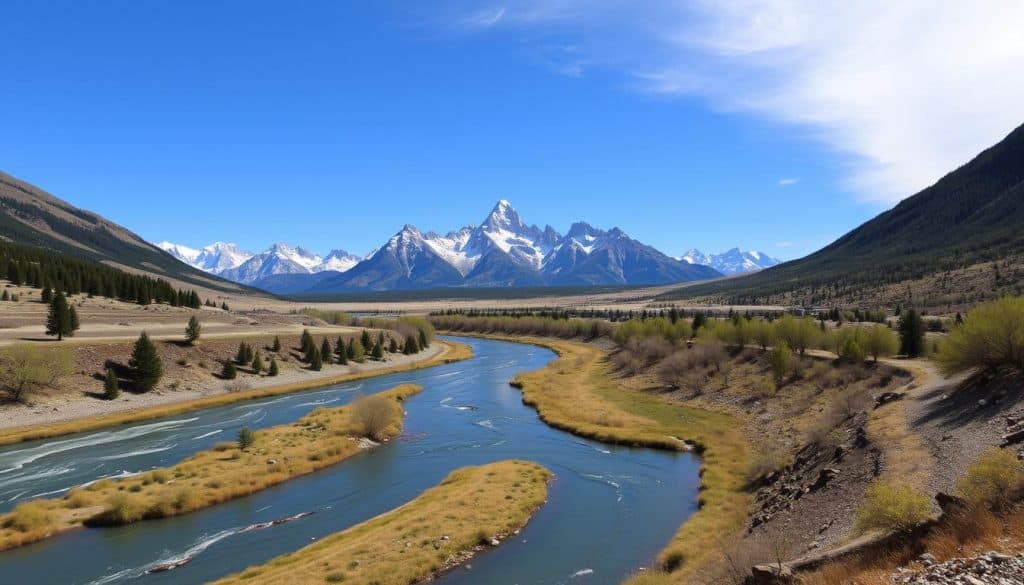
The Grand Teton National Park stands out for its picturesque lakes, rivers, and the majestic Teton Range rising abruptly from the valley floor. This dramatic landscape creates one of America’s most recognizable mountain profiles.
The park is home to pristine alpine lakes, such as Jenny Lake and Jackson Lake, which reflect the peaks in their clear waters. The Snake River, winding through the park, offers perfect opportunities for fishing, canoeing, or kayaking.
Grand Teton National Park is also known for its diverse wildlife viewing opportunities, including moose, elk, bison, and bears that roam the valley and forests. The park’s photogenic nature, with its jagged mountain skyline, provides a perfect backdrop for landscape photography. You can explore more about the best national parks on our website: https://enjoynationalparks.com/what-are-the-best-national-parks/
With its proximity to Yellowstone National Park, visitors can easily explore two stunning national parks in one trip, making Grand Teton an ideal destination for nature lovers and photographers alike.
Glacier National Park: Crown of the Continent
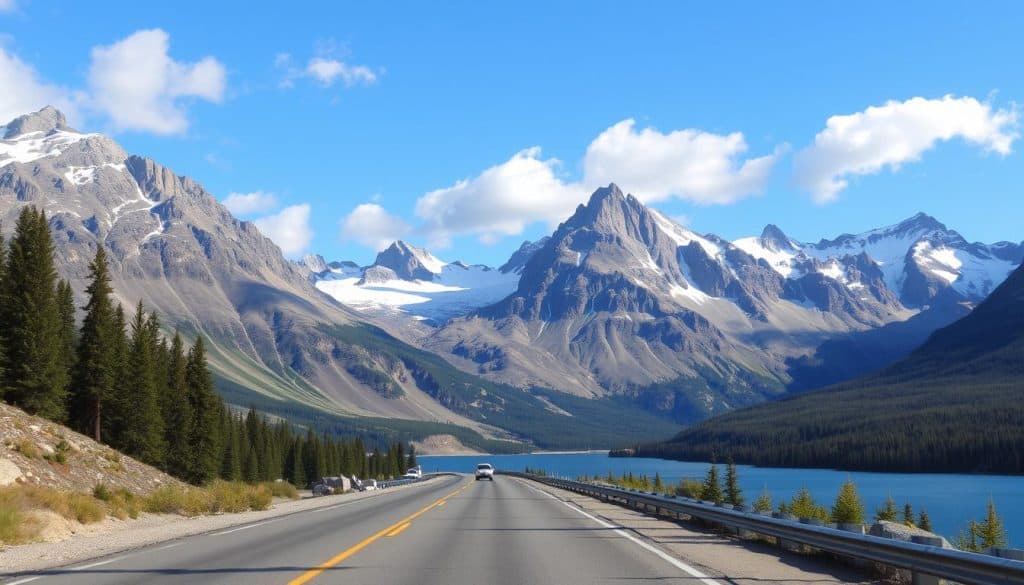
With its majestic peaks, crystal-clear lakes, and remnants of the Ice Age, Glacier National Park is a must-visit destination for nature lovers. Located on the Canadian border, this national park spans over 1 million acres, encompassing 700 lakes, two mountain ranges, and countless hiking trails and waterfalls.
The park’s famous Going-to-the-Sun Road is an engineering marvel that crosses the Continental Divide, offering spectacular views of the surrounding landscape. As you drive along this road, you’ll be treated to breathtaking vistas of glaciers, alpine lakes, and meadows filled with wildflowers.
Glacier National Park is also home to a rich biodiversity, including grizzly bears, mountain goats, bighorn sheep, and numerous bird species. The park’s geological history is evident in its dramatic landscape, which was carved by glaciers over thousands of years. Visitors can stay in one of the park’s historic lodges or chalets, many of which are on the National Register of Historic Places.
As part of the Waterton-Glacier International Peace Park with Canada, Glacier National Park holds international significance. However, the park’s namesake glaciers are rapidly receding due to climate change, making it urgent for visitors to experience this natural wonder before it’s too late.
Acadia National Park: Coastal New England Beauty
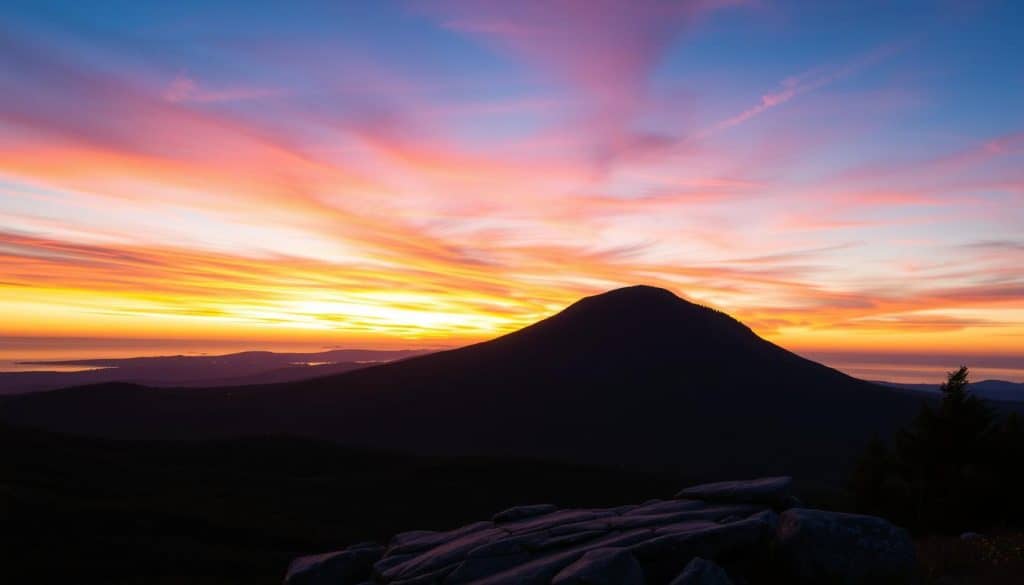
As the only national park in the Northeast, Acadia National Park offers a unique mix of coastal and mountain landscapes. Located on Mount Desert Island on the coast of Maine, it’s a breathtaking blend of mountains, forests, and ocean coastline.
The park’s rugged coastline is characterized by the dramatic meeting of land and sea, with crashing waves against granite shores. You can explore the historic carriage roads built by John D. Rockefeller Jr., which provide car-free routes for walking, biking, and horseback riding.
Cadillac Mountain, the highest point on the Eastern Seaboard, is one of the first places to see sunrise in the United States. The park is also known for its rich maritime ecosystem, featuring tide pools teeming with life and offshore areas where whales and seabirds can be spotted.
The 27-mile Park Loop Road provides access to many of the park’s most scenic areas, including Ocean Drive and Jordan Pond. During the fall foliage season, the park’s hardwood forests burst into vibrant reds, oranges, and yellows, making it a spectacular destination.
Olympic National Park: Diverse Ecosystems
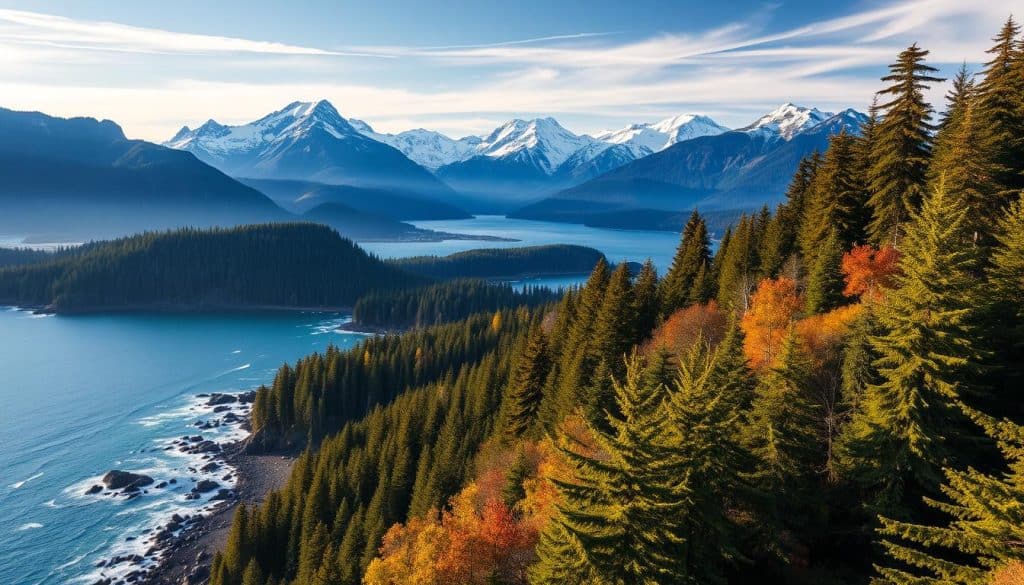
With its unique blend of temperate rainforests, rugged coastline, and glacier-capped mountains, Olympic National Park is a UNESCO World Heritage site that has something for everyone. This national park is one of the most ecologically diverse in the system, featuring three distinct ecosystems that support a wide range of plant and animal life.
The Hoh and Quinault Rain Forests are among the few temperate rainforests in the United States, characterized by their moss-draped trees and lush ferns. These old-growth forests are a testament to the park’s ecological significance and are home to a variety of wildlife, including Roosevelt elk.
In addition to its temperate rainforests, Olympic National Park boasts 73 miles of wild Pacific coastline, featuring rugged beaches, sea stacks, and tide pools filled with colorful marine life. The alpine region offers glacier-capped mountains, subalpine meadows, and panoramic views of the surrounding landscape.
The park’s diverse ecosystems support a wide range of wildlife, from mountain goats in the alpine areas to marine life in the tide pools. As both a UNESCO World Heritage Site and an International Biosphere Reserve, Olympic National Park is recognized for its ecological significance and natural beauty.
Arches National Park: Nature’s Sculpture Garden
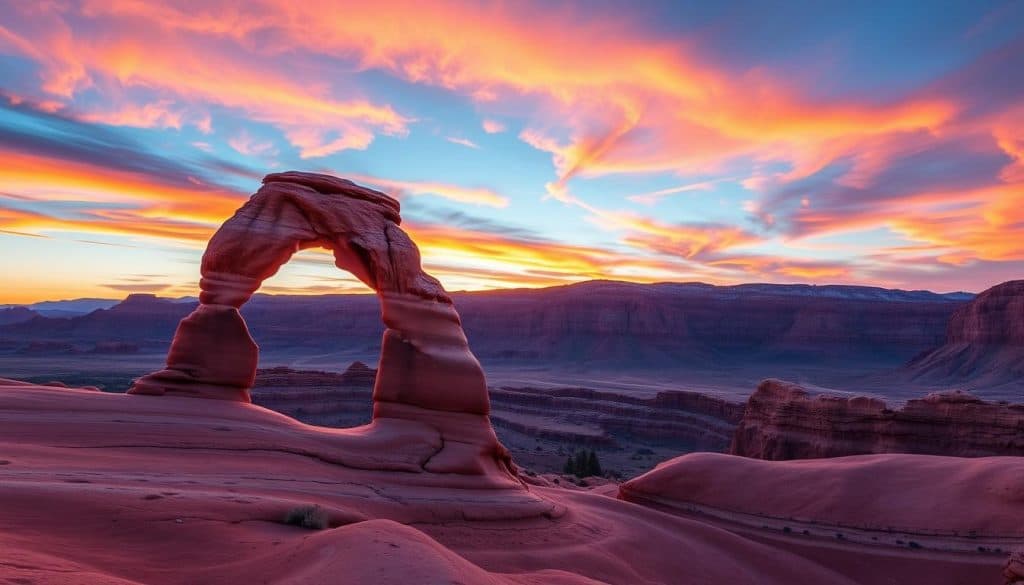
Utah’s Arches National Park is a treasure trove of natural wonders, featuring an astonishing array of sandstone formations. With over 2,000 natural arches, this park is a unique destination that offers breathtaking landscapes.
The park’s most iconic landmark is undoubtedly Delicate Arch, which has become a symbol of Utah and appears on its license plates. This 65-foot-tall arch is not only a testament to the park’s natural beauty but also a reminder of the geological processes that have shaped this landscape over millions of years.
The formation of these arches is a result of erosion and weathering, processes that continue to shape the park’s landscape. The striking red and orange hues of the sandstone, set against the blue desert skies, create dramatic contrasts that make this park a photographer’s paradise.
Visitors can explore many of the park’s spectacular features via short hiking trails from roadside viewpoints. However, it’s essential to acknowledge the fragility of these natural wonders, as several notable arches have collapsed in recent decades due to natural processes.
Arches National Park is also known for its spectacular night skies, having been designated as an International Dark Sky Park. The extreme temperature variations in this desert environment contribute to the ongoing formation of new arches, making it a fascinating destination for anyone interested in geology and natural beauty.
Hidden Gems: Lesser-Known Beautiful Parks
Beyond the crowds, America’s national parks hold secrets waiting to be uncovered. While famous parks like Yellowstone and Yosemite draw millions, there are other national parks that are just as breathtaking but remain under the radar.
New River Gorge National Park, West Virginia
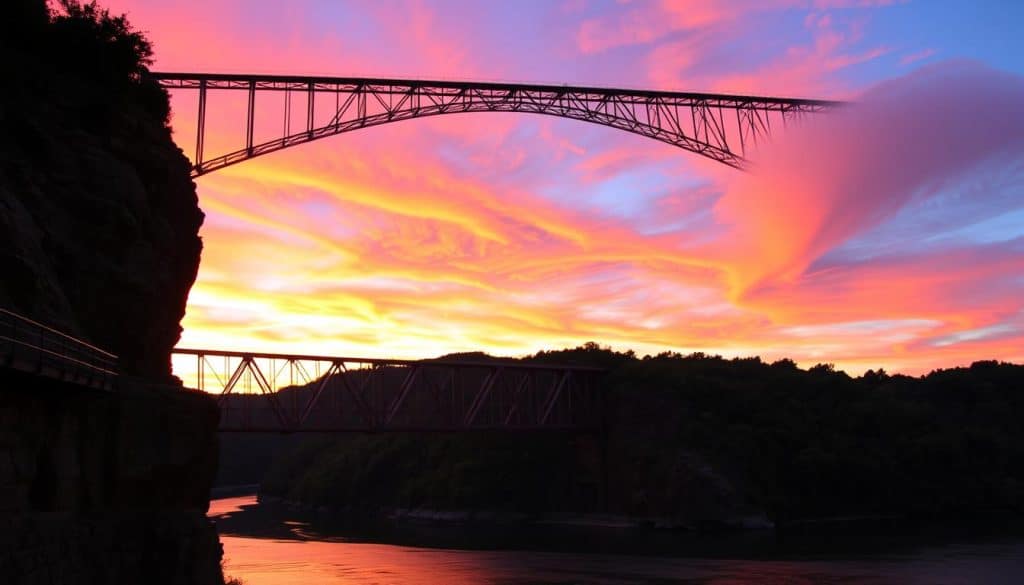
New River Gorge National Park is a haven for adventure seekers, with its stunning bridge offering spectacular views.
Saguaro National Park, Arizona
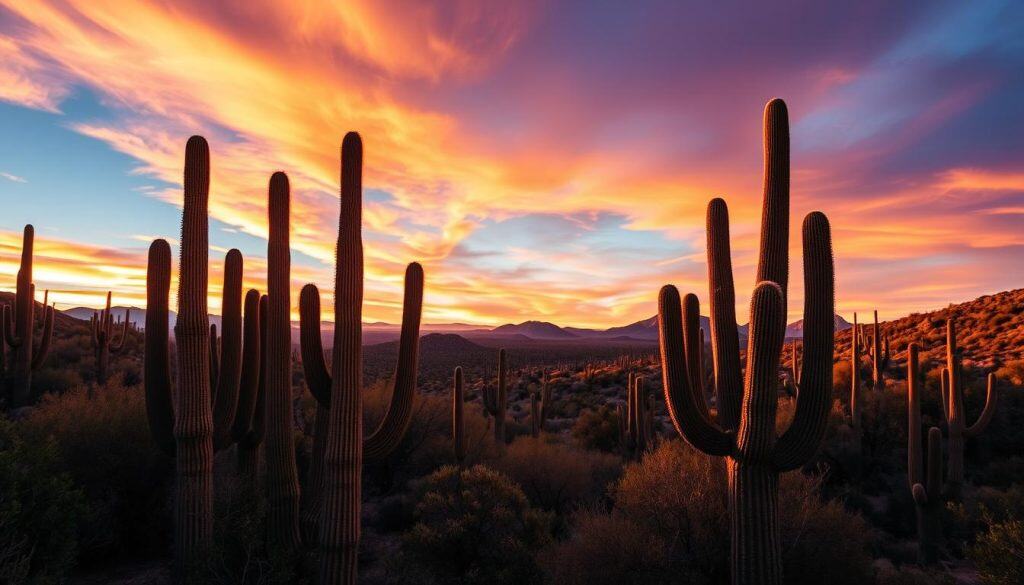
This park is renowned for its majestic saguaro cacti, creating a surreal landscape that’s perfect for hiking and exploration.
Channel Islands National Park, California

Accessible only by boat, Channel Islands National Park offers a unique blend of marine life and island ecosystems.
Voyageurs National Park, Minnesota
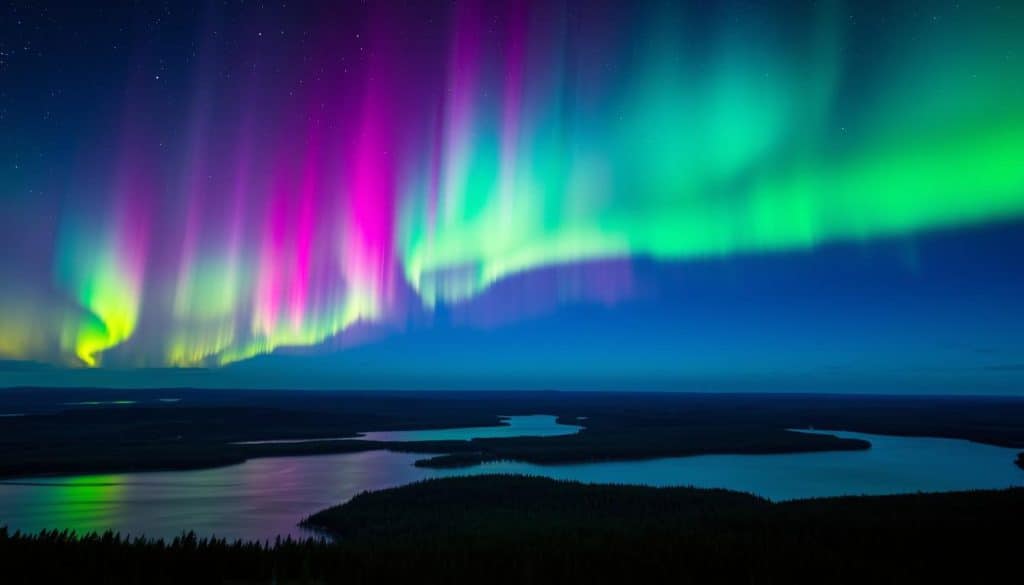
Voyageurs National Park is a water-based paradise with over 500 islands, offering opportunities to see the northern lights, houseboating, and abundant wildlife.
Best Times to Visit America’s Most Beautiful Parks
When planning a trip to America’s most beautiful national parks, timing is everything. The time of year you choose to visit can significantly impact your experience, with factors such as weather, crowds, and natural phenomena playing a crucial role.
Most national parks have a high season, typically during the summer months when schools are on break and families are on vacation. However, this is also the peak tourist season, meaning larger crowds and longer wait times. The shoulder seasons, which include spring and fall, often offer a more balanced experience, with comfortable weather and fewer visitors.
| Season | Weather | Crowds | Highlights |
|---|---|---|---|
| Spring | Mild temperatures | Fewer visitors | Wildflower blooms |
| Summer | Warm to hot | Large crowds | Long days, access to high-altitude trails |
| Fall | Cooling temperatures | Fewer visitors | Fall foliage, wildlife viewing |
| Winter | Cold, potential snow | Very few visitors | Snow scenes, unique landscapes |
Some parks are particularly spectacular during less popular seasons. For example, Death Valley in winter offers mild temperatures and wildflower blooms, while Yellowstone in early spring can be serene and less crowded. Understanding these seasonal variations can help you plan a more enjoyable and peaceful trip.
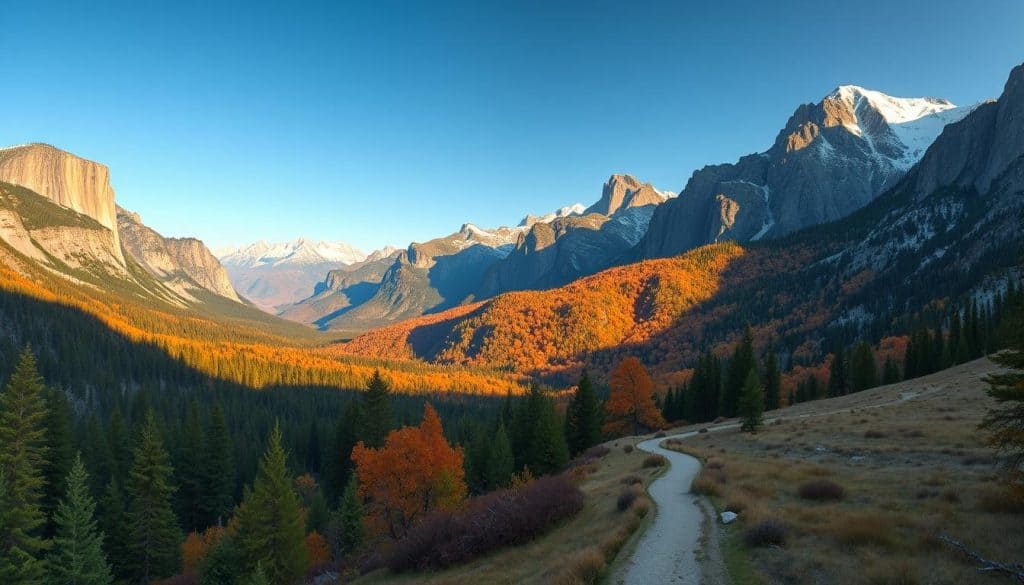
To avoid crowds, consider visiting popular parks during the week or early in the morning. Weather patterns can also affect park accessibility, with some areas closing due to snow or maintenance. Special events like the firefly displays in Great Smoky Mountains or elk rutting in Rocky Mountain National Park are worth planning around.
Photography Tips for Capturing National Park Beauty
Capturing the beauty of national parks through photography is an art that requires a blend of technical skills, creativity, and patience. As you plan your trip to these breathtaking places, understanding the nuances of photography can significantly enhance your experience and the quality of your photos.
One of the most critical aspects of national park photography is understanding light conditions. The golden hours of sunrise and sunset offer soft, warm light that can dramatically improve your photos. Timing is everything; these periods provide the best opportunity to capture the beauty of the landscape.
To make the most of your photography trip, you’ll need the right equipment. A sturdy tripod, lens filters, and a good camera are essentials. Lens filters, for instance, can help manage light and enhance colors in your photos.
- Composition techniques such as leading lines, framing, and symmetry can add depth and interest to your photos.
- Iconic locations within the parks, like the Grand Canyon or Yellowstone’s geysers, offer unique opportunities for capturing stunning images.
- Remember to respect the environment and wildlife; staying on trails and not disturbing animals is crucial for ethical nature photography.
Including people in your shots can provide scale and add a human element to the landscape. When photographing wildlife, safety and patience are key. Utilize apps and resources that help plan your shots based on sun position, weather, and seasonal conditions to make the most of your time in the parks.
By combining technical skills with an understanding of the natural beauty around you, you can capture the essence of national parks in your photography. Happy snapping!
Conclusion: Beauty in Every Park
The beauty of America’s national parks lies not just in their landscapes, but in the experiences they provide. As we’ve explored, these parks offer a diverse array of natural wonders, from the geothermal marvels of Yellowstone to the dramatic mountain landscapes of Grand Teton.
Each park has its unique charm, appealing to different people in different ways. Whether you’re drawn to the coastal beauty of Acadia, the alpine splendor of Rocky Mountain, or the desert formations of Arches, there’s a national park that resonates with your sense of beauty.
As you plan your next trip to these incredible places, remember that the true beauty of national parks lies in the way they inspire creativity, renewal, and a deeper appreciation for the natural world. By visiting and preserving these beautiful national parks, we not only enrich our own lives but also ensure that future generations can experience their beauty.
So, take the time to explore beyond the famous parks and discover the lesser-known gems that await you. In doing so, you’ll not only find your own “prettiest” national park but also contribute to preserving these treasures for years to come.
FAQ
Which national park is considered the most beautiful?
While opinions vary, some of the most stunning national parks include Grand Canyon, Grand Teton, and Acadia, each offering unique landscapes and breathtaking scenery.
Are there any lesser-known national parks worth visiting?
Yes, parks like New River Gorge, Saguaro, Channel Islands, and Voyageurs offer equally impressive experiences, with diverse wildlife, hiking trails, and picturesque lakes.
What’s the best time to visit these beautiful national parks?
The ideal time to visit varies by park, but generally, spring and fall seasons offer mild weather, fewer crowds, and optimal conditions for hiking and wildlife viewing.
Can I capture the beauty of these parks through photography?
Absolutely! With the right techniques and timing, you can take stunning photos. Consider visiting during golden hour, using a tripod, and experimenting with composition to capture the essence of these natural wonders.
Are these national parks suitable for hiking and outdoor activities?
Many of these parks offer extensive hiking trails, ranging from easy strolls to challenging climbs, as well as opportunities for camping, kayaking, and wildlife watching, making them perfect for outdoor enthusiasts.
How can I make the most of my visit to these national parks?
Plan ahead, check park regulations, and be prepared for variable weather conditions. Take your time to appreciate the scenery, and consider guided tours or park ranger programs to enhance your experience.