
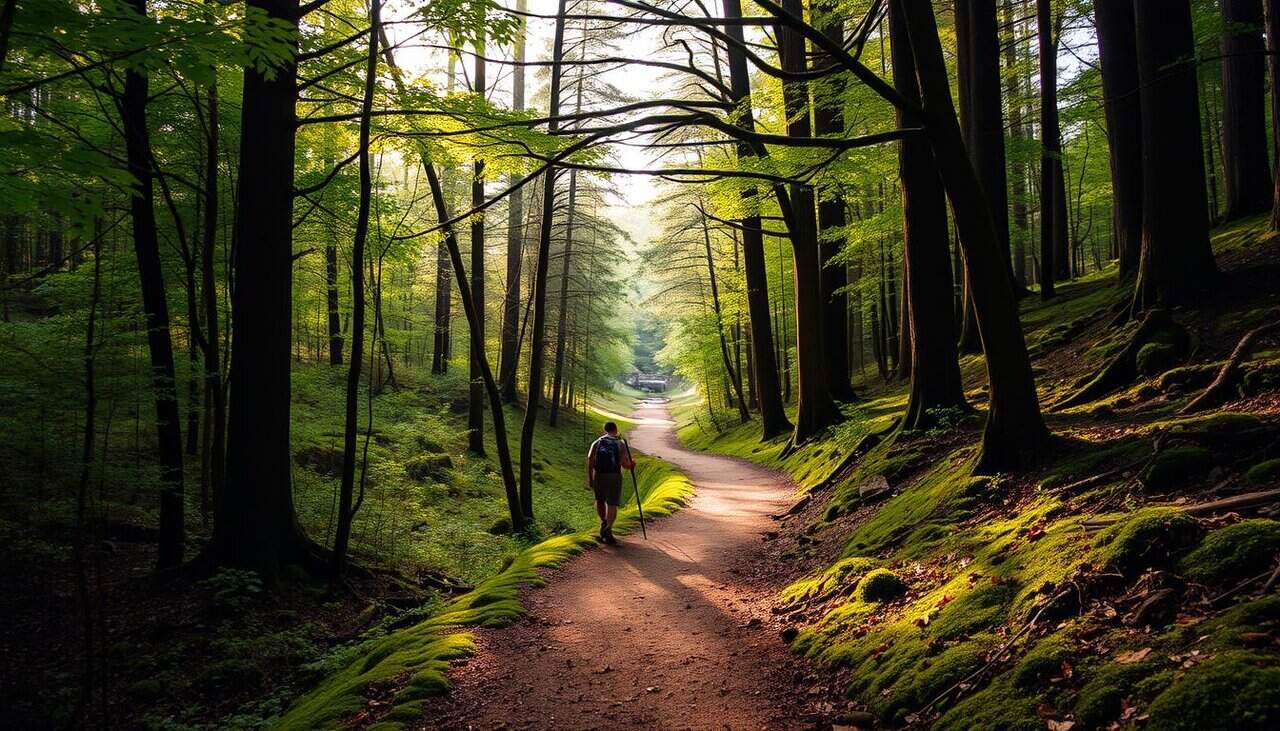
As outdoor enthusiasts flock to trails across the United States, a staggering fact emerges: hiking has become a beloved pastime for millions. With this surge in popularity comes a pressing need for hikers to adopt a code of conduct that preserves the natural beauty of our trails.
This unwritten code is known as hiking etiquette, a set of rules that promotes respect for the environment, wildlife, and fellow hikers on the trail.
By embracing hiking etiquette, you not only enhance your own experience but also contribute to the preservation of our natural spaces for future generations.
Key Takeaways
- Understand the importance of hiking etiquette in preserving natural spaces.
- Learn how to respect the environment, wildlife, and fellow hikers.
- Discover the number one rule that stands above all others on the trail.
- Enhance your hiking experience by following simple rules.
- Cultivate a culture of respect among hikers and outdoor enthusiasts.
The Ultimate Rule of Hiking: Leave No Trace
The beauty of nature is fragile, and it’s our duty as hikers to minimize our impact by embracing the ‘Leave No Trace’ ethos. This principle is not just a guideline; it’s a way of ensuring that our natural areas remain pristine for future generations.
What Leave No Trace Really Means
Leave No Trace is more than just a rule; it’s a mindset. It means that every piece of trash, every footprint, and every disturbance to the natural environment should be minimized or eliminated. Even biodegradable items like banana peels or food waste should be packed out, as they don’t belong in that ecosystem. As a responsible hiker, you should strive to leave the trail in the same condition as you found it.
According to experienced hikers, one of the most common mistakes is not being prepared for the amount of trash they might generate. Make sure you have enough bags to pack out all your waste and consider taking extra bags to collect any litter you might find on the trail.
The Seven Principles of Leave No Trace
The Leave No Trace principles are designed to guide hikers in minimizing their impact on the environment. These principles include:
- Plan ahead and prepare
- Travel and camp on durable surfaces
- Dispose of waste properly
- Leave what you find
- Minimize campfire impacts
- Respect wildlife
- Be considerate of other visitors
By following these principles, hikers can significantly reduce their footprint on the environment. For instance, choosing to hike in Utah’s national parks can be a great way to put these principles into practice, as highlighted in this guide on the best hikes in Utah.
| Principle | Description |
|---|---|
| Plan ahead and prepare | Research your destination and be prepared for the terrain and weather. |
| Travel and camp on durable surfaces | Stick to trails and established campsites to avoid damaging the environment. |
| Dispose of waste properly | Pack out all trash and human waste. |
Stay on Designated Trails
Staying on the trail is not just a guideline; it’s a crucial practice for both your safety and the preservation of nature. When you’re out hiking, it’s easy to get tempted to veer off the path, especially when you see others doing so. However, doing this can have unintended consequences on the environment.
Trails are designed to withstand the foot traffic they receive, but when hikers go off-trail, they can cause significant damage to the surrounding vegetation and wildlife habitats. This not only harms the local ecosystem but can also lead to soil erosion and the creation of new, unofficial paths that further fragment habitats.
Why Trail Preservation Matters
Preserving trails is crucial for maintaining the balance between allowing people to enjoy nature and protecting the natural world. Trails that are well-maintained and followed help in minimizing the human impact on sensitive areas. By staying on designated trails, hikers can significantly reduce their footprint.
The Environmental Impact of Going Off-Trail
Going off-trail can lead to a variety of environmental issues, including damage to vegetation, disturbance to wildlife, and increased risk of soil erosion. When hikers create new paths, it can confuse other trail users and lead to further environmental degradation. Moreover, staying on the trail helps prevent getting lost and reduces the need for search and rescue operations.
By following these simple practices, hikers can play a significant role in preserving the natural beauty of the trails for future generations.
Respect Wildlife and Nature
Embracing the principle of respecting wildlife and nature is fundamental to a sustainable and enjoyable hiking experience. As we hike, we’re immersed in environments where wildlife thrives, and our actions can significantly impact these ecosystems.
Safe Wildlife Observation Practices
Observing wildlife can be one of the most thrilling aspects of hiking. However, it’s crucial to do so safely and responsibly. Maintaining a safe distance is key; using binoculars or a zoom lens for a closer look without intruding on their space is recommended. Feeding wildlife is harmful as it disrupts their natural behaviors and can make them dependent on humans. For more information on wildlife viewing, you can visit national parks known for their wildlife.
Protecting Natural Features and Plants
When hiking, the temptation to take a souvenir can be strong, but removing rocks, plants, or other natural items can have cumulative negative impacts on the environment. It’s also important to minimize noise and movement when encountering wildlife to avoid causing stress or provoking defensive behaviors. Researching local wildlife before hiking can help you understand potential encounters and how to respond appropriately.
| Best Practices | Why It Matters |
|---|---|
| Maintain safe distance from wildlife | Prevents stress and defensive behaviors in animals |
| Use binoculars or zoom lens for closer look | Enhances viewing experience without intrusion |
| Avoid feeding wildlife | Prevents disruption of natural behaviors and dependency on humans |
| Do not remove natural items | Preserves the environment and its natural beauty |
By respecting wildlife and nature, we not only preserve the wilderness character that draws us to the outdoors but also enhance our hiking experience. It’s about being mindful of our impact and taking steps to minimize it, ensuring that these beautiful places remain vibrant for future generations.
Understanding Trail Right of Way
Navigating the great outdoors requires not just physical preparedness but also knowledge of trail etiquette, including right of way. When you’re out on the trails, understanding who yields to whom can significantly enhance your hiking experience and ensure safety for all trail users.
The rule of thumb for trail right of way is that uphill hikers generally have priority over those going downhill. This is because it’s more challenging to restart an uphill climb than to continue downhill. However, the situation may dictate otherwise, and sometimes uphill hikers might allow downhill hikers to pass to catch their breath.
Uphill vs. Downhill Hikers
When encountering other hikers on the trail, being mindful of the direction you’re heading is key. If you’re going uphill, you typically have the right of way. Nevertheless, it’s always a good idea to be courteous and yield if the situation calls for it.
Yielding to Horses and Bikers
When you encounter horses on the trail, it’s essential to yield to them. Never approach a horse from behind; instead, speak calmly to alert the rider and move to the downhill side to let them pass. As for bikers, while they are technically supposed to yield to hikers, it’s often more practical for hikers to step aside due to the speed at which bikers travel.
Group Hiking Etiquette
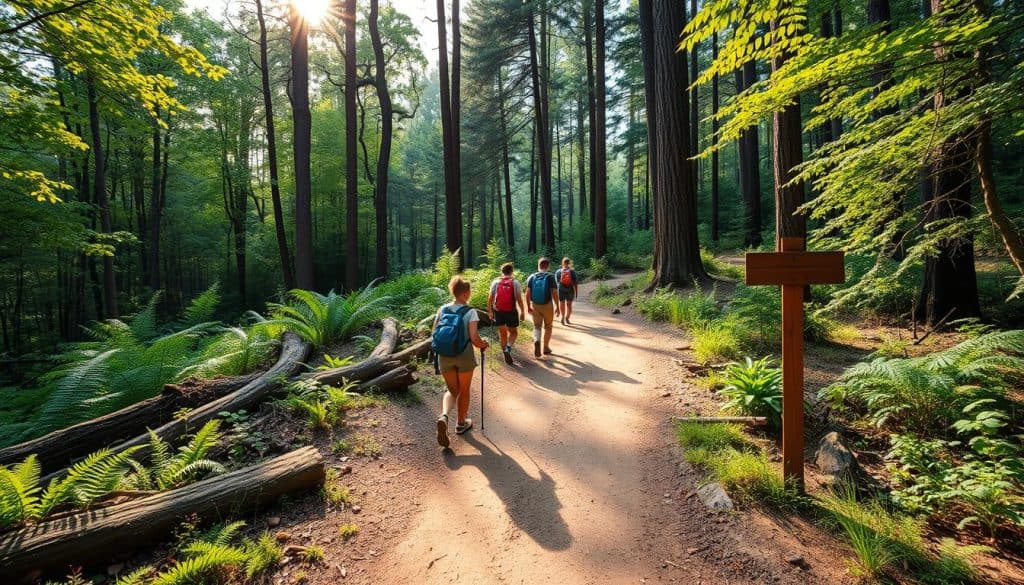
When hiking in a group, it’s considered polite to hike single-file on narrow trails to allow others to pass easily. Keeping your group size manageable not only enhances your experience but also minimizes your impact on the trail and other users.
| Trail User | Right of Way | Etiquette Tip |
|---|---|---|
| Uphill Hikers | Generally have priority | Be prepared to yield if necessary |
| Horses | Always yield to horses | Speak calmly and move to the downhill side |
| Bikers | Yield to hikers, but hikers often step aside | Be aware of your surroundings and yield when practical |
Keep Noise Levels Down
When you’re out on a hike, the serenity of nature can be easily disrupted by unnecessary noise. As hikers, we often seek to escape the hustle and bustle of daily life and connect with the natural world. Maintaining appropriate noise levels is crucial to preserving this experience for everyone on the trail.
The Problem with Music on Trails
Loud music from portable speakers can be particularly disruptive, as it not only disturbs other hikers but also wildlife. If you must listen to music while hiking, consider using headphones, keeping in mind to leave one ear free for safety reasons. Many people hike to escape noise pollution and immerse themselves in natural sounds, so it’s considerate to keep the wilderness wild and quiet.
Appropriate Conversation Volume
Besides refraining from playing music out loud, it’s also important to be mindful of your conversation volume when hiking with others. Loud talking can startle wildlife and disturb the peace. Keep your conversations at a calm level, especially in remote locations or areas with sensitive wildlife. For more information on how to responsibly enjoy natural areas, you can visit national parks resources.
Proper Preparation and Safety
Before you hit the trail, it’s crucial to prepare properly for a safe and enjoyable hike. As a seasoned hiker, I can attest that being prepared makes all the difference in your hiking experience. You won’t necessarily offend someone by being unprepared, but you might end up feeling embarrassed or, more seriously, endangering yourself or others.
Essential Gear and Planning
Proper preparation starts with the right gear and planning. This includes researching the trail conditions, distance, elevation gain, and difficulty before setting out. The “Ten Essentials” are a good starting point: navigation, sun protection, insulation, illumination, first-aid, fire, repair tools, nutrition, hydration, and emergency shelter. Make sure to pack accordingly and inform someone of your hiking plans, including your route and expected return time.
Weather Awareness and Emergency Protocols
Being aware of the weather and having emergency protocols in place is also vital. Check the forecast before you leave and be prepared for changing conditions. Know when to turn back and how to signal for help if needed. This not only ensures your safety but also prevents unnecessary strain on rescue resources. By being prepared, you can focus on enjoying your trip and having a great experience.
Hiking with Pets Responsibly
When you decide to take your dog hiking, you’re not just enhancing your own experience; you’re also taking on additional duties. As a responsible dog owner and hiker, it’s essential to be aware of the impact your pet can have on the trail and other users.
One of the most critical aspects of hiking with your dog is keeping them under control. This means adhering to leash requirements and ensuring your dog doesn’t disturb wildlife or other hikers.
Leash Requirements and Control
Keeping your dog on a leash is not just about controlling their movements; it’s also a safety precaution for both your dog and other trail users. Even well-behaved dogs can react unpredictably to other dogs or wildlife, so it’s crucial to keep them leashed.
Pet Waste Management on Trails
Another vital responsibility is cleaning up after your pet. This involves bagging their waste and carrying it out with you, rather than leaving it on the trail. Proper disposal helps maintain the cleanliness and natural beauty of the trail.
| Responsibility | Description |
|---|---|
| Leash Control | Keep your dog on a leash to prevent disturbing wildlife and other hikers. |
| Pet Waste Management | Bag and carry out your dog’s waste to maintain trail cleanliness. |
| Trail Awareness | Be aware of trail rules and regulations regarding pets. |
By following these guidelines, you can ensure a safe and enjoyable hiking experience for both you and your dog. Remember, responsible pet ownership on trails is key to preserving the opportunity for future hikes with your pet.
Conclusion: Why Following Hiking Rules Matters
As hiking continues to grow in popularity, the need for hikers to adhere to basic etiquette and rules becomes increasingly vital. By following the guidelines outlined in this article, you’ll be contributing to a larger effort to preserve our natural spaces for future generations. The principles of Leave No Trace serve as the foundation for responsible hiking practices, ensuring that trails remain enjoyable for everyone.
Proper hiking etiquette not only enhances your experience on the trail but also reflects a deeper respect for nature and other people. As you hike with others or encounter fellow hikers along the way, remember that your actions set an example. Experienced hikers have a responsibility to model good behavior and educate newcomers about proper trail etiquette.
Let’s make sure to leave trace behind and preserve the beauty of our trails. By committing to these simple rules and sharing them with friends and family, we can ensure that our natural places remain vibrant and untouched for years to come.
FAQ
What’s the most important thing to keep in mind when hiking to minimize my impact on the environment?
The key is to Leave No Trace, which means being mindful of your actions and taking steps to preserve the natural world. This includes disposing of waste properly, respecting wildlife, and staying on designated trails.
How can I be sure I’m not disturbing wildlife while hiking?
To avoid disturbing wildlife, keep a safe distance, don’t feed them, and avoid sudden movements. Be aware of your surroundings and keep an eye out for signs of wildlife, such as tracks or scat.
What’s the proper etiquette when encountering other hikers, bikers, or horses on the trail?
When meeting others on the trail, be courteous and yield when necessary. Uphill hikers typically have the right of way, and it’s a good idea to yield to horses and bikers as well. When hiking in a group, stay together and be mindful of your surroundings.
Can I bring my dog on the hike, and if so, what are the rules?
If you plan to bring your dog, make sure to check the trail’s pet policy first. When hiking with your dog, keep it on a leash, clean up after it, and be mindful of other hikers and wildlife.
How can I minimize my impact on the trail and the environment when hiking in a group?
When hiking in a group, stay on designated trails, keep noise levels down, and avoid littering. Be respectful of other hikers and wildlife, and take steps to minimize your group’s impact on the environment.
What’s the best way to prepare for a hike and stay safe on the trail?
To stay safe on the trail, plan ahead, bring essential gear, and check the weather forecast. Let someone know your itinerary and expected return time, and be prepared for emergencies.