

Imagine standing at the edge of a vast, untouched wilderness, surrounded by landscapes that defy imagination.
With over 3,000 national parks worldwide, each offering unique experiences and breathtaking beauty, determining the “number one” is a challenge.
As we explore the world’s most exceptional national parks, we’ll journey through diverse environments, from lush rainforests to towering mountain peaks.
By examining expert rankings and visitor opinions, we’ll uncover what makes a national park truly stand out.
Key Takeaways
- Understanding the subjective nature of ranking national parks
- Exploring diverse landscapes and ecosystems within national parks
- Evaluating expert opinions and visitor experiences
- Identifying unique features that make a national park exceptional
- Discovering your personal “number one” national park
The Quest for the World’s Best National Park
The quest to crown the world’s best national park is a complex endeavor, influenced by personal experiences and preferences. As we embark on this journey, it’s essential to understand what drives our desire to identify the “best” among these natural wonders.
Why People Seek the “Best” National Park
The human desire to identify “the best” of anything is deeply ingrained in our psychology. We naturally seek superlatives and want to experience the pinnacle of what our world offers. For travelers and nature enthusiasts, finding the “best” national park represents a quest to witness nature at its most spectacular and awe-inspiring. As John Muir once said, “In every walk with nature, one receives far more than he seeks.” This quote encapsulates the essence of why people seek out the world’s best national parks – for an unparalleled experience that connects them with nature’s beauty.
People are drawn to the idea of experiencing the most exceptional national park, driven by a desire to be amazed and inspired. This drive is rooted in our innate curiosity and love for the natural world.
The Challenge of Ranking Natural Wonders
Ranking natural wonders like national parks presents unique challenges because the experience is inherently subjective. What moves one person deeply might leave another unimpressed. National parks offer vastly different experiences depending on when you visit, weather conditions, wildlife activity, and even your personal circumstances during the trip. As a result, creating a definitive ranking can be quite daunting.
The subjective nature of experiencing a national park is further complicated by the diverse range of landscapes and ecosystems they protect. From the towering mountains to the serene lakes, each national park has its unique charm and attractions.
How This Article Approaches the Question
This article approaches the question of identifying the world’s best national park by examining multiple perspectives – expert opinions, conservation significance, visitor experiences, and the unique qualities that make certain parks stand out. Rather than providing a definitive answer, we’ll explore what makes various contenders special and worthy of consideration for the title of “world’s best national park.”
By considering a range of factors and perspectives, we can gain a deeper understanding of what makes a national park truly exceptional. This approach allows us to appreciate the diversity and richness of national parks around the world, each offering a unique place where people can connect with nature.
“The clearest way into the Universe is through a forest wilderness.” – John Muir
This quote highlights the importance of preserving our natural heritage and the role that national parks play in maintaining the health of our planet.
Criteria for Determining the World’s Top National Parks
When evaluating the world’s top national parks, several key factors come into play. As we explore what makes a national park exceptional, it becomes clear that multiple elements contribute to its overall standing.
Natural Beauty and Landscapes
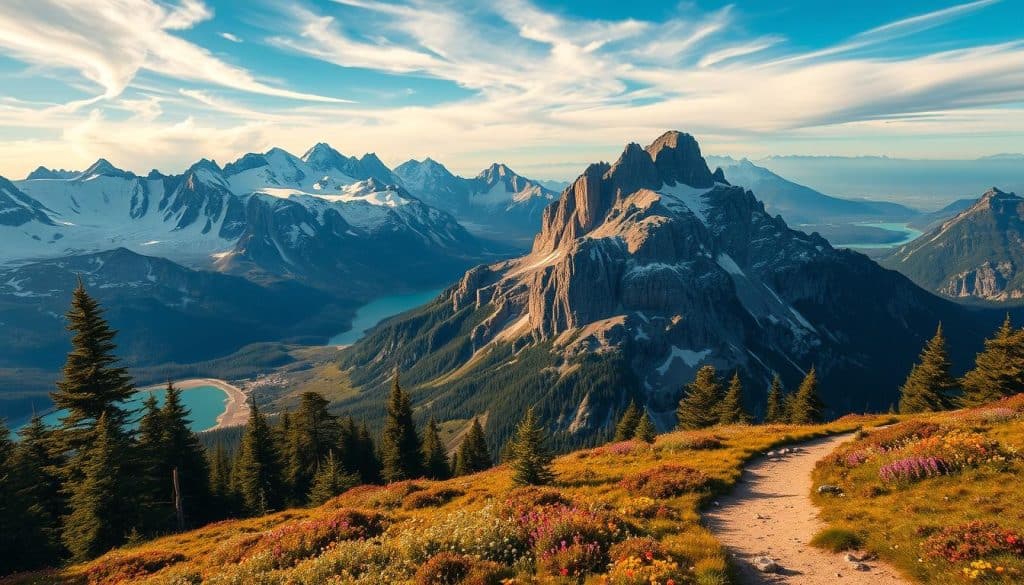
The foundation of any great national park is its natural beauty and diverse landscapes. Parks that feature dramatic scenery, such as towering mountains, deep valleys, or expansive lakes, tend to have a significant emotional impact on visitors. The diversity of landscapes within a single park can also elevate its status, with parks showcasing multiple ecosystems often ranking higher than those with more uniform terrain.
Biodiversity and Wildlife
Wildlife encounters and biodiversity are crucial in enhancing a park’s appeal. The opportunity to observe rare or iconic species in their natural habitat creates memorable experiences for visitors. Parks that are home to a wide range of flora and fauna, especially those with endangered species, are particularly valued for their conservation significance.
Visitor Experience and Accessibility
The accessibility of a national park plays a significant role in its popularity. While some argue that the most pristine parks require effort to reach, thereby preserving their natural state, others believe that ease of access enhances the overall visitor experience. Visitor facilities, well-designed trail systems, and educational programs can greatly enhance the experience, making natural wonders more accessible and meaningful to diverse audiences.
Conservation Efforts and Sustainability
Conservation efforts and sustainability practices are essential in demonstrating a park’s commitment to preserving natural wonders for future generations. The best national parks strike a balance between visitor access and environmental protection, ensuring that the natural beauty and landscapes are preserved for years to come.
By considering these factors, we can gain a deeper understanding of what makes a national park truly exceptional. Whether it’s the breathtaking beauty, the rich biodiversity, or the commitment to conservation, each of these elements contributes to the overall excellence of a national park.
What is the Number One National Park in the World? Expert Rankings
As we explore the world’s most breathtaking national parks, the question arises: which one stands out as the best? The answer isn’t straightforward, as it depends on various factors and perspectives. In this section, we’ll delve into expert rankings from travel publications, conservation organizations, and visitor ratings to understand what makes a national park truly exceptional.
Travel Publications’ Top Picks
Travel publications like National Geographic, Lonely Planet, and Condé Nast Traveler frequently release rankings of the world’s best national parks. These publications offer expert perspectives based on extensive global coverage, highlighting parks that stand out for their photogenic qualities, unique ecological features, or overall visitor experience. For instance, National Geographic might emphasize parks with remarkable biodiversity, while Lonely Planet could focus on destinations that offer unforgettable adventures.
Some of the top national parks according to these publications include:
- Yellowstone National Park for its geothermal wonders
- Serengeti National Park for its wildlife migration
- Banff National Park for its stunning mountain landscapes
These rankings are invaluable for travelers seeking to experience the best that national parks have to offer. You can explore more top national parks on Discover Corps.

Conservation Organizations’ Perspectives
Conservation organizations such as the World Wildlife Fund and International Union for Conservation of Nature provide a different perspective, focusing on the ecological importance and conservation success stories of national parks. These organizations often highlight parks that are crucial biodiversity hotspots or showcase exemplary conservation practices, even if they’re not as well-known to the general public.
“Conservation is a state of harmony between men and land.” – Aldo Leopold
Their rankings might differ significantly from those of travel publications, as they prioritize ecological significance over tourist appeal. For example, they might highlight parks with unique species or successful conservation programs.
| Organization | Highlighted Park | Reason |
|---|---|---|
| World Wildlife Fund | Virunga National Park | Biodiversity hotspot |
| IUCN | Kakadu National Park | Conservation success story |
Visitor Ratings and Public Opinion
Visitor ratings on platforms like TripAdvisor and Google Reviews offer real-world perspectives from thousands of travelers. These ratings reveal which parks consistently deliver memorable experiences, often favoring those with iconic features, excellent infrastructure, and transformative natural beauty.
Public opinion tends to align with expert rankings in some cases, but there’s often divergence. Some lesser-known parks receive high praise from experts for their unique features or conservation efforts, while visitors tend to flock to more famous destinations.
For instance, a park like Plitvice Lakes National Park in Croatia is renowned for its turquoise lakes and waterfalls, making it a favorite among visitors. On the other hand, experts might praise a less visited park for its untouched natural beauty and conservation achievements.
In conclusion, determining the number one national park in the world is complex and depends on the criteria used. Whether it’s based on expert rankings, conservation significance, or visitor experiences, each national park offers a unique experience that contributes to its standing in the world.
Khao Sok National Park: Thailand’s Emerald Jewel
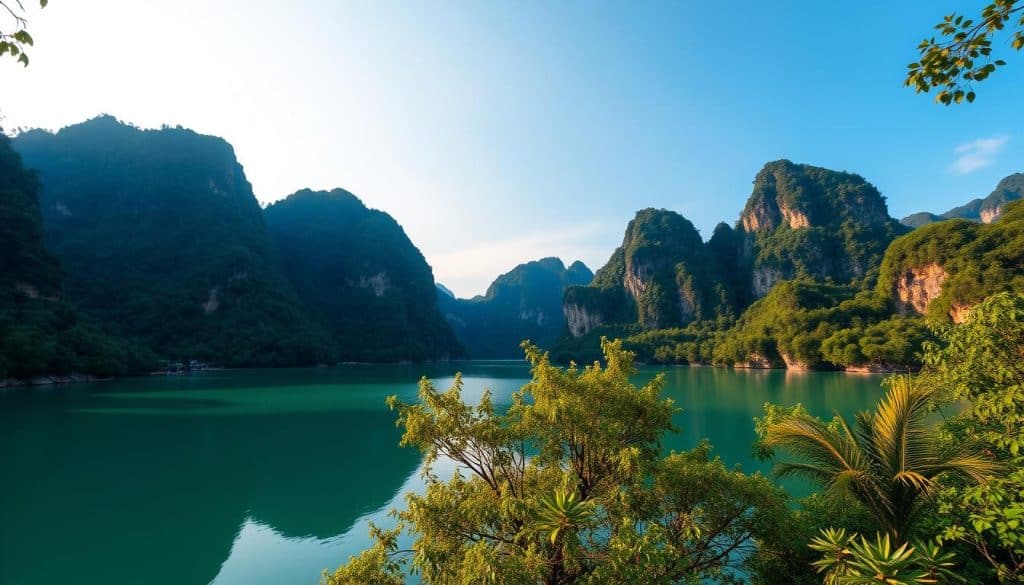
Khao Sok National Park, located in Thailand, is a stunning display of emerald landscapes. As you step into this natural wonder, you’re immediately enveloped in the sights and sounds of a lush rainforest, with towering limestone cliffs rising dramatically from the waters of Cheow Lan Lake.
Ancient Rainforests and Limestone Karsts
The park is home to some of the world’s oldest evergreen rainforests, estimated to be over 160 million years old. These ancient forests, even older than the Amazon, create a primeval atmosphere that feels untouched by time. The dramatic limestone karsts that rise vertically from the emerald-green waters of Cheow Lan Lake are a breathtaking sight, often compared to Vietnam’s Ha Long Bay but with fewer crowds.
The unique landscape of Khao Sok National Park is characterized by its dramatic limestone karsts and ancient rainforests, making it a haven for nature lovers and photographers alike.
Cheow Lan Lake and Floating Bungalows
One of the highlights of visiting Khao Sok National Park is the opportunity to stay in a floating bungalow on Cheow Lan Lake. Imagine waking up to misty morning views and falling asleep to the sounds of the jungle. This unique experience allows visitors to immerse themselves in the natural beauty of the park.
The tranquil surface of Cheow Lan Lake reflects the surrounding cliffs, creating a serene setting that feels almost untouched by time. It’s an ideal spot for relaxation and connecting with nature.
Biodiversity and Wildlife Encounters
Khao Sok National Park is renowned for its exceptional biodiversity, with over 5% of the world’s species found within its boundaries. Visitors can encounter a diverse array of wildlife, including Asian elephants, sun bears, gibbons, langurs, and hornbills. The park’s rich ecosystem is a testament to its status as a true natural jewel.
The park‘s landscapes and water bodies support a wide range of flora and fauna, making it a paradise for nature enthusiasts and wildlife photographers.
With its unique combination of dramatic landscapes, rich biodiversity, and serene beauty, Khao Sok National Park is a must-visit destination for anyone looking to experience the best of Thailand’s natural beauty.
Torres del Paine: Patagonia’s Crown Jewel

Nestled in the heart of Chilean Patagonia, Torres del Paine National Park is a breathtaking destination that embodies the raw beauty of nature. As you step into this national park, you’re immediately struck by the dramatic landscape that unfolds before your eyes.
Iconic Granite Peaks and Azure Lakes
The park’s centerpiece, the iconic “Torres” or Towers of Paine, rises dramatically above turquoise lakes like Lago Pehoé and Lago Nordenskjöld. These granite peaks are a marvel of geological history, shaped by millions of years of tectonic activity and weathering. The contrast between the rugged peaks and the serene lakes creates a visual spectacle that is both humbling and awe-inspiring.
Torres del Paine National Park offers perhaps the most dramatic mountain scenery in the world, with its iconic granite towers rising sharply against the sky. The park’s landscape diversity is extraordinary, allowing visitors to experience a wide range of ecosystems within a relatively small area.
The Famous W Circuit Trek
The famous W Circuit trek is one of the world’s premier multi-day hiking experiences. This challenging yet rewarding trek offers constantly changing vistas, from windswept grasslands to dense southern beech forests and towering mountain passes. The W Circuit is designed to be accessible to reasonably fit hikers, making it an ideal adventure for those looking to immerse themselves in the natural beauty of Patagonia.
As you hike the W Circuit, you’ll be treated to breathtaking views of the park’s iconic landmarks, including the Towers of Paine and the majestic Grey Glacier. The trek is typically completed over 4-5 days, allowing ample time to absorb the stunning scenery and perhaps spot some of the park’s diverse wildlife.
Seasonal Beauty and Wildlife
Torres del Paine National Park is a year-round destination, with each season offering a unique perspective on its natural beauty. In the summer, the park is ablaze with wildflowers, while autumn brings the fiery colors of the southern beech forests. Winter transforms the landscape into a serene and peaceful world of snow and ice.
The park is also renowned for its wildlife, including guanacos, Andean condors, and the elusive puma. As you explore the park, keep your eyes peeled for these incredible creatures, and be sure to bring your camera to capture the moment.
Serengeti National Park: Africa’s Wildlife Paradise

Serengeti National Park embodies the essence of Africa’s wilderness, a true marvel of nature. As you step into this vast savannah, the endless plains stretching under the expansive African sky leave you in awe. The park is renowned for its incredible wildlife experiences, making it a quintessential African safari destination.
The Serengeti is perhaps most famous for the Great Migration, a spectacle that draws visitors from around the world. Over 1.5 million wildebeest, accompanied by hundreds of thousands of zebras and gazelles, traverse the plains in search of fresh grazing, creating a dynamic landscape.
The Great Migration Spectacle
The Great Migration is a breathtaking event that showcases nature’s splendor. Witnessing millions of animals making their way across the golden grasslands is an experience unlike any other. The migration is not just a visual spectacle; it’s also a critical aspect of the ecosystem, ensuring the balance of the savannah’s delicate environment.
This phenomenon is a testament to the park’s unparalleled wildlife viewing opportunities. The interaction between predators and prey is a thrilling aspect of the Serengeti experience, with lions, cheetahs, and leopards hunting across the golden savannah.
Big Five Wildlife Encounters
The Serengeti offers encounters with the Big Five: lion, leopard, rhinoceros, elephant, and Cape buffalo. These iconic animals roam the park, providing visitors with unforgettable experiences. The diversity of wildlife is a highlight of any visit to the Serengeti.
From the majestic lions lazing in the shade to the stealthy leopards stalking their prey, each encounter is a reminder of the wild beauty that surrounds you. The Serengeti is a place where wildlife thrives, and conservation efforts play a crucial role in maintaining this balance.
Savannah Landscapes and Conservation
The landscape of the Serengeti is as captivating as its wildlife. Endless plains dotted with acacia trees and rocky outcrops (kopjes) create a picturesque backdrop for safari adventures. The meandering Seronera River is a lifeline for the animals, especially during the dry seasons.
Conservation is at the heart of the Serengeti’s success. The park is part of a larger ecosystem that includes Kenya’s Maasai Mara, demonstrating a collaborative approach to protecting wildlife and their habitats. This ecosystem exemplifies successful conservation efforts in Africa.
As you explore the Serengeti, whether on a guided tour or a hot air balloon safari, the experience is enriched by the cultural dimension of the Maasai communities living in adjacent areas. Their traditional lifestyles add depth to the visit, highlighting the ancient relationship between humans and wildlife.
Banff National Park: Canada’s Rocky Mountain Treasure
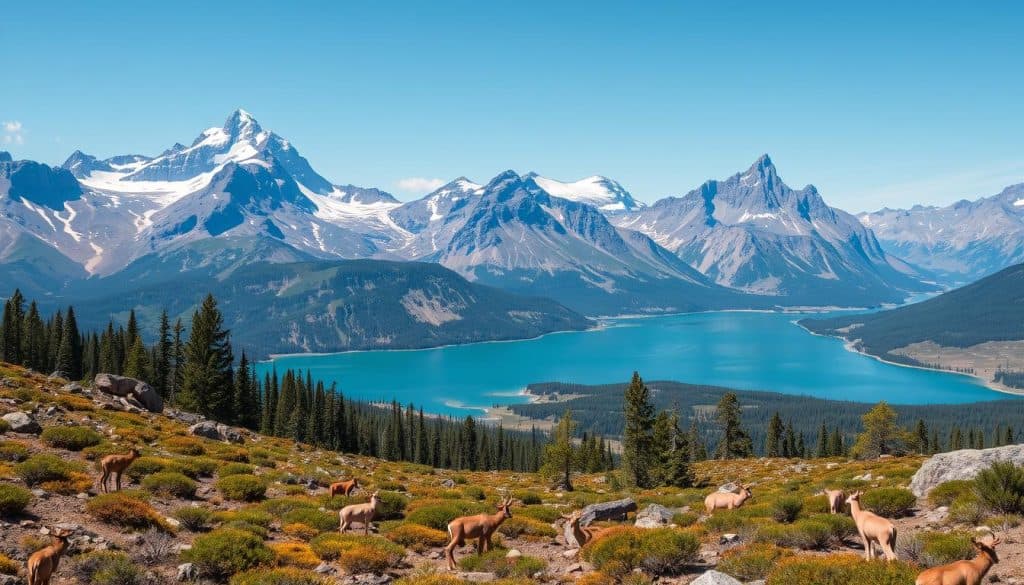
As Canada’s first national park, Banff National Park stands out as a crown jewel in the Canadian Rockies, offering unparalleled mountain scenery. The park is a haven for nature enthusiasts and adventure seekers, with its diverse landscapes ranging from glacier-fed rivers to dense pine forests and open alpine meadows.
Lake Louise and Moraine Lake
Two of the most photographed lakes in the world, Lake Louise and Moraine Lake, are located within the park. Their turquoise waters, created by rock flour from glacial runoff, are set against dramatic mountain backdrops, making them a photographer’s paradise. Visitors can enjoy a serene canoe ride or hike around these lakes, taking in the breathtaking views.
Mountain Vistas and Glaciers
Banff’s mountain vistas are extraordinary, featuring sharp peaks, expansive glaciers, and verdant valleys. The Canadian Rockies present a rugged, dramatic profile that differs from mountain ranges elsewhere in the world. For those seeking adventure, there are numerous hiking trails, including the popular Banff National Park in winter trails that offer a unique perspective on the park’s beauty.
Year-Round Activities and Wildlife
The park offers true four-season appeal, with activities ranging from hiking and paddling on turquoise lakes in the summer to world-class skiing in the winter. Spring brings wildlife viewing opportunities as animals emerge from hibernation, and fall offers the spectacle of golden larch trees against snow-dusted peaks. Wildlife enthusiasts can spot grizzly and black bears, elk, moose, mountain goats, and bighorn sheep in their natural habitat.
With over 1,000 miles of maintained hiking trails, Banff National Park provides options for visitors of all abilities to experience its beauty. The park’s infrastructure strikes an ideal balance between accessibility and wilderness preservation, making it a must-visit destination for anyone who loves the great outdoors.
Fiordland National Park: New Zealand’s Dramatic Wilderness
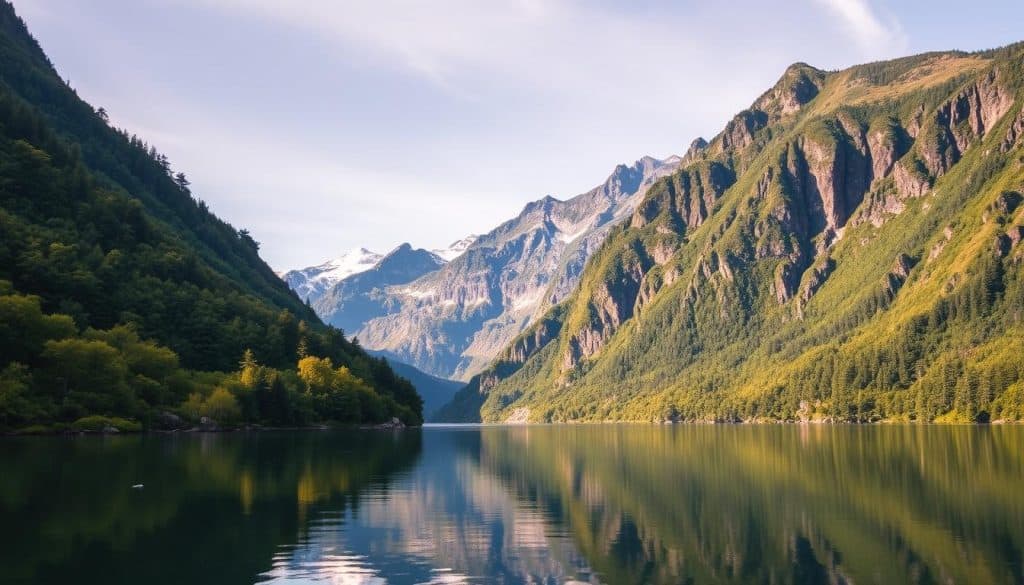
Fiordland National Park is a realm of deep fjords, cascading waterfalls, and ancient rainforests that will leave you awestruck. Located on New Zealand’s South Island, it represents one of the most dramatic landscapes on Earth.
Milford Sound and Doubtful Sound
Milford Sound, described by Rudyard Kipling as the “eighth wonder of the world,” is a highlight of Fiordland National Park. It features sheer rock walls rising 3,900 feet directly from the dark waters, with waterfalls cascading from hanging valleys created during the last ice age. Doubtful Sound, another fjord in the park, offers a more remote and serene experience, with its own unique charm and breathtaking scenery.
The combination of these fjords creates a breathtaking and rugged landscape that is both beautiful and humbling.
Ancient Rainforests and Waterfalls
The park’s ancient temperate rainforests cloak the lower slopes of the mountains, featuring moss-covered trees, ferns, and unique plant species. These rainforests create an environment that feels prehistoric and untouched, with the added magic of temporary waterfalls appearing by the hundreds after heavy rain.
The extraordinary rainfall, up to 22 feet annually in some areas, transforms the already spectacular scenery into something even more magical.
Hiking the Great Walks
Fiordland National Park hosts three of New Zealand’s nine “Great Walks” – the Milford, Kepler, and Routeburn tracks. These multi-day hiking experiences take you through some of the world’s most pristine wilderness areas, offering breathtaking views and unforgettable encounters with nature.
The park’s vast size, over 4,600 square miles, makes it New Zealand’s largest national park, and it forms part of the Te Wahipounamu World Heritage Area, recognized for its outstanding natural values.
Yellowstone: America’s First National Park

Established in 1872, Yellowstone National Park holds the distinction of being the world’s first national park, setting a precedent for conservation globally. This pioneering status has made it a model for national parks around the world. As you explore Yellowstone, you’ll discover why it remains one of the most beloved national parks in the United States.
Geothermal Wonders
Yellowstone is renowned for its geothermal features, representing the planet’s most concentrated collection of hydrothermal wonders. With over 10,000 geysers, hot springs, mud pots, and fumaroles, the park creates an otherworldly landscape unlike anywhere else on Earth. Old Faithful remains the park’s iconic attraction, but it’s just one of many spectacular geysers. The Grand Prismatic Spring, with its rainbow-colored bacterial mats, offers perhaps the most photogenic natural feature in the entire park system.
Wildlife and Ecosystems
Yellowstone’s wildlife viewing opportunities are exceptional, with the park serving as America’s Serengeti. It’s home to the largest concentration of mammals in the lower 48 states, including wolves, grizzly bears, bison, and elk. The park’s diverse ecosystems range from sagebrush steppe to subalpine forests to alpine tundra, creating microclimates that support an extraordinary variety of plant and animal life. This biodiversity makes Yellowstone a unique place for nature enthusiasts and wildlife lovers.
Historical Significance and Conservation Legacy
Yellowstone’s conservation legacy extends beyond its boundaries. The reintroduction of wolves in 1995 created one of the most successful and studied wildlife restoration projects in history. The park’s vast size (2.2 million acres) and relatively intact ecosystem make it one of the few places in the temperate world where natural processes can unfold largely without human interference. For more information on planning your trip to Yellowstone and other top national parks, visit our guide on best national parks trips.
Yosemite National Park: California’s Granite Masterpiece

Yosemite National Park stands as a testament to nature’s grandeur, with its iconic granite cliffs and breathtaking landscapes. As you step into Yosemite Valley, you’re surrounded by natural wonders that evoke a sense of awe and humility. The park’s beauty lies in its towering granite cliffs, ancient sequoia groves, and cascading waterfalls that create a landscape of unmatched grandeur.
Iconic Rock Formations
El Capitan and Half Dome, Yosemite’s most iconic rock formations, dominate the skyline, drawing climbers from around the world and offering breathtaking views from every angle. El Capitan, rising 3,000 feet from the valley floor in one vertical sweep, stands as the largest exposed granite monolith on Earth. This natural wonder has become the ultimate challenge for rock climbers, most famously featured in the Oscar-winning documentary “Free Solo.”
Cascading Waterfalls and Valley Views
The park’s waterfalls are among the world’s most spectacular, with Yosemite Falls dropping 2,425 feet in three sections, making it one of the tallest waterfalls in North America. Yosemite Valley offers perhaps the most concentrated collection of natural wonders in any comparable area on Earth. Within a few miles, visitors can experience massive waterfalls, towering cliffs, peaceful meadows, and the meandering Merced River, creating a diverse and vibrant landscape.
A Legacy of Conservation
Yosemite National Park’s history is deeply intertwined with the conservation movement in America. John Muir’s advocacy for Yosemite played a crucial role in developing the concept of national parks as we understand them today. Beyond the famous valley, Yosemite encompasses high country wilderness with subalpine meadows, pristine lakes, and panoramic views that offer solitude and a different perspective on the park’s grandeur. For more information on other great national parks, you can visit best national parks on the West.
Kruger National Park: South Africa’s Safari Haven

As one of Africa’s largest game reserves, Kruger National Park stands out for its incredible biodiversity and unforgettable wildlife encounters. Spanning nearly 7,500 square miles, this vast wilderness area is a paradise for wildlife enthusiasts and adventure seekers alike.
The park’s diverse ecosystems, ranging from lush riverine forests to open savannahs and mopane woodlands, support a wide variety of flora and fauna. This diversity is a key factor in Kruger’s reputation as a premier safari destination.
Big Five Wildlife Viewing
Kruger provides the ultimate “Big Five” experience, with excellent opportunities to spot lions, leopards, elephants, rhinos, and buffalo. The park’s well-maintained network of roads makes wildlife viewing accessible to a broad range of travelers, whether on self-drive adventures or guided safaris.
Encountering these iconic animals in their natural habitat is a thrilling experience that leaves a lasting impression on visitors.
Diverse Ecosystems and Landscapes
The diversity of ecosystems within Kruger is remarkable. From the lush riverine forests along the Sabie and Olifants Rivers to the open savannah of the central regions and the mopane woodlands of the north, each area offers a unique landscape and habitat for a wide range of wildlife.
This varied landscape not only supports an incredible array of wildlife but also provides visitors with a visually stunning backdrop for their safari adventure.
Conservation Success Stories
Kruger National Park has several conservation success stories, particularly in the areas of rhino protection and the restoration of wild dog populations. Despite ongoing challenges such as poaching, the park’s conservation efforts have made significant strides.
These efforts are crucial not only for the protection of Kruger’s wildlife but also for the broader conservation of Africa’s natural heritage.
Plitvice Lakes: Croatia’s Cascading Wonder
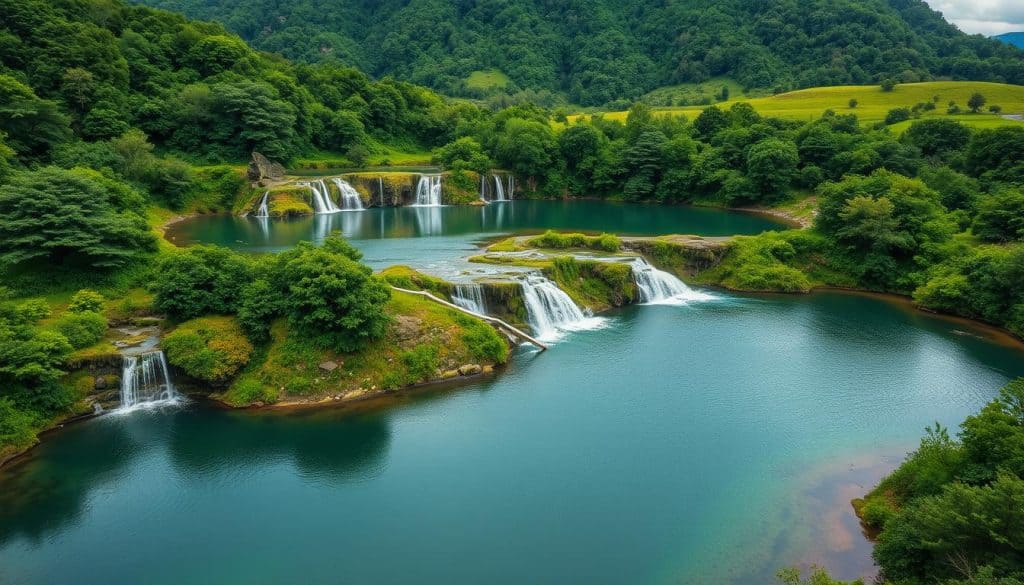
Imagine walking through a fairy-tale landscape where crystal-clear waters cascade down terraced lakes, creating a mesmerizing spectacle. Plitvice Lakes National Park in Croatia is a breathtaking natural wonder that captivates visitors with its unique water formations and lush surroundings.
Sixteen Terraced Lakes and Waterfalls
The park’s main attraction is its 16 terraced lakes, interconnected by a series of stunning waterfalls. The water flows from one turquoise basin to another, creating a natural water staircase through a forested canyon. This unique landscape is not just visually appealing but also a result of a natural process where calcium carbonate deposits create travertine barriers, constantly reshaping the lakes and falls.
Boardwalk Trails and Exploration
One of the unique features of Plitvice Lakes National Park is its wooden boardwalk system, allowing visitors to walk directly over the water and alongside the waterfalls. This immersive experience lets you feel the spray and hear the thundering water from just feet away. The relatively easy walking paths make this extraordinary landscape accessible to visitors of varying physical abilities.
Seasonal Transformations
The park transforms dramatically with the seasons. In the spring, the raging waterfalls and lush greenery create a vibrant atmosphere. Summer offers swimming opportunities in designated areas, while fall brings a stunning contrast between the colorful foliage and turquoise waters. In winter, the falls sometimes freeze into magical ice sculptures, offering a serene and peaceful landscape.
Plitvice Lakes National Park is not just a visual treat but also a haven for wildlife. The surrounding beech and pine forests are home to European wildlife, including bears, wolves, and numerous bird species. The park gained UNESCO World Heritage status in 1979, recognizing its outstanding universal value as one of Europe’s most beautiful natural landscapes.
Sagarmatha National Park: Home to Mount Everest
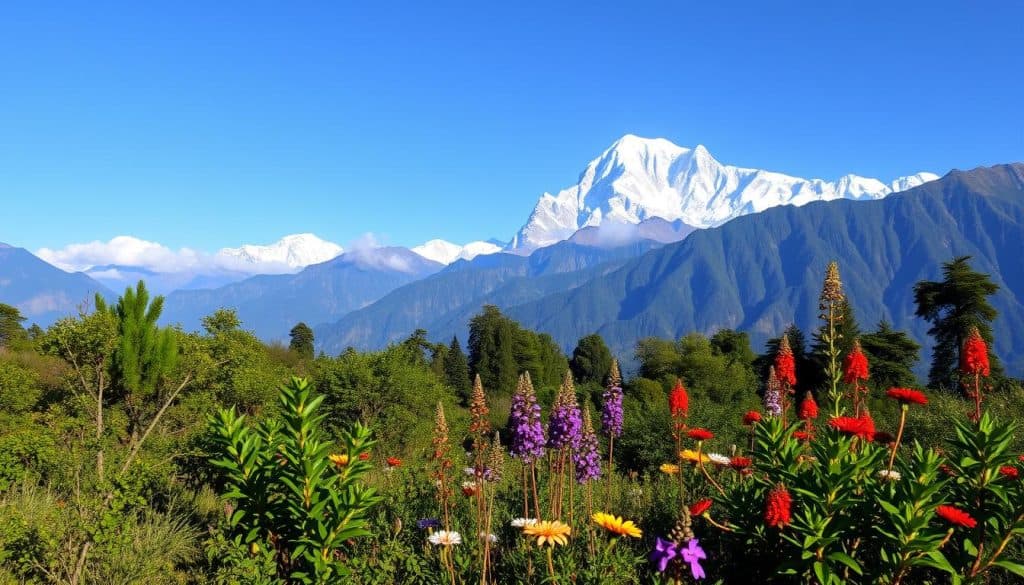
The rugged beauty of Sagarmatha National Park, with Mount Everest as its crown jewel, attracts trekkers and mountaineers from around the world. As a destination that embodies the spirit of adventure and exploration, this park in Nepal is home to some of the most breathtaking landscapes on Earth.
The World’s Highest Peak
Sagarmatha National Park is renowned for containing the ultimate mountain superlative – Mount Everest, known locally as Sagarmatha or Chomolungma. Standing at 29,032 feet above sea level, it is the highest point on Earth. The park encompasses not just Everest but an extraordinary collection of the world’s highest peaks, with four mountains over 8,000 meters and numerous others over 7,000 meters, creating the most dramatic high-altitude landscape on the planet.
The experience of seeing Mount Everest emerge from behind the clouds, its summit piercing the sky, is truly awe-inspiring. The sheer scale and majesty of the mountain leave visitors with unforgettable memories.
Sherpa Culture and Monasteries
The Sherpa culture adds a profound human dimension to the park experience. These high-altitude people have developed a unique way of life adapted to the extreme environment, along with spiritual practices that honor the mountains as sacred entities. Ancient Buddhist monasteries like Tengboche provide spiritual anchors in this harsh landscape, offering trekkers both cultural insights and breathtaking settings where prayer flags flutter against the backdrop of the world’s highest peaks.
Visiting these monasteries and interacting with the Sherpa community enriches the trekking experience, providing a deeper understanding of the local culture and traditions.
Trekking and Mountaineering Experiences
The Everest Base Camp trek is one of the world’s most iconic hiking adventures, drawing thousands of trekkers annually. The journey through Sherpa villages, across suspension bridges, and ultimately to the foot of the world’s highest mountain is a once-in-a-lifetime experience for many. The physical challenge of trekking in this high-altitude environment creates a sense of personal achievement that complements the visual splendor.
For those seeking more than just trekking, Sagarmatha National Park offers mountaineering opportunities that cater to various skill levels. The park’s rugged terrain and extreme weather conditions make it a true adventure destination.
Zhangjiajie: China’s Avatar Mountains
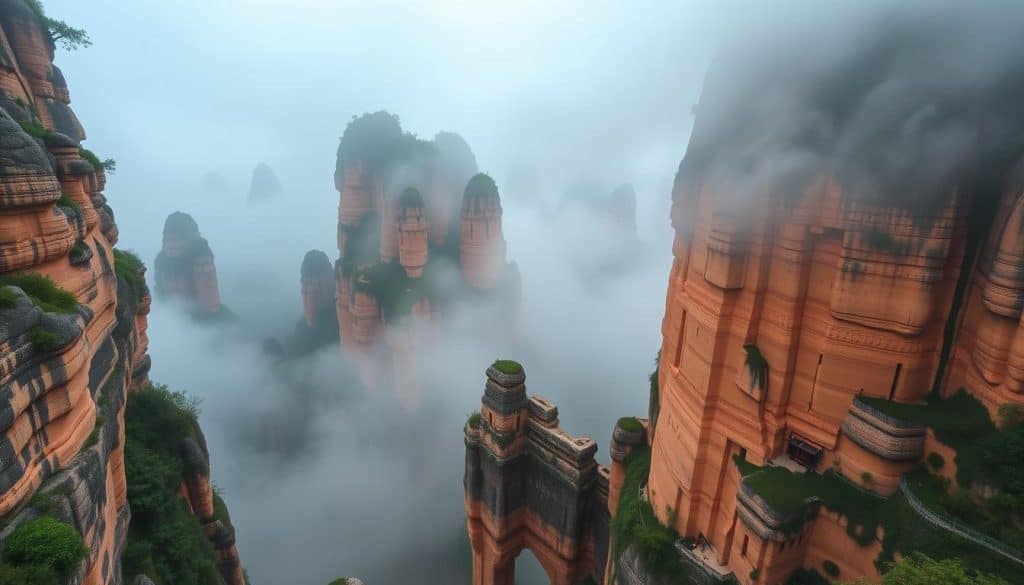
Zhangjiajie National Forest Park, with its surreal sandstone pillars, offers an otherworldly experience that draws travelers from across the globe. As you step into this breathtaking landscape, you’ll be surrounded by over 3,000 quartzite sandstone pillars that rise dramatically from the forest floor, some reaching heights of over 1,000 feet.
Towering Sandstone Pillars
The unique geological formations of Zhangjiajie are a result of centuries of physical erosion. The region’s abundant rainfall has gradually worn away the soft surrounding rock, leaving the harder quartzite columns standing. This process has created a forest of stone that seems to defy gravity.
The pillars, some of which exceed 200 meters in height, have become an iconic symbol of China’s natural beauty. As the morning mist frequently shrouds the lower portions of the pillars, it creates the illusion that the peaks are floating in the clouds—a phenomenon that has inspired Chinese landscape painting and poetry for centuries.
Glass Skywalks and Cable Cars
To enhance the visitor experience, Zhangjiajie National Forest Park features modern infrastructure such as the Bailong Elevator, known as the world’s highest outdoor elevator, and glass skywalks. These attractions provide thrilling perspectives on the unique landscape, allowing visitors to experience the vertigo-inducing heights firsthand.
The glass skywalks, in particular, offer a unique way to appreciate the park’s beauty. As you walk on the transparent glass floor, you’ll feel as though you’re floating among the clouds, with the towering sandstone pillars rising around you.
Cultural Significance and Film Inspiration
Zhangjiajie National Forest Park is not only a natural wonder but also a place of deep cultural significance. Many of the distinctive peaks are named after the animals or figures they resemble in local folklore, creating a landscape imbued with mythology and meaning.
The park gained international fame when its distinctive landscape served as inspiration for the floating “Hallelujah Mountains” in James Cameron’s film Avatar. This exposure brought a surge of visitors eager to experience the real-life alien landscape that inspired the movie’s breathtaking scenery.
Regional Gems: Underrated National Parks Worth Visiting
While famous national parks draw millions of visitors, there are numerous hidden gems that offer equally impressive experiences without the crowds. As we explore the world’s most remarkable national parks, it’s essential to look beyond the popular destinations and discover the lesser-known treasures that are just as breathtaking.
You might be surprised to find that some of the most beautiful and diverse landscapes are found in national parks that are off the beaten path. These parks offer a chance to connect with nature, experience unique landscapes, and enjoy outdoor activities like hiking and wildlife watching without the crowds.
Hidden Treasures in Asia and Oceania
Asia and Oceania are home to some of the most underrated national parks in the world. For instance, Khao Yai National Park in Thailand is a treasure trove of biodiversity, with rare orchids and unique wildlife. Similarly, Kinabalu National Park in Malaysia is a haven for nature lovers, with its lush rainforests and majestic mountain landscapes.
In Oceania, New Zealand’s Whanganui National Park is a must-visit, with its mystical “Bridge to Nowhere” and stunning river valleys. Australia’s Karijini National Park is another gem, featuring ancient gorges and emerald pools set amidst the red earth of the Outback.
| Park Name | Location | Main Attractions |
|---|---|---|
| Khao Yai National Park | Thailand | Rare orchids, unique wildlife |
| Kinabalu National Park | Malaysia | Lush rainforests, majestic mountain landscapes |
| Whanganui National Park | New Zealand | Mystical “Bridge to Nowhere”, river valleys |
Off-the-Beaten-Path Parks in the Americas
North America has its share of hidden gems, including Olympic National Park in Washington, which boasts a unique combination of glaciated mountains, temperate rainforest, and wild coastline. In South America, Chapada Diamantina in Brazil is a standout, with its table mountains and underground rivers. Tayrona National Park in Colombia is another must-visit, where jungle-covered mountains meet pristine Caribbean beaches.
These parks offer a range of outdoor activities, from hiking and camping to wildlife watching and scenic drives. They provide an opportunity to experience the natural beauty of the Americas without the crowds.
Europe and Africa’s Lesser-Known Wonders
Europe is home to some remarkable underrated national parks, such as Triglav National Park in Slovenia, which features the Julian Alps and emerald rivers. Ordesa y Monte Perdido National Park in Spain is another gem, with its dramatic Pyrenees landscapes and deep canyons.
In Africa, beyond the famous safari parks, lies Simien Mountains National Park in Ethiopia, known for its dramatic escarpments and unique wildlife, including the Gelada baboon. Nyungwe Forest National Park in Rwanda is another treasure, featuring an ancient montane rainforest and canopy walkway.
These national parks are not only worth visiting for their natural beauty but also for the adventure and experience they offer. Whether you’re a seasoned traveler or just looking for a new destination, these parks are sure to leave a lasting impression.
Conclusion: The Subjective Nature of “The Best” National Park
After exploring the diverse landscapes and ecosystems of the world’s top national parks, it’s clear that the concept of a single “best” park is subjective. The numerous national parks discussed in this article showcase the incredible beauty and diversity of our world, each offering unique experiences that cater to different interests and preferences.
For wildlife enthusiasts, parks like the Serengeti or Kruger might be considered the top destination due to their unparalleled animal encounters. In contrast, landscape photographers might prefer Torres del Paine or Zhangjiajie for their dramatic and unique geological features. Adventure seekers, on the other hand, might place Sagarmatha at the pinnacle for its mountaineering challenges.
The “best” park also depends on timing, as seasonal variations can dramatically transform these landscapes. Some parks show their finest features during specific months of the year, making the timing of a visit crucial to the overall experience. Moreover, personal factors such as weather conditions, wildlife activity, physical condition, and even emotional state all contribute to how one perceives a particular place.
Perhaps the most valuable approach is to view each national park as unique and incomparable, appreciating each for its distinctive qualities rather than ranking them against one another. By doing so, we can truly appreciate the extraordinary diversity of natural wonders our world has to offer.
In conclusion, while it’s challenging to declare a single “number one” national park, the journey of exploration and discovery is what truly matters. The true value lies not in finding a definitive answer but in being inspired to experience these incredible destinations firsthand.
FAQ
What makes a national park stand out as the best in the world?
The criteria for determining the top national park include natural beauty, biodiversity, visitor experience, and conservation efforts. Parks like Torres del Paine, with its iconic granite peaks and azure lakes, or Yellowstone, with its geothermal wonders, showcase exceptional natural beauty.
Are there any national parks that are considered must-visit destinations?
Yes, parks like Serengeti, known for the Great Migration, and Yosemite, with its granite cliffs and waterfalls, are among the most popular and highly-recommended national parks globally.
How do travel publications and conservation organizations rank national parks?
They consider factors such as unique landscapes, wildlife viewing opportunities, and visitor infrastructure. For example, Khao Sok National Park in Thailand is praised for its ancient rainforests and limestone karsts.
Can you visit these top national parks at any time of the year?
While some parks, like Banff, offer year-round activities, others have peak seasons due to weather or wildlife migration patterns. For instance, Torres del Paine is best visited during the Patagonian summer for hiking.
What are some of the lesser-known national parks worth visiting?
Parks like Plitvice Lakes in Croatia, known for its cascading lakes and waterfalls, and Zhangjiajie in China, famous for its towering sandstone pillars, are gaining popularity among travelers.
How can visitors contribute to the conservation of national parks?
By following park rules, respecting wildlife, and supporting local conservation efforts, visitors can help preserve these natural wonders for future generations.
Are there guided tours available in these national parks?
Yes, many parks offer guided tours, such as hiking tours in Fiordland National Park or wildlife safaris in Kruger National Park, enhancing the visitor experience and providing insights into the park’s ecosystem.
What role do national parks play in protecting biodiversity?
National parks serve as vital habitats for a wide range of flora and fauna, protecting them from habitat loss and other human impacts, thus preserving biodiversity.