

You’re not alone in your curiosity; the world’s most isolated destinations have long fascinated travelers and adventurers alike. According to the United Nations World Tourism Organization, Tuvalu holds the title of the world’s least-visited nation, with a mere 3,700 visitors gracing its shores in 2019.
This tiny Pacific island nation, home to just 12,000 people, has seen a remarkable surge in tourism, from 1,100 visitors in 2012 to 3,700 in 2019. As we explore the world’s least visited countries, we’ll delve into the factors that make certain destinations fly under the tourism radar.
Key Takeaways
- Tuvalu is officially recognized as the world’s least-visited country.
- The country has seen a significant increase in tourism over the years.
- Geographic isolation and limited infrastructure contribute to low visitor numbers.
- Exploring overlooked destinations can provide authentic travel experiences.
- Understanding the concept of “least visited” can reveal insights into global travel patterns.
The Allure of Untouched Destinations
Venturing into the world’s least visited countries is like uncovering a hidden treasure chest of unspoiled landscapes and untouched cultures. As travelers, we’re often drawn to the familiar, well-trodden paths that promise comfort and predictability. However, there’s a growing allure in exploring beyond these boundaries, into the heart of countries that remain largely untouched by mass tourism.
Each visit to these rarely explored countries reveals a treasure chest of unique experiences. You can stroll through small villages where traditions and customs have remained unchanged for centuries, allowing you to witness a different way of life. You might partake in local festivities, sample exotic cuisine, or learn a few phrases of a new language; each experience offering a story waiting to be told.
Why Travelers Seek Off-the-Beaten-Path Experiences
Travelers are increasingly seeking off-the-beaten-path experiences that offer more than just a typical tourist encounter. Visiting a least visited country provides an opportunity for authentic cultural exchanges, where interactions with locals are genuine and meaningful. You’re likely to experience greater hospitality and curiosity from the people you meet, creating connections that are both memorable and impactful.
The absence of tourist traps and commercialization means that your experience is not diluted by the usual suspects of mass tourism. Instead, you get to enjoy a more pristine and unspoiled environment, where the local way of life remains intact. This not only enriches your travel experience but also contributes to a more sustainable form of tourism.
The Value of Visiting Less Touristed Countries
Visiting less touristed countries has numerous benefits, both for the traveler and the local community. For one, your tourism dollars have a more direct and positive impact on the local economy. In many of these countries, the infrastructure is less developed, and your visit can make a significant difference in the lives of the people.
Moreover, traveling to these destinations broadens your understanding of the world and its diverse cultures. You’re exposed to new perspectives, challenges, and ways of life, which can be both enlightening and humbling. The experience is not just about sightseeing; it’s about immersing yourself in a different culture and gaining a deeper appreciation for the complexities of our world.
In conclusion, the allure of untouched destinations lies in their ability to offer unique, enriching experiences that are both personally rewarding and beneficial to the local communities. As we explore these hidden gems, we not only discover new aspects of our world but also contribute to the preservation of their natural beauty and cultural heritage.
How Tourism Statistics Are Measured
Tourism statistics are a vital tool for understanding the health of a nation’s tourism industry, but have you ever wondered how these numbers are actually measured? As we delve into the world of tourism data, it becomes clear that measuring visitor numbers is a complex task, especially for remote and less visited countries.
The process involves multiple sources and methodologies, which we’ll explore in this section. Understanding these statistics is crucial for analyzing the impact of tourism on various countries around the world.
Sources of Global Tourism Data
Global tourism data is compiled from various sources, including national tourism boards, immigration records, and surveys conducted at borders or through hotels and tour operators. The World Tourism Organization (WTO) plays a significant role in standardizing these statistics across different countries.
For instance, the WTO publishes an annual World Tourism Barometer, which provides insights into global tourism trends. National tourism boards and statistical offices also release reports that detail visitor numbers, tourist demographics, and the economic impact of tourism.
“The collection of tourism statistics is a complex task that requires the coordination of various stakeholders, including government agencies, tourism operators, and statistical offices.”
Challenges in Counting Visitors to Remote Nations
Counting visitors to remote nations poses several challenges. Many of these countries lack the infrastructure to accurately track tourist movements. For example, some visitors may arrive by air, while others come by sea, and not all arrivals are formally recorded.
Additionally, the limited capacity of local statistical offices can result in delayed or incomplete data. The isolation of some destinations makes it difficult to conduct regular surveys or gather information from tourists.
| Country | Visitors in 2019 | Visitors in 2022 |
|---|---|---|
| Tuvalu | 1,400 | 1,000 |
| Kiribati | 12,000 | 2,000 |
| Niue | 800 | 610 |
Impact of COVID-19 on Recent Tourism Numbers
The COVID-19 pandemic had a profound impact on tourism worldwide, particularly in remote and less visited countries. Many of these nations closed their borders entirely, resulting in a significant drop in visitor numbers.
For example, Kiribati saw a decline from 12,000 visitors in 2019 to just 2,000 in 2022. Similarly, Niue reported only 610 visitors in 2021, a significant drop from pre-pandemic levels.
The pandemic highlighted the vulnerability of tourism-dependent economies and the need for diversification. It also accelerated changes in travel motivations and demographics, with some tourists seeking more isolated destinations post-pandemic.
What is the number 1 least visited country? Tuvalu
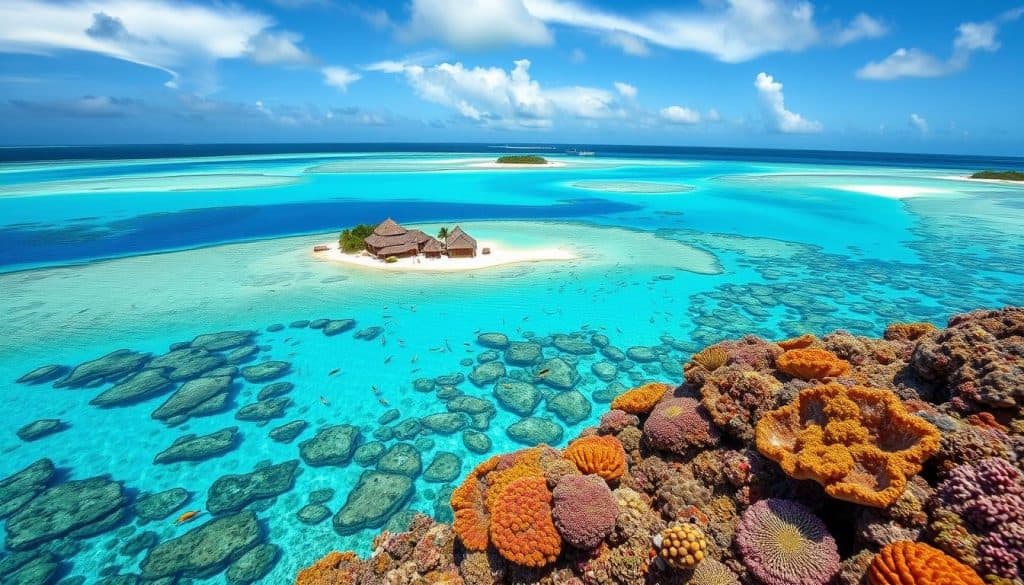
With fewer than 200 visitors per year, Tuvalu holds the distinction of being the least visited country globally. This tiny Pacific nation is a treasure trove of unspoiled natural beauty, rich cultural heritage, and serene landscapes.
Geography and Basic Facts About Tuvalu
Tuvalu is a small island nation located about halfway between Hawaii and Australia. It comprises nine islands with a total land area of approximately 10 square miles. The country is known for its stunning atolls, including the Funafuti Atoll, which is a protected conservation area.
The Funafuti Conservation Area is a 33-square-kilometer marine protected zone that encompasses several islets and reef systems. This area is teeming with tropical fish and offers spectacular snorkeling and diving opportunities among vibrant coral reefs.
Why So Few People Visit Tuvalu
Despite its natural beauty, Tuvalu remains one of the most challenging destinations to reach. The country has limited connectivity, with no direct international flights and restricted accommodation options. Additionally, the infrastructure on the islands is basic, which can make traveling within Tuvalu difficult.
The limited accessibility and lack of tourist infrastructure are significant barriers to tourism. However, for those who make the journey, Tuvalu offers a unique and rewarding experience.
Unique Experiences Tuvalu Offers
Tuvalu is an unspoiled island paradise that offers a range of unique experiences for visitors. The country’s pristine atolls and reefs provide an ideal setting for snorkeling and diving, with vibrant coral gardens and an abundance of tropical fish.
Visitors can experience the authentic Polynesian culture of Tuvalu by attending community events such as evening te ano (ball) games or lively fatele dances. Interacting with the locals, who are genuinely curious about outsiders, provides a deeper understanding of the Tuvaluan way of life.
The slow pace of life in Tuvalu, coupled with limited internet connectivity, makes it an ideal destination for those seeking a digital detox. Travelers can unwind and rejuvenate in a serene and peaceful environment, away from the stresses of modern life.
Tuvalu’s unique experience is not just about relaxation; it’s also about being part of a community that is deeply connected to its traditions and environment. With only ~11,000 inhabitants, Tuvalu is a close-knit society where visitors can experience genuine hospitality.
The Marshall Islands: Second Least Visited Nation
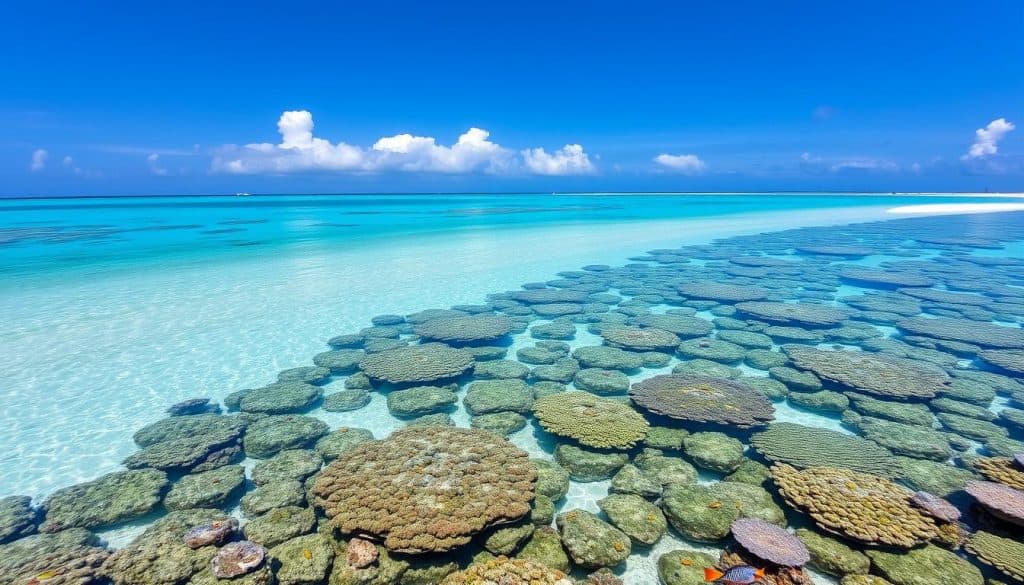
Located in the vast Pacific Ocean, the Marshall Islands remain a hidden gem for travelers seeking untouched destinations. As you consider visiting this remote archipelago, you’re not just planning a trip; you’re embarking on an adventure that few others have experienced.
History and Location of the Marshall Islands
The Marshall Islands are situated roughly halfway between Hawaii and Australia, comprising 29 coral atolls and five islands. This Pacific nation has a rich and complex history, having been a site for significant historical events, including World War II battles and subsequent nuclear testing by the United States. Understanding the history of the Marshall Islands is crucial to appreciating its current state and the resilience of its people.
The islands’ strategic location in the Pacific made them a prized possession during World War II, serving first as a Japanese stronghold before being used for extensive U.S. nuclear testing in the post-war period. This tumultuous past has left a lasting legacy on the islands, both in terms of their cultural heritage and their physical landscape.
Barriers to Tourism in the Marshall Islands
Despite their natural beauty and historical significance, the Marshall Islands face several challenges that limit tourism. The remote location of the islands makes them difficult to access, with limited flight connections and no direct international flights from most countries. Additionally, the infrastructure for tourism is underdeveloped, with few luxury accommodations and limited amenities for visitors.
The legacy of nuclear testing has also left its mark, with some areas still contaminated and not suitable for visitation. However, efforts are being made to preserve the natural environment and promote sustainable tourism practices that benefit the local communities.
Attractions and Activities for Visitors
For the adventurous traveler, the Marshall Islands offer a range of unique experiences. One of the most notable attractions is Bikini Atoll, known for its diving opportunities among the sunken fleet of warships from the 1946 atomic tests. The atoll is now an underwater museum, with wreckage including the USS Saratoga aircraft carrier and the Japanese battleship Nagato.
Beyond its historical sites, the Marshall Islands boast pristine beaches and vibrant coral reefs, offering excellent opportunities for snorkeling, fishing, and kayaking. Visitors can also experience the local culture by learning about traditional Marshallese navigation techniques and handicrafts, such as the intricate weaving of pandanus mats.
As you explore the Marshall Islands, you’ll have the chance to engage with the local community and experience the authentic island life, far removed from the crowds found in more popular tourist destinations. With fewer than 200 visitors per year to some of its outer atolls, the Marshall Islands offer an unparalleled level of isolation and tranquility for those willing to venture off the beaten path.
Niue: The “Rock of Polynesia”
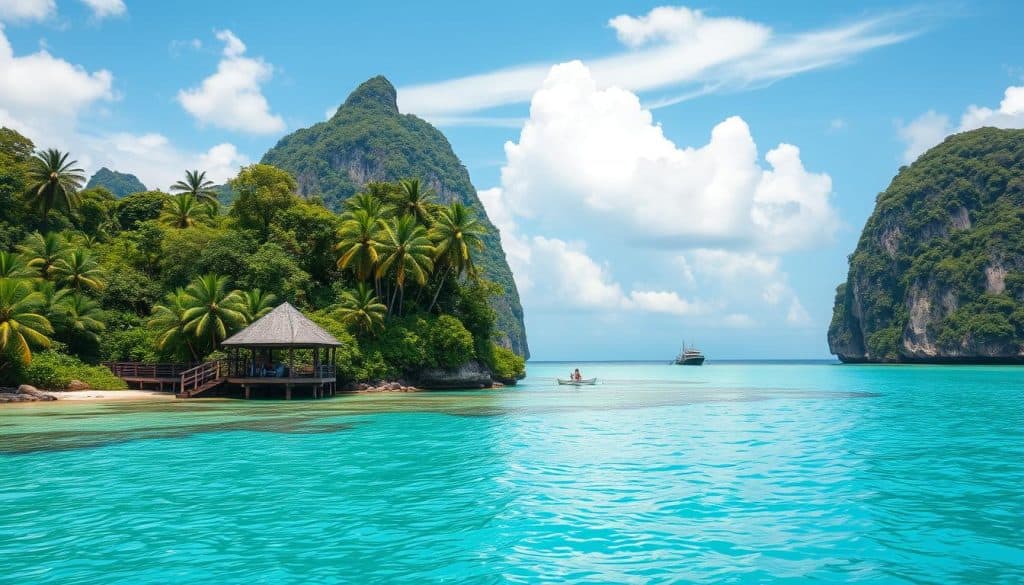
Niue, affectionately known as the “Rock of Polynesia,” is a hidden gem in the Pacific that offers an unparalleled island experience. This small island nation is characterized by its rugged beauty, vibrant culture, and commitment to conservation.
Niue’s Unique Geography and Culture
Niue’s geography is as diverse as it is breathtaking. The island boasts sun-kissed beaches, dramatic limestone caves, and lush rainforests. Visitors can enjoy swimming and diving in the crystal-clear waters, explore the island’s network of sea tracks, or simply relax on the pristine beaches.
The culture of Niue is deeply rooted in its Polynesian heritage. The island’s people are known for their warm hospitality and rich traditions. As a tourist, you have the unique opportunity to participate in village life, learn traditional crafts, and experience the genuine warmth of Niue’s people.
Why Tourism Remains Limited in Niue
Despite its many attractions, Niue remains one of the least visited countries in the world, with only a few hundred visitors per year. The main reason for this is its remote location and limited accessibility. Niue is connected to the outside world by only one weekly flight, making it a challenging destination to reach.
However, this limited accessibility also means that Niue has been able to maintain its pristine environment and unspoiled culture. The island’s commitment to conservation and sustainable tourism practices ensures that the natural beauty and cultural heritage of Niue are preserved for future generations.
What Makes Niue Worth Visiting
Niue offers a unique experience for those who venture to this remote island. From diving and swimming with humpback whales to exploring the island’s dramatic landscapes, there’s no shortage of exciting activities to enjoy. The island’s commitment to conservation also makes it an ideal destination for nature lovers and those seeking an authentic cultural experience.
As a tourist in Niue, you’ll have the opportunity to engage with the local people and learn about their way of life. With its unspoiled environment, rich culture, and warm hospitality, Niue is a destination that will leave a lasting impression on all who visit.
Kiribati: A Nation Across Four Hemispheres
Imagine a country that exists in four hemispheres, where the world’s largest marine protected area beckons you to explore its unspoiled beauty. Kiribati is a nation that spans across the globe, offering a unique experience for the adventurous traveler.
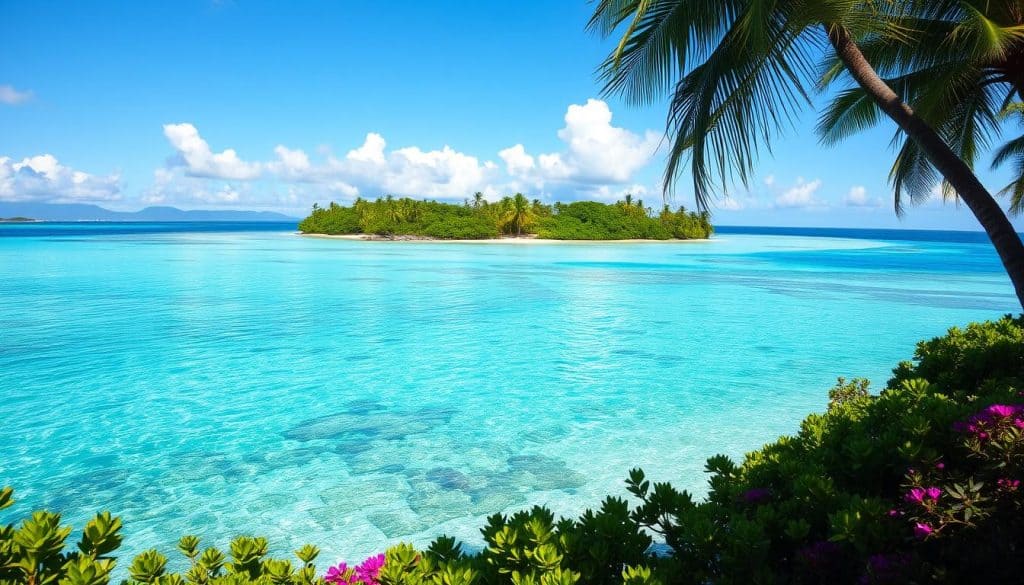
Understanding Kiribati’s Vast Geography
Kiribati is an island nation that comprises 33 coral atolls and islands, spread across all four hemispheres. This vast geography makes it a fascinating destination for those interested in exploring diverse ecosystems and experiencing the rich cultural heritage of the Pacific.
The islands of Kiribati are not only geographically diverse but also offer a glimpse into the untouched beauty of the Pacific. From the Line Islands to the Phoenix Islands, each atoll has its unique charm and attractions.
Challenges Facing Kiribati’s Tourism Industry
Despite its natural beauty and rich history, Kiribati faces several challenges in developing its tourism industry. The remote location of the islands and limited infrastructure make it difficult for visitors to access and explore the area. Additionally, the fragile ecosystem requires careful management to ensure that tourism does not harm the environment.
Kiribati receives a very small number of visitors per year, which is a challenge for the local economy. However, this also means that the islands remain pristine and unspoiled, offering a unique experience for those who venture there.
Experiences and Sights in Kiribati
Kiribati offers a wide range of experiences for the adventurous traveler. From surfing and fishing to exploring World War II historical sites and immersing oneself in the local culture, there’s something for everyone. The Phoenix Islands Protected Area, a UNESCO World Heritage site, is a must-visit destination for nature lovers and those interested in history.
Visitors can enjoy world-class fishing, particularly for bonefish on Christmas Island (Kiritimati), and explore the pristine coral ecosystems of the Phoenix Islands Protected Area. The islands also offer opportunities for birdwatching and island hopping, providing a glimpse into the unspoiled facets of this captivating realm.
Federated States of Micronesia: Hidden Pacific Gem
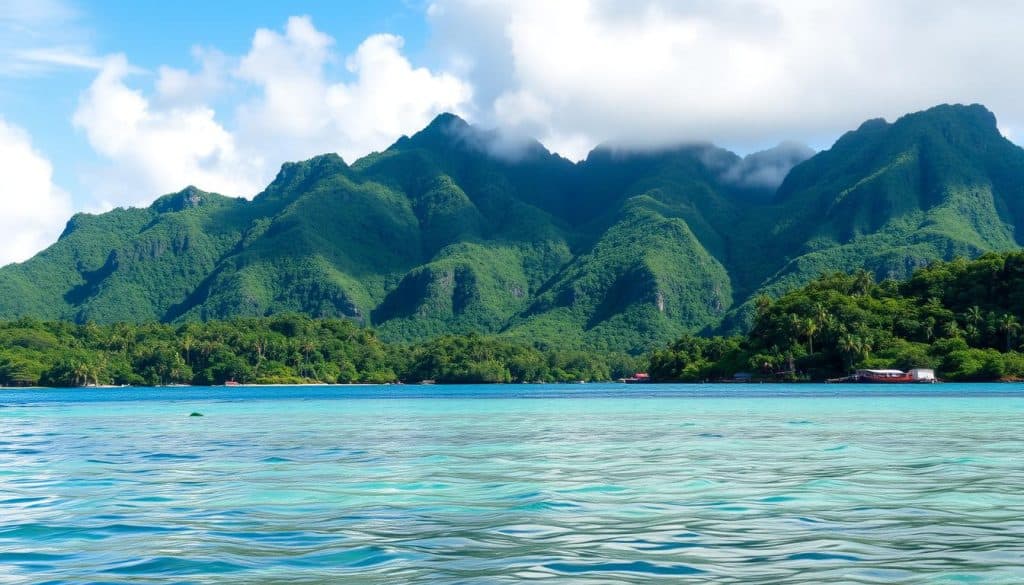
Tucked away in the vast Pacific Ocean, the Federated States of Micronesia beckons adventurous travelers with its untouched beauty and rich history. This archipelago, nestled between the Marshall Islands and Palau, is a treasure trove of historical sites, vibrant culture, and breathtaking natural beauty.
The Four States of Micronesia
The Federated States of Micronesia comprises four states: Chuuk, Kosrae, Pohnpei, and Yap. Each state offers a unique experience for visitors. Chuuk is renowned for its WWII wrecks, making it a paradise for wreck diving enthusiasts. Pohnpei is home to the ancient city of Nan Madol, a UNESCO World Heritage Site, which showcases the rich history of the region.
Yap is famous for its traditional culture, including the use of stone money (rai) and traditional navigation techniques. Kosrae, the least visited state, boasts pristine beaches and lush rainforests, ideal for hiking and experiencing traditional island life.
Why Micronesia Sees Few Tourists
Despite its many attractions, Micronesia receives fewer tourists compared to other Pacific destinations. The limited accessibility, with few direct flights, is a significant barrier. Additionally, the lack of developed tourism infrastructure in some areas deters visitors. However, for those who venture there, the experience is unparalleled.
The remote location and limited connectivity contribute to the low number of tourists per year. Yet, this isolation is part of Micronesia’s charm, offering an authentic and unspoiled experience for adventurous travelers.
Adventures Awaiting in Micronesia
Micronesia is a haven for adventure seekers. The islands offer a range of activities, from exploring the Chuuk Lagoon’s underwater museum to hiking through the lush rainforests of Kosrae. Visitors can also experience the vibrant culture by attending traditional dances and learning about the history of the region.
For those looking to dive into the history of WWII, Chuuk Lagoon is one of the world’s premier wreck diving sites, with over 60 Japanese ships and planes sunk during Operation Hailstone in 1944. On land, the ancient city of Nan Madol on Pohnpei is a must-visit, with its mysterious artificial islets built from massive basalt logs.
Other Notable Least Visited Countries
Beyond the least visited countries already mentioned, there are several other nations that see very few tourists. These countries, while not necessarily the absolute least visited, still receive remarkably few visitors compared to global tourism hotspots.
São Tomé and Príncipe
São Tomé and Príncipe, an island nation off the coast of Gabon, is one of these hidden gems. With a population of around 215,000, this former Portuguese colony boasts lush tropical landscapes, volcanic peaks, and beautiful beaches. The country receives fewer than 20,000 tourists per year, largely due to its remote location and limited international flights. However, for adventurous travelers, São Tomé and Príncipe offers a unique blend of African, Portuguese, and Brazilian cultural influences, making it a fascinating destination.
The capital, São Tomé, is known for its colonial architecture, vibrant markets, and historic sites like the Fort of São Tomé. The islands are also home to diverse wildlife, including various bird species and the endemic São Tomé giant weaver bird. Visitors can explore the untouched rainforests, relax on pristine beaches, or dive in the crystal-clear waters.
Montserrat
Montserrat, a British Overseas Territory in the Caribbean, is another country that sees very few visitors. The island’s volcanic activity, which began in the 1990s, has significantly impacted tourism. Despite the challenges, Montserrat offers a unique experience for those willing to venture there. With a population of about 5,000, the island is quiet and peaceful, offering a chance to relax in a truly off-the-beaten-path destination.
Visitors can explore the exclusion zone around the volcano, visit the Montserrat Volcano Observatory, or enjoy the island’s beautiful beaches and lush landscapes. The island’s capital, Plymouth, is now a ghost town due to the volcanic eruptions, adding a haunting beauty to the island’s landscape.
Solomon Islands
The Solomon Islands, a Pacific nation known for its stunning natural beauty, receives around 30,000 visitors annually. The country’s capital, Honiara, offers a mix of modern and traditional experiences, from bustling markets to historic sites like the Guadalcanal American Memorial. The islands are rich in history, with evidence of human habitation dating back thousands of years.
Tourists can explore the islands’ pristine waters, dive among coral reefs, or visit traditional villages to experience the local culture. The Solomon Islands are also known for their WWII history, with numerous sites and museums commemorating the battles that took place there.
Comoros
Comoros, an archipelago off the coast of East Africa, is another country that remains off the radar for many travelers. With a population of around 850,000, Comoros has a rich cultural heritage, blending African, Arab, and French influences. The country receives fewer than 30,000 tourists per year, largely due to its limited accessibility.
Visitors to Comoros can enjoy the beautiful beaches, explore the volcanic landscapes, or experience the local culture by visiting traditional villages and markets. The capital, Moroni, is known for its historic sites, including the Grand Mosque and the old medina.
Guinea-Bissau
Guinea-Bissau, nestled between Senegal and Guinea in West Africa, is one of the world’s least visited countries, receiving approximately 52,000 visitors per year. Once a Portuguese colony, the country conceals a treasure trove of history, pristine beaches, lush forests, and diverse wildlife. Despite political instability and economic challenges, Guinea-Bissau offers authentic experiences for adventurous travelers.
The Bijagós Archipelago, a UNESCO Biosphere Reserve, is a highlight of the country, with its untouched natural beauty and diverse wildlife, including rare saltwater hippos. Visitors can experience traditional village life, relax on undeveloped beaches, and enjoy wildlife viewing without the crowds found in more popular African destinations.
Why These Countries Receive So Few Visitors
There’s a multitude of reasons why certain countries remain off the beaten path for most travelers. The world’s least visited countries share some common characteristics that make them challenging to visit.
Geographic Isolation and Accessibility Issues
One of the primary reasons some countries receive so few visitors is their geographic isolation. Countries like Tuvalu and the Marshall Islands are tiny islands in the South Pacific, making them expensive and difficult to reach. The lack of direct flights and limited transportation options discourage many potential tourists.
For instance, Tuvalu is only accessible by boat, and the journey is often arduous. Similarly, the Marshall Islands require travelers to fly through major hubs, making the journey long and costly. This isolation not only affects the number of tourists but also impacts the local economy and the ability to develop tourism infrastructure.

Limited Tourism Infrastructure
The lack of tourism infrastructure is another significant barrier to visiting these countries. Many of the least visited countries lack modern amenities such as hotels, restaurants, and guided tours that travelers often take for granted.
In countries like Kiribati and the Federated States of Micronesia, the limited infrastructure makes it difficult for tourists to plan their trips. The absence of reliable accommodation options and tourist facilities means that visitors must be highly self-sufficient and flexible, deterring many would-be travelers.
Political Instability and Safety Concerns
Political instability and safety concerns also play a significant role in discouraging visitors. Countries that are currently or have recently been war zones, such as Yemen and Afghanistan, are naturally avoided by tourists due to safety concerns.
Additionally, countries with strict visa requirements or complex application processes, like North Korea and Turkmenistan, create barriers for potential visitors. Travel advisories issued by major governments can also significantly influence tourism flows, often discouraging travel to countries perceived as dangerous.
Perceptions of safety, whether accurate or not, significantly influence travel decisions. Media coverage of political events can create lasting negative impressions, further reducing the number of visitors to these countries.
The Environmental Impact of Low Tourism
As we explore the world’s most remote nations, we uncover a striking contrast between their untouched environments and the looming threats they face due to global climate shifts. The least visited countries, often comprising beautiful islands and island nations, are not only preserved due to their inaccessibility but are also on the frontlines of climate change.
Preservation of Natural Ecosystems
The lack of tourism in these countries has inadvertently preserved their natural ecosystems. With fewer people visiting, there’s less human impact on their environments. For instance, Tuvalu, one of the least visited countries, boasts pristine beaches and coral reefs that remain largely untouched.
This preservation is crucial for maintaining biodiversity. Many of these nations are home to unique species found nowhere else in the world. The isolation has allowed ecosystems to thrive without the pressures of mass tourism, which can lead to habitat destruction and pollution.
Moreover, the limited infrastructure development in these countries has helped maintain their natural state. With fewer roads, hotels, and other tourist facilities, the natural habitats remain intact, providing a haven for wildlife and a treasure trove of unspoiled landscapes for the few tourists who venture there.
Climate Change Threats to Least Visited Nations
Despite their pristine conditions, the least visited countries are among the most vulnerable to climate change. Rising sea levels pose a significant threat to low-lying island nations like Kiribati and the Marshall Islands. Increased storm intensity and frequency further exacerbate the risks, damaging infrastructure and disrupting the fragile ecosystems.
Climate change also leads to coral bleaching, affecting the beautiful reefs that are a hallmark of many of these island nations. Moreover, the salinization of freshwater sources due to sea-level rise poses a significant challenge to local communities, impacting both their daily lives and the potential for tourism development.
The dilemma facing these countries is complex. While increased tourism could bring much-needed revenue, it also risks exacerbating the environmental pressures they face. Thus, there’s a pressing need for sustainable tourism practices that support local economies without undermining the very attractions that draw visitors to these unique destinations.
Cultural Preservation in Rarely Visited Nations
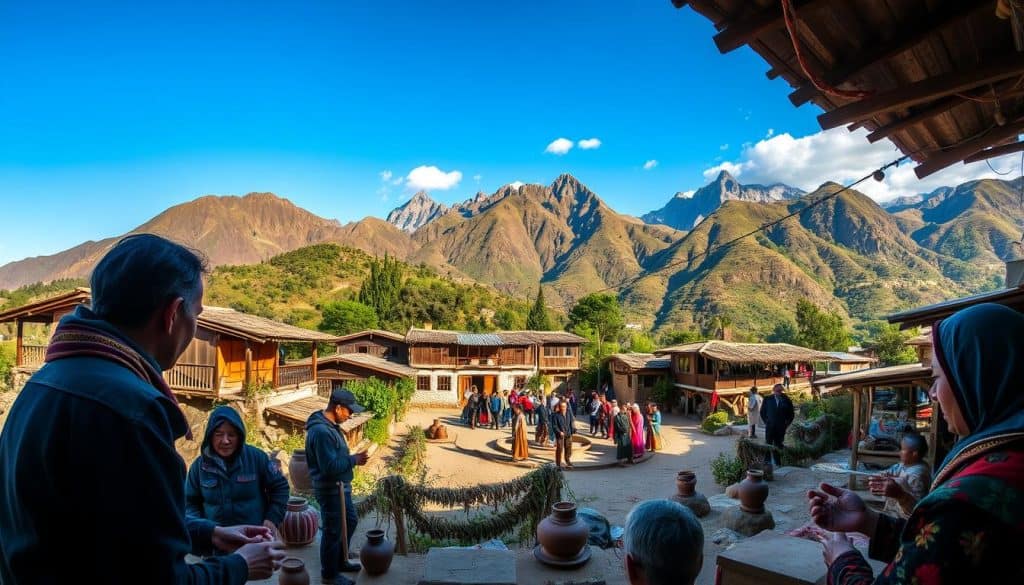
As we explore the world’s least visited countries, we uncover a unique opportunity to preserve cultural heritage. The isolation of these nations has naturally protected their traditions and ways of life. In this section, we’ll delve into how limited tourism impacts cultural preservation and the challenges that arise when considering tourism development.
Preserving Traditions Through Limited Tourism
The limited exposure to tourists in these countries has helped maintain their cultural authenticity. With fewer visitors, there’s less risk of cultural homogenization and more opportunity for these nations to preserve their unique traditions. For instance, in Tuvalu, the local culture remains vibrant and untouched by mass tourism. The community-based initiatives in place ensure that any tourism development is carefully managed to respect and preserve local customs.
Some of the ways limited tourism helps preserve traditions include:
- Reducing the influence of external cultural factors
- Maintaining traditional practices and customs
- Protecting cultural heritage sites from over-tourism
By limiting the number of visitors, these countries can safeguard their cultural identities and ensure that their traditions continue to thrive.
Balancing Cultural Authenticity with Tourism Development
While limited tourism has its benefits, there’s also a need to consider the economic benefits that tourism can bring. The challenge lies in balancing cultural preservation with tourism development. This requires careful planning and management to ensure that tourism initiatives are sustainable and respectful of local cultures.
Some countries are adopting innovative approaches to achieve this balance, such as:
- Implementing community-based tourism projects that directly benefit local communities
- Establishing cultural heritage protection policies to safeguard traditional practices
- Setting limits on visitor numbers to prevent over-tourism
By adopting these strategies, rarely visited nations can benefit from tourism while preserving their cultural heritage. As we move forward, it’s essential to consider the long-term impacts of tourism development and work towards solutions that benefit both local communities and visitors alike.
Planning a Trip to the World’s Least Visited Countries
For intrepid travelers, the world’s least visited countries offer a unique experience, but planning such a trip demands a deep understanding of the logistical hurdles involved. As you consider visiting these remote destinations, it’s essential to be aware of the challenges and opportunities that come with traveling to such untouched parts of the world.

Logistical Challenges and Solutions
One of the primary challenges in visiting the least visited countries is the limited transportation options available. Many of these countries are isolated, with infrequent flights and limited connectivity. However, this challenge can be mitigated by planning well in advance and researching alternative routes. For instance, combining multiple countries in a single trip can make the journey more manageable and cost-effective.
Travelers can also consider using regional airline passes, which can provide significant savings and flexibility when traveling between remote destinations. Moreover, being flexible with travel dates and considering off-season travel can also help in navigating the logistical challenges.
Best Times to Visit
The best time to visit the least visited countries varies significantly depending on the region and climate. For example, the Pacific island nations are generally best visited during the dry season, which typically falls between April and October. In contrast, some African countries have a more complex climate pattern, requiring careful planning to avoid the rainy seasons.
Understanding the local climate and weather patterns is crucial for a successful trip. It’s also worth noting that visiting during the off-season can not only save money but also provide a more authentic experience with fewer tourists.
Budgeting for Remote Destinations
Budgeting for a trip to the world’s least visited countries requires careful consideration of several factors, including transportation, accommodation, and food. While daily costs in these destinations may be relatively low, the cost of reaching them can be prohibitively expensive. To manage costs effectively, travelers should consider planning longer stays to amortize the high transportation costs.
It’s also worth noting that price structures vary significantly across different regions. For instance, Pacific island nations tend to have higher costs due to their reliance on imported goods, while some African countries offer more budget-friendly experiences. By understanding these dynamics, travelers can better plan their trip and make the most of their experience in these unique destinations.
For more information on planning your trip to remote countries, you can visit RJ Travel Agency for expert advice and guidance.
Responsible Tourism in Vulnerable Destinations
The allure of untouched destinations comes with a responsibility to preserve their integrity. As tourists, we have the power to make a positive impact or inadvertently cause harm to the places we visit. The world’s least visited countries are particularly vulnerable due to their limited infrastructure and resources.
When traveling to these secluded nations, it’s essential to be mindful of our actions and their consequences. This involves being aware of local customs, respecting the environment, and supporting local communities.
Ethical Considerations When Visiting Rarely Touristed Places
Visiting rarely touristed places requires a thoughtful approach to avoid unintended consequences. One of the primary ethical considerations is the potential disruption of local ways of life. Tourists must be aware of their presence and strive to minimize their impact.
- Be respectful of local customs and traditions.
- Avoid removing natural or cultural artifacts as souvenirs.
- Minimize your environmental footprint by reducing waste and conserving resources.
By adopting these practices, visitors can help preserve the cultural and natural heritage of the destinations they visit.
Supporting Local Economies Through Tourism
Tourism can be a significant source of income for local economies in least visited countries. However, it’s crucial that the economic benefits are distributed fairly and that tourism is managed sustainably.
| Strategy | Benefit |
|---|---|
| Choose locally owned accommodations | Keeps money within the local economy |
| Hire local guides | Supports local employment and provides authentic experiences |
| Purchase locally made products | Promotes local artisans and craftspeople |
By implementing these strategies, tourists can contribute to the local economy and help create sustainable livelihoods for the people in these vulnerable destinations.
The Future of Tourism in the Least Visited Countries
The world’s least visited countries are on the cusp of a tourism revolution, driven by changing traveler behaviors and technological advancements. As we look to the future, it’s essential to understand the factors that will shape the tourism industry in these nations.
Emerging Trends and Development Plans
Many of the world’s least visited countries are now focusing on developing their tourism infrastructure. For instance, Tuvalu and the Marshall Islands are investing in improving their airport facilities and accommodation options. These development plans are crucial for attracting more visitors and creating a sustainable tourism industry.
Some key initiatives include:
- Improving transportation links to and within the countries
- Developing eco-tourism projects that preserve natural habitats
- Promoting cultural heritage sites through digital platforms
These initiatives not only aim to increase tourist numbers but also to ensure that tourism development is aligned with the countries’ sustainable development goals.
The Social Media Effect on Hidden Destinations
Social media has become a powerful tool in shaping tourism trends, particularly for the world’s least visited countries. The “Instagram effect” has been observed in various destinations, where increased social media exposure leads to a surge in visitor numbers.
For example, places like Niue and Kiribati have seen an increase in tourists following social media campaigns that highlight their unique landscapes and cultural experiences. However, this increased visibility can be a double-edged sword. While it brings economic benefits, it also poses challenges in terms of preserving the natural and cultural integrity of these destinations.
To mitigate these risks, some countries are taking a strategic approach to social media marketing. They are using these platforms to promote responsible tourism practices and attract visitors who are aligned with their development goals.
Key considerations for the future include:
- The role of virtual reality in promoting tourism to remote destinations
- The impact of influencer marketing on tourist behaviors
- The need for sustainable tourism practices in fragile ecosystems
As the tourism landscape continues to evolve, it’s clear that technology and changing traveler preferences will play a significant role in shaping the future of tourism in the world’s least visited countries.
Comparing Least vs. Most Visited Countries
In the realm of global tourism, there’s a striking difference between the countries that attract millions of visitors and those that remain largely untouched. This contrast offers a compelling narrative about the diverse experiences available to travelers today.
What the Most Popular Destinations Have in Common
The world’s most visited countries, such as France, Spain, and the United States, share certain characteristics that draw tourists in droves. These destinations often boast rich cultural heritage, iconic landmarks, and well-developed tourism infrastructure. For instance, Bangkok, Thailand, tops the list with over 22 million visitors annually, thanks to its vibrant street life, historical sites, and modern amenities. Similarly, Paris, France, attracts over 17.4 million visitors each year with its enchanting boulevards, world-class museums, and romantic ambiance.
These popular destinations have several factors in common:
- Easy accessibility and transportation options
- A wide range of accommodation choices
- Diverse dining and entertainment options
- Well-marked tourist trails and guided tours
- Multilingual support for international visitors
According to recent data, the top visited countries have seen a steady increase in tourism, with some experiencing a surge in numbers due to improved connectivity and marketing efforts. For example, a visit to the least visited countries reveals that they lack some of these key factors, making them less accessible but potentially more rewarding for adventurous travelers.
The Unique Appeal of Untouristed Places
On the other end of the spectrum, the least visited countries offer a different kind of travel experience. Places like Tuvalu, the Marshall Islands, and Niue provide unspoiled natural beauty, authentic cultural encounters, and adventure opportunities that are often missing in more crowded destinations. These countries may lack the infrastructure of their more popular counterparts, but they make up for it with their untouched landscapes, unique traditions, and warm hospitality.
Travelers to these regions often report feeling a deep sense of connection with the local environment and communities. The unique appeal of these untouristed places lies in their ability to offer:
- Immersive cultural experiences
- Unspoiled natural environments
- Opportunities for adventure and exploration
- A chance to disconnect from the digital world
Finding Balance in Your Travel Experiences
As travelers, we can learn from both the most visited and least visited countries. By understanding what makes each type of destination appealing, we can create a more balanced approach to our travel experiences. This might involve combining visits to popular cities with excursions to lesser-known regions, or alternating between different types of destinations to suit our mood and preferences.
For instance, a trip to a bustling metropolis like Tokyo could be paired with a visit to the more secluded islands of Kiribati or the Federated States of Micronesia. By doing so, travelers can enjoy the comforts and conveniences of popular destinations while also experiencing the adventure and authenticity of less visited places.
In conclusion, the contrast between the most visited and least visited countries offers travelers a wealth of choices. By embracing both types of destinations, we can create a richer, more diverse travel experience that caters to our desire for comfort, adventure, and cultural immersion.
Conclusion: The Value of Exploring the Road Less Traveled
In wrapping up our exploration of the globe’s most overlooked nations, we find that the true value of travel lies in the road less traveled. Throughout this article, we’ve delved into the world’s least visited countries, uncovering the unique experiences they offer to the adventurous traveler. From Tuvalu, currently holding the title of the number 1 least visited country with about 3,700 visitors per year, to other hidden gems like the Marshall Islands, Niue, and Kiribati, each destination presents its own charm and challenges.
Visiting these countries is not just about checking off a bucket list; it’s about immersing oneself in untouched cultures and ecosystems. The experience of traveling to these remote locations can be transformative, encouraging a more thoughtful and intentional approach to tourism. As tourists, we have the power to impact these destinations, and by doing so responsibly, we can help preserve the qualities that make them so special.
The future of tourism in these countries is a delicate balance between development and preservation. As the world becomes more interconnected, there’s a growing interest in exploring beyond the familiar tourist trail. This presents both opportunities and challenges for the people living in these nations. On one hand, increased tourism can bring economic benefits; on the other, it risks altering the very essence of these places.
As we look to the future, it’s essential to consider how we can support these destinations in a way that is sustainable and respectful. This involves being mindful of our impact as tourists and choosing to engage with local economies in a meaningful way. By doing so, we not only enrich our own travel experiences but also contribute to the preservation of these unique world cultures and environments for visitors in the years to come.
In conclusion, the least visited countries offer a wealth of experience and discovery for those willing to venture off the beaten path. As you plan your next trip, consider incorporating some of these hidden gems into your itinerary. The rewards of traveling to such destinations extend far beyond the journey itself, offering a deeper understanding of the world and its diverse cultures. So, the next time you plan a trip, ask yourself: are you ready to explore the road less traveled?
FAQ
What are the main challenges faced by the tourism industry in the Marshall Islands?
The Marshall Islands face several challenges, including limited infrastructure, geographic isolation, and accessibility issues, making it difficult for tourists to visit.
How does the World Tourism Organization measure tourism statistics?
The World Tourism Organization measures tourism statistics through various sources, including data from national tourism boards, border controls, and surveys.
What makes Tuvalu an attractive destination for tourists?
Tuvalu offers a unique experience for tourists, with its pristine beaches, coral reefs, and untouched natural beauty, making it an attractive destination for those seeking off-the-beaten-path experiences.
Why is Kiribati considered a challenging destination for tourists?
Kiribati is considered a challenging destination due to its vast geography, limited infrastructure, and accessibility issues, making it difficult for tourists to travel within the country.
How can tourists support local economies in the Federated States of Micronesia?
Tourists can support local economies in the Federated States of Micronesia by engaging in responsible tourism practices, such as staying in locally-owned accommodations, eating at local restaurants, and participating in local activities.
What are some of the unique experiences offered by São Tomé and Príncipe?
São Tomé and Príncipe offers a range of unique experiences, including diving, surfing, and exploring the island’s lush forests and pristine beaches.
How can tourists help preserve the natural ecosystems of the least visited countries?
Tourists can help preserve the natural ecosystems of the least visited countries by engaging in responsible tourism practices, such as reducing their carbon footprint, respecting local environments, and supporting conservation efforts.
What are some of the logistical challenges of planning a trip to the world’s least visited countries?
Planning a trip to the world’s least visited countries can be challenging due to limited infrastructure, accessibility issues, and the need for careful planning and research.