

The UK is home to some of the world’s most breathtaking landscapes, with 15 national parks across England, Scotland, and Wales. These protected areas are not just refuges for rare wildlife and plants but also vibrant communities where people live and work.
As someone who’s passionate about exploring the great outdoors, I’m excited to share with you the significance of these national parks. They cover substantial portions of the UK and are crucial for conservation, recreation, and cultural preservation.
But have you ever wondered which of these stunning areas attracts the most visitors each year? Let’s dive into the world of UK national parks and uncover the answer.
Key Takeaways
- The UK has 15 national parks that are significant for their natural beauty and cultural heritage.
- These parks are lived-in landscapes, differing from wilderness areas found in other countries.
- National parks play a vital role in conservation, recreation, and cultural preservation.
- Millions of visitors are drawn to these areas each year.
- The most visited national park in the UK is a must-visit destination for outdoor enthusiasts.
The Unique Nature of UK National Parks
National parks in the UK are not just wilderness areas, but lived-in landscapes. As Carey Davies, hiker, naturalist, and author of “National Parks Of The United Kingdom,” notes, “The Industrial Revolution made the British the world’s first predominantly urban population. It’s vital that people have breathing spaces and retain our connections to the land.” This need for balance between urban life and nature became particularly pronounced after World War Two, when the UK was left with an exhausted population seeking oases of calm and space.
Differences from International Counterparts
UK national parks differ significantly from those in countries like the US or Canada. Unlike their international counterparts, UK national parks are not vast, uninhabited wilderness areas owned by the government. Instead, they are landscapes that include towns, villages, and working farms. For instance, the Peak District National Park is home to over 38,000 people and features a mix of agricultural land, villages, and towns.
The Formation of UK National Parks
The history of UK national parks is rooted in the need for public access to the countryside. The National Parks and Access to the Countryside Act of 1949 paved the way for the designation of the first national parks in the early 1950s. A significant event in this history is the Kinder Scout mass trespass of 1932, which highlighted the public’s desire for access to beautiful areas. Today, UK national parks serve dual purposes: conserving natural beauty and cultural heritage while promoting public enjoyment and understanding.
| National Park | Year Designated | Key Features |
|---|---|---|
| Peak District | 1951 | Hills, valleys, villages |
| Lake District | 1951 | Lakes, mountains, literary heritage |
| Snowdonia | 1951 | Mountains, lakes, Welsh culture |
The management of these parks is entrusted to individual National Park Authorities, which have special planning powers to protect the landscape while supporting local communities. This unique approach allows the UK’s national parks to maintain their natural beauty and cultural significance while being integral to the lives of those who live and work within them.
What is the most visited national park in the UK?
If you’re wondering which national park in the UK is the most popular, the answer lies in the stunning Lake District. As a nature lover and frequent visitor to these beautiful areas, I’m excited to share some insights on the most visited national parks in the UK.
Visitor Statistics and Rankings
The Lake District National Park is definitively the most visited national park in the UK, attracting approximately 15.8 million visitors annually according to the most recent comprehensive statistics. To put this into perspective, let’s look at some visitor statistics across different national parks.
| National Park | Visitor Numbers (millions) | Visitor Days (millions) |
|---|---|---|
| Lake District | 15.8 | 23.1 |
| South Downs | – | 39 |
| Peak District | – | – |
While the Lake District leads in total visitors, the South Downs actually records more visitor days (39 million compared to 23.1 million) due to its proximity to population centers.
Factors Affecting Park Popularity
So, what makes a national park popular? Several factors come into play, including accessibility from major cities, iconic landscapes, cultural associations, and available activities. For instance, the Peak District benefits from its central location near major population centers like Manchester, Sheffield, and Derby, making it easily accessible for day trips.
Tourism infrastructure, including accommodation, restaurants, and attractions, also plays a significant role in determining which parks receive the most visitors. Additionally, seasonal variations can affect visitor numbers, with some parks experiencing extreme differences between peak summer months and quieter winter periods.
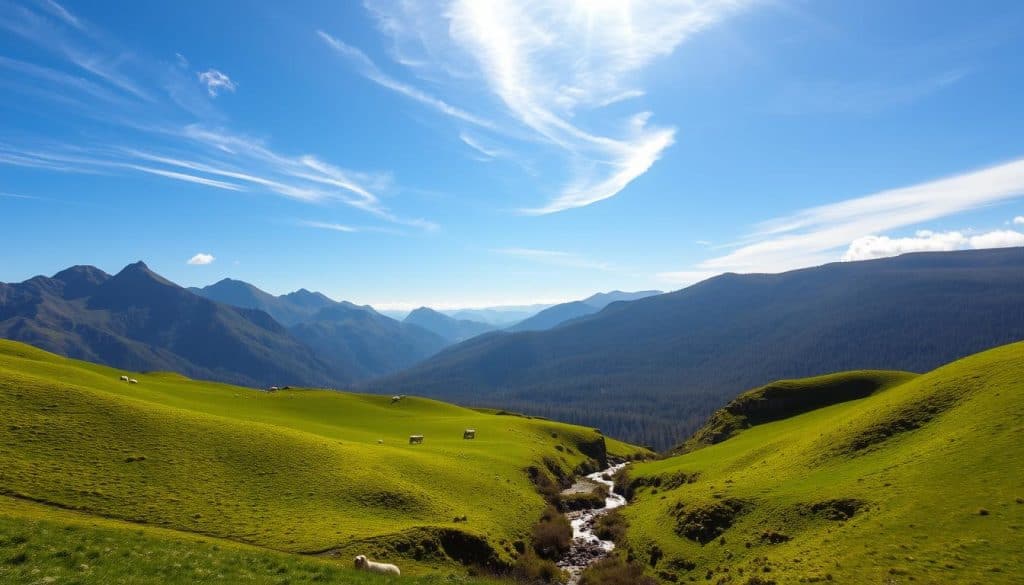
Lake District National Park: The UK’s Most Visited Park
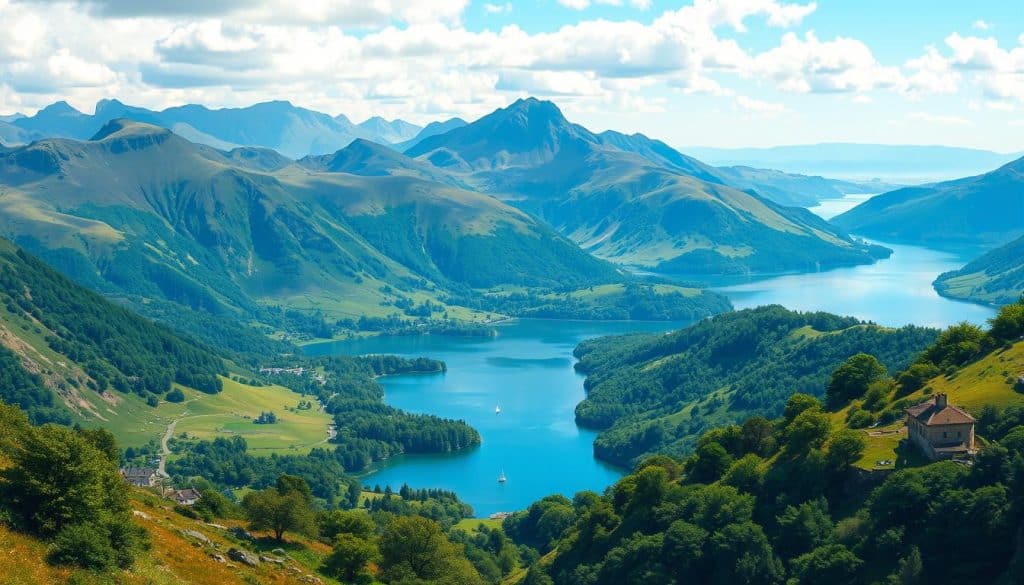
The Lake District National Park, a UNESCO World Heritage site since 2017, is a treasure trove of natural and cultural wonders. It’s the unique blend of the “sublime and the cosy” that draws millions of visitors to this northern England gem every year.
Landscape Features and Natural Beauty
The Lake District is characterized by its dramatic landscape of glacially carved valleys, 16 major lakes, and England’s highest mountains, including Scafell Pike, which stands at 978 meters. This breathtaking scenery creates a picturesque setting that attracts visitors from around the world.
The park’s natural beauty is not just about its mountains and lakes; it’s also about the human-altered landscapes, such as the patchworks of dry stone-walled fields and sheep farms, which have been part of the landscape since the Viking era.
Popular Activities and Attractions
Visitors to the Lake District can enjoy a wide range of activities, from gentle lake cruises on Windermere, England’s largest natural lake, to more challenging hikes up Helvellyn’s Striding Edge. Water sports on Derwentwater are also a popular pastime.
The charming towns and villages, such as Ambleside, Keswick, and Grasmere, serve as perfect bases for exploring the park. They add to the park’s cozy appeal, complementing its sublime landscapes.
Literary Connections and Cultural Heritage
The Lake District has a rich literary heritage, having inspired writers like William Wordsworth and Beatrix Potter. The park’s cultural significance is deeply intertwined with its natural beauty, making it a unique destination.
The influence of the Romantics and the enduring popularity of Beatrix Potter’s tales have contributed significantly to the park’s appeal, attracting visitors who come to experience the landscapes that inspired these literary works.
Peak District: The First Designated National Park
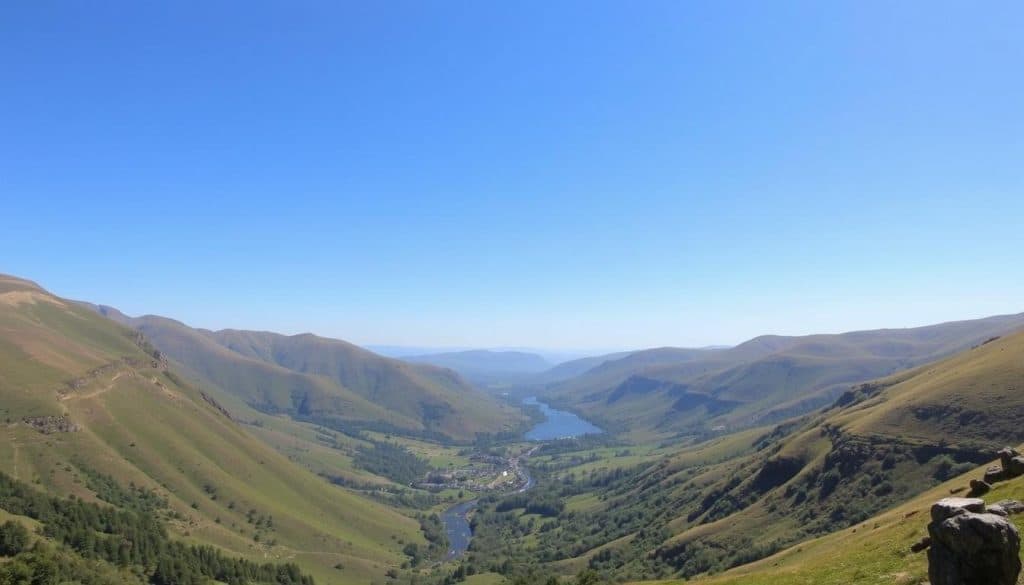
Located in the heart of England, the Peak District National Park was a groundbreaking designation in 1951. As the UK’s first national park, it set a precedent for conservation and public access to the countryside.
Historical Significance and Accessibility
The Peak District’s designation was the culmination of decades of campaigning, notably sparked by the Kinder Scout mass trespass in 1932. This event was pivotal in the movement for public access to private land, eventually leading to the creation of national parks in the UK. The park’s central location makes it highly accessible, with around a third of England’s population able to reach it within an hour’s drive. This accessibility contributes to its popularity, attracting approximately 13 million visitors annually.
Must-See Locations and Activities
The Peak District is renowned for its contrasting landscapes, from the dramatic gritstone edges and moorlands of the Dark Peak to the picturesque limestone dales and villages of the White Peak, such as Castleton and Bakewell. Visitors can explore a range of attractions, including Chatsworth House, Stanage Edge, and the stepping stones at Dovedale. For the more adventurous, there’s walking the Pennine Way or cycling the Monsal Trail through former railway tunnels. The park is also rich in industrial history, with sites like Cromford Mill offering insights into its heritage.
Whether you’re interested in history, walking, or simply taking in the breathtaking scenery, the Peak District National Park has something for everyone. Its unique blend of natural beauty and cultural significance makes it a must-visit destination.
South Downs National Park: A Newcomer with High Visitor Days
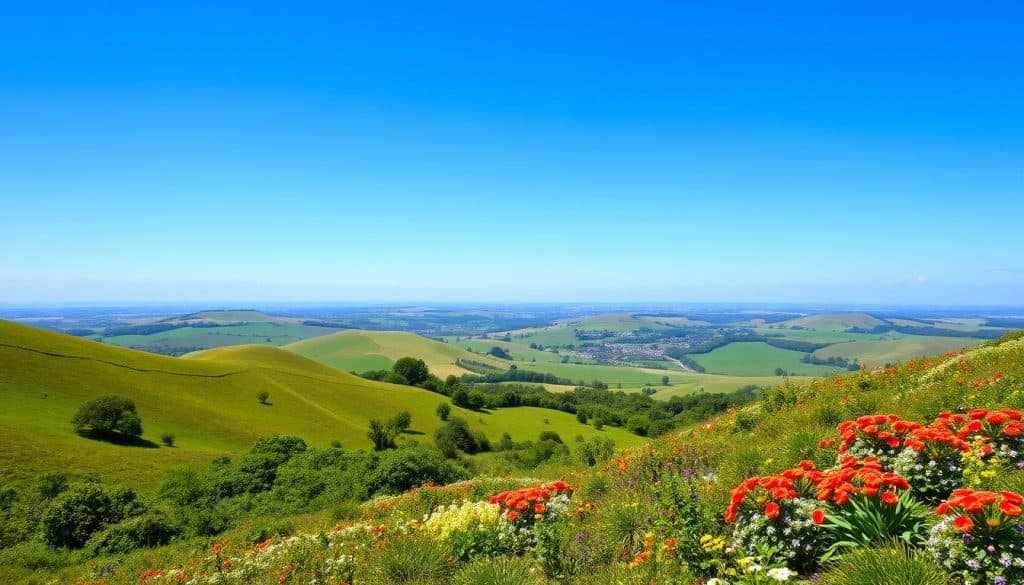
The South Downs National Park, established in 2010, boasts an impressive 39 million visitor days annually. This relatively new national park has quickly become a favorite among tourists and locals alike, thanks to its unique landscape and rich heritage.
Unique Chalk Landscapes and Heritage
The South Downs is characterized by its distinctive chalk landscape, featuring rolling hills, ancient woodlands, and iconic white cliffs at Seven Sisters and Beachy Head. The 100-mile South Downs Way national trail runs the length of the park, offering spectacular views and attracting thousands of walkers, cyclists, and horse riders each year. The park is also home to a rich heritage, including prehistoric sites like Cissbury Ring hill fort and historic estates such as Petworth House.
Accessibility from London and Popular Sites
The South Downs National Park is easily accessible from London, with many areas within an hour’s train ride. This proximity makes it an ideal destination for day trips and weekend getaways, contributing to its high number of visitor days. Popular sites within the park include Devil’s Dyke with its panoramic views, the historic Arundel Castle, and the tranquil Cuckmere Haven where the river meets the sea in a series of meanders.
Visitors can enjoy a variety of activities, including walking the South Downs Way, exploring the park’s charming market towns like Lewes, and experiencing the local heritage. With its unique landscape and rich heritage, the South Downs National Park is a must-visit destination for anyone looking to explore the beauty of England’s countryside.
Snowdonia (Eryri) National Park: Wales’ Mountain Paradise
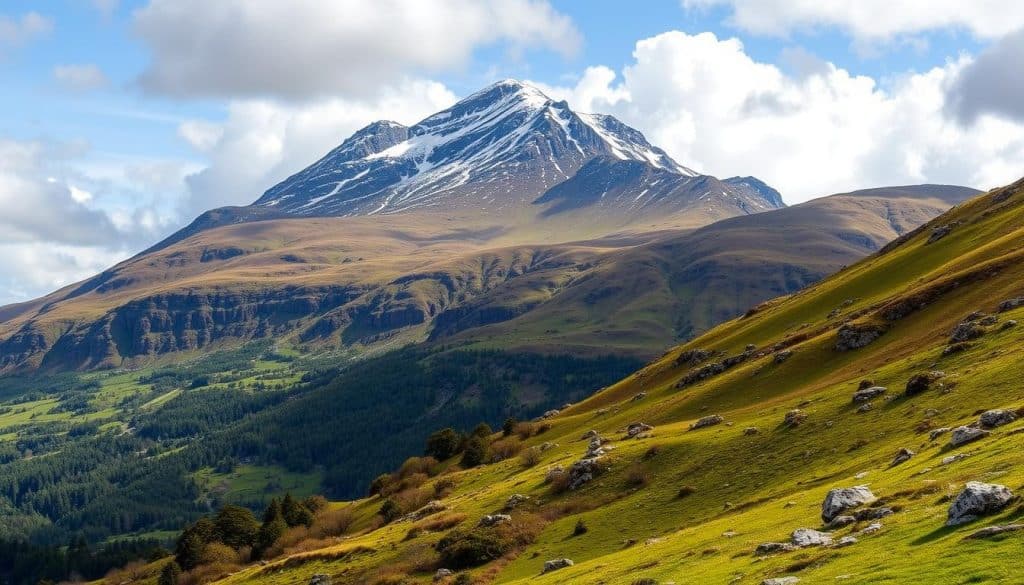
Snowdonia (Eryri) National Park, with its breathtaking mountain landscapes, is a paradise for adventurers and those seeking natural beauty. As I explore this magnificent region, I’m struck by its unique charm and the recent efforts to honor its cultural heritage by adopting Welsh names for its landmarks.
Dramatic Mountain Landscapes and Yr Wyddfa
The park is home to Wales’ highest peak, Yr Wyddfa (Snowdon), standing at 1,085 meters. The dramatic, jagged mountain landscapes here are distinct from other UK national parks, with formations like Tryfan and the Glyderau range creating an almost alpine feel. The natural architecture of the Snowdon massif, including Yr Wyddfa, the Glyderau, and Cader Idris, is often more jagged and angular than the Lake District.
The rock erodes into incredible formations, such as Castell y Gwynt (“Castle of the Wind”), adding to the park’s unique beauty. This makes Snowdonia a fantastic place for adventure: climbing, scrambling, and adventurous walking.
Adventure Activities and Celtic Heritage
Snowdonia (Eryri) National Park is the UK’s premier destination for mountaineering, rock climbing, and mountain biking. Attractions like Zip World, home to the fastest zip line in the world, and Surf Snowdonia, add to its appeal for thrill-seekers. The park is also rich in Celtic heritage, with ancient stone circles, Roman remains, and magnificent castles like Harlech and Dolbadarn.
The Welsh language remains vibrant in this region, and visitors can experience the local culture firsthand. From taking the historic Snowdon Mountain Railway to the summit of Yr Wyddfa to exploring picturesque villages like Betws-y-Coed and Beddgelert, there’s no shortage of exciting experiences.
The park’s unique ecological features, including rare Arctic-alpine plants and temperate Celtic rainforests with their rich diversity of mosses, lichens, and ferns, make it a fascinating destination for nature enthusiasts.
The Cairngorms: The UK’s Largest National Park
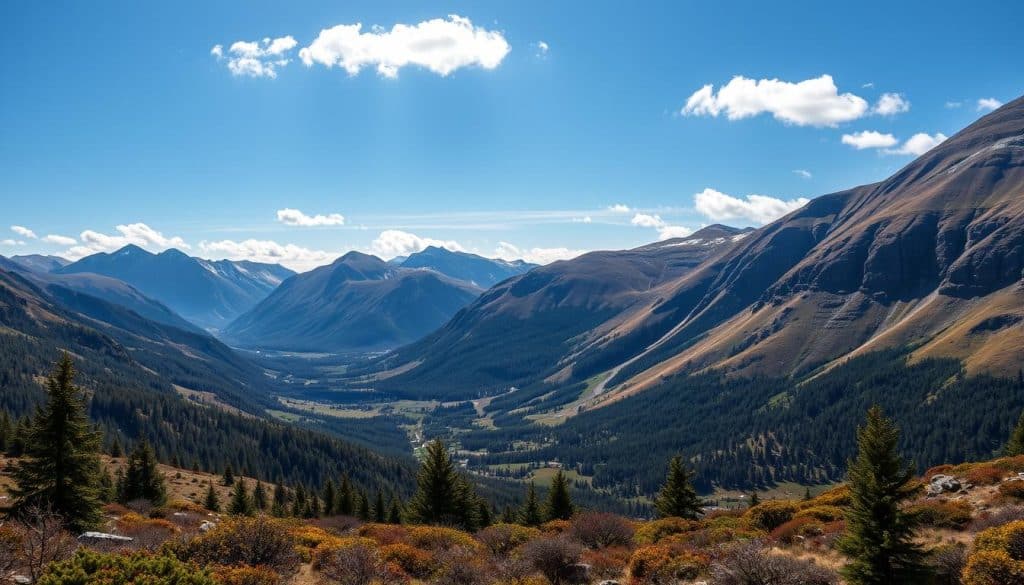
As the UK’s largest national park, the Cairngorms covers an impressive area, boasting unique ecosystems and breathtaking scenery. Spanning 4,528 square kilometers, it is nearly twice the size of the Lake District, making it a vast and diverse landscape that appeals to hikers, bikers, and outdoor enthusiasts.
Vast Wilderness and Arctic-Alpine Ecosystems
The Cairngorms is characterized by its vast wilderness and Arctic-alpine ecosystems, featuring five of Scotland’s six highest mountains. This high mountain plateau is one of the UK’s most hostile landscapes, with winds that can reach 170mph. Yet, it is home to a variety of wildlife, including snow bunting, ptarmigan, and mountain hares, making it a fascinating destination for wildlife watching.
The park’s unique landscape more closely resembles those found in Scandinavia or Canada than the rest of Britain, offering a genuine wilderness experience.
Wildlife and Rewilding Initiatives
The Cairngorms is renowned for its exceptional wildlife, including rare species such as capercaillie, pine martens, red squirrels, golden eagles, and the UK’s only free-ranging reindeer herd. The ancient Caledonian pine forest remnants within the park are significant, representing the last vestiges of a vast forest that once covered much of Scotland.
Ongoing rewilding initiatives aim to restore these native woodlands, enhancing biodiversity and preserving the natural beauty of the Cairngorms. The park’s diverse appeal is further demonstrated by popular destinations such as Aviemore, an outdoor adventure hub, and Royal Deeside, where the British Royal Family has their Scottish home at Balmoral Castle.
Pembrokeshire Coast: The UK’s Only Primarily Coastal National Park
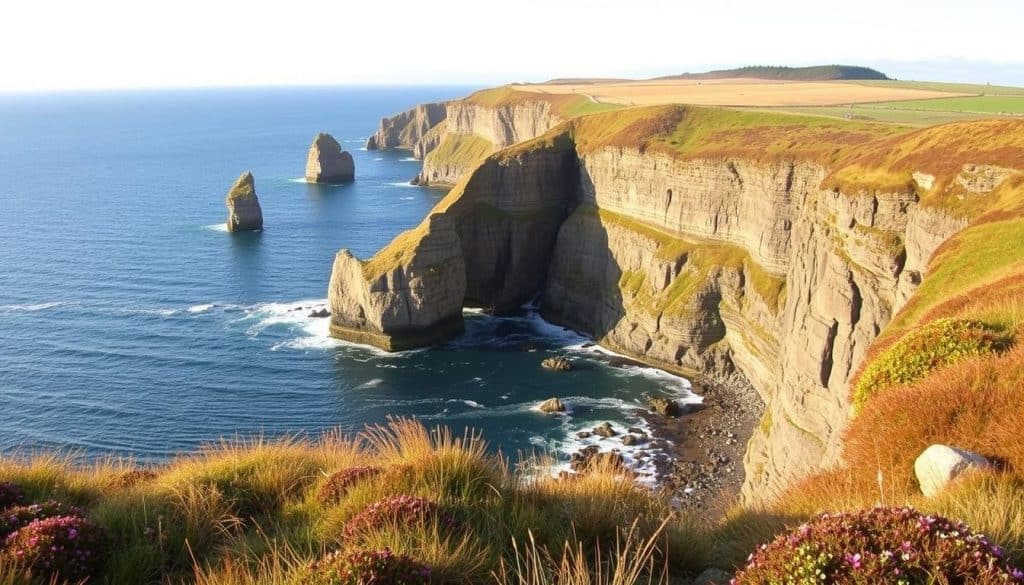
The Pembrokeshire Coast National Park stands out as the UK’s only national park primarily designated for its stunning coastline. Spanning 186 miles, the Pembrokeshire Coast Path National Trail offers breathtaking views of dramatic limestone cliffs, secluded coves, and over 50 beaches with golden sands and sometimes turquoise waters.
Dramatic Coastlines and Marine Wildlife
The park’s coastline varies dramatically, from the rugged volcanic headlands in the north to the limestone cliffs and arches in the south, creating one of Europe’s most spectacular coastal landscapes. This diverse landscape is home to exceptional marine wildlife, including Atlantic grey seal colonies, porpoises, dolphins, and occasionally whales. The offshore islands, such as Skomer, Skokholm, and Ramsey, host internationally important seabird colonies.
The islands are teeming with species like Manx shearwaters, puffins, guillemots, razorbills, and gannets. Skomer Island is particularly significant for its puffin colony and large population of Manx shearwaters, hosting roughly half the world’s population.
The Coastal Path and Island Excursions
The Pembrokeshire Coast Path is one of Britain’s finest long-distance walking routes, offering constantly changing views and relatively manageable terrain. Visitors can explore the coastline on foot or by kayak, or take one of the many boat tours to the bird-rich islands. The park is also rich in human history, with Neolithic burial chambers, Iron Age forts, and medieval castles adding cultural interest to the natural beauty.
Whether you’re interested in wildlife, scenic walks, or exploring historical sites, Pembrokeshire Coast National Park has something to offer. Its unique combination of natural beauty and cultural heritage makes it a must-visit destination.
The Broads: Britain’s Unique Wetland National Park
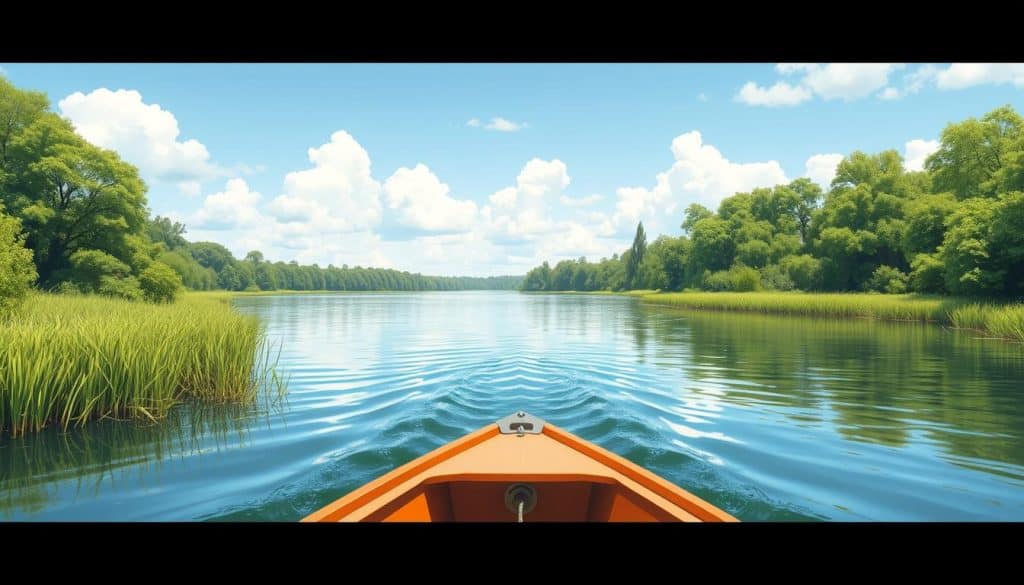
As a national park with “equivalent status,” The Broads offers an experience unlike any other in the UK. This unique wetland area is not only a haven for wildlife but also a paradise for those who love the water.
Navigable Waterways and Rare Wildlife
The Broads National Park boasts an impressive network of over 125 miles of navigable, lock-free waterways. This aquatic labyrinth is home to a quarter of Britain’s rarest wildlife species, including the only breeding population of common cranes and the UK’s largest butterfly, the swallowtail.
The landscape is characterized by shallow lakes, rivers, fens, and marshes, creating a diverse range of habitats that support a wide variety of species. Visitors can explore the quiet marshlands and reedbeds, where they might catch a glimpse of otters or hear bitterns booming.
Boating and Water-Based Activities
The Broads is Britain’s premier destination for boating holidays, with numerous options for hiring traditional wooden sailing boats or motor cruisers. Visitors can also explore the waterways by canoe or paddleboard, offering a more serene experience.
For those who prefer to stay on land, the Broads’ many footpaths offer stunning views across the open landscape. Whether you’re interested in nature walks, birdwatching, or simply enjoying the tranquility of the area, The Broads National Park has something for everyone.
Other Notable National Parks Worth Visiting
The UK boasts a wealth of national parks, with many hidden gems waiting to be discovered. While some parks attract more visitors, others offer equally compelling landscapes and experiences. In this section, we’ll explore some of these lesser-known yet remarkable national parks.
Yorkshire Dales and North York Moors
The Yorkshire Dales is known for its distinctive limestone landscapes, featuring dramatic waterfalls like Aysgarth Falls and extensive cave systems. The famous Three Peaks of Whernside, Ingleborough, and Pen-y-ghent attract thousands of hikers attempting to climb all three in under 12 hours. In contrast, the North York Moors offers a unique combination of one of Europe’s largest expanses of heather moorland and a dramatic coastline featuring fishing villages like Staithes and Robin Hood’s Bay.
| Park | Key Features | Popular Activities |
|---|---|---|
| Yorkshire Dales | Limestone landscapes, waterfalls, cave systems | Hiking, caving |
| North York Moors | Heather moorland, dramatic coastline | Hiking, wildlife watching |
Loch Lomond and The Trossachs
Loch Lomond and The Trossachs, Scotland’s first national park, captures the transition between the Lowlands and Highlands. It features Britain’s largest lake by surface area, Loch Lomond, and 21 Munros (mountains over 3,000 feet). This park offers a diverse range of landscapes and activities, from boating on Loch Lomond to hiking in the Trossachs hills.

Other notable mentions include the Brecon Beacons in Wales, known for its spectacular mountain scenery and dark sky status, making it perfect for stargazing. Parks like Dartmoor, Exmoor, and the New Forest also offer unique landscapes and experiences, from mysterious tors and prehistoric remains to ancient woodland and free-roaming ponies.
Conclusion: The Future of UK National Parks
UK national parks are facing modern challenges, but they’re also part of the solution. As refuges for wildlife and nature, they play a vital role in addressing biodiversity loss and climate change.
With visitors drawn to their beauty, these parks support local communities while promoting conservation. As we look to the future, it’s clear that our national parks will remain essential to the country’s land and identity.
FAQ
Which national park in the UK attracts the largest number of visitors?
The Lake District National Park is the most visited national park in the UK, drawing millions of visitors each year with its stunning landscapes and rich cultural heritage.
What makes the Lake District so popular among tourists?
The Lake District’s natural beauty, with its lakes, mountains, and forests, combined with its literary connections to famous authors like William Wordsworth, makes it a unique and attractive destination.
Are there other national parks in the UK worth visiting?
Yes, other notable national parks include the Peak District, known for being the first designated national park; Snowdonia (Eryri), with its dramatic mountain landscapes; and the Cairngorms, the largest national park in the UK.
What activities can visitors enjoy in these national parks?
Visitors can enjoy a range of activities, including hiking, boating, and exploring the local wildlife and cultural heritage sites.
How do UK national parks differ from those in other countries?
UK national parks are characterized by their mixed landscapes and human habitation, differing from the often more wilderness-focused national parks found in other countries.
Can you visit UK national parks year-round?
Yes, most UK national parks are open year-round, although some attractions and facilities within the parks may have seasonal hours.