
In 2024, the National Park Service reported a record-breaking 331.9 million recreation visits across over 400 sites. While iconic parks like Zion National Park in Utah and the Grand Canyon in Arizona drew massive crowds, a different story unfolds at the lesser-known national parks.
These hidden gems, with their breathtaking landscapes and unique features, remain largely untouched by the throngs of visitors flocking to more popular destinations. As we explore America’s national parks, it’s striking to note that the 63 sites bearing the “national park” name account for just 28% of total visits.
This raises an intriguing question: which park is the least visited, and what secrets does it hold? Let’s embark on a journey to uncover the charms of these underappreciated national parks.
Key Takeaways
- Explore the least visited national parks in America.
- Understand why some parks remain off the beaten path.
- Discover unique experiences offered by these hidden gems.
- Learn about visitor statistics for the least popular national parks.
- Uncover what makes these underappreciated parks special.
The Allure of America’s Least Visited National Parks
Beyond the crowds and commercialization of popular national parks, America’s hidden treasures await exploration. You can watch synchronous fireflies, hike among the world’s oldest trees, take in views of the northern lights, or enjoy wildflower blooms at these lesser-known national treasures.
Understanding Visitation Numbers and Park Popularity
Visitation numbers can make or break a national park’s popularity. Factors such as accessibility, marketing, and available amenities play a significant role in determining how many visitors a park receives each year. Understanding these factors helps in appreciating why some national parks remain less visited.
The Benefits of Exploring Less Crowded Parks
Exploring less crowded parks offers numerous benefits, including more intimate experiences with nature, better wildlife viewing opportunities, and more peaceful hiking experiences on uncrowded trails. These parks often provide authentic wilderness experiences without the commercial development found in busier parks, making them ideal for those seeking solitude and a deeper connection with nature.
By visiting these lesser-known national parks, you not only enjoy a more serene experience but also contribute to distributing tourism impact and supporting conservation efforts across the entire national park system.
What is the Most Unpopular National Park?
Deep in the Alaskan wilderness lies the least visited national park in the country. With its remote location and challenging access, this park stands out as a true wilderness experience. The allure of such untouched and unspoiled landscapes is undeniable, drawing in adventurers and nature lovers alike.
The factors contributing to its low visitation numbers are multifaceted, ranging from geographic isolation to extreme weather conditions. Understanding these elements provides insight into the unique characteristics of this national park and others like it.
Gates of the Arctic National Park: America’s Least Visited Park
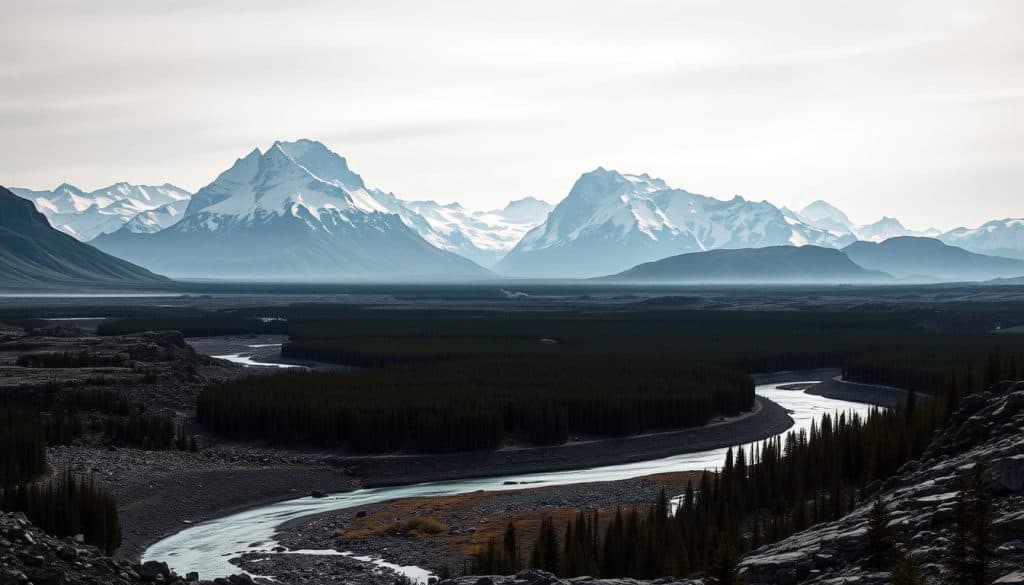
Gates of the Arctic National Park is notable for being America’s least visited park preserve. It offers a wilderness experience unlike any other, with no roads or trails to guide visitors. This park’s vast, untouched landscape is a testament to the power of nature.
Why Remote Alaska Parks Dominate the “Least Visited” List
Alaska is home to many of the country’s least visited national parks, largely due to their remote locations and the challenges associated with accessing them. Factors such as limited transportation options, extreme weather, and seasonal limitations all contribute to their low visitation numbers.
- Geographic isolation and harsh climate conditions
- Limited infrastructure and high costs for visitors
- Seasonal accessibility, with brief summer windows
These factors combine to create a unique set of challenges and opportunities for those seeking a truly remote wilderness experience.
Gates of the Arctic National Park, Alaska
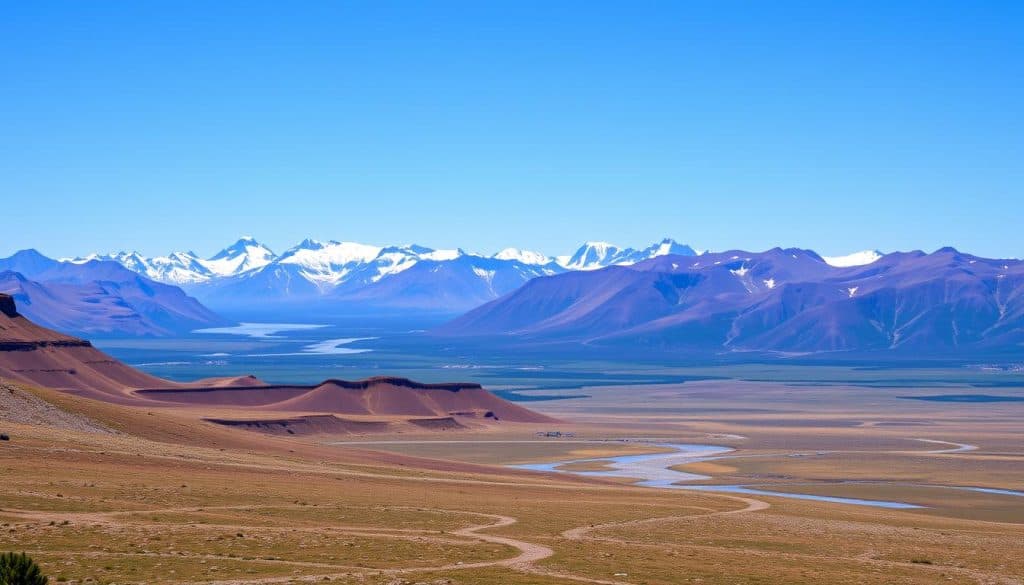
For those seeking an unparalleled wilderness experience, Gates of the Arctic National Park in Alaska stands out as a premier choice. This vast and remote park is a true adventure destination, offering an unbridled wilderness experience.
Visitor Statistics: Only 11,907 Annual Visitors
Gates of the Arctic National Park is one of the least visited national parks in the United States, with only 11,907 visitors annually. This low visitation rate is a testament to the park’s remote location and the challenges associated with accessing it.
Wilderness Experience: No Roads, No Trails
The park is characterized by its lack of roads and trails, making it a true wilderness experience. Visitors must be self-sufficient and prepared for the challenges that come with exploring such a remote area.
Planning Your Visit to America’s Most Remote Park
To visit Gates of the Arctic National Park, one must be prepared to arrive by bush plane and have extensive wilderness experience or hire guides. The National Park Service emphasizes the importance of being self-sufficient and able to execute self-extraction and communication in case of an emergency.
North Cascades National Park, Washington
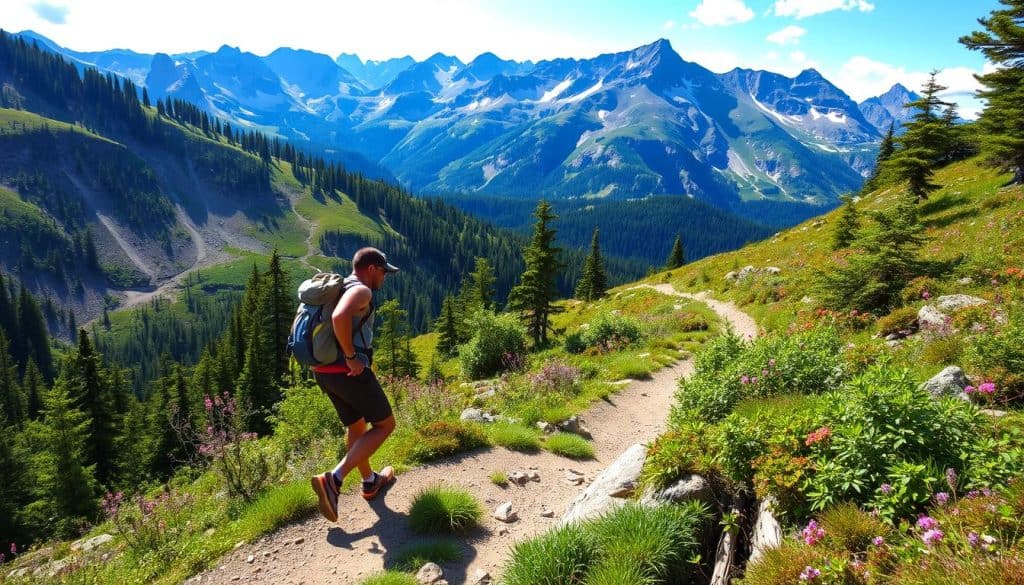
Tucked away in the Pacific Northwest, North Cascades National Park offers an unparalleled hiking experience. With its vast and varied landscapes, this park is a treasure trove for outdoor enthusiasts.
Visitor Statistics: 16,485 Annual Visitors
Receiving about 16,485 visitors each year, North Cascades National Park remains one of the less crowded national parks in the US. This relatively low visitation rate allows for a more serene and personal connection with nature.
Alpine Landscape and Glacier-Crowned Peaks
The park’s alpine landscape is characterized by glacier-crowned peaks, offering breathtaking views and challenging hiking trails. The rugged terrain is perfect for those seeking adventure and a chance to explore the untamed beauty of the Pacific Northwest.
400+ Miles of Trails and Diverse Plant Species
North Cascades National Park boasts over 400 miles of trails, catering to hikers of all skill levels. The park is also renowned for its incredible plant diversity, with over 1,600 species identified, making it a botanical treasure.
Kobuk Valley National Park, Alaska
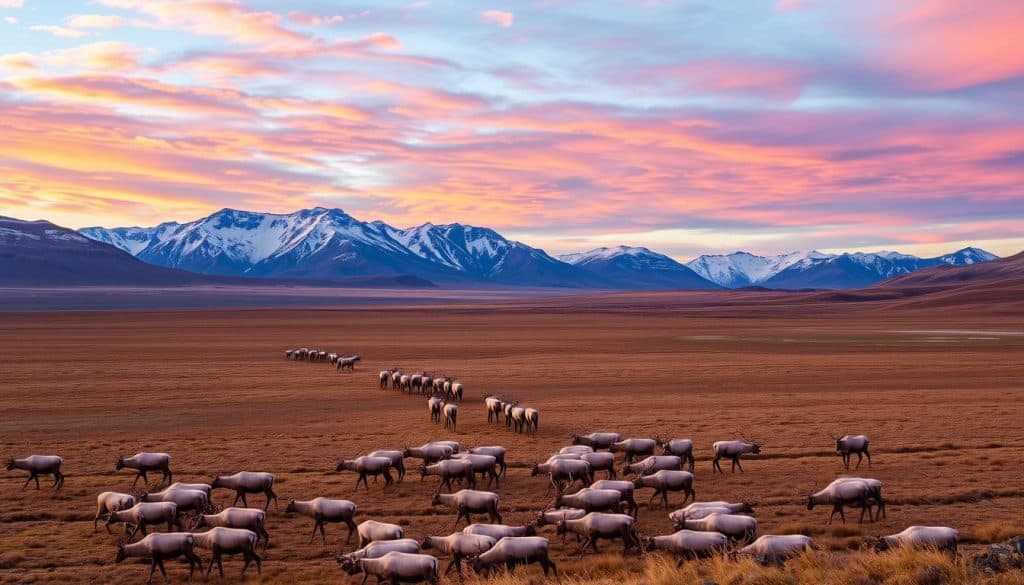
Tucked away in Alaska, Kobuk Valley National Park offers a unique blend of natural wonders and cultural heritage. This park is not just a destination; it’s an experience that immerses you in the untouched beauty of the Arctic wilderness.
Visitor Statistics: 17,233 Annual Visitors
Kobuk Valley National Park attracts a relatively small number of visitors, with around 17,233 people making their way here each year. This low visitation rate means that those who do come can enjoy a truly unspoiled and serene environment.
Great Kobuk Sand Dunes and Arctic Wilderness
The park is home to the Great Kobuk Sand Dunes, a surreal landscape of sand dunes rising out of the Arctic wilderness. This unique feature, combined with the park’s vast expanses of untouched land, offers visitors a chance to explore one of America’s most remote and untouched regions.
Caribou Migration and Indigenous Heritage
One of the park’s most remarkable features is the annual caribou migration, with half a million caribou crossing the Kobuk River and Onion Portage. This event is not just a natural spectacle; it’s also deeply connected to the indigenous heritage of the area. For thousands of years, local communities have relied on this migration for subsistence, and the park preserves this cultural tradition.
Lake Clark National Park, Alaska
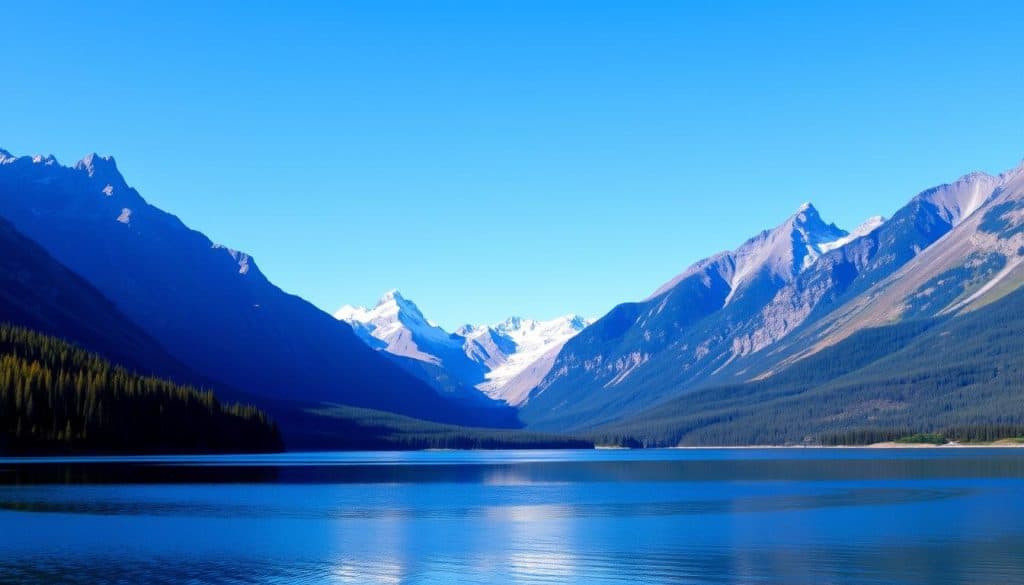
Tucked away in Alaska, Lake Clark National Park offers a unique blend of wilderness experiences and cultural heritage. As you explore this vast and untouched landscape, you’ll discover the rich history and natural beauty that makes it a truly special destination.
Visitor Statistics
Lake Clark National Park attracts approximately 18,505 visitors each year. This relatively low number of visitors makes it an ideal location for those seeking solitude and an authentic wilderness experience.
Volcanic Landscapes and Wild Rivers
The park is characterized by its stunning volcanic landscapes and wild rivers, offering endless opportunities for adventure and exploration. You can rent a canoe in Port Alsworth to paddle through the serene waters of Lake Clark or hike to Tanalian Falls for breathtaking views.
10,000 Years of Human History
Lake Clark National Park is home to a rich cultural heritage, with a history spanning over 10,000 years. The park preserves the ancestral homelands of the Dena’ina people, and visitors can explore archaeological sites to learn about the traditional subsistence practices that continue to this day.
As you visit Lake Clark National Park, you’ll have the opportunity to learn about and respect the cultural heritage connected to this unique landscape. Whether you’re interested in history, nature, or simply experiencing the great outdoors, Lake Clark National Park is a destination that has something for everyone.
National Park of American Samoa
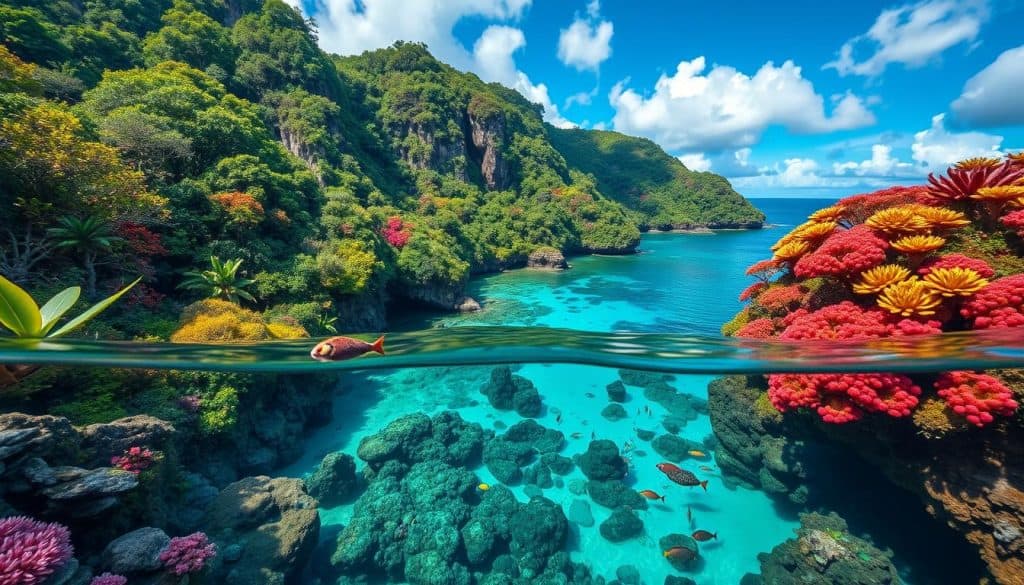
As you step into the National Park of American Samoa, you’ll be immersed in a world of lush rainforests, coral reefs, and rich Samoan culture. This unique national park is home to a diverse array of flora and fauna, and offers a range of activities for visitors to enjoy.
Visitor Statistics: 22,567 Annual Visitors
The National Park of American Samoa attracts a relatively small number of visitors each year, with an average of 22,567 visitors annually. This limited visitor capacity helps to preserve the park’s natural beauty and cultural heritage.
Remote South Pacific Paradise
Located in the South Pacific, the National Park of American Samoa is a remote and breathtakingly beautiful destination. The park spans across three islands and covers an area of 13,500 acres, with 4,000 acres being marine acres comprising coral reefs.
Coral Reefs and Samoan Culture
The park is home to an incredible 991 species of fish, making it a snorkeler’s and diver’s paradise. Visitors can explore the park’s vast trail system, learn about Samoan culture through the visitors center, and experience the local way of life through the unique homestay program. The park’s coral reefs are a vital part of its ecosystem, and efforts are being made to protect these delicate water environments.
Isle Royale National Park, Michigan

For adventurers and nature lovers alike, Isle Royale National Park in Michigan is an unspoiled destination that promises an unforgettable experience. As one of the least visited national parks, it offers a serene and untouched environment that is perfect for those seeking solitude.
Visitor Statistics: 28,806 Annual Visitors
With 28,806 annual visitors, Isle Royale National Park remains one of the most secluded national parks in the United States. This low visitation rate is largely due to its remote location, accessible only by boat or seaplane.
Isolated Lake Superior Archipelago
Isle Royale is an archipelago located on Lake Superior, comprising over 400 islands. The park’s isolation has resulted in a unique ecosystem with limited species diversity; for instance, there are only 18 mammal species due to the challenge of crossing at least 14 miles of Lake Superior.
Wolves, Moose, and Wilderness Trails
The park is renowned for its wolf and moose populations, which have been the subject of one of the world’s longest-running predator-prey studies. Isle Royale boasts 165 miles of trails and more than 30 campgrounds, offering ample opportunities for backcountry experiences and wildlife viewing.
The wilderness character of the park is preserved through its limited accessibility and lack of roads, making it an ideal destination for those seeking an authentic wilderness experience. Visitors can explore the diverse landscapes, from rugged coastlines to dense forests, and enjoy seasonal wildlife viewing opportunities.
Katmai National Park, Alaska
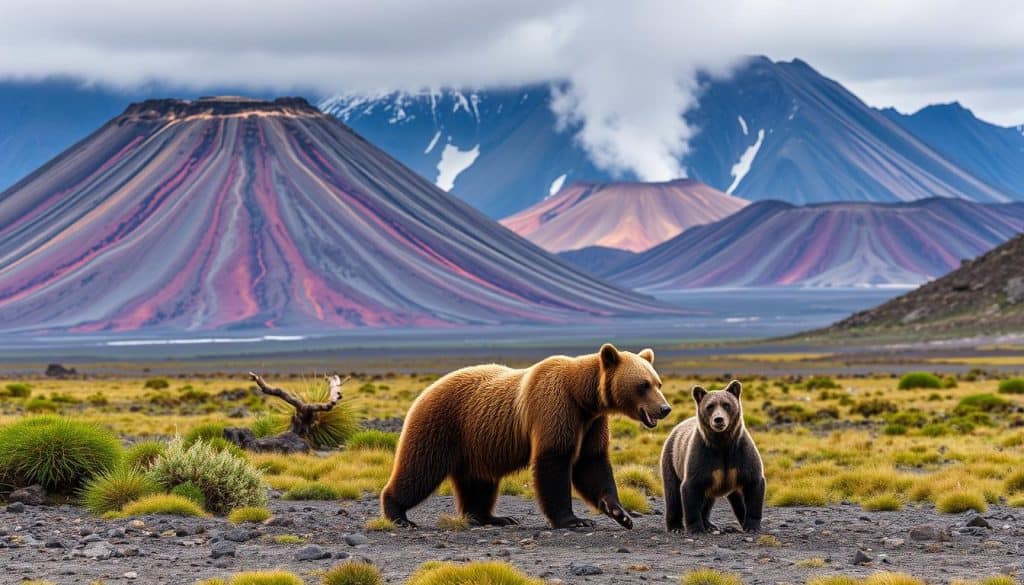
With its unique landscapes and rich wildlife, Katmai National Park is a gem in Alaska’s national park system. As part of the national park service, it offers a diverse range of experiences for visitors.
Visitor Statistics: 36,230 Annual Visitors
Katmai National Park attracts approximately 36,230 visitors each year. This relatively low number allows for a more intimate and peaceful experience amidst the park’s vast wilderness.
Premier Brown Bear Habitat
The park is renowned for its brown bear population. Visitors can observe these magnificent creatures in their natural habitat, particularly at Brooks Camp.
Brooks Camp and Volcanic Landscapes
Brooks Camp is a hub for wildlife viewing, especially bears. The park also features dramatic volcanic landscapes, including the Valley of Ten Thousand Smokes, a result of the 1912 Novarupta eruption.
Wrangell-St. Elias National Park, Alaska
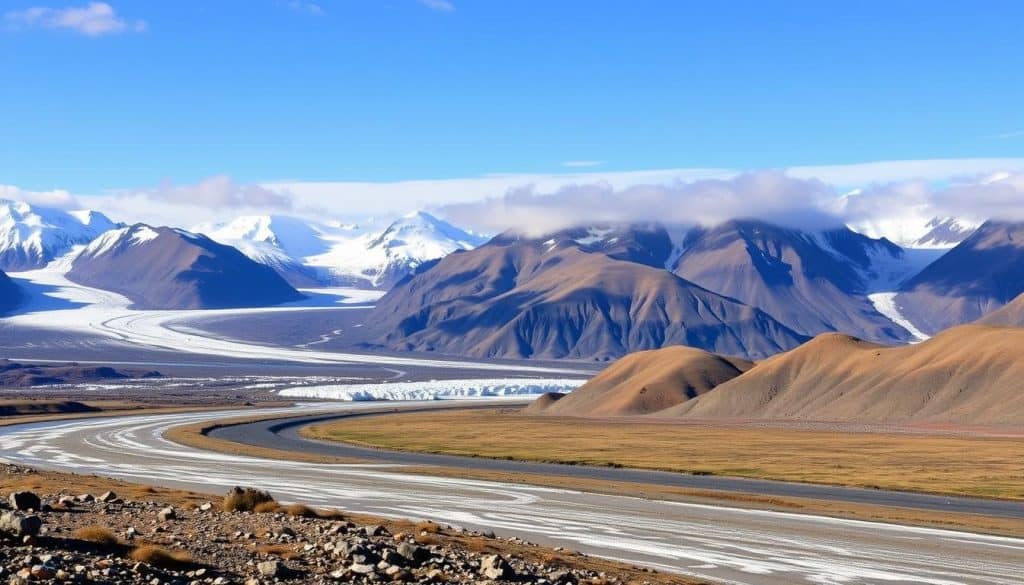
Spanning over 13 million acres, Wrangell-St. Elias National Park is a testament to Alaska’s untamed beauty. As the largest national park in the United States, it offers a unique blend of geological features and wilderness exploration opportunities.
Visitor Statistics: 81,670 Annual Visitors
Despite its grandeur, Wrangell-St. Elias National Park attracts a relatively modest number of visitors each year, with approximately 81,670 people exploring its vast landscapes annually. This lower visitation rate compared to other national parks presents an opportunity for those seeking solitude and untouched natural beauty.
America’s Largest National Park
Wrangell-St. Elias National Park stands out as the nation’s largest national park, covering an area larger than the state of Vermont. Its vast expanse encompasses remarkable glacial systems, with nearly 35% of the park covered in glaciers. The park’s glacial system is not only extensive but also dynamic, with glaciers that are receding, advancing, or calving into tidewater.
Glaciers, Mountains, and Wilderness Exploration
The park is a haven for adventurers and nature enthusiasts, featuring some of the country’s tallest mountains, including multiple peaks over 16,000 feet. Visitors can explore the park’s vast wilderness through hiking, backpacking, and mountaineering, experiencing the raw beauty of Alaska’s natural landscapes. The presence of Mount Wrangell, one of the world’s largest active volcanoes, adds to the park’s geological diversity and offers a unique experience for visitors.
As we explore Wrangell-St. Elias National Park, it becomes clear that its vast wilderness and diverse landscapes are not only a testament to the natural beauty of Alaska but also a reminder of the importance of preserving these areas for future generations.
Dry Tortugas National Park, Florida
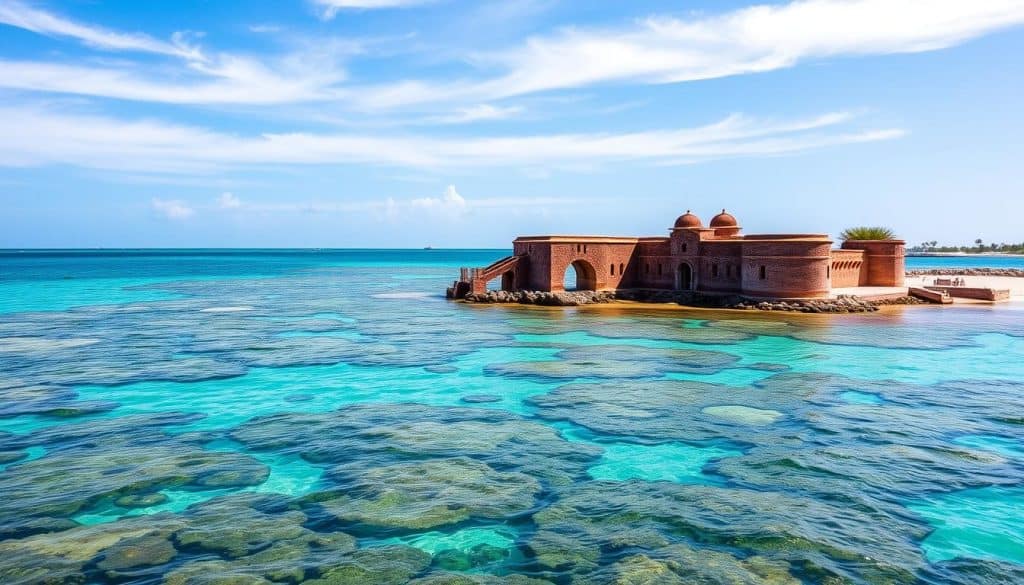
Accessible only by boat or plane, Dry Tortugas National Park offers a unique experience for visitors. This national park is a gem in Florida, known for its crystal-clear waters and rich history.
The park’s remote location and limited accessibility make it an exclusive destination for those willing to venture off the beaten path.
Visitor Statistics
The park attracts 84,873 visitors annually, a testament to its allure despite the challenges in reaching it.
Historic Fort Jefferson and Crystal Waters
One of the park’s main attractions is the historic Fort Jefferson, a 19th-century fortress that showcases the region’s rich history. The park’s crystal waters offer excellent opportunities for snorkeling and diving, allowing visitors to explore the underwater world.
Bird Watching and Marine Life
Dry Tortugas is renowned for its world-class bird watching, with nearly 300 species documented within the park. The seasonal bird migrations make this isolated archipelago an important wildlife habitat. Visitors can also explore the marine ecosystems surrounding the islands, including coral reefs and seagrass beds that support diverse marine life.
For more information on planning your visit to Florida’s national parks, including Dry Tortugas, check out our guide on the best time to visit Florida national.
Great Basin National Park, Nevada
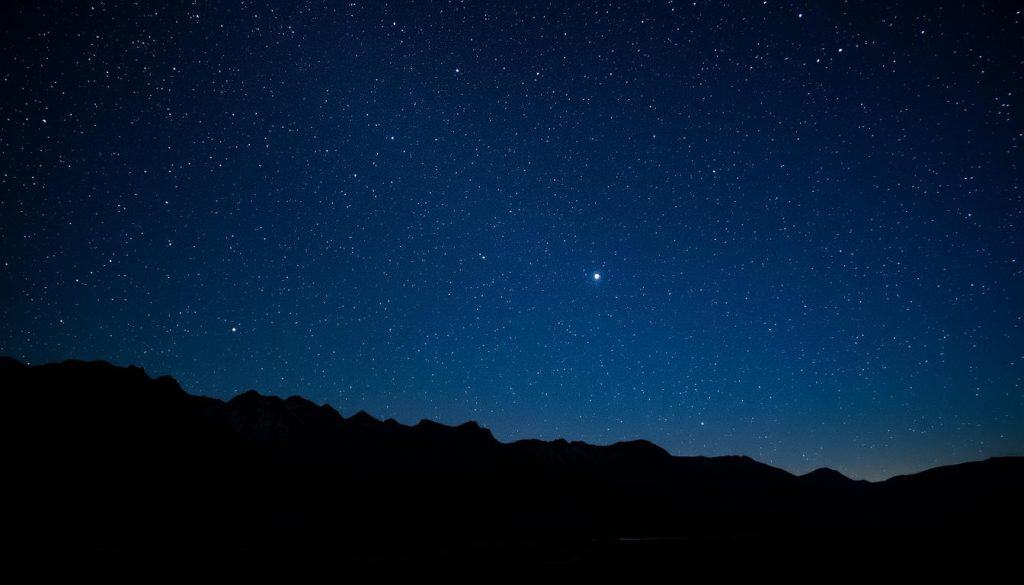
Under the dark skies of Great Basin National Park, the universe unfolds in all its glory. With its designation as an International Dark Sky Park, it’s a haven for stargazers.
Visitor Statistics: 152,068 Annual Visitors
Great Basin National Park attracts a significant number of visitors each year, drawn by its unique natural attractions and recreational opportunities. With 152,068 annual visitors, it’s a popular destination.
Ancient Bristlecone Pines and Wheeler Peak
The park is home to ancient bristlecone pines and Wheeler Peak, offering hiking trails and breathtaking views. These natural wonders provide a glimpse into the region’s rich geological history.
Dark Sky Destination and Cave Exploration
Visitors can enjoy ranger-led stargazing programs and explore Lehman Caves, a stunning subterranean feature. The park’s dark skies and cave systems offer two distinct experiences.
Conclusion: The Value of America’s Hidden Park Treasures
For those willing to venture off the beaten path, America’s least visited national parks offer unparalleled adventures. These wilderness areas provide a chance to experience nature in its most pristine form, away from the crowds that flock to more popular destinations.
Parks like Gates of the Arctic and Kobuk Valley in Alaska, and North Cascades in Washington, offer exceptional hiking trails and opportunities for solitude. By visiting these less crowded national parks, travelers can help distribute tourism impact across the national park system, preserving these areas for future generations.
As we look to the future, it’s clear that these least visited parks will continue to be treasures, offering authentic wilderness experiences in a world that’s increasingly developed. I encourage you to consider adding these hidden gems to your travel plans and experience the beauty of America’s national parks in a new and exciting way.
FAQ
Which national park is considered the most remote?
Gates of the Arctic National Park in Alaska is often cited as one of the most remote national parks, with no roads or trails and limited access.
How do I plan a visit to a less visited national park like Kobuk Valley or Lake Clark?
Planning a visit to these parks requires careful preparation, including arranging for transportation, accommodations, and guided tours if necessary, as well as preparing for wilderness survival and potential isolation.
Are there hiking trails in national parks like North Cascades or Isle Royale?
Yes, both North Cascades and Isle Royale have extensive hiking trails, offering opportunities to explore diverse landscapes and ecosystems.
Can I visit national parks like Dry Tortugas or Great Basin by boat?
Yes, Dry Tortugas is accessible by ferry or seaplane, while some areas of Great Basin can be reached by car, but certain remote areas may require hiking or other forms of non-motorized transportation.
What kind of wildlife can I expect to see in parks like Katmai or Wrangell-St. Elias?
Katmai is renowned for its brown bears, while Wrangell-St. Elias offers opportunities to see a variety of wildlife, including grizzly bears, moose, and Dall sheep.
Are there opportunities for cultural or historical exploration in these national parks?
Yes, many of these parks, such as Lake Clark and Kobuk Valley, offer insights into indigenous cultures and histories, while others like Dry Tortugas provide historical significance through sites like Fort Jefferson.