
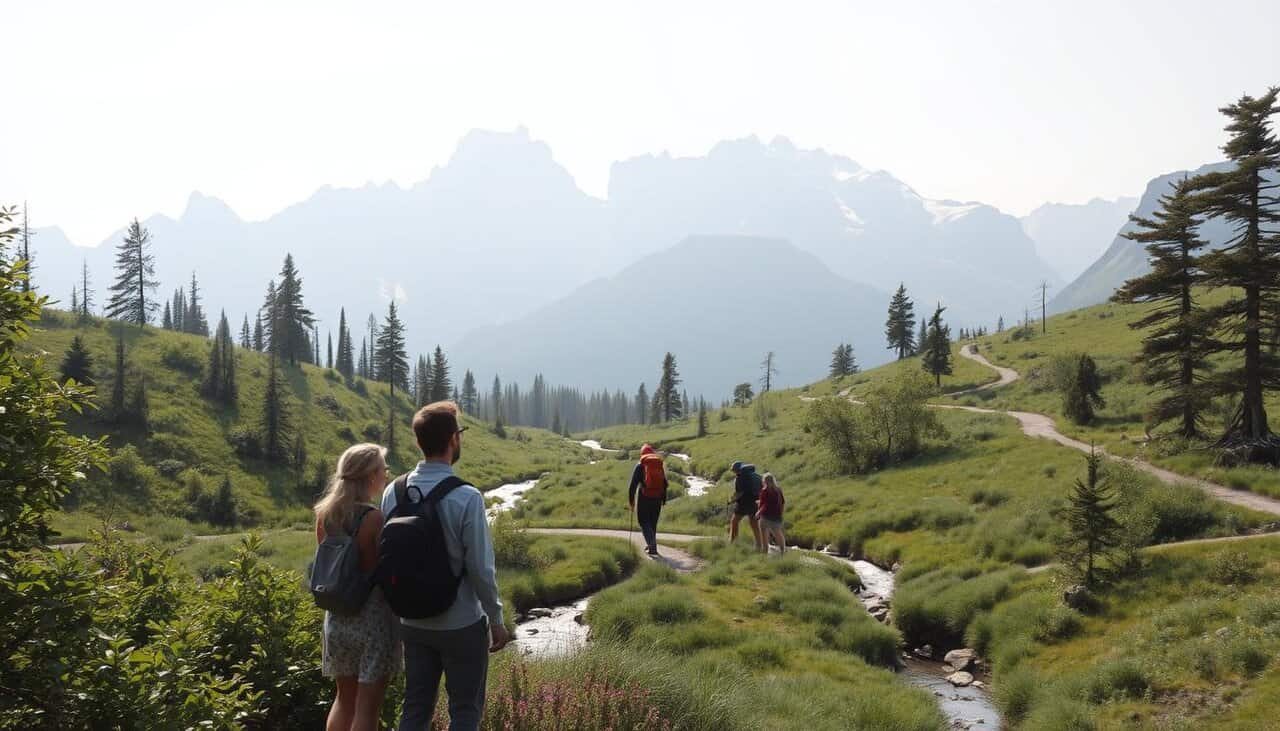
I still remember the excitement of visiting Yellowstone for the first time. The geysers, hot springs, and diverse wildlife made it an unforgettable experience. But have you ever wondered about the national parks that lie off the beaten path?
According to the National Park Service, 2024 saw a record 331.9 million recreation visits to its over 400 sites. While the 63 sites with “national park” in their name accounted for 28% of these visits, some parks are far less crowded than others.
As someone who’s explored both the popular and the lesser-known parks, I can attest that there’s a unique charm to those that are less visited. They offer a more authentic wilderness experience, away from the crowds. In this article, we’ll explore America’s least visited national parks, starting with the one that receives the fewest visitors.
Key Takeaways
- The National Park Service tracks visitation numbers annually, revealing interesting patterns in park popularity.
- Some national parks offer peaceful solitude, unlike the crowded popular parks like Yellowstone.
- Less visited parks provide more authentic wilderness experiences.
- These parks often require more effort to reach but are worth the journey.
- We’ll explore the unique features of America’s least visited national parks.
Understanding National Park Popularity
Understanding why some national parks are more popular than others requires a closer look at visitation statistics. The National Park Service tracks visitation across all national parks, providing valuable insights into visitor trends.
How the National Park Service Measures Visitation
The National Park Service uses various metrics to measure visitation, including entrance counts and permit data. This information helps the NPS allocate resources and plan for infrastructure needs. As stated by the NPS, “Accurate visitation data is crucial for managing our parks effectively.”
“Accurate visitation data is crucial for managing our parks effectively.”
The Contrast: Most vs. Least Visited Parks
The difference between the most visited parks, like Great Smoky Mountains National Park with over 12 million annual visitors, and the least visited ones is stark. Some parks receive fewer than 20,000 visitors annually. Factors such as geography, accessibility, and marketing play significant roles in determining a park’s popularity.
| Park Name | Annual Visitors |
|---|---|
| Great Smoky Mountains | 12 million+ |
| Gates of the Arctic | < 20,000 |
For more information on popular national parks, you can visit top 10 best national parks.
What is the most unpopular national park?
Gates of the Arctic National Park stands out as America’s least visited national park, offering an unparalleled wilderness experience. Located in Alaska, this vast and remote area is a true gem for adventure seekers. With no roads, trails, or established campsites, visitors must be self-sufficient and prepared for a challenging journey.
Gates of the Arctic National Park: America’s Least Visited Park
Gates of the Arctic National Park and Preserve is a massive expanse of pristine Alaskan landscape north of the Arctic Circle, spanning 8.4 million acres. It’s one of the last truly wild places on Earth, with six designated Wild Rivers. The park’s website encourages visitors to “wander at will across 8.4 million acres of superlative natural beauty.” In 2023, it had only 11,907 recreation visits, making it the least visited national park in the United States. For more information on the largest national parks in the US, you can visit this page.
Why It Receives So Few Visitors
The park’s extreme remoteness and lack of infrastructure are significant deterrents for casual visitors. Accessing the park requires chartering a bush plane, and once inside, visitors must be entirely self-sufficient. The harsh Arctic environment and the need for advanced wilderness survival skills also limit the number of visitors. However, for those willing to take on the challenge, Gates of the Arctic offers an unparalleled wilderness experience, preserving its natural beauty and character.
The Challenges of Reaching Remote Parks
Some national parks are so remote that getting there requires careful planning and specialized transportation. I’ve found that the journey to these untouched areas can be just as exciting as the destination itself, but it demands a certain level of adventure and flexibility.
Transportation Limitations
Many of America’s least visited national parks lack the infrastructure that makes other parks so accessible. For instance, Gates of the Arctic National Park requires visitors to arrange for chartered flights or boat transfers to reach the park boundaries. All camping here is backcountry, and you need to be taken in and out of the park by pre-arranged transportation, most often a plane.
Weather and Seasonal Accessibility
The weather in these remote parks is often unpredictable and harsh, with rain, wind, and snow being common even during the summer months. This not only creates narrow visitation windows but also often forces the cancellation of planned trips. As a result, seasonal accessibility becomes a significant factor in planning a visit to these parks.
The challenges of reaching remote national parks actually help preserve their wilderness character, making them even more appealing to those seeking an unspoiled adventure. However, this also means that visitors must be well-prepared for the journey ahead, understanding that accessing these areas often involves trails that are not for the faint of heart or requires a boat to navigate through pristine waters.
North Cascades National Park
Despite being just a three-hour drive from Seattle, North Cascades National Park receives a mere fraction of the visitors that flock to its more popular counterparts. This national park is a treasure trove of natural beauty, with peaks crowned by more than 300 glaciers and a diverse range of ecosystems.
Alpine Wilderness in Washington State
North Cascades National Park is characterized by its stunning alpine landscape, featuring jagged peaks, alpine lakes, and an incredible array of biodiversity. With over 1,600 species of plants identified, it boasts more species than any other US national park. The park’s landscape spans from temperate rainforests to dry ponderosa pine ecosystems, showcasing the rich natural heritage of the region.
Activities and Natural Highlights
The park offers an extensive trail system with over 400 miles of hiking paths, ranging from easy day hikes to challenging backcountry routes. Visitors can explore the pristine wilderness areas, enjoying hiking and taking in the breathtaking scenery. The rugged terrain and limited road access contribute to the park’s low visitation rates, but for those who venture in, the rewards are immense.
| Park Features | Description |
|---|---|
| Glaciers | More than 300 glaciers crown the peaks |
| Plant Species | Over 1,600 species identified |
| Trail Miles | Over 400 miles of trails for hiking |
Kobuk Valley National Park
As one of the least visited national parks in the United States, Kobuk Valley National Park remains a pristine and untouched destination. With fewer than 20,000 visitors annually, this vast Alaskan wilderness offers a truly unique experience for those who venture here.
Arctic Sand Dunes and Caribou Migrations
Kobuk Valley National Park is home to the Great Kobuk Sand Dunes, the largest active sand dunes in the Arctic, which rise over 100 feet high and create a surreal desert landscape above the Arctic Circle. The park is also a critical habitat for the Western Arctic Caribou Herd, with half a million caribou migrating through the park twice yearly, continuing an 8,000-year-old tradition vital to local indigenous communities.
The caribou migration is a spectacular event, with the animals crossing the Kobuk River and Onion Portage. This tradition has been a cornerstone of the local ecosystem and culture for millennia.
| Feature | Description |
|---|---|
| Great Kobuk Sand Dunes | Largest active sand dunes in the Arctic, rising over 100 feet high |
| Caribou Migration | Half a million caribou migrate through the park twice yearly |
| Wilderness Experience | No roads, trails, or facilities; a true wilderness adventure |
Wilderness Experience Without Roads or Trails
The absence of roads, campgrounds, or entrance gates in Kobuk Valley National Park creates a true wilderness experience, requiring visitors to be entirely self-sufficient. Wildlife such as bears, wolves, foxes, and moose roam freely through this pristine landscape, leaving their tracks across the ancient sand dunes.
Visitors to the park must be prepared for a challenging adventure, bringing all necessary supplies and being mindful of the park’s remote and untouched nature.
“The wilderness is a place where we can still discover who we are, where we come from, and where we’re going.”
Lake Clark National Park and Preserve
Lake Clark National Park and Preserve, spanning over 4 million acres, is one of Alaska’s best-kept secrets, boasting diverse landscapes and rich history. This vast national park preserve is home to three designated Wild Rivers and two National Natural Landmark volcanoes, creating a dramatic and varied landscape.
Volcanic Landscapes and Wildlife
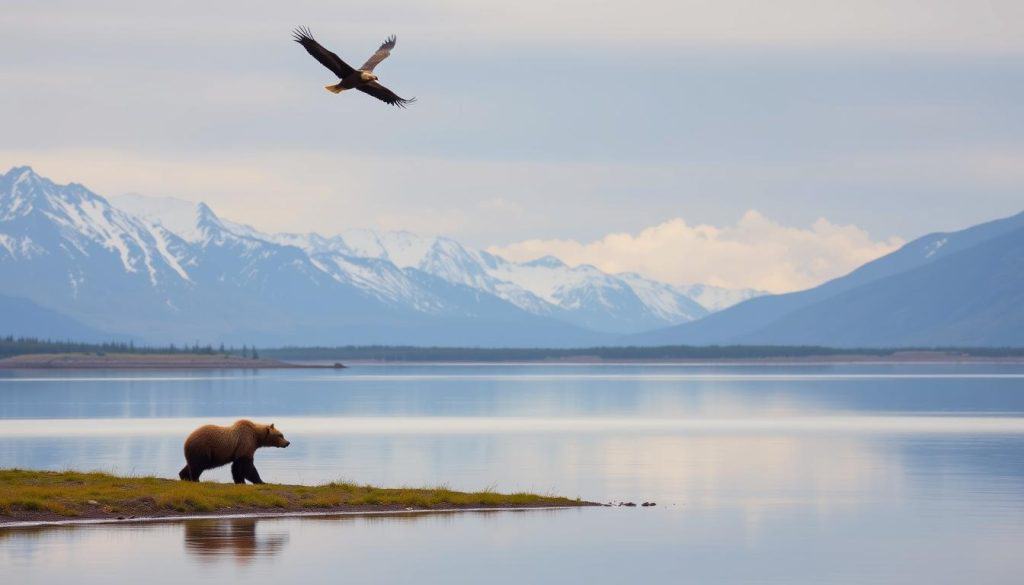
The park’s volcanic features are a major draw, with volcanoes like Redoubt Volcano and Iliamna Volcano dominating the skyline. The area is also renowned for its abundant wildlife, including coastal brown bears that fish for salmon in the rivers and streams. The diverse ecosystems, ranging from alpine tundra to coastal rainforest, support a wide variety of wildlife, making it a paradise for nature lovers and photographers.
Fishing and Water Activities
Visitors to Lake Clark National Park and Preserve can enjoy numerous water activities. The 51-mile-long Lake Clark offers excellent fishing opportunities, while the park’s Wild Rivers provide thrilling boating experiences. Camping is available in the designated area in Port Alsworth, where you can pitch your tent without needing a permit, allowing for a truly immersive wilderness experience.
As
“one of the most pristine and untouched national parks in the U.S., Lake Clark National Park and Preserve offers a unique adventure for those willing to venture off the beaten path.”
Isle Royale National Park
As America’s least visited national park in the lower 48 states, Isle Royale National Park is a gem worth exploring. Located on an isolated island in Lake Superior, it offers a unique wilderness experience that’s perfect for those seeking solitude and untouched natural beauty.
An Isolated Island Ecosystem
The park is an archipelago comprising one large island and over 400 smaller islands, creating a remote wilderness experience that’s only accessible by ferry or seaplane. This isolation has resulted in a simplified ecosystem with only 18 mammal species, as animals must cross at least 14 miles of Lake Superior to reach the island. The unique conditions make it an fascinating ecological laboratory.
Wolves, Moose, and Hiking Opportunities
Isle Royale is renowned for its predator-prey study between wolves and moose, ongoing since 1958, making it the world’s longest-running study of its kind. The park boasts 165 miles of trails and over 30 campgrounds, offering ample opportunities for hiking and camping amidst pristine wilderness.
| Feature | Description |
|---|---|
| Location | Lake Superior |
| Accessibility | Ferry or Seaplane |
| Trails | 165 miles |
| Campgrounds | Over 30 |
Dry Tortugas National Park
Seventy miles west of Key West, you’ll find Dry Tortugas National Park, a national treasure that’s rich in history and natural beauty. This unique national park is mostly open water with seven small islands, creating a marine paradise that’s accessible by boat or seaplane.
A Historic Gem: Fort Jefferson
The centerpiece of Dry Tortugas National Park is Fort Jefferson, one of the nation’s largest 19th-century forts. Built on Garden Key using 16 million bricks, this engineering marvel has a fascinating history, including its use as a Civil War prison.
Snorkeling and Marine Life
The park’s crystal-clear waters are home to the third-largest coral reef system in the world, making it a premier destination for snorkeling and diving. With nearly 300 species of birds and an abundance of marine life, Dry Tortugas National Park offers an unforgettable experience for visitors.
- The park is 100 square miles, with 99% being open water.
- Bush Key is closed annually from February to September to protect breeding sooty terns and brown noddies.
- The park’s remote location and limited transportation options contribute to its low visitation.
Great Basin National Park
With its unique blend of mountain peaks and desert valleys, Great Basin National Park is an adventurer’s paradise. This national park is home to 13,063-foot Wheeler Peak, ancient bristlecone pines, and about 40 caves, offering a wide array of plants and animals.
The park’s dramatic elevation range, from 5,000 to 13,000 feet, creates distinct ecological zones from desert valleys to alpine peaks. This diversity is reflected in its hiking trails, which cater to all levels of hikers.
Ancient Bristlecone Pines and Lehman Caves
One of the park’s most striking features is its ancient bristlecone pine groves, where some trees are over 4,000 years old, making them among the oldest living organisms on Earth. The Lehman Caves are another highlight, featuring unusual shield formations, rare helictites, and delicate aragonite crystals that can be explored through ranger-led tours.
| Attraction | Description |
|---|---|
| Ancient Bristlecone Pines | Some trees are over 4,000 years old |
| Lehman Caves | Unusual shield formations and rare helictites |
| Wheeler Peak | 13,063-foot peak with diverse ecological zones |
Stargazing in Dark Skies
After sunset, Great Basin National Park transforms into a stargazer’s paradise. The park’s designation as an International Dark Sky Park makes it one of the premier stargazing destinations in America. Visitors can see the Milky Way in extraordinary detail and participate in astronomy programs.
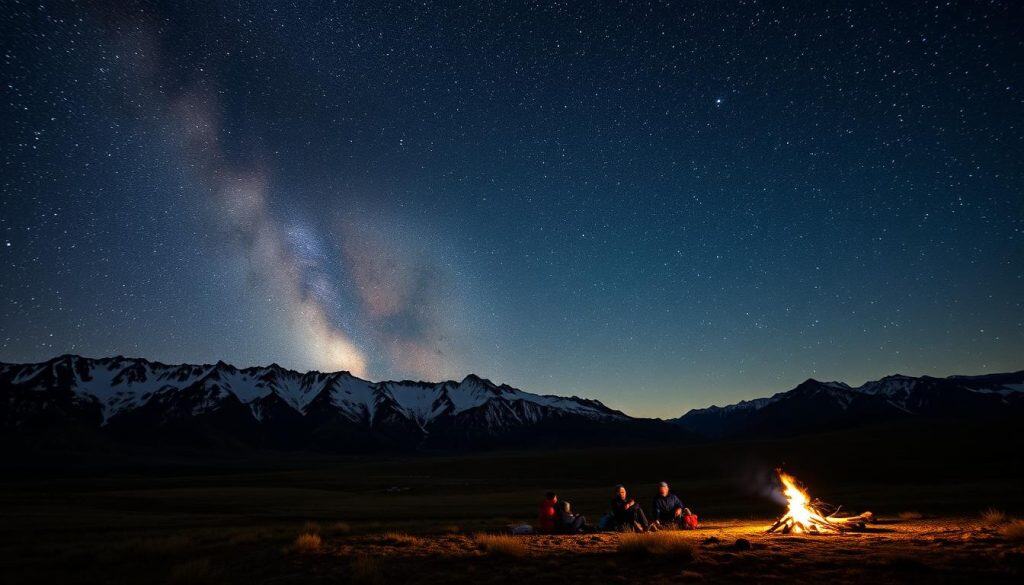
Whether you’re lying at your campsite or joining a ranger-led stargazing program, the night sky here is a sight to behold. The lack of light pollution allows for an unobstructed view of the stars, making it a truly unique experience.
Why These Parks Deserve More Attention
Beyond the crowds and commercialization of famous national parks, America’s lesser-visited parks offer pristine wilderness experiences. These parks are not just alternatives to the more popular destinations; they are unique treasures that provide unparalleled opportunities for solitude and connection with nature.
Visiting these lesser-known national parks can be a transformative experience. You can enjoy activities like watching synchronous fireflies, hiking among ancient trees, or witnessing the breathtaking views of the northern lights. These experiences are not just about enjoying nature; they’re about immersing yourself in it.
Pristine Wilderness Experiences
One of the main reasons these parks deserve more attention is the pristine condition of their natural environments. Unlike their more popular counterparts, these parks remain largely unchanged from their pre-colonial state. This means visitors can experience America’s wild past in a very real and tangible way. For instance, a visit to some of these parks allows you to hike through landscapes that have been untouched for centuries, providing a window into the country’s natural history.
For example, parks like Gates of the Arctic National Park offer vast expanses of untouched wilderness, where the only signs of human presence might be the occasional hiker or the faint trail. Such experiences are not just about adventure; they’re about connecting with the natural world on a deeper level.
Escaping Crowds and Finding Solitude
In today’s world, where connectivity is constant, finding true solitude can be challenging. These lesser-visited national parks offer a rare opportunity to escape the crowds and the constant ping of notifications. By visiting these parks, you’re not just taking a break from your daily routine; you’re giving yourself a chance to recharge in a truly natural setting.
Moreover, the low visitation numbers mean that wildlife encounters are often more frequent and natural. Animals in these areas haven’t become habituated to human presence, making for more authentic interactions. Whether it’s watching caribou migrations in Kobuk Valley National Park or observing wolves and moose in Isle Royale National Park, these experiences are both exhilarating and humbling.
| Park Name | Unique Experience | Annual Visitors |
|---|---|---|
| Gates of the Arctic National Park | Wilderness hiking, Northern Lights | 7,362 |
| Kobuk Valley National Park | Caribou migrations, Sand Dunes | 11,245 |
| Isle Royale National Park | Wolf and Moose Watching, Hiking | 25,798 |
Supporting these lesser-known parks through visitation is crucial for their continued protection. By choosing to visit these destinations, you’re demonstrating public interest in preserving all types of American landscapes. For more information on underrated national parks, you can check out resources like Thrillist’s guide or Enjoy National Parks.
Planning Your Visit to Less Popular Parks
Visiting the lesser-known national parks requires a different level of planning and preparation. Unlike popular destinations like Yellowstone or Yosemite, these parks often lack developed infrastructure and services, making it essential for visitors to be self-sufficient.
To ensure a safe and enjoyable trip, it’s crucial to research and plan carefully. This includes understanding the transportation options available, such as ferry tickets or seaplane flights, which may operate seasonally and have limited capacity.
Preparation is Key
Visitors must be prepared for the challenges of traveling in remote wilderness areas. This means bringing appropriate supplies, including food, water, and emergency communication devices. Developing self-sufficiency skills is also vital, as services within these parks are often limited or non-existent.
- Bring essential supplies, including food, water, and emergency communication devices.
- Develop self-sufficiency skills to handle challenges in remote areas.
Timing Your Visit
The best time to visit these less popular national parks depends on various factors, including weather patterns, accessibility, and special natural events. For example, some parks are best visited during specific migrations or wildflower blooms.
Researching the optimal visiting season for your chosen park is crucial. This not only ensures that you can access the park but also that you can make the most of your visit, enjoying the unique experiences and natural beauty that each park has to offer.
Conclusion
Our exploration of the least visited national parks reveals that they’re not just off the beaten path, but also rich in natural beauty. Parks like Gates of the Arctic and Wrangell-St. Elias offer vast, untouched landscapes that are perfect for adventurous travelers.
Each of these parks has its unique charm, from the Arctic wilderness of Gates of the Arctic to the island paradise of Dry Tortugas. They represent some of America’s last truly wild places, offering experiences that can’t be found in more developed parks.
Visiting these parks requires effort, but the rewards of solitude, pristine wilderness, and authentic natural experiences make them worth it. I encourage you to consider adding one of these “unpopular” national park preserves to your travel bucket list.
FAQ
What makes a national park unpopular?
Factors like remote locations, limited accessibility, and harsh weather conditions contribute to a national park being considered unpopular. For instance, Gates of the Arctic National Park is America’s least visited park due to its extreme remoteness and lack of infrastructure.
Are less visited national parks worth visiting?
Absolutely! Parks like North Cascades National Park and Kobuk Valley National Park offer pristine wilderness experiences, allowing visitors to escape crowds and find solitude in untouched natural beauty.
How do I plan a visit to a remote national park?
Planning is key. Research the park’s accessibility, weather conditions, and necessary preparations. For example, visiting Isle Royale National Park requires taking a boat or seaplane, and understanding the park’s isolation is crucial for a successful trip.
What activities can I enjoy in less visited national parks?
Many of these parks offer unique experiences such as hiking, fishing, and wildlife viewing. Lake Clark National Park and Preserve is known for its volcanic landscapes and abundant wildlife, making it a haven for outdoor enthusiasts.
Can I still have a fulfilling experience in a national park with limited infrastructure?
Yes, parks like Dry Tortugas National Park offer historic sites and marine life viewing opportunities, despite being accessible only by boat or seaplane. The limited infrastructure can actually enhance the sense of adventure and connection with nature.
Are there any national parks that are ideal for stargazing?
Great Basin National Park is renowned for its dark skies, making it an ideal destination for stargazing. The lack of light pollution allows for a breathtaking view of the night sky.
How do I prepare for visiting a national park with extreme weather conditions?
Understanding the weather patterns and being prepared with the right gear is essential. For example, visiting Gates of the Arctic National Park requires being prepared for Arctic conditions, including extreme cold and potential snowstorms.
Can I visit these parks without extensive hiking or backpacking experience?
While some parks require hiking or backpacking, others offer more accessible experiences. Isle Royale National Park, for instance, has guided tours and more accessible trails for those who don’t have extensive hiking experience.