

Imagine a place where over 16.4 billion visits have been recorded since 1904 – welcome to the world of U.S. national parks! As someone who’s passionate about exploring these natural wonders, I’m excited to share some fascinating insights with you.
The U.S. National Park Service has reached a new milestone, with almost 331.9 million recreation visits across its 433 units in 2024. But which national parks attract the most tourists annually?
Understanding visitor patterns is crucial for both travelers planning trips and conservation efforts. While some parks receive millions of visitors, others remain relatively undiscovered, creating both challenges and opportunities for the park system.
Key Takeaways
- The U.S. National Park Service has recorded over 16.4 billion visits since 1904.
- Almost 331.9 million recreation visits were recorded across 433 units in 2024.
- Understanding visitor patterns is crucial for conservation efforts and trip planning.
- Some national parks remain relatively undiscovered, creating opportunities for exploration.
- The National Park Service tracks visitation numbers to understand outdoor recreation preferences.
The Popularity of America’s National Parks
The diverse natural beauty of America’s national parks draws in visitors from far and wide. With 85 million acres of protected land, the National Park Service offers a vast array of experiences.
Some key facts about the National Park Service include:
- 331.9 million recreation visits logged in 2024, a record-breaking number.
- 433 total NPS units, including 63 designated “national parks.”
- Diverse landscapes such as mountains, deserts, forests, and coastlines.
The pandemic has contributed to a renewed interest in outdoor recreation, leading to continued high visitation numbers.
As a result, national parks remain a top destination for both domestic and international travelers seeking natural experiences.
What is the most touristy national park?
With over 12 million visitors in 2024, Great Smoky Mountains National Park is definitively the most visited national park. This park has consistently held the top position for years, far outpacing the second most visited park, Zion National Park, which receives less than half the visitors.
One key factor in its popularity is its location, straddling North Carolina and Tennessee, making it easily accessible to large population centers in the eastern United States. The park’s accessibility is further enhanced by its free entrance policy, unlike many other popular national parks.
While Great Smoky Mountains tops the list for national parks, it’s worth noting that other NPS sites like Blue Ridge Parkway and Golden Gate National Recreation Area actually receive more total visitors.
Factors That Make National Parks Popular
The popularity of a national park is determined by several key factors.
Accessibility and proximity to major population centers play a significant role in attracting visitors to a national park.
Iconic natural features and landmarks, such as Old Faithful in Yellowstone or the Grand Canyon, are major draws for tourists visiting these parks.
Infrastructure development, including visitor centers and well-maintained hiking trails, also makes certain national parks more appealing.
The role of social media in popularizing certain views within these places is significant.
Seasonal considerations and climate affect visitation, with some parks being summer destinations while others attract visitors year-round, often featuring diverse mountains landscapes.
Visitor Statistics and Record Numbers
As I look at the latest visitor statistics, I’m struck by the NPS’s unprecedented success in 2024. The National Park Service has reached a new overall milestone, with almost 331.9 million recreation visits across all of its 433 units. This number not only beats the previous record of 330.9 million recreation visits set in 2016 but also represents an increase of 6.36 million recreation visits, or 2%, from 2023.
The visitation numbers are a testament to the enduring appeal of national parks. Last year, 28 sites in the NPS system set a record for annual recreation visits. It’s worth noting that the 63 designated “national parks” account for only 28% of all NPS visits, highlighting the diversity of attractions within the NPS.
| Year | Recreation Visits (in millions) | Change from Previous Year |
|---|---|---|
| 2024 | 331.9 | +2% |
| 2023 | 325.5 | – |
| 2016 | 330.9 | – |
The NPS’s visitation numbers have significant implications for park management and conservation efforts. As the NPS continues to track and report visitor statistics, it’s clear that these numbers will play a crucial role in shaping the future of our national parks.
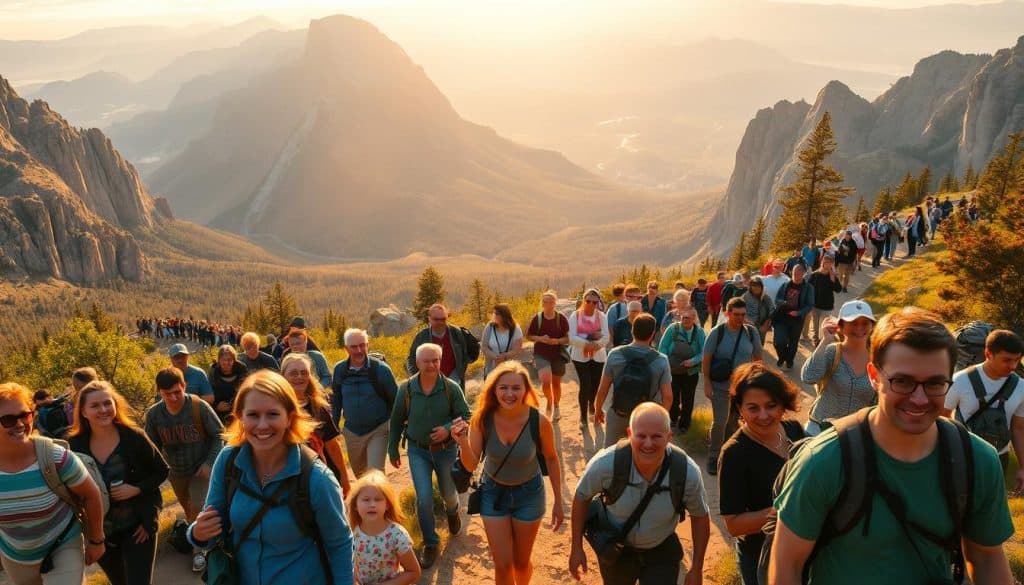
1. Great Smoky Mountains National Park
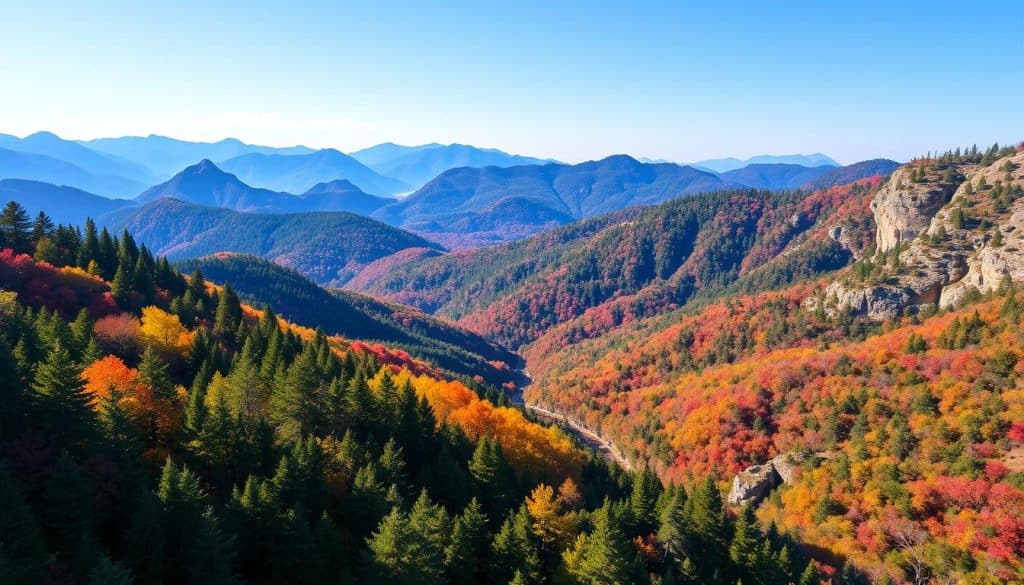
As one of the most visited national parks, the Great Smoky Mountains National Park offers a unique blend of natural beauty and cultural heritage. Travelers can explore its misty peaks and waterfall-filled valleys via a mountain-skimming scenic highway or by taking 800-plus miles of hiking trails stretching across North Carolina and Tennessee.
Why It’s the Most Visited
The park’s popularity can be attributed to its diverse attractions and activities. With over a million visitors annually, the smoky mountains beckon people from all over. The park’s ability to cater to different interests, from scenic drives to historic preservation, makes it a favorite among many.
Best Attractions and Trails
Some of the park’s most popular attractions include Cades Cove, Clingmans Dome, and Newfound Gap. For hiking enthusiasts, trails like the Laurel Falls Trail and the challenging Alum Cave Trail to Mount LeConte are must-visit destinations. The park is also home to numerous historic structures, including grist mills, log cabins, and churches that tell the story of early Appalachian settlers.
Visitors can enjoy scenic drives along the Newfound Gap Road and the Roaring Fork Motor Nature Trail. The park’s diverse landscapes, ranging from lush forests to vibrant wildflowers, ensure that there’s always something new to discover. Whether you’re interested in exploring the great outdoors or learning about the region’s history, the Great Smoky Mountains National Park has something for everyone.
For more information on the best hiking trails in US national parks, you can visit https://enjoynationalparks.com/best-hikes-in-us-national-parks/.
2. Zion National Park
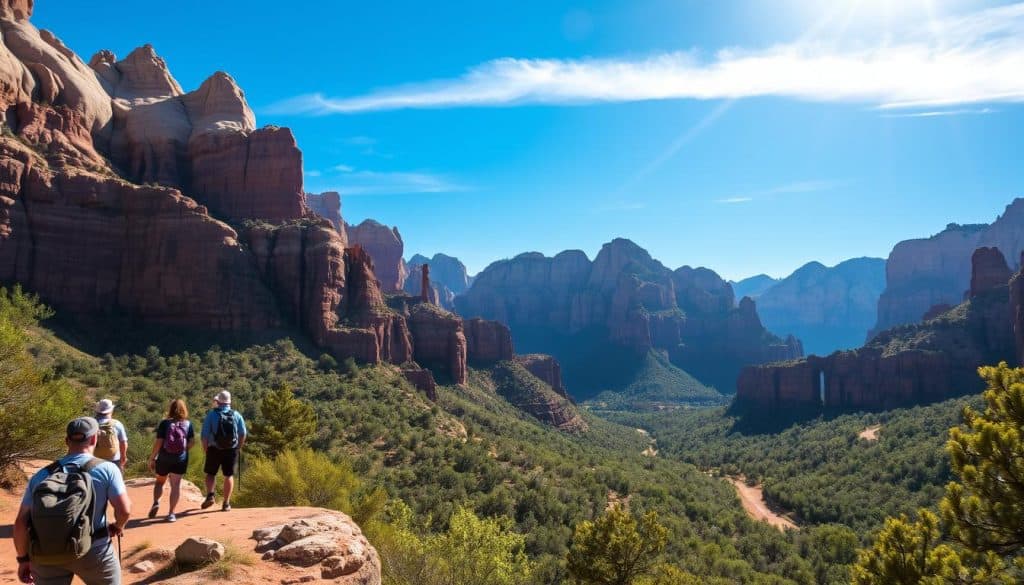
With its distinctive red rock formations and narrow canyons, Zion National Park is a must-visit destination for nature lovers and adventure seekers. Located in Springdale, Utah, this national park attracts millions of visitors each year.
Popular Features and Activities
Zion is famous for its hiking trails, including the iconic Angels Landing and The Narrows. Visitors can experience unique hiking adventures, such as wading through the Virgin River or climbing the narrow ridgeline trail with the aid of chains.
- Explore Emerald Pools and other scenic attractions.
- Enjoy canyoneering, rock climbing, and wildlife viewing.
- Utilize the park’s shuttle system to reduce traffic congestion.
The park has implemented a permit system for popular hikes to manage crowds and ensure safety. This makes Zion National Park a great destination for people seeking both adventure and natural beauty.
3. Grand Canyon National Park
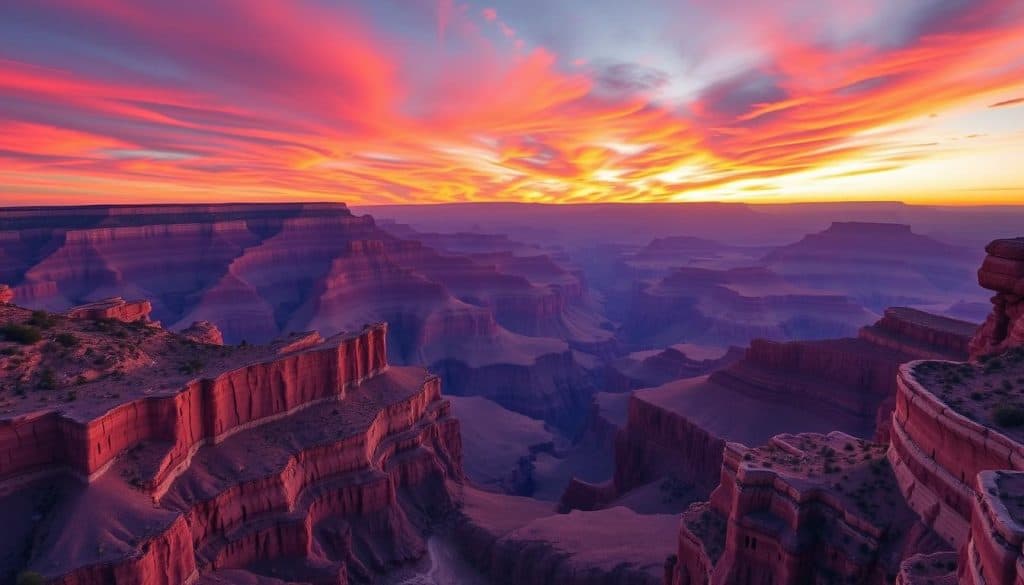
The Grand Canyon, one of the world’s most iconic natural wonders, attracts millions of visitors each year. Located in Arizona, Grand Canyon National Park is a testament to the power of erosion and geological history.
Iconic Views and Experiences
The South Rim of the Grand Canyon offers some of the most spectacular viewpoints, including Mather Point and Yavapai Point. Visitors can enjoy scenic drives along Desert View Drive, hike trails like the Bright Angel and South Kaibab, or experience the canyon from a new perspective with mule rides or helicopter tours.
For a different experience, the North Rim provides distinct viewpoints with fewer crowds. The park is also renowned for its spectacular sunrise and sunset viewing opportunities, attracting photographers and visitors alike. If you’re planning a family trip, you might also be interested in exploring some of the best family-friendly national parks.
4. Yellowstone National Park
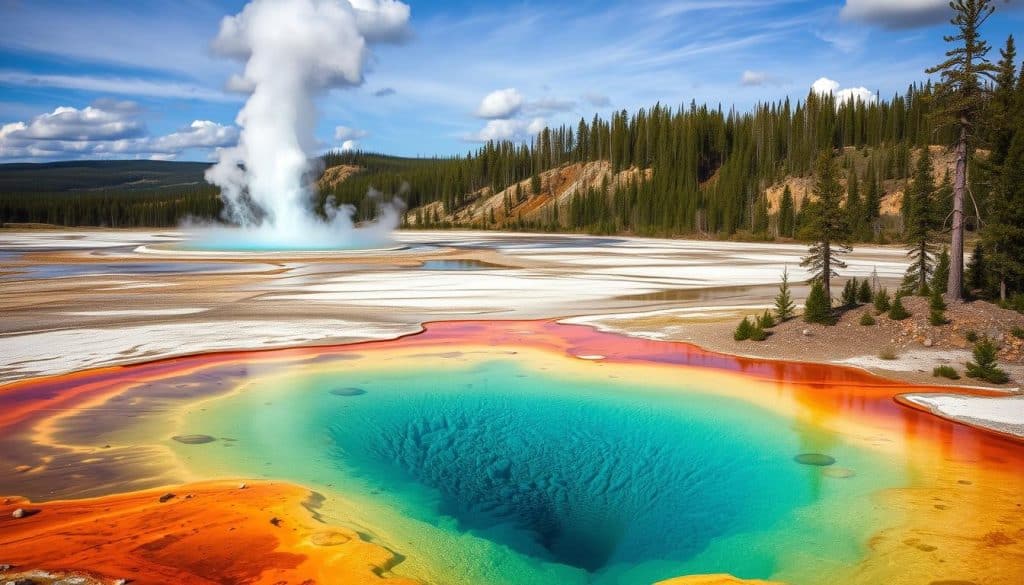
With over 10,000 thermal features, Yellowstone National Park is a unique destination that attracts visitors from around the world. The park is home to more than half of the world’s active geysers, including the iconic Old Faithful.
Wildlife and Geothermal Features
Yellowstone’s diverse ecosystems support a wide range of wildlife, from bison and elk to bears and wolves. The park’s geothermal features, such as the Grand Prismatic Spring, are a major draw for visitors.
The park’s forests and river valleys provide a habitat for an abundance of wildlife, making it a popular destination for wildlife viewing. Visitors can explore the park’s many attractions, including the Mammoth Hot Springs terraces.
5. Rocky Mountain National Park

As the fifth most visited national park, Rocky Mountain National Park welcomed 4.2 million visitors in 2024. Located in northern Colorado, just 90 minutes from Denver, the park’s accessibility contributes to its popularity.
The park boasts dramatic mountain scenery with 72 peaks over 12,000 feet and the Continental Divide running through its center. It features diverse ecosystems, including montane forests, alpine tundra, 150 lakes, and 450 miles of streams.
To manage growing visitation, a timed entry reservation system is in place during peak seasons.
6. Yosemite National Park
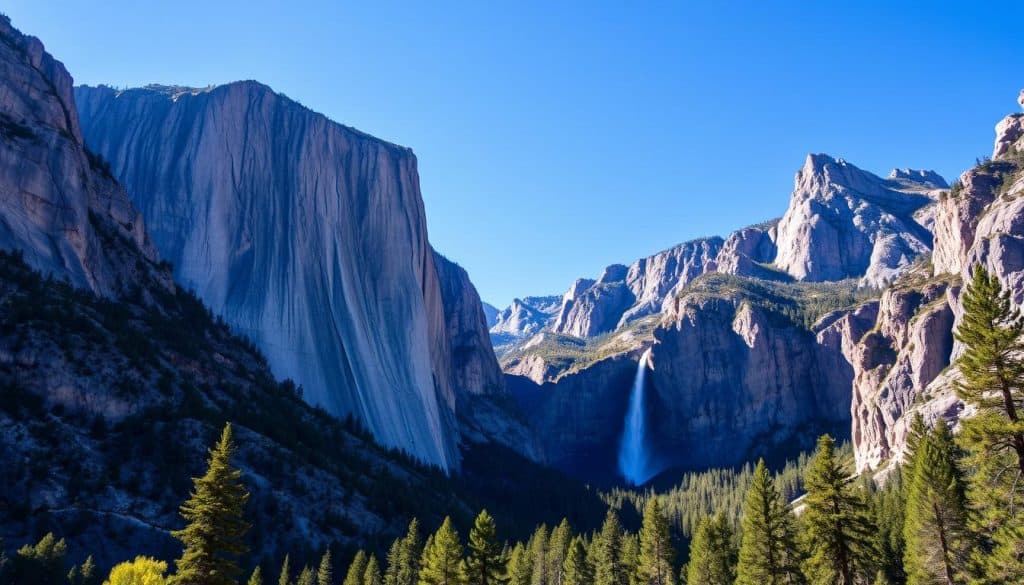
Located in California’s Sierra Nevada mountains, Yosemite National Park is a haven for nature lovers and adventure seekers alike. In 2024, it welcomed 4,121,807 visitors, making it the sixth most visited national park. The park’s diverse landscape, featuring granite monoliths, waterfalls, and ancient sequoia groves, is a major draw.
Most visitors flock to Yosemite Valley, a mile-wide, seven-mile-long canyon carved by a river and then widened and deepened by glacial action. Despite its popularity, the valley is just a small part of the park’s nearly 750,000 acres of wilderness. Yosemite’s natural beauty has been a subject of admiration for centuries, with conservationists like John Muir playing a crucial role in its establishment as a national park in 1890.
To manage the crowds and enhance visitor experiences, Yosemite has implemented a reservation system during peak seasons. This allows visitors to plan their trips more effectively and enjoy the park’s wonders without the overwhelm of large crowds. For more insights on managing visits to national parks, you can explore resources on sustainable tourism practices.
7. Acadia National Park
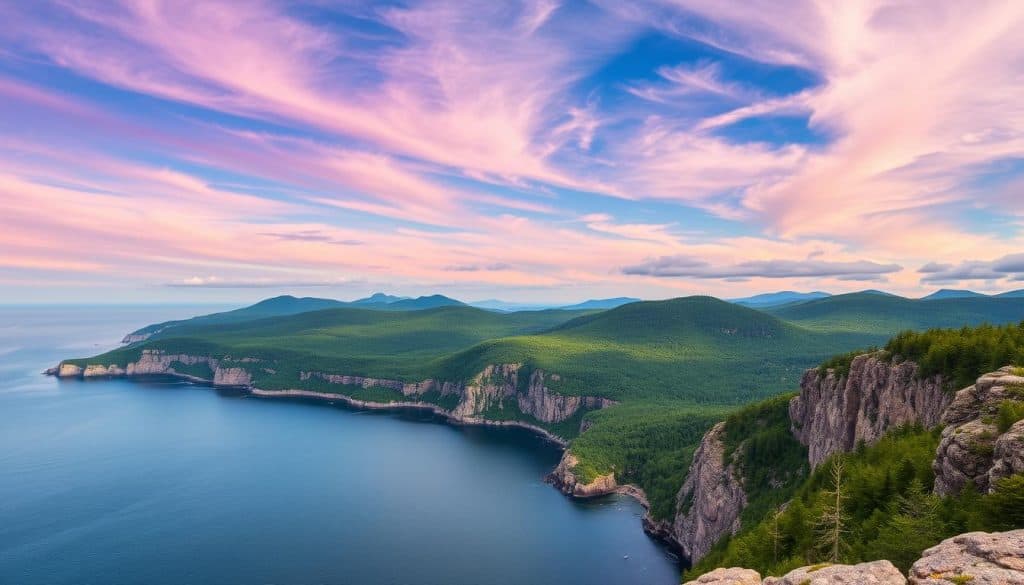
With nearly 4 million visitors in 2024, Acadia National Park stands out as the seventh most visited national park in the country.
Located in Maine, Acadia National Park is the only national park in the Northeast, offering a unique blend of rugged coastline and mountainous landscapes on Mount Desert Island.
This park is a patchwork of parkland, private property, and waterside villages, creating a distinctive experience for visitors.
8. Olympic National Park

Olympic National Park, a gem on Washington’s Olympic Peninsula, attracted over 3.7 million visitors in 2024. This national park is renowned for its diverse ecosystems, encompassing glacier-capped mountains, old-growth temperate forests, and a wild Pacific coastline.
Spanning over 922,651 acres, it is a vast wilderness area, recognized as both a UNESCO World Heritage Site and International Biosphere Reserve. The park’s unique geography, essentially an island surrounded by developed areas and the Pacific Ocean, has fostered remarkable biodiversity, including species found nowhere else on Earth.
9. Grand Teton National Park
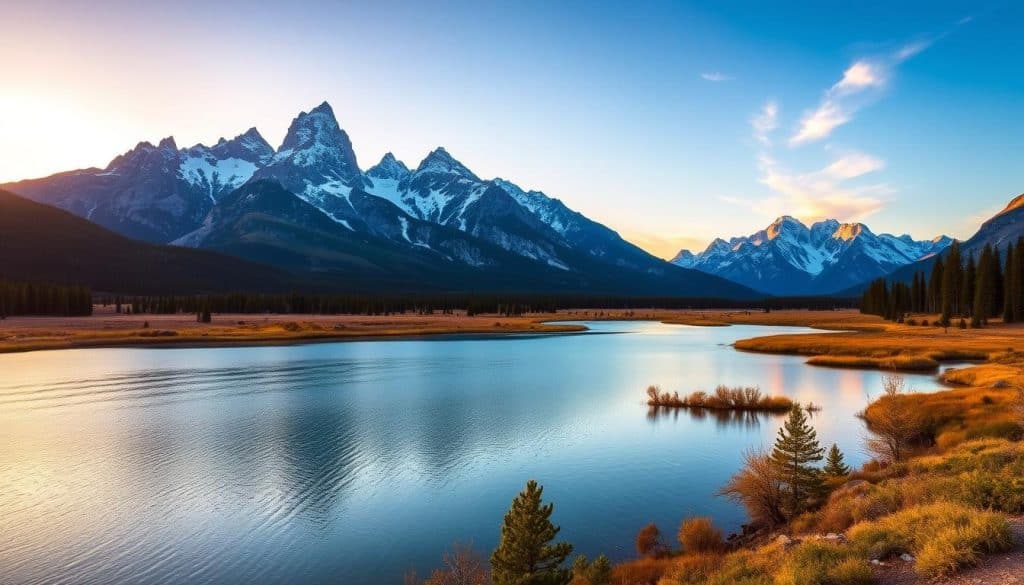
As the ninth most visited national park, Grand Teton National Park offers an unforgettable experience with its natural beauty and accessibility. The park’s dramatic landscape in northwestern Wyoming is dominated by the jagged Teton Range, which rises abruptly from the valley floor. With over 3.6 million visitors in 2024, the park’s pristine lakes, alpine terrain, and diverse wildlife attract photographers and outdoor enthusiasts alike.
Its proximity to Yellowstone National Park makes it a popular combined destination. The park’s relatively compact size and good road access make its spectacular scenery highly accessible to visitors.
10. Glacier National Park
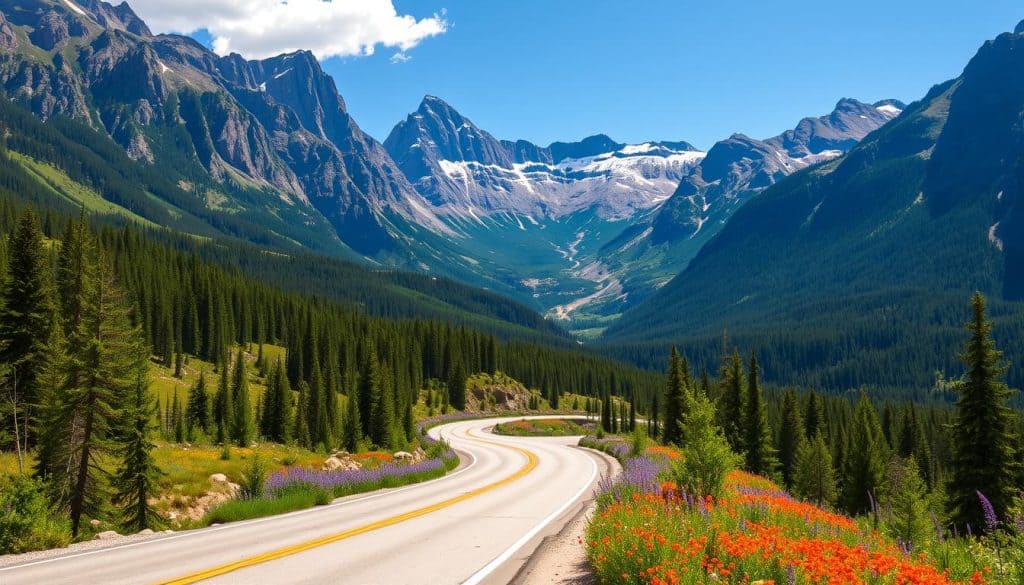
Nestled in the majestic Rockies of northern Montana, Glacier National Park is renowned for its glaciers, alpine lakes, and diverse wildlife, welcoming over 3.2 million visitors in 2024.
This stunning national park is characterized by its rugged mountain scenery and pristine lakes. The famous Going-to-the-Sun Road is an engineering marvel that crosses the Continental Divide, providing access to much of the park’s interior.
Unfortunately, the park’s glaciers are rapidly melting due to climate change, declining from over 150 in 1850 to fewer than 25 today. As part of the Waterton-Glacier International Peace Park, a UNESCO World Heritage Site shared with Canada, Glacier National Park is a unique and fascinating destination.
Peak Season vs. Off-Season Visitation
National parks offer unique experiences during different times of the year, from crowded summer months to serene off-season periods.
During peak season, typically June through August, most national parks see a significant surge in visitors, with some parks welcoming up to 70% of their annual visitors during this time. For instance, Great Smoky Mountains National Park is one of the most visited national parks in the country, with over 11 million visitors annually.
- Fewer crowds during the off-season, allowing for a more peaceful experience
- Better wildlife viewing opportunities as animals are more active and less disturbed
- More solitude in popular areas, enhancing the overall connection with nature
However, it’s essential to consider that some national parks may have seasonal closures or limited accessibility due to weather conditions during the off-season. Parks with milder climates, such as Everglades National Park, tend to have more balanced visitation throughout the year.
Ultimately, understanding the peak and off-season dynamics can help you plan a more enjoyable and fulfilling visit to any national park.
How to Avoid Crowds at Popular Parks
I’ve learned that with a little planning, you can enjoy popular national parks without the chaos. One key strategy is to time your visit right. Early morning or evening visits to popular attractions can make a big difference, as day-trippers are typically less present during these times.
Visiting during shoulder seasons (April-May or September-October) is another effective way to avoid crowds. The weather is often pleasant, and you’ll encounter significantly fewer people. As a seasoned visitor once said,
“The best time to visit national parks is when the crowds are gone, and the beauty is all yours.”
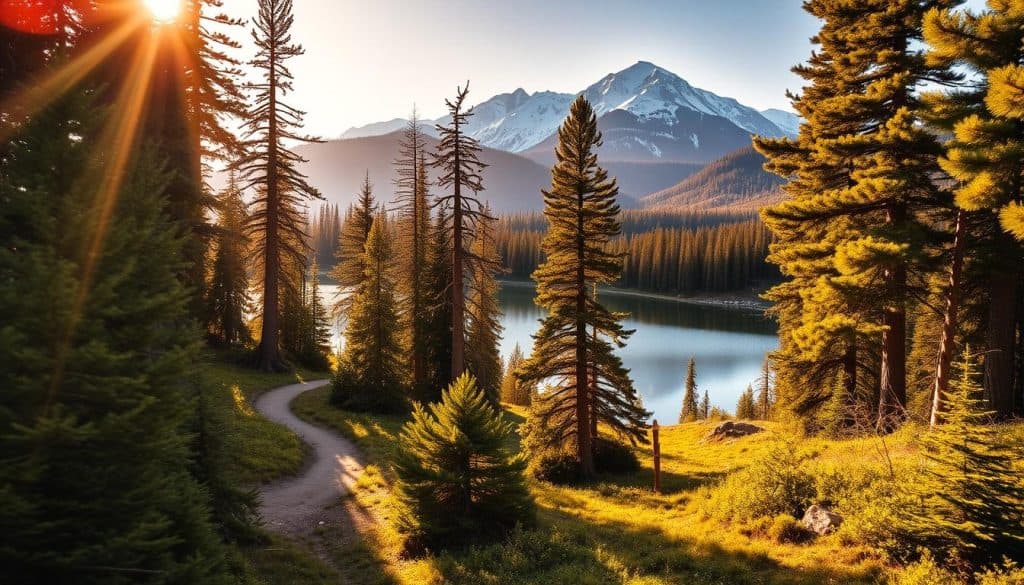
Exploring lesser-known areas within popular parks can also provide a more serene experience. These hidden gems often offer similar experiences to the crowded hotspots but with more solitude. Advance planning is also crucial; securing permits and reservations for popular activities and accommodations well ahead of time can save you from the disappointment of sold-out spots.
Lesser-Known Parks Worth Visiting
The United States is home to numerous national parks that offer breathtaking landscapes without the crowds. Parks like Great Basin, North Cascades, and Guadalupe Mountains provide authentic wilderness experiences and better opportunities for solitude. These parks, though less visited, boast unique features such as ancient bristlecone pine trees, glacier-carved mountains, and diverse wildlife.
Visiting these lesser-known parks not only enhances your experience but also helps distribute tourism impact more evenly across the national park system.
| Park Name | Acres | Unique Feature |
|---|---|---|
| Great Basin | 77,180 | Ancient bristlecone pines |
| North Cascades | 504,781 | Glacier-carved mountains |
| Guadalupe Mountains | 86,367 | Diverse wildlife and fossils |
Impact of Tourism on National Parks
With visitation numbers at an all-time high, the impact of tourism on national parks is a pressing concern. The record numbers come as mass firings of national park staffers numbering around 1,000 have been carried out, raising concerns about the ability to manage these areas effectively.
The environmental and infrastructure impacts are significant, with issues like trail erosion, wildlife disturbance, and traffic congestion becoming more prevalent. For example, Yosemite’s meadows are being trampled, and Yellowstone is experiencing wildlife habituation due to the high volume of visitors.
The National Park Service faces staffing challenges, struggling to balance the dual mandate of providing for visitor enjoyment while preserving resources for future generations across over 63 million acres of land.
Sustainable Tourism in National Parks
The growing number of visitors to national parks has sparked a crucial conversation about sustainable tourism practices. As a result, the park service is implementing innovative management strategies to minimize visitor impacts while maximizing experiences.
These strategies include timed entry reservations, shuttle systems, and capacity limits to reduce congestion and protect the natural environment. Additionally, national parks are promoting the “Leave No Trace” principles to educate visitors about responsible recreation practices.
To accommodate high visitation while preserving resources, infrastructure improvements such as boardwalks, designated viewing areas, and sustainable facilities are being developed. Technology is also being leveraged to manage visitation, with online reservation systems and apps that help distribute visitors throughout parks.
Conclusion
With over 12 million visitors annually, Great Smoky Mountains National Park is a testament to the enduring appeal of America’s natural wonders. Since Yellowstone became the world’s first national park in 1872, the national parks system has grown in popularity. Each park offers unique experiences, encouraging exploration beyond the most famous destinations. As you plan your visit, remember the importance of responsible visitation to protect these treasures for future generations.
FAQ
Which national park attracts millions of visitors every year?
Great Smoky Mountains National Park tops the list, with over 11 million visitors annually, making it one of the most visited national parks in the United States.
Are there any hiking trails in these popular national parks?
Yes, many national parks, including Great Smoky Mountains, Zion, and Yosemite, offer a range of hiking trails for different skill levels, from easy day hikes to multi-day backpacking trips.
How can I avoid crowds at popular national parks?
Visiting during the off-season or early in the morning can help minimize encounters with large crowds. Additionally, exploring lesser-known parks or trails can provide a more serene experience.
What are some ecosystems found in national parks?
National parks like Olympic and Acadia feature diverse ecosystems, including temperate rainforests, mountains, and coastal areas, supporting a wide variety of flora and fauna.
Can I visit multiple national parks in one trip?
Yes, many national parks are located relatively close to each other. For example, visiting Grand Teton and Yellowstone in one trip is a popular itinerary, as they are adjacent to each other.
How do visitor numbers impact national parks?
High visitor numbers can strain park resources and infrastructure. However, the National Park Service works to manage tourism sustainably, balancing visitor access with conservation efforts.
Are there sustainable tourism practices in national parks?
Yes, many national parks promote sustainable tourism by encouraging visitors to follow park rules, stay on designated trails, and respect wildlife, thereby minimizing their environmental footprint.