

As I lace up my hiking boots and hit the trails, I’m often struck by the sheer number of fellow hikers I meet along the way. With over 44 million Americans hitting the trails each year, it’s clear that hiking is a beloved pastime.
But what makes a trail truly special? Is it the challenging terrain, the breathtaking views, or the sense of accomplishment after completing a difficult hike? As we explore America’s most popular trails, we’ll examine the factors that contribute to a trail’s popularity and reveal which one stands out from the rest.
Key Takeaways
- Understanding what makes a hiking trail popular
- Examining the role of social media in trail popularity
- Discovering the most visited hiking trails in the US
- Factors contributing to a trail’s appeal, such as scenic beauty and challenge level
- The cultural significance of iconic hiking trails
The Appeal of America’s Most Popular Hiking Trails
As we explore the most popular hiking trails in America, it becomes clear that certain trails have captured the imagination of hikers nationwide. With over 193,500 miles of hiking trails across the country, the question arises: what makes some trails more appealing than others?
Why Certain Trails Capture Our Imagination
Popular hiking trails often share common elements that captivate hikers. These include breathtaking vistas, unique geological features, and diverse ecosystems. Trails like Angels Landing and the Appalachian Trail have become iconic, representing more than just a path through nature but a transformative experience. The perfect balance between accessibility and challenge is also a key factor in a trail’s appeal.
- Breathtaking views that leave hikers in awe
- Unique geological features that showcase nature’s wonders
- Diverse ecosystems that support a wide range of flora and fauna
How Popularity is Measured in the Hiking World
The measurement of trail popularity has evolved in the digital age. Metrics now include social media mentions, online reviews, permit applications, and annual visitor statistics. Both objective data, such as visitor numbers, and subjective experiences, like social media engagement, contribute to a trail’s reputation and popularity. This dual approach provides a comprehensive understanding of a trail’s appeal.
As we delve into the world of America’s most popular hiking trails, it becomes evident that their appeal lies in a combination of natural beauty, accessibility, and the experiences they offer. Whether it’s the scenic views, the challenge, or the sense of accomplishment, these trails have something special to offer hikers of all levels.
Methodology: How We Determined America’s Most Popular Trails
By examining a wide range of data, we were able to identify which hiking trails stand out as the most popular among hikers. Our comprehensive methodology involved analyzing 1,000 trails across all 50 states to determine which truly deserves the title of “most popular” in America.
Data Sources and Metrics Used
We evaluated the trails based on four key metrics: the number of reviews they’ve received on AllTrails, their rating scores on AllTrails, the frequency with which they appear in Google searches, and their popularity on Instagram. These digital indicators accurately reflect real-world trail popularity.
- AllTrails reviews and ratings: Providing insight into hiker satisfaction and trail frequency.
- Google search frequency: Indicating the level of interest and planning around each trail.
- Instagram popularity: Reflecting the trails‘ visual appeal and social media presence.
Ranking Criteria Explained
We weighted different factors to create a holistic picture of each trail‘s cultural impact. This included accounting for seasonal variations in hiking popularity and normalizing data across trails of varying lengths and difficulty levels.
Our analysis wasn’t just about numbers; we also considered qualitative assessments to understand what makes a trail beloved. This approach allowed us to rank trails based on a comprehensive view of their appeal.
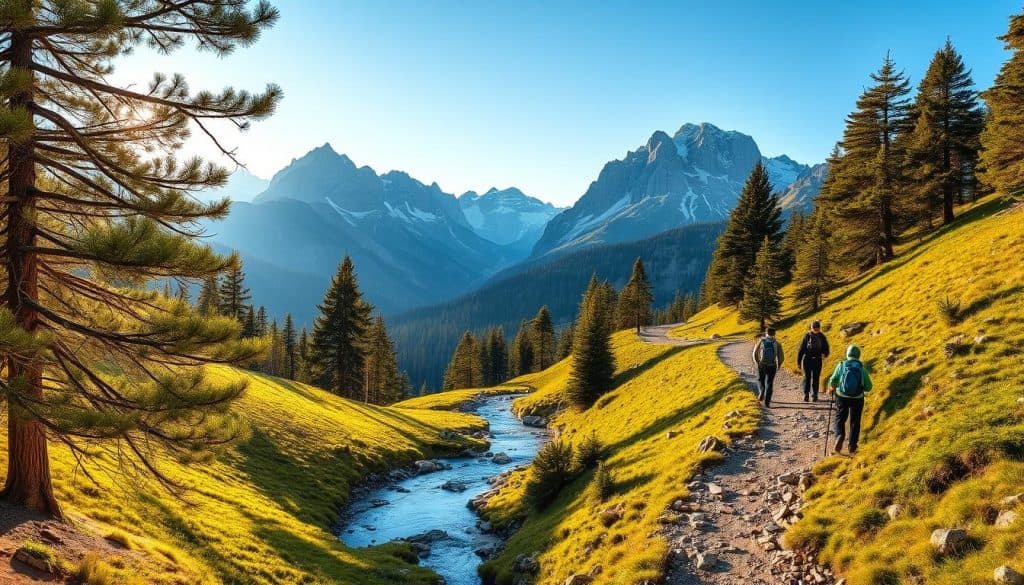
Angels Landing Trail: America’s Most Popular Hiking Experience
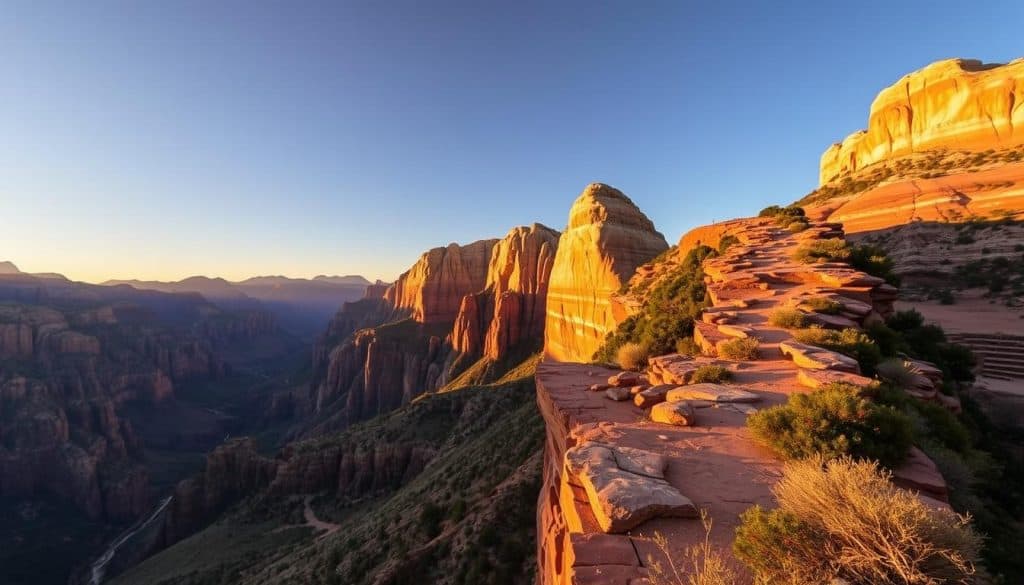
Zion National Park’s Angels Landing Trail has emerged as the most popular hiking destination in the US, captivating hikers with its challenging terrain and breathtaking views. This 5.4-mile round-trip hike is not for the faint-hearted, offering an unparalleled hiking experience that combines steep ascents, narrow ridgelines, and hypnotizing views of Zion Canyon.
Trail Overview and Location Details
Located in Zion National Park, Utah, Angels Landing Trail is a challenging hike that requires a good level of physical fitness and mental preparedness. The trailhead is accessible from the Grotto Trailhead, and the hike typically takes around 4-5 hours to complete. The trail involves a significant elevation gain of about 1,400 feet, with some sections featuring chains to aid in the ascent.
The trail is well-marked, but it’s essential to be prepared for changing weather conditions and potential crowds, especially during peak season. As you hike, you’ll be surrounded by the unique geological formations that Zion National Park is known for, making the experience even more memorable.
What Makes Angels Landing So Beloved
So, what makes Angels Landing so beloved among hikers? For many, it’s the perfect combination of challenge and reward. The hike is long enough to be satisfying but short enough to be completed in a day. The sense of accomplishment upon reaching the summit is immense, with panoramic views of Zion Canyon that are simply breathtaking.
The trail’s unique features, including the infamous chain section along narrow ridgelines, test hikers’ courage while rewarding them with unforgettable views. For those seeking an adventure that pushes their limits, Angels Landing is a must-experience.
Essential Tips for Hiking Angels Landing
If you’re planning to tackle Angels Landing, here are a few essential tips to keep in mind. First, be sure to obtain a permit through the Zion National Park’s permit system, as the trail can get crowded. It’s also crucial to check the weather forecast and trail conditions before you go.
Be prepared for the challenging terrain and elevation gain by bringing plenty of water, snacks, and wearing suitable hiking shoes. Lastly, consider hiking early in the morning or late in the afternoon to avoid the peak sun hours and crowds.
The Iconic Appalachian Trail: America’s Hiking Legacy
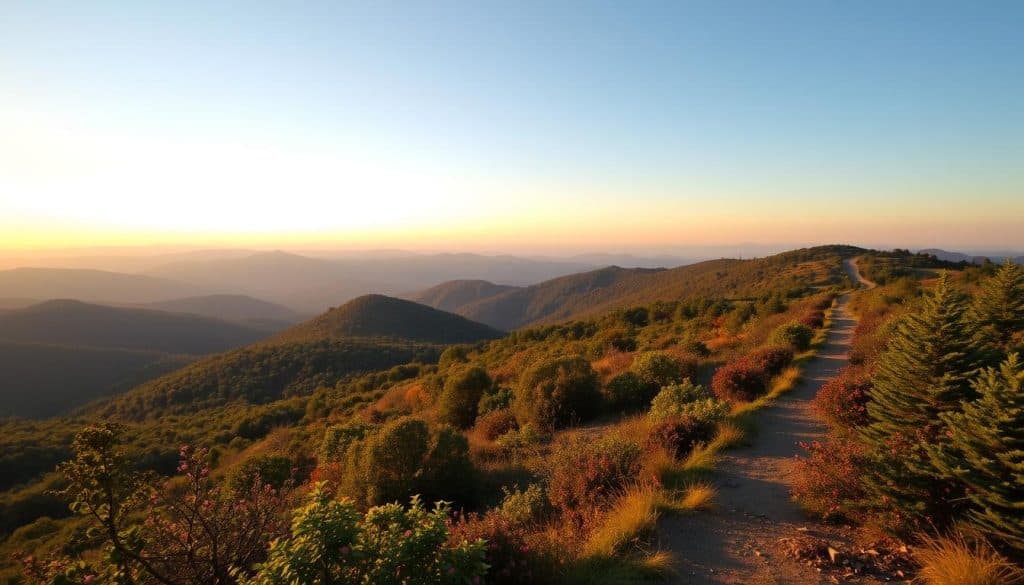
The Appalachian Trail, spanning nearly 2,200 miles, is a cultural icon that embodies the spirit of American wilderness. As America’s most storied long-distance hiking path, it stretches through 14 states from Georgia to Maine, offering diverse terrains and rich outdoor experiences.
Whether you’re a seasoned hiker or just starting out, the Appalachian Trail has something to offer. Its popularity stems from its accessibility from major population centers on the East Coast, with many sections providing perfect weekend hiking opportunities.
Most Popular Sections of the AT
The Appalachian Trail has numerous sections that attract both day hikers and thru-hikers. One of the most beloved segments is the Great Smoky Mountains National Park section, known for its lush landscapes and diverse wildlife. Other popular sections include the iconic Adirondacks of New York and the diverse terrains of North Carolina.
These sections offer a glimpse into the trail’s vast beauty, with mountain vistas, forests, and wildlife viewing opportunities. The varied landscapes ensure that each section of the trail offers a unique hiking experience.
Why the Appalachian Trail Remains a Bucket List Hike
The Appalachian Trail has maintained its legendary status for nearly a century, inspiring countless hikers, books, and movies. Its cultural significance extends beyond hiking – it represents an American ideal of wilderness preservation and has influenced conservation efforts nationwide.
The trail’s enduring appeal lies in its ability to connect people with nature and with each other. The Appalachian Trail Conservancy plays a crucial role in managing this massive trail system, ensuring its preservation for future generations.
Grand Canyon Rim-to-Rim: The Ultimate Canyon Experience
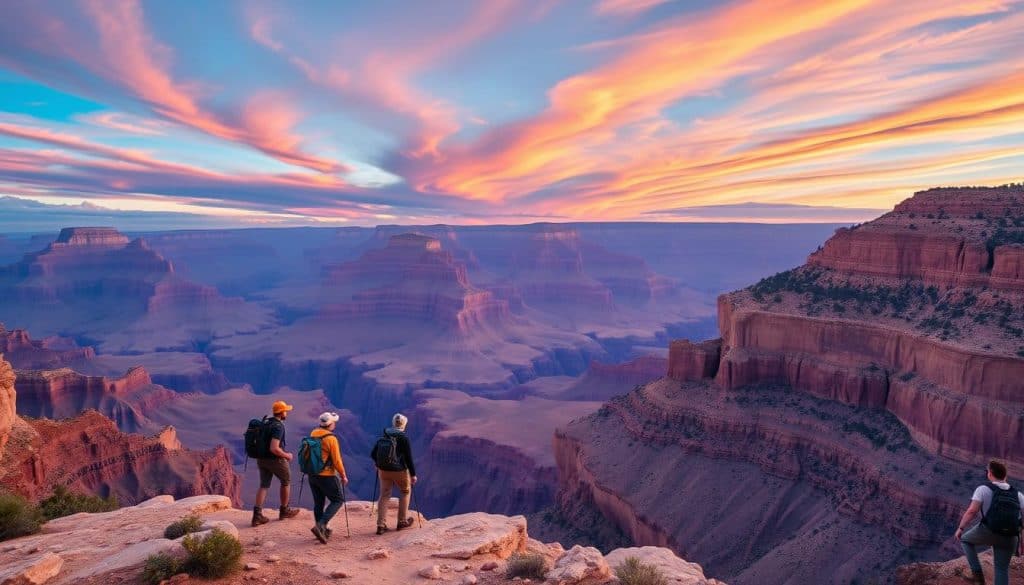
As you embark on the Grand Canyon Rim-to-Rim hike, you’ll be immersed in a world of natural wonder. This challenging hiking trail spans approximately 21-24 miles, with a significant elevation change that tests even experienced hikers.
Trail Details and Planning Information
The Grand Canyon Rim-to-Rim trail offers two primary route options: North Kaibab to Bright Angel or South Kaibab. Planning your trip involves considering permit requirements, transportation, and accommodation options at Phantom Ranch or nearby campgrounds.
Understanding the logistics is crucial for a successful hike. You’ll need to plan your itinerary carefully, taking into account the distance, elevation change, and available amenities along the way.
The Transformative Experience of Crossing the Canyon
Hiking between the Grand Canyon’s rims is more than just a hike; it’s a journey through time. As you move down, along, and up the canyon, you’re traversing two billion years of geologic history. This experience is both intellectually stimulating and deeply moving, offering a unique perspective on the natural world.
The Grand Canyon’s vast expanse and breathtaking vistas make the Rim-to-Rim hike a life-changing experience. Many hikers describe the sense of accomplishment and awe they feel upon completing this challenging day hike or multi-day trip.
Best Seasons and Preparation Tips
To ensure a safe and enjoyable experience, it’s essential to plan your hike during the cooler months, avoiding the intense summer heat. Adequate preparation includes training, water planning, and understanding the miles of terrain you’ll be covering.
By being well-prepared and aware of the challenges involved, you can fully appreciate the beauty and majesty of the Grand Canyon, making your Rim-to-Rim hike a truly unforgettable adventure.
Half Dome via the John Muir Trail: Yosemite’s Crown Jewel
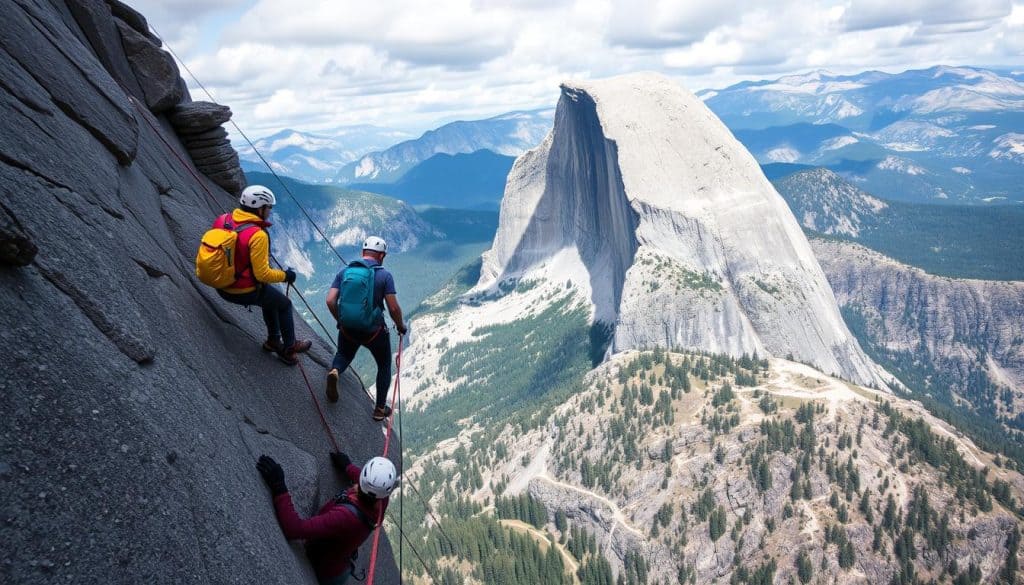
As one of America’s most iconic day hikes, the Half Dome trail via the John Muir Trail offers an unforgettable journey through Yosemite’s stunning natural beauty. This challenging hike spans 14 to 16 miles round-trip, with approximately 4,800 feet of elevation gain, making it a true test of endurance for even experienced hikers.
Trail Description and Challenges
The trail begins in Yosemite Valley, winding through lush forests and past picturesque waterfalls before reaching the famous cable section that assists hikers up the steep granite dome. The trail is renowned for its breathtaking views of Yosemite’s subalpine meadows and the iconic rock formations that dot the landscape.
The challenges of this hike are multifaceted, including the physically demanding distance, significant elevation gain, and the mentally challenging cable section that requires both strength and courage. As you ascend, the terrain shifts from shaded forests to exposed rock faces, culminating in a thrilling but daunting climb to the summit.
The Permit System and Planning Your Hike
To manage the high volume of hikers attempting this iconic trail, Yosemite National Park has implemented a permit system for Half Dome. The daily quota is limited, and permits are distributed through a pre-season lottery and a daily lottery. It’s essential to plan ahead, as demand far exceeds the available permits.
When planning your hike, consider the best seasons to attempt the trail, typically late spring through early fall. Essential gear includes sturdy hiking boots, gloves for the cable section, and plenty of water and snacks to sustain you throughout the long day. Strategies for managing the hike safely include starting early, being prepared for changing weather conditions, and knowing your physical limits.
The Wave at Coyote Buttes North: America’s Most Photographed Trail
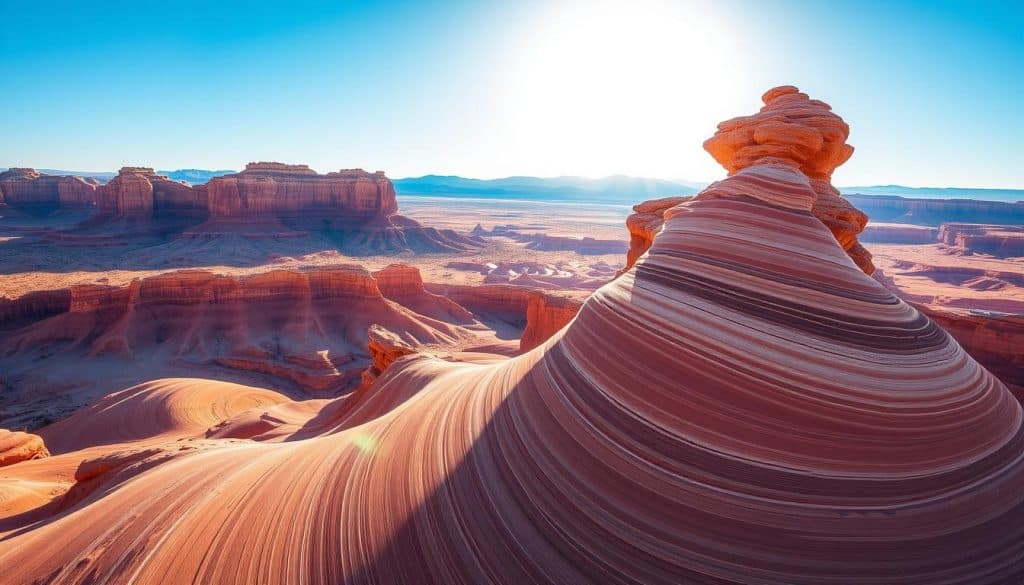
The Wave, a unique rock formation in Arizona, has gained international recognition for its breathtaking beauty and challenging accessibility. As you plan your visit, you’ll quickly realize that seeing The Wave is not just about hiking; it’s about experiencing one of nature’s most extraordinary creations.
The Permit Lottery and Access Challenges
The journey to The Wave begins with a notoriously competitive permit lottery system. Each day, only 64 hikers are allowed to visit, making it one of the most difficult hiking experiences to access in the United States. The lottery system, managed by the Bureau of Land Management, has become a significant challenge for those eager to witness The Wave’s surreal beauty.
The 6-mile round-trip hike is another aspect to consider. The trail is unmarked and traverses through challenging desert terrain, adding to both the adventure and the exclusivity of the experience. As you navigate through the rugged landscape, you’ll need to be prepared for the physical demands of hiking in such a remote area.
What Makes This Geological Wonder Worth the Effort
The Wave’s mesmerizing swirls of red, orange, and yellow sandstone are a result of millions of years of wind erosion. This natural wonder is a testament to the incredible geological processes that have shaped our planet. As you stand before The Wave, you’ll be struck by its beauty and the unique landscape it creates.
The impact of social media on The Wave’s popularity cannot be overstated. While it has brought appreciation for this geological wonder, it has also created management challenges due to overwhelming demand. As you plan your visit, consider the importance of preserving this natural space for future generations.
What is the most popular hiking trail in the US? Data Reveals the Top Contenders
By examining social media trends and user reviews, we can identify the most beloved hiking trails across the country. Our analysis gathered data from Instagram mentions, Google Searches, reviews, and rankings from AllTrails for 20 hiking trails from each state.
Social Media’s Most Tagged Trails
Instagram has become a significant factor in determining a trail’s popularity. Trails with unique features like Angels Landing’s chain section, The Wave’s swirling sandstone, and Grand Canyon vistas drive social media popularity. These visually stunning locations make for great content, encouraging hikers to share their experiences online.
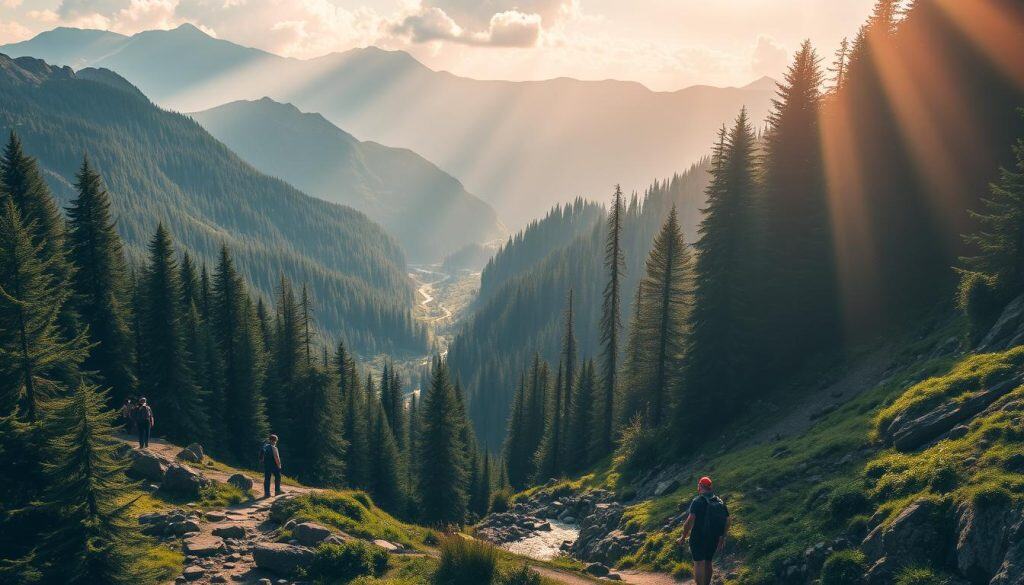
Our data shows that trails with distinctive natural features are more likely to be tagged and shared. This not only reflects their popularity but also influences future hikers’ decisions on which trails to visit.
| Trail Name | Instagram Mentions | Average User Rating |
|---|---|---|
| Angels Landing | 250,000+ | 4.5/5 |
| The Wave | 200,000+ | 4.7/5 |
| Grand Canyon Rim-to-Rim | 300,000+ | 4.8/5 |
Trails with the Highest User Ratings
User ratings from platforms like AllTrails provide insight into the quality and appeal of hiking trails. Our analysis reveals that trails with high user ratings often share common elements such as well-maintained paths, scenic beauty, and unique experiences.
For instance, trails located within national parks tend to have higher ratings due to their well-managed infrastructure and breathtaking landscapes. The data suggests that hikers value not only the natural beauty of a trail but also its accessibility and overall hiking experience.
Longs Peak via The Keyhole: Colorado’s Favorite 14er

The Keyhole route to Longs Peak is a favorite among Colorado hikers, offering a mix of accessibility and genuine mountaineering challenge across its 14-15 mile round-trip journey. Located within Rocky Mountain National Park, this iconic 14er is known for its distinctive profile, visible from Denver, and its unique geological features.
Route Description and Challenges
The hike begins in a forested area, gradually transitioning to alpine terrain as you approach the Keyhole, a narrow passage that marks the beginning of the more technical climb. The route includes challenging sections such as the exposed Narrows and the steep Trough, before reaching the Homestretch and finally the 14,259-foot summit. For detailed information on the route, visit 14ers.com.
Why This 14er Stands Out
Longs Peak is one of Colorado’s 58 “fourteeners,” but it stands out due to its unique profile and the balance it strikes between accessibility and challenge. It’s a cultural icon in Colorado’s outdoor community, often serving as an introduction to more technical mountain climbing for many hikers. The mountain’s distinctive features, such as “The Diamond” and the “Keyboard of the Winds,” make it a marvel of geological forces.
As you plan your hike, remember that an alpine start is crucial, and being prepared for changing weather conditions is key to a safe and successful ascent.
Florida Trail: Unexpected Wilderness in the Sunshine State

The Florida Trail, particularly its southernmost section through Big Cypress National Preserve, is a must-visit for adventurous hikers seeking a unique experience. This 30-mile stretch is often described as one of the most gorgeous and fun sections of trail in the U.S., offering a true wilderness adventure.
The First 30 Miles: A Unique Swamp Experience
The southernmost 30 miles of the Florida Trail provide what’s known as “swamp tromp” hiking, where the trail is often underwater. This immersive experience challenges preconceptions about hiking in Florida, turning a typical hike into an adventure through cypress domes and hardwood hammocks.
As you navigate through this unique terrain, you’ll encounter diverse ecosystems, from pine flatwoods to prairies. The water-logged conditions require special gear and preparation, making it a true test of a hiker’s resolve and adaptability.
Wildlife Encounters and Natural Beauty
The Florida Trail is renowned for its rich biodiversity. Hikers may spot alligators basking in the sun, orchids blooming in the shade, and air plants clinging to cypress trees. The possibility of catching a glimpse of the endangered Florida panther adds an extra layer of excitement to the hike.
For those interested in exploring more of America’s natural beauty, you might also enjoy visiting some of the best national parks on the East, which offer a range of outdoor experiences.
The trail’s unique ecosystems and water-filled landscapes make it a standout among America’s long-distance trails. Despite lacking the mountains or dramatic vistas of more famous paths, the Florida Trail deserves recognition for its understated beauty and challenging terrain.
Franconia Ridge Loop: New England’s Alpine Showcase
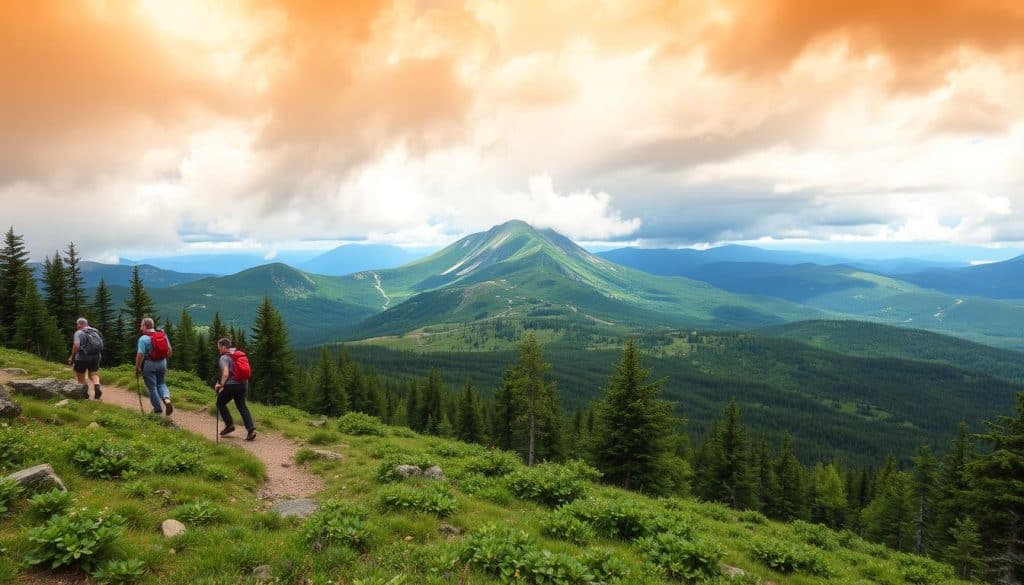
For those seeking an authentic alpine experience in the Eastern US, the Franconia Ridge Loop in New Hampshire stands out. This 9-mile circuit is renowned for its spectacular mountain views, diverse terrain, and challenging hiking conditions.
Trail Details and Mountain Views
The Franconia Ridge Loop trail begins in a forested valley, gradually ascending to the exposed ridge that connects Mount Lafayette, Mount Lincoln, and Little Haystack Mountain. As hikers traverse this ridge, they’re treated to breathtaking 360-degree views of the White Mountains. The trail’s terrain varies significantly, from dense forests to alpine meadows and rocky summits, offering a unique hiking experience.
The loop’s highest points provide panoramic views that are particularly stunning during the fall foliage season, with the surrounding mountains ablaze with color. On clear days, hikers can see as far as Mount Washington, the highest peak in the Northeast.
Why This Trail Represents the Best of the White Mountains
The Franconia Ridge Loop embodies the essence of the White Mountains, combining challenging terrain, spectacular views, and ecological diversity. The trail’s accessibility from major Northeast cities like Boston makes it a popular choice for hikers. The loop’s length and difficulty level make it an ideal day hike or backpacking trip for those looking to experience the best of New England’s alpine environment.
Seasonal variations add to the trail’s appeal, with summer wildflowers, fall foliage, and winter snowscapes each offering a unique perspective on the landscape. However, hikers must be prepared for changing weather conditions, especially on the exposed ridge.
Grand Staircase-Escalante: Utah’s Hidden Gem Trails
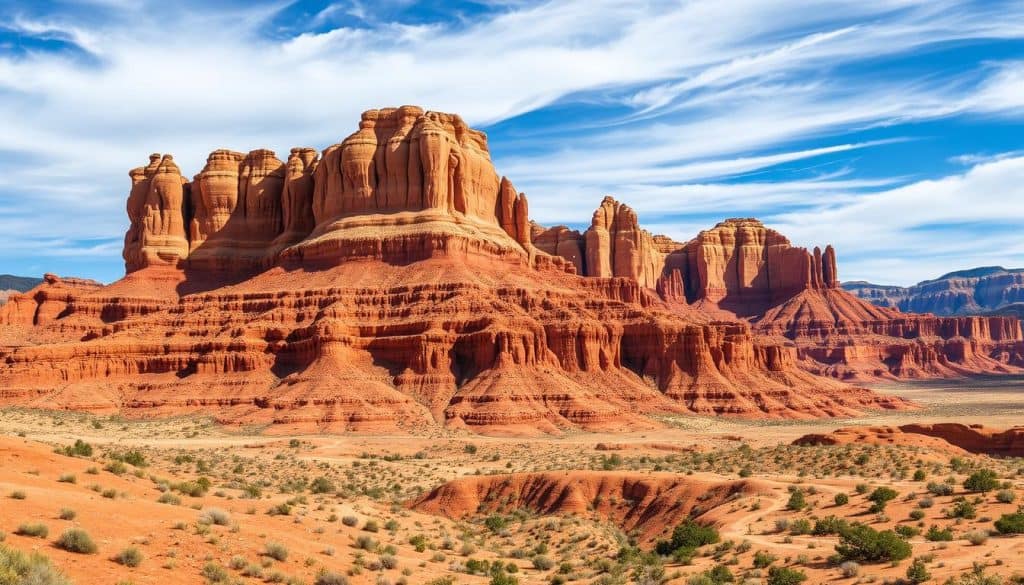
The Grand Staircase-Escalante National Monument presents a unique blend of accessibility and wilderness adventure, making it an ideal destination for hikers seeking diverse experiences.
Grand Staircase-Escalante offers some of America’s most spectacular desert hiking experiences, with its vast and varied terrain providing opportunities for both day hikes and multi-day backpacking adventures.
Peek-a-Boo and Spooky Slot Canyons
One of the monument’s premier attractions is the hiking trail through Peek-a-Boo and Spooky slot canyons, where narrow passages sometimes just 10 inches wide between towering sandstone walls create an otherworldly experience.
Hikers can explore these unique canyons, marveling at the geological formations and experiencing the thrill of navigating through such confined spaces.
Escalante Canyon and Coyote Gulch
The canyon hike through Escalante Canyon and Coyote Gulch offers a different yet equally captivating experience, with clear streams cutting through the desert terrain and creating lush riparian zones.
As hikers make their way through this beautiful landscape, they’ll encounter water features like hanging gardens and natural arches, making for a truly memorable adventure.
Black Elk Peak: The Highest Point East of the Rockies
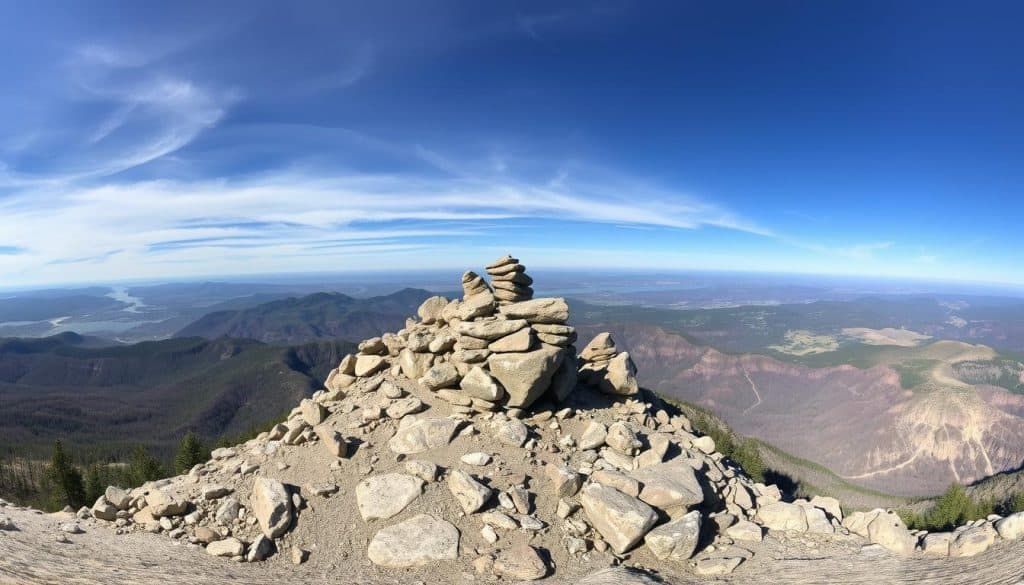
At 7,242 feet, Black Elk Peak is not just a mountain; it’s a gateway to understanding the intricate tapestry of American history and the beauty of the Midwest. This peak, located in the Black Hills of South Dakota, offers one of the most rewarding hiking experiences in the region.
Trail Options and Summit Views
Several trails lead to the summit, including the popular Sylvan Lake Trail #9 and routes through the Cathedral Spires area. Each trail offers a unique perspective on the granite formations and varying terrain. Upon reaching the summit, hikers are greeted by a historic stone fire lookout tower built in the 1930s and panoramic views that can extend to five states on clear days.
Historical Significance and Natural Beauty
Black Elk Peak holds significant cultural and historical importance. Renamed in 2016 from Harney Peak to Black Elk Peak, it honors the Lakota spiritual leader Black Elk, shifting the focus from a military figure to a revered Indigenous figure. This change reflects a broader effort to acknowledge and respect the region’s complex history. The peak represents a convergence of natural beauty and cultural history, making it a place of spiritual significance.
The best seasons for hiking and the variety of loop options available make Black Elk Peak accessible to many hikers. Visitors can combine this hike with other attractions in the Black Hills region, enhancing their overall experience.
States with the Highest Concentration of Popular Trails
America’s diverse geography is reflected in its hiking trails, with certain states standing out for their concentration of popular hikes. As we explore the distribution of these trails, it becomes clear that some states are hiking hotspots, offering a wide range of experiences for outdoor enthusiasts.
Western States Dominate the Rankings
The data reveals that Western states lead the pack when it comes to the number of top-rated hiking trails.California, Colorado, and Washingtontop the list, each boasting 20 trails that exceed the national average ranking. These states are followed closely byUtah, Arizona, and Hawaii, each contributing 19 top-rated trails to the national tally. Oregon rounds out this elite list with 16 trails surpassing the average benchmark. The dominance of these Western states can be attributed to their diverse landscapes, ranging from coastal trails to desert landscapes and alpine environments.
The table below summarizes the top states with the highest concentration of popular hiking trails:
| State | Number of Top-Rated Trails |
|---|---|
| California | 20 |
| Colorado | 20 |
| Washington | 20 |
| Utah | 19 |
| Arizona | 19 |
| Hawaii | 19 |
| Oregon | 16 |
Eastern Gems That Compete with Western Landscapes
While Western states dominate the rankings, there are surprising Eastern states that compete with their Western counterparts.New York’s Adirondacks, North Carolina’s Smoky Mountains, and New Hampshire’s White Mountainsoffer world-class hiking experiences despite their lower elevations. These regions showcase the diversity of America’s hiking landscape and highlight the importance of state and national park systems in developing and maintaining popular hiking trails.
What Makes a Trail Popular: Lessons from America’s Favorite Hikes
America’s most beloved hiking trails share certain characteristics that elevate them to iconic status in the hiking community. As we explore these popular trails, we can identify key elements that contribute to their enduring appeal.
The most popular trails strike a delicate balance between accessibility and challenge. They must be attainable enough to attract a broad audience while offering sufficient challenge to create a sense of accomplishment. This balance is crucial in making a trail appealing to a wide range of hikers.
Accessibility vs. Challenge: Finding the Sweet Spot
Trails that are too easy may not provide the sense of achievement that hikers seek, while those that are too difficult may deter less experienced hikers. The sweet spot is typically found in trails that offer a moderate level of difficulty, with features such as varied terrain and scenic views.
| Trail Feature | Accessibility | Challenge Level |
|---|---|---|
| Summit Views | Moderate | High |
| Waterfalls | Easy to Moderate | Low to Moderate |
| Exposed Ridgelines | Moderate to Difficult | High |
Natural Features That Draw Hikers
Certain natural features consistently draw hikers to popular trails. These include panoramic vistas, unique geological formations, and water features like rivers or lakes. Trails that offer a variety of these features throughout the journey tend to be more popular among hikers.
By understanding what makes a trail popular, land managers can develop new trails that cater to a wide range of hikers, and communities can better promote their outdoor recreation economies.
Conclusion: The Enduring Appeal of America’s Trails
The allure of America’s hiking trails lies not just in their natural beauty but in the transformative experiences they offer to those who hike them. As we’ve explored throughout this article, from the iconic Appalachian Trail to the breathtaking vistas of Grand Canyon Rim-to-Rim, each trail presents a unique journey that captivates and inspires hikers.
America’s diverse landscapes are beautifully represented by its trails, showcasing everything from desert slot canyons to alpine ridges. This diversity not only highlights the country’s natural richness but also underscores the importance of these trails as living connections to America’s conservation history. Decades of effort have gone into preserving these natural spaces and making them accessible to the public, reflecting a deep commitment to conservation and outdoor recreation.
Popular hiking trails create shared experiences that build a sense of community among hikers. Whether it’s the camaraderie of tackling a challenging summit or the collective appreciation of a stunning vista, these trails bring people together. As hiking participation continues to grow, and social media influences outdoor recreation patterns, trails evolve in popularity and management approaches.
While certain trails may be labeled as the “most popular” based on various metrics, the true value of any hiking experience lies in its personal impact. It’s about how a trail connects individuals to nature, challenges their perceived limitations, and creates lasting memories that enrich their life. As we look to the future, it’s clear that America’s hiking trails will continue to be cherished pathways to adventure, personal growth, and a deeper connection with the natural world.
FAQ
What makes a hiking trail popular in the US?
Trails with unique natural features, challenging terrain, and accessibility tend to be more popular among hikers.
Are there any hiking trails in the US that are suitable for beginners?
Yes, many national and state parks offer trails with varying difficulty levels, including easy day hikes perfect for beginners.
How do I prepare for a long-distance hike like the Appalachian Trail?
Preparation involves training, planning your itinerary, packing essential gear, and understanding the terrain and weather conditions.
What are some essential items to pack for a day hike?
Essentials include water, snacks, a map, sunscreen, a first-aid kit, and appropriate clothing for the terrain and weather.
Can I bring my dog on popular hiking trails in the US?
Pet policies vary by trail and park; some allow dogs on leashes, while others may not permit them at all, so it’s best to check ahead of time.
How do I obtain permits for popular hiking trails?
Permit systems vary; some trails require reservations well in advance, while others may offer permits on a first-come basis.
What are some safety tips for hiking alone?
Always let someone know your itinerary, carry a personal locator beacon (PLB) or satellite phone if possible, and stay connected with family or friends when you can.
Are there guided hiking tours available for popular trails?
Yes, many outfitters offer guided hikes for popular trails, which can be a great way to gain experience and insights from knowledgeable guides.