
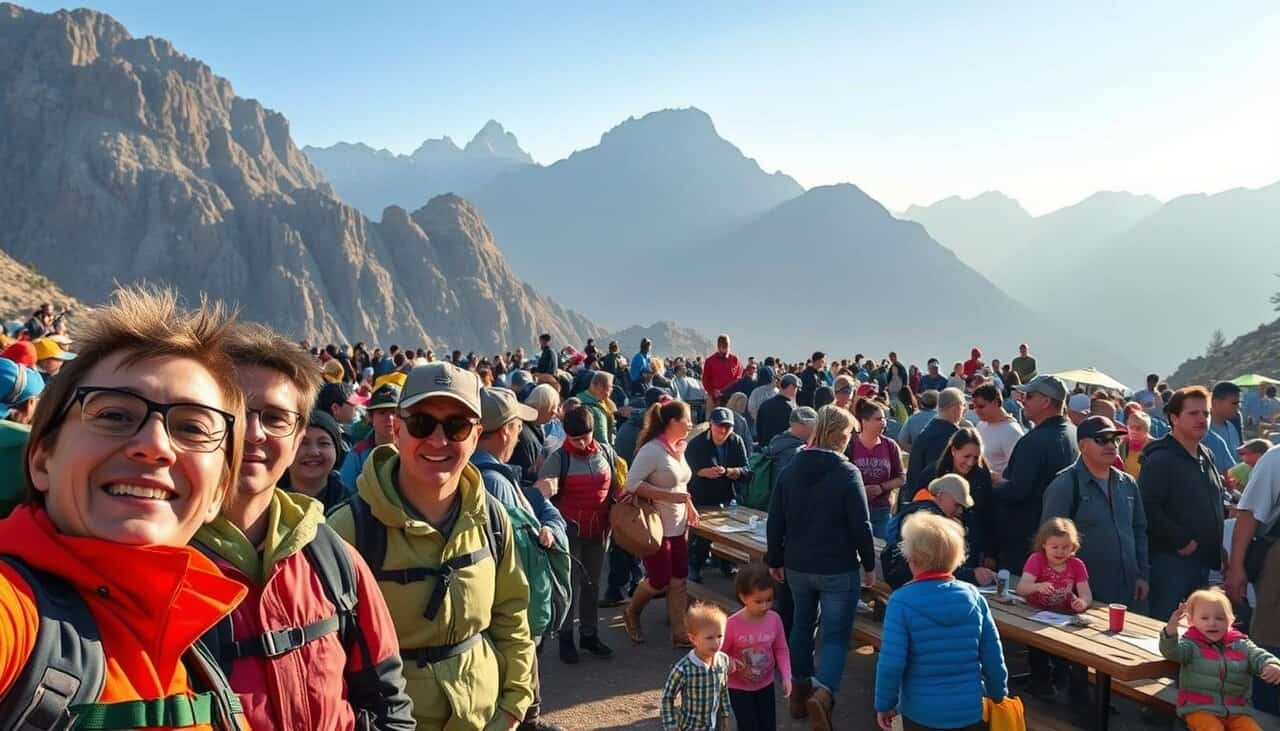
Millions of visitors flock to the United States’ iconic national parks every year, drawn by promises of breathtaking scenery and unforgettable experiences. However, not everyone leaves with a sense of awe and wonder.
Some visitors are left underwhelmed, their expectations not met due to various factors such as overcrowding, commercialization, or simply a lack of natural beauty. As one article on Outside Online highlights, several national parks have received negative reviews from visitors, citing issues like limited accessibility and unmet expectations.
This raises an interesting question: which national parks are considered overrated by visitors and travel experts? In this article, we’ll explore the national parks that might not be worth the hype, and what factors contribute to their disappointing experiences.
Key Takeaways
- Some national parks fail to meet visitor expectations due to overcrowding and commercialization.
- Limited natural features and poor accessibility can also detract from the experience.
- Visitor reviews and expert opinions can provide valuable insights into a park’s strengths and weaknesses.
- Certain national parks may be worth skipping in favor of less hyped alternatives.
- Understanding the factors that contribute to a disappointing experience can help you plan a more enjoyable trip.
The National Park Hype: Expectations vs. Reality
There’s a significant gap between the idealized version of national parks and what visitors actually experience. As someone who’s visited numerous parks, I’ve come to realize that the reality often includes crowded viewpoints, limited parking, and expensive accommodations that can significantly diminish the wilderness experience.
Why We Love National Parks
National parks hold a special place in people’s hearts. They offer a chance to connect with nature, engage in outdoor activities, and experience the grandeur of natural wonders. For many, visiting a national park is a way to escape the hustle and bustle of daily life and find solace in the natural world.
When Parks Don’t Live Up to the Hype
Despite the love for national parks, many visitors report feeling disappointed when the parks don’t match the perfect images they’ve seen online. Factors like poor weather, seasonal changes, and natural cycles can affect what you actually see. Some of the issues include:
- Traffic jams and crowded viewpoints that make it hard to enjoy the scenery.
- Limited parking and expensive accommodations that can be a significant inconvenience.
- Parks prioritizing tourism infrastructure over conservation, leading to a more commercialized experience.
Timing plays a crucial role in park experiences. Visiting during peak season might mean spending more time in lines and crowds than enjoying nature. On the other hand, off-season visits might mean closed facilities or limited access. Understanding these dynamics can help manage expectations and make the most of your visit to a national park.
What Makes a National Park Overrated?
Visiting a national park can be a thrilling experience, but what happens when the reality doesn’t match the hype? As we explore the great outdoors, certain factors can detract from our experience and leave us feeling disappointed.
Overcrowding and Commercialization
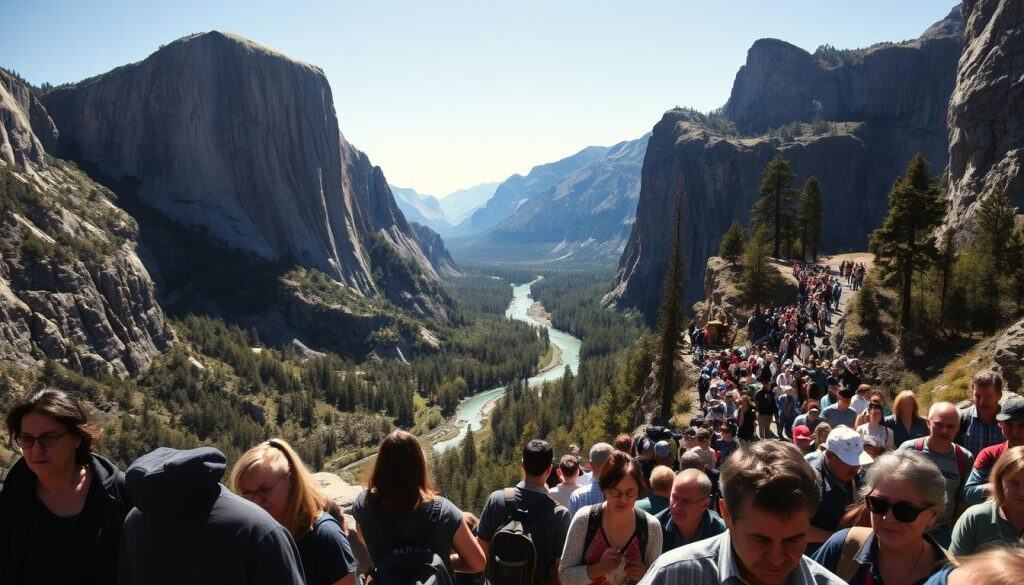
When a national park becomes too popular, it can lose its natural charm. Overcrowding and commercialization can make the park feel more like a theme park than a preserved natural area. Visitors may find themselves waiting in long lines or surrounded by too many people, detracting from the serene experience they were seeking.
Limited Natural Features
Some national parks lack diverse or impressive natural features. If the park doesn’t offer unique landscapes, varied wildlife, or significant geological formations, visitors might leave feeling underwhelmed. For instance, a park with limited water features or monotonous terrain may not provide the engaging experience that visitors expect from a national park.
Poor Accessibility or Facilities
Limited accessibility can significantly impact a visitor’s experience. Parks with inadequate facilities, such as restrooms or water stations, can make visits uncomfortable. Moreover, poorly maintained trails or confusing signage can diminish the educational value of a park visit.
| Factor | Impact on Visitor Experience |
|---|---|
| Overcrowding | Reduces serenity and increases wait times |
| Limited Natural Features | Leaves visitors underwhelmed and unimpressed |
| Poor Accessibility or Facilities | Makes visits uncomfortable or challenging |
Gateway Arch National Park: Monument, Not Wilderness
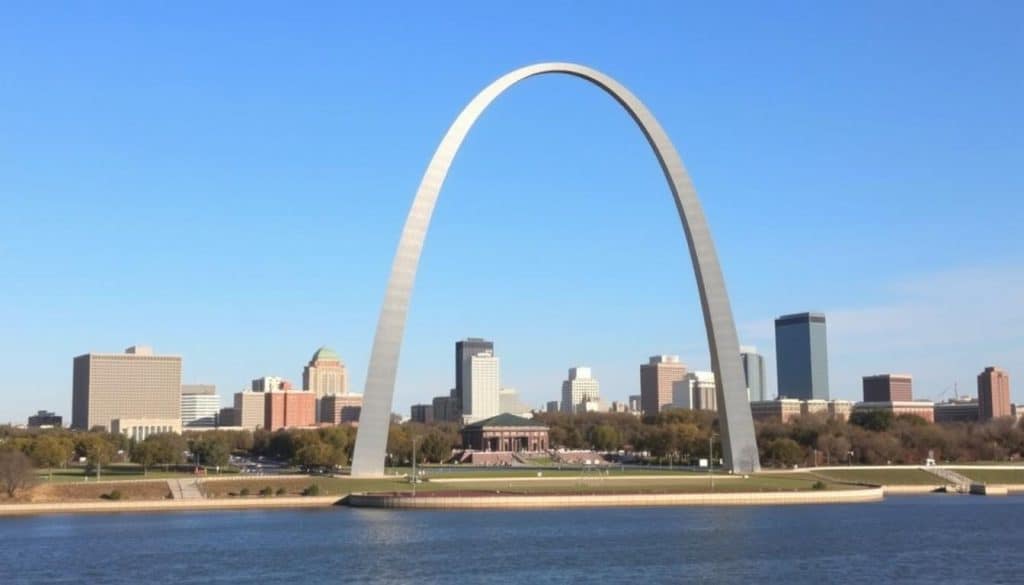
Gateway Arch National Park, located in St. Louis, Missouri, is more of a historical landmark than a vast wilderness area. While it’s an iconic monument, the park’s urban setting and lack of natural features make it stand out as one of the most overrated national parks.
Why It’s Considered Overrated
The Gateway Arch is a remarkable feat of engineering and a significant historical landmark. However, the park’s surroundings are largely urban, with limited opportunities for hiking, wildlife viewing, or immersing oneself in nature. The park’s main attraction is the arch itself, which, while impressive, doesn’t justify the “national park” designation.
Better Alternative: Mesa Verde National Park
If you’re looking for a national park experience that combines history and nature, consider visiting Mesa Verde National Park in Colorado. Unlike Gateway Arch, Mesa Verde offers a more authentic national park experience with its stunning canyon views, diverse wildlife, and numerous archaeological sites. You can explore the park’s many hiking trails, take a scenic drive, or camp within the park.
Mesa Verde’s unique blend of natural beauty and cultural significance makes it a great alternative to Gateway Arch. With over 5,000 archaeological sites and 600 cliff dwellings, Mesa Verde provides a more immersive and engaging experience.
Cuyahoga Valley National Park: Urban Park in Disguise
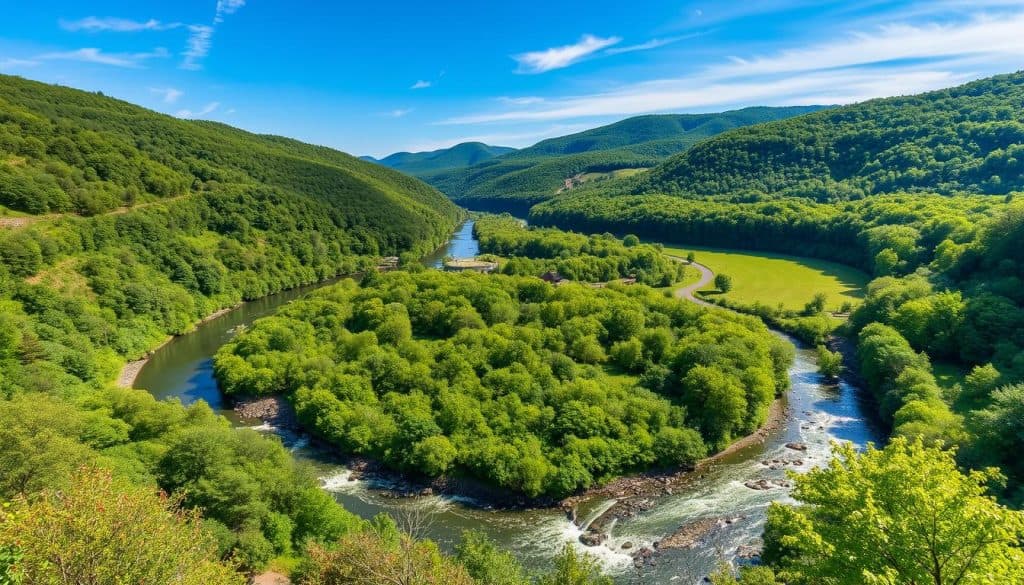
Cuyahoga Valley National Park, with its rolling hills and scenic railroad, is more of an urban park in disguise than a true national park. Nestled between Cleveland and Akron, Ohio, it offers a mix of natural beauty and cultural attractions that, while pleasant, don’t quite live up to the expectations associated with a national park.
Why It Falls Short of National Park Status
The park’s landscape, while scenic, is not particularly rugged or unique. The presence of industrial and urban areas nearby detracts from the wilderness experience typically sought in national parks. Additionally, the park’s activities, such as the scenic railroad and various cultural events, while enjoyable, don’t compensate for the lack of true wilderness.
Better Alternative: Badlands National Park
If you’re looking for a national park that embodies the spirit of adventure and untouched natural beauty, consider Badlands National Park in South Dakota. Unlike Cuyahoga Valley, Badlands offers a genuine wilderness experience with its unique rock formations, hiking trails, and abundant wildlife, including bison, bighorn sheep, and prairie dogs.
Badlands National Park is a hidden gem among national parks, providing an otherworldly landscape that is both scientifically fascinating and photographically stunning. It’s an ideal destination for those seeking an authentic national park experience.
Hot Springs National Park: More Historic Than Natural
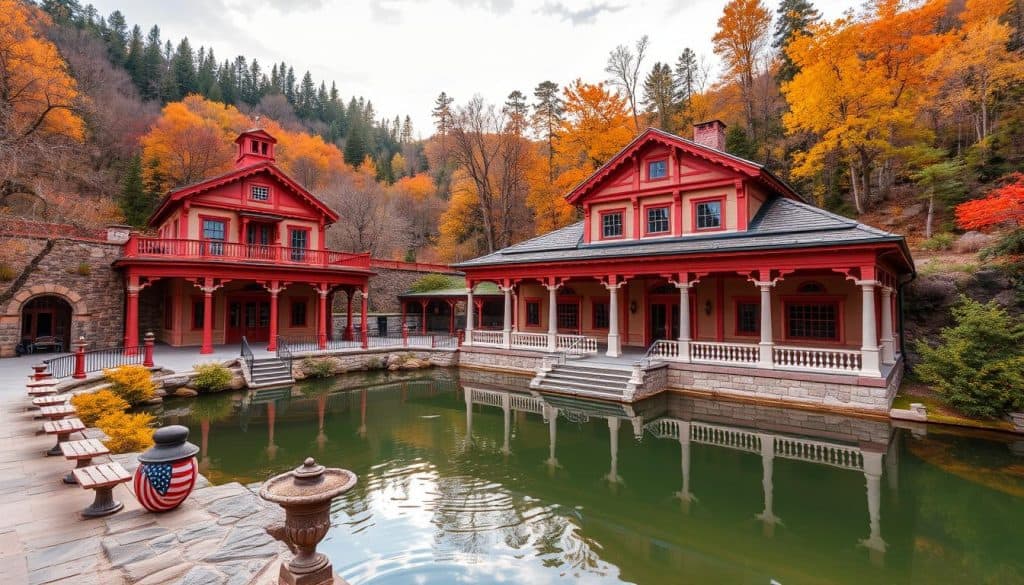
While Hot Springs National Park is a historic gem, its natural appeal is somewhat limited. The park is famous for its historic bathhouses and the natural hot springs that supply them.
The Disappointment Factors
Some visitors find the experience at Hot Springs National Park to be more like visiting a historic site than immersing themselves in nature. The hot springs are primarily accessed through developed bathhouses, which can feel more like a spa experience than a natural wonder.
Better Alternative: Natural Hot Springs in Western States
If you’re looking for a more authentic natural hot springs experience, consider visiting some of the many natural hot springs in the western United States. Places like Terwilliger Hot Springs in Oregon’s Willamette National Forest offer a more rugged and natural experience.
- Western states like Oregon, Idaho, Wyoming, and California offer numerous natural hot springs in wilderness settings.
- Many of these natural hot springs require short to moderate hikes, adding an element of adventure.
- Unlike the developed bathhouses of Hot Springs National Park, these natural pools often feature stone or mud bottoms and varying temperatures.
Congaree National Park: Bugs and Limited Activities
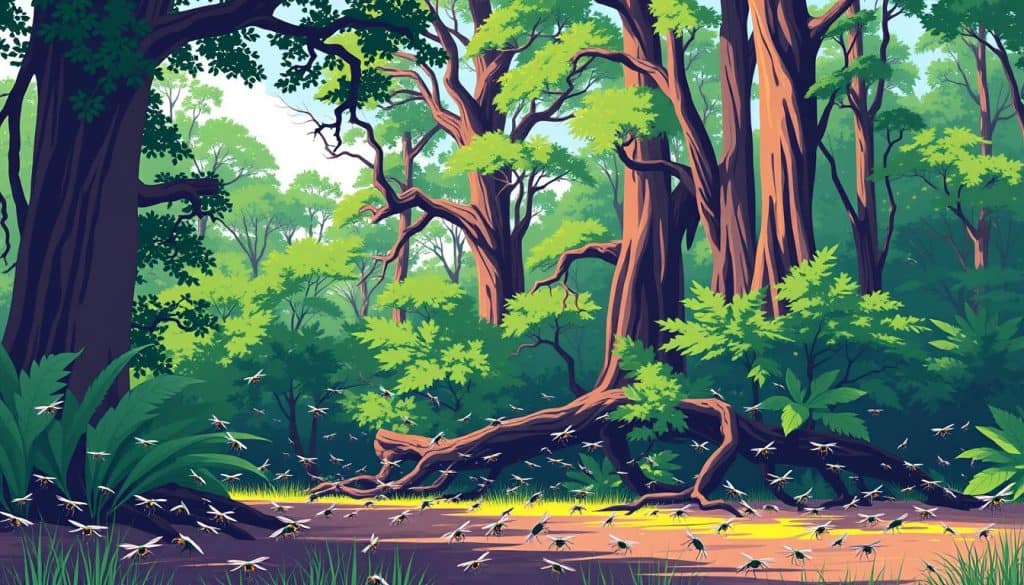
Despite its natural beauty, Congaree National Park is frequently criticized for its abundance of bugs and lack of engaging activities for visitors. The park’s old-growth forests are a sight to behold, but the experience can be marred by the relentless mosquitoes and other insects.
Why It’s One of the Least Visited Parks
Congaree National Park’s remote location and limited recreational activities contribute to its low visitor numbers. With few amenities and a lack of diverse experiences, many potential visitors are deterred.
Better Alternative: Everglades National Park
For a more exciting national park experience with a similar ecosystem, consider visiting Everglades National Park. Everglades offers a grander scale of subtropical wilderness, protecting 1.5 million acres. Unlike Congaree, it provides diverse experiences including airboat tours, tram rides, kayaking, and wildlife viewing from numerous trails and boardwalks.
The Everglades are renowned for their wildlife viewing opportunities, with alligators, crocodiles, manatees, dolphins, and over 360 bird species regularly spotted. The park’s varied ecosystems, from mangrove forests to sawgrass prairies, offer more diverse scenery and experiences than Congaree’s relatively uniform forest.
What is the most overrated national park? Our Top Pick
When considering the most overrated national park, one site consistently comes up in discussions. As we explored various national parks, we found that some failed to live up to the hype. Our top pick for the most overrated national park may surprise you.
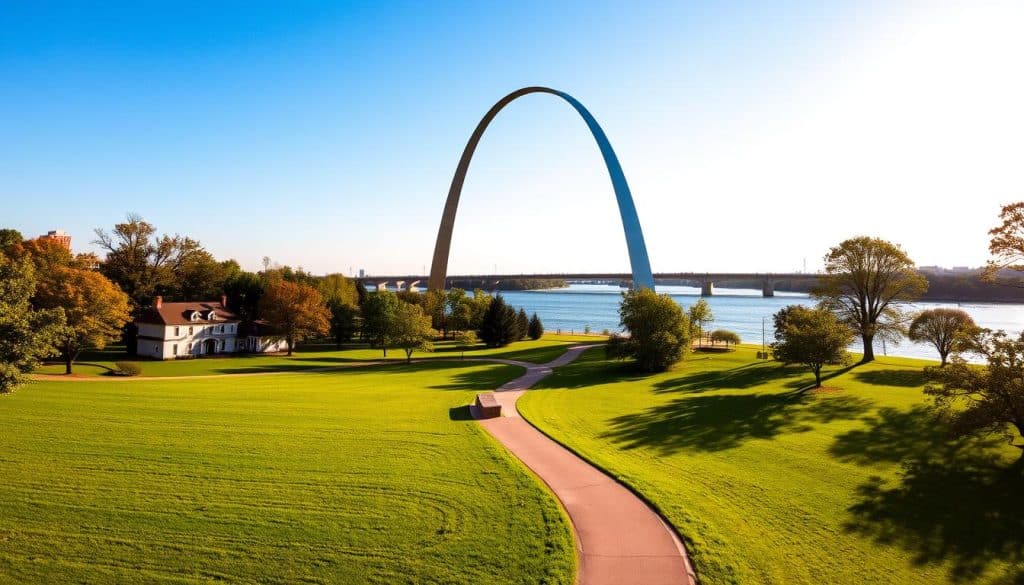
Gateway Arch: The Ultimate Disappointment
We visited Gateway Arch National Park and were underwhelmed by the experience. While we enjoyed the view from the top and the museum, the park just didn’t fit the idea of a national park in our opinion. The Gateway Arch was adequately protected as a National Memorial from 1935 until 2018, when it was redesignated as a national park.
This redesignation has been criticized for being driven by politics rather than conservation efforts. As a result, the national park brand is diluted, creating confusion among visitors about what constitutes a national park.
Why It Shouldn’t Have National Park Status
The National Park Service manages various sites, including national monuments and historic sites, which would be more suitable designations for the Gateway Arch. Visitors often report severe disappointment when comparing it to traditional parks like Yellowstone or Yosemite. The inclusion of Gateway Arch in the national parks system may diminish public support for conservation efforts.
- The Gateway Arch lacks the natural features that define other national parks.
- Redesignation was criticized for political motivations.
- Visitors report disappointment compared to traditional national parks.
Great Sand Dunes National Park: Just a Pile of Sand?
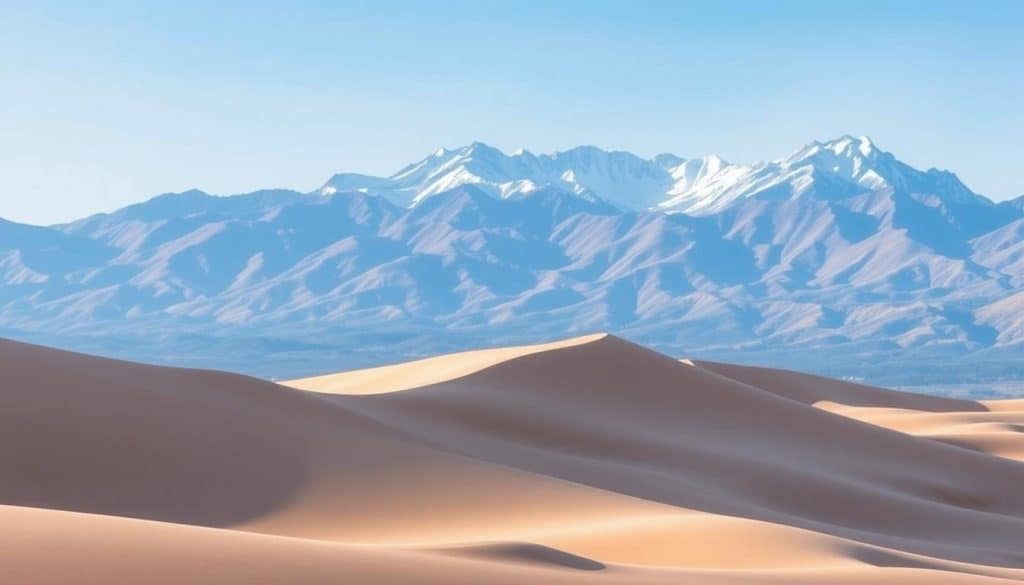
For many visitors, the Great Sand Dunes National Park is a thrilling experience, but for some, it falls short of expectations. The park, located in Colorado, boasts the tallest dunes in North America, sitting at the base of the Sangre de Cristo Mountains.
Why Some Visitors Are Underwhelmed
Some visitors may leave underwhelmed if they don’t plan their visit correctly. The park’s experience can be greatly affected by the time of day and season. For instance, visiting during the peak sun hours can make the experience less enjoyable due to the heat.
How to Actually Enjoy Your Visit
To truly enjoy your visit to the Great Sand Dunes National Park, consider timing your visit during the early morning or evening when temperatures are more moderate. You can also enhance your experience by engaging in activities such as sandboarding or sand sledding, exploring the diverse ecosystems beyond the dunes, or stargazing at night due to the park’s International Dark Sky designation.
Indiana Dunes National Park: The Newest Disappointment
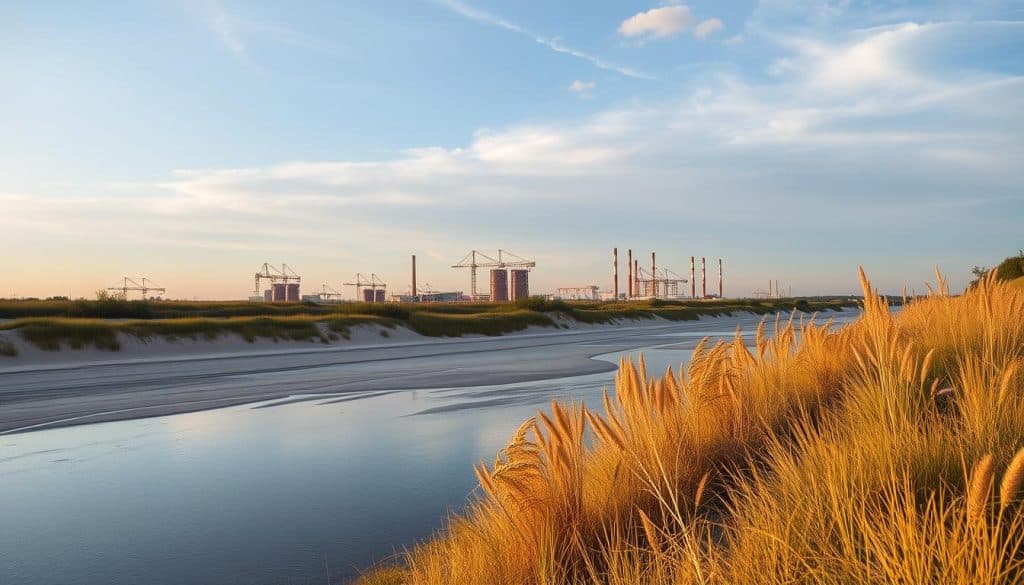
With its unique landscape, Indiana Dunes National Park promises a lot, but delivers a different experience. As you visit this park, you might be struck by the contrast between its natural beauty and the industrial surroundings.
Industrial Views and Crowded Beaches
The Indiana Dunes National Park is marred by industrial views and crowded beaches, detracting from its natural charm. The presence of industrial skylines along the horizon can be jarring, making it difficult to fully appreciate the park’s natural features.
Better Alternatives for Lake Experiences
If you’re looking for a more authentic lake experience, consider alternatives like Sleeping Bear Dunes National Lakeshore in Michigan, which offers pristine views across Lake Michigan. Other options include Pictured Rocks National Lakeshore and Apostle Islands National Lakeshore, providing dramatic landscapes and remote beaches without the crowds.
Death Valley National Park: Too Hot to Handle
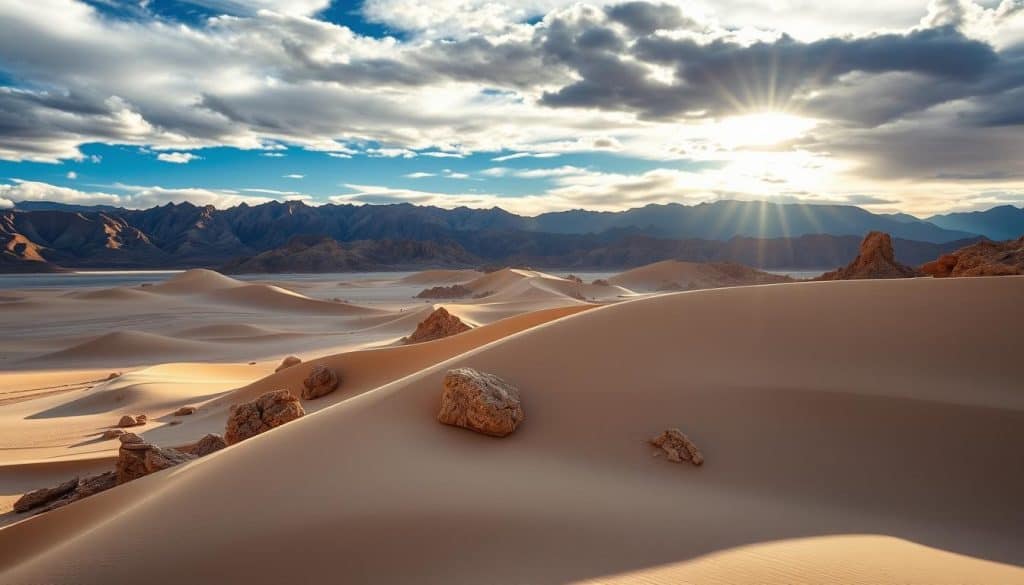
Death Valley National Park, a place of breathtaking landscapes, is also infamous for its sweltering heat. While it’s a unique destination, the extreme weather can significantly impact your experience.
When Extreme Weather Ruins the Experience
The extreme heat during the summer months can make exploring Death Valley National Park dangerous. Temperatures often reach 120°F (49°C), making it crucial to plan your visit during more moderate times.
How to Visit Death Valley the Right Way
To enjoy Death Valley National Park, plan your visit between November and March when temperatures are in the 60s-70s°F (15-25°C). This allows for comfortable hiking and exploration. Experience the park during sunrise and sunset for breathtaking views. Venture beyond popular sites to discover hidden gems like Ubehebe Crater or Mesquite Flat Sand Dunes. Stay overnight to enjoy the park’s extraordinary night skies, and don’t forget to bring plenty of water, sun protection, and a full tank of gas.
Visitor Complaints: The Funniest Bad Reviews
Visiting national parks can be a mixed bag, with some experiences living up to the hype while others fall flat. Despite the natural beauty, some visitors can’t help but express their disappointment in humorous ways.
Yellowstone: “The whole place smelled like farts”
Yellowstone, known for its geothermal features, has received its fair share of quirky complaints. One visitor joked that “the whole place smelled like farts,” likely referring to the strong sulfur smell present in some areas. This complaint highlights the unexpected aspects of visiting a national park with unique geological features.
Yosemite: “Not enough stores”
Yosemite National Park, famous for its granite cliffs and waterfalls, has been criticized for lacking shopping opportunities. A visitor complained, “Too many people, not enough stores, not enough places to buy food.” This reaction underscores the diverse expectations visitors bring to a national park, with some prioritizing amenities over natural beauty.
| Park | Complaint | Reason |
|---|---|---|
| Yosemite | Not enough stores | Limited shopping opportunities |
| Yellowstone | Smelled like farts | Sulfur smell from geothermal features |
How to Avoid Disappointment at National Parks
Visiting a national park can be a life-changing experience, but it requires some planning to avoid disappointment. I’ve learned that with a little preparation, you can make the most of your visit.
Research Before You Go
Before heading to a national park, research is key. Understand the park’s offerings, from hiking trails to wildlife viewing opportunities. This helps set realistic expectations and plan your day effectively. You can check the park’s website for up-to-date information on trail closures and facilities.
Visit During Off-Peak Times
Timing is everything when visiting national parks. Consider visiting during shoulder seasons (April-May or September-October) when crowds are thinner. Weekdays are also better than weekends. Early morning or evening visits can provide optimal conditions for photography and wildlife viewing.
| Time | Benefits |
|---|---|
| Shoulder seasons (April-May or September-October) | Thinner crowds, favorable weather |
| Weekdays | Less crowded than weekends |
| Early morning or evening | Optimal for photography and wildlife viewing |
“The clearest way into the Universe is through a forest wilderness.” – John Muir
Conclusion: Beauty in the Eye of the Beholder
National parks, whether considered overrated or not, play a vital role in preserving America’s natural and cultural heritage. While some national parks may not live up to everyone’s expectations, each park has its unique value and significance.
By adjusting our expectations and visiting during optimal conditions, we can appreciate the diversity of the National Park System, from the grandeur of Grand Canyon to the cultural significance of Gateway Arch.
FAQ
Are some national parks overhyped?
Yes, some national parks are overhyped due to factors like overcrowding, limited natural features, or poor accessibility. For instance, parks like Gateway Arch National Park and Cuyahoga Valley National Park have been criticized for not living up to expectations.
What makes a national park overrated?
A national park can be considered overrated if it fails to deliver on its promised experiences, such as unique scenery or diverse wildlife. Overcrowding, commercialization, and limited natural features can also contribute to a park being deemed overrated.
Are there better alternatives to visiting overrated national parks?
Yes, there are often alternative national parks or destinations that offer more satisfying experiences. For example, if you’re looking for a more rugged experience than Gateway Arch National Park, consider visiting Mesa Verde National Park instead.
How can I avoid disappointment when visiting national parks?
To avoid disappointment, research the park before you go, and consider visiting during off-peak times to avoid crowds. Understanding what to expect from your visit can help you have a more enjoyable experience.
Can extreme weather conditions affect my national park experience?
Yes, extreme weather can significantly impact your visit to a national park. For example, Death Valley National Park is known for its extreme heat during the summer months, making it essential to plan your visit during more temperate seasons.
Are there any national parks that are particularly challenging to visit?
Some national parks, like Congaree National Park, are known for having bugs and limited activities, which can make for a less enjoyable experience. Being prepared for these challenges can help you make the most of your visit.
How can I make the most of my visit to a national park like Great Sand Dunes National Park?
To enjoy your visit to Great Sand Dunes National Park, consider activities like hiking or sandboarding, which can provide a more engaging experience beyond just viewing the dunes.