

I’ve always believed that a trip to the national parks is one of the most cost-effective vacations you can take. However, I’ve come to realize that this isn’t always the case. Some national parks can be surprisingly expensive, with costs that can quickly add up.
The truth is, while national parks offer breathtaking natural beauty, the costs associated with visiting them can be steep. From high entrance fees to transportation and accommodation costs, the expenses can be significant.
So, which national park tops the list as the most expensive to visit? In this article, I’ll explore the surprising costs associated with visiting America’s most beautiful natural treasures and reveal the answer.
Key Takeaways
- Understanding the true cost of visiting a national park goes beyond just the entrance fee.
- Factors such as transportation, accommodation, and activity costs contribute to the overall expense.
- Some national parks are more expensive than others due to their remote locations or limited accessibility.
- With a little research, a national parks visit can be made more affordable.
- There are various options for lodging, camping, and backpacking that can fit different budgets.
Understanding National Park Costs
To budget effectively for a national park visit, it’s essential to grasp the different types of costs you might incur. Visiting a national park involves various expenses that can add up quickly, and being aware of these costs can help you plan your trip better.
Entrance Fees vs. Total Cost
The entrance fee is just one part of the total cost of visiting a national park. While it’s a significant initial expense, other costs such as accommodations, food, and activities can significantly increase your total expenditure. For instance, the entrance fee might be $30 per vehicle for a 7-day pass, but camping fees, guided tours, and equipment rentals can add substantial costs.
Factors That Affect Park Expenses
Several factors can influence the cost of your national park visit. These include the park’s location and accessibility, with parks on islands or in remote areas often requiring costly transportation. Seasonal variations also play a significant role, as peak season typically brings higher prices for accommodations and activities. The popularity of the park is another factor, with iconic parks commanding premium fees. Additionally, special activities like boat tours or guided hikes can increase your expenses. Lastly, the range of accommodation options, from budget-friendly backcountry camping to luxury lodges, affects your overall cost.
What is the Most Expensive National Park to Visit?
Among the many national parks in the US, one is notably more expensive to visit than the others. When considering a trip to these natural wonders, the costs can quickly add up, making some parks more accessible than others.
Biscayne National Park – The Costliest Option
Biscayne National Park stands out as the most expensive national park to visit. Its unique location and features contribute to the high costs associated with visiting this park. The park’s underwater treasures are only accessible by boat, creating a significant barrier for budget-conscious travelers.
- The need for a boat to explore the park’s main attractions drives up costs.
- Boat rental companies charge premium rates due to maintenance, insurance, and the specialized nature of their services.
Why Boat Rentals Drive Up Costs
Daily boat rental rates at Biscayne National Park can range from $500 to $1,000, depending on the vessel’s size and type. This expense makes boat rental the single largest cost for visitors. While guided tours are available at a lower per-person cost (around $150-$200), they offer less flexibility than private rentals.
For skilled paddlers, kayaking or canoeing can be a cost-effective alternative, though it requires experience and limits the areas of the park you can explore. This option can significantly reduce expenses on boat rentals.
Dry Tortugas National Park
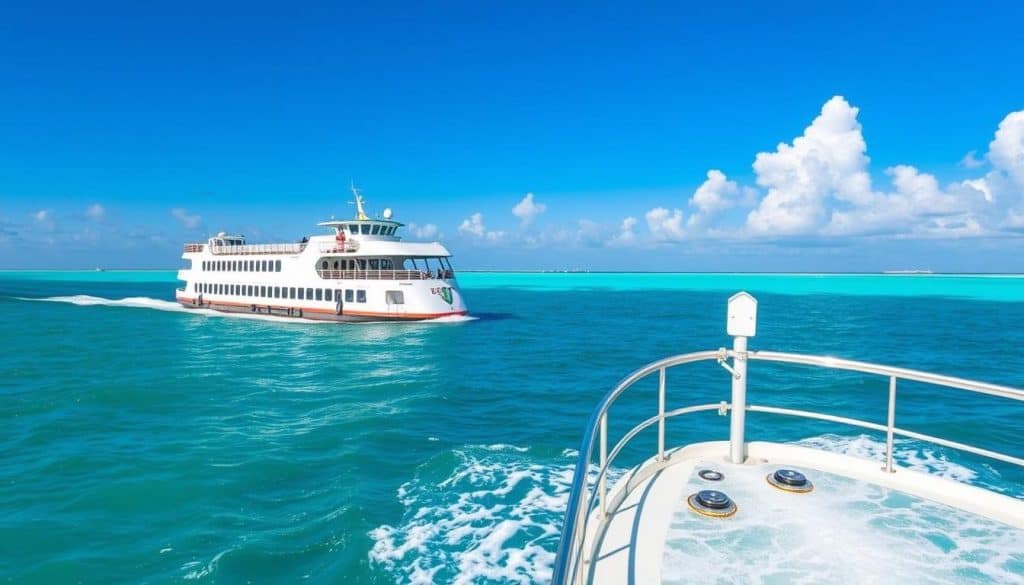
Dry Tortugas National Park is not for the faint of heart, especially when it comes to the expenses associated with visiting this isolated gem. Located at the end of the Florida Keys, this park is a challenging yet rewarding destination.
Ferry Transportation Requirements
The ferry to Dry Tortugas is a significant part of the cost. You must book through an authorized service, and prices can vary depending on the season and availability.
Camping and Additional Expenses
Camping at Dry Tortugas costs $15 per night. For a 2-night stay, that’s $30. However, you must bring all your supplies, including drinking water and food. Additional expenses include snorkeling equipment rental and any specialized gear. The total cost for two people camping for two nights, including ferry transportation, can easily reach $430 or more.
Some key points to consider when planning your trip include:
– Camping costs: $15 per night
– Bringing all necessary supplies due to the lack of services on the island
– Additional expenses for food, snorkeling equipment, and other gear
– The unique experience of stargazing and enjoying the park after day visitors have left
Isle Royale National Park
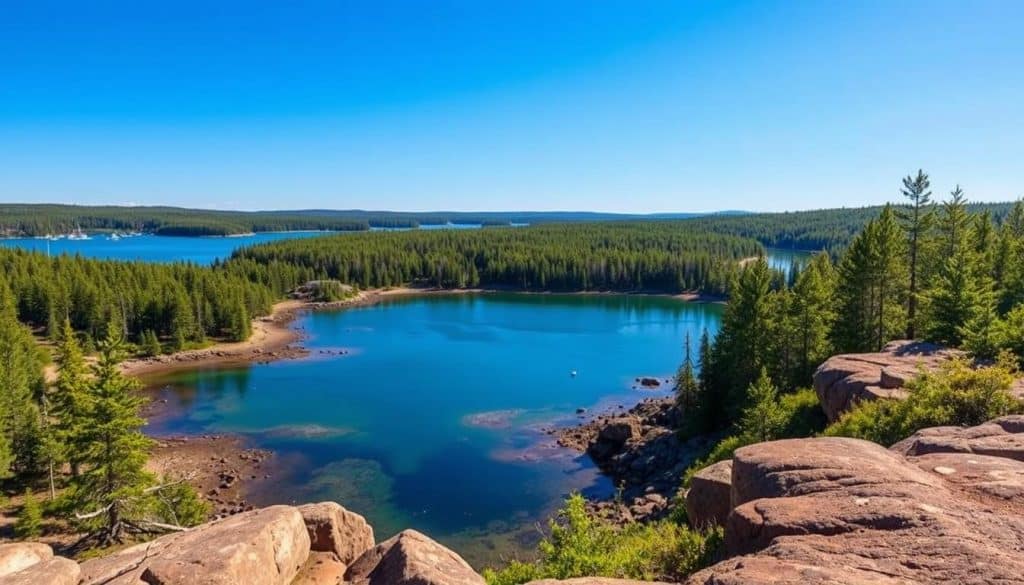
Visiting Isle Royale National Park is an adventure that comes with a significant price tag, largely due to transportation costs. Located in Lake Superior, this park is an island that requires visitors to plan ahead for getting there.
The cost of visiting Isle Royale National Park can be broken down into several components, with transportation being the most significant expense. Since the park is accessible only by boat or seaplane, these costs are unavoidable.
Unique Per-Person Daily Fee Structure
One of the distinctive aspects of Isle Royale National Park is its per-person daily fee structure. This means that the cost varies depending on the number of people in your group. Understanding this fee structure is crucial for budgeting your trip.
Ferry and Transportation Costs
The real kicker here, though, is the cost of the ferry ride. Since the park is an island requiring you to fly or boat in, the ferry is the cheaper option for transport. Here are some key points to consider:
- Ferry transportation to Isle Royale costs approximately $70 each way per person, totaling $280 for a round trip for two people.
- Ferries depart from several locations including Houghton and Copper Harbor in Michigan, with varying schedules and prices.
- Seaplane service is also available at around $320 per person round trip, which is faster but significantly more expensive than the ferry.
- The remote location means transportation costs are unavoidable and constitute the largest portion of your trip budget.
- Once on the island, all exploration is done on foot via hiking trails, as there are no roads or vehicles on Isle Royale National Park.
Planning your visit to Royale National Park requires considering these costs to ensure a smooth and enjoyable experience. By understanding the transportation options and their associated costs, you can better budget for your trip.
Channel Islands National Park
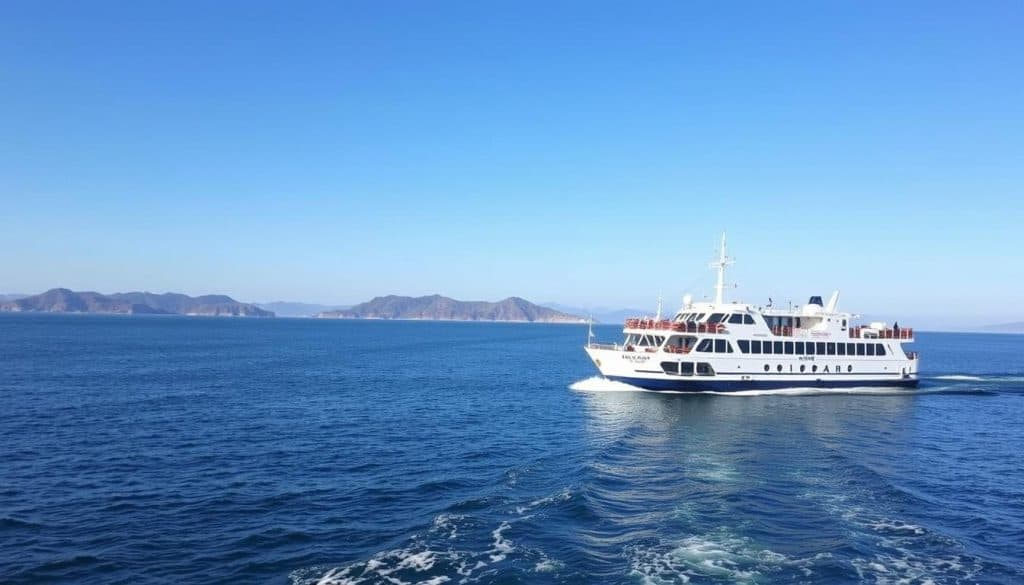
Located off the coast of California, Channel Islands National Park is a hidden gem that offers a unique blend of natural beauty and adventure. While it doesn’t charge an entrance fee, accessing the park can be quite expensive.
No Entrance Fee but Expensive Access
The most common means of transportation to the Channel Islands is via a boat service from Ventura or Oxnard, California. This already hints at one of the significant expenses: transportation costs.
Visitors have the option of using a ferry service or booking passage on a private boat or plane. However, the latter options are likely to be even more expensive.
Boat Service Pricing
The ferry service to the Channel Islands costs approximately $79 per person round trip, with prices varying depending on which island you’re visiting. For instance:
- Santa Cruz and Anacapa Islands are the most accessible and therefore the least expensive to reach.
- More remote islands like San Miguel require specialized transportation, increasing the cost.
- Island Packers is the primary concessionaire providing boat transportation, with limited departures each day requiring advance reservations.
- Private boat charters start at around $1,000 per day, while air taxi services to the islands can cost $1,500 or more for a group.
- The total cost for two people camping for two nights, including ferry transportation, comes to approximately $188, not including food and equipment.
Planning ahead is crucial to managing costs when visiting Channel Islands National Park.
Voyageurs National Park
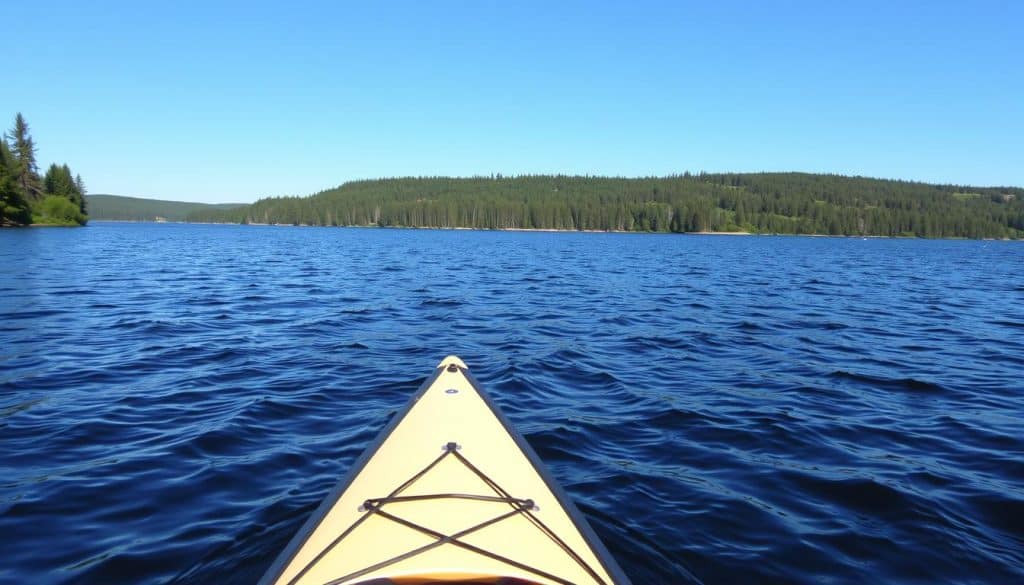
Voyageurs National Park, a gem in the U.S. national park system, provides an unforgettable adventure. As you plan your visit, it’s essential to understand the costs involved, particularly when it comes to boat rentals.
Water-Access Only Campsites
The park is known for its water-access only campsites, making a boat rental a necessity for many visitors. With numerous lakes and waterways, exploring the park’s natural beauty requires a watercraft.
Canoe and Kayak Rental Costs
Canoe and kayak rentals at Voyageurs National Park average $40 per day. For a three-day visit, you can expect to pay around $120. Motorboat rentals are significantly more expensive, starting at $150-$200 per day for small fishing boats. If you have your own watercraft, you can save on rental fees, but be aware that launch fees apply at certain access points. For those who prefer not to bring their own boat, guided water taxi services are available at approximately $60 per person for a one-way trip to campsites.
To give you a better idea of the costs, here are some key points to consider:
– Canoe and kayak rentals average $40 per day, adding $120 to a three-day visit.
– Motorboat rentals start at $150-$200 per day for small fishing boats.
– Visitors with their own watercraft can save on rental fees but must pay launch fees.
– Guided water taxi services cost approximately $60 per person for a one-way trip.
– The total cost for two people spending a weekend, including boat rental and camping fees, comes to approximately $170.
For more information on planning your trip and understanding the park’s offerings, you can visit the official Voyageurs National Park podcast page.
Popular Parks with High Entrance Fees
Some of the most popular national parks in the US come with a hefty price tag. While the cost may seem daunting, the experiences and memories gained from visiting these parks are often priceless.
Visiting national parks can be a costly affair, especially when it comes to entrance fees and camping costs. Two of the most popular parks, Yellowstone and Grand Teton, are known for their breathtaking landscapes and diverse wildlife.
Yellowstone National Park
As the first national park in the world, Yellowstone attracts millions of visitors each year. The entrance fee is $35 per vehicle for a seven-day pass. Camping costs range from $20 to $30 per night, depending on the campground.
Grand Teton National Park
Grand Teton National Park, located just south of Yellowstone, charges the same $35 entrance fee per vehicle for a seven-day pass. Camping costs are slightly higher than Yellowstone, at approximately $31 per night for standard campgrounds. The total basic cost for two people camping for two nights, including the entrance fee, comes to approximately $97.
The proximity of Grand Teton to Yellowstone means many visitors combine both parks in one trip, potentially saving on transportation costs. The dramatic mountain scenery and wildlife viewing opportunities at Grand Teton make it worth the expense for many visitors.
| Park | Entrance Fee | Camping Cost (2 nights) | Total Cost |
|---|---|---|---|
| Yellowstone | $35 | $40-$60 | $75-$95 |
| Grand Teton | $35 | $62 | $97 |
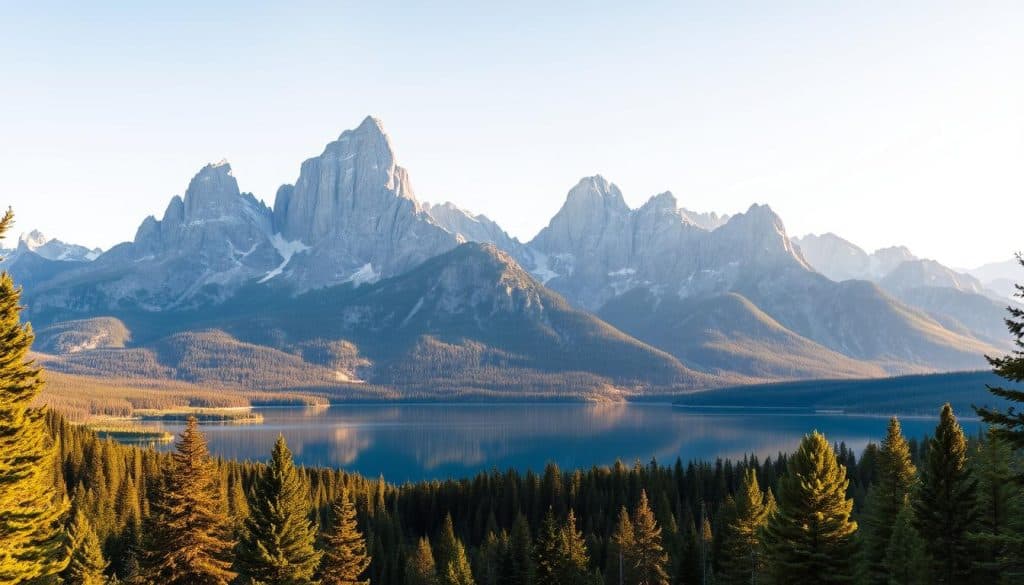
Glacier National Park Expenses
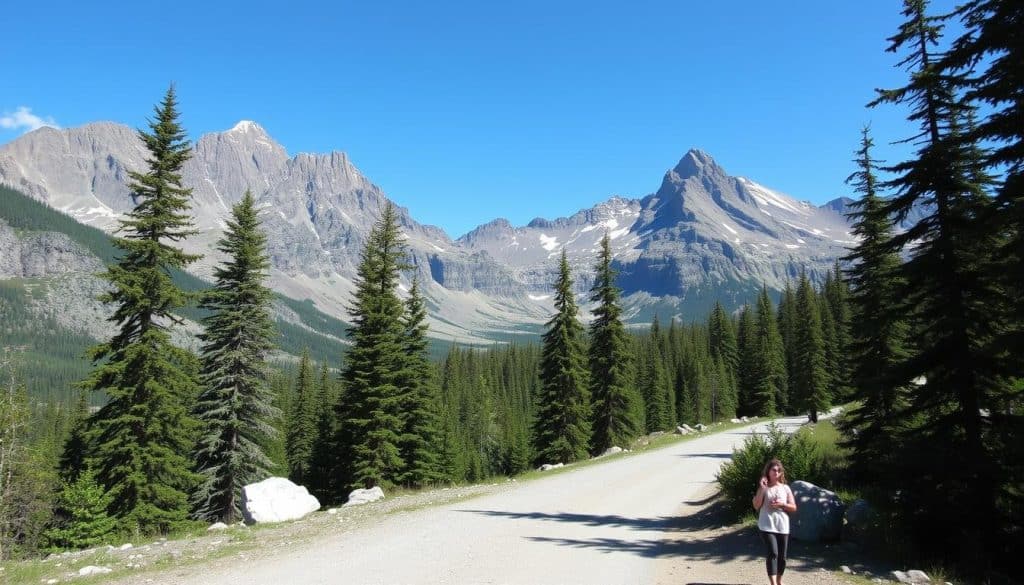
Visiting Glacier National Park can be a costly endeavor, but understanding the expenses can help plan your trip. The park charges a $35 vehicle entrance fee during peak season, which runs from May to October.
Remote Location and Transportation Costs
One of the factors that drive up costs at Glacier National Park is its remote location. Transportation costs, including fuel and potential car rentals, can add up quickly. If you’re planning to explore the park’s many attractions, you may want to consider the cost of guided tours or shuttle services.
Seasonal Fee Variations
Entrance fees are reduced during the winter season, dropping to $25. Camping fees are relatively affordable, ranging from $10 to $23 per night, depending on the campground and season. For more information on visiting Montana’s national parks, including the best time to visit, check out our related article.
Everglades National Park
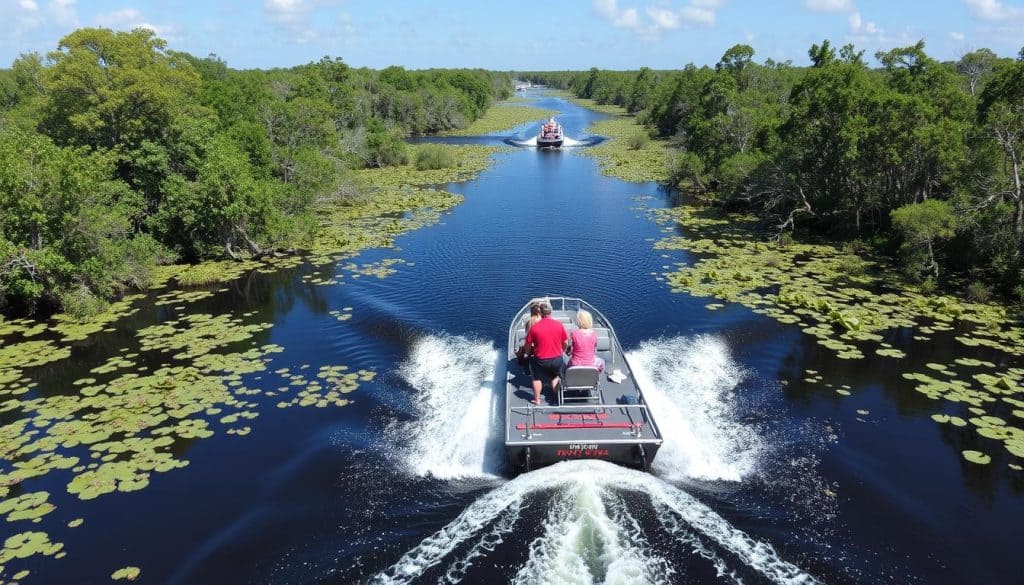
Everglades National Park is a unique destination that offers a blend of thrilling experiences and serene landscapes. As you explore this vast wetland, you’ll have the opportunity to engage in various activities that showcase its natural beauty.
Entrance Fees and Special Tours
The entrance fee to Everglades National Park is relatively affordable, but special tours can add to your expenses. For instance, airboat tours, while not operated by the National Park Service, are a popular activity.
These tours cost between $30-$50 per person for a 30-60 minute experience, offering a thrilling ride through the park’s waterways.
Additional Activity Costs
Besides airboat tours, there are other activities to enjoy in the Everglades, each with its own cost. Here are a few options:
- Canoe and kayak rentals average $35-$50 per day, providing a more peaceful way to explore the park’s waterways.
- Guided fishing charters start at around $400 for a half-day excursion, targeting species like tarpon, snook, and redfish.
- Bicycle rentals ($10-$15 per hour) offer an economical way to explore the Shark Valley section of the park.
For two people camping for two nights, the total basic cost, including the entrance fee, comes to approximately $80. However, additional activities can potentially double this amount.
Acadia National Park
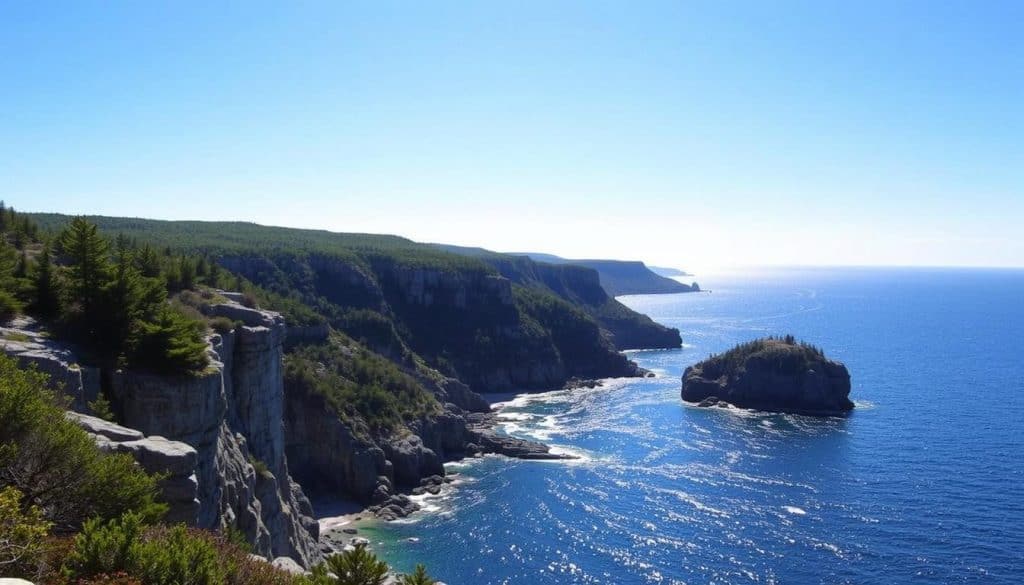
If you’re planning a trip to Acadia National Park, you’ll want to consider the various costs involved. As a nature lover and frequent visitor to national parks, I’ve learned that understanding these costs can make a big difference in your overall experience.
Acadia National Park, located on the rugged coast of Maine, offers a range of activities and breathtaking scenery. However, the costs can add up quickly. Let’s break down some of the key expenses to consider when planning your visit.
Vehicle vs. Alternative Transportation Costs
One of the primary considerations when visiting Acadia is how you plan to get around. The park offers a variety of transportation options, including personal vehicles and alternative modes of transport like biking or the park’s shuttle service.
Using your vehicle can be convenient, but it’s essential to factor in the cost of fuel, parking, and any potential fees associated with driving within the park. On the other hand, alternative transportation methods can be more cost-effective and offer a more leisurely experience.
Cadillac Summit Road Reservations
A significant aspect of visiting Acadia is accessing Cadillac Summit Road, which requires a reservation during peak season. This reservation costs an additional $4 per vehicle.
Here are some key points to consider about Cadillac Summit Road reservations:
- Cadillac Mountain, the highest point on the North Atlantic seaboard, requires a separate timed-entry reservation costing $4 per vehicle during peak season.
- These reservations are limited and in high demand, especially for sunrise viewing, and must be booked well in advance.
- The reservation system, implemented to reduce congestion, adds both cost and planning complexity to an Acadia visit.
- Without a reservation, visitors must hike to the summit (a strenuous 7-mile round trip) or visit during off-hours when reservations aren’t required.
- The total basic cost for two people camping for two nights, including the entrance fee and a Cadillac Mountain reservation, comes to approximately $78.
For more information on planning your visit to other national parks, you can check out our guide on the best-rated national parks.
Mesa Verde National Park
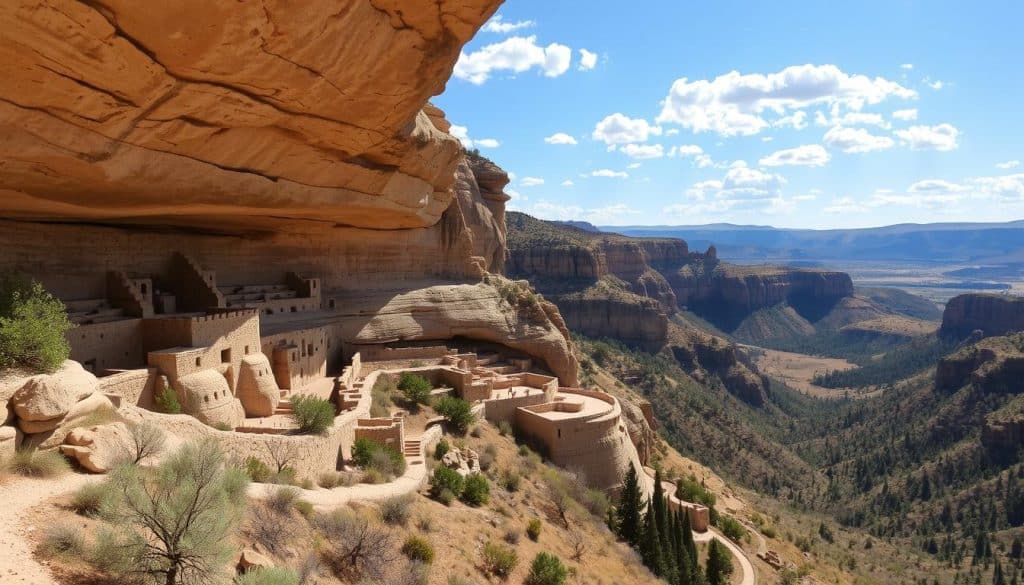
Mesa Verde, which translates to ‘green table’ in Spanish, is a testament to the ingenuity of the Ancestral Pueblo people. As you plan your visit, understanding the costs involved is crucial for a stress-free experience.
Entrance Fees and Tour Costs
The entrance fee to Mesa Verde National Park is a significant part of the cost. During the peak season, the fee is $30 per vehicle, granting access for seven days. However, to truly experience the park, you’ll likely want to take one of the guided tours, which have separate fees ranging from $20 to $50 per person, depending on the tour’s complexity and duration.
Seasonal Price Variations
Visiting Mesa Verde during the winter season can be cost-effective, as the entrance fee drops to $20 per vehicle from November through April. However, many of the cliff dwelling tours are unavailable due to weather conditions and safety concerns. If you’re looking for a balance between cost and access, consider visiting during the shoulder seasons (May and September-October), when prices are moderate and crowds are smaller.
For two people camping for two nights during peak season, the total basic cost, including the entrance fee and basic tours, comes to approximately $116. Planning your visit according to your budget and preferences can make a significant difference in your overall experience at this incredible national park.
Hot Springs National Park
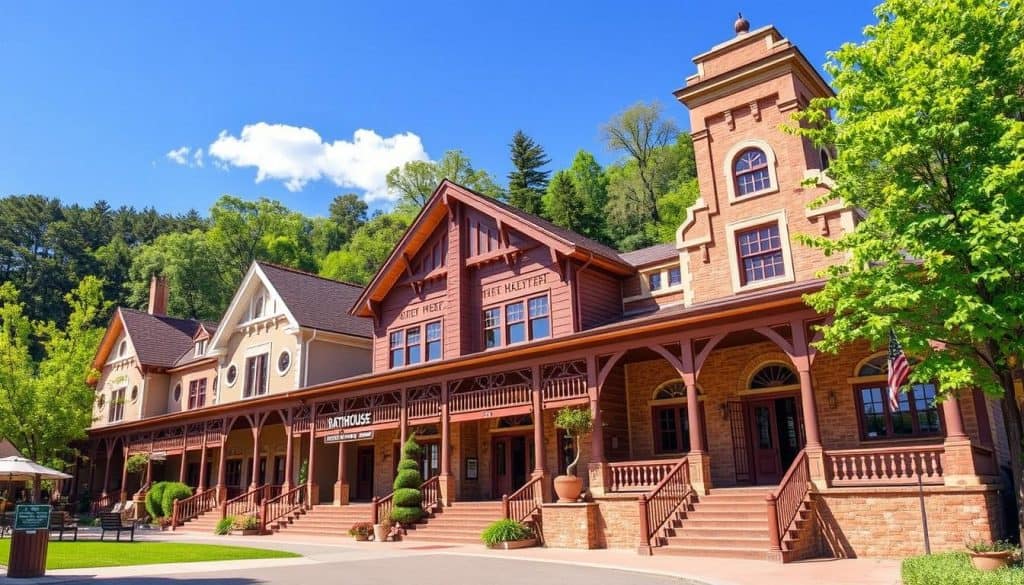
Nestled in the heart of Arkansas, Hot Springs National Park is a haven for those seeking relaxation and natural wonders. You might be surprised to learn that this national park offers a unique experience that blends history, natural beauty, and rejuvenation.
Free Entrance but Costly Experiences
While visiting Hot Springs National Park doesn’t cost you anything at the entrance, the experiences within the park can add up. The historic bathhouses on Bathhouse Row offer traditional thermal bath experiences ranging from $20-40 per person for basic services. For a couple, the basic cost for thermal baths can be around $40 for a single visit.
Historic Bathhouse Costs
If you’re looking to indulge, premium spa packages at facilities like Quapaw or Buckstaff Bathhouse can cost $75-150 per person for more extensive treatments. The Fordyce Bathhouse, now a visitor center and museum, offers free admission, allowing you to explore the history of the thermal springs without additional cost. Modern spa facilities within the park use the same thermal waters but offer contemporary amenities at higher price points.
For a basic visit, including camping for two nights and enjoying basic thermal baths, the total cost for two people can come to approximately $100. This makes Hot Springs National Park a relatively affordable destination, with the main expenses being the bathing experiences and accommodations.
Ways to Save Money When Visiting Expensive Parks
Exploring national parks doesn’t have to be expensive if you know the right strategies. Visiting these beautiful areas can be done on a budget by taking advantage of various cost-saving options.
America the Beautiful Annual Pass
The America the Beautiful Annual Pass is a cost-effective option for frequent visitors. This pass grants access to more than 2,000 recreation areas, including national parks, for a year. If you plan to visit multiple parks within a year, this pass can significantly reduce your entrance fees.
Off-Season Visits and Fee-Free Days
Visiting national parks during the off-season or on fee-free days can also help save money. The National Park Service offers several fee-free days throughout the year, such as Martin Luther King Jr. Day and Veterans Day. Additionally, many parks offer reduced entrance fees during the winter months.

| Pass/Type | Cost | Benefits |
|---|---|---|
| America the Beautiful Annual Pass | $80 | Access to over 2,000 recreation areas for a year |
| Single Vehicle Entrance Fee | $30-$35 | Access to a single national park for a day |
| Per Person Entrance Fee | $15-$20 | Access to a single national park for a day |
Most Affordable National Parks for Comparison
For those looking to experience the beauty of national parks without breaking the bank, some options stand out. When comparing the costs associated with visiting various national parks, a few parks emerge as particularly budget-friendly.
North Cascades National Park
North Cascades National Park in Washington is one such affordable option. While it has no entrance fee, visitors must consider the costs of accessing the park, such as by boat or via a scenic drive. Camping fees are relatively low, making it an attractive choice for those looking to spend a night or two under the stars.
Congaree National Park
Congaree National Park in South Carolina is another budget-friendly national park. With no entrance fee, it’s an attractive option for budget-conscious travelers. Camping is available for just $5 per night, making a weekend trip for two people, including two nights of camping, a mere $10. The park offers free ranger-led canoe tours seasonally, as well as boardwalk and hiking trails, providing a rich experience without additional cost.
| Park Name | Entrance Fee | Camping Cost per Night | Total Cost for Weekend Trip |
|---|---|---|---|
| Congaree National Park | Free | $5 | $10 |
| North Cascades National Park | Free | $10-$20 | $20-$40 |
How Park Fees Support Conservation
Visiting a national park isn’t just about enjoying nature; it’s also about contributing to its preservation through the fees you pay. As someone who’s passionate about conservation, I believe it’s essential to understand where your money goes and how it impacts these incredible areas.
Where Your Money Goes
The fees collected from visitors are used for various conservation projects within the national parks. This includes maintaining trails, preserving wildlife habitats, and restoring historic buildings. For instance, the National Park Service uses entrance fees to fund critical projects that enhance visitor experiences while protecting the parks’ natural and cultural resources.
“The National Park Service faces significant challenges in maintaining the parks’ infrastructure, with a maintenance backlog exceeding $12 billion.” This staggering figure highlights the need for continued funding to support conservation efforts.
Maintenance Backlog Challenges
Despite the importance of park fees, the National Park Service faces a substantial maintenance backlog. Critical projects like road repairs, building maintenance, and utility system upgrades often go unfunded due to budget constraints. Climate change is exacerbating this issue, with extreme weather events causing more frequent damage to park infrastructure.
As we move forward, it’s crucial to strike a balance between keeping parks affordable for visitors and generating enough revenue to maintain them for future generations. By understanding the role of park fees in supporting conservation, we can better appreciate the value of our national parks.
Conclusion
The beauty of national parks is undeniable, but the costs associated with visiting them can be surprising. While Biscayne National Park tops the list as the most expensive due to necessary boat rentals, other parks have significant costs that aren’t immediately apparent.
Transportation costs to remote parks like Dry Tortugas and Isle Royale often exceed entrance fees. The America the Beautiful Pass remains a great value for frequent visitors. By understanding the true costs and planning accordingly, you can create memorable outdoor adventures that fit your budget in the United States‘ beautiful national parks.
FAQ
Are there any national parks with free entrance fees?
Yes, some national parks offer free entrance on certain days of the year or have no entrance fee at all, like Hot Springs National Park.
How much does it cost to visit Glacier National Park?
The cost to visit Glacier National Park varies depending on the time of year and mode of transportation, with a vehicle pass costing around per day.
What is the most cost-effective way to visit national parks with high entrance fees?
Purchasing an America the Beautiful Annual Pass can be a cost-effective option for visiting multiple national parks with high entrance fees.
Are there additional costs associated with visiting Everglades National Park?
Yes, while the entrance fee is around per vehicle, additional costs include special tours, airboat rides, and other activities.
How do national park fees support conservation efforts?
National park fees help fund maintenance, conservation projects, and resource management within the parks.
Can I save money by visiting national parks during the off-season?
Yes, visiting during the off-season can result in lower costs for accommodations and activities, and some parks offer fee-free days.
What are some affordable alternatives to expensive national parks?
Parks like North Cascades National Park and Congaree National Park offer lower entrance fees and still provide unique natural experiences.
How much does it cost to visit Acadia National Park?
The cost to visit Acadia National Park includes a vehicle entrance fee of around , with additional costs for alternative transportation and Cadillac Summit Road reservations.
Are there any national parks with unique fee structures?
Yes, Isle Royale National Park has a per-person daily fee structure, which can vary depending on the length of stay and mode of transportation.