

Imagine trekking through rugged mountains, navigating treacherous terrain, and pushing your physical limits to the extreme. For many hikers, this is the ultimate adventure. The United States is home to some of the world’s most challenging hiking trails, attracting experienced hikers from across the globe.
From the scorching deserts of the southwest to the towering peaks of the Rockies, America’s diverse landscapes offer a unique set of challenges for hikers. Factors like extreme elevation gain, technical terrain, and harsh weather conditions combine to create truly difficult hiking experiences. Whether you’re a seasoned hiker or just starting to plan your next adventure, understanding what makes a hike truly challenging is essential.
Key Takeaways
- America’s most challenging hikes often feature extreme elevation gain and technical terrain.
- Harsh weather conditions and remote locations add to the difficulty.
- Many challenging trails require special permits and careful planning.
- Understanding the challenges helps hikers prepare properly and respect the serious nature of these outdoor adventures.
- Iconic trails across America’s diverse landscapes offer unique hiking experiences.
The Challenge of America’s Toughest Trails
The most challenging hikes in the US are not for the faint of heart, requiring endurance, skill, and determination. Many adventurers describe these trails as more of a climbing expedition than a typical hike, given the significant elevation gain and technical terrain involved.
As hikers embark on these demanding trails, they are drawn by the promise of experiencing remote wilderness areas that few others get to see. The psychological reward of completing a challenging hike is immense, creating a sense of accomplishment that many hikers find addictive and transformative.
Why Extreme Hikers Seek Out Difficult Trails
Extreme hikers are attracted to difficult trails for various reasons, from testing personal limits to experiencing the thrill of exploring uncharted territories. The sense of achievement upon completing such a hike is a significant draw, as is the opportunity to immerse oneself in nature’s splendor.
What Makes a Hike Truly Difficult
Several factors contribute to what makes a hike truly difficult. These include extreme elevation gain, often exceeding 4,000 feet in a single day, significant distance that can be 15 miles or more, technical terrain that requires scrambling or route-finding skills, and exposure to harsh conditions.
| Factor | Description | Impact on Hikers |
|---|---|---|
| Elevation Gain | Often exceeds 4,000 feet in a day | Physically demanding, tests endurance |
| Distance | Can be 15 miles or more | Requires stamina and time management |
| Technical Terrain | Requires scrambling or route-finding skills | Demands mental and physical agility |
| Exposure to Elements | Harsh weather conditions | Tests hikers’ preparedness and resilience |
Understanding these elements helps hikers prepare for the mental and physical demands of America’s most challenging trails. While some may seek these challenges for bragging rights, experienced hikers recognize the importance of proper preparation and respect for the environment.
What is the Most Difficult Hike in America? The Ultimate Challenge
The Grand Canyon Rim to Rim to Rim hike is a feat that tests even the most seasoned hikers. This hike is not for the faint of heart; it demands endurance, physical strength, and mental toughness.
Grand Canyon Rim to Rim to Rim
The Grand Canyon Rim to Rim to Rim (R2R2R) hike is widely regarded as one of the most challenging day hikes in America. It covers a distance of 42 miles with over 21,000 feet of cumulative elevation change in a single push. This epic journey takes hikers from the South Rim to the North Rim and back again, traversing one of the world’s most spectacular natural wonders twice in a single day.
The route requires hikers to descend nearly a vertical mile into the canyon, cross the Colorado River, climb back up to the opposite rim, and then repeat the entire journey in reverse. The harsh desert environment adds to the challenge, with temperatures varying by 40+ degrees from rim to canyon floor.
Why It’s Considered the Toughest
What makes the R2R2R hike particularly challenging is the combination of extreme distance, massive elevation changes, and the harsh desert environment. Most hikers who attempt this route start well before dawn and finish after dark, requiring 16-24 hours of continuous movement with limited opportunities for water resupply.
The physical demands are so extreme that even experienced ultra-marathoners and endurance athletes consider it one of the most challenging single-day efforts in the hiking world. The National Park Service regularly rescues hikers who underestimate this route, making proper training, timing (avoiding summer heat), and carrying adequate water absolutely essential.
Epic Mountain Challenges in the West
Embarking on a hiking adventure in the West means facing some of the most formidable mountain challenges in the country. The region is renowned for its rugged landscapes, diverse ecosystems, and breathtaking vistas, attracting hikers from around the globe.
Half Dome in Yosemite National Park
One of the most iconic hikes in the Western US is the Half Dome trail in Yosemite National Park. This 14.2-mile roundtrip hike is celebrated for its thrilling climax, where hikers must ascend the “Half Dome Cables,” a daring 400-foot ascent up a slippery granite façade.
The final push to the top involves utilizing steel cables and wooden planks as a makeshift ladder. Many hikers bring gloves, harnesses, and carabiners to secure themselves to the cables. Proper footwear is essential; good rubber soles provide crucial traction on the granite, ensuring a safer climb.
Half Dome represents one of the West’s most challenging day hikes, requiring hikers to ascend 4,800 feet over 14-16 miles round trip. The physical challenge is compounded by the permit system, which limits access to 300 hikers per day.
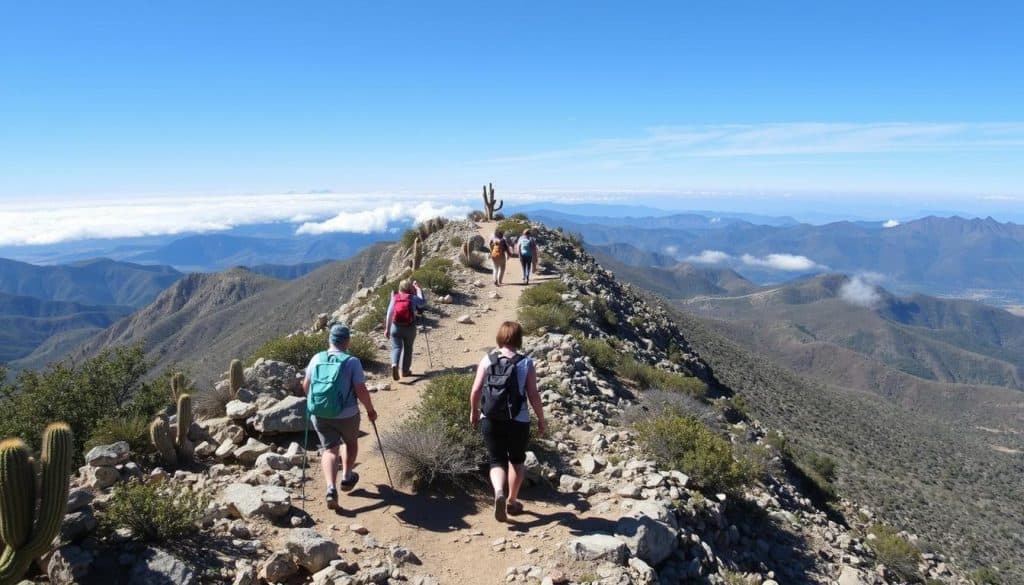
Cactus to Clouds Trail, Mt. San Jacinto
The Cactus to Clouds Trail on Mt. San Jacinto presents a different kind of extreme challenge. Hikers start in Palm Springs at 470 feet elevation and climb to 10,834 feet in a single push, experiencing a dramatic change in environment.
This 23-mile trail features an astounding 10,700 feet of elevation gain, making it one of the steepest trails in America. The combination of desert heat at lower elevations (often exceeding 100°F) and potential snow at the summit requires hikers to prepare for multiple environments.
Both of these Western epics demand exceptional physical conditioning, early starts, and careful planning around water sources. These trails exemplify how Western mountain hikes combine vertical challenge with environmental extremes to create some of America’s most demanding hiking experiences.
Deadly Drops and Dizzying Heights
For thrill-seeking hikers, the allure of deadly drops and dizzying heights is a siren’s call to adventure. Trails that feature such extreme conditions are not for the faint of heart, requiring both physical stamina and mental fortitude.
Angel’s Landing, Zion National Park
One of America’s most notorious hikes is located in Zion National Park: Angel’s Landing. This 4.8-mile roundtrip journey is renowned for its breathtaking views and challenging terrain. As you climb to the summit at 5,790 feet, the trail narrows, and the exposure becomes more pronounced, with 1,000-foot precipitous drops on all sides.
The final half-mile of the hike requires hikers to use chains bolted into the rock as handholds while navigating a knife-edge ridge. This section is particularly daunting, as the psychological challenge often exceeds the physical one. Many physically capable hikers turn back when confronted with the mental test of traversing such exposed terrain.

Enchantment Lakes Traverse, Cascade Range
In Washington’s Cascade Range, the Enchantment Lakes Traverse presents a different kind of exposure challenge. This 18-mile route features 4,500 feet of elevation gain and includes the infamous Aasgard Pass, which climbs 2,200 feet in just 0.75 miles on loose, unstable terrain.
The risk of a slip resulting in a fall of several hundred feet is ever-present, particularly in early season when snow and ice remain. Like Angel’s Landing, the Enchantment Lakes Traverse has seen multiple fatalities, leading to a permit system and strong warnings from park officials about the serious nature of this route.
For those who successfully complete either of these hikes, the views from the high-exposure routes are among the most spectacular in America. It’s a testament to the fact that, for many hikers, the reward is worth the risk. As you plan your next adventure, consider checking out guides like the one on hiking Mount Timpanogos to prepare yourself for the challenges ahead.
Extreme Elevation Gain Challenges
Among the most grueling hiking experiences in America are those that involve traversing mountain ranges with significant elevation gain. These hikes are not for the faint of heart; they demand a high level of physical fitness, mental toughness, and thorough preparation.
Great Range Traverse, Adirondacks
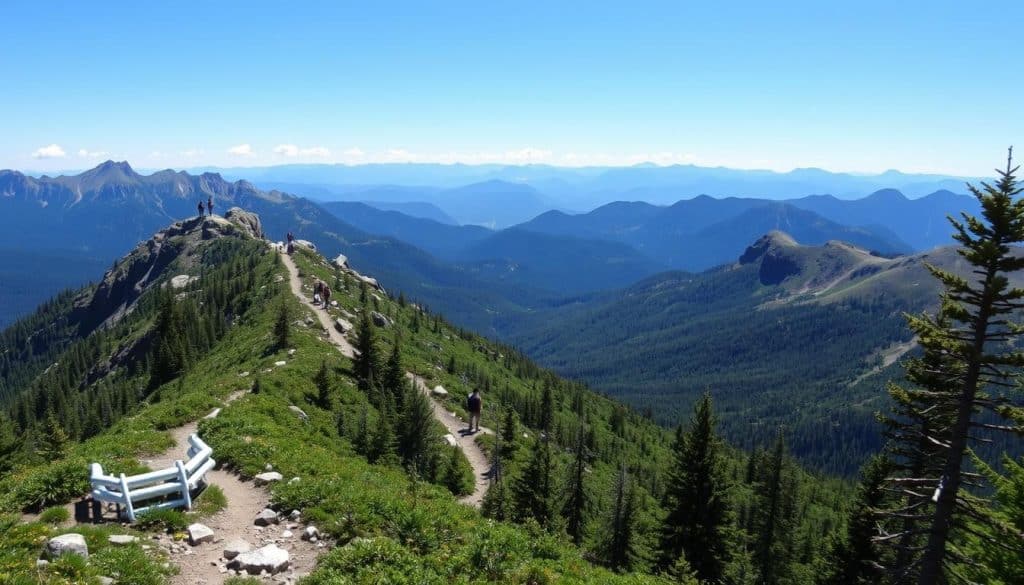
The Great Range Traverse in New York’s Adirondacks is a quintessential example of an extreme elevation gain challenge. This 25-mile hike involves climbing nine significant peaks, including six 4,000-footers, with a cumulative elevation change of over 17,000 feet. The terrain is relentlessly demanding, with steep ascents and descents, numerous cols, and false summits that wear down even the most seasoned hikers.
The trail is notorious for its eroded trail beds and rocky, root-covered terrain, making every step a technical challenge. Despite the challenges, the reward is worth the effort: breathtaking views from the summits and a profound sense of accomplishment upon completion.
Pemi Loop, White Mountains

Similarly, the Pemi Loop in New Hampshire’s White Mountains presents a formidable challenge with its 28 miles of rugged terrain and approximately 9,000 feet of elevation gain over eight 4,000-foot peaks. The loop is known for its technical terrain, with rocky and root-covered trails that demand careful footing and endurance.
Both the Great Range Traverse and the Pemi Loop are among the most physically demanding day hikes in the United States. They require hikers to start before dawn and often finish after dark, even during the longest summer days. As such, headlamps are essential equipment for tackling these trails.
For those considering these hikes, it’s worth noting that while Western mountains may have higher absolute elevations, these Eastern routes often feature more total climbing and descending packed into shorter distances. If you’re planning a trip to the region, you might also be interested in exploring some of the best national parks near New York.
Ultra-Distance Hiking Marathons
When it comes to pushing the limits of human endurance, few activities compare to ultra-distance hiking marathons. These hikes are not for the faint of heart; they require athletes to tackle lengthy trails in a single day, testing their physical and mental limits.
Timberline Trail, Mt. Hood
The Timberline Trail around Mt. Hood is a quintessential ultra-distance hike, covering 41 miles with a staggering 12,000 feet of elevation change. Hikers must navigate numerous glacier-fed stream crossings and be prepared for unpredictable weather conditions that can shift rapidly.
This trail is particularly challenging due to its combination of distance, elevation change, and potential for severe weather. Most hikers take 4 days to complete the trail, but ultra-distance hikers aim to finish it in a single day.
Traversing Zion National Park
Traversing Zion National Park is another ultra-distance hiking challenge, spanning 47-50 miles from the park’s northern boundary to its eastern entrance. This hike requires meticulous planning, including arranging for water caches along the route, as some sections lack reliable water sources.
Both the Timberline Trail and Zion traverse demand exceptional endurance, the ability to maintain forward progress for 16-24 hours, and the mental fortitude to push through exhaustion and pain. These hikes appeal to ultra-runners and endurance athletes seeking to test their limits in breathtaking landscapes.
Extreme Weather and Harsh Conditions
For many hikers, the greatest challenge lies not in the miles or the mountain’s height, but in the unpredictable and extreme weather conditions. America’s most challenging hikes often come with a side of severe weather that can make or break a hiker’s experience.
Windom Peak, San Juan Mountains
Windom Peak in Colorado’s San Juan Mountains is a prime example, where hikers face not only a 20-mile round trip with nearly 6,000 feet of elevation gain but also the threat of potentially deadly lightning exposure due to afternoon thunderstorms. To avoid this risk, climbers must summit before 11 a.m., a challenging task given the demanding terrain.
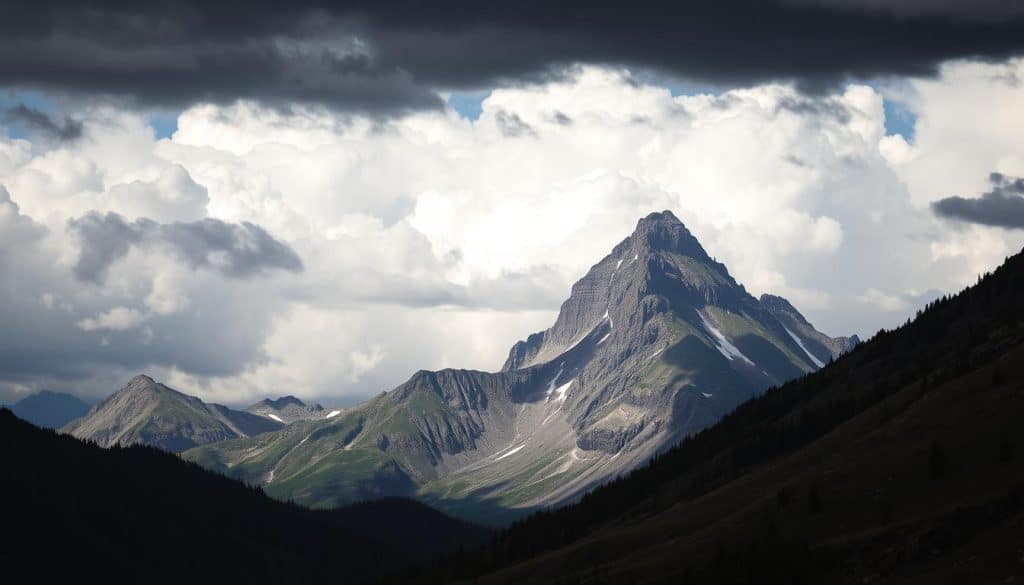
Camp Muir, Mount Rainier
Camp Muir on Mount Rainier presents a different set of weather challenges, with sudden whiteouts, high winds, and year-round snow creating a mountaineering experience. The 9-mile round trip with 4,600 feet of elevation gain requires not only physical endurance but also specialized equipment like ice axes and crampons, as well as navigation skills to tackle the active glaciers and potentially zero visibility.
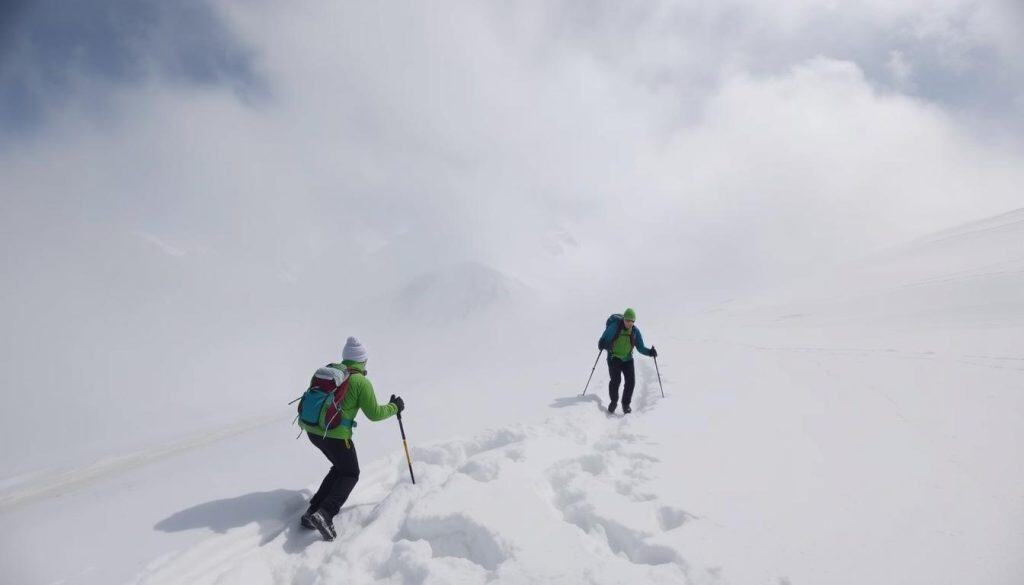
Both Windom Peak and Camp Muir illustrate how extreme weather conditions can elevate a challenging hike into a serious mountaineering endeavor, requiring hikers to be highly prepared and equipped to handle the risks involved.
Conclusion: Preparing for America’s Most Challenging Hikes
Tackling the toughest trails in America requires more than just a sense of adventure; it demands meticulous planning and physical training. To successfully complete these hikes, one must be prepared for the challenge ahead.
Proper preparation includes months of physical training to build backpacking endurance, selecting the right gear, and understanding water management strategies. Many of these trails require permits and an understanding of the environmental impact.
For those who are prepared, these hikes offer incredible rewards, including experiencing America’s most spectacular landscapes. The sense of accomplishment and self-knowledge gained from completing these trails is unparalleled.
FAQ
What permits are required for hiking the Grand Canyon Rim to Rim trail?
A permit is not required for day hiking, but a backcountry permit is necessary for overnight trips. You can obtain a permit through the Grand Canyon National Park’s backcountry office.
How long does it take to complete the Half Dome hike in Yosemite National Park?
The hike typically takes 10-12 hours to complete, covering a distance of 17 miles with an elevation gain of over 5,000 feet.
Are there any specific gear recommendations for tackling Angel’s Landing in Zion National Park?
Hikers should wear sturdy hiking boots, bring plenty of water, and consider using hiking poles for the steep and exposed sections.
What is the distance and elevation gain for the Enchantment Lakes Traverse?
The traverse is approximately 16 miles long with an elevation gain of around 4,000 feet, featuring stunning mountain scenery and alpine lakes.
How do I obtain a permit for the Pemi Loop in the White Mountains?
Permits are not required, but hikers should be prepared for variable weather conditions and challenging terrain.
What are the conditions like on the Timberline Trail around Mt. Hood?
The trail is known for its unpredictable weather, with frequent rain and snow, even during summer months.
Can I hike the Cactus to Clouds Trail without prior experience?
While it’s possible, hikers should be prepared for a strenuous 16-mile hike with an elevation gain of over 10,000 feet, and consider having prior hiking experience.
Are there any specific safety concerns for hiking in the San Juan Mountains?
Hikers should be aware of potential altitude sickness, steep terrain, and unpredictable weather conditions.