

I still remember my first camping trip as a child, surrounded by the serene beauty of nature. It was an experience that sparked a lifelong passion for the outdoors. Today, I’m not alone in my love for camping; millions of people across the US are embracing this traditional way to connect with the natural world.
Did you know that approximately 78 million households in the United States reported that at least one person went camping in 2019? This staggering number highlights the growing popularity of camping across different demographics. With various types of camping experiences available, from traditional tent camping to more luxurious options like glamping, it’s no wonder that this outdoor activity continues to attract new enthusiasts.
As we explore the world of camping, we’ll examine the different types of camping experiences and what draws people to this activity. For instance, some families enjoy camping in national parks, creating lifelong memories.
Key Takeaways
- Tent camping remains the most popular form of camping in the US.
- Camping participation has been steadily increasing over the years.
- Various types of camping experiences cater to different preferences and comfort levels.
- Camping gear and equipment choices vary depending on the type of camping experience.
- Camping connects people with nature in unique and meaningful ways.
The Popularity of Camping in America
Camping in America has become a beloved pastime, offering a unique blend of adventure and relaxation. As people increasingly seek to disconnect from the digital world and reconnect with nature, camping has emerged as a favorite leisure activity.
Current Camping Participation Rates
Camping participation rates in the US are on the rise, with a diverse range of people embracing the outdoors. According to recent surveys, a significant portion of the American population engages in camping activities each year. The data indicates that camping appeals to a broad demographic, with varying motivations for participating in this outdoor activity.
| Demographic | Camping Participation Rate | Primary Motivation |
|---|---|---|
| Women | 57% | Spending time with family and friends |
| Men | 43% | Outdoor adventures |
Why Americans Love to Camp
So, what draws Americans to camping? The reasons are multifaceted. For many, camping provides an opportunity to spend quality time with family and friends, creating lasting memories and strengthening bonds. Others are drawn to the thrill of outdoor adventures, such as hiking, fishing, or simply exploring nature. The camping experience offers a chance to disconnect from technology and recharge in a natural setting.
As I reflect on the appeal of camping, it’s clear that it offers a unique combination of comfort, adventure, and connection with nature. Whether it’s the sense of freedom that comes with being outdoors or the opportunity to challenge oneself in new ways, camping provides an option for people to experience the world beyond their daily routines.
Camping also offers numerous health benefits, including improved mood, better sleep, and increased physical activity. Furthermore, it provides an affordable vacation option for many Americans, making outdoor recreation accessible across different economic backgrounds.
What is the Most Common Type of Camping in the US?
When it comes to camping in the US, one type stands out as the most popular among outdoor enthusiasts. As we explore the world of camping, it becomes clear that tent camping is a favorite among many Americans.
Tent Camping: America’s Favorite
Tent camping is more than just a recreational activity; it’s a way to connect with nature and spend quality time with family and friends. According to recent camping market research, tent camping remains the most popular form of camping in the US. This style of camping appeals to a wide range of campers, from seasoned outdoor enthusiasts to beginners looking for a genuine outdoor experience.
The appeal of tent camping lies in its simplicity and the direct connection it offers to the natural world. Campers can choose their gear based on personal preference and budget, making it accessible to a broad demographic. Whether it’s a trip into the wilderness or a stay at a designated campsite, tent camping provides a flexible and immersive outdoor experience.
Demographics of Tent Campers
The demographics of tent campers are diverse, reflecting a broad cross-section of American society. Research indicates that tent camping is popular across all age groups, with a particularly strong following among millennials and Gen Z campers. Interestingly, men and women participate in tent camping at roughly equal rates, though their motivations and preferences may vary.
- The group dynamics of tent camping vary, with some preferring family-oriented trips and others enjoying outings with friends or solo adventures.
- The choice of camping gear can also differ significantly among tent campers, ranging from budget-conscious beginners to seasoned gear enthusiasts.
- Tent camping often serves as an entry point to other forms of outdoor recreation, encouraging participants to explore different camping styles and activities.
By understanding the demographics and preferences of tent campers, we can better appreciate the enduring appeal of this camping style and its role in American outdoor culture.
RV and Van Camping: The Comfortable Alternative
RV and van camping have become increasingly popular as a comfortable alternative to traditional tent camping. As I explore the world of camping, it’s clear that many are seeking the convenience and comfort that comes with having a mobile home on their camping trip.
The appeal lies in the flexibility and amenities that RV and van camping provide, making it an attractive option for a wide range of campers. Whether you’re a family with young children or a retiree looking for adventure, RV camping offers a unique blend of freedom and comfort.
The Rise of Mobile Home Camping
The trend towards RV and van camping is on the rise, driven by a desire for a more luxurious camping experience. According to industry research, the average age of RV owners is 48, though younger generations are increasingly drawn to the “van life” movement.
As campers become more adventurous, they’re seeking out new ways to experience the great outdoors without sacrificing the comforts of home. This shift has led to a growth in the market for RVs and vans equipped with modern amenities.
Who Chooses RV Camping?
RV camping tends to attract a diverse range of demographics, from families with young children to retirees. The convenience and flexibility of RV camping make it an appealing option for those who want to enjoy the outdoors without the hassle of traditional camping.
| Demographic | Characteristics | Reasons for RV Camping |
|---|---|---|
| Families with Young Children | Seek convenience and comfort | Easy access to amenities, kid-friendly facilities |
| Retirees | Enjoy freedom and flexibility | Ability to travel, comfort, and relaxation |
| Younger Generations | Embrace the “van life” movement | Adventure, simplicity, and community |
As I look at the data, it’s clear that RV camping is more than just a camping style – it’s a lifestyle choice that offers a unique blend of adventure and comfort.
Car Camping: Accessibility Meets Adventure
As outdoor recreation continues to grow in popularity, car camping stands out as a particularly accessible way to experience the great outdoors. This style of camping allows individuals and families to enjoy nature without sacrificing the comforts and security of having their vehicle nearby.
The Convenience Factor
One of the primary advantages of car camping is its convenience. Having a vehicle at the campsite provides a sense of security, especially for families with children. It also allows campers to bring a wide range of gear, from basic camping equipment to comfort items like camp chairs and cooking equipment. According to camping surveys, approximately 25% of first-time campers choose car camping as their entry point to outdoor recreation, drawn by its forgiving nature and the ability to retreat to their vehicle if needed.

Perfect for Beginners and Families
Car camping is particularly well-suited for families and beginners. It offers a controlled environment where children can be introduced to nature gradually, building confidence and outdoor skills. The accessibility of car camping also accommodates special needs and considerations, making it an inclusive option for a wide range of campers. By starting with car camping, many outdoor enthusiasts develop a foundation for more adventurous camping styles in the future.
| Benefits of Car Camping | Features |
|---|---|
| Convenience | Vehicle access for gear and supplies |
| Safety | Proximity of vehicle for security |
| Accessibility | Accommodates families and special needs |
By choosing car camping, individuals can enjoy the camping experience while still having access to amenities like bathrooms and showers at established campgrounds. This blend of adventure and comfort makes car camping an attractive option for those looking to explore the outdoors without feeling overwhelmed.
Glamping: Luxury in the Outdoors
Imagine camping under the stars with the comforts of home – this is the essence of glamping. As outdoor enthusiasts seek more luxurious experiences, glamping has emerged as a popular trend in the US, offering a unique blend of nature and comfort.
The Growing Trend of Glamorous Camping
Glamping, or glamorous camping, has seen significant growth as travelers seek to connect with nature without sacrificing the amenities they’re used to. This trend is driven by campers who desire a more comfortable experience in the great outdoors.
The appeal of glamping lies in its ability to provide a luxurious stay within natural settings. Campers can enjoy scenic views, outdoor activities, and the tranquility of nature, all while having access to comfortable accommodations and various amenities.
Yurts, Cabins, and Other Glamping Accommodations
Glamping accommodations come in various forms, including yurts, cabins, safari tents, treehouses, and converted airstreams. These structures are typically furnished with beds, electricity, and sometimes kitchenettes or private bathrooms, catering to a wide range of campers‘ needs.
A popular option among glamping enthusiasts is the yurt, a portable, circular, domed tent-like structure with Mongolian origins. Yurts have become a favorite in the US for their unique blend of traditional design and modern comforts.
| Accommodation Type | Typical Amenities | Unique Features |
|---|---|---|
| Yurts | Real beds, electricity | Portable, circular design |
| Cabins | Kitchenettes, private bathrooms | Sturdy construction, cozy atmosphere |
| Safari Tents | Luxury bedding, sometimes en-suite bathrooms | Spacious interiors, safari-inspired decor |
Backpacking and Backcountry Camping
As I reflect on my own backpacking experiences, it’s clear that this activity is not just about hiking; it’s about immersing oneself in the wilderness, challenging personal limits, and enjoying the serenity of being far from the crowds.
For the Adventure Seekers
Backpacking and backcountry camping are tailored for those who seek adventure and are willing to carry their home on their backs. This type of camping requires a level of physical fitness and mental preparedness. It’s an activity that allows individuals to explore remote areas, experience nature intimately, and develop a sense of self-reliance.
The thrill of backpacking lies in its ability to offer a raw, unfiltered experience of the outdoors. Adventure seekers are drawn to the challenge of navigating through uncharted territories, setting up camp in secluded spots, and enjoying the simplicity of life with minimal gear.
Skills and Equipment Needed
To embark on a backpacking trip, one must be equipped with the right gear and skills. Essential skills include navigation, wilderness first aid, proper food storage, water purification, and adherence to leave-no-trace principles. The right equipment is equally important, with a focus on lightweight, multi-functional items that minimize pack weight without compromising on safety or comfort.
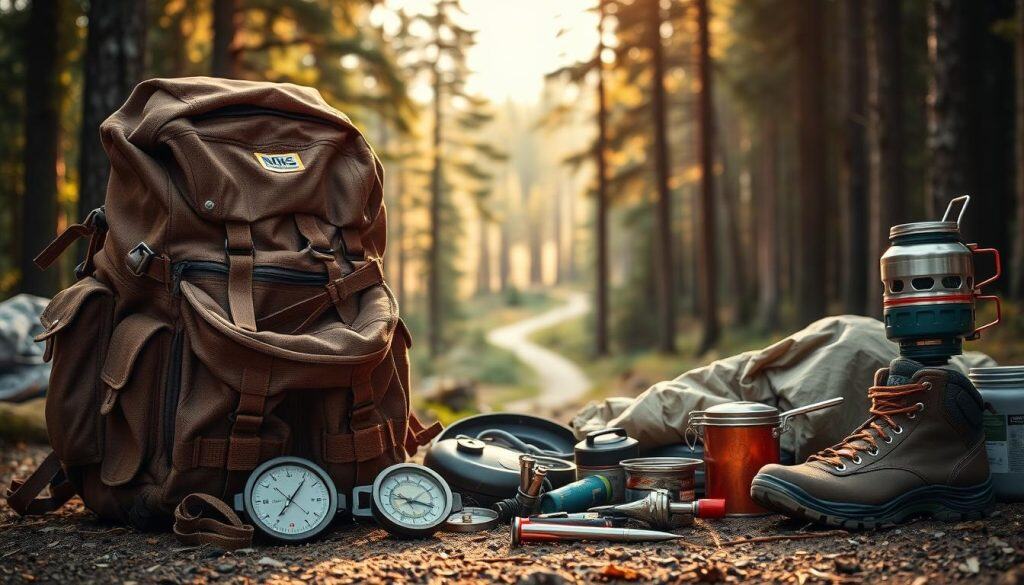
Even professional backpackers emphasize the importance of lightweight camping gear, as heavy equipment can become a safety hazard on the trail. Balancing comfort against weight is a critical aspect of packing for a backpacking trip, requiring strategic decisions about what to bring and what to leave behind.
By acquiring the necessary skills and selecting the appropriate gear, backpackers can ensure a safe and enjoyable experience in the backcountry.
Regional and Demographic Trends in American Camping
The great outdoors beckons to Americans from all walks of life, but the way they answer this call varies greatly depending on where they’re from and who they are. As we delve into the diverse world of camping, it becomes clear that regional and demographic factors play a significant role in shaping camping preferences and experiences.
Camping Preferences by Region
Camping styles and preferences vary significantly across different regions in the US. For instance, campers in the western states often favor national parks, with their breathtaking natural beauty and vast open spaces. In contrast, campers in the Northeast might prefer smaller, more secluded spots amidst the lush forests. Understanding these regional preferences is key to appreciating the diverse camping culture across America.
Age and Generational Differences
Age and generational differences also significantly influence camping habits. Younger campers tend to be more adventurous, often opting for backpacking or backcountry camping. In contrast, families with young children might prefer car camping or RV camping for its convenience and comfort. As different generations grow and change, their camping preferences evolve, reflecting broader societal trends and values.
Socioeconomic and Ethnic Diversity in Camping
The demographics of camping are becoming increasingly diverse. While the majority of recreational campers are still white, participation rates among ethnic minority groups are on the rise. For example, Hispanic Americans’ participation in camping increased by 7% from 2018 to 2019, according to the Outdoor Industry Association. Socioeconomic factors, such as income level, also impact camping participation, with higher-income households more likely to engage in camping activities. Efforts to make camping more inclusive and accessible are underway, aiming to welcome campers from all backgrounds.
As the camping landscape continues to evolve, understanding these regional and demographic trends will be crucial for parks and outdoor recreation areas to cater to the diverse needs and preferences of American campers.
Conclusion: The Future of Camping in America
The camping landscape in the US is evolving rapidly, driven by changing consumer preferences and technological advancements. Tent camping remains the most popular form of camping, but other styles like glamping and RV camping are gaining traction. The COVID-19 pandemic has accelerated interest in camping as people seek safe outdoor recreation options, a trend that appears likely to continue.
Camping participation is becoming more diverse, with increased representation across different demographic groups. According to recent trends, the demographics of recreational camping are shifting, with various age groups and socioeconomic backgrounds participating in camping activities. This diversity is expected to shape the market and influence the types of options available to campers.
The future of camping will likely be shaped by emerging trends such as technology integration, sustainability practices, and new accommodation options. As the industry adapts to meet diverse consumer needs, we can expect more inclusive offerings and experiences designed for specific groups. For instance, backcountry camping and adventure-seeking activities are on the rise, appealing to enthusiasts who seek a more immersive outdoor experience.
As we look ahead, it’s clear that camping will continue to resonate with Americans of all backgrounds, offering unique experiences that can’t be replicated in our increasingly digital and urban lives. Whether it’s pitching a tent in a secluded park or enjoying the comforts of an RV, camping provides an opportunity for adventure and connection with nature.
FAQ
What are the different types of camping experiences available in the US?
You can choose from tent camping, RV and van camping, car camping, glamping, and backpacking or backcountry camping, each offering a unique way to connect with nature and enjoy outdoor activities.
What should I consider when choosing a campsite?
Think about the level of comfort you need, the activities you want to do, and the amenities that are important to you, such as showers and campgrounds with amenities.
What gear do I need for tent camping?
You’ll need a tent, sleeping bag, and other camping gear to ensure a comfortable camping experience.
Is glamping a good option for those who want to experience nature without roughing it?
Yes, glamping offers a luxurious way to enjoy the outdoors with comforts like cabins and yurts, making it perfect for those who want to experience nature without sacrificing comfort.
What skills are required for backcountry camping?
Backpacking and backcountry camping require specific skills and equipment, such as navigation and wilderness survival skills, to ensure a safe and enjoyable trip.
How do regional trends affect camping preferences?
Camping preferences vary by region, with different areas offering unique camping styles and outdoor activities that cater to local tastes and traditions.
Can I camp in national parks?
Yes, many national parks offer campgrounds and camping opportunities, but be sure to check the park’s rules and regulations before planning your trip.