
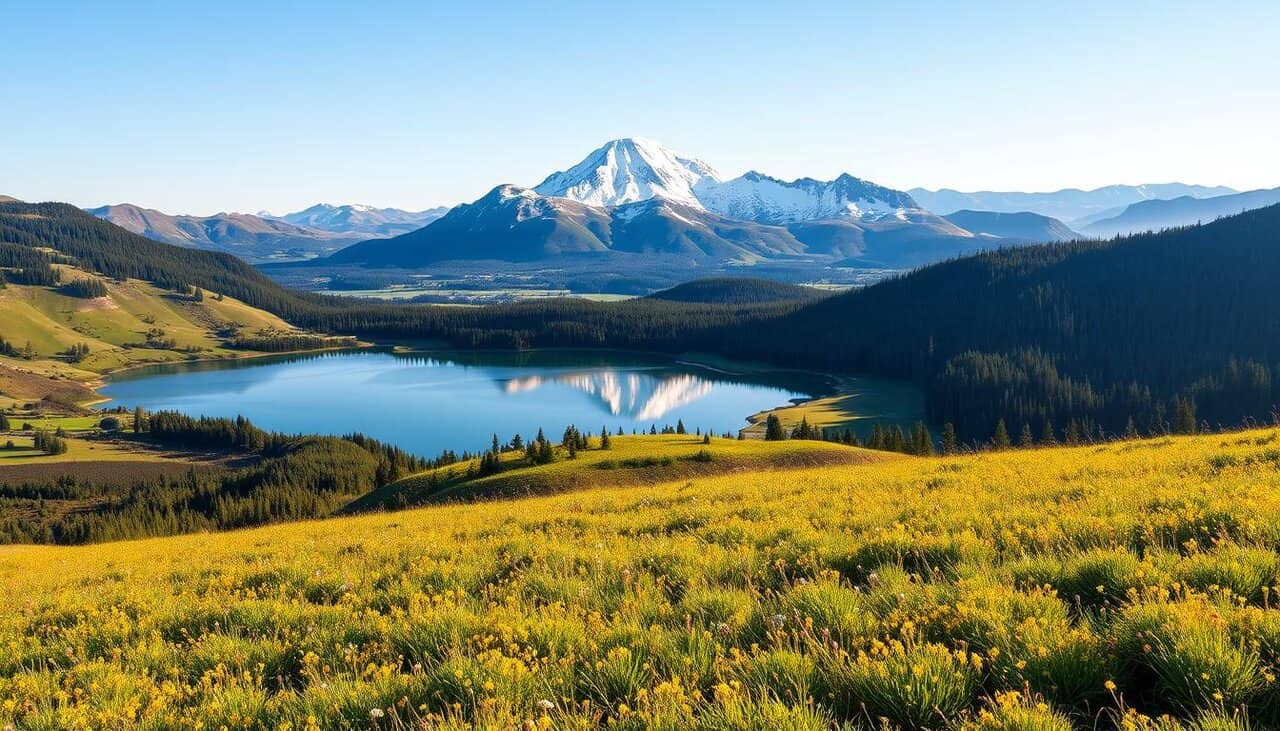
The United Kingdom is home to 15 stunning national parks, each offering unique landscapes and experiences for nature lovers. While some parks like the Lake District attract millions of visitors every year, others remain relatively undiscovered.
I find it fascinating that despite the UK’s rich natural beauty, some of its national parks are often overlooked by travelers. For instance, Northumberland National Park is known for its serene landscapes and is considered one of the less visited parks.
Let’s explore which UK national park holds the title of the least visited and why these hidden gems deserve more attention from both domestic and international visitors.
Key Takeaways
- The UK has 15 national parks, each with its unique charm and attractions.
- Some national parks in the UK are less visited, offering peaceful alternatives for nature lovers.
- Understanding visitor statistics can help travelers find less crowded national parks.
- Lesser-known national parks have their own distinct beauty and character.
- Exploring these hidden gems can provide authentic experiences in the British countryside.
The UK’s Hidden National Park Gems
While many flock to the Lake District, other UK national parks remain hidden gems, waiting to be explored. The varying visitor numbers across these parks present opportunities for travelers to experience solitude and unspoiled natural beauty.
Understanding Visitor Numbers in UK National Parks
The visitor numbers in UK national parks vary dramatically. For instance, the Lake District attracts a staggering 16.5 million visitors annually, while other parks like Exmoor and Northumberland receive significantly fewer visitors, with 1.4 million and 1.5 million visitors per year, respectively. The Cairngorms, the largest national park in the UK, also sees a relatively modest 1.5 million visitors each year.
- The disparity in visitor numbers allows for a range of experiences across different parks.
- Understanding these statistics can help travelers choose parks that offer more solitude.
Why Less Crowded Parks Offer Better Experiences
Less crowded national parks provide more authentic experiences, allowing visitors to connect with nature without the distractions of crowded trails and busy visitor centers. These parks often preserve their traditional character better, offering glimpses into rural British life. Visitors can enjoy better wildlife viewing opportunities, as animals are less disturbed by human presence.
The peace and tranquility of these parks also create ideal conditions for stargazing, photography, and mindful nature experiences.
Northumberland National Park: England’s Empty Quarter
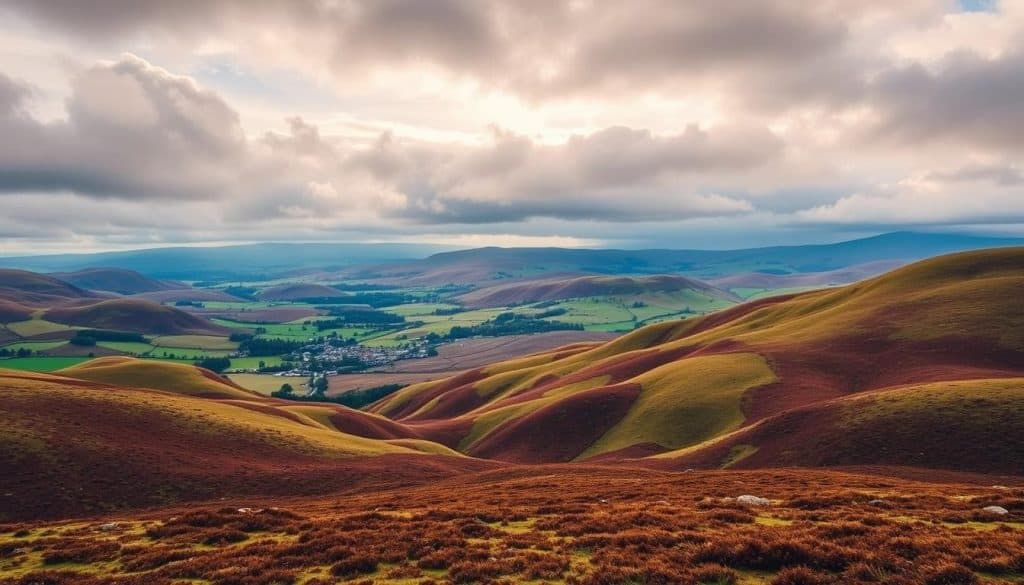
As one of the least visited national parks in the UK, Northumberland National Park is a paradise for those seeking solitude and untouched nature. Spanning over 405 square miles, it is characterized by its sparse population and vast, varied landscapes.
Why It’s the Least Visited National Park
Northumberland National Park earns its nickname as “England’s Empty Quarter” with just 2,000 permanent residents across its vast area, making it the most sparsely populated national park in the country. Its remote location in the far north of England contributes to its status as one of the least visited national parks, receiving approximately 1.5 million visitors annually.
The park’s remote location and lack of major transportation links make it less accessible than other national parks, contributing to its lower visitor numbers.
Hadrian’s Wall and Roman Heritage
Hadrian’s Wall, a UNESCO World Heritage Site, runs through the southern section of the park, offering visitors a chance to walk alongside this remarkable feat of Roman engineering. The wall once marked the northern frontier of the Roman Empire, and its history is palpable as you explore the park.
Visitors can explore the wall and its associated forts, museums, and archaeological sites to gain a deeper understanding of the Roman presence in Britain.
Wildlife and Natural Landscapes
The park is home to rare wildlife, including red squirrels, which have found a sanctuary in Northumberland’s woodlands. The diverse landscapes range from rolling moorlands and picturesque valleys to the wild expanses of the Cheviot Hills along the Scottish border.
These varied terrains provide a habitat for a wide range of flora and fauna, making the park a haven for nature enthusiasts and wildlife observers.
Hidden Villages and Historical Sites
Hidden villages like Elsdon showcase the region’s rich history with its 14th-century parish church dedicated to Saint Cuthbert, a classic fortified pele tower, and a perfectly preserved Norman motte and bailey castle.
Exploring these villages and historical sites offers a glimpse into the lives of the people who have lived in the park over the centuries, adding a layer of depth to the visitor experience.
Other Remarkably Quiet National Parks in the UK
The tranquility of the UK’s national parks is not limited to Northumberland; other parks also offer serene environments.
Exmoor National Park
Exmoor National Park, despite being in the more populous south of England, is Britain’s least visited national park, receiving just 1.4 million visitors annually. Its intimate landscapes feature plunging coombes, deep wooded valleys, and crystal-clear streams watched over by brooding moorland.
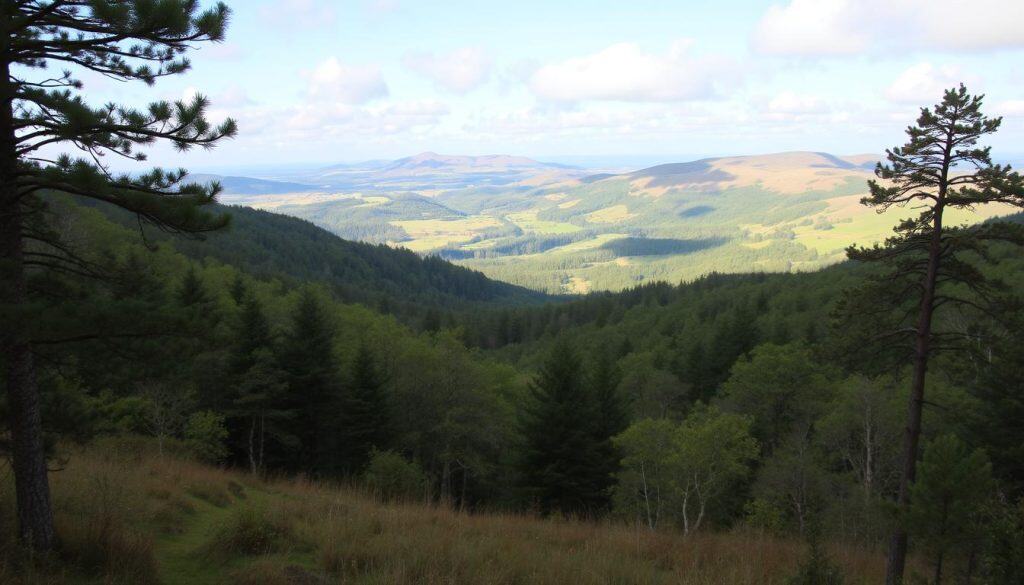
The diverse habitats created by these landscapes support a wide range of wildlife, making Exmoor a haven for nature lovers and those seeking solitude.
The Cairngorms: Scotland’s Arctic Wilderness
The Cairngorms is Britain’s largest national park, covering 1,748 square miles. It encompasses more land above 1,000 meters than anywhere else in the country, creating an Arctic-like wilderness that is relatively untouched.
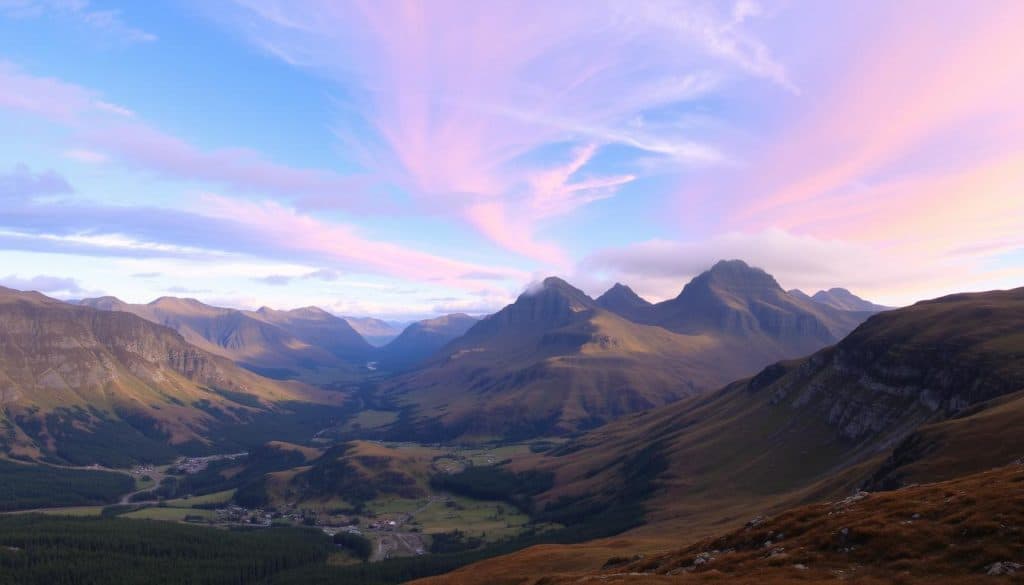
This unique environment is home to a variety of wildlife, including rare species that thrive in the park’s less disturbed areas.
North York Moors: Heather-Clad Landscapes
The North York Moors is characterized by its stunning heather moorland, which covers about 35% of its 554 square miles. The heather creates a breathtaking landscape, particularly in late summer when it blooms into a royal purple sea.
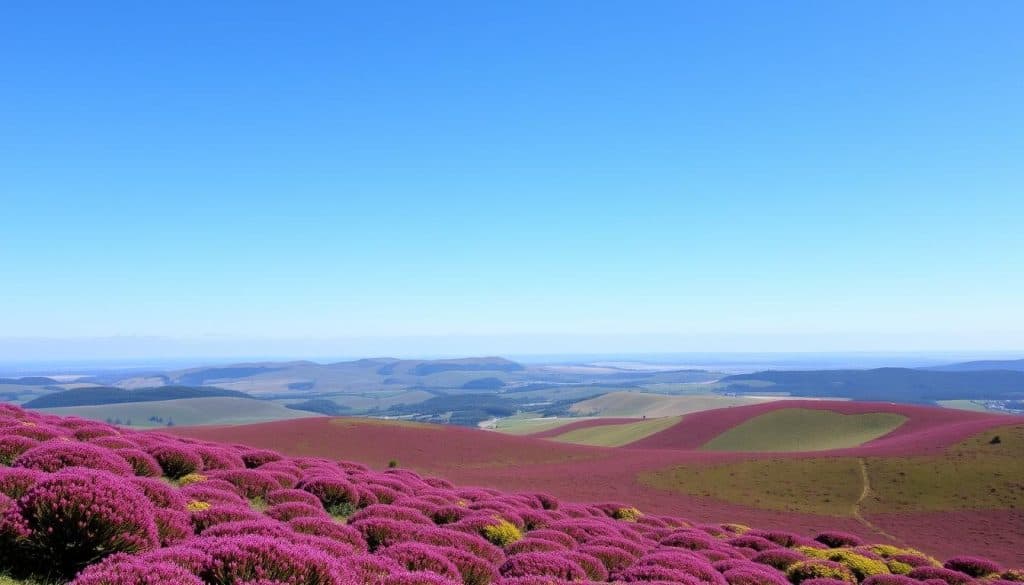
The park offers numerous walking routes that allow visitors to explore its natural beauty and enjoy the serene atmosphere.
Pembrokeshire Coast: Britain’s Only Coastal National Park
The Pembrokeshire Coast is notable for being Britain’s only coastal national park. Its dramatic landscape features rugged cliffs, pristine beaches, and hidden coves, earning it recognition as one of the world’s top coastal destinations.
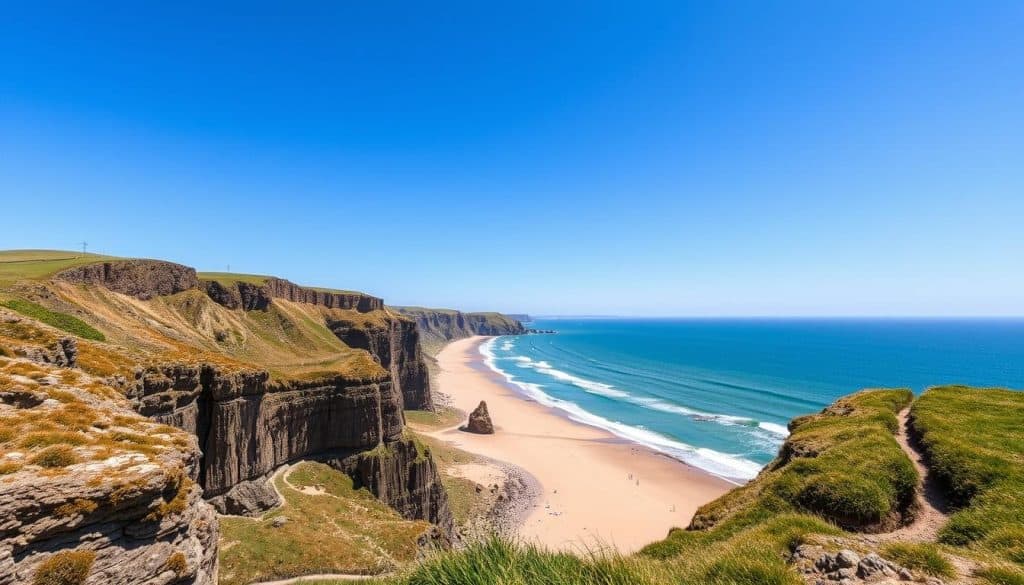
The park’s diverse coastline supports a rich variety of wildlife, including seals and seabirds, making it a fascinating destination for nature enthusiasts.
These quieter national parks offer a chance to experience the diverse landscapes of the UK without the crowds. From Exmoor’s valleys to the Cairngorms’ highlands, the North York Moors’ hills, and Pembrokeshire’s coastline, each park provides a unique and serene environment.
Best Times to Visit These Secluded National Parks
To fully appreciate the serene beauty of the UK’s hidden national parks, it’s essential to consider the best times to visit. Each of these parks offers a unique experience that changes with the seasons, making timing a crucial factor in planning your trip.
Seasonal Highlights and Weather Considerations
The UK’s secluded national parks are transformed by the changing seasons. In the spring, places like Farndale in North York Moors burst into life with wild daffodils, creating breathtaking views. Exmoor and Northumberland national parks are also particularly vibrant during spring, with wildflowers blooming and newborn wildlife.
As summer arrives, the days grow longer, and the weather becomes more reliable, making it ideal for exploring remote areas of these parks. However, this is also when you can expect the largest crowds, even in the less-visited areas.
Avoiding Peak Periods for Maximum Solitude
To maximize solitude during your visit, plan your trip on a mid-week day rather than on weekends. Early morning or late afternoon are also ideal times for a walk on popular routes, as they tend to be less crowded.
Avoiding school holidays and bank holiday weekends is crucial for those seeking true tranquility in these national parks. Even the least visited park sees a significant increase in visitor numbers during these peak periods.
Conclusion: Embracing the Solitude of Britain’s Least Visited Parks
Britain’s least visited national parks are treasures waiting to be discovered, offering solitude and breathtaking natural beauty. These parks, such as Northumberland National Park and Exmoor, provide a profound sense of solitude and connection to nature. With their sparse populations and untouched landscapes, they are home to ancient villages, dramatic cliffs, and diverse wildlife.
Visiting these parks is not just a day out; it’s an immersive experience into Britain’s natural and cultural heritage. As a guide to these lesser-known destinations, we encourage you to explore the unspoiled beauty of the UK’s countryside. By doing so, you’ll be supporting local communities and contributing to the conservation of these precious landscapes.
Whether you’re walking Hadrian’s Wall or watching spring wildflowers bloom, Britain’s least visited national parks offer world-class experiences in a serene and peaceful environment.
FAQ
What makes Northumberland National Park so serene?
Northumberland National Park is considered serene due to its relatively low visitor numbers, vast open spaces, and diverse landscapes, including hills, woodland, and historical sites like Hadrian’s Wall.
Are there any other quiet national parks in the UK worth visiting?
Yes, other remarkably quiet national parks in the UK include Exmoor National Park, The Cairngorms, North York Moors, and Pembrokeshire Coast National Park, each offering unique landscapes and experiences.
When is the best time to visit these secluded national parks?
The best time to visit depends on your preferences, but generally, spring and autumn offer mild weather and fewer crowds, making them ideal for those seeking solitude and scenic beauty.
Can I still experience the beauty of these parks during peak season?
While peak season attracts more visitors, you can still have a meaningful experience by exploring less popular areas, such as remote hills, hidden villages, or early morning walks.
What kind of wildlife can I expect to see in Northumberland National Park?
Northumberland National Park is home to a variety of wildlife, including birds of prey, red squirrels, and other species that thrive in its diverse landscapes, from woodland to open moorland.
How can I make the most of my visit to these national parks?
To maximize your experience, plan ahead, consider visiting during the shoulder season, and explore the parks’ lesser-known areas to avoid crowds and fully immerse yourself in the natural beauty and history.