
Visiting a national park is often a dream vacation for many of us. However, beneath the breathtaking landscapes and serene environments lies a sobering truth. Between 2007 and 2024, a total of 4,213 deaths were recorded across U.S. National Parks sites.
This number, while seemingly high, is relatively low when considering the over 5 billion recreation visits during the same period. This translates to just under 8 deaths per 10 million visits. As we explore the data collected by the National Park Service, we’ll uncover which park holds the unfortunate title of being the deadliest.
As we dive into the statistics, you’ll discover surprising insights, such as the stark contrast between the raw numbers of deaths at popular parks versus the actual risk when adjusted for visitation.
Key Takeaways
- Understanding the mortality rates in U.S. National Parks from 2007 to 2023.
- Identifying the national park with the highest number of fatalities.
- Examining the geographical distribution of deadly parks.
- Analyzing the demographics of national park fatalities.
- Assessing the risk associated with visiting different national parks.
Understanding National Park Fatalities
When visiting national parks, understanding the risks involved is crucial for a safe experience. As we explore the great outdoors, it’s essential to acknowledge the potential dangers within these areas.
Overview of National Park System Safety
The national park system is generally considered safe, but like any other place, it’s not completely risk-free. The data on national park fatalities provides valuable insights into the risks involved.
Demographics and Statistics of Park Deaths
Analyzing the demographic data of national park deaths reveals important patterns. Adults over 65 represent the highest percentage of deaths at 19%, reflecting both their vulnerability to medical emergencies and their presence in parks. On a more positive note, children under 14 account for only 3% of all fatalities, with just 103 deaths recorded over a 17-year period.
The data shows that experience level plays a crucial role in visitor safety, with many incidents involving people who underestimated the challenges they would face. Understanding these patterns can help park managers target their safety messaging to the groups most at risk.
What is the deadliest national park in the United States?
When exploring the deadliest national parks in the United States, two names frequently come up: Lake Mead National Recreation Area and Grand Canyon National Park. These parks, while breathtakingly beautiful, have seen a significant number of fatalities over the years.
Lake Mead National Recreation Area
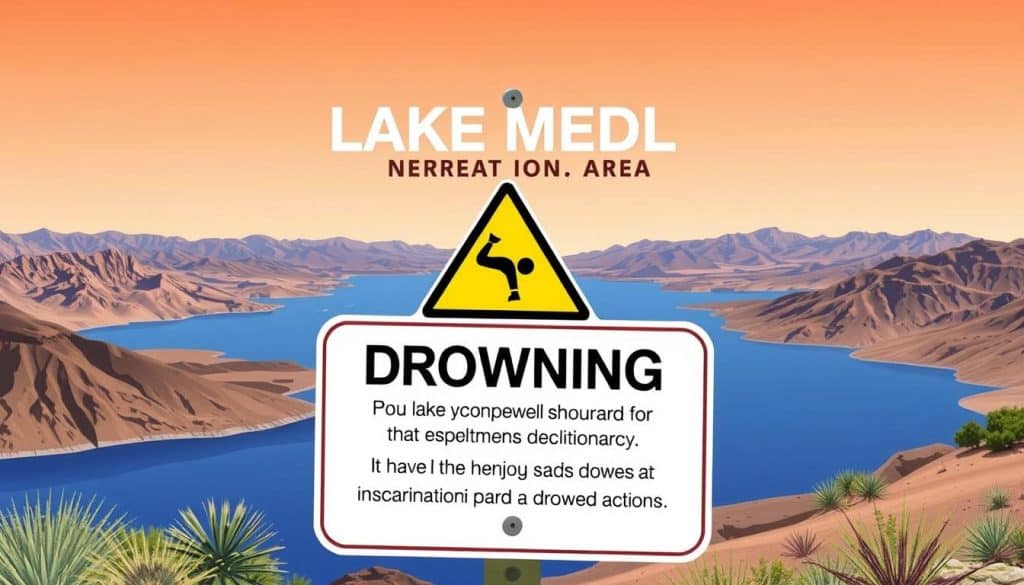
Lake Mead National Recreation Area is known for its water activities, but these also pose significant risks. Drowning is a leading cause of death here, often due to swimming in restricted areas or underestimating the power of the water. Visitors should be cautious and adhere to safety guidelines to avoid such tragedies.
Grand Canyon National Park
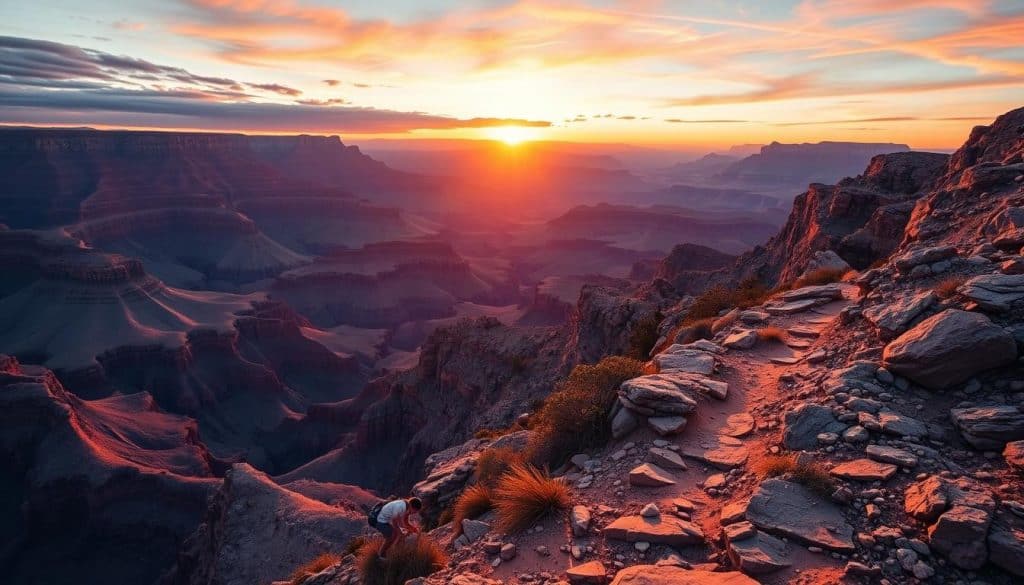
Grand Canyon National Park is another hotspot for fatalities, with an average of 12.7 deaths annually. The park’s steep cliffs and challenging hiking trails make falls a primary concern. However, surprisingly, most deaths are due to medical emergencies and natural causes, often exacerbated by the extreme temperature variations within the canyon. Visitors should be aware of the risks and prepare accordingly, especially during peak summer months when heat-related illnesses spike. For more information on national park safety, you can visit this article or explore the best national parks on Enjoy National Parks.
Top 5 Deadliest National Parks by Total Fatalities
Understanding the deadliest national parks requires a closer look at the statistics behind visitor fatalities. The following parks have seen a significant number of deaths over the years, often due to various factors such as terrain, visitor behavior, and environmental conditions.
Yosemite National Park
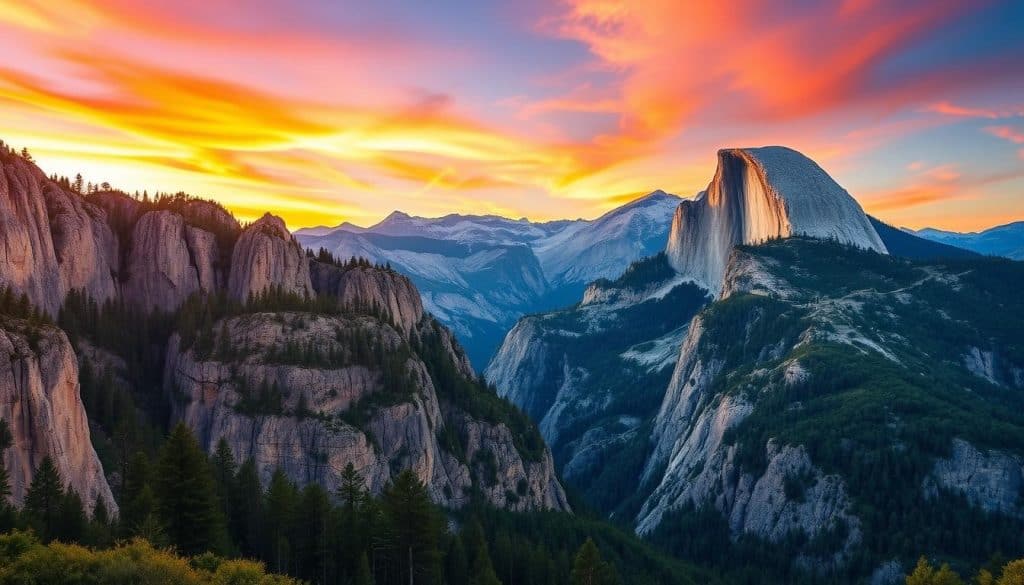
Yosemite National Park has seen its share of fatalities, often related to falls. The park’s rugged terrain and sometimes precarious visitor behavior contribute to these incidents. According to data, falls are a leading cause of death in Yosemite.
Blue Ridge Parkway
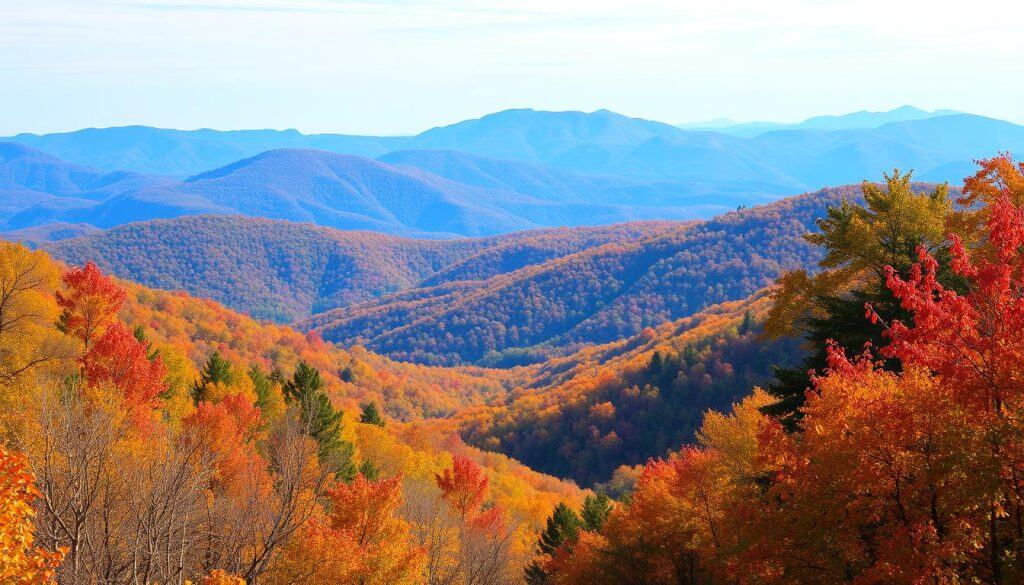
The Blue Ridge Parkway, while known for its scenic beauty, has experienced a number of fatalities. Some of these have been related to suicide, highlighting the need for mental health support in these areas.
Natchez Trace Parkway
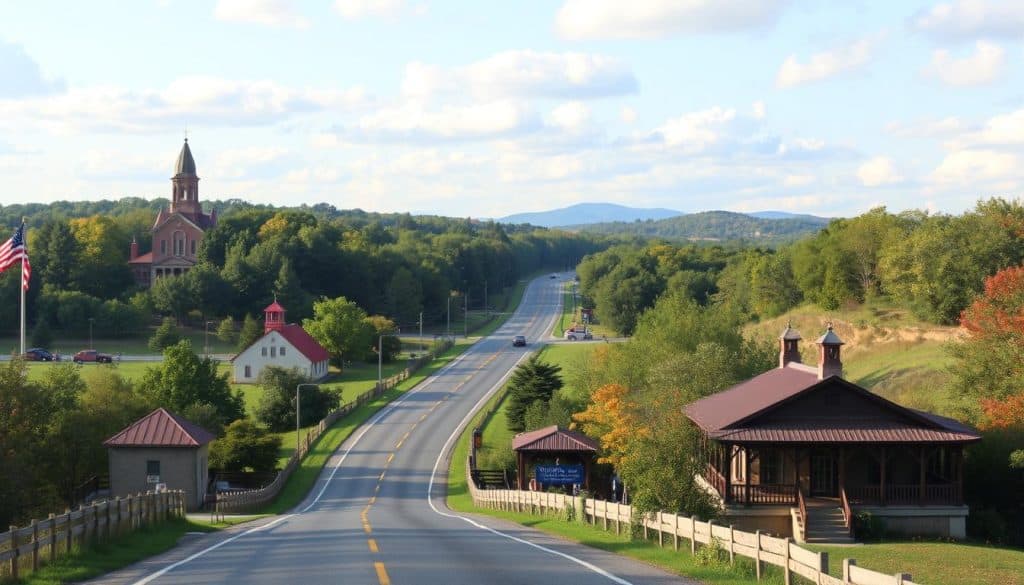
Natchez Trace Parkway has seen its share of deaths over the years. The causes can vary, but the park’s history and the nature of its terrain play a role in these incidents.
Golden Gate National Recreation Area

The Golden Gate National Recreation Area, despite its popularity and scenic beauty, has experienced fatalities. These are often related to various factors, including visitor activities and environmental conditions.
Great Smoky Mountains National Park
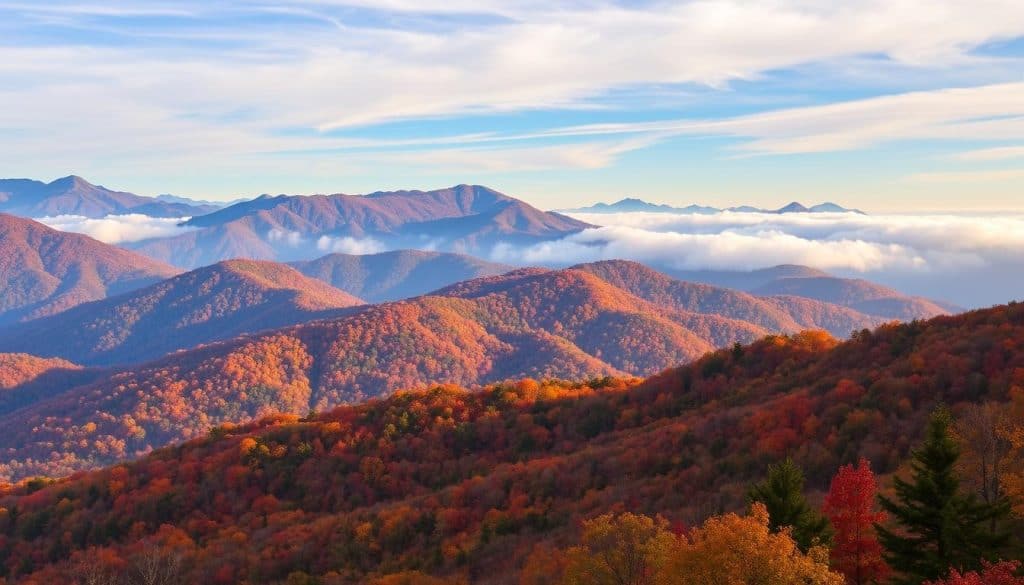
Great Smoky Mountains National Park is one of the most visited national parks, with over 14 million visitors annually. Unfortunately, this high visitation rate correlates with a higher number of accidents and fatalities, particularly motor vehicle crashes. The park’s extensive road network and challenging driving conditions contribute to these incidents. In fact, motor vehicle crashes are the leading cause of death in the Smoky Mountains, accounting for a significant portion of the total fatalities. For more information on family-friendly national parks, you can visit best national parks for young families.
Most Dangerous Parks by Visitor Percentage
The risk of death in national parks is a concern that varies significantly from one park to another. When considering the danger posed by these parks, it’s essential to look beyond the total number of fatalities and examine the rate of deaths relative to the number of visitors.
North Cascades National Park
North Cascades National Park is known for its rugged terrain and remote wilderness. With a high rate of fatalities relative to its visitor numbers, it tops the list of most dangerous national parks by visitor percentage. The park’s challenging environment and outdoor activities contribute to its risk profile.
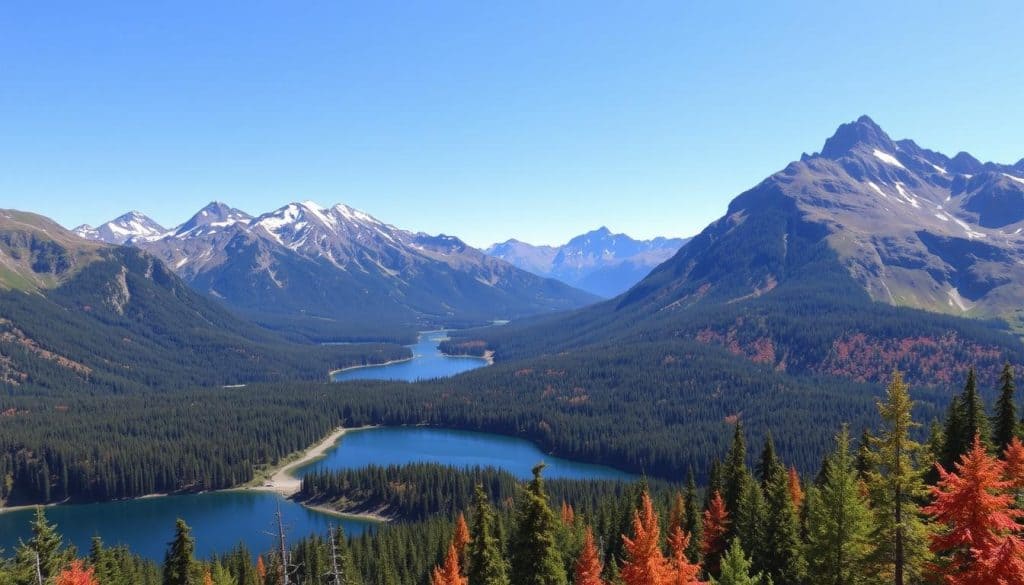
Denali National Park and Preserve
Denali National Park and Preserve, located in Alaska, is another park with a high risk of fatalities. The harsh, subarctic environment and wildlife encounters are significant factors contributing to the danger. Visitors must be well-prepared for the challenges they may face in this unforgiving landscape.
Virgin Islands National Park
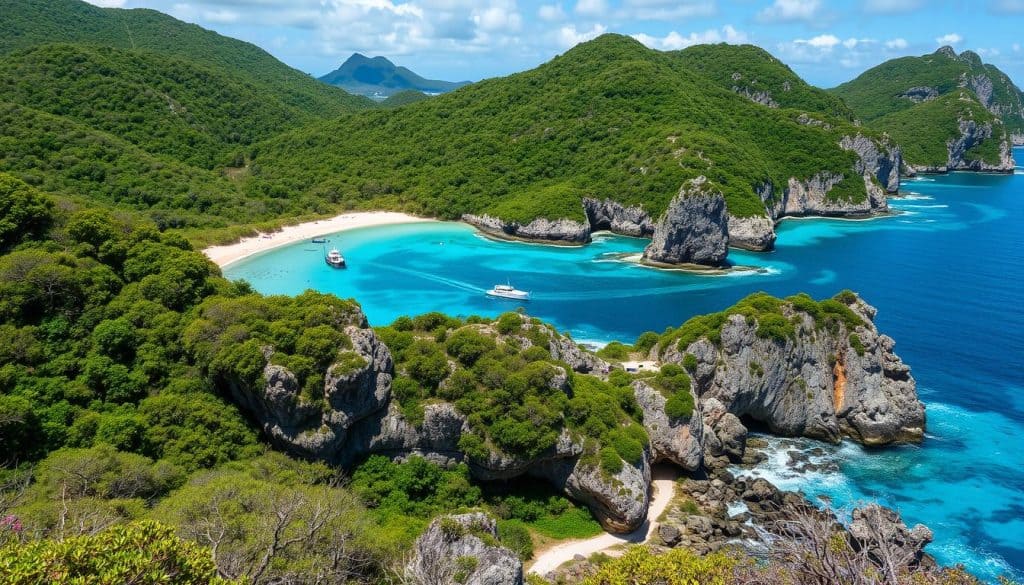
Virgin Islands National Park, a tropical paradise in the Caribbean, may seem like an unlikely candidate for a dangerous national park. However, it ranks third in danger by visitor percentage, with approximately 6 deaths per million visitors. The leading cause of death in this park is drowning, often related to water activities and the underestimation of ocean conditions.
The park receives significant traffic from cruise ships, bringing visitors who may not be experienced with ocean conditions or water safety. Unlike wilderness parks, Virgin Islands National Park presents dangers primarily related to recreational water activities.
Common Causes of Death in National Parks
As we explore the beauty of national parks, it’s vital to recognize the hazards that come with it. Understanding the common causes of death in these areas can help visitors be better prepared and stay safe.
Drowning
Drowning is a significant risk in national parks, often occurring in lakes, rivers, and other water bodies. Visitors should be cautious when engaging in water activities and ensure they follow safety guidelines.
Motor Vehicle Crashes
Motor vehicle crashes are another leading cause of death in national parks. Visitors should be aware of road conditions, follow speed limits, and wear seatbelts to minimize the risk.
Medical Events and Environmental Factors
Medical events such as heart attacks and environmental factors like extreme weather conditions can also be life-threatening. Visitors should be prepared for the terrain and climate of the park they are visiting.
Falls and Hiking Accidents
Falls and hiking accidents account for a significant number of fatalities in national parks.  The data shows that falls and hiking accidents are a major concern, with 478 deaths recorded. The pursuit of the perfect photograph has become an increasingly dangerous risk factor, with visitors venturing too close to edges for dramatic shots. Many falls occur when visitors leave designated trails, ignore safety barriers, or attempt to access restricted areas.
| Cause of Death | Number of Fatalities |
|---|---|
| Falls and Hiking Accidents | 478 |
| Drowning | X |
| Motor Vehicle Crashes | Y |
By understanding these risks, visitors can take necessary precautions to stay safe.
Conclusion: Staying Safe in America’s National Parks
With the right mindset and preparation, we can minimize risks and maximize our enjoyment of national parks. To stay safe, it’s crucial to plan ahead, check the park’s “know before you go” page online, and understand your limits. For instance, a visit to a park in California requires knowledge of its unique challenges. Always pack the essentials and stay on designated trails. By being prepared and informed, you can have a safe and memorable experience in our country’s magnificent parks, as highlighted in studies on risk of death in national parks.
FAQ
What are the most common causes of death in national parks?
The most common causes of death in national parks include drowning, motor vehicle crashes, medical events, environmental factors, and falls or hiking accidents. Understanding these risks can help you take necessary precautions during your visit.
How can I stay safe while visiting national parks?
To stay safe, be aware of your surroundings, follow park rules and regulations, and take necessary precautions such as wearing protective gear and staying hydrated. It’s also essential to plan ahead, check the weather forecast, and inform someone about your itinerary.
Are some national parks more dangerous than others?
Yes, some national parks are considered more hazardous due to factors like rugged terrain, extreme weather conditions, or high visitor traffic. For example, Grand Canyon National Park and Denali National Park are known for their challenging environments and higher risk of accidents.
What should I do in case of an emergency in a national park?
In case of an emergency, call 911 or contact park rangers immediately. It’s also a good idea to carry a personal locator beacon (PLB) or satellite phone, especially when venturing into remote areas with no cell service.
How can I prepare for a safe and enjoyable visit to a national park?
To prepare, research the park’s conditions, weather, and potential hazards. Check the park’s website for up-to-date information, and plan your itinerary according to your physical abilities and experience level. Additionally, pack essential gear, such as water, food, and a first-aid kit, and stay informed about park regulations and safety guidelines.