
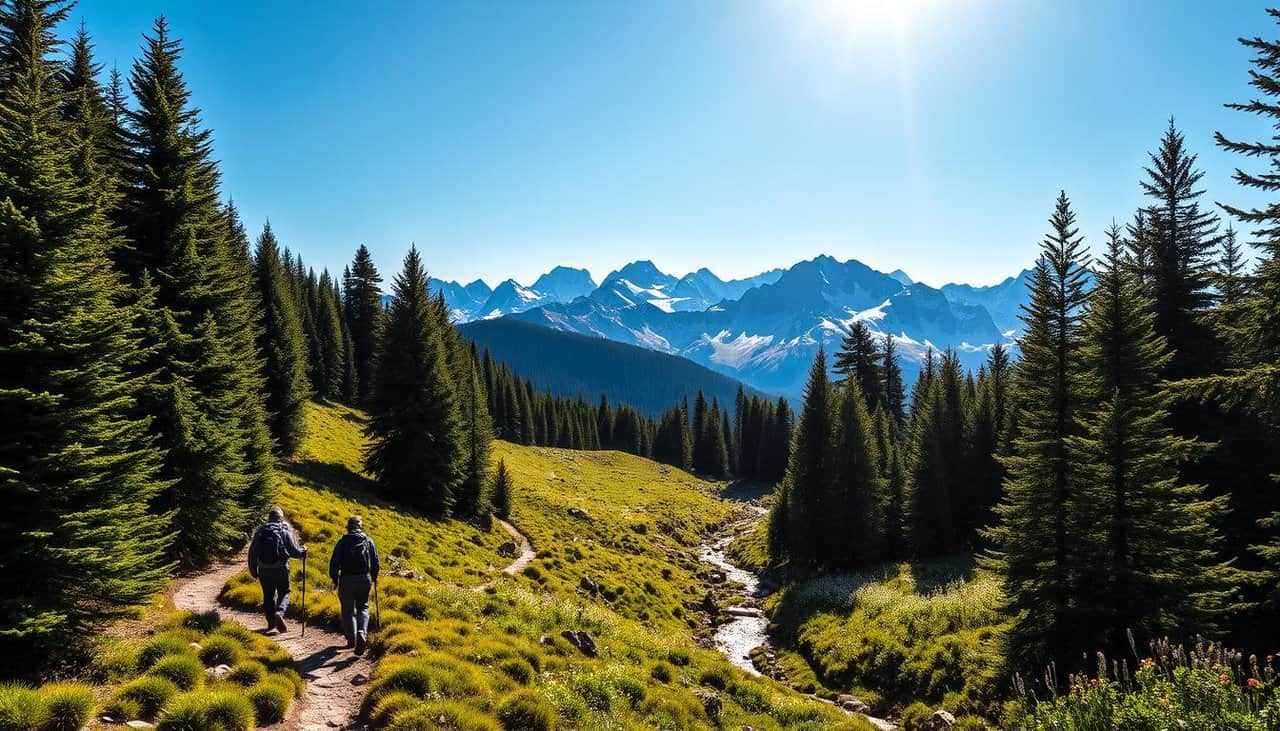
With over 40% of Americans participating in outdoor activities, hiking has become a beloved pastime, offering a chance to connect with nature and challenge oneself physically.
The United States boasts diverse landscapes, from coastal trails to mountain peaks, desert canyons to lush forests, making it a hiker’s paradise. However, determining the best state for hiking is subjective, as preferences vary based on terrain, scenery, and personal experience.
As we explore various states renowned for their hiking opportunities, we’ll examine their unique features and notable trails, helping you decide which landscapes and experiences appeal most to your preferences.
Key Takeaways
- America offers a diverse range of hiking experiences across different landscapes.
- The best hiking state is subjective and depends on personal preferences.
- Various states have unique features and trails that cater to different hikers.
- Terrain, scenery, and accessibility are key factors in choosing a hiking destination.
- Exploring different states can help you find the perfect hiking spot for your next adventure.
The Appeal of Hiking in America
America’s diverse landscapes make it an ideal destination for hikers from all over the world. With its vast and varied terrains, the United States offers countless hiking trails that cater to all levels of experience and interest.
As someone who has laced up hiking boots and hit the trails numerous times, I can attest to the allure of hiking in America. Whether you’re a seasoned hiker or just starting out, the appeal lies in the journey – the thrill of exploring new landscapes, the challenge of conquering difficult trails, and the serenity of being in nature.
Health Benefits of Hiking
Hiking is not just a recreational activity; it’s also a great way to improve your physical and mental health. Regular hiking can boost cardiovascular health, strengthen muscles, and reduce stress levels. Studies have shown that spending time in nature can lower blood pressure, improve mood, and even reduce symptoms of anxiety and depression. For hikers, this means that every trail has the potential to be a journey towards better health.
Diverse Landscapes Across the Country
One of the most compelling reasons to go hiking in America is the incredible diversity of landscapes across the country. From the rugged mountains of Colorado to the scenic coastlines of Oregon, each region offers a unique hiking experience. The variety is staggering – deserts, forests, mountains, and coastlines all provide distinct backdrops for a hike.
| Region | Notable Trails | Terrain |
|---|---|---|
| Colorado | Fourteeners | Mountainous |
| Oregon | Columbia River Gorge Trails | Coastal/Mountainous |
| Utah | Zion National Park Trails | Desert/Mountainous |
How to Prepare for a Hiking Trip
To ensure a successful and enjoyable hiking trip, preparation is key. This includes researching the trail, checking the weather, packing essential gear like water, snacks, and extra layers, and understanding any permit requirements. It’s also crucial to pace yourself, watch for wildlife, and practice hiker etiquette. By being prepared, hikers can minimize risks and maximize their enjoyment of the trail.
For those planning a hike, consider the principles of Leave No Trace to minimize your impact on the environment. This includes disposing of waste properly, respecting wildlife, and staying on designated trails.
What Makes a State Great for Hiking?
For hikers, the perfect state is one that balances natural beauty, accessibility, and varied landscapes. As we explore what makes a state great for hiking, we’ll examine several key factors that contribute to its overall appeal.
Terrain Variety
A state with diverse terrain offers hikers a range of experiences, from leisurely strolls through forests to challenging climbs up mountains. Terrain variety is crucial because it caters to different skill levels and preferences. For instance, a state with both coastal trails and mountainous regions provides hikers with diverse landscapes to explore throughout the year.
Trail Accessibility and Maintenance
Well-maintained trails and easy accessibility are vital for a great hiking experience. This includes clear signage, regular maintenance, and minimal obstacles. States that invest in their trail infrastructure make it easier for hikers to plan and enjoy their trips. You can expect a more satisfying hike when trails are clearly marked and well-maintained.
Natural Beauty and Scenic Views
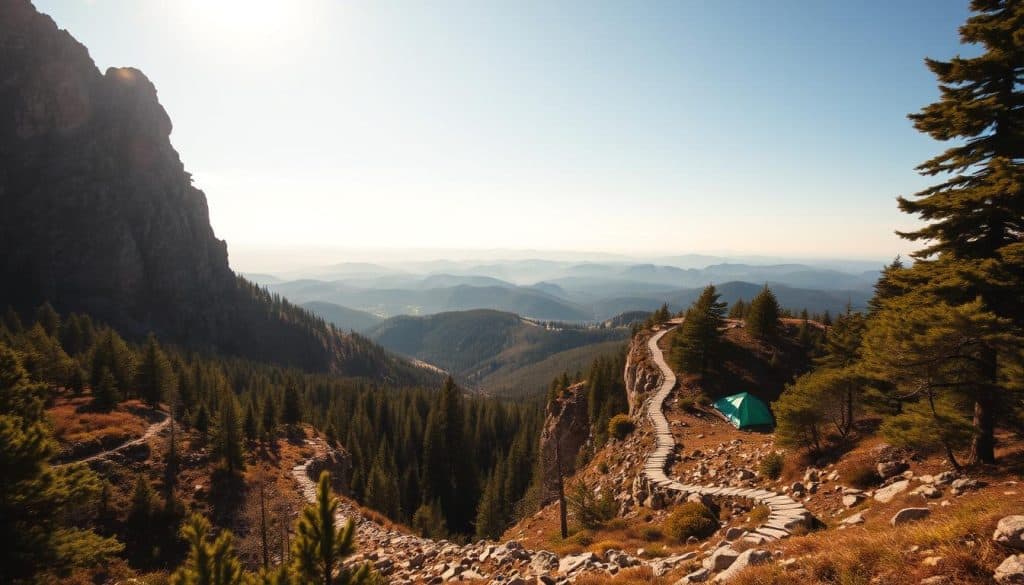
The natural beauty of a place is a significant draw for hikers. Scenic views, unique geological formations, and diverse wildlife all contribute to making a hiking experience memorable. States with protected areas, such as national parks, often offer some of the most breathtaking scenery.
Weather Conditions and Hiking Seasons
Weather conditions play a significant role in determining the best hiking seasons in a state. States with distinct hiking seasons offer different experiences throughout the year. For example, some states have comfortable hiking conditions in spring and fall, while others are better suited for summer or winter hiking.
| State | Best Hiking Season | Elevation Range |
|---|---|---|
| Colorado | Summer | 5,000 – 14,000 ft |
| California | Spring, Fall | Sea level – 14,505 ft |
| Washington | Summer | Sea level – 14,411 ft |
Elevation changes within a state can also extend hiking seasons by providing options in different climate zones. For instance, hikers can move to higher elevations in summer to avoid heat or to lower elevations in winter to escape snow. Understanding these factors helps hikers choose the best state for their next adventure.
California: Diverse Landscapes from Coast to Mountains
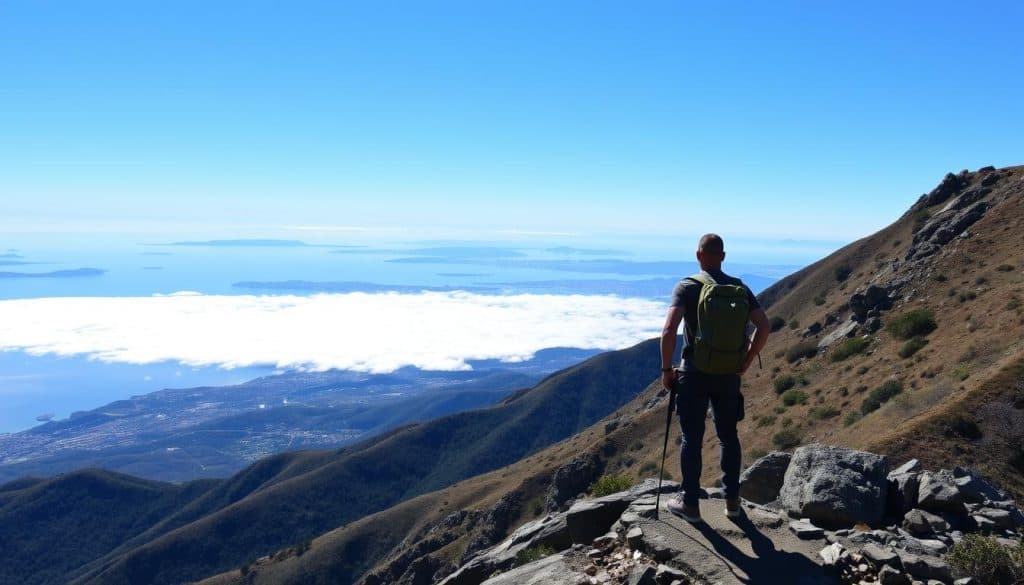
From the rugged coastline to the majestic mountains, California is a hiker’s paradise. The state’s diverse landscapes offer a wide range of hiking experiences, from leisurely strolls through redwood forests to challenging climbs up mountain peaks.
Yosemite National Park Trails
Yosemite National Park is one of California’s crown jewels, offering some of the most spectacular hiking trails in the world. With its granite cliffs, waterfalls, and giant sequoia groves, Yosemite is a must-visit place for any hiking enthusiast. Trails like the Mist Trail and the Four Mile Trail offer breathtaking views and a chance to experience the park’s natural beauty up close.
Mount Tamalpais State Park
Mount Tamalpais State Park, located just north of San Francisco, is another gem for hikers. The park offers a variety of trails, including the famous Dipsea Trail, Steep Ravine Trail, and Matt Davis Loop. These trails take you through lush canyons, past waterfalls, and into groves of towering redwoods, with stunning views of the Pacific Ocean and the Golden Gate Bridge.
One of the most popular combinations is the 6.7-mile loop that starts in Stinson Beach, offering a mix of rustic glamor and panoramic views. This hike is a great example of the state’s ability to offer diverse hiking experiences in a single location.
Best Season to Hike in California
California’s diverse climate zones mean that there’s always a good time to go hiking somewhere in the state. In the spring, places like Anza-Borrego Desert and the Sierra foothills come alive with wildflowers, making it a beautiful time to hike. Summer is ideal for coastal trails and high mountain passes, though it can be crowded. Fall offers comfortable temperatures and fewer crowds, making it an ideal season for many hikes. Even in winter, California’s lower elevations and desert regions offer opportunities for hiking when the mountain trails are snow-covered.
Overall, California’s variety of landscapes and climates ensures that there’s always a great place to go hiking, no matter the time of year.
Colorado: The Rocky Mountain Hiking Paradise
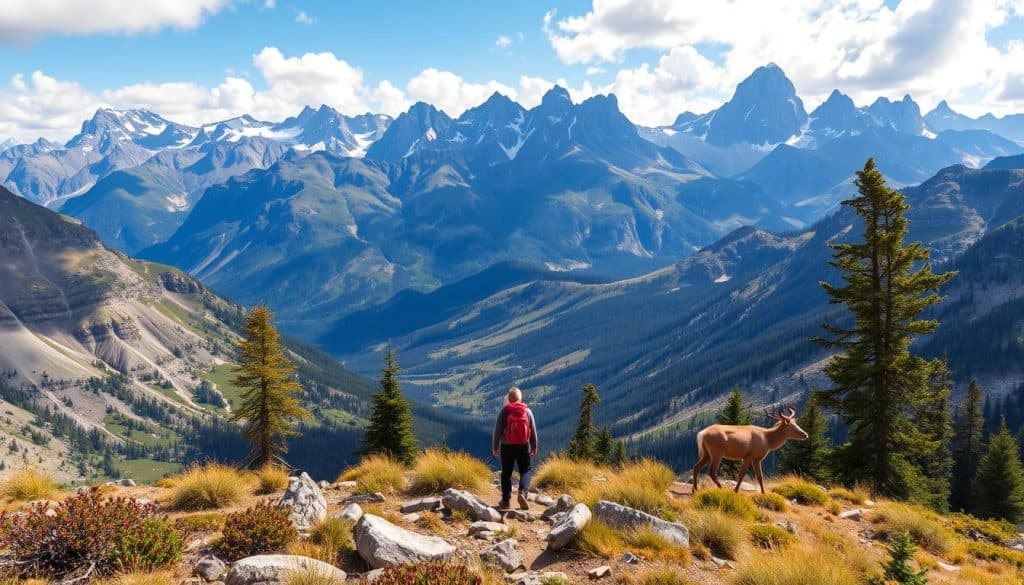
If you’re looking for a hiking paradise, Colorado stands out with its diverse and spectacular trails. The state’s unique geography, with the Rocky Mountains running through it, offers hikers a wide range of experiences.
Fourteeners and Mountain Peaks
Colorado is famous for its fourteeners—peaks that exceed 14,000 feet in elevation. Hikes such as those to the summit of Pike’s Peak or Longs Peak are challenging but rewarding, offering panoramic views from the top. The Maroon Bells, located in the Elk Mountains, are considered one of the most photographed places in Colorado, making them a must-visit for any hiking enthusiast.
State Forest State Park
For those looking for a more serene hiking experience, State Forest State Park offers numerous trails that wind through forests and around lakes. The park is known for its abundant wildlife, including elk, moose, and deer, making it a great destination for nature lovers and photographers.
The trails in State Forest State Park range from easy to moderate, providing options for hikers of all skill levels. The park’s diverse landscapes, from dense forests to open meadows, ensure that every hike is a unique experience.
Garden of the Gods and Other Notable Trails
Colorado is also home to other notable hiking destinations, such as the Garden of the Gods, a free public park featuring dramatic red rock formations against the backdrop of Pikes Peak. Red Rocks Park and Roxborough State Park are other iconic locations that offer unique hiking experiences amidst stunning natural beauty.
Many of Colorado’s front-range trails are easily accessible from Denver or Colorado Springs, making them perfect for visitors based in these cities. Whether you’re looking for a leisurely walk or a challenging hike, Colorado’s varied trail systems have something to offer.
Washington: From Rainforests to Volcanoes
From the lush rainforests of the Olympic Peninsula to the volcanic peaks of the Cascades, Washington state is a haven for hikers.
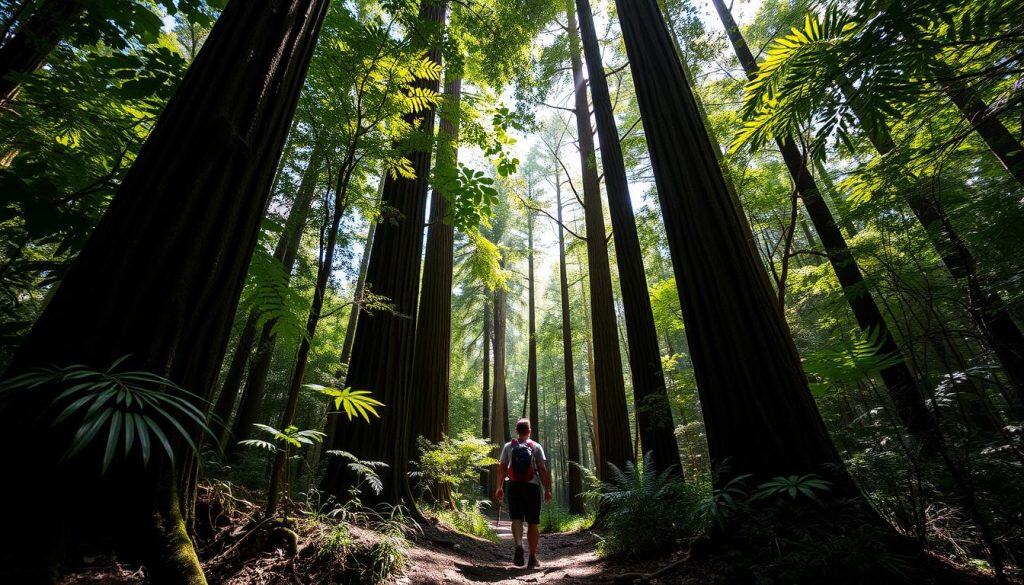
Mount Rainier Hiking Experiences
Mount Rainier, a 14,410-foot stratovolcano, is a crown jewel of Washington’s hiking scene. The mountain offers numerous trails for hikers of all skill levels. One notable trail is the Burroughs Mountain trail, which takes hikers to the highest accessible point on the mountain at 7,402 feet, offering breathtaking views of the surrounding landscape.
Olympic National Park Trails
The Olympic National Park is another gem in Washington’s hiking crown, featuring diverse ecosystems ranging from temperate rainforests to glacier-capped mountains. Hikers can explore the park’s many trails, such as the Hurricane Ridge trail, which offers stunning views of the Olympic Mountains.
Cascade Mountain Range Hikes
The Cascade Range is a volcanic mountain chain that offers diverse hiking experiences beyond Mount Rainier. The North Cascades National Park, often called the “American Alps” for its jagged peaks, features numerous challenging hikes. For those looking for more accessible options, popular day hikes like Lake 22, Mailbox Peak, and Mount Si are within reach from the Seattle metro area.
The Pacific Crest Trail sections that pass through Washington’s Cascades offer long-distance hiking opportunities. The varied elevations of the Cascade Range create trail options from early spring through late fall, making it a great destination for hikers throughout the year.
Utah: Red Rock Wonders and Desert Landscapes
From red rock formations to desert landscapes, Utah is a hiker’s dream destination. The state’s diverse geological formations offer a unique hiking experience, with trails that cater to all fitness and experience levels.
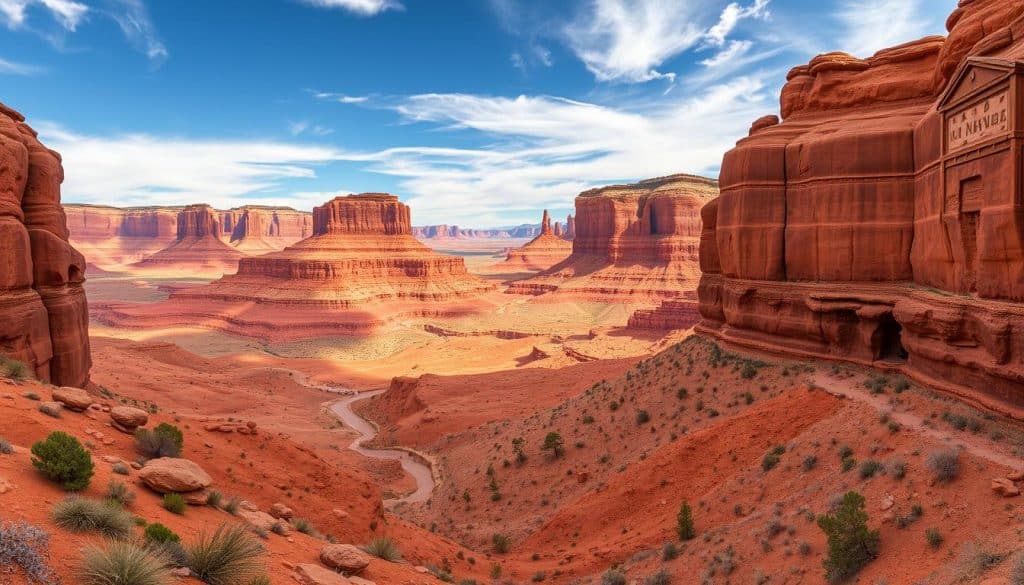
Zion National Park Trails
Zion National Park is one of Utah’s most famous hiking destinations, known for its narrow canyons and towering sandstone cliffs. The park offers a variety of trails, ranging from easy day hikes to more challenging multi-day backpacking trips. The Narrows, a hike that takes you along the Virgin River, is a must-do experience.
Grand Staircase-Escalante National Monument
Grand Staircase-Escalante National Monument is a vast and remote area that offers some of the most spectacular hiking in Utah. The monument’s diverse landscapes, from rugged canyons to plateaus, provide endless opportunities for exploration. Hikers can explore the monument’s many trails, including those that lead to hidden waterfalls and ancient cliff dwellings.
Kodachrome Basin State Park
Kodachrome Basin State Park is a hidden gem in Utah, known for its vibrant rock formations and unique sandstone spires, or “sand pipes.” The park offers 15 miles of trails for hikers of all levels. The Panorama Trail to Cool Cave Loop is a six-mile hike that showcases the park’s diverse features, including red cliffs, sand pipes, and big desert views with a backdrop of Bryce Canyon National Park.
Kodachrome Basin makes an excellent base for exploring nearby Bryce Canyon National Park. Its relatively small size and well-maintained trails make it perfect for day hikers looking for a less crowded Utah experience.
Montana: Big Sky Country’s Hiking Treasures
With its sparse population and untouched landscapes, Montana offers some of the most spectacular hiking experiences in the United States. As a hiker, you’re likely drawn to the idea of exploring vast, unspoiled wilderness areas, and Montana delivers on that promise with its diverse terrain and breathtaking scenery.
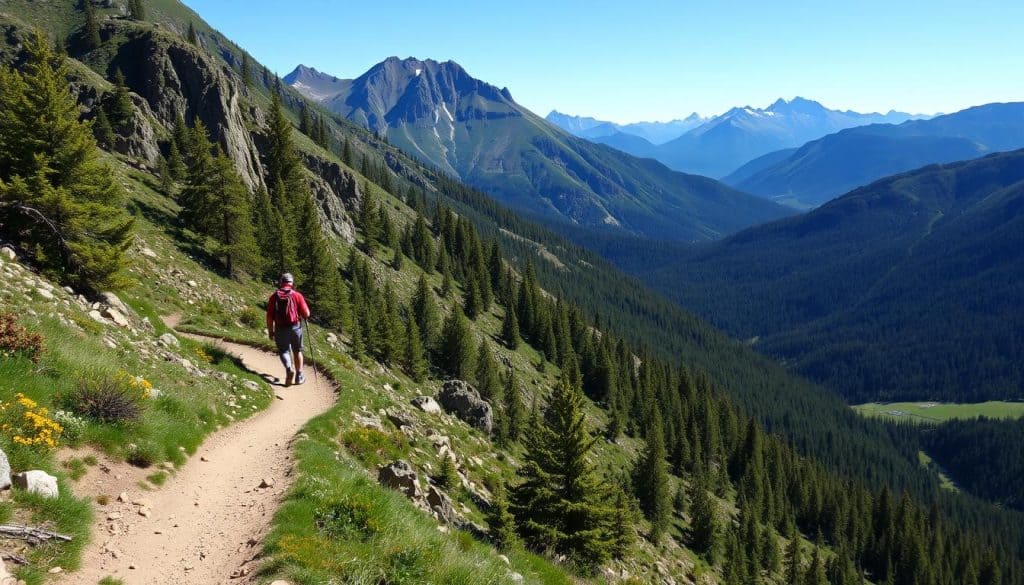
Montana is home to parts of two of America’s most iconic national parks: Glacier National Park and Yellowstone National Park. Both parks offer a range of trails for hikers of all skill levels, from easy day hikes to more challenging multi-day backpacking trips.
Glacier National Park’s Highline Trail
The Highline Trail, also known as the Highline Loop, is a 14-mile one-way trail located within Glacier National Park. It’s considered one of Montana’s best hikes due to its stunning views of the surrounding mountains and valleys.
This trail is a must-do for any serious hiker visiting Montana. The Highline Trail offers breathtaking views of glaciers, alpine lakes, and towering mountain peaks, making it an unforgettable experience.
Yellowstone National Park Montana Section
While many visitors flock to Yellowstone’s more famous Wyoming sections, the Montana portion of the park offers a less crowded and equally stunning experience. The northern entrance to Yellowstone, near Gardiner, Montana, provides access to some of the park’s most unique features.
In the Mammoth Hot Springs area, hikers can explore the unique thermal features and limestone terraces. The Lamar Valley trails offer some of the best wildlife viewing opportunities in the entire national park system, with chances to see elk, wolves, and grizzly bears.
For more experienced hikers, backcountry options like the Black Canyon of the Yellowstone River provide a challenging and rewarding adventure.
Oregon: Coastal, Forest, and Desert Trails

From the Pacific coastline to the high deserts, Oregon’s hiking trails showcase the state’s incredible natural diversity. As a hiker, you’re likely drawn to Oregon’s varied terrain, which includes rugged coastlines, mountains with lush forests, and desert landscapes.
Crater Lake National Park Hikes
One of Oregon’s crown jewels is Crater Lake National Park, home to some of the most spectacular hikes in the state. The Garfield Park Trail, a three-and-a-half-mile loop, is a must-visit, offering breathtaking views of the lake. With its deep blue waters and stunning surroundings, Crater Lake is a hiker’s paradise.
Columbia River Gorge Trails
The Columbia River Gorge is another highlight of Oregon’s trails, featuring a spectacular river canyon that cuts through the Cascade Mountains. The Historic Columbia River Highway is lined with a waterfall corridor, including the iconic Multnomah Falls. Challenging hikes like Angel’s Rest and Dog Mountain reward hikers with panoramic views of the river.
The 2017 Eagle Creek Fire impacted the area, but ongoing trail restoration efforts are working to restore the trails. The gorge’s unique climate, which transitions from temperate rainforest to dry grasslands in just 80 miles, makes it a fascinating place to explore.
What is the best state in America to go hiking in?
The United States is home to a wide range of hiking experiences, and the best state for hiking varies depending on individual tastes. As a hiker, you’re likely drawn to diverse landscapes and trails that cater to your experience level and personal preferences.
Comparing the Top Contenders
Several states stand out for their exceptional hiking opportunities. California, with its diverse landscapes from coast to mountains, tops the list with a score of 95. Colorado follows closely, boasting the Rocky Mountains and a score of 92. Other top contenders include Washington (90), Utah (88), Montana (86), and Oregon (84). These states offer a mix of towering mountain ranges, beautiful bodies of water, lush greenery, and desert landscapes that cater to various hiking preferences.
| State | Score | Notable Features |
|---|---|---|
| California | 95 | Diverse landscapes, Yosemite National Park |
| Colorado | 92 | Rocky Mountains, Fourteeners |
| Washington | 90 | Mount Rainier, Olympic National Park |
| Utah | 88 | Red rock formations, Zion National Park |
| Montana | 86 | Glacier National Park, Big Sky Country |
| Oregon | 84 | Coastal trails, Crater Lake National Park |
Factors to Consider for Your Personal Choice
When choosing the best state for your hiking adventure, several factors come into play. Your personal preference for landscape types is crucial – do you prefer the rugged mountains of Colorado or the desert landscapes of Utah? Accessibility also matters; consider whether you prefer roadside trailheads or more remote wilderness experiences. Seasonal factors can influence your decision, as summer heat or winter snow cover can significantly impact your hiking experience.
For more information on the best states for hiking, you can visit this article, which provides a comprehensive guide to hiking destinations across the United States.
Crowd levels vary dramatically between states and specific trails, affecting the overall hiking experience. Your hiking experience level should also factor into your decision, as some states offer more challenging trails than others. Ultimately, the best state for hiking is one that aligns with your personal preferences and hiking goals.
Arizona: Grand Canyon and Desert Wonders
From the Grand Canyon’s vast expanse to the desert’s subtle beauty, Arizona offers some of the most incredible hiking experiences in the country. As a hiker, you’re likely drawn to the state’s diverse landscapes, which range from towering mountain peaks to vast desert expanses.

South Kaibab Trail in the Grand Canyon
The South Kaibab Trail is one of the most popular hikes in the Grand Canyon, offering breathtaking views of the Colorado River and the canyon’s vast expanse. This trail is known for its steep descent into the canyon, making it a challenging yet rewarding hike.
As you make your way down the trail, you’ll be surrounded by the canyon’s unique rock formations and diverse wildlife. The trail is well-maintained and clearly marked, making it accessible to hikers of various skill levels.
Camelback Mountain and Desert Trails
Camelback Mountain is Phoenix’s iconic urban hiking destination, offering challenging ascents and spectacular city views. This mountain is a must-visit for any hiker looking to experience the unique desert landscape.
Arizona is also home to numerous other desert trails, including those in Sedona and Saguaro National Park. These trails offer a unique hiking experience among towering cacti, dramatic rock formations, and surprising oases.
When hiking in Arizona’s desert landscapes, it’s essential to consider the seasonal conditions. While the summer heat can be dangerous, the spring wildflowers make for a beautiful and memorable experience.
Arizona’s varied elevations create year-round hiking opportunities, from the desert floors to alpine forests. Whether you’re a seasoned hiker or just starting out, Arizona has a place for you to explore and enjoy the great outdoors.
Wyoming: Yellowstone and Grand Teton Trails
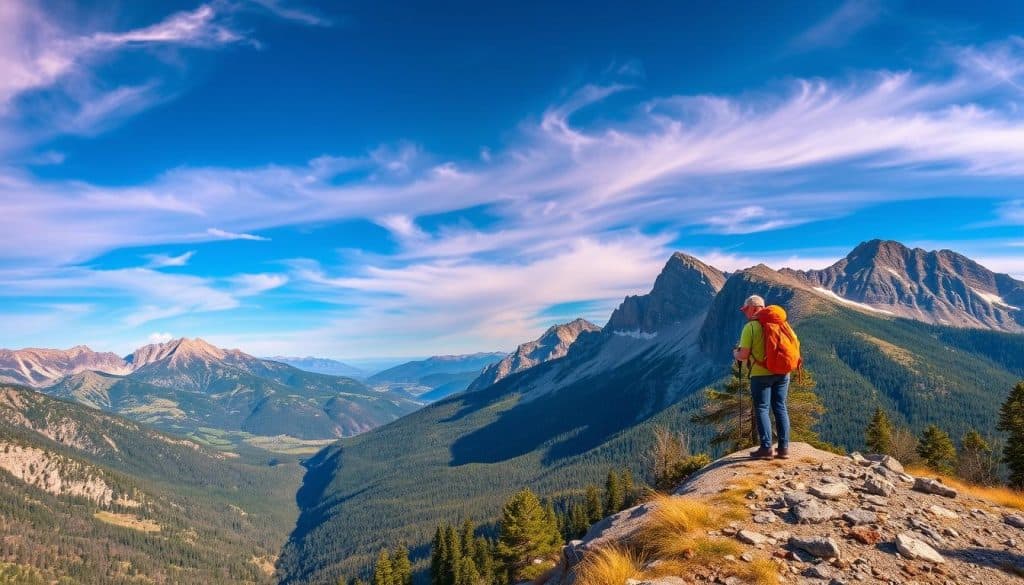
With its diverse landscapes and rich natural beauty, Wyoming is an ideal destination for hikers of all levels. The state’s rugged terrain and stunning vistas make it a must-visit for anyone passionate about hiking and exploring the great outdoors.
Yellowstone National Park Highlights
Wyoming is home to a significant portion of Yellowstone National Park, one of the most iconic national parks in the United States. The park offers numerous hikes that cater to different skill levels, from easy day trails to more challenging multi-day backpacking routes. One of the highlights is the Mammoth Hot Springs, a unique geological feature that is a must-visit for any hiker.
The Heart Lake Trail is another popular destination within Yellowstone, offering breathtaking views of the surrounding mountains and serene lake landscapes. For those looking for a more challenging adventure, the Lizard Head Trail provides a thrilling experience with its rugged terrain and panoramic views.
Teton Crest Trail and Other Alpine Hikes
The Teton Range is one of America’s most dramatic mountain landscapes, rising abruptly from the valley floor. The Teton Crest Trail is a premier multi-day backpacking route that traverses the range’s high country, offering hikers an unforgettable experience with its stunning peaks and alpine lakes.
For those who prefer day hikes, Grand Teton National Park offers several accessible trails, including the Jenny Lake Trail, Taggart Lake, and Inspiration Point. These trails provide breathtaking views of the Teton Range and are suitable for hikers of various skill levels. Experienced hikers can also explore technical mountaineering opportunities on the Teton peaks, providing an additional challenge for those seeking it.
Alaska: Wilderness Hiking Adventures
For those seeking an unparalleled hiking experience, Alaska stands out as a premier destination, boasting some of the most spectacular and untouched landscapes in the United States.
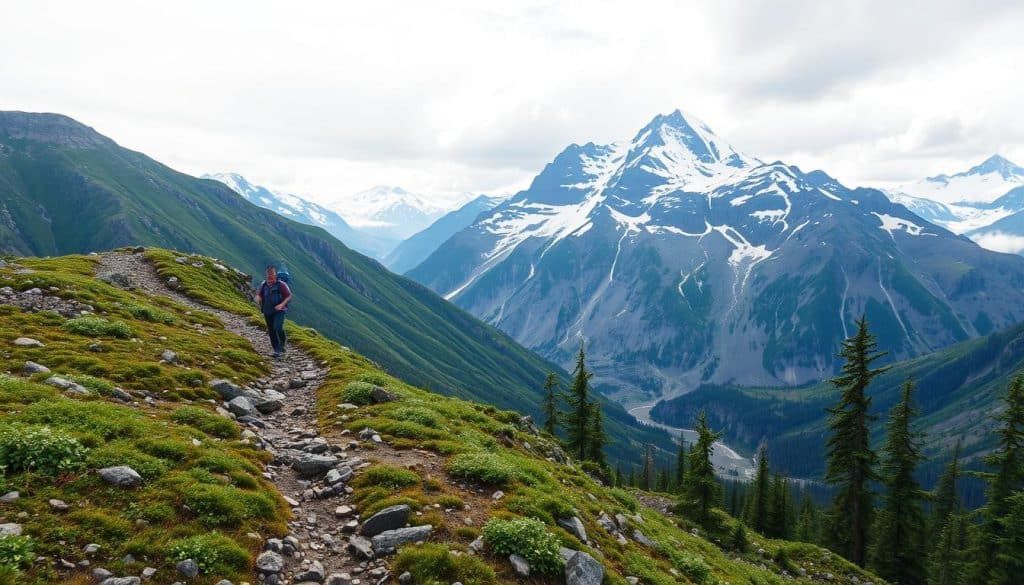
Alaska is a vast and diverse place that offers hikers a unique blend of rugged mountains, expansive tundras, and majestic glaciers. The state is home to numerous trails that cater to all levels of hiking experience, from easy day hikes to more challenging multi-day treks.
Denali National Park Trails
One of the most iconic hiking destinations in Alaska is Denali National Park. The Savage River Loop Trail, a two-mile round trip, is one of the best ways to experience the park’s natural beauty.
The park offers a variety of trails that allow hikers to explore its vast wilderness, including the challenging Wonder Lake Trail and the more accessible Mount Foraker Trail.
Kenai Peninsula Hiking Experiences
The Kenai Peninsula is another must-visit destination for hiking enthusiasts. It features a diverse range of landscapes, including mountains, glaciers, and coastline, making it an ideal place for outdoor adventures.
The Harding Icefield Trail is a highlight of the Kenai Peninsula, offering a challenging hike that rewards adventurers with breathtaking views of Exit Glacier and the vast ice field that spawns 38 glaciers. Additionally, the Kenai Fjords National Park and Kachemak Bay State Park offer unique coastal hiking opportunities, where the land meets the sea and marine wildlife can be spotted.
When planning your hiking trip to the Kenai Peninsula, it’s essential to consider logistical factors such as transportation options and seasonal accessibility to ensure a smooth and enjoyable experience.
New England’s Hiking Gems: Vermont, New Hampshire, and Maine
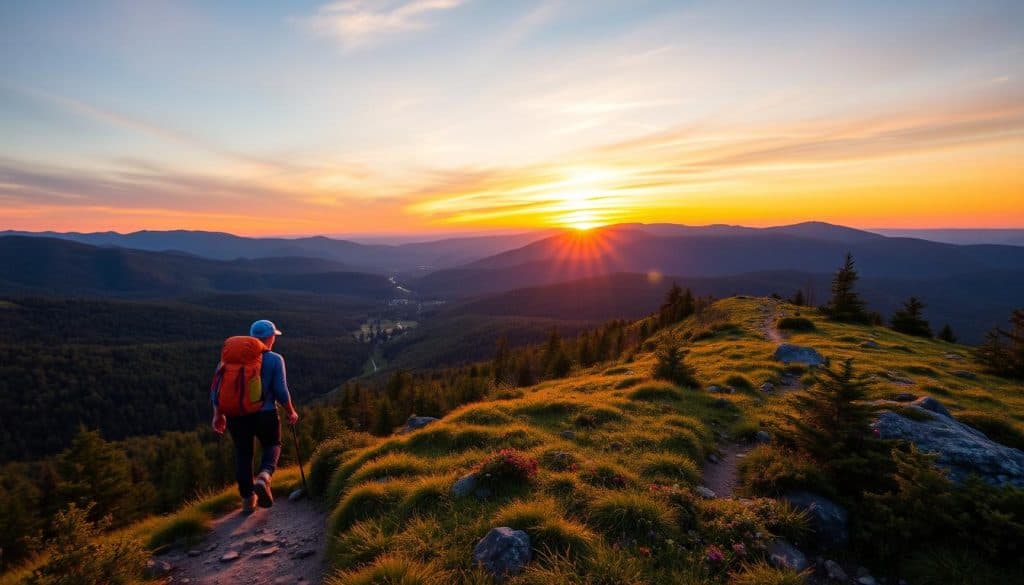
From the mountains of Vermont to the coast of Maine, New England is home to some of the most beautiful hiking trails in the country. This region offers a diverse range of hiking experiences, from challenging mountain climbs to leisurely strolls through picturesque landscapes.
Vermont’s Green Mountain Trails
Vermont’s Green Mountains offer some of the most scenic hiking trails in New England. The Long Trail, which spans over 270 miles, is a favorite among hikers. It takes you through dense forests, over mountain peaks, and into charming towns.
Key Trails: Long Trail, Camel’s Hump State Park trails
New Hampshire’s White Mountains
New Hampshire’s White Mountains are a hiker’s paradise, with trails that range from easy day hikes to more challenging multi-day treks. The Appalachian Trail passes through the White Mountains, offering breathtaking views of the surrounding landscape.
Notable Trails: Appalachian Trail, Mount Washington
Maine’s Acadia National Park
Maine’s Acadia National Park is the crown jewel of New England’s hiking destinations. With its rugged coastline, mountains, and forests, Acadia offers a unique hiking experience. The park is home to trails like the Beehive and Precipice Trails, known for their challenging climbs and stunning views.
Acadia’s compact size allows hikers to experience a variety of environments in a short amount of time. You can hike to the summit of Cadillac Mountain, explore the carriage roads, or enjoy the scenic views from the park’s many trails.
Must-Visit Trails: Beehive Trail, Precipice Trail, Cadillac Mountain
Hidden Hiking Treasures in Unexpected States
While many hikers flock to well-known destinations, there are hidden gems waiting to be discovered in unexpected states. These lesser-known locations offer a chance to experience the great outdoors without the crowds, and they often provide unique landscapes and challenges that can’t be found elsewhere.
As we explore these hidden treasures, you’ll discover that each state has its own unique charm and attractions. Let’s take a closer look at three unexpected hiking destinations that are sure to impress even the most seasoned hikers.
Arkansas: Petit Jean State Park
Petit Jean State Park in Arkansas is a hiker’s paradise, boasting stunning vistas, diverse wildlife, and a rich history. With over 20 miles of trails, visitors can explore the park’s unique landscapes, from the rugged terrain of the Arkansas Ozarks to the scenic overlooks that offer breathtaking views of the surrounding countryside.
One of the park’s most popular trails is the Petit Jean Mountain Trail, a 3.5-mile loop that takes hikers to the summit of Petit Jean Mountain. Along the way, you’ll have the chance to see a variety of flora and fauna, including wildflowers, trees, and wildlife such as deer and turkey.
Idaho: Castle Rocks State Park
Located in southern Idaho, Castle Rocks State Park is a hidden gem for hikers and rock climbers alike. The park’s rugged landscape is dominated by granite rock formations, which offer a unique and challenging hiking experience.
The park has over 24 miles of trails, ranging from easy day hikes to more challenging multi-day backpacking trips. One of the most popular trails is the Castle Rocks Trail, a 3.5-mile out-and-back hike that takes you through a scenic canyon and offers stunning views of the surrounding mountains.
Minnesota: Tettegouche State Park
Tettegouche State Park, located along Minnesota’s North Shore of Lake Superior, is a premier hiking destination that offers a unique blend of rugged terrain and scenic beauty. The park has 23 miles of hiking trails, including sections of the 310-mile Superior Hiking Trail, which follows the ridgeline and offers breathtaking views of Lake Superior.
According to Kurt Mead, the park’s interpretive naturalist, a great way to experience the park is to start with the Tettegouche Lake Loop, which circles the interior lakes, and then hike a connector trail to 1,286-foot Mount Baldy on the return trip. This combined loop is about nine miles and offers “really beautiful inland overlooks, as well as a stunning 360-degree panoramic overview of Lake Superior and the surrounding area.”
The park’s diverse landscape includes dramatic shoreline features like High Falls, the highest waterfall entirely within Minnesota, and Shovel Point, as well as interior lakes and forests that provide a contrast to the Lake Superior shoreline experience. As Mead notes, the lack of trafficked roads means that hikers have to “hoof it” to reach the expansive vistas, making it a true wilderness experience.
State Parks vs. National Parks for Hiking
While national parks are often the go-to destination for hikers, state parks have their own unique charm and attractions. As an avid hiker, I’ve had the pleasure of exploring both, and I’m excited to share my insights with you.
Advantages of State Park Hiking
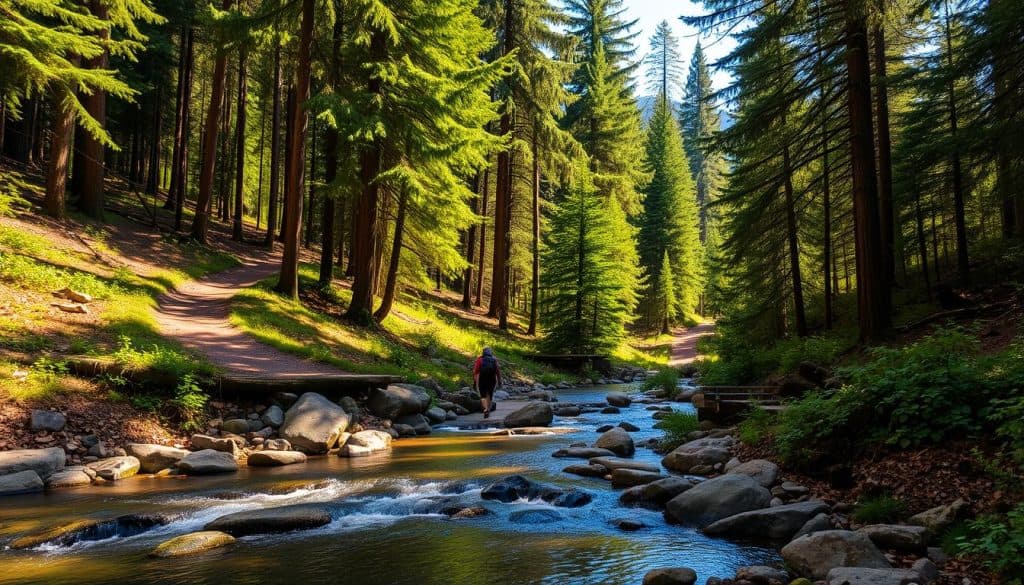
State parks offer several advantages for hikers. For one, they often provide a more personalized experience, with fewer crowds and more opportunities for solitude. Additionally, state parks tend to be more accessible, with many located near urban areas, making them ideal for day trips or short weekend getaways. State parks also protect unique features that aren’t represented in the national park system, such as specialized hiking trails, waterfall corridors, and slot canyons.
Some state parks are truly massive, protecting vast wilderness areas that rival their national park counterparts. For example, Anza-Borrego Desert State Park in California is the largest state park in the United States, offering a diverse range of hiking experiences. Other notable mentions include Baxter State Park in Maine and Kachemak Bay State Park and State Wilderness Park in Alaska.
Notable State Parks for Hikers
From coast to coast, there are numerous state parks that are worth exploring. Some of my favorites include Letchworth State Park in New York, known for its stunning gorge and waterfalls; Ricketts Glen State Park in Pennsylvania, featuring over 20 waterfalls; and Tallulah Gorge State Park in Georgia, with its breathtaking views of the gorge. Other notable mentions includeMount Tamalpais State Parkin California,Kodachrome Basin State Parkin Utah, andSmith Rock State Parkin Oregon.
These state parks offer a range of hiking experiences, from easy day hikes to more challenging multi-day backpacking trips. Whether you’re a seasoned hiker or just starting out, there’s a state park out there that’s sure to meet your needs.
As you plan your next hiking adventure, consider exploring the many wonderful state parks that our country has to offer. With their unique landscapes, diverse wildlife, and abundance of trails, state parks are a great way to experience the great outdoors.
Essential Gear and Preparation for Hiking America’s Best Trails
Before you hit the trails, make sure you’re equipped with the right gear and knowledge to tackle America’s best hiking routes. As an avid hiker, I’ve learned that preparation is key to a successful and enjoyable hiking experience.
Weather-Appropriate Clothing and Footwear
Choosing the right clothing and footwear is crucial for a comfortable and safe hiking experience. You should consider the weather conditions and terrain you’ll be facing. For instance, hiking in wet conditions requires waterproof gear, while hiking in dry, hot conditions demands breathable clothing and sturdy boots. I always check the weather forecast before heading out and pack layers to adjust to changing conditions.
Investing in quality hiking boots is also essential. They provide the necessary support and protection for your feet on rugged trails. Look for boots that are waterproof, have good tread, and are comfortable for long walks.
Navigation Tools and Safety Equipment
Navigation tools such as maps, compasses, and GPS devices are vital for staying on track. Even with a GPS-enabled smartphone, it’s a good idea to bring a map and compass as a backup. I also recommend carrying a first-aid kit, a headlamp or flashlight, and extra batteries. These items can be lifesavers in case of an emergency.
Always let someone know your hiking plans, including where you’re going and when you expect to return. This simple step can ensure that help arrives promptly if something goes wrong.
Permits and Regulations to Know
Understanding the permit systems and regulations for hiking in national parks, state parks, and wilderness areas is crucial. Many popular hiking destinations require permits, ranging from day-use permits to backcountry camping permits. For example, hiking in national parks often requires obtaining a permit in advance, especially for overnight trips.
Researching and obtaining the necessary permits not only helps protect natural resources but also ensures a quality experience for hikers. It’s also important to understand local regulations regarding campfires, food storage, and waste disposal. Some areas have specific rules to minimize environmental impact, such as using bear-resistant containers or following strict campfire protocols.
By being prepared and informed, you can enjoy the beauty of America’s hiking trails while preserving them for future generations.
Conclusion: Finding Your Perfect Hiking Destination
As we explored the diverse hiking opportunities across America, it becomes clear that the best state for hiking is a matter of personal preference. With so many incredibletrailsand landscapes to choose from,hikerscan pick the perfect destination based on their experience level, preferred terrain, and the type ofhikingexperience they’re looking for.
From the rugged coastlines of Oregon and California to the majestic mountain peaks of Colorado and Wyoming, each state offers its uniquehikingexperiences. Whether you’re looking for a leisurely dayhikeor a multi-day backpackingtrip, there’s a state that’s perfect for you. The key is to consider what matters most to you as a hiker: is it the scenery, the challenge, or the accessibility of thetrails?
One of the joys ofhikingin America is discovering the hidden gems that lie beyond the most famous national parks.Stateparks and lesser-knowntrailsoffer a chance to experience the natural beauty of the country without the crowds. As you plan your nexthike, consider exploring some of these lesser-known destinations.
When planning yourtrip, remember that the best time tohikevaries significantly from onestateto another. Seasonal factors can greatly impact thehikingexperience, so be sure to research the conditions and plan accordingly.
Ultimately, the diversity of America’shikingopportunities is its greatest strength. No matter what your preferences or experience level, there’s ahikingdestination in the United States that’s perfect for you. So why not start alistof your dreamhikingdestinations and begin planning your next adventure?
As you prepare for yourhike, remember that regardless of whichstateyou choose, preparation and respect for nature are essential. With the right gear, knowledge, and mindset, you’ll be ready to embark on an unforgettablehikingexperience.
So, what is the beststatein America to gohikingin? The answer lies in your personal preferences and what you’re looking for in ahikingexperience. With this guide, you’re now equipped to explore the many amazinghikingopportunities across the country. Happy trails!
Get out there and start exploring – your next great hike awaits!
FAQ
What are the most popular national parks for hiking in the United States?
Some of the most popular national parks for hiking include Yellowstone, Grand Canyon, Yosemite, Zion, and Glacier National Park, offering diverse landscapes and trails for hikers.
How do I choose the right hiking trail for my skill level?
When selecting a hiking trail, consider factors such as elevation gain, terrain difficulty, and trail length to ensure it aligns with your physical abilities and experience.
What are some essential items to pack for a hiking trip?
Essential items include weather-appropriate clothing, sturdy footwear, navigation tools, first aid kit, and sufficient water and snacks to maintain energy levels.
Are there any specific regulations or permits required for hiking in national or state parks?
Yes, many parks require permits or have specific regulations, such as restricted access to certain trails or areas, so it’s crucial to check with park authorities before your trip.
How can I ensure my safety while hiking in remote or wilderness areas?
To stay safe, inform someone of your itinerary, carry a personal locator beacon (PLB) or satellite phone if necessary, and be prepared for changing weather conditions.
What are some of the benefits of hiking in state parks versus national parks?
State parks often offer more accessible trails and fewer crowds compared to national parks, making them an excellent option for those seeking a more relaxed hiking experience.
Can you recommend any hiking trails with scenic views or unique landscapes?
Trails such as the Grand Canyon’s South Kaibab Trail, Yosemite’s Mist Trail, and Glacier National Park’s Highline Trail offer breathtaking views and unforgettable hiking experiences.
How do I prepare for hiking in extreme weather conditions?
Check forecasts before heading out, pack layers for changing conditions, and bring necessary gear such as rain gear or warm clothing to stay safe and comfortable.