

With over 60 national parks and countless state parks, the United States offers some of the world’s most spectacular hiking destinations. The country’s diverse landscapes, from coastal trails to mountain peaks and desert canyons, provide endless opportunities for outdoor enthusiasts.
As I reflect on my own hiking experiences, I’m reminded of the incredible variety of trails available, suitable for all adventure levels. You can explore the iconic park trails in renowned national parks like Yosemite, Zion, or the Grand Canyon, each offering unique hiking experiences.
For more information on the best hikes in US National Parks, visit this resource. As we explore the top national park destinations, you’ll discover the best states for hiking in the country.
Key Takeaways
- Diverse hiking landscapes across the United States
- Over 60 national parks and countless state parks
- Iconic park trails for all adventure levels
- Unique hiking experiences in renowned national parks
- Comprehensive analysis of top hiking states
The Great American Outdoors: A Hiker’s Paradise
The great American outdoors is a paradise for hikers, with its vast and varied landscapes that beckon exploration. As we delve into the world of hiking, it becomes clear that America’s diverse natural beauty is a significant draw for outdoor enthusiasts.
America’s Diverse Hiking Landscapes
America’s hiking trails offer a wide range of experiences, from the rugged mountains of Colorado to the scenic coastlines of California. The country’s diverse landscapes provide countless opportunities for hikers to explore and connect with nature. Whether you’re tackling a challenging mountain trail or strolling through a serene forest, there’s a hike for everyone.
As noted by outdoor enthusiasts, “Hiking is not just about the physical challenge; it’s about connecting with nature and finding peace.” This sentiment is echoed by many who have discovered the joy of hiking on America’s trails.
| Region | Popular Hiking Trails | Notable Features |
|---|---|---|
| West Coast | Pacific Crest Trail, John Muir Trail | Mountain vistas, coastal scenery |
| Rocky Mountains | Colorado Trail, Continental Divide Trail | High-altitude peaks, alpine lakes |
Why Hiking Has Become a National Passion
Hiking has become increasingly popular in America, with millions of people hitting the trails each year. The physical and mental health benefits of hiking are well-documented, making it an attractive activity for those seeking a healthier lifestyle. For more information on the best national parks for hiking, visit https://enjoynationalparks.com/what-are-the-best-national-parks/.
The rise of social media and hiking apps has also played a significant role in the growing popularity of hiking. These platforms allow hikers to share their experiences, connect with others, and discover new trails, further fueling the passion for hiking across the country.
“There’s something about being in nature that just makes you feel alive… Hiking allows me to disconnect from the world and reconnect with myself.”
What Makes a State Great for Hiking?
What makes a state great for hiking is a multifaceted question. As hiking enthusiasts, we’re often drawn to places that offer more than just a trail to follow. We’re looking for an experience that combines natural beauty, varied landscapes, and well-maintained infrastructure.
Diversity of Terrain and Trails
A state that stands out for hiking typically boasts a diverse range of terrains and trails. This diversity is crucial as it caters to hikers of all skill levels and preferences. From leisurely hiking trails that meander through lush forests to more challenging mountainous paths that test one’s endurance, the variety is key.
- Explore the scenic diversity, from waterfalls and lakes to mountain vistas and canyon views.
- Consider how protected wilderness areas preserve pristine hiking environments.
Accessibility and Trail Infrastructure
The accessibility of trails and the quality of trail infrastructure are vital factors. A great hiking state ensures that its trails are well-marked, well-maintained, and easily accessible. This includes having adequate parking, clear signage, and sometimes even amenities like trailhead facilities.
For instance, a visit to a national park can be a highlight for many hikers, offering not just trails but an immersive experience in nature.
Natural Beauty and Unique Features
The natural beauty and unique features of a state or national park significantly enhance its hiking appeal. Iconic natural landmarks, unique geological formations, and the changing seasons all contribute to a rich and varied hiking experience.
- Seasonal changes like fall foliage, spring wildflowers, or winter snow create different hiking experiences.
- Wildlife viewing opportunities add another dimension to hiking experiences in certain states.
In conclusion, a great hiking state is one that offers a mix of diverse terrains, accessible and well-maintained trails, and breathtaking natural beauty. Whether you’re a seasoned hiker or just starting out, such a state provides an unforgettable hiking experience.
What is the Best State in America to Go Hiking in?
The quest to identify the top hiking state in the U.S. involves evaluating numerous factors, including trail diversity and natural beauty. With so many exceptional hiking destinations across the country, this task is both challenging and exciting.
The Challenge of Choosing Just One
Selecting a single best state for hiking is difficult due to the diverse range of experiences offered by different states. Each state has its unique landscapes, from mountains to coastlines, offering a variety of hiking trails that cater to different preferences and skill levels.
Our evaluation considered factors such as trail diversity, natural beauty, accessibility, and unique features of each state’s parks and national parks. We also took into account feedback from both expert hiking organizations and everyday hikers to ensure a comprehensive view.
Our Ranking Methodology
To rank the states, we weighted several key factors, including the number of national parks, miles of maintained trails, and the variety of ecosystems within each state. Our rankings consider hiking opportunities throughout all seasons, not just peak periods, to provide a well-rounded assessment.
- We assessed the diversity of terrain and trails in each state.
- We considered the natural beauty and unique features of each state’s landscapes.
- We evaluated the accessibility and infrastructure of hiking trails.
Our top states for hiking, based on these criteria, are led by California with a score of 95, followed closely by Colorado (92), Washington (90), Utah (88), and Montana (86). While we’re presenting a ranked list, it’s essential to note that each state offers exceptional hiking experiences that may appeal to different preferences.
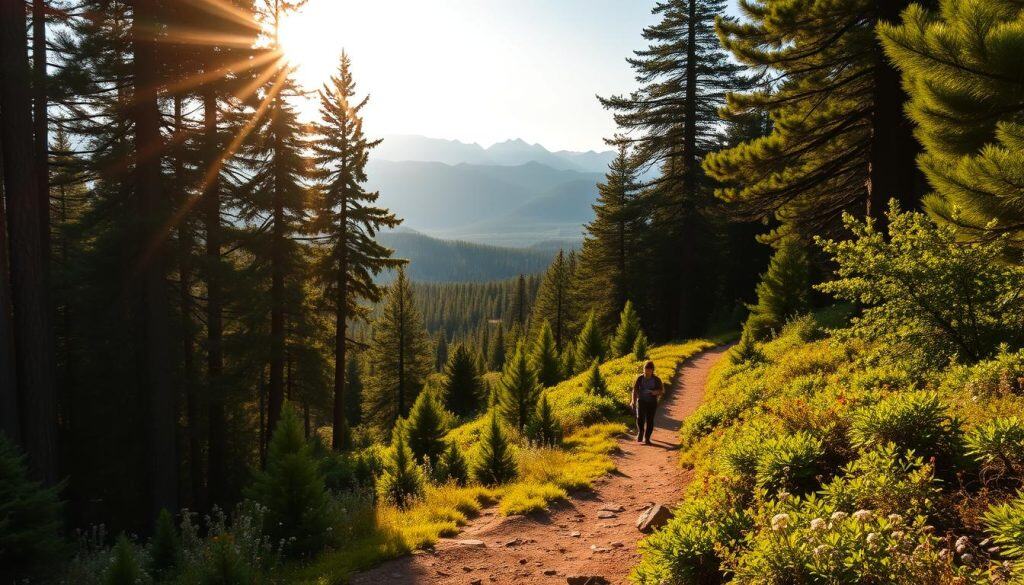
California: The Ultimate Hiking Destination
With nine national parks and countless hiking trails, California stands out as a hiker’s dream destination. The state’s diverse geography offers a wide range of hiking experiences, from leisurely strolls to challenging climbs.
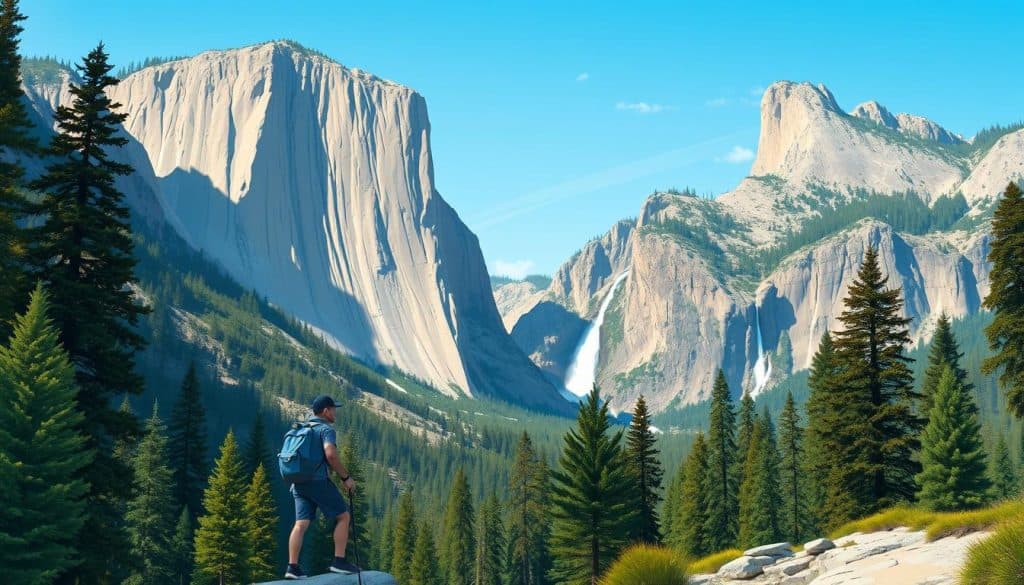
Nine National Parks and Endless Possibilities
California is home to some of the most iconic national parks in the United States, including Yosemite, Sequoia, and Joshua Tree. These parks offer hiking trails for all skill levels, ensuring that every hiker finds a suitable path.
The diversity of landscapes within these parks is astounding, ranging from the granite cliffs of Yosemite to the giant sequoias of Sequoia National Park.
From Desert Floors to Mountain Peaks
One of the unique aspects of hiking in California is the ability to experience vastly different environments within a relatively short distance. For example, you can hike through the desert landscapes of Death Valley National Park and then explore the alpine meadows of the Sierra Nevada mountains.
Mount Shasta, with its snow-capped peak, offers challenging hikes for experienced adventurers, while trails like the McFall Waterfall Trail provide more accessible options.
Must-Hike Trails in the Golden State
Some of the most notable hiking trails in California include the iconic Half Dome hike in Yosemite National Park, the Lost Coast Trail along the rugged coastline, and the Mist Trail to Vernal and Nevada Falls.
For those looking for places to hike near urban areas, Lands End in San Francisco offers stunning views of the Golden Gate Bridge and the Pacific Ocean.
Washington: The Evergreen Hiking Paradise
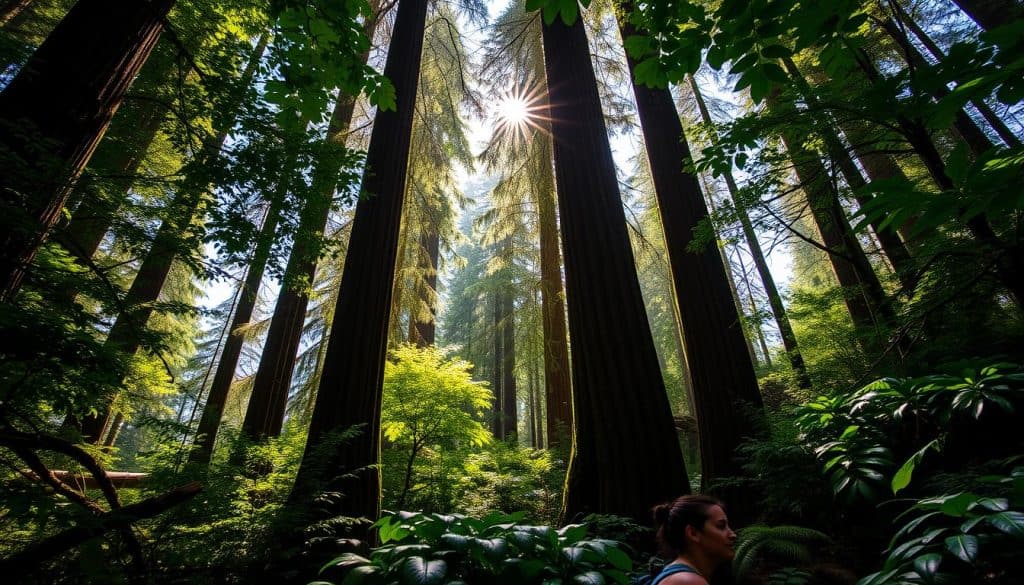
With its lush rainforests, alpine meadows, and rugged coastlines, Washington is a top destination for outdoor enthusiasts. As a hiker, you’re likely drawn to the state’s diverse landscapes and abundant trails.
From Rainforests to Alpine Meadows
Washington’s diverse terrain offers a range of hiking experiences. You can explore the temperate rainforests of the Olympic Peninsula, where giant spruce and fir trees dominate the landscape. Alternatively, hike through the alpine meadows of the Cascade Range, where wildflowers bloom in vibrant colors during the summer months.
The national parks in Washington, such as Olympic National Park, offer numerous trails for hikers of all skill levels. You can hike through the Hoh River Valley, surrounded by some of the largest temperate rainforests in the United States.
Mount Rainier and the Cascades
Mount Rainier, a 14,410-foot stratovolcano, is a prominent feature of the Cascade Range. The mountain offers numerous hiking opportunities, including the popular Burroughs Mountain trail, which takes you to the highest accessible point on the mountain at 7,402 feet.
The Cascades also offer other mountain trails with breathtaking views. You can explore the Crystal Mountain area, which offers a range of trails for different skill levels.
Olympic Peninsula Treasures
The Olympic Peninsula is home to some of the most diverse and unique landscapes in the country. You can hike through the state parks and national parks, exploring the rugged coastline, temperate rainforests, and alpine highlands.
Some popular hikes on the Olympic Peninsula include the Hurricane Ridge trail, which offers panoramic views of the Olympic Mountains, and the Rialto Beach and Hole-in-the-Wall hike, which takes you along the rugged shoreline.
Colorado: The Rocky Mountain Wonderland
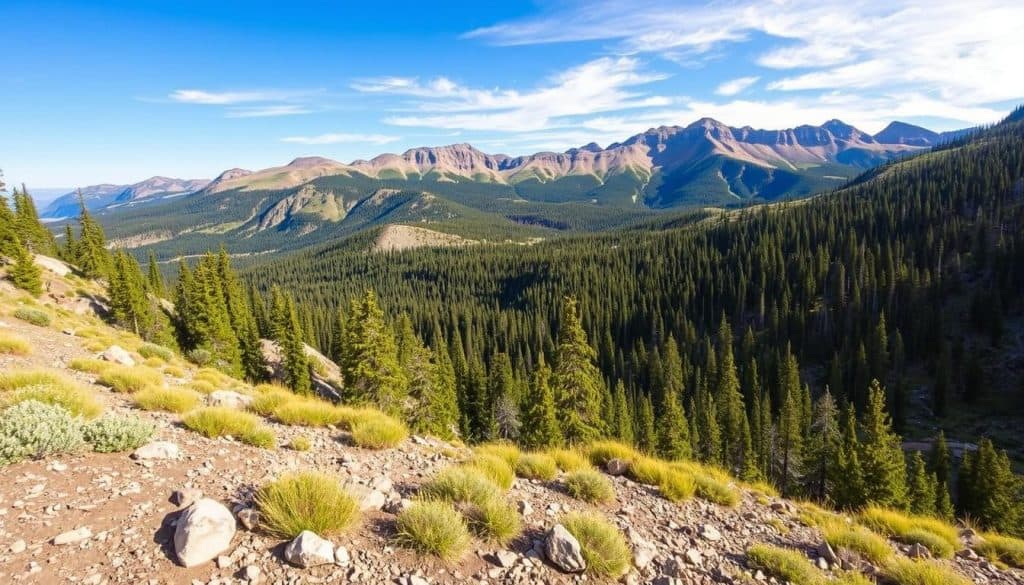
As a hiker’s paradise, Colorado boasts an impressive array of trails that cater to all skill levels and preferences. With its majestic Rocky Mountains, the state offers a diverse range of hiking experiences, from leisurely strolls through picturesque valleys to challenging climbs up 14,000-foot peaks.
The Land of 14,000-Foot Peaks
Colorado is famously known as the state with the most “14’ers” in the US, boasting 58 mountains that exceed 14,000 feet in elevation. These iconic hikes attract adventurers from all over the world, offering breathtaking views and a sense of accomplishment. The rugged terrain and varied landscapes make Colorado a unique destination for mountain enthusiasts.
The challenge of conquering these high-altitude hikes is rewarding, with trails like the Manitou Incline in Manitou Springs providing a rigorous workout and spectacular views.
Rocky Mountain National Park Highlights
Rocky Mountain National Park is a crown jewel in Colorado’s hiking landscape, featuring hundreds of miles of trails that traverse alpine lakes, meadows, and mountain peaks. Visitors can explore the park’s diverse terrain, from the Bear Lake Trail to the more challenging Longs Peak Trail.
The park’s varied ecosystems support a wide range of wildlife, making it a great destination for nature lovers and photographers.
Year-Round Hiking Opportunities
One of the advantages of hiking in Colorado is the opportunity to enjoy trails throughout the year. While higher elevations are often snow-covered during winter, lower trails remain accessible, and snowshoeing provides an alternative way to experience the winter landscapes.
Towns like Durango and Boulder offer “city hiking” options, with trails like the Flatirons near Boulder providing easy access to nature. The varied elevation and geography across the state create different hiking seasons, ensuring that there’s always a trail to explore.
Utah: Red Rock Hiking Adventures
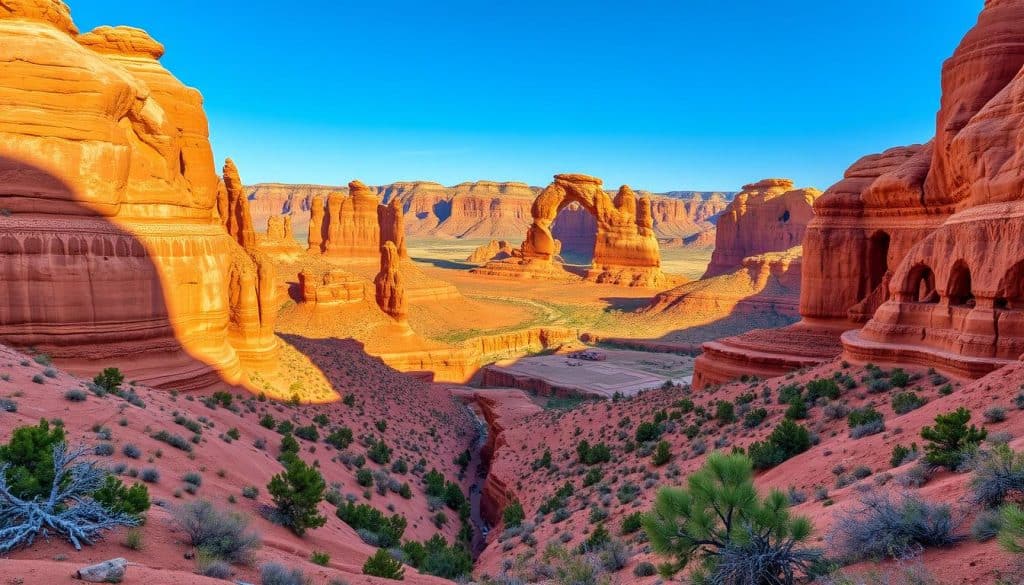
If you’re looking for a hiking adventure like no other, Utah’s red rock country is the place to be. With its unique landscapes and diverse terrain, Utah offers some of the most spectacular hiking trails in the United States.
The Mighty Five National Parks
Utah is home to five national parks, each offering unique hiking experiences. From the iconic arches of Arches National Park to the rugged beauty of Canyonlands, there’s no shortage of adventure. In Bryce Canyon, you can hike through a forest of hoodoos, while Zion National Park offers trails that wind through narrow canyons and red rock formations. Capitol Reef National Park, with its colorful cliffs and deep valleys, rounds out the Mighty Five, providing a diverse range of trails for all skill levels.
Grand Staircase-Escalante Highlights
For those seeking a more rugged adventure, the Grand Staircase-Escalante National Monument is a must-visit. Here, you can hike through the 14-mile Escalante Canyon, explore the winding canyons of Coyote Gulch, or marvel at the narrow slot canyons of Peek-a-Boo and Spooky Slots. These trails offer a true wilderness experience, with breathtaking scenery and a chance to connect with nature.
Desert Hiking Tips and Best Seasons
When hiking in Utah’s desert environments, it’s essential to be prepared. The best times to hike are during the spring and fall when temperatures are mild. Always carry plenty of water, wear sun protection, and be aware of the risk of flash floods, especially in slot canyons. Utah’s desert landscapes are particularly beautiful during the spring when wildflowers bloom, and in the winter when snow dusts the red rocks, creating a striking contrast.
Arizona: Grand Canyon State and Beyond
If you’re looking for a hiking adventure, Arizona is the place to be, with its unique desert landscapes and iconic trails.

Arizona is renowned for its diverse hiking trails that cater to all levels of hikers. From the majestic Grand Canyon to the breathtaking red rocks of Sedona, there’s no shortage of exciting hiking experiences.
The Grand Canyon Experience
The Grand Canyon is one of Arizona’s most iconic natural wonders, offering numerous hiking trails for all skill levels. The Bright Angel Trail and South Kaibab Trail are two of the most popular routes, offering spectacular views of the canyon.
Hiking down into the Grand Canyon is an unforgettable experience, but it requires careful planning. Be sure to bring plenty of water, wear sun protection, and start early to avoid the heat.
Sedona’s Red Rock Country
Sedona’s red rock formations create a hiker’s paradise with trails that range from easy to challenging. The Cathedral Rock Trail is a must-hike, offering stunning views of Sedona’s iconic red rocks.
Sedona’s trails offer more than just scenic views; they also provide a glimpse into the area’s unique geology and diverse wildlife.
Desert Hiking Considerations
When hiking in Arizona’s desert landscapes, it’s crucial to be aware of the unique challenges, including extreme heat, limited water sources, and encounters with wildlife like rattlesnakes and Gila monsters.
Stay safe by starting your hike early in the morning, bringing plenty of water, and knowing what to do in case of an encounter with desert wildlife.
Understanding the adaptations of desert plants and animals can also enhance your hiking experience. For example, the saguaro cactus can live up to 200 years, and Gila monsters are venomous but generally not aggressive.
Montana: Big Sky Country Trails
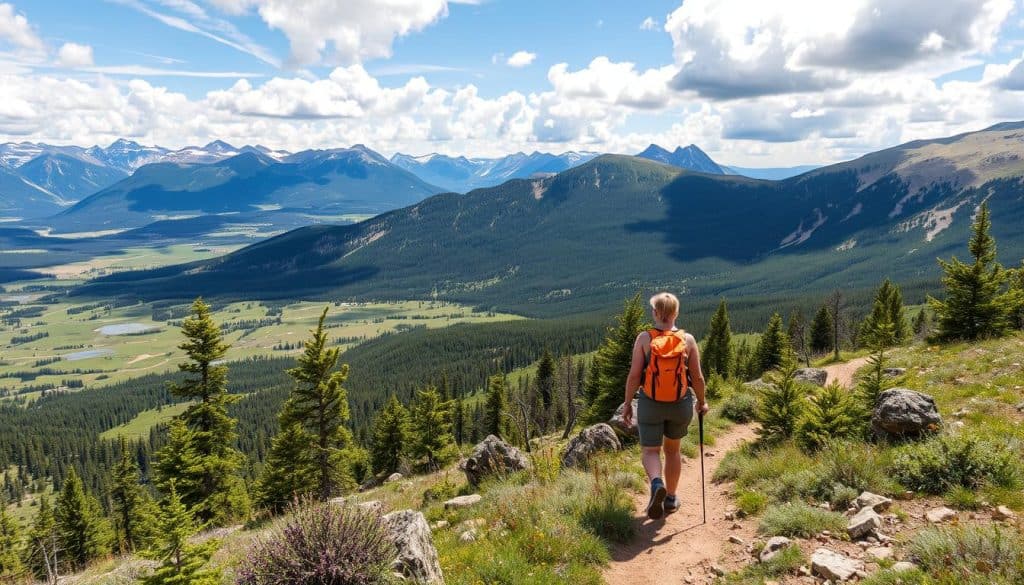
With its vast wilderness and minimal population, Montana provides an unparalleled hiking experience. As you hike through Big Sky Country, you’re likely to encounter diverse landscapes, from glacier-carved peaks to rolling hills and pristine lakes.
Glacier National Park’s Premier Trails
Glacier National Park is a crown jewel of Montana’s hiking trails, offering over 700 miles of paths that wind through alpine meadows, forests, and to the foot of glaciers. Trails like the Highline Trail and the Grinnell Glacier Trail offer breathtaking views of the surrounding mountains and valleys.
As you hike through Glacier National Park, keep an eye out for the diverse wildlife, including grizzly bears, mountain goats, and bighorn sheep.
Wildlife Encounters and Safety
Montana is renowned for its abundant wildlife, and hiking here offers a unique opportunity to observe animals in their natural habitat. However, it’s crucial to be aware of and prepared for encounters with wildlife, particularly grizzly bears.
To ensure a safe hiking experience, always carry bear spray, make noise while hiking, and stay in groups. Be aware of the seasonal behaviors of wildlife, such as spring bear activity and fall rutting behaviors, which can impact your hiking plans.
By being prepared and knowledgeable about Montana’s wildlife, you can enjoy the state’s incredible hiking trails while respecting the natural world around you.
Oregon: Diverse Landscapes for Every Hiker
The state’s unique blend of coastal, mountain, and volcanic landscapes creates a hiker’s playground like no other. As you explore Oregon, you’ll discover a wide range of hiking trails that cater to different skill levels and interests.
Coastal Trails and Mountain Paths
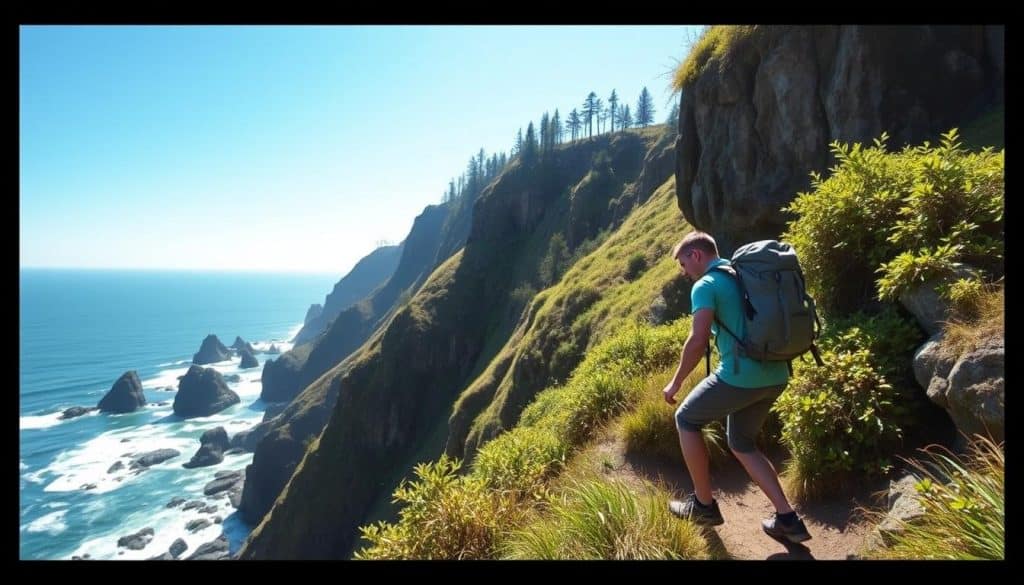
Oregon’s coastline offers some of the most scenic hiking trails in the country. The Oregon Coast Trail, which spans 382 miles, is a must-hike for anyone looking to experience the state’s rugged shoreline. For those who prefer mountain trails, the Cascade Range offers numerous options, including the popular Pacific Crest Trail segment that passes through Oregon.
The contrast between Oregon’s lush western forests and the high desert landscapes of the eastern part of the state adds to the diversity of hiking experiences available. Whether you’re looking for a leisurely stroll or a challenging summit, Oregon’s varied terrain has something to offer.
Crater Lake and Volcanic Landscapes
One of Oregon’s most iconic natural wonders is Crater Lake National Park, home to the deepest lake in the United States. The park offers a variety of hiking trails that take you through the scenic landscapes surrounding the lake, including the popular Cleetwood Cove Trail, which descends to the lake’s shoreline. You can also explore the park’s rim drives and enjoy breathtaking views of this pristine natural wonder.
Oregon’s volcanic history has created unique landscapes that are perfect for hiking. The Newberry National Volcanic Monument and Mount Hood offer year-round hiking opportunities, with trails that range from easy day hikes to more challenging multi-day treks. The national park and surrounding areas provide a glimpse into the region’s volcanic past, making for a fascinating hiking experience.
Maine: East Coast Hiking at Its Finest
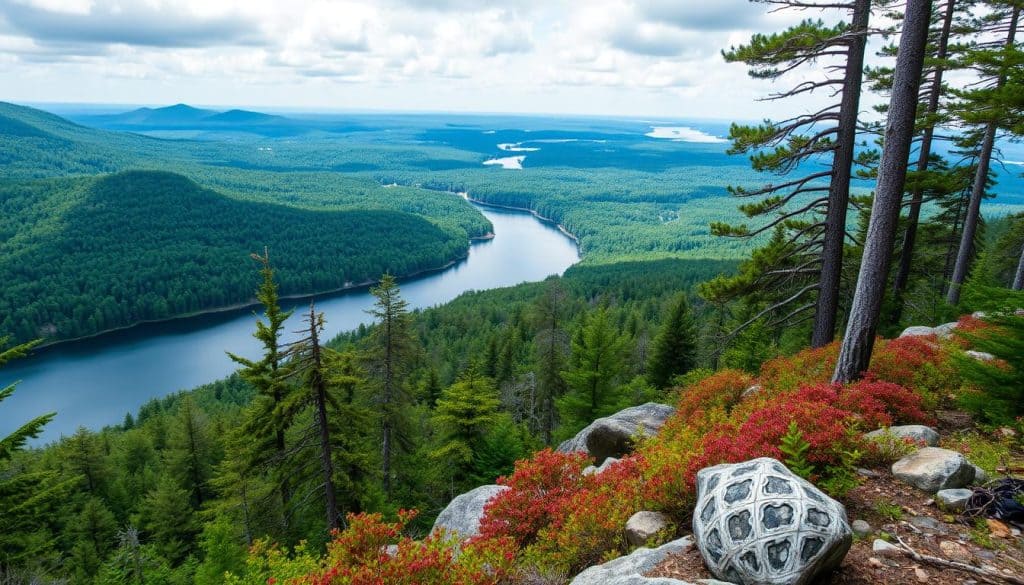
For those who love the Pacific Northwest, Maine’s woods, lake trails, and smaller mountain trails will feel like a homecoming on the Eastern seaboard. The elevation isn’t as high as some of the states out West, but the diverse terrain and breathtaking scenery make it an ideal destination for hikers.
Acadia National Park Highlights
Acadia National Park is a must-visit for any hike enthusiast. With its rugged coastline and mountains, it offers a unique hiking experience. The park features numerous trails, ranging from easy to challenging, that cater to all levels of experience.
Visitors can explore the park’s many wonders, including the top hikes in New England, and enjoy the stunning natural beauty of the area.
Appalachian Trail’s Northern Terminus
Maine is home to the northern terminus of the Appalachian Trail at Mount Katahdin in Baxter State Park. The challenging but rewarding Katahdin summit hike, including the famous Knife Edge trail, is a highlight for many hikers.
The 100-Mile Wilderness section of the AT is considered one of the most remote and challenging parts of the entire trail. Maine’s AT section differs from southern portions, with more rugged terrain and fewer trail towns, creating a unique hiking culture.
Alaska: America’s Last Frontier for Hikers
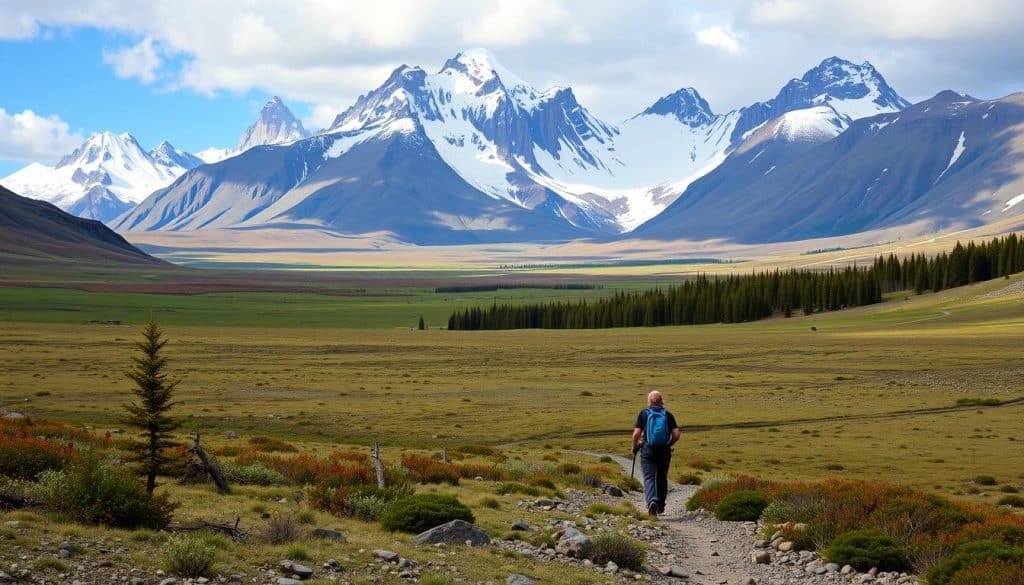
As America’s last frontier, Alaska offers hikers an unbridled adventure amidst stunning natural landscapes. With its vast wilderness, diverse wildlife, and breathtaking scenery, Alaska is a paradise for nature-loving hikers.
Denali and Beyond
Alaska boasts some of the most spectacular hiking trails in the United States. The Savage River Loop Trail, a two-mile round trip, is one of the best ways to experience Denali National Park. Other notable trails include the Kenai River Trail, Exit Glacier, Resurrection Pass, Winner Creek, and Mount Baldy. These trails offer hikers a chance to immerse themselves in Alaska’s pristine wilderness.
Wilderness Hiking Precautions
Hiking in Alaska comes with unique challenges, including extreme remoteness, limited rescue options, and severe weather conditions. To navigate these challenges, hikers must possess essential wilderness skills, such as navigation, river crossings, and camp selection. Proper gear is also crucial, including rain protection and insect barriers. Moreover, understanding wildlife safety protocols, especially regarding grizzly bears and moose encounters, is vital. Hikers should also be aware of the seasonal considerations, including the short summer season and long daylight hours.
By being prepared and informed, hikers can have a safe and enjoyable experience in Alaska’s vast wilderness. Whether you’re a seasoned hiker or just starting out, Alaska’s trails offer an adventure like no other.
Wyoming: Yellowstone and Grand Teton Adventures
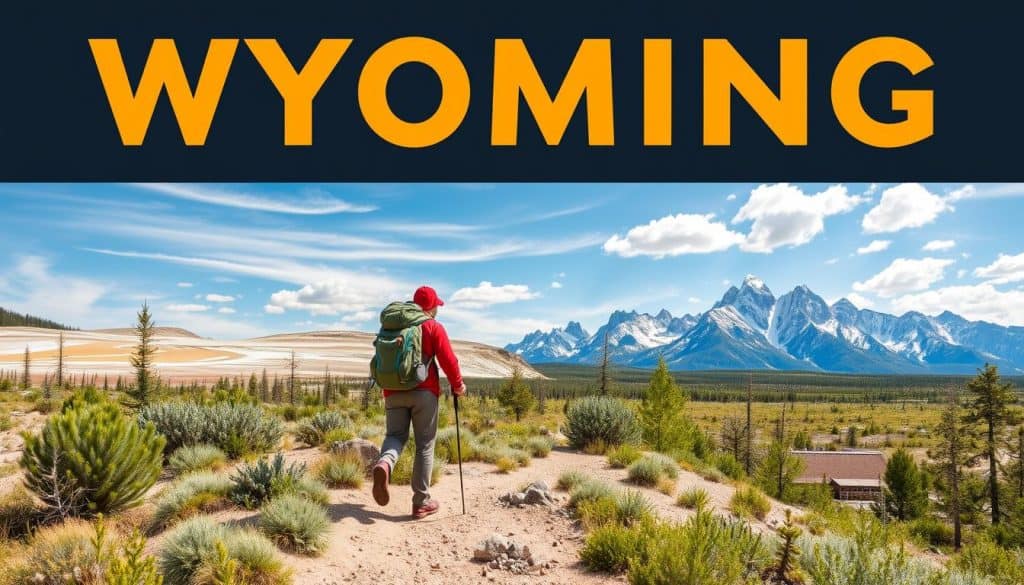
With its diverse landscapes and rich natural heritage, Wyoming is an ideal destination for hiking enthusiasts. As part of the Rocky Mountains and home to some of the country’s most spectacular national parks, Wyoming offers a hiking experience like no other.
Geothermal Wonders
Wyoming is home to part of Yellowstone National Park, a haven for those who love hiking amidst geothermal wonders. The park’s unique features, such as the Mammoth Hot Springs and the Heart Lake Trail, offer breathtaking views and unforgettable hike experiences.
The Mammoth Hot Springs trail is a must-visit, with its travertine formations and hot springs. For a more challenging hike, the Heart Lake Trail offers stunning views of the surrounding mountains and access to remote lakes.
Majestic Trails
Grand Teton National Park is another gem in Wyoming, offering spectacular mountain hiking with its jagged peaks rising dramatically from the valley floor. The park’s extensive trails network connects pristine alpine lakes, flower-filled meadows, and panoramic viewpoints.
Popular day hikes include Cascade Canyon, Taggart and Bradley Lakes, and Inspiration Point. For a more adventurous experience, the iconic Teton Crest Trail is one of America’s premier multi-day backpacking routes, offering breathtaking views of the Teton Range.
Wyoming’s clear night skies and diverse landscapes make it a unique destination for hiking and exploration. Whether you’re visiting part of Yellowstone or exploring the Grand Teton National Park, Wyoming has something to offer every kind of hiker.
Seasonal Considerations for Hiking America
As you plan your next hiking adventure across America, understanding the seasonal nuances can make all the difference. The diverse landscapes across the states offer a wide range of hiking experiences, but the timing of your trip can significantly impact your journey.
Best Times to Hike in Different Regions
Different regions have optimal hiking seasons based on their climate and weather patterns. For instance, the southern states are best hiked during the spring or fall to avoid the intense summer heat. In contrast, the mountainous regions are more suitable for hiking during the summer months when the snow has melted, revealing trails that are otherwise inaccessible.
| Region | Best Season | Notable Trails |
|---|---|---|
| Southern States | Spring, Fall | Appalachian Trail |
| Mountainous Regions | Summer | John Muir Trail |
| Desert Regions | Winter, Early Spring | Grand Canyon Rim Trail |
Weather Patterns and Preparation
Hikers must be prepared for varying weather conditions. Checking forecasts is crucial, as weather can change rapidly, especially in mountain environments. For example, mountain thunderstorms can develop quickly, posing a significant risk to hikers on exposed trails.
To prepare, hikers should pack accordingly, bringing gear such as waterproof jackets, extra layers, and sun protection. Understanding how to read weather signs and being prepared for sudden changes can make a hike safer and more enjoyable.
Essential Hiking Tips for American Trails
As you prepare for your next hiking adventure in America’s diverse landscapes, it’s essential to keep in mind some crucial tips to ensure a safe and enjoyable experience. Whether you’re tackling a challenging mountain trail or exploring a serene forest, being prepared can make all the difference.
Safety First: Preparation and Equipment
Before you hike, make sure you’re equipped with the essentials. This includes packing enough water, snacks, and extra layers for changing weather conditions. Understanding your map and knowing how to use it is also crucial. It’s wise to check the weather forecast and trail conditions beforehand. Let someone know your itinerary and expected return time. This simple step can be a lifesaver if something goes wrong on the trail.
Leave No Trace Principles
As hikers, we have a responsibility to protect the natural environments we enjoy. The Leave No Trace principles provide a framework for minimizing our impact on the hiking trails and surrounding ecosystems. These principles include planning ahead, staying on designated trails, disposing of waste properly, and respecting wildlife. By following these guidelines, we can help preserve the beauty and integrity of America’s hiking destinations for future generations.
Some key practices include properly disposing of human waste, keeping noise levels down to avoid disturbing wildlife, and not feeding animals. Staying on established trails helps prevent erosion and protects sensitive habitats. By being mindful of our impact, we can ensure that these incredible trails remain vibrant and healthy.
Conclusion: Your Perfect Hiking State Awaits
From the rugged terrains of Alaska to the scenic trails of Maine, America’s diverse landscapes invite hikers to explore. As we’ve journeyed through the best hiking states, it’s clear that each offers a unique experience tailored to different preferences and hiking styles.
California’s vast national parks and Washington’s lush rainforests stand alongside Colorado’s high-altitude peaks and Utah’s red rock formations. Whether you’re drawn to the grandeur of the Grand Canyon in Arizona or the picturesque coastlines of Oregon, there’s a state that fits your hiking aspirations.
Personal preferences play a significant role in choosing your next hiking destination. Some may prefer the solitude of Montana’s wilderness, while others might enjoy the vibrant trails of Wyoming’s Yellowstone and Grand Teton National Parks. The diversity of America’s hiking trails ensures that every type of outdoor enthusiast finds their perfect match.
Consider combining multiple states into a regional road trip to create the ultimate hiking vacation experience. This approach allows you to sample the best of what each state has to offer, from the varied landscapes to the unique cultural experiences.
Ultimately, the transformative power of hiking in America’s natural landscapes awaits your discovery. So, pack your bags, lace up your boots, and explore beyond your home state to uncover the incredible best hiking experiences that America has to offer.
FAQ
Which national park has the most spectacular hiking trails?
Many hikers consider Glacier National Park to be a top destination, with its stunning mountain peaks and pristine lakes.
Are there any hiking trails suitable for beginners?
Yes, many national and state parks offer trails with gentle terrain and shorter distances, making them perfect for those new to hiking.
What’s the best time of year to hike in the United States?
It depends on the region… spring and fall are often ideal in many parts of the country, while summer is best for high-elevation trails and winter is great for snowshoeing and other winter sports.
How do I prepare for a long hike?
Start by training and building your endurance, and make sure to pack essential gear like water, snacks, and a map… it’s also a good idea to let someone know your itinerary.
Can I hike alone or is it better to hike with a group?
Both options have their advantages… hiking alone can be peaceful and meditative, while hiking with a group can be safer and more social.
What’s the importance of Leave No Trace principles when hiking?
Following these principles helps preserve the natural environment and ensures that trails remain beautiful and accessible for future generations.
Are there any hiking trails with unique features like waterfalls or canyons?
Yes, many trails feature stunning natural attractions… for example, the Grand Canyon is one of the most iconic hiking destinations in the world.
How do I choose the right hiking boots or shoes?
Consider the terrain and weather conditions you’ll be hiking in, and look for boots or shoes with good tread, ankle support, and waterproofing.