

As I was finishing my senior year of high school in early 2018, I stumbled upon an inspiring article titled “So You Want To Walk Across America.” It sparked a crackpot dream of walking across America, a journey that many dream about but few accomplish.
Choosing the right route is crucial for success, safety, and enjoyment when undertaking a cross-country hike. America offers diverse landscapes from coast to coast, presenting hikers with multiple potential routes and trail systems spanning thousands of miles across the country.
This guide will comprehensively cover everything from established trails to custom routes, preparation requirements, and real experiences of those who have attempted to walk across America. While there’s no single “best” route for everyone, this guide will help you determine the optimal path based on your personal goals, timeline, and preferences.
Key Takeaways
- Understand the different routes available for hiking across America.
- Learn about the importance of choosing the right route for your adventure.
- Discover the various landscapes and trail systems across the country.
- Get insights into preparation requirements for a cross-country hike.
- Explore real experiences from those who have walked across America.
Understanding Cross-Country Hiking in America
As you consider hiking across America, it’s essential to grasp the challenges and attractions that come with this significant undertaking. Cross-country hiking is not just about walking; it’s an immersive experience that tests your physical limits, mental resilience, and adaptability.
The allure of traversing the diverse landscapes of America, from the scorching deserts to the majestic mountain ranges, is a powerful draw for many adventurers. Whether you’re drawn to the idea of experiencing the country’s natural beauty up close or pushing your personal limits, understanding what to expect is crucial.
The Appeal of Walking Across America
Walking across America is an adventure that captivates many. The idea of covering 2,500+ miles on foot, experiencing varied terrains, and encountering different cultures is both thrilling and intimidating. The appeal lies in the journey itself—the people you meet, the landscapes you witness, and the personal growth you undergo.
For many, the journey is as much about the destination as it is about the experiences along the way. Whether it’s the camaraderie with fellow hikers, the breathtaking vistas, or the quiet moments of solitude, every aspect contributes to a rich tapestry of memories.
Historical Context of Cross-Country Hiking
Cross-country hiking has a rich history in America, with numerous trails and routes developed over the years. The American Discovery Trail, for instance, spans over 6,800 miles, offering a coast-to-coast journey that showcases the country’s diverse landscapes and cultural heritage.
Historically, such trails were often used for more than just recreation; they were pathways for exploration, trade, and migration. Today, they serve as conduits for adventure and personal discovery.
Physical and Mental Challenges
The physical demands of walking 15-30 miles per day for months on end are significant. The strain on your body, from the constant walking to the weight of your backpack, can be considerable. Moreover, the varied weather conditions, from extreme heat to cold, and the different terrains you encounter, add to the physical challenges.
| Challenge | Description | Preparation |
|---|---|---|
| Physical Strain | Continuous walking and carrying a backpack | Regular exercise and strength training |
| Weather Extremes | Scorching heat, bitter cold, and high-velocity winds | Appropriate clothing and gear for varying conditions |
| Mental Fatigue | Isolation, monotony, and maintaining motivation | Mental preparation, setting milestones, and staying connected |
Mental challenges are equally significant. The isolation, the monotony of the daily routine, and the psychological hurdles of maintaining motivation over months can be daunting. It’s essential to be prepared for these challenges and to develop strategies for coping with them.
What is the Best Route to Hike Across America?
The United States offers a diverse array of hiking trails, but determining the best route to hike across America can be a daunting task. With numerous options available, each with its unique charm and challenges, selecting the right route depends on several factors including personal preferences, physical capabilities, and the type of experience you’re seeking.
As you consider your options, it’s essential to understand the various routes available and what they offer. Let’s dive into some of the most popular choices to help you make an informed decision.
American Discovery Trail

The American Discovery Trail is one of the most iconic routes for cross-country hiking in the United States. Spanning over 6,800 miles, it offers a comprehensive country experience, passing through various terrains and landscapes. This trail is unique because it has both northern and southern routes, allowing hikers to choose based on their preferences for climate, terrain, and cultural experiences.
The northern route, covering 4,834 miles, takes you through Chicago, while the southern route, which is 5,057 miles long, passes through St. Louis. Each variant offers a distinct experience, with the northern route featuring more forests and cooler temperatures, and the southern route presenting milder winters but also challenges like desert heat.
East-to-West vs. West-to-East Routes
When planning your cross-country hike, another critical decision is whether to travel from east to west or west to east. Both directions have their advantages and challenges. Traveling east to west allows you to follow the sun and can be less crowded in some sections, but it may also mean facing the prevailing weather patterns head-on.
On the other hand, hiking from west to east can provide a more gradual acclimation to the changing climates and terrains as you move towards the east coast. Ultimately, the choice depends on your personal preference, the time of year you plan to start, and your physical conditioning.
Northern vs. Southern Routes
The American Discovery Trail offers both northern and southern routes, each with its unique characteristics. The northern route is known for its picturesque landscapes, featuring more forests, lakes, and cooler temperatures. However, it has a shorter hiking season due to harsh winters.
In contrast, the southern route offers milder winters, making it suitable for year-round hiking. Yet, it poses challenges such as desert heat and water scarcity in certain sections. The northern route passes through more populated areas with better infrastructure, while the southern route provides more wilderness experiences.
When deciding between the northern and southern routes, consider your tolerance for different climates, your preference for urban versus wilderness experiences, and your hiking schedule. Each route offers a distinct great american adventure, with the total miles varying between the two options.
Choosing the right route for your cross-country hike is a personal decision that hinges on your priorities, whether it’s the type of terrain, climate, cultural experiences, or the overall route characteristics. By understanding the differences between the available routes, you can make an informed decision that suits your hiking goals and preferences.
Major Established Routes Across America
America offers a diverse array of routes for cross-country hikers, each with its unique charm and challenges. Whether you’re looking for a journey that’s steeped in history, passes through breathtaking landscapes, or simply offers a chance to explore new parts of the country, there’s a route out there for you.
The American Discovery Trail System

The American Discovery Trail is a significant route that spans over 6,800 miles, making it one of the longest trails in the United States. It stretches from Delaware to California, passing through a variety of landscapes and terrains. This trail is particularly appealing because it offers a mix of rural, urban, and wilderness experiences.
One of the key benefits of the American Discovery Trail is its flexibility. Hikers can choose to complete the entire trail or just sections of it, depending on their preferences and time constraints. The trail also passes through numerous towns and cities, providing ample opportunities for resupply and rest.
Great American Rail Trail
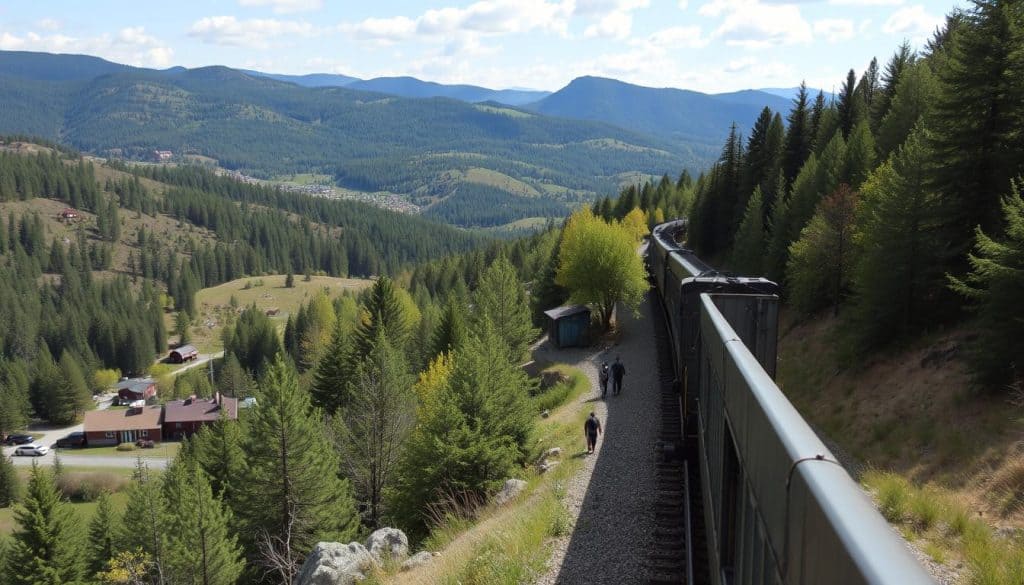
The Great American Rail Trail is another notable route, envisioned to be a 3,700-mile trail connecting Washington D.C. to California. It utilizes former rail corridors, hence the name, and is designed to be a multi-use trail suitable for hiking, biking, and horseback riding. The trail passes through a variety of landscapes, including rural areas, cities, and natural beauty spots.
One of the advantages of the Great American Rail Trail is its relatively flat terrain, making it accessible to a wider range of hikers. The trail also highlights America’s rich rail history and offers a unique perspective on the country’s development.
Custom Routes and Alternatives
While established trails like the American Discovery Trail and the Great American Rail Trail offer well-documented routes, many successful cross-country hikers opt to create their own custom routes. This involves combining established trails with backroads and alternative paths to create a personalized journey.
The advantages of designing a custom route are numerous. Hikers can tailor their journey to align with their specific interests, timeframes, and preferred terrain. For example, someone interested in historical sites might choose a route that passes through numerous landmarks, while a nature enthusiast might prefer a route that maximizes time in wilderness areas.
Digital mapping tools and resources have made custom route planning more accessible than ever. Websites like Traildino, TrailLink, and Bikepacking.com offer valuable resources, including free GPX files and detailed trail information. Google Maps can also be used to review road conditions and plan alternative routes.
Many hikers have successfully completed cross-country journeys using custom routes. For instance, combining major north-south trails with connecting corridors can create a unique and exciting journey. The key is to be flexible and open to new experiences, as well as to thoroughly plan and prepare for the challenges that lie ahead.
Planning Your Cross-Country Hike
As you prepare to embark on your cross-country hike, careful planning is essential to ensure a successful and enjoyable journey. This involves several key steps that will help you stay on track and make the most of your adventure.
Setting a Purpose and Principles
Before you start planning the logistics of your hike, it’s essential to define your purpose and principles. What drives you to undertake this journey? Is it a personal challenge, a desire to connect with nature, or an opportunity to reflect on your life? Your purpose will guide your decisions throughout the planning process.
Consider what principles you want to uphold during your hike. Will you be hiking solo or with a group? What kind of accommodations are you willing to accept? Establishing these principles early on will help you make decisions that align with your goals.
Timeline Considerations
Determining your timeline is a critical aspect of planning your cross-country hike. You need to decide on a start date and an estimated completion date. Consider factors such as weather conditions, trail accessibility, and personal commitments.
It’s also important to plan for rest days and flexibility in your schedule. A general rule of thumb is to allow for some buffer time in case of unexpected delays or challenges on the trail.
Budget Planning
Budgeting is a crucial part of planning your cross-country hike. Your expenses will vary widely depending on your hiking style, from ultralight minimalism to more comfortable approaches. Consider costs such as gear, transportation, food, and occasional lodging.
A comprehensive breakdown of expected costs is essential. This includes pre-trip expenses, such as gear purchases and transportation to the starting point, and on-trail costs, like food, lodging, and gear replacements. Daily expenses can range significantly, but a typical range is between $50 to $100 per day.
To manage your budget effectively, consider strategies such as resupply planning, strategic zero days, and gear choices. For example, planning your resupply points in advance can help you save money on food and other essentials.
- Pre-trip expenses: gear, transportation, and initial supplies
- On-trail costs: food, lodging, gear replacements, and unexpected expenses
- Strategies for reducing expenses: resupply planning, zero days, and gear choices
Sample budgets can vary significantly. A bare-bones approach might cost between $3-4K, while a more comfortable approach could range from $6-8K, and a luxurious experience could exceed $10K.
Physical and Mental Preparation
Embarking on a cross-country hike is a life-changing decision that requires meticulous preparation, both physically and mentally. As you gear up for this adventure, it’s crucial to understand the challenges you’ll face and how to prepare for them.
Training Regimen for Long-Distance Hiking
A well-structured training regimen is vital for building the endurance needed for long-distance hiking. Start by assessing your current fitness level and setting realistic goals. Incorporate cardiovascular exercises such as hiking, running, or cycling into your routine, aiming for at least 3-4 hours of moderate-intensity exercise per week. Strength training is also essential, focusing on exercises that strengthen your legs, core, and upper body. For example, squats, lunges, and deadlifts can help build leg strength, while planks and crunches improve core stability.
It’s also important to include hike-specific training in your regimen. This involves wearing your hiking boots and carrying a loaded backpack to simulate the actual hiking experience. Gradually increase the distance and weight over time to build your endurance. Remember to include rest days in your training schedule to allow your body to recover.
Building Mental Resilience
Mental resilience is just as critical as physical preparation when it comes to cross-country hiking. The journey can be grueling, with days filled with challenging terrain, unpredictable weather, and isolation. Developing a positive mindset and learning to manage stress are key components of mental resilience. Techniques such as meditation, mindfulness, and journaling can help you stay focused and calm under pressure.
It’s also beneficial to connect with other hikers or join hiking communities to share experiences and gain support. Understanding that you’re not alone in this journey can provide a significant mental boost. Additionally, setting small, achievable goals along the way can help maintain motivation and a sense of accomplishment.
Medical Considerations and Checkups
Before embarking on your cross-country hiking adventure, a comprehensive medical checkup is essential. This checkup should include a review of your overall health, any existing medical conditions, and necessary vaccinations. Certain regions may expose you to specific health risks, such as tick-borne illnesses or altitude sickness, so it’s crucial to be prepared with the appropriate vaccinations and medications.
| Medical Consideration | Description | Prevention/Action |
|---|---|---|
| Dehydration | Lack of sufficient water intake | Drink at least 2-3 liters of water per day |
| Malnutrition | Inadequate nutrition | Plan meals in advance, consider resupply points |
| Physical Injury | Musculoskeletal injuries from overuse or accidents | Include rest days, wear appropriate gear, and follow a road safety plan |
Managing existing medical conditions during your hike requires careful planning. Ensure you have an adequate supply of any necessary medications and consider consulting with your healthcare provider about managing your condition while on the trail. Assembling a first aid kit and knowing how to use the items in it is also crucial. Develop a plan for handling health emergencies in remote areas, including knowing when to seek medical help.
Essential Gear for Cross-Country Hiking
The journey across America on foot requires meticulous planning, starting with the essentials. As you prepare for your adventure, you’ll need to consider the gear that will keep you safe, comfortable, and connected throughout your journey.
Backpack vs. Stroller Options
When it comes to carrying your gear, the choice between a backpack and a stroller can be a crucial one. For cross-country hiking, a sturdy, comfortable backpack is generally the preferred option due to its ability to handle rugged terrain. However, for sections with smoother paths or road walking, a hiking stroller could be considered.

Clothing and Footwear
The right clothing and footwear are vital for a successful cross-country hike. You’ll need shoes that are durable, waterproof, and provide adequate support for long distances. Look for hiking boots or trail running shoes that have been tested on long trails.

Navigation and Communication Tools
Navigation is a critical aspect of cross-country hiking. You’ll need a combination of traditional maps, digital tools, and communication devices to stay on track and safe. A GPS device or a smartphone with a GPS app like Maps.Me or Gaia GPS can be invaluable. Don’t forget to carry extra batteries and a portable charger.
For route planning, Google Maps can be used to review road conditions by switching to satellite mode. Additionally, Google’s My Maps can highlight rail trails when plotting a cycling route. It’s also wise to carry a paper map and know how to use it.
Communication tools, such as satellite messengers and emergency beacons, are essential for remote areas with no cell service. These devices can be lifesavers in case of an emergency.
By carefully selecting your gear and understanding how to use it effectively, you’ll be well-prepared for the challenges of cross-country hiking. Remember, the key to a successful journey is not just having the right gear, but also knowing how to use it.
Food and Water Strategies
A well-planned food and water strategy is essential for a successful cross-country hike. As you embark on this journey, understanding how to manage your nutritional needs and hydration is crucial. Your body will be your most trusted companion, and fueling it correctly will make all the difference in your performance and overall experience.
Daily Nutritional Needs
When planning your daily nutritional intake, it’s vital to consider the caloric expenditure associated with long-distance hiking. Typically, hikers require between 2,500 to 4,500 calories per day, depending on factors such as terrain difficulty, personal metabolism, and hiking intensity.
“You can’t just eat anything; you need nutrient-dense food that is lightweight and easy to prepare,” says an experienced long-distance hiker. Ensuring a balanced diet that includes proteins, complex carbohydrates, and healthy fats is key to maintaining energy levels.
Water Management in Different Terrains
Water management varies significantly across different terrains. In arid regions, conserving water is paramount, while in areas with abundant water sources, the focus shifts to water purification and safety.
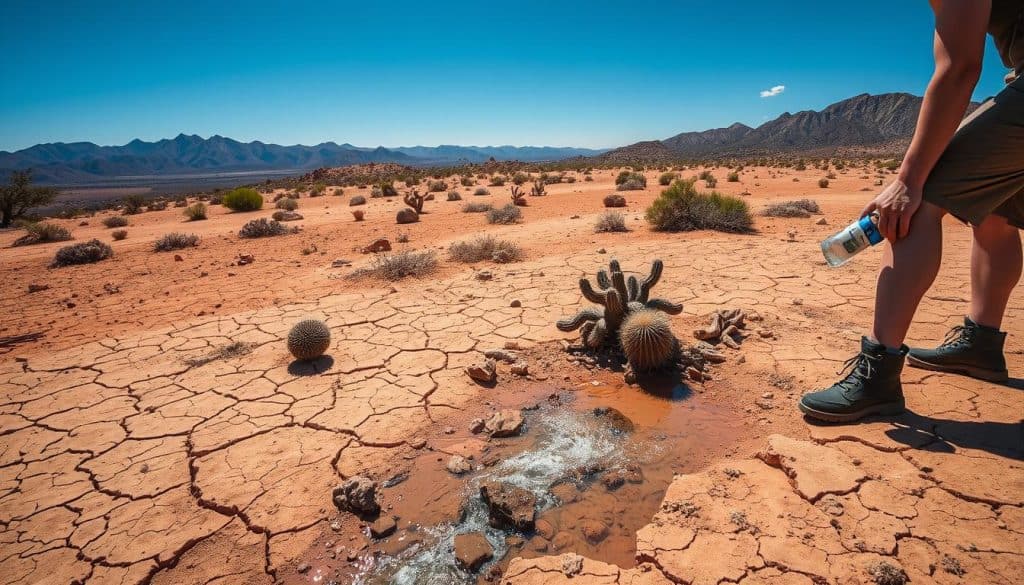
When hiking through towns, which are rarely more than 50 miles apart, you can often replenish your water supply. However, between towns, especially on stretches over 90 miles, planning is crucial. Using water filters or purification tablets can be an effective way to ensure access to safe drinking water.
Resupply Planning
Resupply planning is a critical component of your food and water strategy. Typically, hikers plan to resupply every 3-7 days. There are several methods to resupply, including buying food locally, mail drops, and bounce boxes.
Researching town resources along your route to determine suitable resupply locations is essential. Using general delivery services at post offices can be an effective way to receive packages, but it requires careful planning and a valid ID.
Lodging and Shelter Options
As you embark on your cross-country hiking journey, one of the most critical aspects to consider is where you’ll rest your head at night. The options for lodging and shelter can significantly impact your overall experience.
Camping Equipment
When it comes to camping equipment, ultralight gear is a game-changer for thru-hikers. It allows you to carry less weight while still having the necessary comforts for a good night’s sleep. Look for tents, sleeping bags, and backpacks designed to be lightweight without compromising on durability or functionality.
Investing in quality camping gear may seem expensive upfront, but it pays off in the long run by reducing fatigue and enhancing your overall hiking experience.
Finding Accommodations Along the Way
Not every night will be spent under the stars; you’ll often have the opportunity to rest in more comfortable accommodations. Planning ahead to find hotels, motels, or lodges can be a great way to rest your weary body after a long day of hiking.
Researching your route in advance can help you identify potential stops and make necessary reservations, especially during peak hiking seasons.
Additionally, considering public campsites and recreational areas can provide you with convenient and often affordable options for lodging.
Stealth and Yard Camping Explained
Sometimes, you might find yourself in need of alternative lodging options, such as stealth camping or yard camping. Stealth camping involves setting up camp in unconventional, often secluded spots, with the aim of being unnoticed. Common stealth camping locations include graveyards, under bridges, or on unestablished wilderness sites.
Yard camping, on the other hand, involves asking property owners if you can camp on their land. This can be a more personal and welcoming experience, especially when done with respect and consideration for the property owner’s rules and privacy.
Both stealth and yard camping require a high degree of respect for the environment and private property. Always follow leave-no-trace principles and be mindful of local regulations regarding camping on private or public land.
Navigating Different Terrains
As you embark on your cross-country hike, you’ll encounter a diverse range of terrains that demand adaptability and preparation. The journey across America is filled with varied landscapes, from the arid desert stretches to the challenging mountain passes, and the complex urban areas.
Desert Stretches
Desert stretches are among the most challenging terrains due to their extreme heat and lack of shade. When hiking through deserts, it’s crucial to plan your itinerary around the early morning and late evening to avoid the peak sun hours. Carrying sufficient water and electrolyte-rich snacks is vital to prevent dehydration. Be aware of the signs of heat exhaustion and know how to treat it.
Mountain Passes
Mountain passes present a different set of challenges, including steep inclines, unpredictable weather, and potential snow or ice. Proper gear, such as trekking poles and crampons, can be lifesavers in these conditions. It’s also essential to check weather forecasts regularly and be prepared for sudden changes in weather.
Urban Areas and Road Walking
Navigating urban areas and extended road walking sections requires a different kind of preparation. When walking on roads, safety should be your top priority. The greatest threat to your life when walking across America is a reckless driver. I highly recommend wearing a reflective vest and trying to stick to roads with little traffic, wide shoulders, or both. Avoid major highways whenever possible. Use Google Maps satellite view to scope out road surfaces ahead of time. When forced onto a road with fast traffic and minimal shoulder, consider pulling off the pavement and stopping for each passing car, if possible.
Urban areas also pose unique challenges, such as finding accommodations and resupplying food and water. Researching your route in advance can help identify safe and convenient places to rest and replenish supplies. Be mindful of local regulations regarding camping and overnight parking.
To minimize risks while walking on roads, it’s essential to be visible and aware of your surroundings. Make sure to follow local traffic laws and regulations. Planning your route to avoid dangerous road sections while maintaining a practical path is crucial. Utilize tools like Google Maps to research road conditions in advance.
Seasonal Considerations and Timing
As you prepare for your cross-America hiking adventure, considering the seasonal variations along your route is essential. The time of year you choose to start your journey can significantly impact your experience, from the weather conditions you face to the landscapes you get to enjoy.
Best Time to Start Your Journey
Deciding when to start your cross-country hike is a critical decision. Generally, spring is considered an ideal time to begin, as the weather is mild in many parts of the country, and the initial months of your journey will be during a relatively calm season. This allows for a gentler acclimation to life on the road.
However, the best time can vary depending on your chosen route. For instance, if you’re hiking from east to west, you’ll want to avoid the peak summer heat in the deserts of the southwest. Conversely, a west-to-east route might mean facing winter conditions in the mountains early on.
Weather Challenges by Region
Different regions of the country present unique weather challenges. The southern states can be sweltering in the summer, while the northern states are cold in the winter. Mountainous regions are prone to snow and ice, even in spring and fall. Understanding these regional variations is key to planning a safe and enjoyable trip.
- Desert regions: Extreme heat during the summer months.
- Mountain regions: Snow, ice, and potential for avalanches.
- Coastal regions: Milder temperatures but potential for rain and storms.
Seasonal Route Adjustments
Successful cross-country hikers often need to make seasonal route adjustments to accommodate changing weather conditions. This might involve choosing lower elevation alternatives during early spring when mountain passes are still snowy or avoiding certain regions during peak hurricane or wildfire seasons.
Building flexibility into your plan is crucial. This could mean having alternative routes or being prepared to take rest days when the weather turns dangerous. The key is to be willing to adapt your route rather than risking safety in challenging conditions.
- Monitor weather forecasts regularly.
- Be prepared to adjust your itinerary.
- Consider alternative routes for extreme weather conditions.
By being mindful of the season and months ahead, you can better prepare yourself for the challenges and joys that your cross-country hike will bring.
Safety and Protection on the Trail
Safety on the trail is a multifaceted concern that includes preparation, awareness, and the right equipment. As you prepare for your cross-country hike, understanding the various safety aspects can significantly enhance your experience.
Wildlife Encounters
One of the critical safety concerns on the trail is wildlife encounters. When venturing into wilderness areas, you’re likely to cross paths with various animals, some of which can be dangerous. For instance, areas with bear populations require special precautions, such as carrying pepper spray, which is a highly effective deterrent against bear attacks. If you’re planning to hike through regions known for wildlife, it’s essential to research the types of animals you might encounter and the best protection methods.
For more information on preparing for your hike, you can explore resources on solo travel in national parks, which often includes safety tips.
Road Safety and Traffic
Another significant safety concern is road safety and traffic. Many long-distance hiking trails require crossing or walking along roads, which can be hazardous, especially in low visibility conditions or high-traffic areas. To mitigate these risks, hikers should wear high-visibility clothing and be cautious when crossing roads. It’s also crucial to follow local traffic laws and regulations.
Being aware of your surroundings and anticipating potential dangers can significantly reduce your risk on the roads. Additionally, carrying a personal alarm can be beneficial in alerting others to your presence.
Personal Protection Options
When it comes to personal protection, hikers have various options to consider. The choice of what to carry depends on personal comfort and legal considerations. For those who prefer not to carry a firearm, pepper spray is a practical alternative. Other non-lethal options include personal alarms and knives. It’s also worth considering an emergency locator beacon like the Spot 3 Satellite GPS or the Garmin inReach Explorer+, which can be lifesaving in emergency situations.
For hikers using strollers, an alarm and lock can provide additional security. In areas known for bear activity, a bear canister may be necessary. Understanding the legal implications of carrying different protection tools across state lines is also crucial.
Ultimately, the key to safety on the trail is a combination of preparation, awareness, and the right equipment. By understanding the potential hazards and taking appropriate measures, you can minimize risks and enjoy a safe and fulfilling hiking experience.
Managing Daily Life on the Trail
As I embarked on my cross-country hiking journey, managing daily life on the trail became a crucial aspect of my adventure. It involved a delicate balance between pushing forward and taking rest days, maintaining personal hygiene, and staying healthy.
Daily Mileage Goals
Setting daily mileage goals was essential to maintaining a steady pace. I aimed to hike between 15 to 25 miles per day, depending on the terrain and my physical condition. On average, I tried to maintain a consistent pace to ensure I reached my destination within the planned timeframe.
Rest Days and Recovery
Rest days were just as important as hiking days. They allowed my body to recover from the strain of continuous hiking. I typically took a rest day every 7-10 days, using this time to resupply, repair gear, and rejuvenate.
Maintaining Hygiene
Maintaining hygiene on the trail was a significant challenge. Showers were not always readily available, and I often went without a proper shower for weeks. The longest stretch without a shower was 2½ weeks, with an average of 3-7 days between showers. I used various strategies to maintain personal hygiene, including sponge baths, wet wipes, and hand sanitizer.
To manage hygiene effectively, I identified shower opportunities in towns, campgrounds, and through the kindness of Trail Angels. Campgrounds and motels often provided shower facilities, while truck stops sometimes offered basic amenities. Trail Angels, hikers who offer support and hospitality, occasionally provided access to showers in their homes.
For laundry, I adopted a minimalist approach, carrying limited clothing and washing items as needed. I used biodegradable soap for washing clothes in streams or sinks, ensuring minimal environmental impact. Access to clean water was essential for this process.
Preventing hygiene-related issues was crucial. I took measures to prevent foot fungus by keeping my feet dry and using antifungal powder. Chafing was minimized by wearing appropriate clothing and applying lubricants. Regular washing and drying of clothes helped prevent skin infections. Staying hydrated by drinking enough water was also vital.
| Hygiene Practice | Frequency | Method |
|---|---|---|
| Showering | Every 3-7 days | Campgrounds, motels, Trail Angels |
| Sponge Baths | As needed | Wet wipes, hand sanitizer |
| Laundry | Every 7-10 days | Biodegradable soap, sink or stream washing |
By balancing daily mileage goals, rest days, and hygiene practices, I was able to maintain a healthy and enjoyable hiking experience.
Documentation and Connectivity
One of the most critical aspects of long-distance hiking is maintaining connectivity and documentation throughout your journey. As you traverse the country, you’ll need to stay in touch with loved ones, manage logistics, and document your experiences.
Documenting Your Journey
Documenting your hike is a great way to reflect on your experiences and share them with others. Many hikers keep a journal or blog to record their thoughts, feelings, and observations along the way. You can also use social media platforms to share updates and photos, keeping your friends and family informed about your progress. Consider using a portable charger to keep your devices powered up, especially when you’re not near a power source.
Some hikers prefer to use a camera to capture the breathtaking scenery and memorable moments. You can also use a GPS device or a hiking app to track your route and monitor your progress. Whatever method you choose, documenting your journey will help you cherish the memories of your adventure for years to come.
Staying Connected
Staying connected with family and friends is vital during your hike. You can use cell phone signal boosters or satellite phones to maintain communication, especially in areas with weak or no cell service. Many hikers also use two-way radios or other communication devices to stay in touch with their hiking group.
In addition to personal communication, staying connected also involves managing logistics. You can use online tools to track your packages and mail, ensuring that you receive important items on time. Consider setting up a system to receive notifications when a package is sent or delivered.
Receiving Mail and Packages
Receiving mail and packages is an essential part of long-distance hiking. Many hikers use the general delivery system provided by post offices to receive packages along their route. To use this service, you’ll need to address your packages with the correct format, including the post office location and the “General Delivery” notation.
- Address packages correctly using the “General Delivery” format.
- Use a valid ID to pick up packages at the post office.
- Consider alternative package receiving options, such as hostels, businesses, and trail angels.
- Plan your mail drops in advance to align with your hiking schedule.
- Be prepared for delays or changes in your hiking schedule, and adjust your package logistics accordingly.
It’s also important to note that general delivery typically only works for USPS packages. If you’re expecting a package from a different carrier, such as FedEx or UPS, you may need to make alternative arrangements. Some hikers use hostels, businesses, or trail angels to receive packages, providing more flexibility in their logistics.

Timing is everything when it comes to receiving mail and packages on the trail. You’ll need to plan your mail drops carefully to ensure that they arrive at the correct post office on time. Be prepared for potential delays or changes in your hiking schedule, and have a plan in place for adjusting your package logistics as needed.
Notable Locations and Landmarks
One of the most exciting aspects of hiking across America is the opportunity to experience the country’s rich history, stunning natural beauty, and vibrant communities along the way.
Must-See Natural Wonders
The American hiking trails are lined with breathtaking natural wonders that are a treat for the eyes and a balm for the soul. For instance, hikers on the American Discovery Trail can witness the majestic beauty of the Rocky Mountains, while those on the Great American Rail Trail might enjoy the serene landscapes of the Great Plains.
Some of the most spectacular natural landmarks include the Grand Canyon, Yellowstone National Park, and the Great Smoky Mountains. These sites are not only visually stunning but also offer opportunities to connect with nature and rejuvenate.

Historical Sites Along Major Routes
As hikers traverse the country, they will encounter numerous historical sites that tell the story of America’s past. These sites range from ancient Native American ruins to landmarks from the Civil War era.
For example, hikers on certain routes may visit Historic Route 66, often referred to as the “Mother Road,” or stop by Mount Rushmore, an iconic symbol of American history.
Trail Towns and Hiker-Friendly Communities
One of the joys of long-distance hiking is experiencing the hospitality of trail towns and hiker-friendly communities. Towns like Town of Damascus, Virginia, and Community of Julian, California, offer a warm welcome to weary hikers, providing essential services, amenities, and a chance to rest and resupply.
Hikers can research these towns in advance to maximize their resupply stops and enjoy the local culture. Many towns have developed a culture around supporting long-distance hikers, with services like Couchsurfing and Warmshowers offering free accommodation. Additionally, hikers can reach out to local police departments or churches to inquire about public lands or facilities they can use.
By engaging respectfully with these local communities, hikers can enrich their journey and create lasting memories.
Stories from Successful Cross-Country Hikers
As you set out to hike across America, you’re not just traversing the country’s diverse landscapes; you’re also on a journey of personal growth and transformation. This journey, while exhilarating, comes with its set of challenges that test your resolve, physical strength, and mental toughness.
The stories of successful cross-country hikers offer valuable insights into the challenges they faced and how they overcame them. These stories are not just inspiring; they are also instructional, providing potential hikers with the knowledge they need to prepare for their own journeys.
Record-Breaking Journeys
Some hikers push the boundaries of what’s thought possible, achieving record-breaking feats on their cross-country hikes. For instance, hikers who have completed the journey in record time often share strategies on how they managed their daily mileage, navigated challenging terrains, and dealt with the physical strain of continuous walking.
One such strategy involves meticulous planning, including mapping out the most efficient routes, arranging for resupply points, and training to build up endurance. These hikers also often highlight the importance of mental preparation, including techniques to stay motivated and focused over long periods.
Lessons Learned from Experienced Hikers
Experienced hikers have a wealth of knowledge to share, gleaned from their experiences on the trail. One of the key lessons is the importance of flexibility. Despite careful planning, unexpected challenges arise, such as inclement weather, trail closures, or personal health issues. Successful hikers learn to adapt, adjusting their plans as needed to overcome these obstacles.
Another crucial lesson is the value of community. While the image of a lone hiker is common, many successful cross-country hikers emphasize the importance of connecting with other hikers and locals along the way. These connections can provide emotional support, practical assistance, and memorable experiences.
Common Challenges and How They Were Overcome
Cross-country hikers face a range of challenges, from the physical demands of long-distance walking to the psychological strain of months on the trail. Traffic and lack of available lodging are among the most serious challenges, with reckless drivers posing a significant threat to safety.
| Challenge | Solution | Experience |
|---|---|---|
| Traffic and Road Safety | Use reflective gear, walk facing traffic, and stay alert | Many hikers have successfully navigated busy roads by being visible and cautious |
| Lack of Lodging | Plan ahead, use camping gear, and consider stealth camping | Hikers have found creative solutions, including staying in hiker-friendly towns and using online resources |
| Psychological Strain | Stay connected with family and friends, keep a journal, and take rest days | By maintaining connections and taking breaks, hikers have managed to overcome feelings of loneliness and monotony |
By understanding the challenges faced by cross-country hikers and learning from their experiences, prospective hikers can better prepare themselves for the journey ahead. The stories of successful hikers serve as a testament to the human spirit’s capacity for resilience and adventure.
Conclusion
Walking across America is more than just a physical challenge; it’s a journey of self-discovery that transforms your life. As you’ve seen, choosing the best route to hike across America depends on personal goals and preferences. Whether you follow established routes like the American Discovery Trail or create a custom route, the key to success lies in thorough preparation and flexibility.
Preparation is crucial, but so is the ability to adapt to changing conditions. Many successful hikers have found that their cross-country hike was not just about the destination but about the experience they had along the way. It’s an adventure that tests your physical limits while offering a unique perspective on life.
As you consider your own cross-country hiking dreams, remember that it’s essential to have realistic expectations and proper preparation. The journey will challenge you, but it will also reward you with unforgettable experiences and a newfound appreciation for the diverse landscapes and communities across America.
Ultimately, walking across America is a journey that can change your life. It’s an opportunity to disconnect from the familiar and reconnect with yourself and the world around you. So, take the first step, and let the adventure begin.
In conclusion, whether you’re drawn to the idea of walking across America or simply looking for a new challenge, the experience will be one you cherish forever. With the right mindset and preparation, you’ll be ready to embark on a journey that will leave you with lifelong memories and a fresh perspective on life.
FAQ
How many miles do people typically walk per day on a cross-country hike?
Most hikers aim for 20-25 miles per day, but this can vary greatly depending on terrain, experience, and personal goals.
How long does it take to walk across America?
The duration depends on the route taken and daily mileage; it can take anywhere from 4 to 6 months to complete a cross-country hike.
What kind of gear do I need for a cross-country hike?
Essential gear includes a sturdy backpack, comfortable clothing and footwear, navigation tools, and a first-aid kit. You should also consider peanut butter and dried fruit as convenient food sources.
How do I manage food and water on the trail?
Planning is key; you should resupply every few days and consider carrying a water filter or purification tablets to ensure access to safe drinking water. Carrying a few gallons of water can be necessary in arid regions.
What are some safety considerations for cross-country hiking?
Be prepared for wildlife encounters and take necessary precautions such as carrying pepper spray. Always be aware of your surroundings and follow road safety guidelines.
Can I hike across America alone?
Yes, many people hike across America solo, but it’s crucial to be well-prepared and informed about the challenges you may face, including road safety and personal protection.
How do I document my journey across America?
Consider keeping a journal, taking photographs, and using social media or a blog to share your experiences. You can also receive mail and packages at predetermined points along your route.
What are some of the most challenging parts of hiking across America?
Hikers often cite desert stretches, mountain passes, and urban areas as particularly challenging due to extreme weather conditions, difficult terrain, and heavy traffic.