
The world is a treasure trove of breathtaking landscapes, from the majestic Himalayas to the vibrant rainforests of Costa Rica. With so much natural beauty to explore, choosing the perfect hike can be daunting.
As an avid hiker, I’ve often wondered: what’s the ultimate hiking experience? Is it the towering mountains, the serene trails, or the thrill of adventure? In this guide, we’ll embark on a journey to discover the world’s most spectacular hiking trails and uncover what makes them truly unforgettable.
We’ll explore trails across all seven continents, examining factors that contribute to a hike’s greatness: scenic beauty, cultural significance, physical challenge, and the unique experiences they offer.
Key Takeaways
- Explore the world’s most spectacular hiking trails across all seven continents.
- Understand what makes a hike truly unforgettable.
- Discover the factors that contribute to a hike’s greatness.
- Find inspiration for your next adventure.
- Learn about the cultural significance and scenic beauty of various trails.
The Quest for the Ultimate Hiking Experience
For many outdoor enthusiasts, the pursuit of the ultimate hike is a lifelong journey of exploration and discovery. As we set out to curate a list of the world’s best hikes, we were driven by a shared passion for adventure and the great outdoors. Our goal was to showcase the diversity of hiking trails across the globe, from renowned routes like the Everest Base Camp Trek to hidden gems waiting to be explored.
How We Evaluated the World’s Top Hikes
Our evaluation process involved consulting with experienced hikers, adventure guides, and travel experts who have collectively traversed thousands of miles across the globe’s most renowned trails. We considered multiple factors in our assessment, including scenic beauty, technical difficulty, accessibility, cultural significance, and the unique experience each trail offers.
By taking a comprehensive approach, we aimed to highlight hikes that offer more than just a destination – we’re talking about trails that provide a transformative experience, regardless of whether you’re a seasoned hiker or just starting out.
What Makes a Hike Truly Exceptional
The definition of an “exceptional hike” varies widely among enthusiasts – for some, it’s about conquering technical challenges, while for others, it’s about immersion in pristine natural environments. A truly exceptional hike often combines several elements: breathtaking views of majestic mountains, a sense of journey, cultural or historical significance, and the right balance of challenge and accessibility.
We’ve included diverse options ranging from day hikes to multi-week expeditions, recognizing that the “ultimate” hiking experience is subjective and depends on individual preferences and abilities. Our list is designed to inspire you to lace up your boots and hit the trail, whether you’re looking for a quick escape or an epic adventure that spans continents.
What is the #1 Hike in the World? Experts Weigh In
The search for the ultimate hiking experience led us to explore expert opinions on the world’s most spectacular treks. After consulting with numerous hiking experts and adventure guides worldwide, a clear consensus emerged: the Everest Base Camp Trek stands out as the #1 hike in the world.
The Everest Base Camp Trek: The Consensus Champion
The Everest Base Camp Trek is renowned for its unique blend of cultural significance, breathtaking scenery, and the allure of the world’s highest mountain. This 12-day journey through Nepal’s Khumbu region offers hikers a chance to follow in the footsteps of legendary mountaineers while experiencing Sherpa culture and hospitality in traditional teahouses along the route.
Key Highlights of the Everest Base Camp Trek:
- Combining cultural immersion with breathtaking Himalayan scenery
- Following in the footsteps of legendary mountaineers
- Reaching Everest Base Camp (5,380m) and climbing to the summit of Kala Patthar (5,550m) for panoramic views
- Experiencing Sherpa culture and hospitality in traditional teahouses
Why Altitude and Views Aren’t Everything
While the Everest Base Camp Trek is celebrated for its high altitude and spectacular views, our experts emphasize that the “best” hike is subjective. Factors beyond altitude and views, such as cultural immersion, wildlife, solitude, or technical challenge, might make other trails more appealing depending on individual preferences.
For instance, the trek’s diverse landscapes, ranging from lush rhododendron forests to high-altitude glacial terrain, contribute to its exceptional appeal. Moreover, the view from Kala Patthar is cited by many experts as one of hiking’s greatest rewards—a panorama of Everest and surrounding Himalayan giants that is hard to match elsewhere.
The Everest Base Camp Trek is more than just a hike; it’s an adventure that encompasses cultural exploration, personal challenge, and breathtaking natural beauty.
The Magnificent Himalayan Treks
If you’re looking for an adventure of a lifetime, the Himalayas offer numerous trekking opportunities, with the Annapurna Sanctuary Trek and K2 Base Camp being standout choices. The Himalayan mountain range is renowned for its diverse landscapes and breathtaking views, making it a paradise for trekkers and hikers alike.
Annapurna Sanctuary Trek: The Scenic Alternative
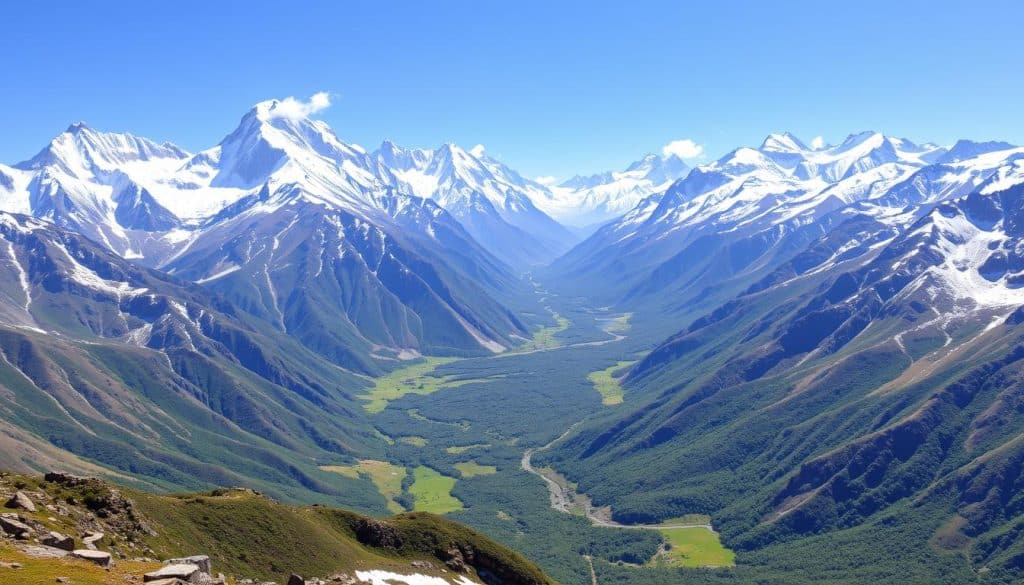
The Annapurna Sanctuary Trek is an 11-day journey that takes you through a variety of ecosystems, from subtropical forests to alpine meadows, culminating in the natural amphitheater of the Sanctuary. This trek is surrounded by 8,000m+ peaks, including Annapurna I and II, and Gangapurna. The combination of cultural immersion, with traditional teahouses and Buddhist monasteries, and the dramatic mountain scenery makes this trek truly special.
One of the highlights of the Annapurna Sanctuary Trek is the opportunity to witness the majestic Machhapuchhare (Fishtail Mountain), a peak that stands out for its distinctive shape. The trek offers some of the best views in the Himalayas, with the snow-capped peaks providing a breathtaking backdrop to your adventure.
K2 Base Camp: For True Adventurers
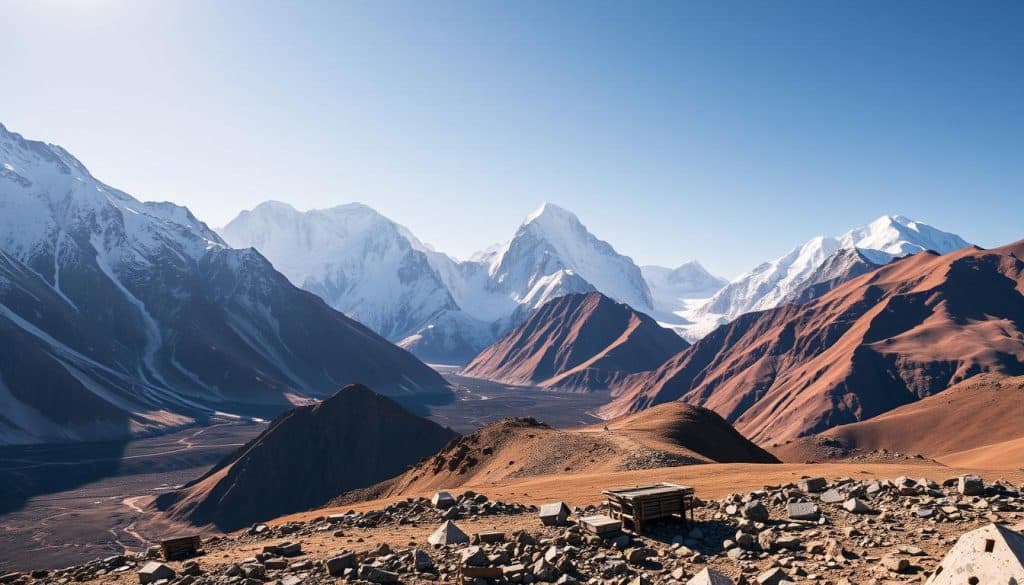
For those seeking a more remote and challenging adventure, the K2 Base Camp trek in Pakistan’s Karakoram range is an expedition-style experience like no other. The journey includes camping at Concordia (4,700m), often described as the “Throne Room of the Mountain Gods,” with views of four 8,000m+ peaks, including K2, the world’s second-highest mountain.
Unlike the more developed Everest region, the K2 Base Camp trek requires more self-sufficiency and preparation. However, the rewards are well worth it, with pristine landscapes and a profound sense of wilderness that’s increasingly rare in today’s connected world. This trek is not for the faint of heart but offers an adventure that will leave you with unforgettable memories.
Epic European Alpine Adventures
For hikers, Europe’s Alpine regions are a paradise, offering some of the most spectacular and accessible mountain trails in the world. The combination of breathtaking scenery, charming villages, and well-marked trails makes for an unforgettable hiking experience.
Tour du Mont Blanc: The Classic Alpine Circuit
The Tour du Mont Blanc is a 105-mile (170km) circuit around Mont Blanc, taking hikers through France, Italy, and Switzerland. This 10-day journey offers a mix of challenging hiking with significant elevation gain and relative comfort, with accommodations ranging from mountain huts to small hotels.
You’ll hike through alpine meadows and cross suspension bridges over roaring rivers, with breathtaking views of the surrounding mountains and peaks. The route passes through charming villages, allowing trekkers to experience the local culture and cuisine.
The Dolomites’ Alta Via II: Italy’s Mountain Masterpiece
The Dolomites in northern Italy present a dramatically different Alpine experience, with their distinctive pale limestone formations creating what many consider to be Europe’s most photogenic mountain range. The Alta Via II traverses the most challenging and spectacular sections of the Dolomites.
This trek includes the iconic Tre Cime di Lavaredo (Three Peaks), three dramatic stone towers that have become symbols of the region. Both the Tour du Mont Blanc and Alta Via II offer the unique advantage of “hut-to-hut” hiking, allowing trekkers to carry lighter packs while enjoying local cuisine and comfortable overnight stops.

The European Alps offer a diverse range of hiking experiences, from the challenging peaks of Mont Blanc to the scenic trails of the Dolomites. Whether you’re looking for a leisurely hike or an adventurous trek, the Alps have something to offer every kind of hiker.
South America’s Legendary Trails
From the Andes to Patagonia, South America boasts an array of legendary hiking trails that attract adventurers from around the globe. These trails offer a unique blend of cultural heritage, historical significance, and breathtaking natural beauty.
The Inca Trail to Machu Picchu: History and Scenery Combined
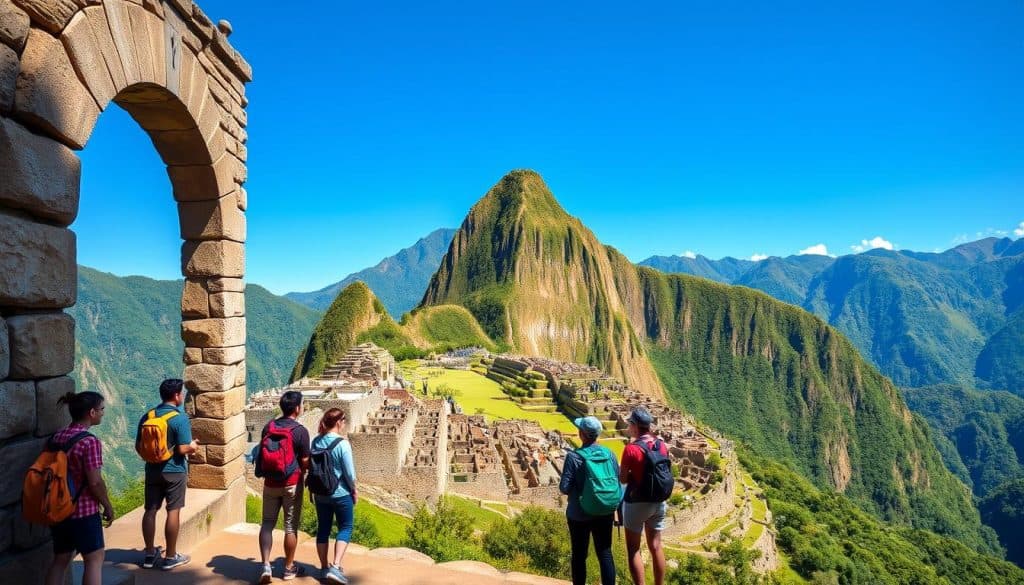
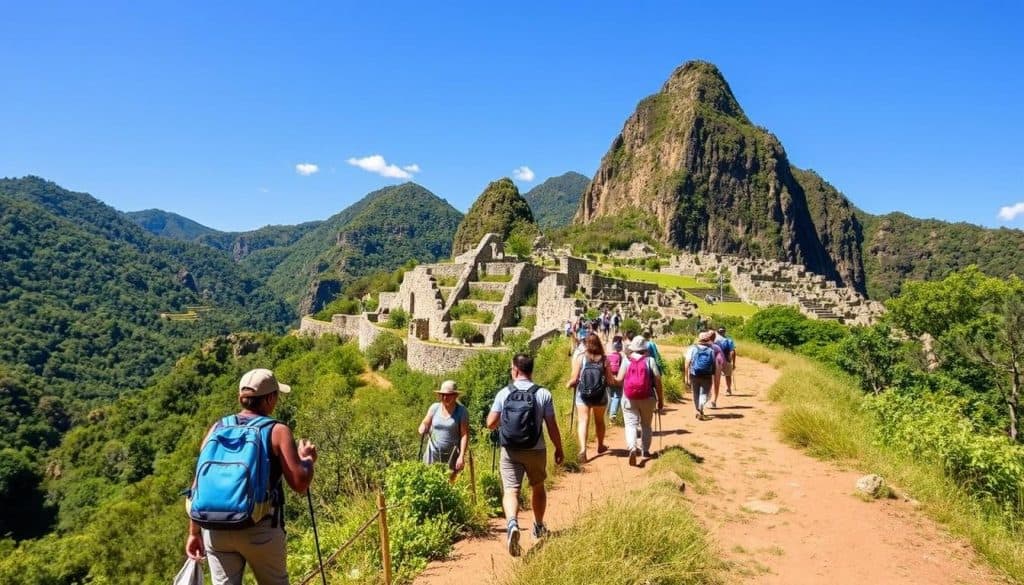
The Inca Trail to Machu Picchu is one of South America’s most iconic hikes, combining history and scenery in a way that few other trails can match. This 4-day hike takes you through diverse ecosystems, from cloud forests to alpine terrain, passing numerous Incan ruins along the way.
As you hike the Inca Trail, you’ll be surrounded by the history and culture of the Incas, with ruins and artifacts dotting the landscape. The trail culminates at the Sun Gate, where you’ll catch your first dramatic view of Machu Picchu.
Torres del Paine W-Trek: Patagonia’s Crown Jewel
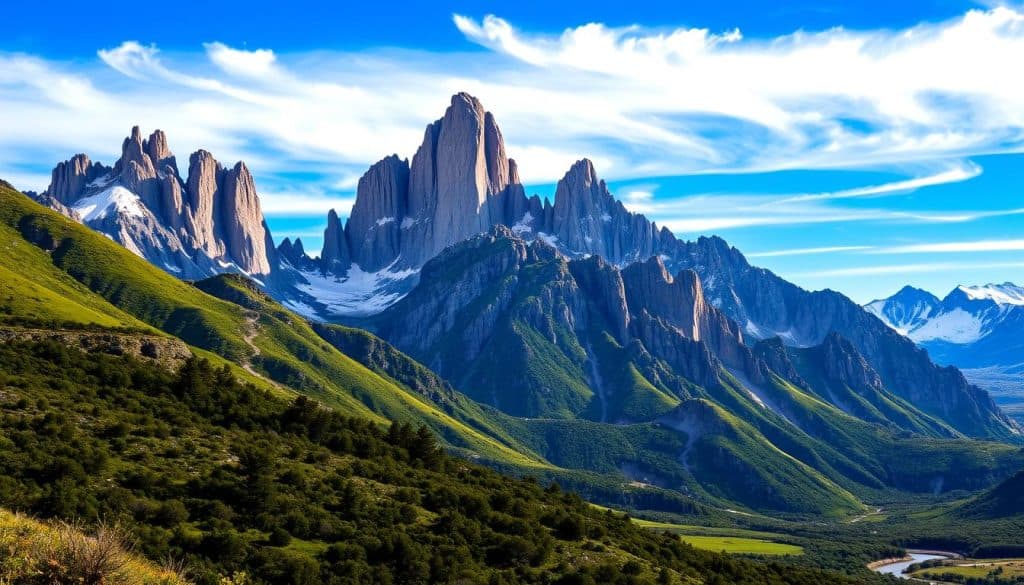
In the heart of Patagonia lies the Torres del Paine W-Trek, a hiking circuit renowned for its dramatic landscapes and diverse wildlife. This 4-5 day trek takes you through some of the most spectacular scenery on the planet, including granite spires, turquoise lakes, and massive glaciers.
The W-Trek is named for its distinctive “W” shape, formed by the three main highlights of the trail: the Base of the Towers viewpoint, French Valley, and Grey Glacier. Along the way, you’ll experience the raw beauty of Patagonia and have the opportunity to see a wide range of flora and fauna.
What makes these trails in South America particularly special is their accessibility to hikers without technical skills. While physically demanding, these routes can be completed by reasonably fit hikers and offer infrastructure ranging from basic campsites to comfortable lodges.
Whether you’re drawn to the historical significance of the Inca Trail or the natural beauty of the Torres del Paine W-Trek, South America’s legendary trails offer an adventure that’s hard to match anywhere else in the world.
African Mountain Challenges
From the snow-capped peaks of Kilimanjaro to the rugged Simien Mountains, Africa is a paradise for mountain enthusiasts. The continent offers a diverse range of hiking experiences that cater to different levels of adventure and physical fitness.
Mount Kilimanjaro: Conquering Africa’s Highest Peak
At 5,895 meters, Mount Kilimanjaro is Africa’s highest mountain and a premier trekking destination. What makes Kilimanjaro exceptional is that it requires no technical climbing skills – just determination and proper acclimatization. The Machame Route, also known as the “Whiskey Route,” is a popular choice among hikers due to its scenic views and high success rate.
The Machame Route takes hikers through five distinct ecological zones, from rainforest to arctic-like conditions at the summit. Along the way, you’ll trek through lush rainforests, cross volcanic rock, and climb over the challenging Barranco Wall. Camping at Barafu Base Camp precedes the final summit push, making for an unforgettable hiking experience.
For more information on climbing Kilimanjaro and its nearby attractions, check out our guide on why everyone should climb Kilimanjaro’s little brother, Mount.
The Simien Mountains: Ethiopia’s Hidden Gem
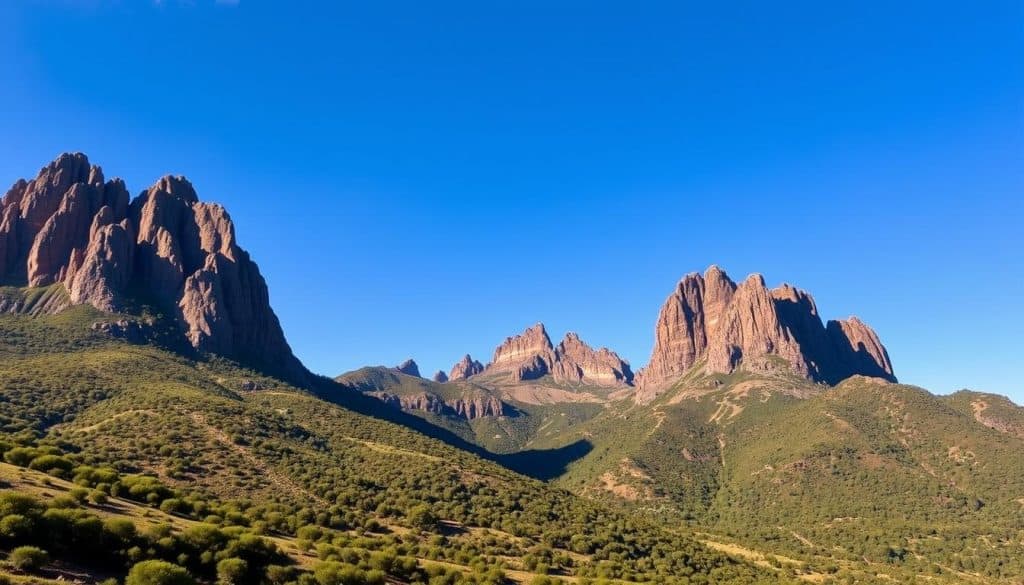
For those seeking a less-traveled African mountain experience, Ethiopia’s Simien Mountains offer spectacular landscapes and unique wildlife encounters. This UNESCO World Heritage site is nicknamed “The Chess Pieces of the Gods” due to its dramatic escarpments and plateaus.
The Simien trek combines breathtaking scenery with encounters with endemic species such as Gelada baboons, Walia ibex, and the elusive Ethiopian wolf. The experience is enriched by interactions with traditional Ethiopian communities, adding a cultural dimension to the adventure.
Whether you’re conquering Africa’s highest peak or exploring the rugged beauty of the Simiens, the continent’s mountain challenges offer hiking experiences that are as diverse as they are rewarding.
North America’s Most Breathtaking Trails
The great outdoors in North America is calling, with trails that range from epic long-distance journeys to perfect day hikes in stunning national parks.
North America offers incredible diversity in its hiking trails, from epic long-distance journeys to perfect day hikes in some of the world’s most spectacular national parks. The continent is home to a wide range of landscapes, including rugged mountains, scenic coastlines, and diverse rock formations.
The Appalachian Trail: America’s Epic Long-Distance Journey
The Appalachian Trail stands as America’s original long-distance hiking path, stretching 2,190 miles from Georgia to Maine through 14 states and taking most thru-hikers 5-7 months to complete. What makes the AT special isn’t just the physical journey but the unique trail culture and community that has developed around it.

The trail is not just about the destination; it’s about the journey, with its trail names, trail magic, and the social experience being as important as the natural beauty surrounding it. Hikers on the AT experience a range of landscapes, from the mountains of North Carolina to the scenic vistas of New England.
Half Dome in Yosemite: The Perfect Day Hike
At the other end of the hiking spectrum, Yosemite National Park’s Half Dome presents what many consider North America’s perfect day hike – a challenging 14-16 mile round trip culminating in an exhilarating cable ascent up the dome’s steep granite face. The hike showcases the best of Yosemite’s dramatic landscapes, including Vernal and Nevada Falls.
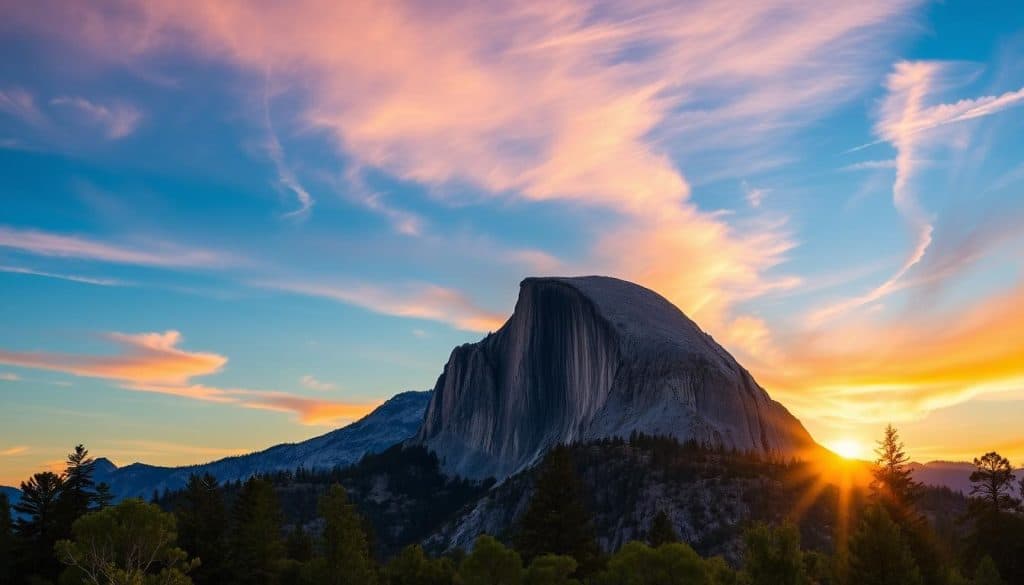
Before reaching the summit, hikers are treated to panoramic views of the High Sierra and Yosemite Valley 4,800 feet below. Both the Appalachian Trail and Half Dome hike require permits, highlighting the importance of responsible hiking practices to preserve these natural wonders.
Oceania’s Natural Wonders
The pristine wilderness of Oceania beckons hikers from around the globe. With its unique landscapes and diverse wildlife, this region offers some of the most unforgettable hiking experiences on the planet.
Oceania is home to numerous national parks, each providing a unique hiking adventure. Two of the most remarkable destinations are New Zealand’s Nelson Lakes National Park and Australia’s Overland Track in Tasmania.
Nelson Lakes National Park: A Custom Loop Adventure
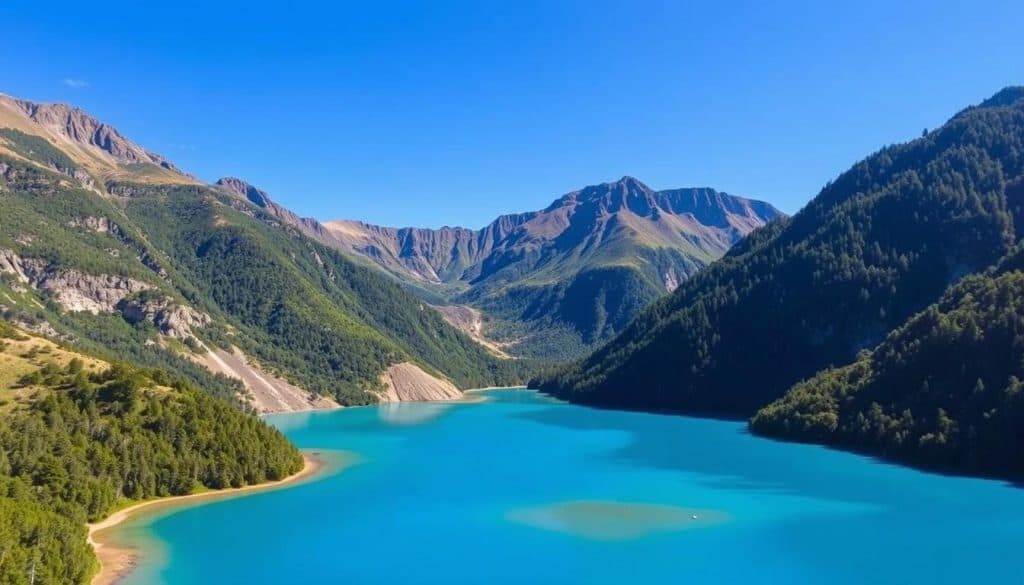
Nelson Lakes National Park, situated in the north of New Zealand’s South Island, offers a less-visited alternative to the country’s famous Great Walks. Here, you can create your own custom loop adventure through alpine landscapes of extraordinary clarity and beauty.
The park’s highlight is Blue Lake (Rotomairewhenua), renowned for being the clearest natural freshwater in the world, with visibility up to 80 meters deep. New Zealand’s excellent hut system, such as the panoramic Angelus Hut, allows hikers to travel with lighter packs while enjoying comfortable overnight accommodations.
Australia’s Overland Track: Tasmania’s Wilderness Journey
Australia’s Overland Track in Tasmania takes hikers on a 65km journey through the heart of the Tasmanian Wilderness World Heritage Area. This trail showcases diverse landscapes, ranging from temperate rainforests to alpine plateaus.
For more information on ecotourism destinations in Australia, visit Green Global Travel.
The remoteness and pristine nature of these Oceania hikes make them truly special. Despite growing popularity, both destinations maintain strict visitor limits and environmental protections, preserving the wilderness experience.
Desert and Coastal Marvels
The world’s most breathtaking hikes aren’t just in the mountains; deserts and coastlines offer equally thrilling adventures. When you think of hiking, you might imagine mountain trails, but some of the most spectacular experiences can be found in entirely different landscapes.
The Jordan Trail: Desert Landscapes and Ancient History
The Jordan Trail is a 420-mile hiking trail that spans from Umm Qais in the north to Aqaba in the south, passing through some of Jordan’s most historic and breathtaking landscapes. This includes the ancient city of Petra and the otherworldly sandstone desert of Wadi Rum.
One of the trail’s most spectacular sections crosses the Wadi Rum desert to Petra, allowing hikers to immerse themselves in Bedouin culture and sleep under the star-filled desert sky before arriving at the rose-red city via a lesser-known route.

Kalalau Trail: Hawaii’s Spectacular Coastal Path
On the opposite end of the landscape spectrum, Hawaii’s Kalalau Trail along Kauai’s Na Pali Coast offers 11 miles of dramatic coastal hiking. The trail features emerald cliffs that plunge thousands of feet into the Pacific Ocean, creating one of the most breathtaking views on earth.
Due to its popularity, the Kalalau Trail has strict permit limitations, with only 60 hikers allowed on the trail at once. This makes advance planning crucial but also helps preserve the wilderness experience for those who secure permits.
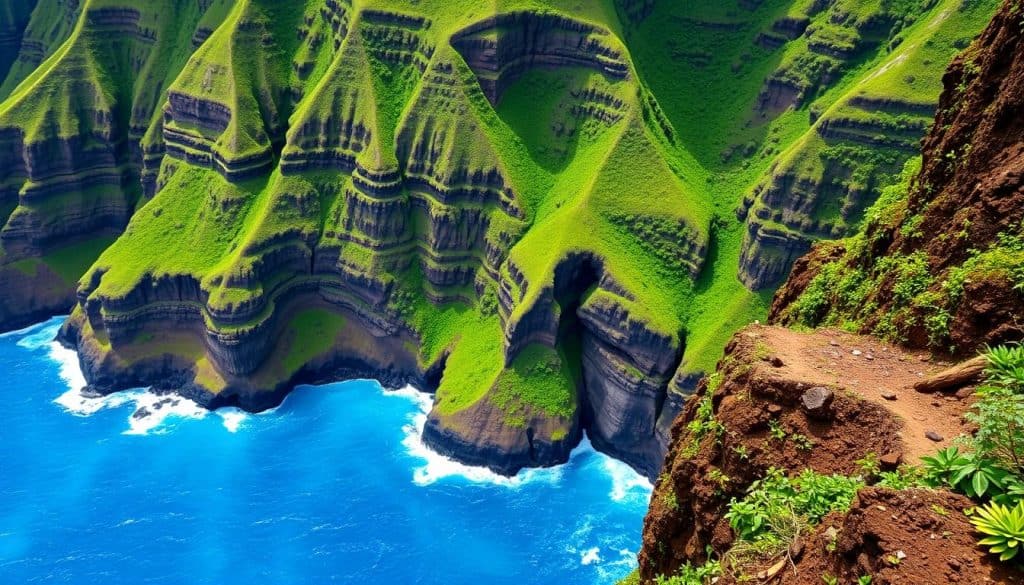
Both the Jordan Trail and the Kalalau Trail demonstrate how different landscapes create entirely different hiking experiences. From the silence and vastness of desert hiking to the constant sound of waves and lush vegetation of coastal paths, each offers a unique adventure.
Cultural Immersion Hikes
The world’s most rewarding hikes often blend physical adventure with deep cultural experiences. Imagine walking in the footsteps of ancient pilgrims, emperors, and samurai, or trekking through landscapes that have been untouched for centuries.
The Kumano Kodo: Japan’s Ancient Pilgrimage
Japan’s Kumano Kodo is a network of ancient pilgrimage routes that span the Kii Peninsula, south of Osaka. This series of five interlinked trails follows the paths taken by pilgrims visiting sacred sites, such as the Kumano Sanzan. The Nakahechi Trail, part of this network, is particularly notable as it was used by the Imperial family between the 10th and 13th centuries.
The Kumano Kodo offers more than just a hike; it provides a cultural experience that includes staying in traditional minshuku guesthouses, soaking in onsen hot springs, and visiting sacred shrines that are part of Japan’s spiritual heritage.

Colombia’s Lost City Trek: Journey to Ciudad Perdida
In contrast to the Kumano Kodo, Colombia’s Lost City Trek offers a different kind of cultural immersion experience. This challenging 4-5 day trek through the Sierra Nevada de Santa Marta mountains leads to Ciudad Perdida, ruins that predate Machu Picchu.
The trek is not just about the destination; it’s also about the journey. Hikers face physical challenges such as river crossings and steep climbs in humid conditions. Along the way, they have the opportunity to engage with indigenous Kogi communities, learning about their traditional lifestyles.
Both the Kumano Kodo and the Lost City Trek require hikers to approach with respect and openness to local customs and traditions. The reward is not just the spectacular destinations but also meaningful connections with living cultural heritage.
Challenging Multi-Day Expeditions
If you’re an avid hiker looking for your next big adventure, consider tackling one of the world’s most demanding multi-day treks. These expeditions are not for the faint of heart; they require a high level of physical fitness, mental toughness, and thorough preparation.
The GR20 in Corsica: Europe’s Toughest Trek
The GR20, known as “Europe’s Toughest Trek,” is a 112-mile hiking trail that spans the island of Corsica from north to south. On the first day, you’ll face over 1,500 meters of ascent through dense forests and maquis. As you progress, the terrain becomes increasingly challenging, with steep, rocky paths that require scrambling skills to reach the summit of Monte Cinto, Corsica’s highest mountain at 2,706 meters.
The GR20 is renowned for its relentless terrain, with over 35,000 feet of cumulative elevation gain. Hikers must be well-prepared to tackle the demanding route, carrying sufficient supplies and navigating through exposed terrain.
The Drakensberg Grand Traverse: South Africa’s Ultimate Challenge
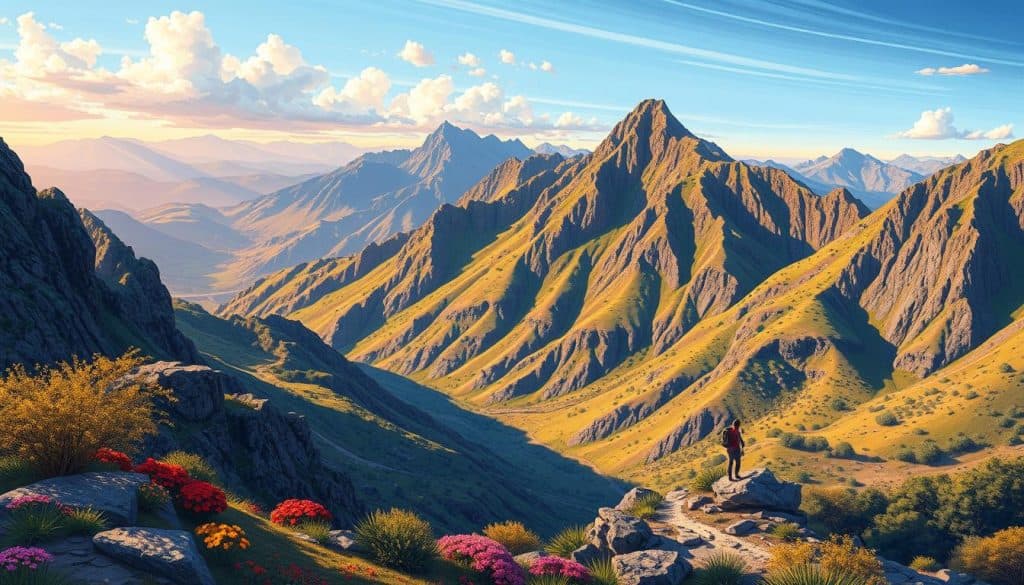
In contrast to the GR20, South Africa’s Drakensberg Grand Traverse offers a different kind of challenge. This 220km route traverses the escarpment between South Africa and Lesotho, requiring excellent navigation skills and self-sufficiency. The journey involves crossing 34 ridgelines and climbing six major peaks above 3,000 meters, with sections featuring exposed chain ladders and river crossings.
Hikers on the Drakensberg Grand Traverse must be prepared for unpredictable mountain weather and challenging terrain. The experience is rewarding for those with the necessary skills and determination.
Both the GR20 and the Drakensberg Grand Traverse are expeditions that demand serious preparation and previous mountain experience. They’re not suitable for beginners but offer profound rewards for those who are well-prepared to take on the challenge.
Winter Wonderland Hikes
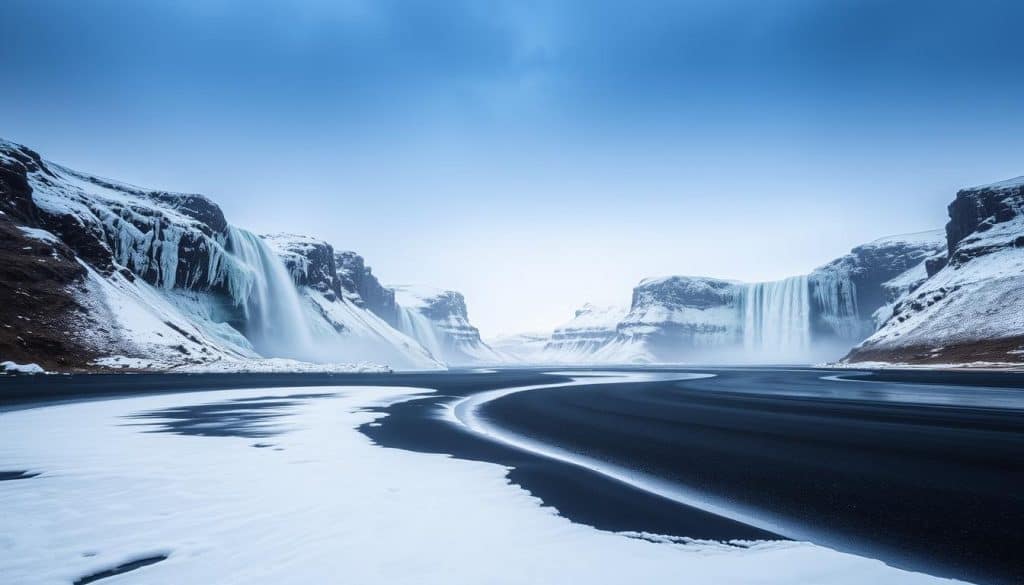
For those who dare to venture out in the cold, winter hiking offers a unique and unforgettable adventure. The snow-covered landscapes and frozen waterfalls create a magical atmosphere that’s hard to find during other times of the year.
Iceland’s Winter Landscapes
Iceland in winter is a treat for hikers, with its otherworldly landscapes offering a truly unique experience. The black sand beaches, covered in a layer of white snow, contrast beautifully with the frozen waterfalls and blue ice caves. You might even catch a glimpse of the northern lights dancing overhead.
While long-distance hiking might be challenging in Iceland during winter, there are numerous day hikes that you can enjoy. These hikes can be combined with visits to geothermal hot springs, providing the perfect way to warm up after a day in the snow.
Norway’s Trolltunga
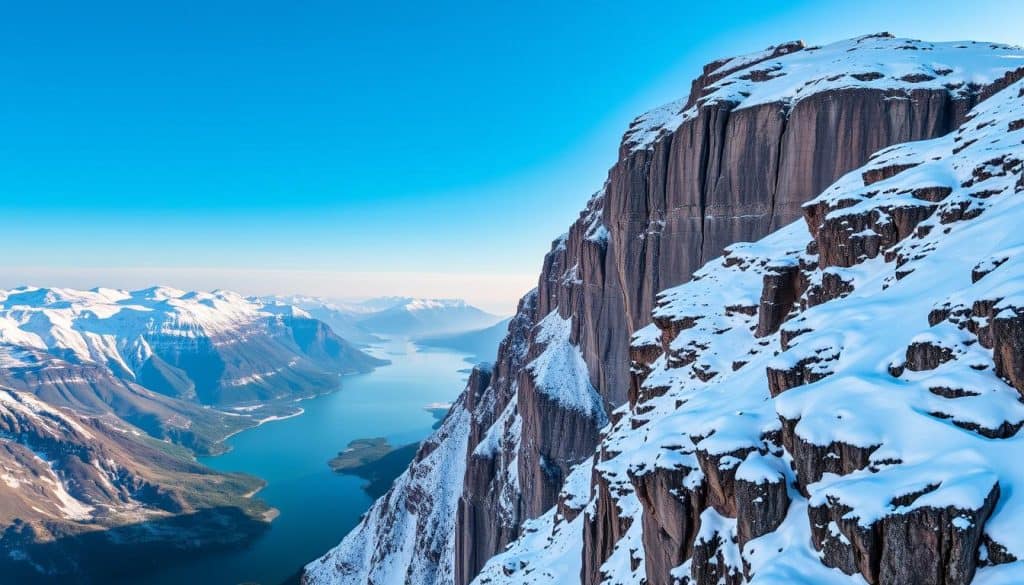
Norway’s Trolltunga hike is a challenging but accessible day hike that leads to one of Europe’s most dramatic rock formations. The hike is about 17 miles round trip and takes you through beautiful Norwegian landscapes. In winter, the hike offers a serene and peaceful experience, with snow-covered views and fewer crowds.
The Trolltunga rock formation juts 700 meters above Lake Ringedalsvatnet, providing breathtaking views. The winter version of this hike is particularly special, with the snow adding an extra layer of beauty to the already stunning scenery.
Winter hiking requires additional preparation and safety considerations. Proper layering, traction devices for boots, navigation tools, and awareness of shorter daylight hours are essential for a safe and enjoyable experience.
Lesser-Known Gems Worth Discovering
For hikers seeking adventure beyond the beaten path, there are numerous hidden gems waiting to be discovered. While famous trails like the Appalachian Trail or the Tour du Mont Blanc are well-trodden and breathtaking, lesser-known routes offer a chance to experience the world’s most beautiful landscapes with fewer crowds.
The Transcaucasian Trail: Where Europe Meets Asia
The Transcaucasian Trail is a long-distance hiking route that spans over 1,864 miles, following the spine of the Greater and Lesser Caucasus mountain range. Although it’s not yet possible to hike the entire trail, a recommended ten-day section through Georgia’s Upper Svaneti region offers an unforgettable experience. This section takes you over five major mountain passes, through dense forests, and past glaciated peaks of the Caucasus.
The Markha Valley Trek: India’s Hidden Himalayan Treasure
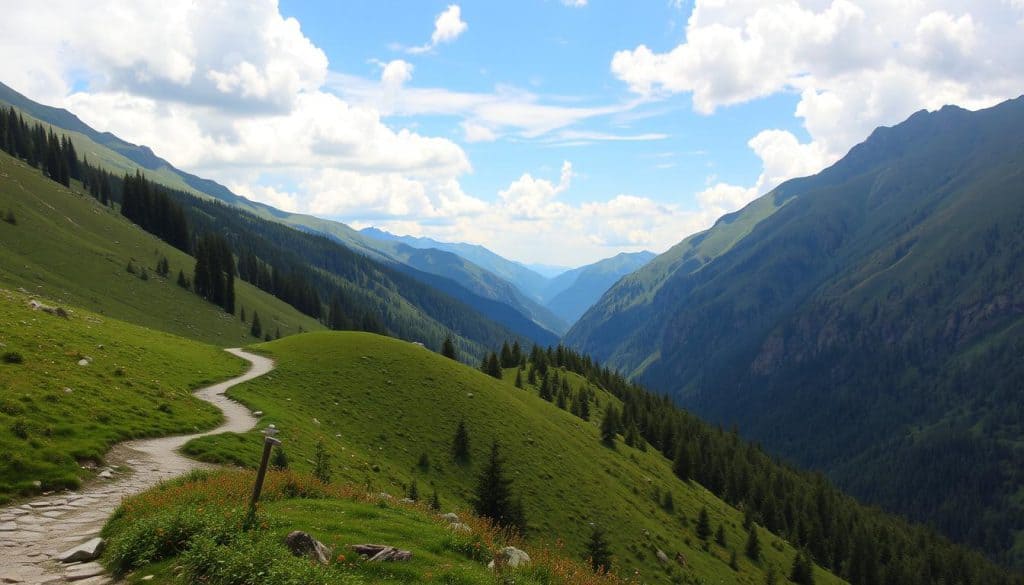
For a completely different trekking experience, the Markha Valley Trek in India’s Ladakh region is a must-consider. This high-altitude desert trek combines dramatic arid landscapes with Tibetan Buddhist culture, offering a unique blend of natural beauty and cultural immersion. The trail takes you through traditional villages, ancient monasteries, and stunning views of the surrounding mountains, making for an adventure that’s both challenging and rewarding.
Image of the Markha Valley Trek in Ladakh, India
Both the Transcaucasian Trail and the Markha Valley Trek offer hiking experiences that are rich in cultural insights and natural beauty, without the crowds that often accompany more famous routes. For those looking to venture off the beaten path and enjoy a more authentic wilderness experience, these trails are definitely worth considering.
How to Prepare for World-Class Hiking Adventures
I’ve learned that preparing for epic hikes is not just about physical conditioning, but also about having the right gear and mental toughness. As you prepare for your next adventure, you’ll want to consider several key factors to ensure a successful and enjoyable experience.
Essential Gear for Epic Hikes
When it comes to hiking gear, a few essential items can make all the difference. First and foremost, you’ll need proper footwear – well-broken-in hiking boots or trail runners that are suitable for the terrain you’ll be encountering. A reliable water purification system, such as the Grayl Geopress, is also crucial, allowing you to safely drink from natural sources without carrying excessive water weight.
Beyond the basics, successful hikers carefully select clothing for layering, navigation tools (both digital and analog), first aid supplies, and emergency communication devices appropriate for their destination.
Physical and Mental Preparation
Physical preparation should begin months before ambitious hikes, with a progressive training program that builds cardiovascular endurance, leg strength, and core stability. It’s also essential to gradually introduce loaded packs and varied terrain to your training regimen.
Mental preparation is equally important. Developing resilience for challenging conditions, practicing navigation skills, researching your route thoroughly, and setting realistic expectations about daily distances and difficulties will all contribute to a successful adventure.
By focusing on both the physical and mental aspects of preparation, you’ll be well-equipped to handle the challenges that come with world-class hiking adventures.
Responsible Hiking: Preserving the World’s Greatest Trails
The increasing popularity of hiking globally necessitates a deeper look into responsible hiking practices. As we venture into the world’s most breathtaking landscapes, it’s essential to consider our impact on these fragile environments.
To preserve the natural beauty and cultural heritage of hiking trails, we must adopt practices that minimize our footprint. This begins with understanding and implementing the principles of Leave No Trace.
Leave No Trace Principles
Leave No Trace principles form the foundation of ethical hiking. These include planning ahead, staying on designated trails, proper waste disposal, minimizing campfire impacts, respecting wildlife, and leaving natural features undisturbed. For instance, proper waste disposal is crucial, especially when it comes to managing water sources. Avoid contaminating natural water sources with soaps or sunscreen, and ensure you dispose of dishwater properly.
- Plan ahead and prepare to minimize your impact.
- Stay on designated trails to avoid erosion.
- Properly dispose of waste, including carrying out all trash.
Many popular hiking destinations now implement permit systems and visitor limitations. While these measures can be frustrating for hikers, they are essential for maintaining trail quality and wilderness experiences.
Supporting Local Communities
Supporting local communities is equally important for sustainable hiking. This can be achieved by hiring local guides when appropriate, staying in locally-owned accommodations, and purchasing supplies from community businesses. By doing so, we not only enhance our experience but also contribute to the local economy.
For example, when planning a hike in a national park, consider exploring guided tours that support local communities. This approach ensures that your adventure is both memorable and responsible.
By embracing responsible hiking practices, we can enjoy the world’s greatest trails while preserving them for future generations. Let’s take the first step towards sustainable hiking by making conscious choices during our days on the trails.
Conclusion: Finding Your Perfect Trail
As we conclude our journey through the world’s most spectacular hikes, it’s clear that the perfect trail is a personal discovery. The question “What is the #1 hike in the world?” ultimately has no definitive answer, as the ideal trek depends on your personal interests, physical abilities, available time, and what you value most in a hiking experience.
While Everest Base Camp may be considered the consensus champion among experts for its cultural significance, dramatic landscapes, and the allure of the world’s highest peak, your personal #1 might be entirely different. It’s essential to consider what aspects of hiking matter most to you – is it reaching dramatic viewpoints, immersing in different cultures, challenging your physical limits, or finding solitude in pristine wilderness?
Use this guide as a starting point rather than a definitive list. Research thoroughly, connect with experienced hikers who share your interests, and consider working with local guides who can enhance your understanding and safety. Sometimes, the less famous trails offer the most rewarding experiences, so don’t overlook regional hikes or developing trail networks that might perfectly match your hiking preferences without the crowds of famous routes.
Whatever trail you choose, approach it with respect for the natural environment, local communities, and your own limitations. The best hike in the world is one that leaves you changed for the better while preserving what makes these special places worth visiting. As you plan your next adventure, remember that the hiking world offers endless possibilities – from day hikes to multi-month expeditions, desert landscapes to mountain peaks, cultural journeys to wilderness challenges – your perfect trail is waiting to be discovered.
By embracing the diversity of landscapes and experiences available, you’ll not only find your ideal hike but also create lasting memories. Whether you’re drawn to the top viewpoints, the challenge of reaching a peak, or the serenity of a secluded trail, the world has something to offer every kind of hiker.
FAQ
What makes a hike considered the #1 hike globally?
The #1 hike is often subjective, but factors like scenic beauty, challenging terrain, and cultural significance contribute to its ranking. Experts consider various trails, including those in national parks and mountain ranges.
Is the Everest Base Camp trek the most popular hike worldwide?
Yes, the Everest Base Camp trek is a highly sought-after adventure, attracting many hikers due to its proximity to the highest mountain in the world and breathtaking Himalayan landscapes.
Are there other notable hikes besides the Everest Base Camp trek?
Absolutely, other renowned hikes include the Inca Trail to Machu Picchu, the Tour du Mont Blanc, and the Annapurna Sanctuary Trek, each offering unique experiences and stunning views.
How do I prepare for a multi-day hiking expedition?
Preparation involves physical training, acquiring essential gear, and understanding Leave No Trace principles to minimize your impact on the environment and local ecosystems.
Can I hike solo, or is it recommended to join a guided tour?
While solo hiking is possible, joining a guided tour can enhance your experience, especially on challenging trails, by providing local insights and logistical support.
What are some of the most breathtaking hiking trails in South America?
South America boasts incredible trails like the Inca Trail and the Torres del Paine W-Trek, offering a mix of history, culture, and spectacular landscapes.
How can I ensure my hike is environmentally responsible?
By following Leave No Trace principles and supporting local communities, you can minimize your environmental footprint and contribute to the preservation of hiking trails.