
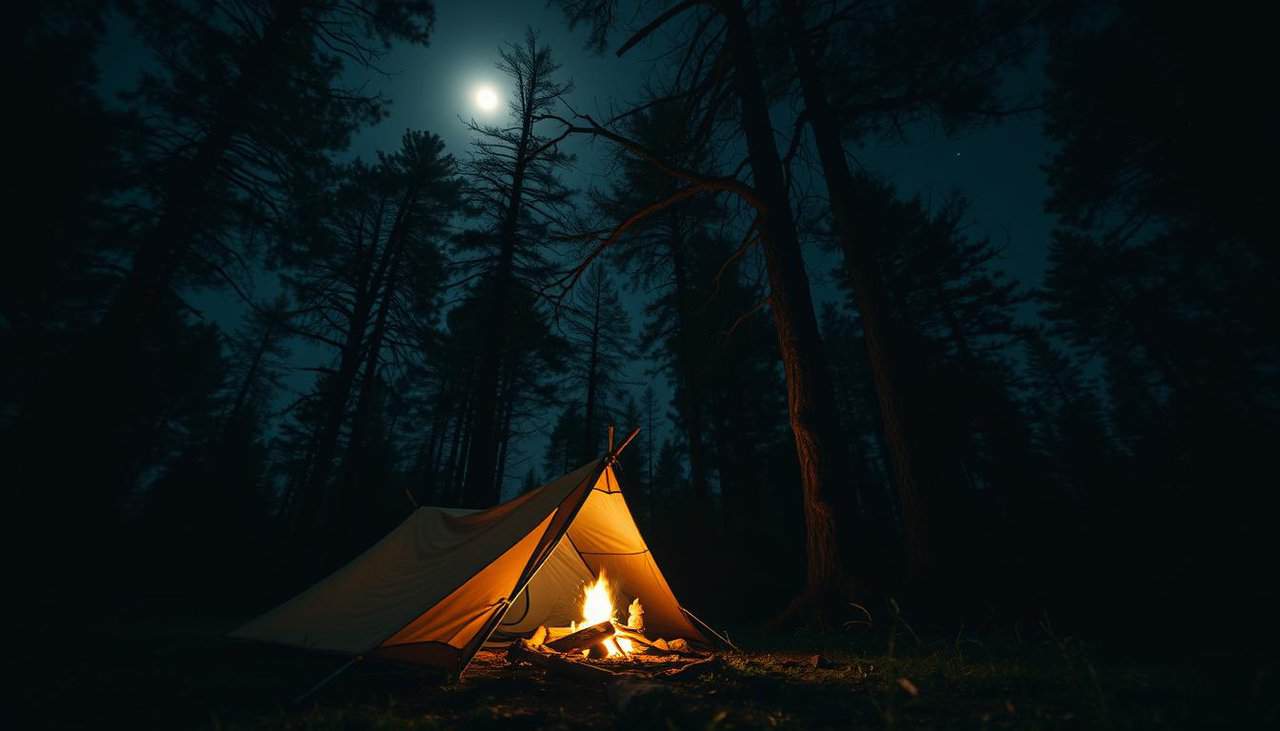
Did you know that over 13 million people in the United States go camping each year, with many opting for the freedom of wild camping? Wild camping is about stripping camping back to its essentials: you, your gear, and nature. It’s about pitching your tent on a mountainside or stringing up your hammock in a secluded spot under the stars.
As someone who’s experienced the thrill of sleeping under the open sky, I can attest to its allure. However, it’s crucial to understand the potential consequences of being caught camping on unauthorized land, especially during the night. In this article, I’ll explore the legal implications and practical considerations for outdoor enthusiasts.
Key Takeaways
- Understanding the legal status of wild camping across different states in the U.S.
- Practical tips on how to minimize the risk of being caught while wild camping
- What to do if you’re confronted by authorities or landowners
- The importance of being prepared and knowledgeable about wild camping regulations
- Techniques for enjoying the wilderness responsibly
Understanding Wild Camping and Its Legal Status
For many outdoor enthusiasts, wild camping is a cherished experience, but understanding its legal implications is crucial. As someone who’s spent countless nights under the stars, I can attest to the allure of sleeping outside in nature’s embrace.
What Exactly Is Wild Camping?
Wild camping, also referred to as stealth camping or free camping, is the practice of setting up camp outside of designated campgrounds. This means finding a secluded spot in the wilderness, away from the crowds and facilities of established campsites. The appeal of wild camping lies in its freedom, connection with nature, and sense of adventure.
The Legal Gray Area of Wild Camping
The legal status of wild camping varies significantly across different jurisdictions. Unlike some countries with “right to roam” laws, the United States generally doesn’t have explicit provisions for wild camping on most lands. This creates a confusing patchwork of regulations that campers must navigate. Understanding the distinction between public lands, where dispersed camping may be permitted, and private property, where it’s generally prohibited, is essential for responsible wild campers.
It’s also important to note that enforcement of camping regulations can vary widely depending on location, circumstances, and the discretion of authorities. As a guide, it’s crucial to research and understand the local laws and regulations regarding wild camping legal status before setting up camp.
Wild Camping Laws Across the United States
Wild camping in the U.S. is subject to a myriad of regulations that vary significantly across different regions and types of land. Understanding these laws is crucial for a hassle-free camping experience.
National Parks and Federal Lands
National Parks have strict camping regulations, requiring designated campgrounds and backcountry permits. Unauthorized camping can lead to significant fines. Many National Forests and Bureau of Land Management (BLM) areas allow “dispersed camping” or “boondocking” with specific guidelines.
| Land Type | Camping Regulations |
|---|---|
| National Parks | Designated campgrounds and backcountry permits required |
| National Forests and BLM Areas | Dispersed camping allowed with specific guidelines |
| State Parks | Varying regulations; some allow primitive camping |
State and Local Regulations
State parks and local jurisdictions have varying regulations; some allow primitive camping while others prohibit it outside designated areas. It’s essential to research the specific laws for your intended camping location.
Private Property Considerations
Private property considerations are crucial as much of the land in many states is privately owned, making unauthorized camping a form of trespassing. Always obtain permission from landowners before setting up camp.
What Happens If You’re Caught Wild Camping?
Understanding the potential consequences of wild camping is crucial to avoiding unwanted run-ins with law enforcement or landowners. If you’re caught, the outcome largely depends on where you are and who catches you.
Potential Consequences on Public Land
On public lands, the consequences can range from a verbal warning to a formal citation and fine, depending on the specific regulations of the area and the discretion of rangers or law enforcement. For instance, you might be asked to move to a designated campsite or leave the area altogether.
- Consequences can vary widely based on the jurisdiction and the impact of your camp on the environment.
- Financial penalties for unauthorized camping can range from nominal fees to hundreds of dollars.
Consequences on Private Property
If you’re caught wild camping on private land, you’ll likely be asked to move on immediately by the landowner. Refusing to leave could escalate the situation from civil trespass to criminal trespass, potentially leading to more severe penalties, including fines or even arrest if you’ve caused damage, which could be considered a criminal offence.
- Being polite and cooperative can help de-escalate the situation.
- Understanding that trespass is initially a civil matter, unless damage is caused, can help you navigate the situation more effectively.
Is Wild Camping Considered Trespassing?
As you consider wild camping, it’s essential to grasp the concept of trespassing and its implications. Wild camping, by its nature, often involves setting up camp on land that you don’t necessarily have permission to be on. This raises important questions about whether it’s considered trespassing and what the potential consequences might be.
Civil vs. Criminal Trespass
In most U.S. states, camping on private property without permission constitutes trespassing. However, the distinction between civil and criminal trespass is crucial. Civil trespass typically allows the landowner to ask you to leave and potentially sue for damages. On the other hand, criminal trespass can result in arrest. For instance, if you’re directed to leave by the landowner or someone acting on their behalf and you refuse, you may be committing a criminal offense.
When Trespassing Becomes a More Serious Offense
Trespassing can become a more serious offense under certain circumstances. These include ignoring posted “No Trespassing” signs, breaking barriers to entry, or returning after being warned. Additional factors that can escalate trespassing charges include causing property damage, lighting fires in unauthorized areas, or camping during high fire danger periods. For more detailed information on the legality of wild camping, you can visit this resource.
Understanding the legal framework around trespassing is vital for wild campers to assess the potential risks and consequences of their chosen camping locations. Some states have specific laws addressing recreational trespassing, which may apply differently to campers than to other types of trespassers.
- The legal classification of wild camping on land without permission varies by context.
- Civil trespass is generally treated differently than criminal trespass.
- Specific actions can escalate trespassing from a civil to a criminal offense.
How to Respond If Confronted While Wild Camping
I’ve learned that knowing how to respond when confronted while wild camping can make all the difference. Whether you’re dealing with a landowner, park ranger, or law enforcement, being prepared can help you navigate the situation effectively.
Dealing with Landowners
If a landowner confronts you, remain calm and respectful. Apologize for any inconvenience and offer to leave immediately. It’s essential to respect their property rights and avoid becoming defensive or argumentative.
Interacting with Park Rangers or Law Enforcement
When interacting with authorities, be cooperative and honest about your wild camping activities. Provide identification if requested and understand that they’re enforcing regulations to protect the environment and public safety.
De-escalation Techniques
Effective de-escalation involves maintaining a non-threatening posture, speaking calmly, and acknowledging concerns. Avoid making excuses or claiming ignorance of the law, as this can escalate the situation.
Here’s a summary of key actions to take when confronted while camping:
| Situation | Recommended Action |
|---|---|
| Confronted by Landowner | Apologize and leave immediately |
| Approached by Authorities | Be cooperative and honest |
| Escalating Situation | Use de-escalation techniques |
By being prepared and knowing how to respond, you can minimize potential issues and ensure a more enjoyable camping experience. Always have a backup plan and be willing to adapt to changing circumstances.
Stealth Camping: How to Avoid Being Discovered
Stealth camping is an art that requires careful planning and execution to remain undetected. As wild campers, we’ve all been there – wanting to enjoy the great outdoors without drawing attention to ourselves. The key to successful stealth camping lies in understanding the principles of low-impact camping and applying them effectively.
Choosing the Right Location
Selecting the right spot is crucial for stealth camping. Look for naturally concealed areas away from trails, roads, and populated zones. Ensure you’re not in an ecologically sensitive area. A good camping spot balances seclusion with safety.
Setting Up Camp Discreetly
Setting up camp discreetly involves using natural terrain features for concealment. Keep noise to a minimum and use equipment in muted colors that blend with the environment. Avoiding campfires and using minimal lighting at night are also essential practices.
Timing Your Arrival and Departure
Timing is everything. Arriving at your camping spot near dusk and departing early in the morning reduces the likelihood of being noticed. Understanding typical patrol patterns of rangers or security personnel can also help you choose less likely locations to be checked.
| Stealth Camping Tips | Description |
|---|---|
| Choose Concealed Areas | Look for natural hiding spots away from trails and roads. |
| Minimize Noise and Light | Keep noise and lighting to a minimum to avoid detection. |
| Time Your Camping | Arrive at dusk and leave by early morning. |

Essential Gear for Inconspicuous Wild Camping
The key to a successful wild camping experience lies in choosing gear that blends into the natural surroundings. When I’m out in the wilderness, I always look for equipment that helps me remain unnoticed.
Low-Visibility Tents and Equipment
One of the most critical pieces of gear for wild camping is a tent that doesn’t stand out. I recommend opting for tents in earth tones such as greens, browns, or grays, as they blend better with the environment than bright colors. Additionally, consider the reflective properties of your equipment; many modern tents have highly reflective elements that can catch headlights or flashlights from a distance. To minimize visibility, I suggest replacing guy lines with non-reflective ones and removing any shiny labels from the outside of your tent.
- Choose low-visibility tents in natural shades.
- Consider alternatives like bivvy bags or hammocks with rain flies.
Minimizing Your Camping Footprint
Minimizing your camping footprint is not just about the gear you choose, but also how you use it. When setting up camp, avoid creating visible paths to your site, disperse your weight to prevent impressions in vegetation, and manage your waste carefully. Ultralight and compact gear not only makes carrying easier but also reduces your visual impact on the landscape. By being mindful of these factors, you can enjoy wild camping while respecting the environment.
The Leave No Trace Principles for Wild Campers
Embracing the Leave No Trace principles is not just about being a responsible wild camper, but also about ensuring that these areas remain pristine for future generations. As a wild camper, you’re part of a community that values the great outdoors and understands the importance of preserving it.
Environmental Responsibility
Environmental responsibility is a cornerstone of wild camping. This means camping on durable surfaces that can withstand the impact of your tent and camping activities. Avoid creating new campsites in pristine areas, as this can cause irreversible damage to the environment. Properly managing human waste is also crucial; this can be achieved through the use of catholes or pack-out methods. By taking these steps, you help preserve the natural beauty of the area.
- Camp on durable surfaces to minimize environmental impact.
- Avoid creating new campsites in untouched areas.
- Manage human waste effectively through catholes or pack-out methods.
Respecting Wildlife and Nature
Respecting wildlife and nature is equally important. This involves minimizing noise pollution, avoiding damage to plants, and not disturbing wildlife. It’s also crucial to leave natural objects and cultural artifacts where you find them, as removing them can disrupt the natural balance. By respecting nature, you ensure that the wild remains wild and untouched for others to enjoy.
- Minimize noise to avoid disturbing wildlife and other campers.
- Leave natural objects and cultural artifacts untouched.
- Avoid damaging plants and disturbing wildlife habitats.
Alternatives to Unauthorized Wild Camping
For those who want to avoid the risks associated with unauthorized wild camping, there are several legal alternatives worth exploring. While seeking permission from landowners is ideal, it can be challenging due to the difficulty in identifying land ownership and the unpredictable nature of wild camping.
Dispersed Camping on Public Lands
Dispersed camping, also known as primitive camping or boondocking, is allowed on many public lands, such as National Forests and Bureau of Land Management (BLM) areas. These lands often have specific regulations, including staying at least 100-200 feet away from water sources and limiting stays to 14 days. State and national forests are good alternatives for those seeking a wild camping experience, as they often have more flexible camping policies than national parks.
Obtaining Permission from Landowners
Obtaining permission from private landowners is another viable option. Apps and websites like Hipcamp, Harvest Hosts, and Boondockers Welcome connect campers with landowners willing to allow camping, sometimes for free or a small fee. Joining conservation organizations or volunteering for land management agencies can also provide access to special camping opportunities.
Wild Camping Safety Considerations
As you prepare for your wild camping adventure, understanding the safety considerations is crucial for a safe and enjoyable trip. Wild camping involves venturing into remote areas, often far from assistance and facilities, making safety a paramount concern.
Personal Safety Precautions
Personal safety begins with thorough planning. Research your destination to understand potential hazards such as wildlife encounters, extreme weather conditions, and challenging terrains. It’s also crucial to share your itinerary with a trusted contact.
When camping alone, trust your instincts about the safety of a location. If a spot feels unsafe, it’s better to find an alternative. Make sure you have a rough idea of where you’re going and map out your route.
Emergency Preparedness
Being prepared for emergencies is vital. Carry essential survival items like a first aid kit, emergency shelter, water purification method, and a reliable communication device. Knowing how to signal for help in areas without cell service is also important.
Carrying identification and emergency contact information can be lifesaving, especially in unauthorized camping areas. Understanding how to navigate and being prepared to self-rescue or spend additional time in the wilderness are key mindsets for wild campers.
Real-Life Experiences: Stories from Wild Campers
The thrill of wild camping is often accompanied by the fear of being caught, a sentiment shared by many experienced campers. Even seasoned wild campers with thousands of nights under their belt sometimes feel anxious about being discovered.
Positive Encounters
Many wild campers have reported positive experiences when they practiced good etiquette. Landowners or rangers often simply check that they’re safe rather than enforcing strict rules. Some have even received unexpected hospitality, with confrontations turning into sharing of local knowledge or invitations to better camping spots.
Lessons Learned from Negative Experiences
Not all experiences are positive, however. Some campers have been asked to move in the middle of the night or received citations. These encounters highlight the importance of a camper’s attitude and approach. Respectful communication frequently leads to more favorable outcomes. By learning from these experiences, new wild campers can gain valuable insights into location selection, timing, and interaction strategies.
Conclusion
As we wrap up our guide on wild camping, it’s clear that this adventure requires a mix of preparation and respect for nature. Wild camping offers unique rewards, including solitude and a deep connection with the natural world, but it also comes with responsibilities.
To camp successfully, one must be prepared to seek landowner permission when necessary, choose camping spot wisely, and follow Leave No Trace principles. For those who find the legal ambiguities challenging, alternatives like dispersed camping on public lands are available.
Approach wild camping with a sense of adventure and a commitment to responsibility, respecting both the natural environment and the communities near your campsite. By doing so, we can ensure that this freedom is preserved for future generations of outdoor enthusiasts.
FAQ
Is wild camping allowed in national parks?
It depends on the specific national park and its regulations. Some national parks allow dispersed camping in designated areas, while others may prohibit it entirely.
Can I be fined for wild camping on private land?
Yes, you can be fined for trespassing on private property. Landowners have the right to prosecute individuals who camp on their land without permission.
How can I avoid being caught while wild camping?
To minimize the risk of being caught, choose a secluded spot, set up camp discreetly, and avoid staying in one place for too long. Be mindful of your surroundings and keep a low profile.
What should I do if I’m confronted by a landowner while wild camping?
If confronted by a landowner, remain calm and respectful. Apologize for any inconvenience and be prepared to leave the area immediately. It’s also a good idea to have a plan for alternative accommodations.
Are there any alternatives to unauthorized wild camping?
Yes, consider dispersed camping on public lands or obtaining permission from landowners to camp on their property. These options can provide a more secure and enjoyable wild camping experience.
What are the Leave No Trace principles, and how can they be applied to wild camping?
The Leave No Trace principles emphasize environmental responsibility and respect for nature. When wild camping, be sure to pack out all trash, minimize campfire impacts, and avoid damaging vegetation or wildlife habitats.
Can I use my regular camping gear for stealth camping?
For stealth camping, it’s best to use low-visibility tents and equipment to minimize your visibility. Consider using gear that’s designed for backpacking or ultralight camping to reduce your footprint.
How can I prepare for emergencies while wild camping?
To prepare for emergencies, bring essential safety gear, such as a first aid kit, a map, and a means of communication. Let someone know your itinerary and expected return time, and be prepared to respond to changing weather conditions.