

I’ve always been fascinated by who’s hitting the trails across America. Recently, I stumbled upon a striking fact: hiking is America’s most popular outdoor activity, with a staggering 59.6 million people embracing it.
This got me thinking – who are these hikers and what does their demographic look like? The common perception is that the hiking community is predominantly white, but is that still true?
As we explore the demographics of hiking, we’re not just looking at numbers; we’re understanding who has access to nature and how outdoor recreation reflects broader social patterns.
Key Takeaways
- Hiking is the most popular outdoor activity in the U.S.
- The total U.S. hiking population reached 59.6 million people.
- Demographic analysis reveals diverse participation across ethnic groups.
- Access to nature and trail welcome vary across different communities.
- Outdoor recreation reflects broader social patterns and cultural influences.
Current Hiking Demographics in the United States
The demographics of hiking in the United States are undergoing a significant transformation as more diverse groups join the outdoor community. This shift is reflected in the growing number of people from various ethnic backgrounds and identities who are now participating in hiking and other outdoor activities.
Hiking Popularity Across America
Hiking has become an increasingly popular activity across the United States, with a growing number of people seeking out trails and outdoor spaces. As 61% of the LGBTQIA+ community—approximately 18 million people—engaged in outdoor activities last year, it’s clear that hiking is appealing to a wide range of people. The overall share of people participating in outdoor activities grew by 2.3%, indicating a positive trend in the way people are engaging with nature.
The growth in hiking’s popularity can be attributed to various factors, including the desire for safe ways to exercise and socialize, particularly during the COVID-19 pandemic. As people looked for ways to stay active and connected, hiking emerged as an attractive option.
Participation Rates by Ethnicity
While the overall trend shows an increase in outdoor participation, different ethnic groups are joining the hiking community at varying rates. The data suggests that the hiking community is becoming more diverse, with participation growing across multiple demographic groups. As the outdoor industry continues to evolve, understanding these participation rates is crucial for promoting inclusivity.
According to recent trends, the hiking community is not only growing but also becoming more diverse, with people from different ethnic backgrounds and identities participating in hiking activities. This diversity is a positive sign for the future of outdoor recreation.
Recent Growth Trends in Hiking
The recent surge in hiking’s popularity coincides with the pandemic-era increase in outdoor recreation. As people sought safe ways to exercise and socialize, hiking became an attractive option. Social media platforms like Instagram and TikTok have also played a significant role in promoting hiking by showcasing diverse hikers and beautiful trails, helping to break down stereotypes about who belongs in outdoor spaces.
“The great outdoors is for everyone, and it’s wonderful to see more diverse groups enjoying nature and exploring new trails.”
As the hiking community continues to grow and diversify, it’s essential to recognize the factors driving this trend and to support initiatives that promote inclusivity and accessibility in outdoor recreation.
What Ethnicity Hikes the Most? The Data Revealed
Delving into the data, we uncover the ethnicity that hikes the most in America’s diverse landscape. The United States is home to a vast array of natural beauty, from the Appalachian Mountains to the Grand Canyon. But when it comes to hiking, which ethnic group is most represented?
Outdoor Industry Association Survey Results
The Outdoor Industry Association has conducted extensive research on outdoor recreation participation, including hiking. Their survey results provide valuable insights into the demographics of hikers across the country. According to their findings, there’s a significant disparity in hiking participation among different ethnic groups.
Understanding these disparities is crucial for promoting diversity and inclusion in outdoor activities. By examining the data, we can identify trends and patterns that shed light on the issue. For instance, the survey reveals that certain ethnic groups are underrepresented among hikers, which has implications for outdoor enthusiasts, park administrators, and advocacy groups.
National Park Visitation Demographics
National Park visitation data provides another important metric for understanding which ethnicity hikes the most in America’s most iconic natural spaces. The statistics reveal a significant disparity: while minorities make up about 42% of the U.S. population, they represent only 23% of National Park visitors.
- White Americans make up 77% of National Park visitors, suggesting they are proportionally the ethnic group most likely to visit these premier hiking destinations.
- This disparity is even more pronounced in certain parks, particularly those in remote locations that require significant travel resources to access.
- Understanding these visitation patterns helps park administrators and advocacy groups develop strategies to make these public lands more welcoming and accessible to all Americans.
By analyzing the data and understanding the demographics of hikers and National Park visitors, we can work towards creating a more inclusive outdoor environment. This involves recognizing the historical, cultural, and economic factors that influence participation in hiking and other outdoor activities.
Long-Distance Hiking and Racial Disparities
As we explore the demographics of long-distance hiking, a clear picture emerges of racial disparities that warrant closer examination. Long-distance hiking trails, such as the Appalachian Trail and those that make up the Triple Crown, are iconic routes that challenge and inspire hikers from across the country.
The experience of hikers on these trails varies greatly, with people from different racial backgrounds facing unique challenges. The data on hiker demographics reveals a significant imbalance in representation, particularly among Black hikers.
Appalachian Trail Demographics
The Appalachian Trail, one of the most renowned long-distance hiking trails in the United States, attracts thousands of hikers each year. However, the demographics of thru-hikers show a notable lack of diversity. While exact figures can vary, it’s clear that the trail is predominantly hiked by white hikers.
A closer look at the data reveals that the experience of hikers on the Appalachian Trail is not representative of the broader population. The trail’s demographics highlight the need for greater inclusivity and diversity in long-distance hiking.
Triple Crown Hiking Statistics
The Triple Crown of Hiking, which involves completing the Appalachian Trail, Pacific Crest Trail, and Continental Divide Trail, represents the pinnacle of long-distance hiking achievement. The demographics of Triple Crown hikers are even more skewed than those of individual trails.
- The achievement of Will “Akuna” Robinson, the first African American man to complete the Triple Crown, highlights the rarity of Black participation in this elite hiking achievement.
- Elsye “Chardonnay” Walker became the first African American of any gender to complete the Triple Crown, breaking barriers and challenging stereotypes about who belongs on America’s long trails.
- The extreme underrepresentation of people of color among Triple Crown hikers reflects systemic barriers, including economic factors, cultural perceptions, and concerns about safety in remote areas.
These trailblazers’ experiences demonstrate both the challenges faced by hikers of color on long-distance trails and the changing face of elite hiking accomplishments. As the hiking community continues to evolve, it’s essential to address the disparities in representation and work towards a more inclusive environment for hikers of all backgrounds.
The Historical Context of Outdoor Recreation
To comprehend why certain ethnic groups are underrepresented in hiking, we must examine the historical context of outdoor recreation. The way people interact with nature is not just a matter of personal preference but is deeply influenced by historical events, cultural traditions, and societal factors.
Land Access and Historical Barriers
Historically, access to land and outdoor spaces has been unevenly distributed across different communities. For many years, people of color faced significant barriers to accessing natural areas. As Angela Banks recalls, “The way I was brought up, it was, don’t go into the woods because you could get lynched.” This statement highlights the fear and danger that many Black Americans faced when venturing into rural or wilderness areas.
Such warnings were not unfounded; they were based on a history of violence and intimidation. The legacy of lynching and other forms of racial violence created a culture of fear around entering the woods, particularly for Black people. This historical context has contributed to a lasting impact on the participation of minority groups in outdoor activities like hiking.
The Great Migration’s Impact on Outdoor Activities
The Great Migration of Black Americans from rural areas to urban centers during the early 20th century fundamentally altered the relationship between Black Americans and outdoor recreation. As families moved to cities, their recreational patterns and cultural priorities shifted. City parks and organized sports became more common spaces for leisure and community gathering, replacing the woods and fields.
This migration coincided with the formalization of America’s outdoor recreation system, including the establishment of National Parks and long-distance trails. However, these developments occurred largely without input from communities of color, further marginalizing their presence in outdoor activities.
The intergenerational trauma and family warnings about the dangers of “going into the woods” have created lasting psychological barriers. These factors continue to influence outdoor participation rates among Black Americans and other groups with histories of experiencing violence in rural settings.
“The Great Migration fundamentally altered the relationship between Black Americans and outdoor recreation, creating cultural patterns that continue to influence hiking participation today.”
Understanding these historical contexts is crucial for addressing the current disparities in hiking demographics. By acknowledging the complex factors that have shaped outdoor recreation, we can begin to develop strategies to make hiking more inclusive and accessible to people from all backgrounds.
Cultural Factors Influencing Hiking Participation
The decision to go hiking is often influenced by more than just personal preference; it’s deeply rooted in cultural background and upbringing. As someone who has experienced the joy of hiking, I can attest that it’s not just about the act itself, but also about the cultural context that shapes our perceptions of outdoor activities.
When considering why certain groups are more represented in hiking than others, it’s essential to examine the role of family traditions and outdoor exposure. For many, hiking is a family activity passed down through generations, creating a lifelong appreciation for nature and outdoor adventures. However, the way families engage with the outdoors can vary significantly across different cultures.
Family Traditions and Outdoor Exposure
Family traditions play a crucial role in shaping an individual’s relationship with outdoor activities like hiking. In some communities, outdoor activities are a regular part of family life, with parents introducing their children to hiking at a young age. This early exposure not only fosters a love for nature but also builds confidence in navigating trails and enjoying the outdoors. As one hiker noted, “I want to see all different types of people on a trail: people of all ages, different color, creed — you know, people from all over the world.”
This desire for diversity on trails highlights the importance of making hiking accessible and appealing to a broad range of people. By sharing stories of diverse hiking experiences and promoting inclusive outdoor activities, we can work towards creating a more welcoming environment for everyone.
Cultural Perceptions of Nature and Recreation
Cultural perceptions of nature and what constitutes “proper” recreation vary significantly across ethnic groups and influence hiking participation rates. In some cultures, outdoor recreation is centered around social gatherings like picnics and family events rather than activities like hiking that may be perceived as solitary or purposeless. The dominant image of hiking in American culture has historically been portrayed through a white, middle-class lens, potentially making it seem less relevant or accessible to other groups.
However, as hiking communities become more diverse, cultural perceptions are evolving. Many people of color are reclaiming outdoor spaces and redefining what it means to be a hiker in America today. This shift is crucial for creating a more inclusive outdoor culture that values diverse perspectives and experiences.
Economic Barriers to Hiking
While hiking offers numerous benefits, economic barriers can significantly limit access to this activity for many individuals. As someone who has experienced the joy of hiking firsthand, it’s disheartening to think that not everyone can partake in it due to financial constraints.
Hiking is more than just a leisure activity; it’s a way to connect with nature, improve mental health, and build a sense of community. However, the cost associated with hiking can be a significant deterrent. Let’s explore some of the key economic barriers that prevent people from enjoying hiking.
Initial Investment in Gear and Equipment
The initial cost of gear and equipment is one of the primary economic barriers to hiking. Hiking boots, backpacks, and other necessary gear can be expensive. For many, the cost of purchasing this equipment can be prohibitive, especially for those from lower-income backgrounds.
To make matters worse, the cost of gear is not the only expense associated with hiking. Other costs, such as transportation to and from trails, accommodations, and guided tours (if needed), can add up quickly. This can make it difficult for people to dedicate a full day to hiking, especially if they have other financial responsibilities.
- The cost of hiking gear can be a significant upfront investment.
- Additional expenses, such as transportation and accommodations, can further increase the cost.
- Financial constraints can limit access to hiking for lower-income individuals.
Transportation and Accessibility Issues
Another significant economic barrier to hiking is transportation and accessibility. Many trails are located far from urban centers, requiring private transportation to access. For people who don’t own vehicles, this can be a significant challenge.
Public transportation to trails is often limited or non-existent in many parts of the country. This makes it difficult for urban residents to access nature without a car. Furthermore, time constraints can also be a challenge, as working multiple jobs or having family care responsibilities can make it hard to dedicate a full day to hiking, especially with significant travel time required.
“I come from one of the busiest cities in the world — there are distractions everywhere and very little time to complete a productive thought,” he said. “When I’m hiking, I can set aside the hustle and bustle of New York City and take in what we humans are meant to take in: the sounds of nature. That gift frees my mind, recharges my soul, and reinforces my love of the outdoors.”
These accessibility issues help explain why urban parks and nearby nature areas show more diverse visitation patterns than remote wilderness areas and national parks. It’s essential to address these economic barriers to make hiking more inclusive and accessible to everyone.
Safety Concerns Among Different Ethnic Groups
For many hikers from different ethnic backgrounds, the thought of venturing into the woods can be intimidating due to concerns about their safety. These concerns are not just about the physical dangers present in nature, but also about how they might be perceived by others on the trail.
Real and Perceived Dangers
The experience of hikers of color is often marked by a heightened sense of awareness regarding their presence in predominantly white outdoor spaces. As one hiker recalled, “My parents always made me aware that when you get those type of looks, leave the area or stay low-key. Don’t give anyone a reason to suspect you.” This advice reflects a broader concern among people of color about being perceived as outsiders or potential threats in natural areas.
Such perceptions can lead to feelings of unease or fear, affecting their hiking experience. The real danger lies not just in potential physical harm but also in the emotional toll of being viewed with suspicion or hostility.
Strategies for Addressing Safety Concerns
In response to these challenges, many hikers of color have developed specific strategies to address safety concerns and navigate potentially uncomfortable situations on the trail. One common approach is hiking in groups, which has become increasingly popular as it provides safety in numbers and shared experiences.
Some hikers deliberately choose popular, well-traveled trails or hike during peak hours to avoid being isolated in remote areas. Others employ communication strategies, such as being extra friendly or sharing personal details that might help others feel more comfortable, to defuse potential tension.
| Strategy | Description | Benefit |
|---|---|---|
| Hiking in Groups | Joining community-based hiking organizations | Safety in numbers and shared experiences |
| Choosing Popular Trails | Deliberately selecting well-traveled trails | Avoids isolation in remote areas |
| Communication Strategies | Being extra friendly or sharing personal details | Defuses potential tension |
Technology has also become an important safety tool, with many hikers using GPS tracking apps that allow friends and family to monitor their location and check in regularly. By adopting these strategies, hikers of color can better navigate the challenges they face on the trail.
Personal Experiences: Hikers of Color Share Their Stories
For many people of color, hiking is not just about the trail; it’s about the journey of self-discovery and connection with nature. As we delve into the personal stories of hikers from diverse backgrounds, we uncover both the challenges they face and the triumphs they achieve on America’s trails.
Trailblazing Hikers Breaking Barriers
Trailblazing hikers of color are making their mark on the hiking community, breaking down barriers and paving the way for others. One such hiker is Rahawa Haile, who shared her transformative experience on the Appalachian Trail. As Haile wrote in a 2017 piece for Outside, “One of the most common sentiments one hears about the Appalachian Trail is how it restores a person’s faith in humanity.” Her story highlights the profound impact of the hiking community on individuals from diverse backgrounds.
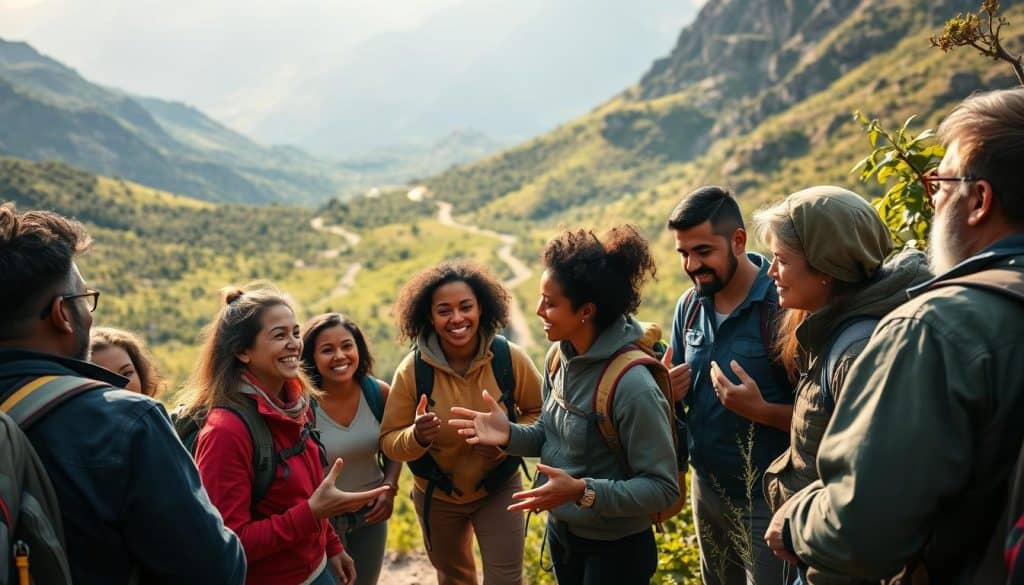
These hikers often describe a dual experience: facing occasional discrimination or discomfort while simultaneously finding deep connection, personal growth, and community on the trail. The sense of accomplishment and personal transformation gained through hiking far outweighs the challenges, leading them to become advocates encouraging others from their communities to experience the trails.
Challenges and Triumphs on the Trail
The personal stories of hikers of color reveal both significant challenges and profound triumphs experienced on America’s trails. Many report that while they faced occasional uncomfortable situations, the overwhelming majority of their interactions with fellow hikers were positive and supportive.
A closer look at the experiences of these hikers provides valuable insights into their journeys. The following table summarizes some key aspects of their stories:
| Experience | Challenges | Triumphs |
|---|---|---|
| Trail Interactions | Occasional discomfort or discrimination | Overwhelmingly positive and supportive interactions |
| Personal Growth | Stepping out of comfort zones | Deep connection, personal growth, and community |
| Community Impact | Breaking down barriers | Paving the way for others, becoming advocates |
As these hikers share their stories, it becomes clear that their experiences on the trail have a lasting impact on their lives. By sharing their challenges and triumphs, they inspire others to embark on their own hiking journeys, fostering a more inclusive and diverse hiking community.
The Urban-Rural Divide in Hiking Participation
As we explore the demographics of hiking, a clear urban-rural divide emerges, affecting people’s engagement in outdoor activities. This divide is not just about geographic location; it’s also influenced by access to trails, socioeconomic factors, and cultural perceptions of nature.
Geographic Access to Trails and Parks
One of the primary factors contributing to the urban-rural divide in hiking participation is the availability of trails and parks. Rural areas often have more abundant natural resources and trails, making it easier for residents to engage in hiking. In contrast, urban environments frequently face challenges such as limited green spaces and higher levels of pollution, which can discourage outdoor activities. Research has shown that access to natural environments is crucial for encouraging outdoor activities among diverse groups (PMC9619131).
Urban Outdoor Programs and Their Impact
Despite the challenges, various organizations are working to bridge the gap between urban environments and hiking opportunities. Programs like Outdoor Afro, Latino Outdoors, and Black Girls Trekkin’ are creating structured opportunities for urban communities to experience hiking in supportive group settings. The Appalachian Trail Conservancy’s “MyATStory” program is a notable example, where a group of inner-city students hiked every mile of the AT in New Jersey as part of their graduation requirements. These initiatives demonstrate that when barriers are addressed, interest in hiking exists across all ethnic groups and urban-rural divides.
These urban outdoor programs are making a significant impact by providing transportation, equipment, knowledge, and community support for first-time hikers. By doing so, they’re not only promoting outdoor activities but also fostering a sense of community among participants. As a result, more people are discovering the joy of hiking and the benefits it brings to their lives.
Age and Generational Differences in Hiking by Ethnicity
The hiking landscape is changing, with younger generations from diverse ethnic backgrounds showing a growing interest in outdoor activities. This shift is significant because it indicates a potential reshaping of trail demographics in the years to come. As we explore this trend, it’s essential to understand the factors driving it and what it means for the future of hiking.
According to Will “Akuna” Robinson, “The efforts to increase diversity are trending in the right direction… From 2016 to this year, there are way more people of color. It’s still not a big percentage, but it’s more every year. And the more exposure there is, the more likely people of color are to see it and become interested.” This observation highlights the importance of representation and exposure in encouraging diverse participation in hiking.
Youth Participation Across Ethnic Groups
Younger generations across all ethnic groups are showing increased interest in hiking and outdoor recreation. This trend is driven in part by social media, where diverse outdoor influencers are showcasing hiking experiences that resonate with younger, more diverse audiences. For instance, environmental awareness and climate activism, particularly strong among Gen Z and younger Millennials, are driving increased interest in experiencing and protecting natural spaces.
- Organizations focused on diversity in the outdoors report that their fastest growth is among younger participants.
- Representation matters – the more people of color see others like themselves enjoying hiking, the more likely they are to consider it an activity for them.
Changing Trends Among Younger Generations
As younger generations become more involved in hiking, we’re seeing a shift in the demographics of trail users. Today, the world of hiking is more diverse than ever, with people from various ethnic backgrounds hitting the trails every day. This change is not just about numbers; it’s also about the way people experience and interact with nature.
The trend is clear: as we move forward in time, the way people engage with hiking is evolving. With more exposure and representation, hiking is becoming a more inclusive activity, welcoming people of all races and backgrounds to enjoy the trail in their own way.
Representation in Outdoor Media and Marketing
As we look at the outdoor media and marketing landscape, a shift towards more inclusive representation is becoming evident. For a long time, the image of a hiker has been narrowly defined, often excluding people of color and other underrepresented groups. However, this is changing rapidly today.
The Traditional Image of a “Hiker”
The traditional image of a hiker has been stereotypically homogeneous, often featuring young, able-bodied, white individuals. This limited representation has contributed to a perception that hiking is not for everyone, particularly for people of color or those with different abilities. The lack of diversity in outdoor media and marketing has been a significant barrier to entry for many potential hikers.
Historically, outdoor brands have relied on a familiar archetype when showcasing hikers in their marketing campaigns. However, this approach has been criticized for perpetuating a narrow definition of who can be a hiker. The result has been a lack of relatability for many individuals who don’t see themselves represented in the outdoor industry.
Evolving Representation in Outdoor Brands
In recent years, there has been a significant shift towards more inclusive representation in outdoor media and marketing. Major outdoor companies like REI, Patagonia, and The North Face have expanded the diversity of models in their marketing campaigns, featuring hikers of various ethnicities, body types, ages, and abilities. This change is driven by both advocacy from within the outdoor community and brands recognizing the business opportunity in appealing to a broader customer base.
| Brand | Initiatives | Impact |
|---|---|---|
| REI | Diverse marketing campaigns | Increased brand inclusivity |
| Patagonia | Environmental and social activism | Enhanced brand reputation |
| The North Face | Partnerships with diverse outdoor groups | Broader customer engagement |
Social media has played a crucial role in this evolution, with hashtags like #DiversifyOutdoors and #BlackPeopleWhoHike creating visibility for hikers of color outside traditional marketing channels. Organizations such as Black Girls Trekkin’, Native Women’s Wilderness, and Fat Girls Hiking are also creating their own media content, challenging traditional representations of who hikes and promoting a more inclusive outdoor culture.
As the outdoor industry continues to evolve, it’s clear that representation matters. By showcasing a diverse range of hikers, brands can help break down barriers and make the outdoors more accessible to everyone.
Organizations Promoting Diversity in Hiking
Organizations dedicated to promoting diversity in hiking are making a tangible impact today. These groups are working tirelessly to ensure that the trails are accessible and welcoming to people from all walks of life. As Will “Akuna” Robinson aptly puts it, “I definitely think it’s important to get more people of color out there, to increase the population who will protect natural resources and stand up for public land.”
The importance of diversity in hiking cannot be overstated. Not only does it enrich the hiking experience for individuals from diverse backgrounds, but it also fosters a broader appreciation and advocacy for conservation. By encouraging a more diverse group of people to hike and engage with nature, these organizations are helping to create a more inclusive outdoor community.
Community-Based Hiking Groups
Community-based hiking groups are at the forefront of this movement. They organize regular hike events, outings, and workshops tailored to underrepresented communities. These initiatives not only provide opportunities for new outdoor enthusiasts to explore nature but also create a sense of belonging and camaraderie among participants. By making the outdoors more accessible, these groups are paving the way for a more diverse and vibrant hiking community.
One of the key strategies employed by these community-based groups is to partner with local organizations and businesses. This collaboration helps in reaching a wider audience and in providing resources and support that are tailored to the specific needs of the community.
National Organizations and Their Initiatives
On a larger scale, national organizations are also playing a crucial role in promoting diversity in hiking. These organizations launch initiatives aimed at increasing diversity on our trails and providing support to local groups. Their efforts range from advocacy and education to direct support for community-based programs.
For instance, some national organizations offer grants and funding to local initiatives, enabling them to expand their reach and impact. Others focus on developing inclusive policies and practices within the outdoor industry, ensuring that trail development and outdoor recreation programs are accessible to everyone.
| Organization | Initiative | Impact |
|---|---|---|
| Outdoor Foundation | Youth Outdoor Programs | Increased participation of youth in outdoor activities |
| National Park Service | Diversity and Inclusion Programs | Enhanced accessibility and cultural relevance in national parks |
| Latino Outdoors | Community Outings | Stronger, more connected Latino community through outdoor activities |
Success Stories and Impact
The impact of these organizations is becoming increasingly visible, with measurable success stories emerging across the country. Programs targeting youth of color have been particularly successful, with participants reporting increased confidence, environmental awareness, and interest in outdoor careers. Many first-time hikers who join diversity-focused group outings go on to become regular hikers and even outdoor leaders themselves, creating a multiplier effect.
As we move forward, it’s clear that these organizations will continue to play a vital role in shaping the future of hiking. By promoting diversity and inclusion on our trails, they’re not just changing who hikes today; they’re ensuring that the great outdoors remains a vibrant and welcoming way for everyone to connect with nature for generations to come.
The Health Benefits of Hiking for All Communities
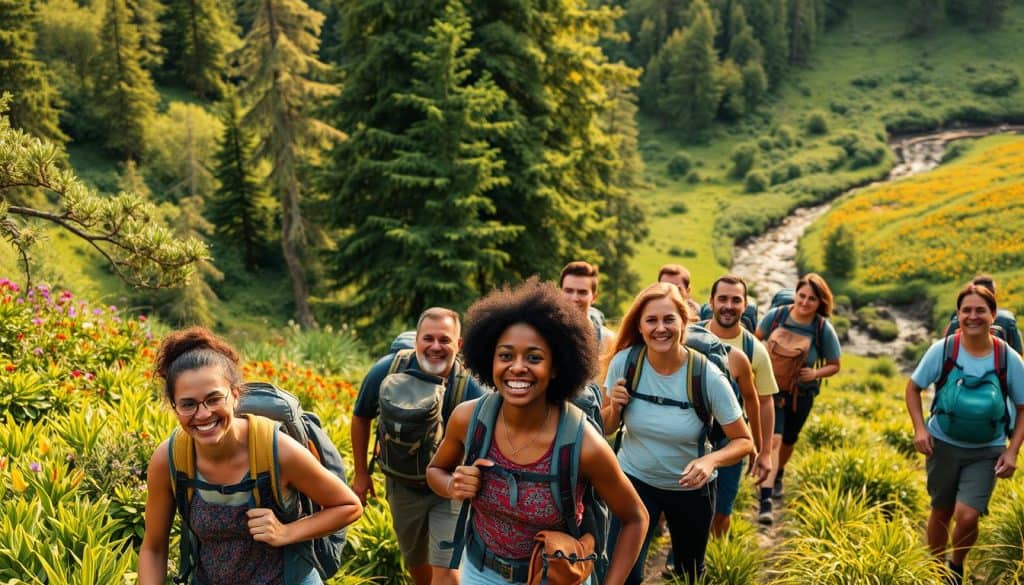
Hiking is a simple yet effective way to enhance both physical and mental health, making it an activity beneficial for everyone. As we explore the various advantages of hiking, it becomes clear that this outdoor activity can be a transformative experience for individuals from diverse backgrounds.
Physical Health Advantages
Engaging in hiking can significantly improve one’s physical health. Regular hiking can lead to improved cardiovascular health, strengthened muscles, and enhanced flexibility. It’s also an effective way to manage weight and reduce the risk of chronic diseases such as heart disease and diabetes. For instance, a study could illustrate the positive impact of hiking on physical health across different age groups and ethnicities.
| Physical Health Benefit | Description | Impact |
|---|---|---|
| Cardiovascular Health | Improves heart health and reduces blood pressure | Reduces risk of heart disease |
| Muscle Strength | Strengthens muscles through varied terrain | Enhances overall physical strength |
| Weight Management | Burns calories and aids in weight control | Supports healthy weight |
Mental and Emotional Well-being
The mental and emotional benefits of hiking are equally profound. Being in nature has been shown to reduce stress hormones, lower anxiety, and improve mood. For many, the trail provides a rare space of freedom from societal expectations and stereotypes, allowing for a deeper connection with oneself and nature. As Nagakyrie says, “Hiking has impacted my mental and physical health in complex and sometimes contradictory ways. Being outdoors has helped me feel a sense of belonging. And finding ways that I feel comfortable moving my body has been very empowering.”
- The sense of accomplishment from completing a challenging hike can build confidence and self-efficacy.
- Time in nature helps process emotions and gain perspective on problems.
- Hiking provides a space for spiritual connection and reflection.
In conclusion, hiking offers a wide range of health benefits that can be enjoyed by people from all walks of life. Whether it’s the physical advantages or the mental and emotional well-being that comes from being in nature, hiking is an activity that can positively impact individuals in various ways.
Accessibility Beyond Race: Disability and Hiking
Accessibility in hiking is not just about physical trails; it’s about creating an inclusive environment for all hikers. As we delve into the demographics of hiking, it’s essential to consider factors beyond ethnicity, such as disability and accessibility. For the 61 million adults living with disabilities in the United States, hiking can be a daunting task due to various barriers.
Syren Nagakyrie, founder of the informational website Disabled Hikers, is among those 61 million adults. Nagakyrie, who experiences connective-tissue disorder Hypermobile Ehlers-Danlos Syndrome, blood-circulation disorder Postural Orthostatic Tachycardia Syndrome, and chronic pain and fatigue, knows firsthand the challenges faced by hikers with disabilities. Their personal experience led to the creation of Disabled Hikers, a platform that provides guides and resources tested by disabled hikers themselves.
Intersectionality in Outdoor Recreation
When discussing accessibility in hiking, it’s crucial to understand the concept of intersectionality. This means recognizing that individuals have multiple identities (e.g., ethnicity, disability status, socioeconomic status) that intersect to create unique experiences of discrimination or privilege. In the context of outdoor recreation, intersectionality highlights the need for inclusive programs that cater to diverse needs.
For instance, a hiker might be not only a person of color but also someone with a disability. Such individuals face compounded challenges when accessing outdoor spaces. Therefore, organizations promoting diversity in hiking must consider these intersecting factors to create truly inclusive environments.
Adaptive Hiking Programs and Resources
Fortunately, adaptive hiking programs and resources are on the rise, making trails more accessible to people with disabilities. Organizations like Disabled Hikers are at the forefront, providing detailed trail information that goes beyond traditional difficulty ratings to include specific accessibility features and challenges.
Innovations in adaptive equipment, such as all-terrain wheelchairs and specialized hiking crutches, are also opening up trail experiences to people with mobility impairments. Moreover, trail design is evolving to incorporate universal design principles, with more parks developing fully accessible trails with appropriate surfaces, grades, and rest areas.
These resources and programs demonstrate that with the right information and accommodations, hiking can be an inclusive activity for hikers across the disability spectrum. As we move forward, it’s essential to continue promoting accessibility and inclusivity in outdoor recreation, ensuring that everyone has the opportunity to enjoy nature and experience the many benefits of hiking.
The Future of Hiking Demographics
As outdoor recreation continues to grow in popularity, the demographics of hikers are becoming more diverse. This shift is expected to continue in the coming years, driven by various factors including changing societal attitudes towards outdoor activities and efforts to make hiking more accessible to underrepresented groups.
Projected Trends in Participation
Recent surveys and trends suggest that hiking participation will continue to grow, with an increasing number of people of color and other underrepresented groups getting involved in outdoor activities. According to Elsye “Chardonnay” Walker, “Getting more people interested in protecting our public lands is a good thing… However, I believe it’s more important to encourage people of color to find and follow their passion.” This perspective highlights the importance of personal connection to nature and outdoor activities.
As the country becomes more diverse, it’s likely that the hiking community will reflect this diversity. Over time, we can expect to see more people from various racial and ethnic backgrounds participating in hiking and other outdoor pursuits.
Strategies for Inclusive Growth
To foster inclusive growth in hiking participation, several strategies can be employed. Effective approaches include:
- Addressing multiple barriers simultaneously, such as economic and transportation issues, while celebrating the unique perspectives diverse hikers bring to the trails.
- Increasing representation of diverse hikers in media, marketing, and leadership positions to normalize the idea that trails are for everyone.
- Implementing economic accessibility strategies, such as gear libraries and subsidized programs, to address financial barriers.
By implementing these strategies and creating supportive communities, we can encourage more people to take up hiking, regardless of their background or financial situation. As Walker suggests, “Don’t let fear, demographics, or finances keep you from a transformative experience.” This approach will be crucial in shaping the future of hiking demographics.
Conclusion
The trails of America tell a story of diversity, shaped by history, culture, and social factors. As we’ve explored throughout this article, the question “What ethnicity hikes the most?” doesn’t have a simple answer. It’s a complex issue influenced by various elements, including economic barriers, cultural perceptions, and access to outdoor spaces.
Current data shows that Asian and Pacific Islander Americans have the highest participation rates in outdoor recreation, followed closely by white Americans. Meanwhile, Hispanic Americans are showing the fastest growth in participation. However, Black Americans remain underrepresented on trails relative to their population size, although there’s a notable increase in participation among younger generations.
The future of hiking in America is looking increasingly diverse, with younger people across all ethnic groups showing a greater interest in outdoor recreation than previous generations. This trend is a positive sign for the outdoor community, as it brings with it a wealth of new experiences, perspectives, and traditions. The diversity that different ethnic groups bring to hiking not only enriches the outdoor community but also strengthens conservation efforts for future generations.
As the inscription at Yellowstone National Park reminds us, public lands were created “for the benefit and enjoyment of the people” – all people. Making this promise a reality requires ongoing work to remove barriers and create truly inclusive outdoor spaces. By understanding the factors that have shaped hiking demographics and actively working to make trails more accessible and welcoming, we can ensure that the transformative benefits of hiking are available to all Americans, regardless of ethnicity, ability, or background.
In conclusion, the journey towards a more inclusive outdoor community is ongoing. It requires continued efforts from organizations, policymakers, and individuals to address the complex issues surrounding hiking demographics. By working together, we can create a world where everyone has the opportunity to experience the joy of hiking and connect with nature in a meaningful way.
FAQ
Are there any hiking groups specifically for people of color?
Yes, there are several community-based hiking groups and national organizations that cater to people of color, providing a supportive community and promoting diversity in outdoor activities.
How can I get involved in promoting diversity in hiking?
You can get involved by joining community-based hiking groups, volunteering with national organizations, or participating in initiatives that promote outdoor activities among underrepresented communities.
What are some common barriers to hiking for people of color?
Common barriers include lack of exposure to outdoor activities, cost of gear and equipment, transportation issues, and safety concerns.
Are there any resources available for hikers with disabilities?
Yes, there are adaptive hiking programs and resources available that cater to hikers with disabilities, promoting accessibility and inclusivity in outdoor recreation.
How can outdoor brands promote diversity and inclusion?
Outdoor brands can promote diversity and inclusion by featuring diverse representation in their marketing, partnering with community-based organizations, and developing inclusive products and services.
What are some projected trends in hiking demographics?
Projected trends include increased participation among younger generations and people of color, driven by efforts to promote diversity and inclusion in outdoor activities.
How can I stay safe while hiking as a person of color?
To stay safe, it’s essential to be aware of your surroundings, hike with a buddy or group when possible, and take necessary precautions such as carrying a personal locator beacon (PLB) or satellite phone in remote areas.