
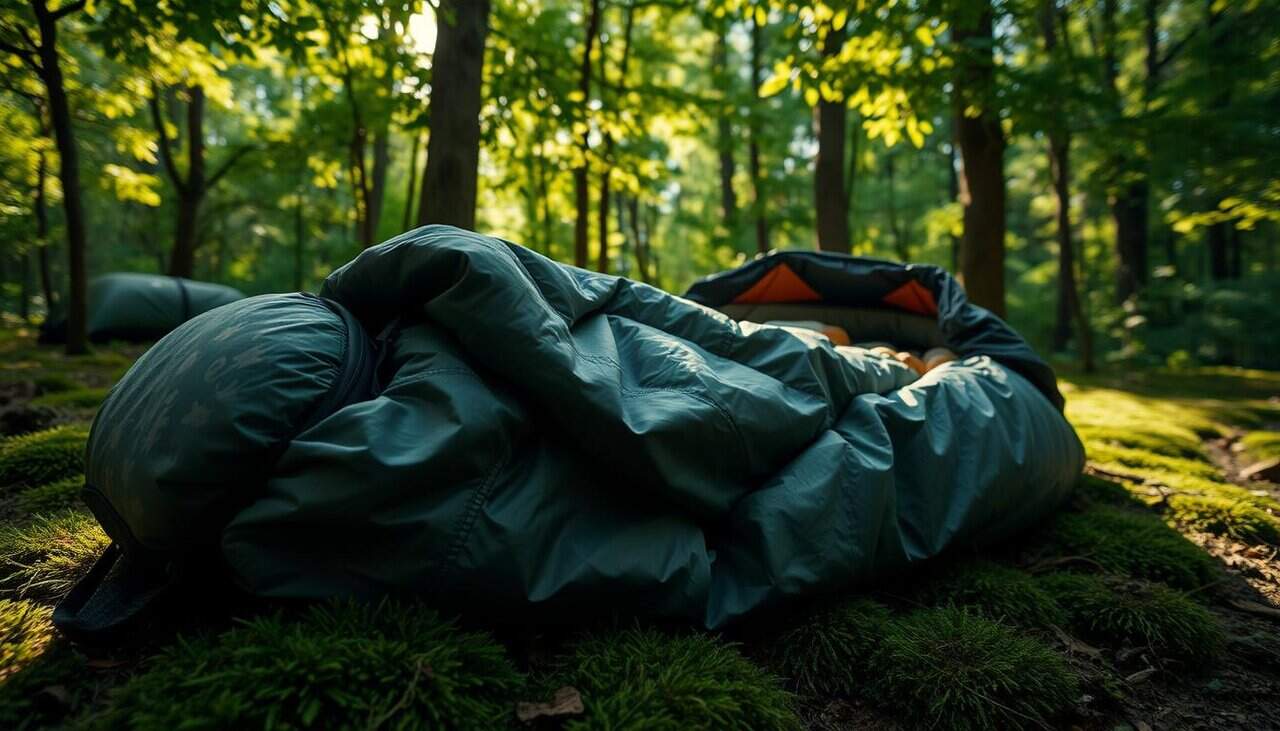
I still remember my first solo camping trip, where I spent most of the night tossing and turning in a cold, uncomfortable backpacking hammock.
The next day, I was bleary-eyed and groggy, which wasn’t ideal for enjoying the outdoors.
Thankfully, I’ve learned that deep sleep outside doesn’t have to be so elusive.
With a few upgrades to your camping kit, such as a good sleeping bag and appropriate clothing, you’ll be able to enjoy your daytime activities a lot more and come back from a weekend camping trip feeling well-rested.
In this guide, we’ll explore the essential sleeping gear and clothing options that can make a big difference in the quality of your sleep.
Key Takeaways
- Essential sleeping gear for a good night’s sleep while camping
- Clothing options that can improve sleeping comfort outdoors
- Tips for staying warm and comfortable in different camping environments
- Practical advice from experienced campers on overcoming sleep challenges
- Popular sleeping systems for different types of camping trips
Common Sleeping Gear for Camping
Getting a good night’s sleep while camping is vital for both body and mind. To achieve this, the right sleeping gear is essential.
Sleeping Bags vs. Quilts
When deciding between sleeping bags and quilts, consider the camping conditions and personal preference. Sleeping bags offer enclosed warmth, while quilts provide flexibility and can be easier to pack.
Sleeping Bag – Ideal for colder climates and backpacking trips where weight is a concern.
Quilt – Suitable for warmer conditions or car camping where extra comfort is desired.
| Feature | Sleeping Bags | Quilts |
|---|---|---|
| Warmth | Excellent | Variable |
| Weight | Lightweight | Often lighter |
| Packability | Compact | Generally more compact |
Sleeping Pads and Mattresses
A sleeping pad or mattress is crucial for comfort and insulation from the ground. It provides a barrier between you and the cold, hard earth, ensuring a warmer and more comfortable night’s sleep for the body.
Different types of sleeping pads include closed-cell foam, self-inflating, and air pads. Each has its advantages and disadvantages in terms of weight, packability, and insulation performance.
For example, a self-inflating pad offers a good balance between comfort and packability, making it a popular choice among campers. When choosing a sleeping pad, consider the R-value for insulation performance, especially in cold conditions.
What Do Most People Sleep In When They Go Camping?
For many campers, the question of what to sleep in while camping is a crucial one, affecting both comfort and enjoyment. My first solo camping experience was a memorable one, spent mostly tossing and turning in a cold, uncomfortable backpacking hammock, trying to tune out the sounds of nature.
The quest for a good night’s sleep while camping has led to the development of various sleeping systems. Let’s explore some popular options that can help you fall asleep more easily and stay comfortable throughout the night.
Mummy Bags for Backpackers
Mummy bags are a favorite among backpackers due to their lightweight and compact design. They are designed to minimize weight and bulk while maximizing warmth, making them ideal for long hikes and cold camping trips.
Rectangular Bags for Car Camping
For those car camping, rectangular sleeping bags offer more room to move around. They are generally less warm than mummy bags but provide extra comfort, allowing for a more relaxed sleep in a more accessible campsite.
Hammock Sleeping Systems
Hammock camping has gained popularity, and with it, specialized sleep systems. Hammocks offer a unique way to sleep among the trees, but they also present challenges, such as staying warm on a cold night. To address these challenges, campers use underquilts and top quilts to keep the cold air out.
Proper hammock setup is also crucial for a good night’s sleep. Positioning your body correctly in the hammock can make a big difference in how well you sleep and how comfortable you feel during the time you’re there.
Choosing the Right Clothing for Sleeping
A good night’s sleep during camping trips largely depends on selecting the right clothing for the conditions. When you’re camping, your sleep quality can be significantly affected by what you wear to bed.
Base Layers and Thermal Underwear
Choosing the best thermal underwear for camping is crucial for maintaining body heat during cold nights. Look for materials that are breathable, moisture-wicking, and provide good insulation.
Base layers made from merino wool or synthetic fabrics are excellent choices because they help regulate body temperature and keep you dry.
The Layering System for Cold Weather
The layering system is key to staying warm in cold weather. It involves wearing multiple layers that can be adjusted according to your temperature needs.
A typical layering system includes a base layer for moisture-wicking, a mid-layer for insulation, and an outer layer for protection against the elements.
Summer Camping Sleep Attire
For summer camping, the focus shifts to staying cool and comfortable. Opt for lightweight, breathable fabrics that allow for good airflow and help prevent overheating.
Consider wearing minimal clothing or lightweight, quick-drying sleepwear that keeps you cool without exposing you to insects or environmental irritants.
Essential Accessories for Comfortable Sleep
To get a good night’s sleep while camping, you need more than just a tent and a sleeping bag. As someone who’s struggled with sleeping under the stars, I understand the importance of having the right accessories to ensure a comfortable night’s rest. In this section, we’ll explore some essential items that can make all the difference.
Camping Pillows
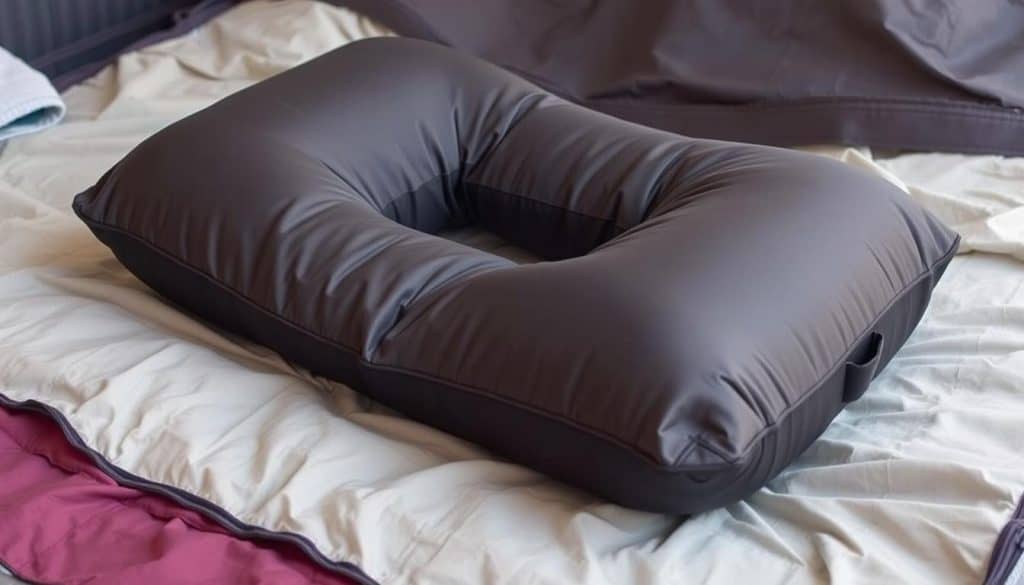
Camping pillows are a game-changer for a good night’s sleep. They provide the necessary support for your head and neck, ensuring you wake up feeling refreshed.
Sleep Masks and Earplugs
Sleep masks and earplugs are crucial for blocking out light and noise, common issues when camping. They help create a more conducive sleep environment.
Additional Comfort Items
Other items like sleeping bag liners, portable white noise machines, and aromatherapy can further enhance sleep comfort. These “luxury” items can be prioritized based on personal sleep challenges.
Tips for Staying Warm While Sleeping Outdoors
As I reflect on my camping experiences, one key takeaway is the importance of staying warm while sleeping outdoors. It’s not just about comfort; cold temperatures can significantly impact the quality of your sleep and overall camping experience. To stay warm, it’s essential to understand the principles of retaining body heat and using your camping gear effectively.
Insulation Techniques
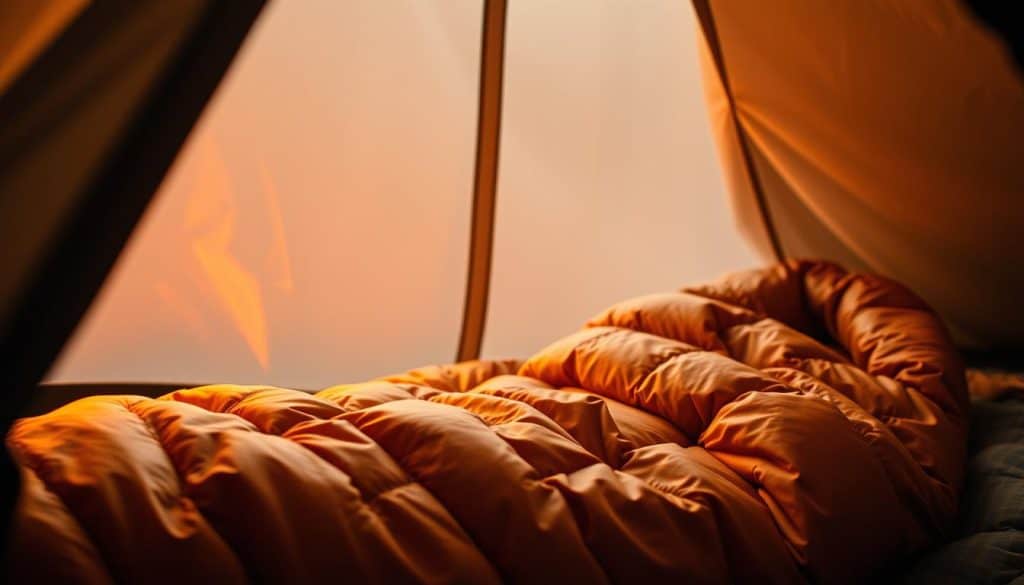
Proper insulation is key to maintaining warmth. This involves not just the quality of your sleeping bag but also how you use it. Ensuring your sleeping bag is appropriately rated for the expected low temperature is crucial. Additionally, using a sleeping pad provides extra insulation from the cold ground, helping to preserve body heat.
Managing Body Heat
It’s easier to preserve body heat than it is to generate more of it if you’re already cold. To stay warm, get into your sleeping bag while you’re still warm, or use an additional heat source. Simple methods include using chemical hand warmers or filling a durable water bottle like a Nalgene with warm water to keep your feet warm.
Dealing with Cold Weather
When camping in cold weather, selecting the right tent site can make a significant difference. Avoid low-lying areas where cold air settles and consider the direction of wind and potential for snow accumulation. Moreover, protecting your gear and water from freezing is vital for a comfortable night’s sleep.
Selecting the Perfect Campsite for Better Sleep
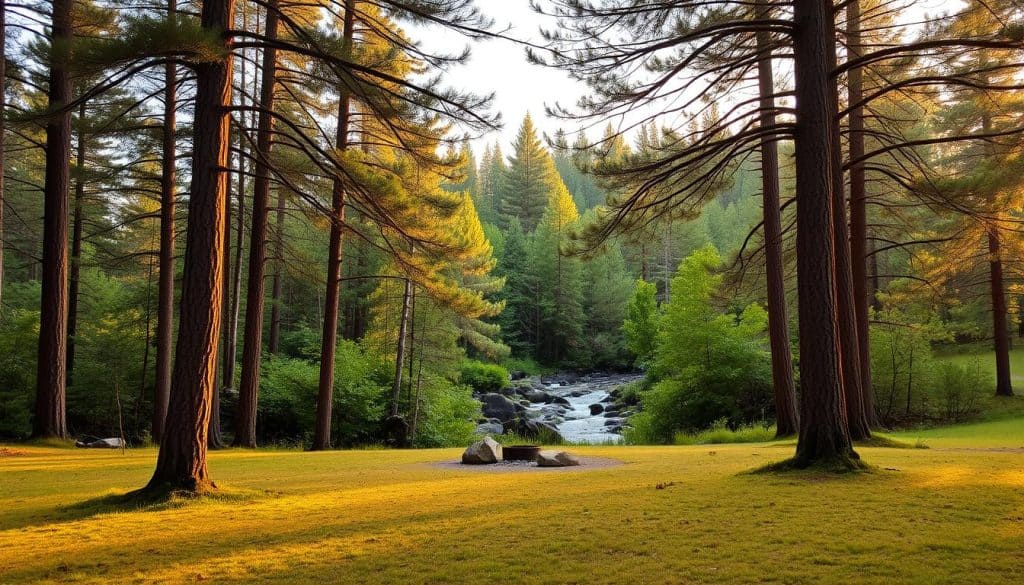
A good campsite can make all the difference in getting a quality night’s sleep under the stars. When you’re out in the wilderness, the last thing you want is to be kept awake by discomfort or safety concerns. As we explore the factors that contribute to a restful night, you’ll learn how to choose a campsite that meets your needs.
Finding Level Ground
One of the first things to look for when selecting a campsite is level ground. Sleeping on uneven terrain can lead to discomfort and a poor night’s sleep. Look for a spot that’s flat and clear of any obstructions. This will not only improve the quality of your sleep but also make it easier to set up your tent.
Protection from the Elements
Protection from the elements is another crucial factor. You want to be shielded from wind, rain, and sun exposure. Look for natural shelters like groves of trees or rock formations that can provide a barrier. Consider the direction of the wind and the path of the sun to ensure your campsite remains comfortable throughout the day and night.
Safety Considerations
Safety should always be your top priority. When it comes to food storage, it’s essential to keep it away from your sleeping area to avoid attracting wildlife. In bear country, use a bear canister or hang your food from a tree. Even if bears aren’t a concern, hanging your food can prevent other animals from getting into your stash. Additionally, be mindful of potential noise sources and try to position your campsite in a way that minimizes disturbances, ensuring a peaceful night’s sleep for you and other people around you.
Conclusion
With the right knowledge, you can transform your camping sleep experience and wake up feeling refreshed and ready for the day’s adventures. Throughout this article, we’ve explored the various aspects of what most people sleep in when they go camping, from sleeping bags and quilts to the importance of choosing the right campsite.
To achieve a good night’s sleep while camping, it’s crucial to personalize your sleep system. Consider factors like the temperature, your personal comfort preferences, and the type of camping you’ll be doing. Experiment with different sleeping gear and techniques to find what works best for you.
As you plan your next camping trip, remember that quality sleep is key to a more enjoyable outdoor experience. Don’t be afraid to try new things and adjust your approach as needed. With the right mindset and gear, you’ll be well on your way to a restful night’s sleep under the stars.
FAQ
What’s the best way to stay warm while sleeping outdoors in cold weather?
To stay warm, use a sleeping bag with good insulation, wear base layers and thermal underwear, and utilize a sleeping pad for extra warmth. You can also use insulation techniques like using a hot water bottle or a warm hat.
How do I choose the right sleeping bag for camping?
When choosing a sleeping bag, consider the temperature rating, insulation type, and comfort features like a hood or draft collar. Mummy bags are great for backpackers, while rectangular bags are better for car camping.
What’s the difference between a sleeping pad and a mattress for camping?
A sleeping pad provides insulation and comfort on the ground, while a mattress is often thicker and more comfortable but may not be as portable. You can use an air mattress or a foam pad, depending on your camping needs.
How can I improve the quality of my sleep while camping?
To improve your sleep, choose a comfortable sleeping bag and pad, wear comfortable clothing, and use accessories like earplugs and a sleep mask. Also, pick a campsite with level ground and protection from the elements.
What’s the best clothing to wear while sleeping when camping?
Wear breathable, moisture-wicking base layers and thermal underwear to stay comfortable. In cold weather, use a layering system to adjust your clothing as needed. In warm weather, wear lightweight, breathable clothing.
Are there any additional accessories that can enhance my camping sleep experience?
Yes, consider using camping pillows, sleep masks, and earplugs to improve your sleep. You can also bring a warm hat, gloves, or a hot water bottle to stay cozy.