

Imagine being able to camp under the stars without the constraints of a designated campsite. Stealth camping offers this freedom, allowing adventurers to set up camp discreetly in remote areas.
As someone who’s experienced the thrill of stealth camping, I can attest to its unique appeal. It’s not just about finding a secluded spot; it’s about immersing yourself in nature without the structure of traditional camping.
Stealth camping is gaining popularity among outdoor enthusiasts seeking a more authentic connection with nature. However, it’s crucial to understand the rules and best practices to ensure a safe and enjoyable experience.
Key Takeaways
- Understand the basics of stealth camping and its differences from traditional camping.
- Learn how to choose the right location for a stealth camping trip.
- Discover the essential gear and techniques for a successful stealth camping experience.
- Find out how to minimize your impact on the environment and respect local regulations.
- Get insights into the safety measures to take when stealth camping.
Understanding Stealth Camping: Definition and Purpose
As I reflect on my own camping experiences, I realize that stealth camping provides a distinct set of benefits that traditional camping can’t match. This unique approach to outdoor adventure has gained popularity among campers seeking solitude, self-reliance, and a deeper connection with nature.
What Exactly Is Stealth Camping?
Stealth camping involves setting up camp in areas that are not designated campsites, often without the amenities found in traditional campgrounds. It’s about finding a secluded spot, usually for a short period, and leaving without leaving a trace. Many campers also use stealth camping for increased privacy, finding remote sites far away from crowded areas, ideal for getting rest without external disruptions.
Why People Choose to Stealth Camp
There are several reasons why people choose to stealth camp. For some, it’s about the benefits of avoiding campground fees, which can add up during extended trips. Others value the increased privacy and solitude that stealth camping offers. By camping in remote areas, individuals can have a more authentic outdoor experience. Additionally, stealth camping allows campers to access pristine natural areas that may not have developed camping facilities.
| Reasons for Stealth Camping | Benefits |
|---|---|
| Avoiding Campground Fees | Saves money on extended trips |
| Increased Privacy and Solitude | More peaceful and secluded camping experience |
| Access to Remote Areas | Experience pristine natural environments |
For those interested in learning more about stealth camping, I recommend checking out resources like https://blog.ecoflow.com/us/what-is-stealth-camping/ for additional insights and tips.
What Are the Rules of Stealth Camping? Legal Considerations
Before you set up camp, it’s essential to know the legal landscape of stealth camping. As exciting as stealth camping can be, it’s not without its legal complexities. Understanding these rules is crucial for a hassle-free experience.
Where Stealth Camping Is Legal in the United States
Stealth camping laws vary significantly across the United States, with urban cities generally having stricter regulations than smaller towns. For instance, cities like Denver have specific ordinances that prohibit sleeping on city streets, parks, or sidewalks, whether in a vehicle, tent, or just a sleeping bag. These laws are primarily aimed at homeless encampments but apply to anyone considering stealth camping within city limits.
To stealth camp legally, one must identify areas that permit such activities. While many national and state parks have designated campsites, some areas allow dispersed camping, which can be a form of stealth camping. Understanding local laws and regulations is key.
- Research local laws and regulations before heading out.
- Look for areas that are known to allow dispersed or stealth camping.
Common Restrictions and Prohibited Areas
There are several areas where stealth camping is typically prohibited, including national parks, state parks, city parks, and private property without permission. Even in areas where stealth camping is allowed, there are often restrictions such as distance requirements from water sources, trails, and roads.
Urban and suburban areas tend to have stricter regulations against camping outside designated areas compared to rural locations. “No Overnight Parking” signs are clear indicators that stealth camping is not welcome in those areas. Ignoring these signs can result in being asked to move, receiving citations, or fines.
Respecting these restrictions is not only legally prudent but also crucial for preserving access to stealth camping areas for future campers.
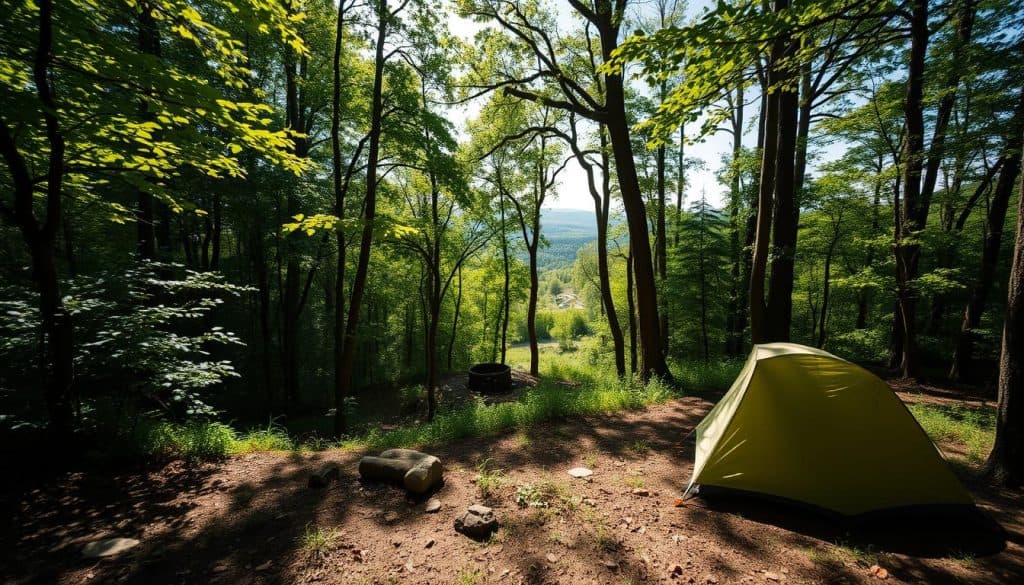
- Be aware of and respect “No Overnight Parking” signs and similar postings.
- Understand that camping in prohibited areas can lead to legal consequences.
- Recognize the importance of preserving stealth camping access by respecting current rules and regulations.
Essential Gear for Successful Stealth Camping
As someone who’s spent years stealth camping, I can attest that the right gear makes all the difference. Having the right equipment allows you to camp discreetly and enjoy the great outdoors without drawing attention to yourself.
Choosing the Right Vehicle or Shelter
When it comes to stealth camping, your vehicle or shelter is the most critical piece of gear. You need something that’s not only comfortable but also unobtrusive. For many, a van is the ideal choice due to its versatility and ability to blend in with urban environments. When selecting a van, consider factors like fuel efficiency, storage space, and the ability to convert the interior into a cozy sleeping area.
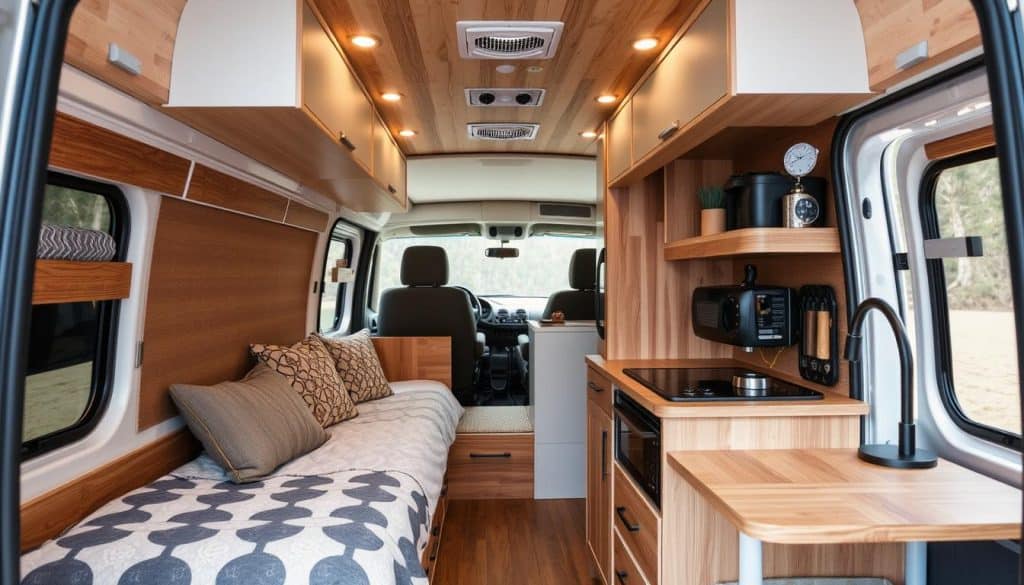
Low-Profile Equipment and Supplies
To maintain a low profile while stealth camping, it’s essential to keep your equipment and supplies minimal and discreet. Opt for compact, multi-functional gear that serves more than one purpose. For example, a portable stove can be used for cooking and heating water, reducing the need for multiple devices.
Power Solutions for Stealth Campers
One of the biggest challenges of stealth camping is maintaining power without access to electrical hookups. Traditional generators are noisy and can draw unwanted attention. Instead, consider investing in a portable power station like the EcoFlow RIVER 2, which can charge your devices quickly and quietly. Pairing it with 110W solar panels or EcoFlow Flexible Solar Panels can provide a reliable off-grid energy source.
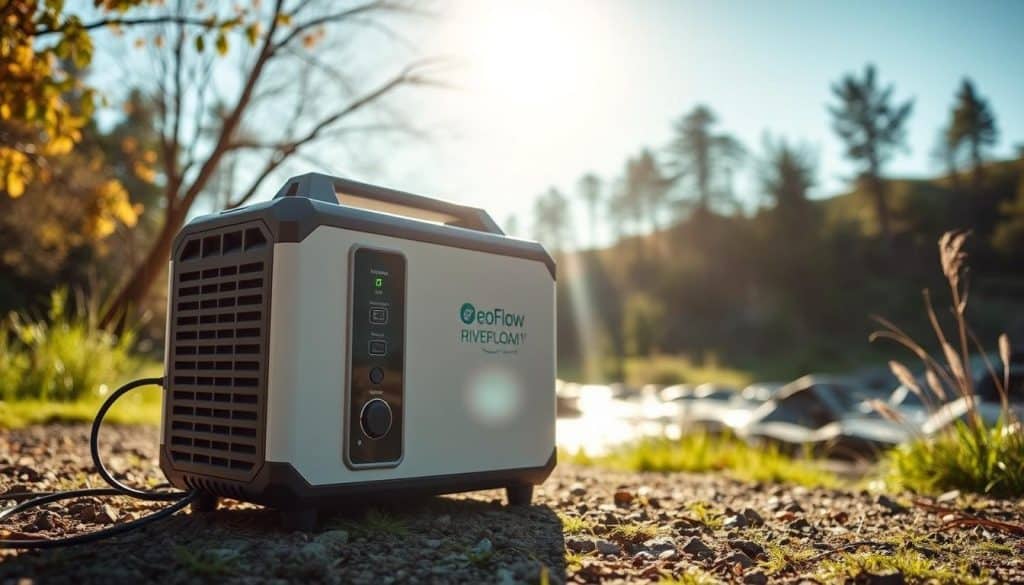
By choosing the right gear and being mindful of your power needs, you can enjoy a successful and stress-free stealth camping experience.
Finding the Perfect Stealth Camping Location
As a seasoned stealth camper, I’ve learned that finding the perfect spot is an art that requires patience and the right tools.
Urban Stealth Camping Spots
Urban stealth camping requires a different set of skills and knowledge compared to its rural counterpart. I’ve found that city parking lots, rest stops, and even some retail store parking areas can serve as viable options, provided you follow the rules and are mindful of your surroundings.
For instance, some retail stores like Walmart or large shopping centers often have extensive parking lots where you can park overnight, as long as you are not causing any obstruction or disturbance.
Rural and Wilderness Options
Rural and wilderness areas offer a more traditional stealth camping experience, with the added benefit of being surrounded by nature. When looking for rural spots, consider public lands, national forests, and Bureau of Land Management (BLM) areas, which often allow dispersed camping.
It’s essential to research local regulations and be aware of any restrictions before setting up camp.
Using Apps and Resources to Locate Safe Spots
In today’s digital age, several apps and online resources can significantly aid in finding stealth camping locations. My go-to apps include Park4Night and iOverlander, both of which are community-driven and offer a wealth of information on various camping spots.
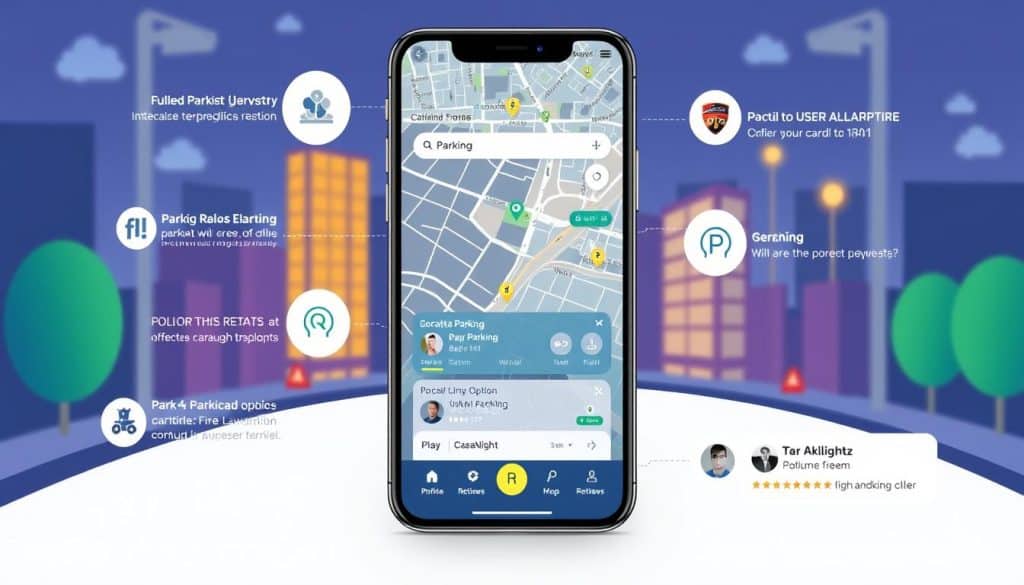
These platforms allow users to share their experiences and provide valuable insights into the suitability and safety of different locations.
By combining these digital tools with good old-fashioned judgment and on-ground assessment, you can find the perfect stealth camping spot that meets your needs.
Top Stealth Camping Techniques and Etiquette
As a seasoned camper, I’ve learned that stealth camping is as much about respecting the land and its inhabitants as it is about camping itself. To truly master stealth camping, one must adopt a mindset that prioritizes minimal impact and subtlety.
Arriving Late and Leaving Early
Timing is everything in stealth camping. Arriving late and leaving early are crucial techniques for minimizing your visibility. By doing so, you reduce the chances of drawing attention to yourself and your campsite. This approach also allows you to avoid peak hours when areas are more likely to be patrolled or visited.
Minimizing Your Presence and Impact
To minimize your presence, it’s essential to be mindful of your surroundings and the impact your actions may have. This includes using existing clearings for camping, protecting ground surfaces from damage, and avoiding harm to vegetation. By taking these precautions, you not only preserve the natural environment but also reduce the likelihood of being noticed.
- Use existing paths and clearings to avoid damaging vegetation.
- Keep your gear organized and out of sight.
- Avoid making excessive noise.
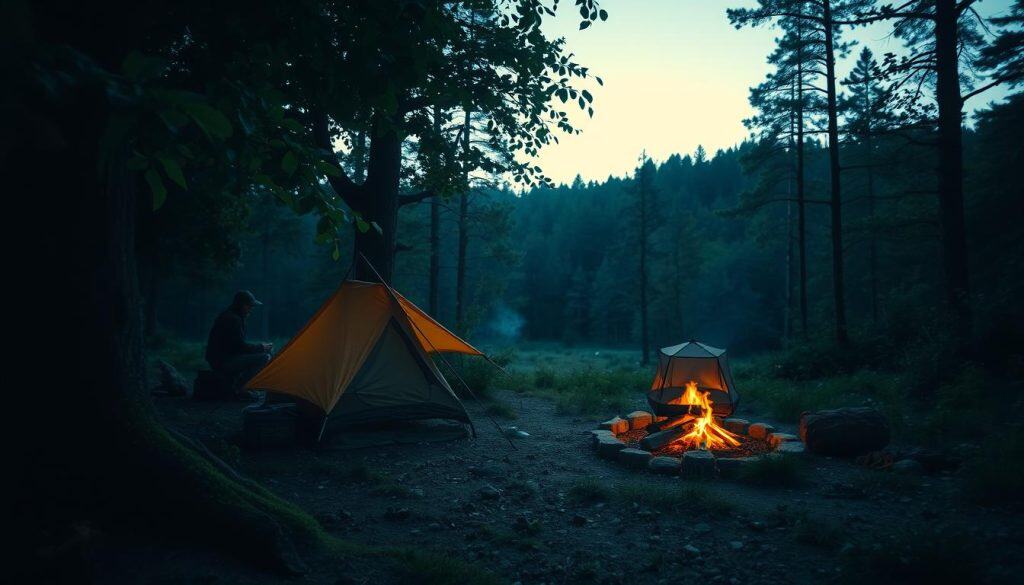
Leave No Trace Principles for Stealth Campers
Following Leave No Trace principles is paramount for stealth campers. This means leaving your campsite in the same condition as you found it, disposing of waste properly, and refraining from harvesting resources or building fires. By adopting these practices, you not only minimize your environmental footprint but also contribute to the long-term sustainability of camping areas.
Some key principles to keep in mind include:
- Pack out all trash and disposable items.
- Use minimal-impact cooking methods or avoid fires altogether.
- Respect wildlife and maintain appropriate distances.
By embracing these techniques and principles, stealth campers can enjoy their experiences while preserving the integrity of the environments they visit.
Staying Safe While Stealth Camping
As someone who’s spent countless nights stealth camping, I can attest that the real danger often lies not in the unknown, but in being unprepared. The general consensus that stealth camping is fraught with danger is often exaggerated, but it does pay to be cautious.
When assessing a potential stealth camping location, I always trust my gut. If a place feels off, it probably is. Look out for environmental hazards, human activity patterns, and intuitive red flags like broken glass or graffiti. For instance, parking next to a club or pub where people are leaving inebriated isn’t a good idea.
Maintaining personal security is crucial. This includes vehicle security measures, being aware of your surroundings, and having an emergency preparedness plan. When I’m stealth camping, I make sure to check in with trusted contacts and have a backup plan if the location feels unsafe.
Solo stealth campers need to take extra precautions. I’ve found that being aware of your surroundings and keeping a low profile are key. When it comes to unexpected encounters, from curious passersby to law enforcement, respectful communication is essential.
Weather safety is another critical aspect. Preparing for and responding to severe conditions without the comforts of established facilities requires some planning. I’ve learned to keep an eye on weather forecasts and have a plan for quick evacuation if needed.
In conclusion, while stealth camping does require some additional safety considerations compared to established campgrounds, with proper preparation and awareness, it can be a safe and rewarding way to experience the outdoors. By trusting your instincts, being prepared, and staying aware, you can enjoy the freedom that stealth camping offers.
FAQ
Is stealth camping allowed everywhere in the United States?
No, stealth camping is not allowed everywhere. You need to research and understand local laws and regulations regarding overnight parking and camping in the area you plan to visit.
How do I find safe and legal stealth camping spots?
You can use various apps and online resources to locate safe and legal stealth camping spots. Some popular options include camping apps, forums, and websites dedicated to van life and stealth camping.
What kind of gear do I need for stealth camping?
To stealth camp successfully, you’ll need a vehicle or shelter that’s not easily noticeable, low-profile equipment and supplies, and a reliable power solution, such as solar panels. Don’t forget to pack essential items like water, food, and a portable toilet.
How can I minimize my presence while stealth camping?
To minimize your presence, arrive late and leave early, keep a low profile by avoiding bright lights and loud noises, and follow Leave No Trace principles to avoid leaving any signs of your presence.
Can I stealth camp in urban areas?
Yes, you can stealth camp in urban areas, but you’ll need to be extra cautious. Look for designated overnight parking areas or parking lots that allow overnight parking, and be mindful of your surroundings to avoid drawing attention to yourself.
How can I stay safe while stealth camping?
To stay safe, be aware of your surroundings, keep your valuables secure, and avoid camping in isolated or high-crime areas. It’s also a good idea to let someone know your itinerary and expected return time.