
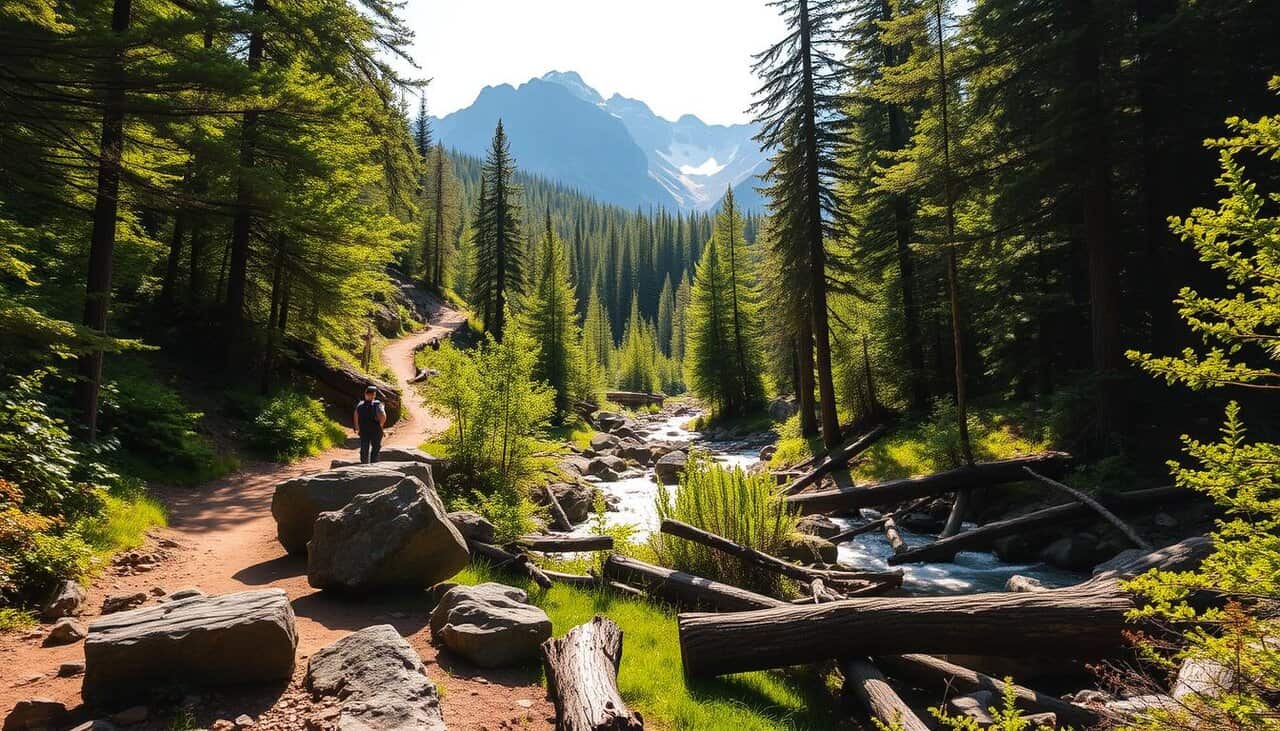
Imagine having access to over 193,500 miles of hiking trails, stretching across the diverse landscapes of the United States. From the rugged mountain peaks to serene coastal walks, the country’s trail network offers something for every kind of hiker.
As you plan your next adventure, you’ll find that America’s trails cater to all experience levels, whether you’re a casual day hiker or a seasoned backpacker. The trails provide breathtaking views and a chance to witness nature’s marvels up close.
With such an extensive network, it’s essential to have a guide to navigate the most iconic and breathtaking trails. This guide will help you explore the best hiking trails, from famous long-distance routes to hidden gems waiting to be discovered.
Key Takeaways
- Over 193,500 miles of hiking trails are available across the United States.
- Trails cater to all experience levels, from casual day hikes to multi-month backpacking trips.
- The guide will explore iconic and breathtaking hiking trails across America.
- America’s trail network offers diverse landscapes and geological wonders.
- Hikers can expect breathtaking views and unique outdoor experiences.
The Diversity of America’s Hiking Landscape
From the misty peaks of the Appalachian Mountains to the sun-baked deserts of the Southwest, America’s hiking trails are as diverse as the country itself. This diversity is reflected in the vast network of trails that crisscross the nation, offering hikers a wide range of experiences.
From Coast to Coast: America’s Trail Network
America’s trail network is a testament to the country’s varied landscapes and ecosystems. Spanning over millions of miles, these trails connect hikers to the natural beauty of the United States, from the rugged coastline of California to the historic paths of the East Coast. As noted by trail enthusiasts,
“The trails of America are not just paths; they’re gateways to the country’s soul.”
The trails vary greatly, with some, like the Pacific Crest Trail, offering long-distance hiking opportunities that span entire states, while others provide shorter, more accessible routes for day hikers. This extensive network ensures that hikers can find trails that suit their experience level and interests.
Understanding Trail Ratings and Difficulty Levels
Trail ratings are essential for hikers to understand the difficulty level of a trail and what to expect. Factors such as elevation gain, terrain type, trail conditions, and technical challenges all contribute to a trail’s difficulty rating. Understanding these ratings helps hikers choose trails that match their fitness level, experience, and available time.
Trail rating systems vary, but most follow a basic classification of easy, moderate, and difficult. For instance, easy trails typically have minimal elevation gain and well-maintained paths, making them suitable for beginners and families. In contrast, difficult trails involve significant elevation gain, challenging terrain, and sometimes technical sections that require specialized skills or equipment.
- Easy trails are characterized by minimal elevation change and well-maintained paths.
- Moderate trails include some elevation changes and potentially rougher terrain.
- Difficult trails feature significant elevation gain, challenging terrain, and sometimes technical sections.
By understanding trail ratings, hikers can make informed decisions about which trails to tackle, ensuring a safe and enjoyable hiking experience.
The Triple Crown of Hiking: America’s Most Iconic Long Trails
For many hikers, tackling the Triple Crown trails is a lifetime goal that pushes their endurance and tests their resolve. The Triple Crown consists of three long-distance trails: the Appalachian Trail, the Pacific Crest Trail, and the Continental Divide Trail. Each trail offers a unique hiking experience, spanning diverse landscapes across America.
The Appalachian Trail: America’s Original Long-Distance Path

The Appalachian Trail (AT) is a 2,190-mile journey from Georgia to Maine, considered one of the most iconic hiking trails in the world. It traverses through 14 states, offering a diverse range of ecosystems and terrains. Hikers on the AT experience everything from dense forests to mountain peaks, with numerous shelters and communities along the way to provide support.
The AT is typically completed in 5 to 7 months by thru-hikers, who must plan carefully for resupply, accommodations, and navigating challenging sections. With its rich history and well-marked trail, the AT remains a favorite among long-distance hikers.
The Pacific Crest Trail: From Mexico to Canada
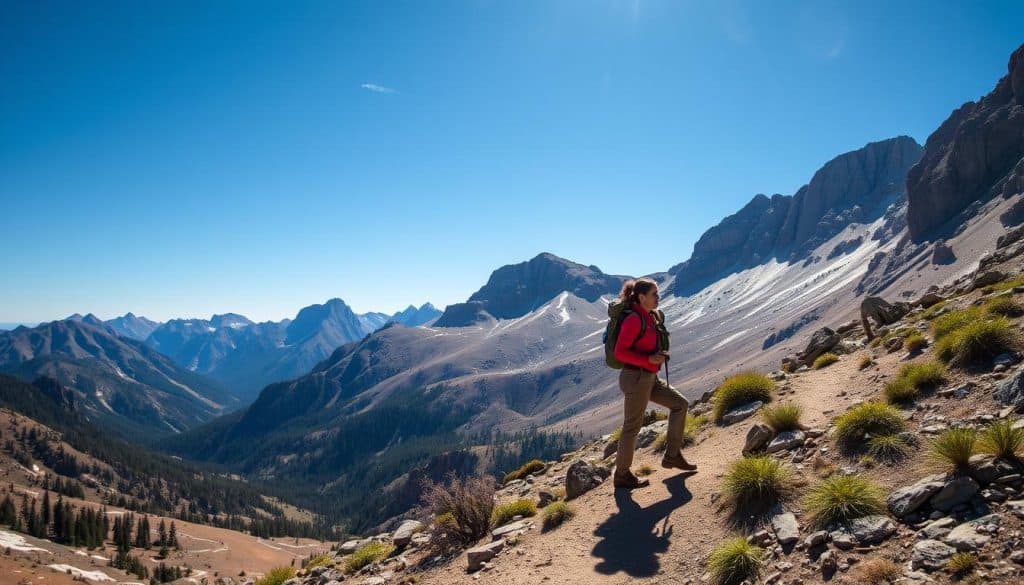
Stretching 2,659 miles from the California-Mexico border to the Washington-Canada border, the Pacific Crest Trail (PCT) is a test of endurance and a journey through some of America’s most stunning landscapes. The trail passes through California, Oregon, and Washington, featuring deserts, mountain ranges, and forests. Hikers on the PCT experience a wide range of conditions, from the hot deserts of Southern California to the snow-capped peaks of the Sierra Nevada and Cascade Ranges.
The PCT is known for its well-maintained trail and organized hiker support systems, making it a popular choice for those seeking a long-distance hiking adventure. Thru-hikers typically take 5 months to complete the journey, immersing themselves in the natural beauty and diverse ecosystems along the way.
The Continental Divide Trail: The Most Challenging of the Triple Crown
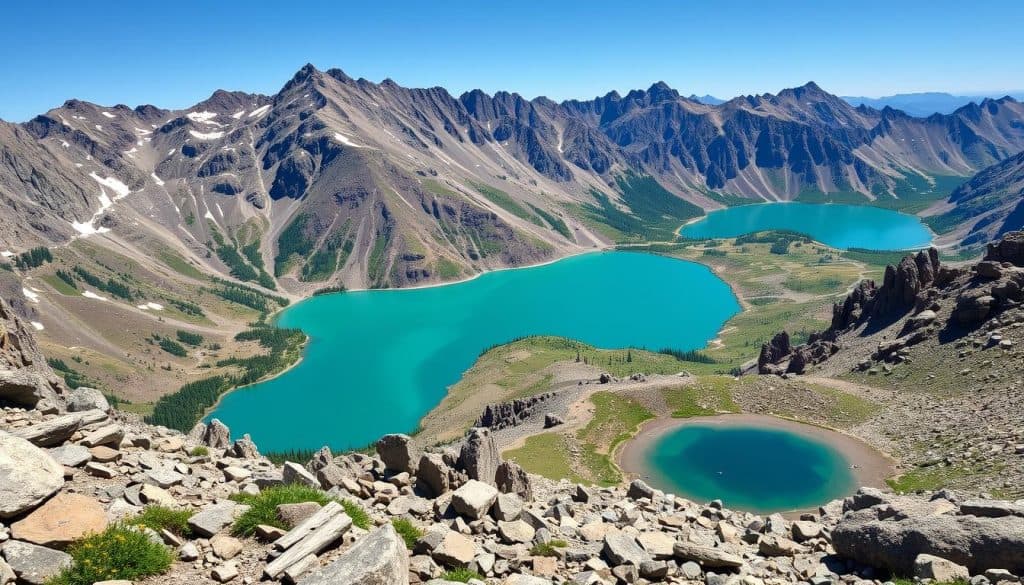
The Continental Divide Trail (CDT) spans approximately 3,100 miles from New Mexico to Montana, following the Continental Divide of the Americas. It’s considered the most challenging of the Triple Crown trails due to its remote sections, extreme weather conditions, and difficult terrain. The CDT passes through five distinct ecosystems, from desert landscapes to alpine tundra and grizzly bear country.
Only about 150-200 hikers attempt to thru-hike the CDT each year, with the journey typically taking 5-6 months. The trail requires advanced backcountry skills, including route-finding and navigation, as some sections are not fully defined. Hikers must be prepared for high-altitude hiking, extensive snow travel, and limited resupply options.
Majestic Western Mountain Trails
The Western United States is home to some of the most majestic mountain trails in the world, offering hikers breathtaking views and challenging terrain. As you explore these trails, you’ll discover the diverse landscapes and ecosystems that make the American West so unique.
Longs Peak: The Keyhole Route in Colorado
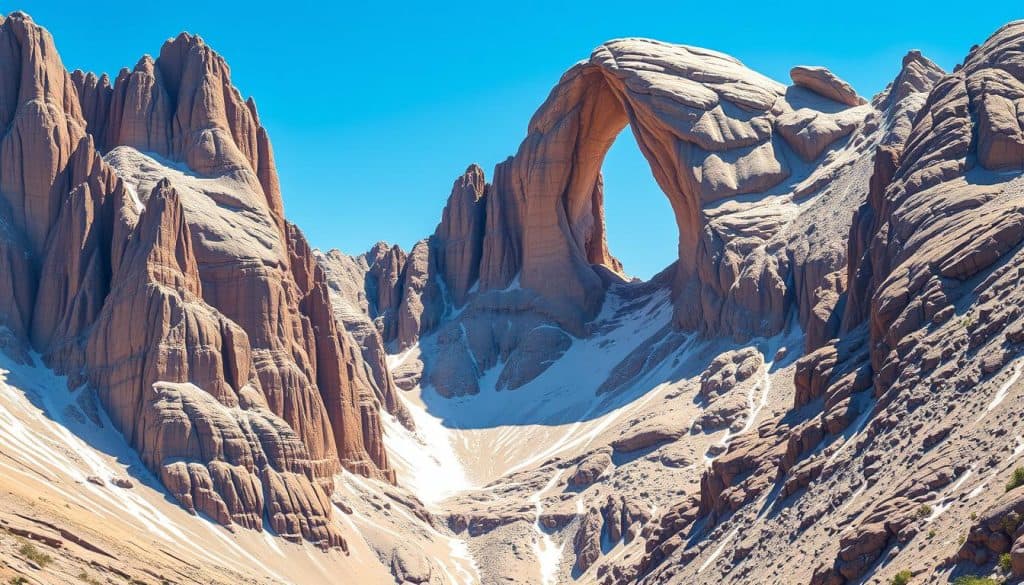
Longs Peak, located in Rocky Mountain National Park, Colorado, is a formidable hiking destination. The Keyhole Route, a 14.5-mile round-trip trail, is the most popular path to the summit. This challenging hike involves a 4,855-foot elevation gain and requires hikers to navigate through various terrains, including rocky paths and narrow ledges.
The trail begins at the Longs Peak Trailhead, where hikers start their ascent through a forested area. As you climb higher, the terrain opens up to alpine meadows and eventually leads to the Keyhole, a narrow passage that marks the beginning of the more challenging section of the hike.
Reaching the summit of Longs Peak offers breathtaking views of the surrounding mountains and valleys. However, hikers should be prepared for unpredictable weather conditions and potential snow and ice, even during summer months.
John Muir Trail and Half Dome in Yosemite
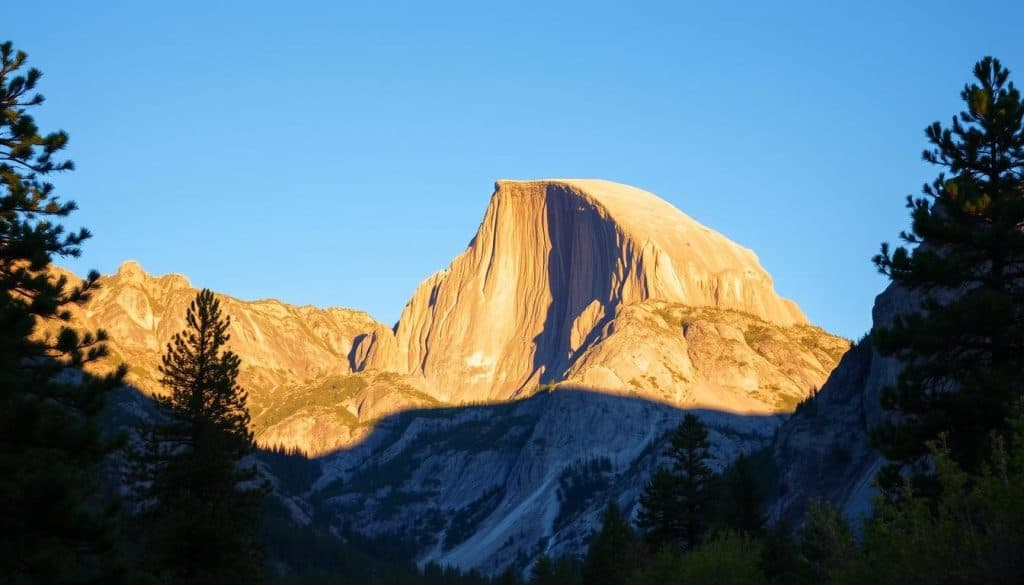
The John Muir Trail (JMT) is a 211-mile section of the Pacific Crest Trail that passes through Yosemite National Park, Kings Canyon National Park, and Sequoia National Park. One of the most iconic sections of the JMT is the hike to Half Dome, a granite monolith that rises nearly 5,000 feet above the valley floor.
The hike to Half Dome via the JMT is a 16-mile round-trip journey that includes the famous cable section. Hikers must obtain a permit to tackle this challenging trail, which is available through a competitive lottery system.
The views from the summit of Half Dome are unparalleled, offering a panoramic vista of Yosemite Valley, Nevada Fall, and the High Sierra. As you hike, you’ll be surrounded by the stunning natural beauty of Yosemite, making this one of the most memorable hiking experiences in the United States.
Breathtaking Desert and Canyon Trails
As I reflect on my hiking experiences, I’m drawn to the breathtaking beauty of desert and canyon trails. The United States is home to some of the most spectacular hiking trails in the world, and this section will explore two of the most remarkable ones: the Grand Canyon Rim-to-Rim trail and Coyote Buttes North, home to The Wave in Arizona.
For more information on the best national parks to visit, check out our guide on what are the best national parks.
Grand Canyon Rim-to-Rim: A Life-Changing Journey
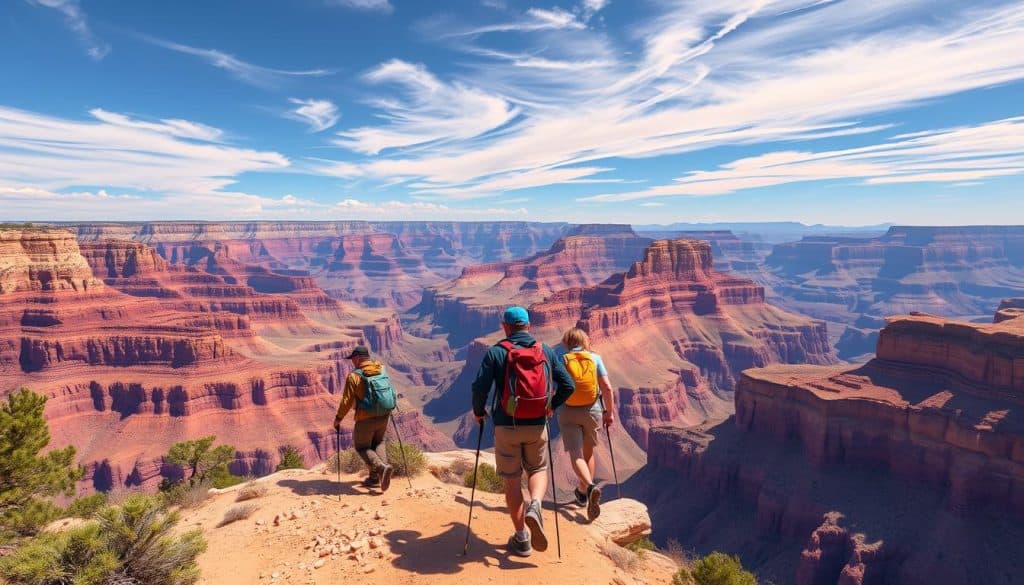
The Grand Canyon is one of the most iconic natural wonders in the United States, and hiking from one rim to the other is an adventure of a lifetime. The trail spans approximately 23 miles, depending on the route taken, and offers breathtaking views of one of the world’s most spectacular landscapes.
Hiking the Grand Canyon Rim-to-Rim is not just about the distance; it’s about experiencing the vastness and beauty of this natural wonder. The trail takes you through different ecosystems, from the forests of the South Rim to the desert landscapes of the Inner Gorge.
Coyote Buttes North: The Wave in Arizona

Coyote Buttes North, located in the Paria Canyon-Vermilion Cliffs Wilderness along the Arizona-Utah border, is home to one of America’s most photographed natural wonders: The Wave. This surreal landscape features swirling, undulating sandstone formations with bands of red, yellow, pink, and white that create a mesmerizing, wave-like appearance.
The hike to The Wave covers approximately 6 miles round-trip across unmarked desert terrain, requiring good navigation skills and preparation for extreme heat in summer months. Access is extremely limited, with only 64 daily permits available through a highly competitive lottery system.
Understanding the fragility of this desert ecosystem helps visitors appreciate why access restrictions are necessary to preserve The Wave’s delicate beauty for future generations. By limiting the number of visitors, we can ensure that this natural wonder remains unspoiled.
What are the major hiking trails in the United States National Parks?
The National Parks in the United States are a hiker’s paradise, featuring trails that wind through canyons, deserts, and mountains. As an avid hiker, I’ve had the privilege of exploring some of these incredible trails, and I’m excited to share my experiences with you.
Angels Landing in Zion National Park

Angels Landing is one of the most iconic hikes in Zion National Park, known for its challenging terrain and breathtaking views. The trail is approximately 5 miles round trip, with a steep elevation gain of 1,400 feet. To hike Angels Landing, you’ll need to obtain a permit through the Zion National Park’s permit lottery system, which can be competitive, especially during peak season.
The hike begins on the West Rim Trail, which follows the Virgin River before ascending steeply to Angels Landing. The final section of the trail involves a narrow, exposed ridge with chains to aid in scrambling to the summit. On a clear day, the views from the top are simply stunning, making the challenging hike well worth the effort.
Grand Staircase-Escalante’s Hidden Gems

Grand Staircase-Escalante National Monument is a vast and remote area in southern Utah, encompassing nearly two million acres of wilderness. The monument is characterized by its unique slot canyons, sandstone formations, and diverse terrain, making it a hiker’s dream destination.
Some of the standout hikes in the area include the Peek-a-Boo and Spooky Gulch slot canyons, which feature narrow passages and stunning rock formations. Another highlight is Coyote Gulch, a 14-mile hike that follows a perennial stream through a beautiful canyon. The Escalante River Canyon is another must-hike trail, offering a unique experience of wading through water beneath towering canyon walls.
When hiking in Grand Staircase-Escalante, it’s essential to be prepared for the desert environment, with plenty of water, sun protection, and a good map. The monument’s remote nature means that hikers should be self-sufficient and aware of the potential risks.
Coastal Trail Adventures
From rugged coastlines to serene beaches, America’s coastal trails offer diverse hiking adventures. As you explore these trails, you’ll experience the unique charm of the country’s coastline, with its breathtaking views and varied landscapes.
Lost Coast Trail: California’s Untamed Shoreline
The Lost Coast Trail in California is a haven for hikers seeking an untamed and rugged shoreline experience. Stretching for 25 miles, this trail is known for its challenging terrain and stunning coastal views.
As you hike along the Lost Coast Trail, you’ll be treated to dramatic ocean vistas, secluded beaches, and the opportunity to spot diverse wildlife. The trail’s remote location means that hikers must be well-prepared and self-sufficient.
Lands End Trail: Urban Coastal Hiking in San Francisco
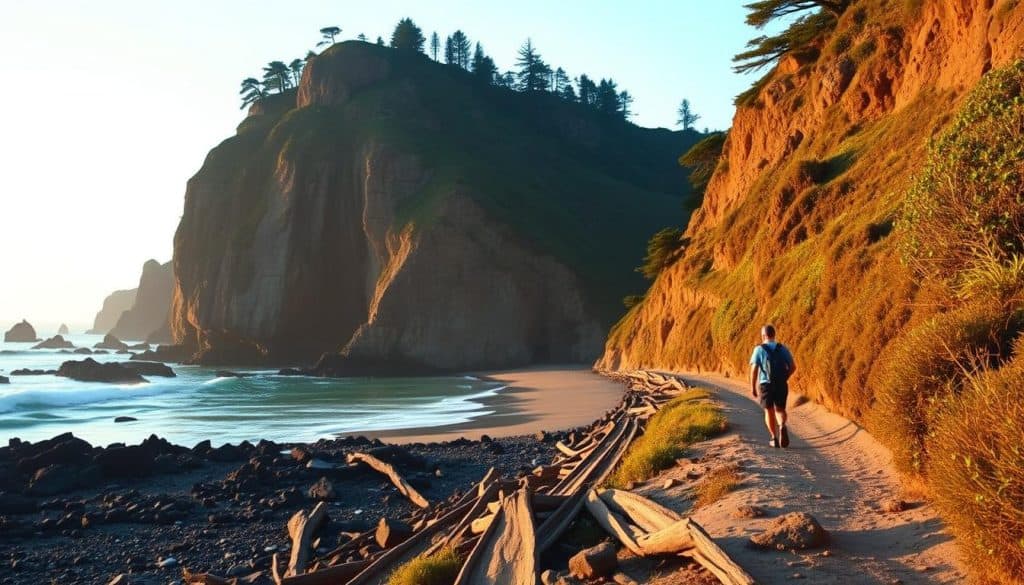
In contrast to the remote Lost Coast Trail, the Lands End Trail in San Francisco offers an urban coastal hiking experience. This 3.4-mile loop trail is located in the Golden Gate National Recreation Area and is known for its stunning views of the Golden Gate Bridge and the Pacific Ocean.
As you hike along the Lands End Trail, you’ll pass through cypress woodlands and enjoy scenic overlooks with dramatic cliffs and wildflower displays in the spring. The trail also features historical landmarks, including the ruins of the Sutro Baths and the Legion of Honor art museum.
The Lands End Trail is well-maintained and accessible, making it ideal for casual hikers and families. With its unique blend of natural beauty and urban attractions, this trail offers a memorable hiking experience in the heart of San Francisco.

Eastern Mountain Experiences
From the rugged peaks of New Hampshire to the unique landscapes of South Dakota, Eastern mountain hiking trails have something for everyone. Whether you’re looking for a challenging climb or a leisurely hiking experience, the diverse trails of the Eastern United States offer breathtaking views and unforgettable adventures.
Franconia Ridge Loop in New Hampshire
The Franconia Ridge Loop in New Hampshire’s White Mountains is a 9-mile trail that offers one of the most spectacular hiking experiences on the East Coast. This challenging loop takes you along the ridge, providing stunning views of the surrounding mountains and valleys.
As you climb up to the ridge, you’ll be rewarded with panoramic vistas that stretch for miles. The trail is known for its exposed terrain and potential for harsh weather conditions, making it a true adventure for experienced hikers.
Black Elk Peak: The Highest Point East of the Rockies
Black Elk Peak, formerly known as Harney Peak, stands at 7,242 feet in South Dakota’s Black Hills, making it the highest point between the Rocky Mountains and the Pyrenees. The hike to the summit is a 7-8 mile round-trip journey that begins at Sylvan Lake in Custer State Park.
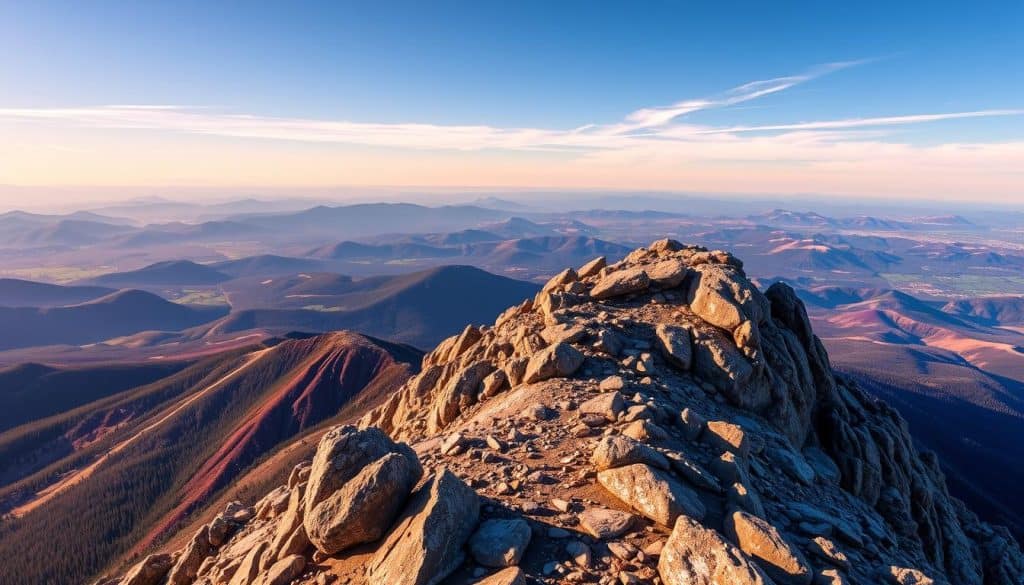
As you ascend, you’ll pass through mountainous terrain that includes granite spires and rocky formations, feeling more like the Sierra Nevada than the Great Plains. The summit features a historic stone fire tower built by the Civilian Conservation Corps in the 1930s, offering expansive views that can stretch across four states on clear days.
The trail passes through the stunning Cathedral Spires area, where granite formations rise like Gothic architecture, creating one of the most distinctive landscapes in the Black Hills region. Understanding the unique geological formation of the Black Hills helps hikers appreciate this anomalous mountain range that rises unexpectedly from the Great Plains.
Southern Hiking Treasures
From the swamplands of Florida to the mountains of Tennessee, the South is home to some of the most varied and beautiful hiking trails.
Florida Trail: A Different Kind of Hiking Experience
The Florida Trail offers a unique hiking experience through the state’s diverse landscapes, from swamps to forests.
Spanning over 1,100 miles, the Florida Trail is a significant hiking route that showcases the natural beauty of Florida.
Hikers can enjoy the trail’s varied sections, each with its own character and challenges.
Key Features: Diverse ecosystems, wildlife viewing opportunities, and scenic vistas.
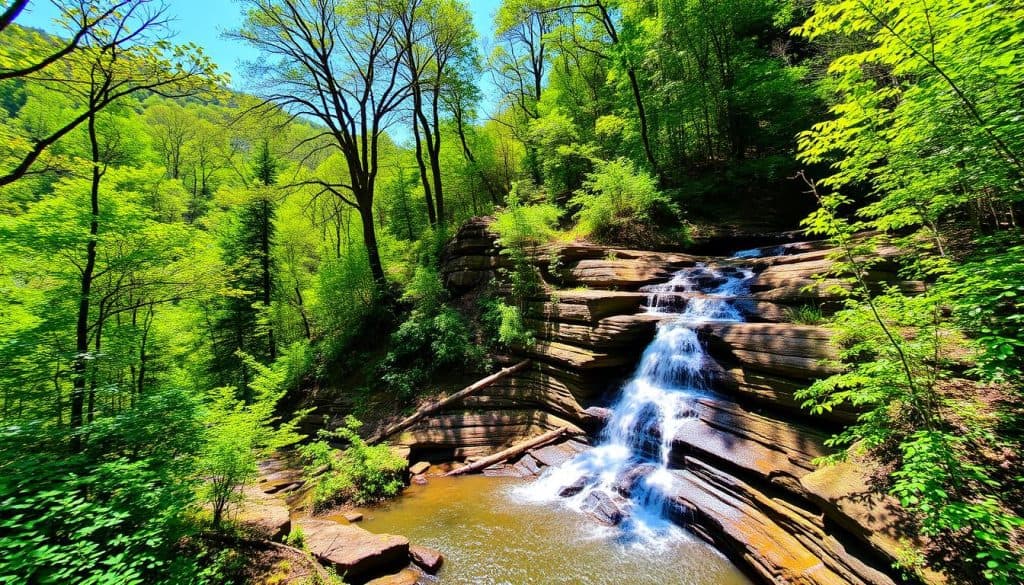
Laurel Falls Trail in Great Smoky Mountains
Laurel Falls Trail, located in Great Smoky Mountains National Park, is a 2.6-mile round-trip hike featuring an 80-foot waterfall.
This trail is known for its accessibility and high foot traffic, making it one of the park’s most popular trails.
The paved surface, though somewhat uneven, makes it more accessible than many mountain paths, attracting approximately 800,000 visitors annually.
The mountain laurel that blooms along the trail in early May adds to its beauty.
Trail Highlights: 80-foot cascading waterfall, old-growth forest, and diverse wildlife.
America’s Most Scenic Day Hikes
The United States is home to some of the world’s most spectacular day hikes, offering breathtaking views and unforgettable experiences. Whether you’re a seasoned hiker or just starting out, there’s a trail out there for you.
Skyline Trail: Panoramic Views in Paradise
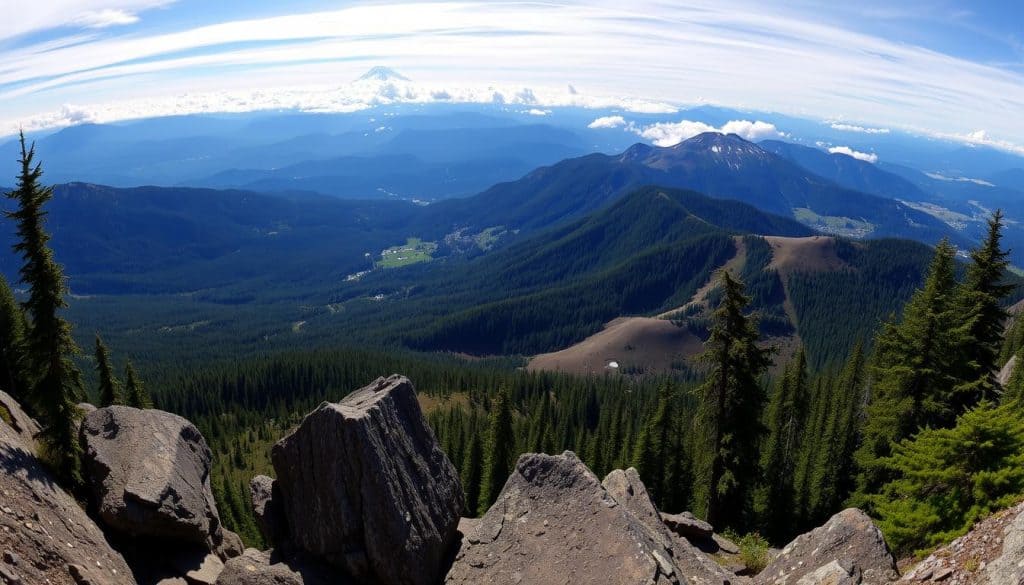
The Skyline Trail at Mount Rainier National Park is a must-do for any hiking enthusiast. This 5-mile trail offers panoramic views of the surrounding mountains and valleys, making it a perfect day hike. The terrain is varied, with steep inclines and wildflower-filled meadows.
As you hike, you’ll be treated to stunning views of glaciers and subalpine lakes. The trail is generally considered moderate, but the scenery makes it well worth the effort.
Devil’s Bridge Trail: Arizona’s Natural Sandstone Arch

The Devil’s Bridge Trail via Dry Creek Road in Coconino National Forest is a moderate 4.2-mile round-trip hike that culminates in a stunning natural sandstone arch. This trail is known for its geological significance and Arizona’s iconic red rock landscape.
Throughout the hike, you’ll enjoy spectacular views of Sedona’s famous red rock formations. The arch itself is wide enough to walk across, offering a perfect opportunity for dramatic photos.
To make the most of your visit, consider the timing and photography techniques. Early morning or late afternoon is ideal for capturing the vibrant colors of the sandstone.
Hidden Gem Trails Worth Discovering
As we venture off the beaten path, we discover hidden gem trails that offer unique hiking experiences across the United States. These trails, often overshadowed by more popular routes, provide breathtaking landscapes and exciting challenges for hikers looking to explore beyond the usual destinations.
Waihe’e Ridge Trail in Hawaii

The Waihe’e Ridge Trail on Maui, Hawaii, is a hidden gem that offers a unique hiking experience. This 4.5-mile out-and-back trail takes you through a lush, tropical landscape, eventually leading to a ridge with spectacular views of the surrounding landscape and coastline. The terrain can be challenging, with steep inclines and uneven paths, but the scenery makes it well worth the effort.
As you hike along the Waihe’e Ridge Trail, you’ll be surrounded by native Hawaiian plants and trees, with the sound of birds and the rustling of leaves creating a serene atmosphere. The trail’s diverse terrain and changing elevations offer a thrilling adventure for those looking to explore Hawaii’s natural beauty beyond the beaches.
Clark Creek Waterfall Trails in Mississippi
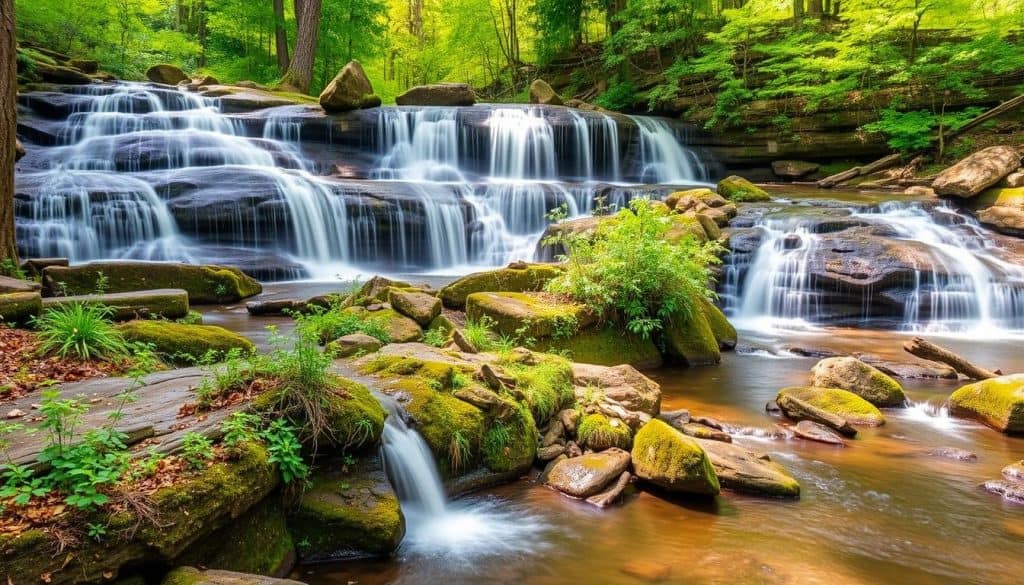
The Clark Creek Waterfall Trails in Mississippi are a surprising hiking gem in a state not typically known for its elevation or waterfall scenery. This 4.3-mile loop trail features a series of at least six waterfalls ranging from 10 to 30 feet in height, creating a picturesque landscape that’s perfect for nature lovers and photographers.
The trail traverses the Clark Creek Natural Area, a 700-acre preserve with diverse plant life, steep bluffs, and hardwood forests. The unique microclimate supports over 40 rare plant species and trees typically found much further north, making it a botanical treasure. Spring brings abundant wildflowers and maximum water flow over the falls, while autumn transforms the forest into a spectacular display of color.
Best Hiking Trails by Region
Exploring the best hiking trails by region reveals the incredible diversity of America’s natural landscapes. As you venture into different parts of the country, you’ll discover that each region has its own unique charm and challenges.
Northeast: Beyond the Appalachian Trail
The Northeast is home to some of the most iconic hiking trails in the United States, extending far beyond the renowned Appalachian Trail. The region’s diverse landscapes offer a wide range of hiking experiences, from the rugged coastline of Maine to the picturesque mountains of New Hampshire. One of the standout trails in this region is the Franconia Ridge Loop in New Hampshire’s White Mountains, known for its challenging terrain and breathtaking views. Hikers can also explore the Acadia National Park trails in Maine, which offer a unique blend of coastal and mountain hiking experiences.
Southeast: Diverse Ecosystems and Landscapes
The Southeast boasts a rich tapestry of ecosystems and landscapes, making it a hiker’s paradise. From the misty mountains of North Carolina to the sun-drenched beaches of Florida, the region is teeming with diverse hiking opportunities. The Florida Trail is a notable example, offering over 1,000 miles of hiking through a variety of landscapes, including forests, swamps, and along the coast. In North Carolina, the Laurel Falls Trail in the Great Smoky Mountains National Park is a favorite among hikers, featuring a stunning waterfall and lush forest surroundings.
Midwest: Surprising Elevation and Views
The Midwest often surprises hikers with its unexpected elevation changes, scenic vistas, and diverse landscapes. From the shores of the Great Lakes to the bluffs of the Mississippi River, the region provides rewarding trails for hikers of all levels. Michigan’s Pictured Rocks National Lakeshore features 42 miles of trails along towering sandstone cliffs and pristine beaches overlooking Lake Superior. The Ice Age Trail in Wisconsin is another highlight, stretching 1,200 miles through diverse landscapes shaped by the last continental glacier. These trails showcase the region’s natural beauty and geological history, offering hikers a unique and enriching experience.
Seasonal Hiking Considerations
As the seasons change, so do the hiking opportunities and challenges across America’s diverse landscapes. Whether you’re a seasoned hiker or just starting out, understanding the unique conditions of each season can help you make the most of your trail experiences.
Best Trails for Spring and Fall
Spring and fall are often considered the best seasons for hiking due to their mild temperatures and scenic beauty. In the spring, trails come alive with wildflowers and greenery, while fall offers a kaleidoscope of autumn colors. Some of the best trails for these seasons include:
- The Appalachian Trail in the eastern United States, known for its vibrant fall foliage.
- The Pacific Crest Trail sections in California and Oregon, which offer mild spring hiking conditions.
- The White Mountain Trail in New Hampshire, famous for its autumn colors.
These seasons are ideal for day hikes or longer backpacking trips, with comfortable temperatures and fewer crowds than the peak summer months. Always remember to check trail conditions and weather forecasts before heading out.
Summer and Winter Hiking Opportunities
Summer and winter represent the extremes of hiking conditions, each with its unique challenges and rewards. Summer opens up high-elevation trails in the Rockies, Cascades, and Sierra Nevada, such as the Four Pass Loop in Colorado and the John Muir Trail in California. However, desert hikers need to be cautious of the heat and plan their treks for early morning or evening.
In contrast, winter transforms familiar landscapes into serene wonderlands of snow and ice. Popular destinations like Rocky Mountain National Park and Mount Rainier offer spectacular snowshoeing and winter hiking opportunities. To navigate these conditions safely, hikers need specialized gear like microspikes, snowshoes, and insulated footwear.
Whether you’re tackling the challenges of summer heat or winter snow, being prepared with the right gear and knowledge is key to a successful and enjoyable hike. Always check the weather and trail conditions before you go, and don’t forget to bring plenty of water and stay hydrated throughout your journey.
Preparing for America’s Major Trails
Preparing for a hike on America’s most popular trails requires more than just the right gear. As you plan your next hiking adventure, understanding the requirements for permits, regulations, and trail conditions is crucial for a successful and enjoyable experience.
Many hikers are surprised to learn that popular trails now require advance reservations months before a planned trip. National Park backcountry permits for areas like Yosemite’s Half Dome and Grand Canyon’s Bright Angel Campground often become available on a rolling basis 3-6 months in advance and can sell out within minutes.
Essential Gear for Different Trail Types
While gear is just one aspect of preparation, having the right equipment can make a significant difference in your hiking experience. For long-distance trails like the Pacific Crest Trail or the Appalachian Trail, hikers need to consider the weight and durability of their gear. “The right backpack can be your best friend on a long hike,” says experienced hiker Sarah Jones. For day hikes or shorter trails, the focus can be on lighter, more versatile equipment.
Understanding the terrain and climate of your destination is also crucial. For example, hiking in desert environments like those found on the Grand Canyon trail requires more hydration and sun protection than hiking in cooler, more temperate zones.

Permits and Regulations to Know
Navigating the complex permit systems for America’s most popular trails has become an essential skill for hikers. Highly sought-after permits for destinations like The Wave in Arizona and Mount Whitney in California operate through competitive lottery systems. Long-distance trails require coordinating multiple permits across different land management agencies.
To increase your chances of securing a permit, it’s essential to understand the regulations and plan accordingly. This includes knowing the cancellation policies, utilizing walk-up permits when available, and planning trips during shoulder seasons when competition decreases.
As one experienced hiker notes, “Understanding the rationale behind these regulations helps hikers appreciate how permit systems protect both natural resources and the quality of visitor experiences on America’s most popular trails.”
By being prepared and informed, hikers can ensure a more enjoyable and stress-free experience on America’s major trails.
Accessibility and Family-Friendly Options
I’ve discovered that the key to a successful family hike lies in choosing trails that balance accessibility with exciting natural features. As families become more adventurous, it’s essential to identify trails that cater to diverse age groups and ability levels.
When planning a family hike, consider trails with engaging features like waterfalls, wildlife viewing opportunities, or interesting geological formations. These elements not only captivate children’s imagination but also provide a meaningful experience for adults.
Trails for All Ability Levels
Family-friendly trails often feature shorter loops with manageable distances and difficulty levels, making them suitable for mixed-age groups. For instance, trails like Glacier National Park’s Hidden Lake Overlook, Rocky Mountain’s Bear Lake Loop, and Arches’ Windows Section offer significant scenery rewards for modest hiking efforts.
These trails typically include educational elements and safe spaces for children to explore, fostering a love for nature and trail exploration from a young age. Many national parks also offer Junior Ranger programs that complement family hikes with educational materials and activities.
Best Trails for Family Adventures
Some of the best family-friendly trails are those with diverse points of interest, such as waterfalls, unique rock formations, or wildlife habitats. Trails like Yellowstone’s Mud Volcano area, Olympic’s Hall of Mosses, and Shenandoah’s Dark Hollow Falls provide natural curiosities that spark wonder and learning.
When selecting a trail, consider factors like the age and ability of your children, the day‘s weather, and the availability of amenities like restrooms and drinking water. By choosing trails that align with your family’s needs, you can create a positive and enjoyable hiking experience that fosters a lifelong appreciation for nature.
For families with younger children, it’s often best to start with shorter, easier trails and gradually progress to more challenging ones as the children grow older and more confident. This approach helps build their endurance and develops a love for outdoor adventures.
Conservation and Trail Stewardship
The beauty of America’s hiking trails is not just a result of nature, but also the efforts of countless volunteers and organizations dedicated to trail conservation. As we enjoy the great outdoors, it’s essential to recognize the importance of preserving these natural resources for future generations.
America’s extensive trail network exists largely thanks to volunteer organizations and trail maintenance groups that contribute millions of hours annually to building, maintaining, and protecting hiking paths across the country. These efforts not only ensure the trails remain accessible but also help in conserving the surrounding environment.
Leave No Trace Principles
One of the fundamental ways hikers can contribute to trail conservation is by following the Leave No Trace principles. These guidelines are designed to minimize human impact on the environment, ensuring that our natural areas remain pristine for years to come.
- Plan ahead and prepare to reduce waste and avoid last-minute decisions that might harm the environment.
- Travel and camp on durable surfaces to minimize erosion and damage to vegetation.
- Dispose of waste properly, and pack out what you pack in.
By adopting these practices, hikers can significantly reduce their environmental footprint. For more information on how to implement these principles on your next hiking adventure, consider exploring resources from national park websites and conservation organizations.
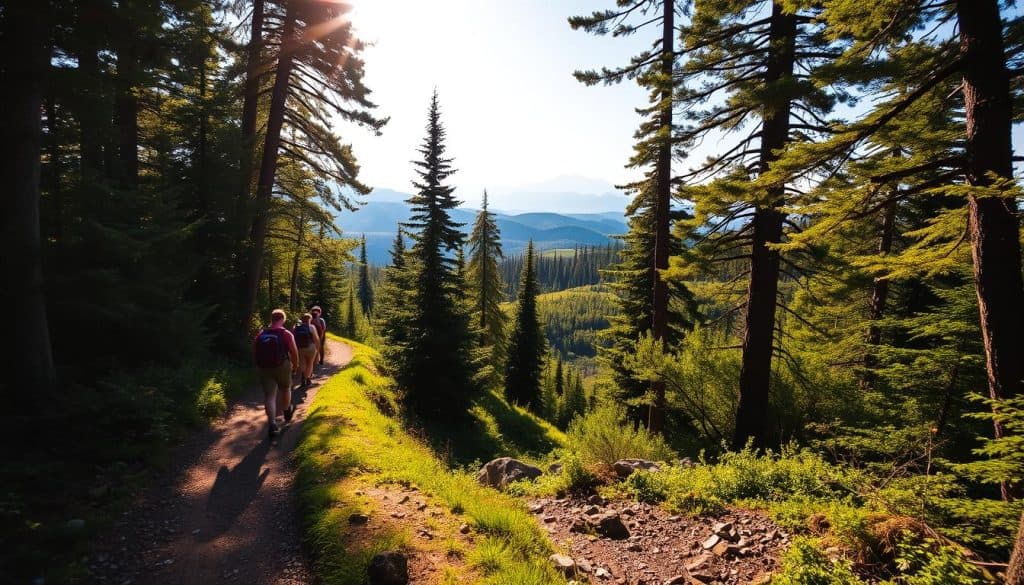
Supporting Trail Maintenance Organizations
Beyond personal practices, supporting organizations dedicated to trail maintenance is crucial. Groups like the Appalachian Trail Conservancy, Pacific Crest Trail Association, and Continental Divide Trail Coalition work tirelessly to maintain and protect America’s most iconic trails. These organizations rely on volunteers and donations to continue their work.
By getting involved, whether through volunteering your time or supporting these organizations financially, you can make a tangible difference in the preservation of America’s hiking heritage. Every hour of work and every dollar donated contributes to the upkeep of these trails, ensuring they remain available for people to enjoy for many years to come.
The Future of America’s Hiking Trails
As we look to the future, America’s hiking trails face a complex landscape of challenges and opportunities. The increasing popularity of hiking has brought millions of new outdoor enthusiasts to trails nationwide, creating both opportunities for conservation advocacy and challenges related to overuse.
The post-pandemic hiking boom has significantly strained trail infrastructure, particularly on routes popularized through social media. Climate change is directly impacting trails through increased wildfire activity, more extreme weather events, and rising sea levels that threaten coastal paths. For instance, the increased frequency of wildfires has necessitated changes in trail management and maintenance.
Despite these challenges, new long-distance trail projects continue to expand America’s hiking opportunities. The developing Great American Rail Trail, spanning 3,700 miles coast to coast, and the Eastern Divide Trail are examples of such initiatives. Technology is also transforming the hiking experience through digital mapping tools and trail condition reporting apps.
Land managers are adapting to these challenges through various strategies, including permit systems, trail hardening, and increased education efforts. Understanding these evolving dynamics is crucial for hikers to become informed advocates for trail preservation.
| Challenge | Impact | Adaptation Strategy |
|---|---|---|
| Increased Usage | Strained infrastructure, overuse | Permit systems, trail hardening |
| Climate Change | Wildfires, extreme weather, sea level rise | Strategic planning, education efforts |
| Technological Advancements | Instant discoverability of trails | Digital mapping, trail condition reporting |
By embracing these changes and working together, we can ensure that America’s hiking trails remain accessible and enjoyable for future generations. The future of these trails depends on our ability to balance preservation with progress, making informed decisions that support both the environment and the hiking community.
Conclusion
America’s hiking trails are not just routes through the wilderness; they are pathways to personal growth, connection with nature, and community. As we’ve explored throughout this article, the United States is home to a diverse array of trails that cater to all ability levels and interests.
The hiking experience in America is as varied as its landscapes, from the challenging trail systems in our national parks to the serene pathways in local nature reserves. Each trail offers a unique opportunity to engage with the natural world, challenge oneself physically, and find moments of solitude and reflection.
One of the most significant benefits of hiking is its impact on our well-being. Time spent on the trails has been shown to reduce stress, improve cardiovascular health, and enhance creativity. Moreover, the connections made with fellow hikers and the natural environment can be profoundly meaningful.
As we look to the future, it’s essential to recognize the importance of preserving these trails for generations to come. This involves not only supporting trail maintenance organizations but also practicing responsible recreation and advocating for conservation efforts.
In conclusion, America’s hiking trails represent a priceless national resource, offering countless experiences that enrich our lives and connect us to the world around us. Whether you’re logging a few miles on a local path or embarking on a life-changing thru-hike, the trail awaits, ready to reveal its wonders and leave its mark on your life.
FAQ
How long does it take to hike the Appalachian Trail?
Hiking the entire Appalachian Trail typically takes around 5-7 months to complete, covering approximately 2,190 miles.
What is the most challenging section of the Pacific Crest Trail?
The most challenging section of the Pacific Crest Trail is often considered to be the Sierra Nevada mountain range, where hikers face steep terrain, snow, and unpredictable weather.
Are there any hiking trails in the United States that are suitable for families with young children?
Yes, many national and state parks offer family-friendly trails with gentle terrain and scenic views, such as the Laurel Falls Trail in Great Smoky Mountains National Park.
What are the permit requirements for hiking the Grand Canyon Rim-to-Rim trail?
Hikers planning to hike the Grand Canyon Rim-to-Rim trail need to obtain a permit through the National Park Service’s online system, especially during peak season.
Can I hike the Continental Divide Trail without prior long-distance hiking experience?
While it’s possible to hike the Continental Divide Trail without prior experience, it’s not recommended due to the trail’s challenging terrain, remote wilderness, and unpredictable weather conditions.
How do I prepare for hiking in extreme weather conditions, such as intense heat or snow?
To prepare for extreme weather, hikers should research the trail conditions, pack essential gear such as layers, a first aid kit, and navigation tools, and stay informed about weather forecasts.
Are there any guided hiking tours available for popular trails like the John Muir Trail?
Yes, many outfitters and guide services offer guided hiking tours for popular trails like the John Muir Trail, providing expert guidance and logistical support.
What are some essential items to include in my hiking backpack?
Essential items to include in your hiking backpack are a map, compass, first aid kit, extra food and water, shelter, and layers for changing weather conditions.
How can I minimize my impact on the environment while hiking?
To minimize your impact, follow the Leave No Trace principles, stay on designated trails, and avoid littering or disturbing wildlife.