
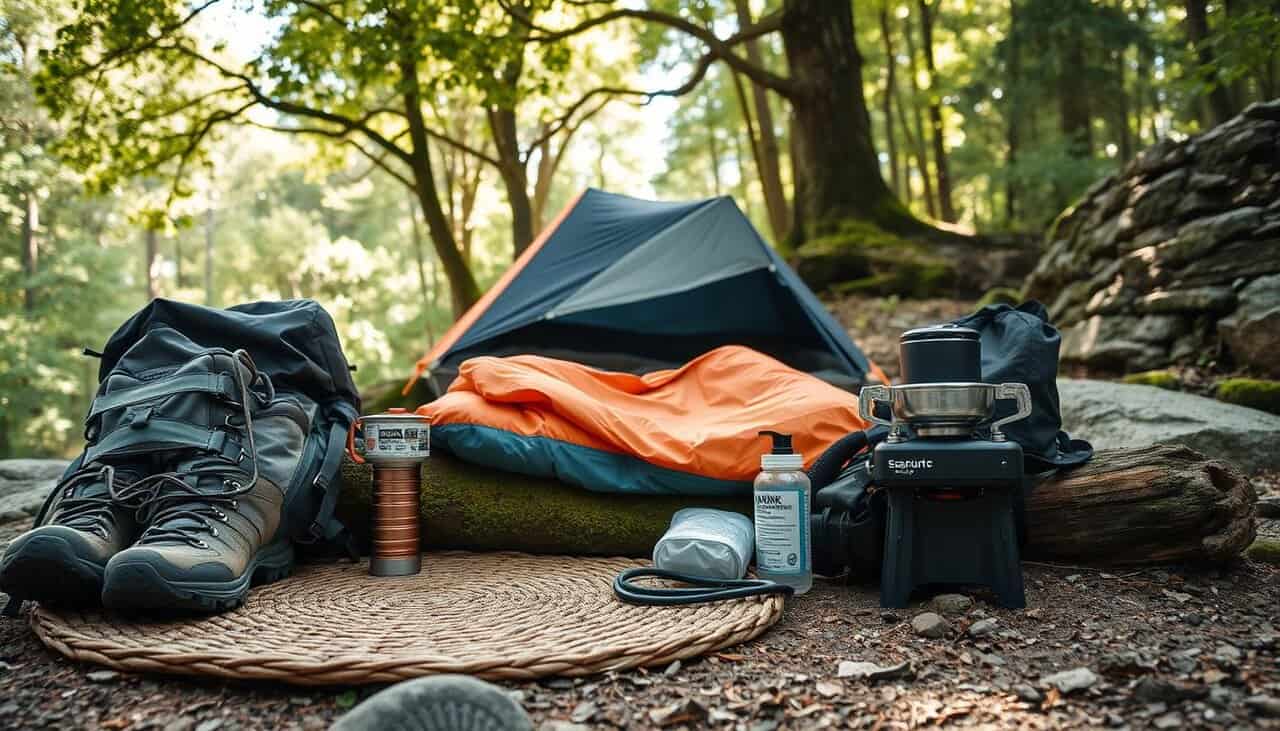
As a seasoned backpacker, I’ve learned that every ounce counts when you’re trekking through the wilderness. Carrying excessive gear weight can quickly turn a thrilling adventure into a grueling chore. Did you know that reducing your pack weight by just 1 pound can save you around 1,000 calories per day?
This is where the concept of the Big 4 comes in – the four heaviest items in your backpacking gear list: backpack, shelter system (tent or alternative), sleeping bag/quilt, and sleeping pad. By focusing on these essential items, you can significantly reduce your overall pack weight and enhance your backpacking experience.
Key Takeaways
- Understanding the Big 4 is crucial for reducing pack weight and improving comfort on the trail.
- The Big 4 includes the backpack, shelter system, sleeping bag/quilt, and sleeping pad.
- Focusing on these four items can lead to significant weight reductions in your backpacking setup.
- Balancing weight considerations with comfort, durability, and budget is essential when selecting Big 4 gear.
- Reducing pack weight can greatly enhance your overall backpacking experience.
Understanding the Big 4 in Backpacking
As backpackers, we’re always on the lookout for ways to make our adventures more enjoyable, and understanding the Big 4 is a crucial step in that journey. The Big 4 refers to the four most critical components of a backpacker’s gear: backpack, shelter system, sleeping bag or quilt, and sleeping pad. These items are not only essential for a comfortable and safe backpacking experience but also contribute significantly to the overall weight of the pack.
Definition and Importance
The Big 4 is defined by its four core components, which are vital for any backpacking trip. The importance of these items cannot be overstated; they provide the necessary shelter, warmth, and comfort that allow backpackers to enjoy their time on the trail.Ultralight backpackinghas gained popularity in recent years, with many enthusiasts striving to reduce their base weight to under 10 pounds. Achieving this goal requires a deep understanding of the Big 4 and how to optimize each component for weight.
Backpackers are in the midst of an ultralight backpacking debate, with a focus on minimizing base weight while maintaining comfort and preparedness. The Big 4 typically constitutes 50-70% of a backpacker’s base weight, making these items the primary targets for weight reduction strategies.
Impact on Overall Pack Weight
The weight of the Big 4 has a significant impact on the overall pack weight. Traditional backpacking setups often have Big 4 items weighing 12-20 pounds combined, while ultralight alternatives can bring this down to 5-7 pounds or even less.
Reducing the weight of the Big 4 creates a cascading effect, where a lighter load means less strain on the body, requiring less food energy and potentially smaller water carries, ultimately leading to a smaller, lighter pack.
Understanding how each component of the Big 4 contributes to overall pack weight helps backpackers make informed decisions about where to invest in lighter gear for maximum benefit. The psychological impact of a lighter pack significantly enhances the backpacking experience, allowing hikers to focus more on enjoying the trail rather than enduring it.
Finding the right balance between weight reduction and maintaining comfort on the trail is the key challenge when optimizing your Big 4 gear selections. By understanding the importance and impact of the Big 4, backpackers can make smarter choices about their gear, leading to a more enjoyable and comfortable backpacking experience.
The Backpack: First of the Big 4
Your backpack is more than just a bag; it’s your mobile home while on the trail. As you prepare for your next backpacking adventure, selecting the right pack is crucial. It’s not just about carrying your gear; it’s about comfort, efficiency, and enjoying the journey.
Types of Ultralight Backpacks
Ultralight backpacks are designed to minimize weight while maximizing comfort and functionality. When exploring options, you’ll find a variety of designs tailored to different needs. Some packs focus on simplicity and minimalism, while others offer advanced features like customizable suspension systems.
For most ultralight backpackers, a pack with a volume of 45-60 liters is sufficient for multi-day trips. This capacity allows you to carry essential gear without overloading. The key is to strike a balance between having enough space and keeping your pack light.
Features to Consider When Choosing a Lightweight Pack
When selecting a lightweight backpack, several factors come into play. First, consider the weight distribution system. A well-designed pack transfers the weight to your hips, reducing strain on your shoulders. Look for packs with padded hip belts and load-bearing suspension systems.
Other critical features include:
- Durability: Assess the denier rating of the fabrics and reinforcement in high-stress areas.
- External Storage: Mesh pockets, hip belt pockets, and attachment points can add versatility.
- Accessibility: Consider roll-top closures versus traditional lid designs for ease of access.
- Fit: Ensure the pack matches your torso length and hip circumference for optimal comfort.
- Water Resistance: Some packs offer waterproof materials and seam-sealing, while others may require additional waterproofing.
By carefully evaluating these features, you can find a lightweight backpack that meets your needs and enhances your backpacking experience.
Shelter Systems: Second of the Big 4
The shelter system, being one of the Big 4 in backpacking, plays a significant role in determining your overall pack weight and comfort. When venturing into the wilderness, your shelter can be a defining factor in the quality of your outdoor experience. As such, choosing the right shelter system is crucial.
There are several options available for backpackers, each with its unique advantages and considerations. Let’s explore the most popular choices: ultralight tents, hammock systems, and tarp and bivy setups.
Ultralight Tents
Ultralight tents are a favorite among backpackers who value ease of setup and protection from the elements. Modern ultralight tents are designed to be both lightweight and spacious, making them an excellent choice for those who prioritize comfort without sacrificing too much on weight. When selecting an ultralight tent, consider factors like weather resistance, interior space, and the overall durability of the materials used.
Hammock Systems
Hammock systems offer a unique backpacking experience, allowing you to camp above the ground and enjoy a more immersive connection with nature. A typical hammock setup includes the hammock itself, suspension straps, and often a bug net and tarp for protection. Hammocks are particularly useful in areas where flat ground is scarce, providing a comfortable alternative to traditional tent camping.
For more insights into hammock systems and other shelter options, you can refer to this comprehensive buyer’s guide, which covers a wide range of products and considerations.
Tarp and Bivy Setups
A bivy coupled with a tarp represents one of the most minimalist shelter approaches in ultralight backpacking. This setup is favored for its simplicity, lightweight nature, and the authentic outdoor experience it provides. A typical tarp and bivy system includes a waterproof/breathable bivy sack and a separate tarp for overhead protection.
The benefits of tarp and bivy setups include easy setup and breakdown, the ability to camp in unique locations, and significantly reduced pack weight. However, they also come with challenges such as managing condensation and dealing with reduced protection from the weather.
| Shelter Type | Weight Range | Protection Level |
|---|---|---|
| Ultralight Tent | 1-3 lbs | High |
| Hammock System | 1-2 lbs | Medium to High |
| Tarp and Bivy | 0.5-1.5 lbs | Low to Medium |
Sleeping Bags and Quilts: Third of the Big 4
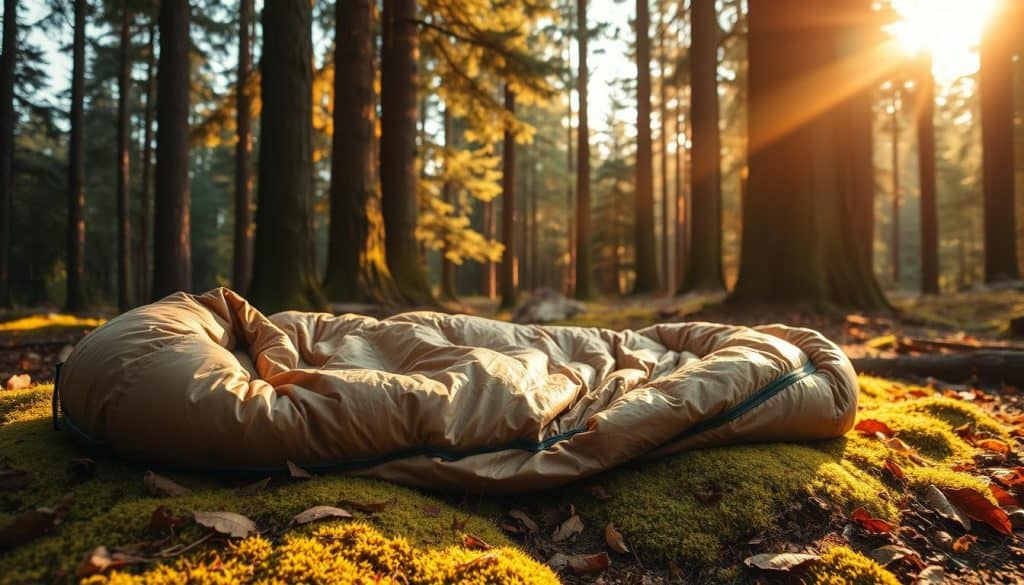
The third component of the Big 4 in backpacking is sleeping bags and quilts, which can significantly impact your overall pack weight. As you consider your options, you’ll need to think about the type of insulation, the temperature rating, and the weight of your sleeping bag or quilt.
Traditional Sleeping Bags vs. Quilts
When deciding between a traditional sleeping bag and a quilt, there are several factors to consider. Traditional sleeping bags provide comprehensive coverage and are often preferred for colder conditions. On the other hand, quilts offer a more flexible and often lighter alternative, ideal for warmer weather or those who prefer a more minimalist approach.
Quilts are generally more versatile, allowing you to adjust your sleeping setup as needed. However, they may not provide the same level of warmth as a traditional sleeping bag in very cold conditions. It’s essential to consider your typical backpacking conditions and personal preferences when making this decision.
Temperature Ratings and Seasonal Considerations
Understanding temperature ratings is crucial when selecting a sleeping bag or quilt. The temperature rating indicates the lowest temperature at which the bag or quilt will keep you warm. However, these ratings can vary between manufacturers due to different testing methods.
To choose the right sleeping bag or quilt, consider the season and expected nighttime temperatures. For summer backpacking, a 40-50°F rated bag is often sufficient and can weigh as little as 1-1.5 pounds. For three-season backpacking, you’ll likely need a bag rated for 20-30°F, which typically weighs between 1.5-2.5 pounds.
- Down insulation offers an excellent warmth-to-weight ratio but requires protection from moisture.
- Synthetic insulation performs better when wet but comes with a weight penalty compared to down.
- Narrowing your objectives to specific seasons allows for lighter, more specialized sleep systems.
By considering these factors and choosing the right sleeping bag or quilt for your needs, you can significantly reduce your pack weight and enhance your backpacking experience.
Sleeping Pads: Fourth of the Big 4
After covering the backpack, shelter, and sleeping bag or quilt, we arrive at the final piece of the Big 4: the sleeping pad. This crucial component directly impacts the quality of our sleep on the ground. Gone are the days when buying a sleeping pad involved compromising either weight or comfort. Today, it’s easy to get a lightweight pad that folds into a compact size, all while providing plenty of warmth.
Types of Sleeping Pads
The comfort-to-weight ratio of sleeping pads has improved dramatically in recent years. Modern sleeping pads offer substantial comfort at weights under 16 ounces. There are various types to consider, each with its own advantages. Individual sleeping preferences significantly impact pad selection – for instance, side sleepers typically need thicker pads (2.5-3.5 inches) for shoulder and hip comfort, while back sleepers can often manage with thinner options.
Pad width is another crucial consideration. Standard pads (20 inches wide) save weight but may leave arms hanging off the sides. Wider options (25+ inches) offer more comfort at a weight penalty. Baffling designs also affect both comfort and stability, with horizontal baffles typically feeling more stable than vertical ones.
Balancing Comfort and Weight
When it comes to balancing comfort and weight, there are several strategies to consider. Hybrid approaches, such as pairing a thin closed-cell foam pad (1/8-1/4 inch) beneath an air pad, can provide puncture protection and additional insulation with minimal weight penalty. Noise reduction techniques for crinkly pads include placing a thin layer between you and the pad or “breaking in” the pad before trips.
Temperature considerations should also factor into pad selection. Air pads can feel cold in winter conditions without adequate R-value (typically 5+ for snow camping). The psychological comfort of a good night’s sleep cannot be overstated, making the sleeping pad one area where many experienced backpackers are willing to carry extra weight for better rest.
What are the Big 4 in Backpacking? Weight Reduction Strategies
As a seasoned hiker, I’ve learned that weight reduction strategies are essential for a pleasant backpacking experience. When planning a trip, I always consider ways to minimize my pack weight without sacrificing comfort or safety.
There are two primary approaches to reducing weight: replacing gear with lighter alternatives and narrowing your objectives to carry only what’s necessary.
The “Buy It Down” Approach
The “Buy It Down” approach involves replacing your current gear with lighter, often more expensive alternatives. This can be an effective way to reduce weight, but it requires a significant investment. For example, upgrading to an ultralight backpack or sleeping bag can make a substantial difference in your overall pack weight.
When considering this approach, it’s essential to weigh the costs and benefits. While lighter gear can enhance your backpacking experience, it’s crucial to ensure that the new gear meets your needs and is durable enough to withstand the rigors of the trail.
Narrowing Your Objectives
Narrowing your objectives is another effective way to reduce weight. By specializing your gear for specific seasons, conditions, or trip types, you can significantly lighten your load. For instance, if you only backpack in the summer, you can opt for lighter sleep insulation and avoid carrying unnecessary rain gear.
Some key strategies for narrowing your objectives include:
- Season-specific gear selection to reduce weight by 3-5 pounds compared to three-season setups
- Geographic specialization to refine gear choices based on the terrain and climate
- Trip duration specialization to impact food carrying capacity needs
- Weather window selection to allow for lighter rain protection and insulation layers
By adopting these strategies, you can enjoy a more comfortable and efficient backpacking experience. As one experienced hiker noted, “The key to ultralight backpacking is not just about the gear; it’s about being intentional with your choices and knowing what you really need for your trip.”
“The key to ultralight backpacking is not just about the gear; it’s about being intentional with your choices and knowing what you really need for your trip.”
| Strategy | Description | Weight Reduction |
|---|---|---|
| Season-specific gear | Specializing gear for specific seasons | 3-5 pounds |
| Geographic specialization | Refining gear choices based on terrain and climate | Varies |
| Trip duration specialization | Impacting food carrying capacity needs | Varies |
Beyond the Big 4: Complementary Gear Considerations
Beyond the foundational elements of the Big 4, thoughtful planning of complementary gear is vital for a successful and enjoyable backpacking adventure. While the Big 4 provide a significant portion of your base weight, other gear considerations can greatly impact your overall backpacking experience.
Clothing and Layering Systems
When it comes to gear, clothing is a critical aspect that can significantly affect your pack’s weight. A well-designed layering system allows you to adapt to changing conditions while minimizing the amount of clothing you carry. Consider the expected weather conditions for your trip and choose clothing that can be layered to adjust to varying temperatures. Quick-drying, moisture-wicking fabrics are ideal for backpacking as they help manage sweat and dry quickly.
To optimize your clothing’s weight, focus on versatile, multi-use items. For instance, a lightweight rain jacket can also serve as a windbreaker. Packing clothes that can be easily mixed and matched reduces the overall number of items you need to carry, thus saving weight.
Food and Water Systems
Food and water are consumables that can more than double your pack’s weight over the course of a trip. Efficient systems for carrying and processing these consumables are critical. For food, focus on high-caloric density options that provide 125-150 calories per ounce. This approach maximizes nutrition while minimizing the weight and amount of food you need to carry.
- Water treatment options range from chemical treatments to lightweight filters and pump systems, with the choice depending on water sources and personal preference.
- Cooking system choices vary from no-cook approaches to ultralight stoves, with considerations for weight and convenience.
- Strategic resupply planning can reduce the maximum food carry, potentially allowing for a smaller, lighter pack.
By carefully considering your clothing, food, and water systems, you can further optimize your backpacking gear for a more enjoyable and efficient trip.
Conclusion: Balancing Weight, Comfort, and Safety
The art of lightweight backpacking is about more than just shedding weight; it’s about creating a harmonious balance between comfort and safety. As you optimize your Big 4 gear, remember that every decision is a trade-off between these critical factors.
Your journey to the perfect pack is highly personal, influenced by your experiences, preferences, and the terrain you traverse. It’s about being intentional with every item you carry, from your bag to your pad, and eliminating redundancies.
For more insights on optimizing your backpacking gear, you can explore resources like this guide on backpacking base weight, which offers valuable tips on reducing your overall weight without compromising on comfort or safety.
Finding your balance takes time and experience. Most backpackers settle into a lightweight category, enjoying the freedom and immersive experience that comes with a well-optimized pack. As you camp on solid ground, surrounded by nature, you’ll appreciate the effort you put into selecting the right clothing and gear for your adventures.
Ultimately, the goal is to enhance your backpacking experience, making every step feel lighter and more enjoyable. By focusing on the Big 4 and beyond, you can achieve a perfect blend of ultralight efficiency and comfortable camping.
FAQ
What’s the most critical factor when choosing a sleeping bag for backpacking?
The temperature rating is crucial, as it directly impacts your comfort and safety during the night. Consider the lowest temperature you expect to encounter on your trip and choose a bag that can handle it.
How do I balance comfort and weight when it comes to my sleeping pad?
To strike a balance, consider the type of trip you’re taking and your personal comfort level. For example, if you’re backpacking for a short trip, a lightweight foam pad might be sufficient. For longer trips or if you prioritize comfort, you might opt for an inflatable pad with a higher comfort rating, despite its additional weight.
What’s the difference between a traditional sleeping bag and a quilt?
A traditional sleeping bag is a fully enclosed system that wraps around your body, while a quilt is a more open design that drapes over you. Quilts are often lighter and more packable but may require additional measures to stay warm, such as wearing a hat or using a draft tube.
How can I reduce the weight of my backpacking gear?
One effective strategy is the “buy it down” approach, where you continually look for lighter alternatives to your existing gear. You can also narrow your objectives by prioritizing the most essential items and cutting back on non-essential gear.
What’s the benefit of using a tarp and bivy setup instead of a traditional tent?
A tarp and bivy setup can be significantly lighter than a traditional tent, making it an attractive option for ultralight backpackers. However, it may require more setup time and can be more exposed to the elements.
How do I choose the right clothing for backpacking?
A versatile layering system is key. Choose clothing items that can be layered to adjust to changing temperatures and weather conditions. Consider the activity level, weather forecast, and your personal comfort when selecting your clothing.