
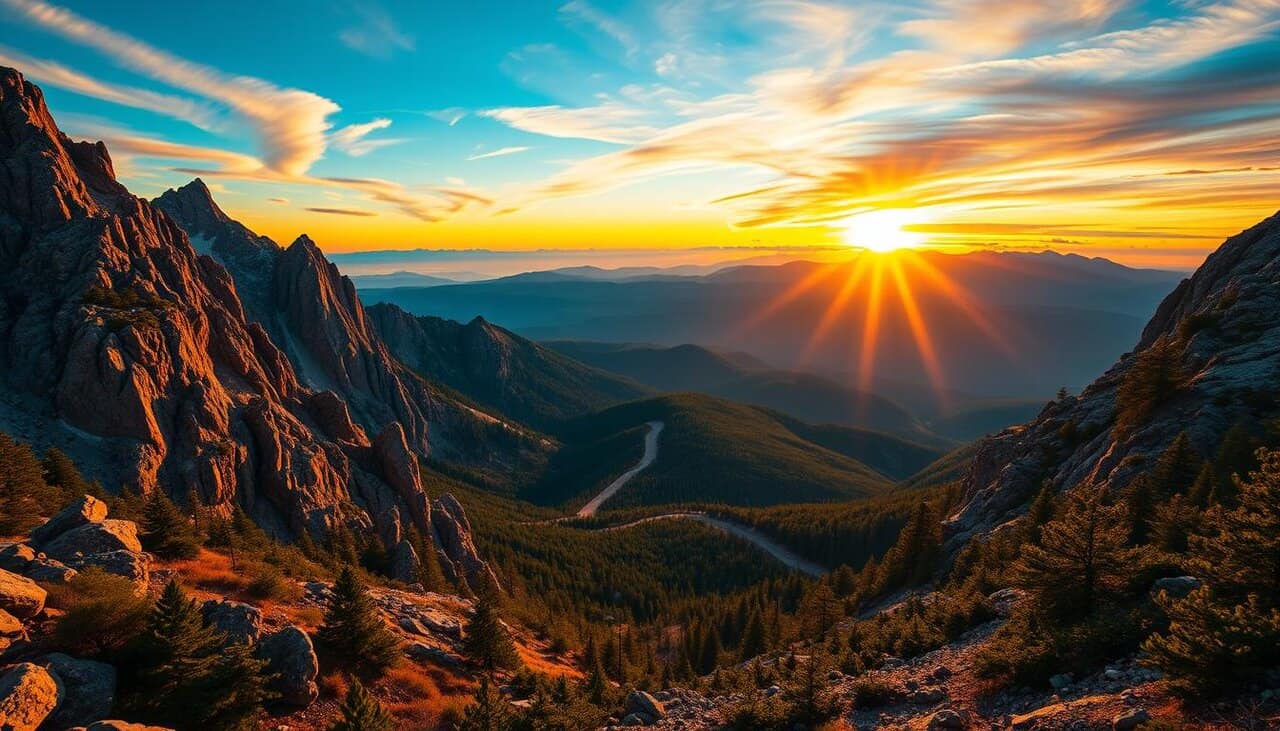
Imagine embarking on a journey that spans thousands of miles through some of North America’s most breathtaking landscapes. For thousands of adventurers each year, this dream becomes a reality on the Appalachian Trail, Pacific Crest Trail, and Continental Divide Trail.
These three iconic long-distance hiking trails, known collectively as the Triple Crown of American Hiking, offer a unique adventure through diverse terrains, from dense forests and rolling mountains to desert expanses and alpine wilderness.
Combined, they stretch over 7,900 miles across more than 20 states, representing some of the most challenging and rewarding hiking experiences in North America. Whether you’re planning your first thru-hike or comparing these legendary routes, understanding what makes these trails special is essential.
Key Takeaways
- The Triple Crown of American Hiking consists of the Appalachian Trail, Pacific Crest Trail, and Continental Divide Trail.
- These trails collectively span over 7,900 miles across more than 20 states.
- Each trail offers a unique journey through diverse landscapes and terrains.
- Completing all three trails is a significant achievement, with only about 700 people recognized by the American Long Distance Hiking Association – West.
- The trails represent some of the most challenging and rewarding hiking experiences in North America.
The Triple Crown of American Hiking
The Triple Crown of Hiking is not just a series of trails; it’s a journey that transforms hikers and pushes them to their limits. This prestigious hiking challenge includes three of the most iconic long-distance trails in the United States: the Appalachian Trail, the Pacific Crest Trail, and the Continental Divide Trail. Completing all three trails is a significant challenge that requires careful planning, physical endurance, and mental resilience.
What Makes These Trails Special
The Triple Crown trails are renowned for their diverse landscapes, ranging from lush forests to arid deserts and mountainous terrains. The Triple Crown of Hiking offers hikers a unique opportunity to experience the natural beauty of America. Each trail has its own distinct character and challenges, making the overall experience incredibly rewarding.
The Challenge of Thru-Hiking
Thru-hiking the Triple Crown trails is a significant undertaking that demands careful preparation and dedication. Hikers must contend with unpredictable weather, complicated logistics, and the physical demands of walking thousands of miles. Most successful thru-hikers spend 4-7 months on the trail, carrying all their gear and navigating challenging terrain.
| Trail | Distance | Typical Completion Time |
|---|---|---|
| Appalachian Trail | 2,190 miles | 5-7 months |
| Pacific Crest Trail | 2,659 miles | 4-6 months |
| Continental Divide Trail | 3,100 miles | 5-7 months |
The Appalachian Trail (AT): America’s Historic Footpath
As one of the Triple Crown trails, the Appalachian Trail offers a unique blend of natural beauty and physical challenge. Stretching over 2,190 miles from Georgia to Maine, the AT is a historic footpath that attracts adventurers from around the world.
Trail Overview and Geography
The Appalachian Trail spans across 14 states, presenting hikers with diverse landscapes and ecosystems. It is known for its section hiking, where trekkers tackle chunks of the trail over several years, helping to reduce congestion. The AT has more support, more towns, and more options to resupply gear, making it a good beginner trail.
Unique Features and Highlights
The AT is renowned for its challenging terrain, including frequent rainfall, high humidity, and relentless elevation changes. As one hiker noted, “The amount of elevation gain in such a short span will test your hiking abilities, and it stays that way the entire trail.” The trail also features a strong support network, with many towns and resupply points along the way.
For those looking for a real challenge, the AT is an ideal choice. The trail’s unique features include its nickname “the rain forest of the East” for sections like the Smokies, due to the frequent rainfall. Hikers should be prepared for weeks of consecutive rainy days, particularly in the southern sections during spring.
Challenges and Preparation Tips
Preparation for the AT should include waterproofing strategies for both gear and yourself. Essential gear considerations include sturdy footwear for rocky terrain, effective rain gear, and proper insulation for temperature variations. As I always say, “If you’re looking for a real challenge, then hike the AT.” Understanding seasonal water sources and proper treatment methods is also crucial.
For more information on preparing for long-distance hikes, you can visit this resource on the best hikes in US national parks.
The Pacific Crest Trail (PCT): From Desert to Alpine Wilderness
Spanning over 2,659 miles, the Pacific Crest Trail (PCT) offers a diverse hiking experience from the sun-baked desert to the snow-capped mountains. This trail is not just a path; it’s an adventure that tests one’s endurance and showcases the natural beauty of the American West.
Trail Overview and Geography
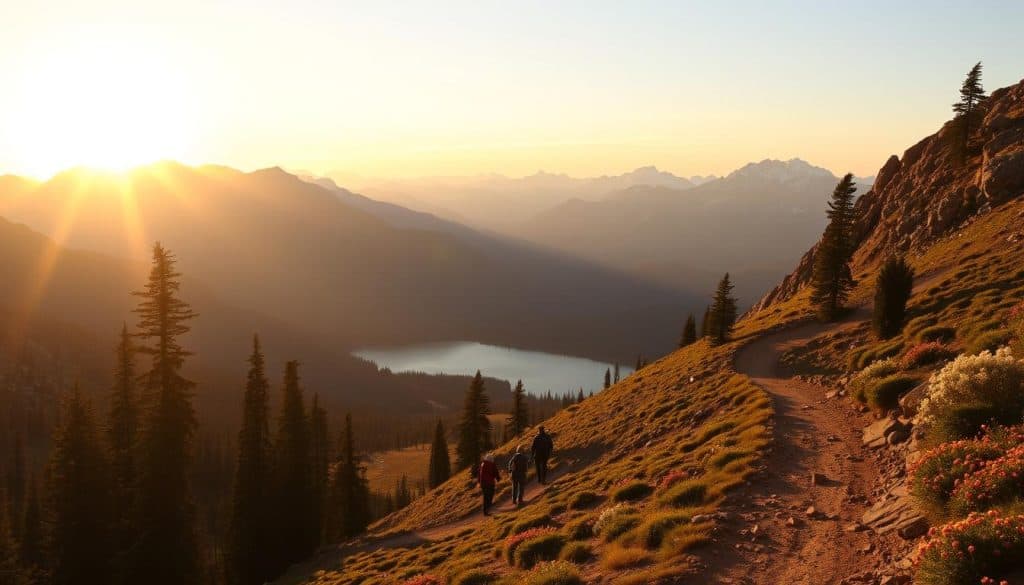
The PCT stretches from the California-Mexico border to the Washington-Canada border, passing through California, Oregon, and Washington. It traverses a variety of landscapes, including deserts, forests, and mountain ranges. The trail’s diverse geography means that hikers experience a wide range of ecosystems and climates, from the hot desert sections to the cold, snowy mountain passes.
Scenic Highlights and Must-See Sections
The PCT is renowned for its breathtaking scenery. Hikers can enjoy the majestic views of the Sierra Nevada and Cascade mountain ranges. Notable sections include the Mojave Desert, where the sun beats down relentlessly, and the alpine lakes of the Sierra Nevada, which offer serene beauty. The trail also passes through numerous national forests and parks, providing hikers with a rich cultural and natural history.
One of the most significant challenges on the PCT is managing water resources, particularly in the desert sections where sources can be scarce. Hikers must plan carefully to ensure they have enough water and know where to find reliable sources along the trail.
Challenges and Preparation Tips
Thru-hiking the PCT requires meticulous planning. One of the logistical challenges is obtaining a permit, as only 50 are allotted each day. Hikers must also be prepared for the physical demands of the trail, including extreme temperatures and potential snow in the higher elevations. It’s essential to monitor weather forecasts and be flexible with your itinerary to ensure a safe and successful hike.
Key challenges include: managing water, navigating through snow, and coping with desert heat. To overcome these, hikers should be prepared with the right gear, including sun protection and appropriate clothing for varying conditions.
The Continental Divide Trail (CDT): America’s Most Rugged Adventure
For those seeking a true wilderness experience, the CDT offers an unparalleled challenge. Completing the entire Continental Divide Trail in one go takes an average of about five and a half months, a significant commitment of time. As Thomas notes, “Most people will choose to tackle the CDT after they have a little bit more trail experience, just because you’re so out there.”
Trail Overview and Geography
The CDT spans across various landscapes, showcasing the diverse geography of the United States. It is a divide trail that requires hikers to be self-sufficient and prepared for the challenges ahead. The trail’s remote nature means that hikers must be experienced and knowledgeable about navigating with limited trail markings and significant off-trail navigation.
Wilderness Experience and Notable Sections
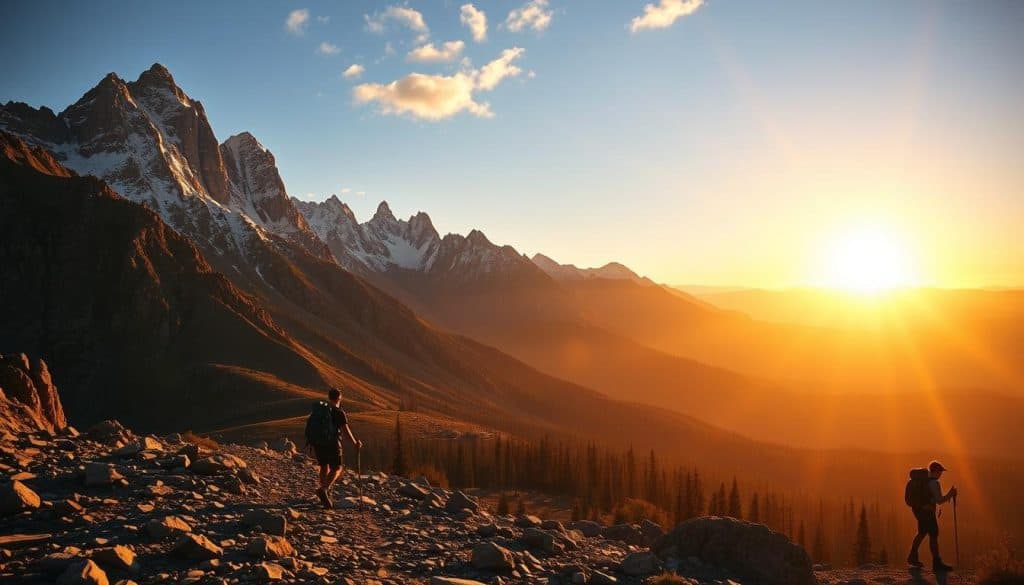
The CDT offers a more solitary experience compared to other trails like the AT and PCT, with fewer hikers and trail angels. This solitude is part of the trail’s appeal, providing a true wilderness experience. Notable sections include the long desert stretch and the longer snow section, which demand careful planning and preparation.
Challenges and Preparation Tips
Hikers on the CDT face numerous challenges, including managing water sources, navigating through snow, and coping with extreme weather conditions such as rain. To overcome these challenges, hikers must be well-prepared and adaptable. The table below summarizes some of the key challenges and preparation tips for hikers on the CDT.
| Challenge | Preparation Tip |
|---|---|
| Water Management | Plan carefully, especially in arid sections like New Mexico where sources may be 20-30 miles apart. |
| Snow Navigation | Develop snow navigation skills, as high mountain passes in Colorado may hold dangerous snow well into July. |
| Weather Extremes | Be prepared for violent afternoon thunderstorms in Colorado, extreme desert heat in New Mexico, and potential snowstorms. |
What are the big 3 trails in the USA? Comparing Their Unique Characteristics
Hikers embarking on the Big 3 trails are in for a treat as they traverse through varied terrains and ecosystems across the United States. Each trail offers a unique hiking experience, shaped by its distinct geography, climate, and community culture.
Terrain and Difficulty Comparison
The Appalachian Trail (AT), Pacific Crest Trail (PCT), and Continental Divide Trail (CDT) differ significantly in terms of terrain and difficulty. The AT spans over 2,190 miles, passing through dense forests and rolling hills. The PCT stretches for 2,659 miles, featuring desert landscapes, mountain ranges, and alpine lakes. The CDT covers approximately 3,100 miles, characterized by rugged terrain, high-altitude passes, and vast wilderness areas.
| Trail | Distance (miles) | Terrain | Difficulty Level |
|---|---|---|---|
| Appalachian Trail | 2,190 | Dense forests, rolling hills | Moderate |
| Pacific Crest Trail | 2,659 | Desert landscapes, mountain ranges, alpine lakes | Challenging |
| Continental Divide Trail | 3,100 | Rugged terrain, high-altitude passes, vast wilderness | Very Challenging |
Community and Trail Culture
Each trail has its own unique community and culture. The AT is known for its traditional northbound hiking season, with a strong sense of camaraderie among hikers. The PCT attracts a diverse group of hikers, with many section hikers and thru-hikers sharing their experiences online. The CDT, while less crowded, offers a raw and rugged wilderness experience that fosters a strong sense of adventure and resilience among its hikers.
Best Time to Hike Each Trail
The best time to hike each trail varies significantly. For the AT, the traditional northbound season starts in March-April, while southbound hikers typically begin in late May or early June. PCT hikers usually start in late April or May, aiming to reach Canada before early fall snow. The CDT has the shortest viable weather window, with most northbound hikers starting in late April or May and finishing by mid-September.
Conclusion: Choosing Your Triple Crown Adventure
As you consider embarking on a Triple Crown adventure, it’s essential to reflect on your personal preferences and hiking goals. Choosing the right trail among America’s Triple Crown trails requires a thoughtful evaluation of your experience level and landscape preferences.
The Appalachian Trail offers a great introduction to long-distance hiking with its established infrastructure and supportive people. In contrast, the Pacific Crest Trail provides dramatic mountain vistas and diverse ecosystems, making it ideal for those drawn to spectacular scenery. The Continental Divide Trail, on the other hand, offers a more solitary experience and challenging navigation.
Ultimately, the choice of trail depends on your personal preferences, hiking style, and the type of adventure you seek. Whether you choose to hike one trail or all three, the Triple Crown trails offer transformative experiences that connect you with America’s natural heritage and challenge your personal limits. At some point in your journey, you’ll find that the experience is not just about the hike, but about the part of yourself you discover along the way.
FAQ
How long does it take to complete the Triple Crown of American Hiking?
Completing all three trails – the Appalachian Trail, Pacific Crest Trail, and Continental Divide Trail – typically takes several months to a few years, depending on your hiking experience, physical condition, and the time you can dedicate to hiking each year.
What is the total distance of the Triple Crown trails?
The combined distance of the three trails is approximately 7,715 miles (12,416 km), with the Appalachian Trail spanning 2,190 miles, the Pacific Crest Trail covering 2,650 miles, and the Continental Divide Trail stretching 3,100 miles (though the exact distance of the CDT can vary due to route changes).
What kind of gear do I need for thru-hiking these trails?
Thru-hiking the Triple Crown requires careful planning and packing the right gear, including a lightweight backpack, tent, sleeping bag, hiking boots, water purification system, and layers for varying weather conditions. You should also consider the weight and bulk of your gear to ensure it doesn’t hinder your progress.
How do I prepare for the challenges of thru-hiking?
Preparation is key to successfully thru-hiking the Triple Crown. This includes training physically, understanding the terrain and potential hazards, planning your itinerary, and arranging for resupply points along the way. Mental preparation is also crucial to overcome the psychological challenges of long-distance hiking.
Can I section hike the Triple Crown trails instead of thru-hiking?
Yes, many hikers choose to section hike the Triple Crown trails over several years, which can be a more manageable and flexible approach. This allows you to enjoy the trails at your own pace and fit hiking into your lifestyle.
What are some of the most challenging parts of the Triple Crown trails?
Each trail has its unique challenges. For example, the Pacific Crest Trail includes desert sections with extreme heat and limited water sources, while the Continental Divide Trail features rugged terrain and unpredictable weather. The Appalachian Trail is known for its steep climbs and crowded sections.