

Every year, thousands of hikers and backpackers find themselves in precarious situations due to inadequate preparation. I’ve been there too, facing unexpected challenges on the trail that tested my limits.
That’s why understanding the essentials for a safe and enjoyable experience is crucial. The concept of the “ten essentials” has been a cornerstone for outdoor enthusiasts, providing a foundation for safety and self-sufficiency in the backcountry.
These critical items can be lifesavers in the event of minor injuries, sudden weather changes, or unexpected delays. Whether you’re embarking on a short day hike or a longer backpacking trip, being prepared makes all the difference.
Key Takeaways
- Understanding the importance of the ten essentials for outdoor safety.
- Learning how to prepare for unexpected situations on the trail.
- Discovering the critical items to include in your backpacking gear.
- Recognizing the value of safety and self-sufficiency in the backcountry.
- Applying the principles of the ten essentials to enhance your hiking experience.
Understanding the 10 Essentials System for Safe Hiking
The 10 essentials list has been a cornerstone for hikers and mountaineers for decades, providing a foundation for safe exploration. This system was developed by The Mountaineers, as detailed in their book Mountaineering: The Freedom of the Hills, 8th Edition, 2010. The list is adapted from this source and groups the essentials into systems, focusing on functionality rather than specific items.
The Origin and Purpose of the 10 Essentials
The 10 essentials system originated in the 1930s with The Mountaineers in Seattle. It was created to answer two critical questions: Can you respond positively to an accident or emergency? Can you safely spend an unplanned night outdoors? The system evolved from a simple list to a more comprehensive approach that emphasizes the importance of being prepared for unexpected situations in the backcountry.
| Essential System | Purpose |
|---|---|
| Navigation | To stay on course and find your way back |
| Sun Protection | To prevent sunburn and eye damage |
| Insulation | To maintain body heat in cold conditions |
Why Every Hiker Needs These Items
These essentials provide a safety net for unexpected situations, from sudden weather changes to injuries or getting lost. They are non-negotiable for responsible outdoor recreation, whether for a day hike or an extended trip. By carrying these items, hikers can be self-sufficient and make good decisions under pressure. The 10 essentials system has saved countless lives and prevented many search and rescue operations.
Navigation and Sun Protection Essentials
When venturing into the wilderness, two critical categories of gear can make all the difference between a safe journey and a perilous ordeal: navigation tools and sun protection. As a seasoned hiker, I can attest to the importance of being prepared with the right equipment to navigate through the trails and protect yourself from the harsh elements.
Maps, Compass, and GPS Systems

Navigation is one of the most critical aspects of hiking. Getting lost is a common and dangerous situation that many hikers face. To avoid this, it’s essential to carry both traditional navigation tools like a map and compass, and modern technology such as a GPS device. I recall a personal experience where my GPS device ran out of battery, and my map and compass helped me find my way back to the trail. It’s crucial to know how to use a topographical or relief map as well as your compass or GPS unit before heading out.
When selecting navigation tools, consider the type of terrain you’ll be hiking in and the level of accuracy you need. A compass is a simple yet effective tool that doesn’t require batteries, while a GPS device provides precise location information. Using both in conjunction can significantly reduce the risk of getting lost on the trail.
Sunglasses, Sunscreen, and Protective Clothing
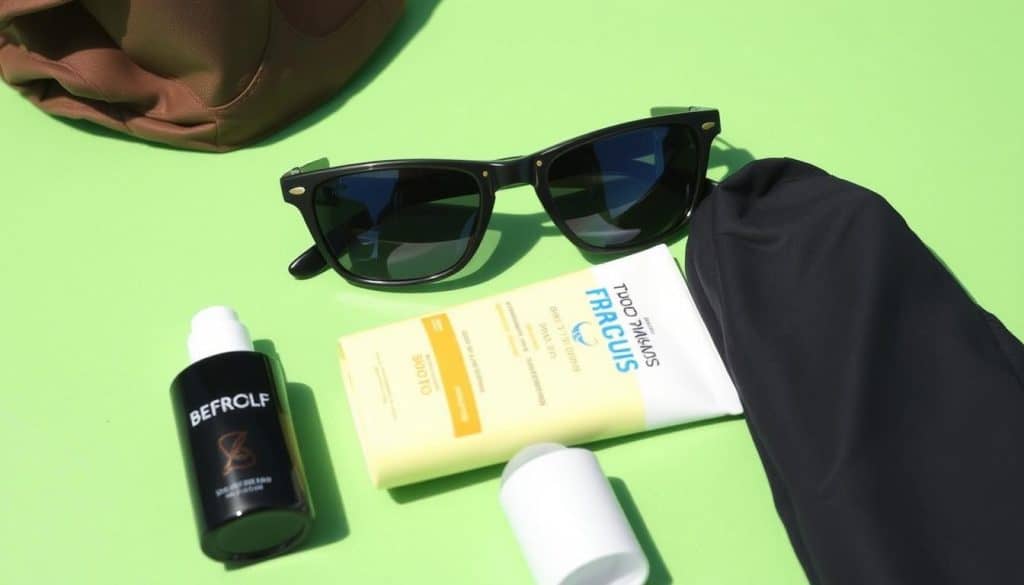
Many hikers underestimate the dangers of UV exposure at higher altitudes, which can lead to serious health issues like sunburn, snow blindness, and long-term skin damage. Proper sun protection is not just about comfort; it’s about preventing these issues. This includes wearing quality sunglasses that block 100% of UV rays, applying broad-spectrum sunscreen with adequate SPF, and donning protective clothing such as hats, pants, and long-sleeve shirts.
When choosing sun protection gear, look for features like UV protection factor (UPF) in clothing and lip balm with SPF. It’s also essential to reapply sunscreen regularly and wear sunglasses that provide sufficient coverage. By taking these precautions, you can enjoy your hike while minimizing your exposure to harmful UV rays and ensuring a safer, more enjoyable experience.
What are the 10 Essentials for Backpacking? The Survival Gear
As an experienced hiker, I can attest that having the right survival equipment is vital for a safe and enjoyable backpacking experience. The survival gear category within the 10 essentials for backpacking includes crucial items that can help you navigate through unexpected weather conditions, injuries, or getting lost.
Insulation: Extra Clothing for Unexpected Weather
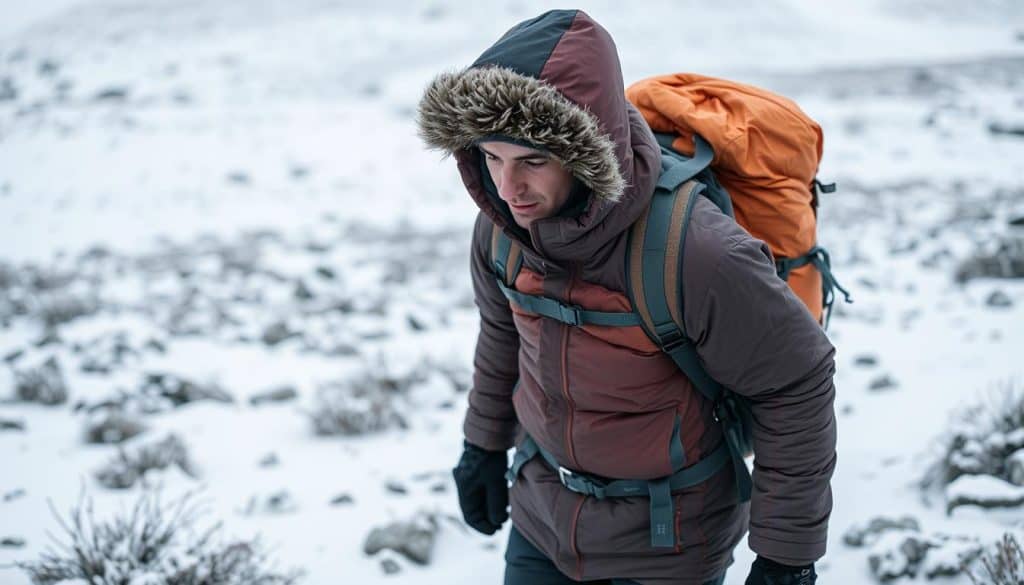
Proper insulation through clothing layers is your first line of defense against hypothermia, one of the most common wilderness emergencies. The layering system consists of base, mid, and outer layers, each serving a specific purpose in regulating body temperature. I recall a personal experience where unexpected weather changes in the mountains were mitigated by proper clothing, saving me from a dangerous situation.
Packing an extra layer of clothing that reflects the most extreme weather conditions you could encounter is essential. This includes a jacket, hat, gloves, rain shell, and thermal underwear. Selecting lightweight, packable insulation is crucial to avoid weighing down your pack.
Illumination: Headlamps and Flashlights
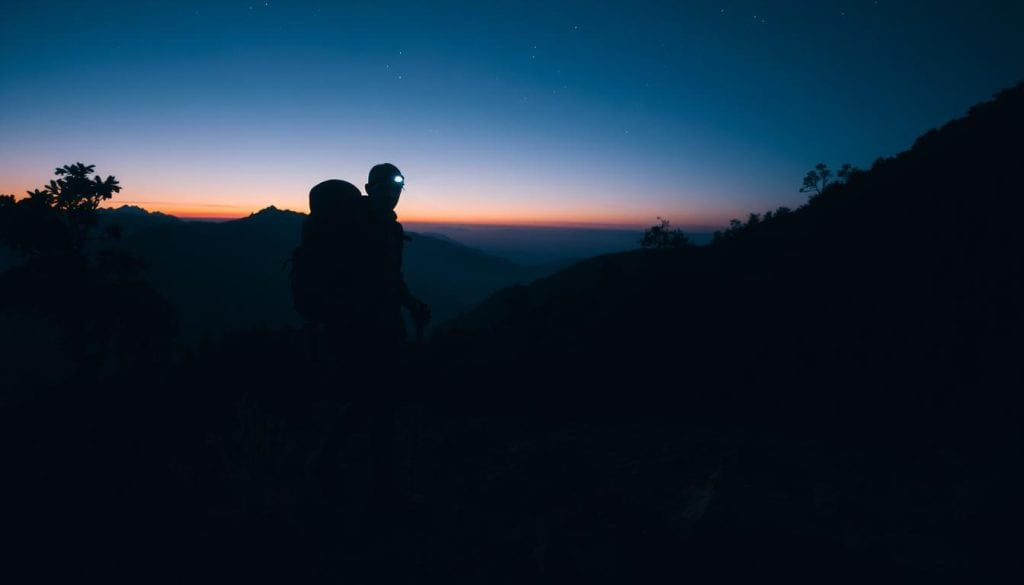
A reliable light source is essential even on day hikes that could unexpectedly extend into darkness. Illumination tools such as flashlights, lanterns, and headlamps are indispensable. Headlamps are particularly useful because they allow for hands-free operation, which is critical in emergency situations. Don’t forget to pack extra batteries.
Emergency Shelter Options

In an emergency situation, having the right shelter can be a lifesaver. Options include a tent, space blanket, tarp, or bivy sack. These lightweight options can protect you from severe weather conditions and exposure to the elements, preventing hypothermia in an unexpected overnight situation.
By focusing on insulation, illumination, and emergency shelter, you can ensure that you’re prepared for a wide range of scenarios, making your backpacking experience safer and more enjoyable.
First Aid and Emergency Preparedness
The great outdoors can be unforgiving; that’s why first aid and emergency preparedness are vital. As you prepare for your next hiking adventure, it’s essential to consider the items that could make a critical difference in an emergency.
Building an Effective First Aid Kit
When it comes to hiking first aid kit essentials, it’s not just about throwing some band-aids and antiseptic wipes into a bag. You need a thoughtful approach to building a kit that can address a variety of potential injuries and medical issues. Start with a pre-made kit and modify it to fit your specific needs and the demands of your trip.
Check the expiration dates of all items and replace them as needed. Consider including an emergency guide to help you navigate unfamiliar medical situations.
Fire Starting Tools and Communication Devices
Fire can be a lifesaver in an emergency, providing warmth, a way to cook food, and a signal for help. That’s why it’s crucial to pack reliable fire starters, such as waterproof matches, a lighter, or a ferrocerium rod. Familiarize yourself with the fire regulations of your destination before you head out.
Beyond fire starters, don’t forget about communication devices. While cell phones are useful, they can be unreliable in remote areas. Consider bringing a whistle, signal mirror, or a satellite communicator to stay in touch with the outside world.

In my own hiking experiences, I’ve found that being prepared for emergencies has not only enhanced my safety but also given me the confidence to explore more challenging trails. By focusing on first aid and emergency preparedness, you can ensure that you’re ready for whatever the wilderness throws your way.
Sustenance and Maintenance Essentials
When venturing into the backcountry, having the right sustenance and maintenance essentials can make all the difference between a successful trip and a disastrous one. As someone who’s experienced the importance of these elements firsthand, I’m here to guide you through the must-haves for a safe and enjoyable journey.
Nutrition: Food Planning for the Trail

Proper nutrition is crucial not just for energy but for maintaining clear thinking and decision-making abilities in the backcountry. I always pack an extra day’s supply of food, focusing on no-cook items with high nutritional value to keep my energy levels up. Salty and easy-to-digest snacks like trail mix, nuts, and granola bars are my go-to choices.
Hydration: Water and Treatment Options
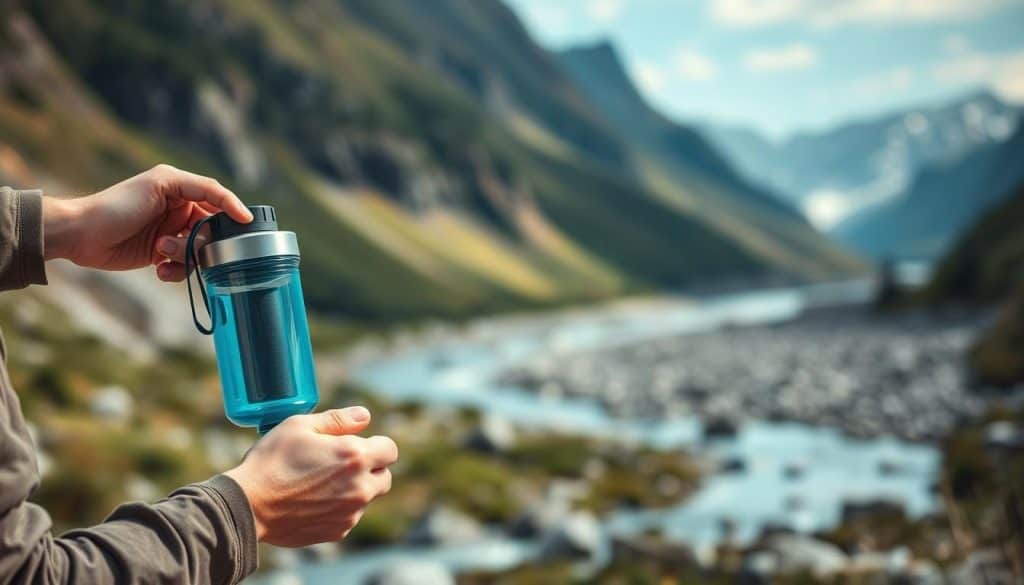
Staying hydrated is of utmost importance, especially when you’re physically active outdoors. Dehydration can lead to serious health issues, so it’s vital to drink water often and before you feel thirsty. I’ve found that using a reliable water filtration system or treatment options like purifiers or chemical treatments can ensure access to safe drinking water throughout your trip.
Repair Kits and Multi-Tools

A basic repair kit with essentials like duct tape, a knife, and scissors can be a lifesaver. I’ve experienced gear failures on the trail, and having the right tools has saved my trip from disaster more than once. A compact multi-tool is also a valuable addition to your kit, offering a variety of functions in one device.
Conclusion: Preparing for Safe and Enjoyable Backcountry Adventures
Embarking on a hike, whether a day trip or a multi-day trek, requires careful planning and the right gear, starting with the ten essentials. These essential items are crucial for backcountry safety and should be carried on every hike, regardless of distance or duration. Customizing your essentials based on specific trip needs and conditions enhances your trail experience. Remember, the ten essentials are just the beginning; complement them with knowledge, skills, and experience for a truly safe and enjoyable adventure. Plan your trip with resources like the NPS Trip Planning Guide to ensure a memorable day on the trail.
FAQ
What’s the most important item to include in my backpacking kit?
Navigation tools, such as a map and compass, are crucial. Make sure you know how to use them.
How do I protect myself from the sun on a long hike?
Wear protective clothing, bring sunglasses, and apply sunscreen regularly to prevent sunburn.
What’s the best way to stay hydrated on a backpacking trip?
Bring enough water for an extra day, and consider a water treatment option, like a filter or purification tablets.
What should I do if I’m caught in bad weather?
Having extra insulation, like a space blanket or warm layers, can help keep you warm and dry.
How can I start a fire if I don’t have a lighter?
Bring matches or a fire starter, and know how to use them to get a fire going.
What’s the importance of a first aid kit on a backpacking trip?
A first aid kit can help you treat minor injuries, and duct tape can be used for a variety of repairs.
How can I navigate without a GPS device?
A map and compass can be used together to navigate, even without a GPS device.
What’s the best way to plan my nutrition for a backpacking trip?
Plan your meals in advance, and bring enough non-perishable food to last the duration of your trip.
What are some essential tools to bring on a backpacking trip?
A multi-tool or pocket knife can be used for a variety of tasks, from cutting branches to repairing gear.
How can I stay safe in case of an emergency?
Bring a communication device, like a phone or satellite phone, and let someone know your itinerary.