

Did you know that 40% of Voyageurs National Park is water? This unique feature makes it stand out among other national parks in the U.S. With over 500 islands and four major lakes, it’s a paradise for water enthusiasts and nature lovers alike. Yet, despite its beauty, it remains one of the least visited parks due to its remote location and water-based travel requirements.
Established in 1975, this park is steeped in history and cultural significance. Evidence suggests over 10,000 years of human habitation here, making it a treasure trove for history buffs. Whether you’re planning a summer kayak trip or a winter snowmobile adventure, this guide will help you explore every corner of this hidden gem.
From detailed tips to real-life visitor experiences, you’ll discover everything you need to plan your trip. Learn about the park’s key attractions, visitor centers, and seasonal activities. Ready to dive into this remarkable destination? Let’s get started!
Key Takeaways
- Over 40% of the park is water, offering unique water-based activities.
- It’s one of the least visited parks due to its remote location.
- Rich in history, with evidence of over 10,000 years of human habitation.
- Features over 500 islands and four major lakes for exploration.
- Perfect for both summer and winter adventures, from kayaking to snowmobiling.
Overview and Unique Features
With over 40% of its area covered in water, this place is a haven for nature lovers. Spanning 218,200 acres, it boasts four major lakes, including Kabetogama Lake, and over 500 islands. The interconnected waterways create a seamless network for exploration and adventure.
The park’s landscapes are defined by pristine lakes, scenic bays, and lush forests. Rainy Lake, one of the largest, stretches 60 miles with a shoreline of 929 miles. These waterways are not just beautiful; they’re vital to the park’s ecology and recreational opportunities.
What makes this destination truly unique is its peaceful atmosphere. Away from the crowds, you’ll find a serene escape where the water meets the sky. Whether you’re paddling through a quiet bay or fishing on a tranquil lake, the experience is unforgettable.
Key Statistics and Facts
The park encompasses nearly 84,000 acres of water, making it a paradise for water-based activities. Its four main lakes—Rainy, Kabetogama, Namakan, and Sand Point—are interconnected, offering endless routes for exploration. With over 340 square miles of land and water, there’s always something new to discover.
Remarkable Landscapes and Waterways
The Kabetogama Lake area is a standout, with its 25,760 acres of crystal-clear water. Its 78-mile shoreline is perfect for kayaking or simply soaking in the views. The bays here are equally stunning, providing quiet spots for reflection and wildlife sightings.
These interconnected waterways not only enhance the park’s beauty but also its recreational appeal. From boating to fishing, the lakes and bays offer something for everyone. It’s a place where nature’s tranquility meets endless adventure.
History and Cultural Significance
The history of this region stretches back thousands of years, shaped by indigenous cultures and the fur trade. This land has been a vital part of human life for over 10,000 years, with evidence of early settlements and trade routes still visible today.
From ancient indigenous communities to the French Canadian voyageurs, the stories of this area are as diverse as its landscapes. Exploring its past gives you a deeper appreciation for the land and its cultural legacy.
Early Inhabitants and Indigenous Heritage
Long before European settlers arrived, indigenous peoples thrived here. The Ojibwe, in particular, have deep roots in this region. Their connection to the land is evident in the numerous pre-contact sites found throughout the area.
These sites, some listed on the National Register of Historic Places, offer a glimpse into their way of life. From fishing along the river to hunting in the forests, their traditions shaped the land for generations.
The Fur Trade and Voyageur Legacy
In the 18th and 19th centuries, the fur trade transformed this region. French Canadian voyageurs used the interconnected waterways as vital trade routes. The river systems became the lifeblood of commerce, connecting distant communities.
One of the most iconic remnants of this era is the Kettle Falls Hotel. Built in the early 20th century, it stands as a testament to the area’s rich history. Nearby, the Kettle Falls site itself is a must-see, offering a glimpse into the past.
These historical landmarks, along with the stories of the voyageurs, bring the area’s cultural heritage to life. They remind us of the people who shaped this land long before it became a protected area.
Planning Your Trip
Planning a trip to this stunning destination requires careful preparation to make the most of your adventure. Whether you’re visiting for a day or staying longer, having the right resources and timing your visit can significantly enhance your experience.
Essential Resources and Maps
Start your journey by securing detailed maps and guides. These tools are invaluable for navigating the area’s vast waterways and trails. Online resources, such as the official website, provide up-to-date information on boat tours, camping spots, and visitor center appointments.
Here’s a quick overview of essential resources:
| Resource | Purpose | Where to Find |
|---|---|---|
| Maps | Navigation and trail planning | Visitor centers, online |
| Boat Tour Reservations | Guided water exploration | Official website |
| Camping Permits | Securing campsites | Online booking system |
Timing Your Visit
Choosing the right time to visit is crucial. Summer months, from June to September, are ideal for water activities and boat tours. For a quieter experience, consider late August or early September when crowds thin out, and mosquitoes are less active.
Winter offers a completely different adventure. Snowmobiling and cross-country skiing are popular, with trails groomed for safety and enjoyment. Always check weather conditions and ice thickness before planning winter activities.
By planning ahead and using the right resources, you’ll ensure a smooth and memorable trip. Don’t forget to book boat tours and campsites early, especially during peak seasons!
Essential Tips for a Safe Adventure
Exploring this remote destination requires careful preparation to ensure a safe and enjoyable adventure. Whether you’re camping, hiking, or exploring the waterways, having the right gear and knowledge is crucial. Here’s how to stay prepared and make the most of your trip.
Packing Must-Haves
Packing the right items can make or break your adventure. Here’s a list of essentials for any season:
- Layered Clothing: Minnesota weather is unpredictable. Pack lightweight layers for summer and insulated layers for winter.
- Bug Spray: Mosquitoes are active from June to August. Protect yourself with a reliable repellent.
- Safety Gear: Carry a first-aid kit, a physical map, and a compass, especially in areas with limited cell service.
- Food Storage: Use bear-proof containers to store food and avoid attracting wildlife to your campsite.
- Sun Protection: Bring sunscreen and sun-protective clothing, especially during mid-summer on the water.
Weather and Safety Considerations
Understanding the weather and seasonal changes is key to staying safe. Here’s what to keep in mind:
- Winter: Frigid temperatures and ice are common. Check ice thickness before venturing onto frozen lakes.
- Fall: Cooler temperatures and fewer crowds make this a great time to visit. Pack warm layers for chilly evenings.
- Summer: Warm days are perfect for water activities, but be prepared for sudden rain showers.
Always check weather reports before heading out. Proper preparation helps you avoid common pitfalls and ensures a smooth experience. For more tips on navigating seasonal changes, check out our detailed guide.
By packing smart and staying informed, you’ll be ready for anything this stunning destination throws your way. Stay safe and enjoy every moment of your adventure!
Navigating the Park
Navigating this area is an adventure, with water being the primary mode of transportation. Over 40% of the landscape is covered in lakes and interconnected waterways, making it essential to embrace water travel for the best experience. Whether you’re exploring by boat, canoe, or kayak, the journey is as rewarding as the destination.
Traveling by Water and Land
Water travel is the most effective way to reach secluded areas and hidden gems. The park’s four major lakes and 500 islands are best explored by boat or canoe. For those who prefer land, hiking trails offer stunning views, but water remains the heart of the experience.
Here’s a quick comparison of travel options:
| Mode of Travel | Best For | Tips |
|---|---|---|
| Boat | Exploring large lakes and islands | Check water levels and follow marked routes |
| Canoe | Quiet bays and smaller waterways | Pack lightweight gear and a reliable map |
| Kayak | Close-up wildlife viewing | Use a dry bag for essentials |
Understanding Lake Navigation
Navigating the lakes requires careful planning. The U.S. Coast Guard maintains marked routes, but hazards like changing water levels can pose challenges. Always carry a physical map and a compass, as cell service is limited.
For those unfamiliar with the area, hiring a local boat tour is a great option. Guides know the best routes and can share insights about the landscape and history. Remember, safety is key—always wear a life jacket and check weather conditions before heading out.
“The water is your gateway to discovery here. Plan carefully, and you’ll uncover the park’s most breathtaking spots.”
By embracing water travel and following safety guidelines, you’ll navigate this stunning destination with confidence. Pack your gear, grab a map, and get ready for an unforgettable adventure!
Exploring Voyageurs National Park Visitor Centers
Visitor centers are your gateway to unlocking the best experiences in this stunning destination. These hubs provide essential resources, up-to-date information, and personalized guidance to help you make the most of your trip. Whether you’re planning a day hike or a multi-day adventure, stopping by a visitor center early in your visit is a smart move.
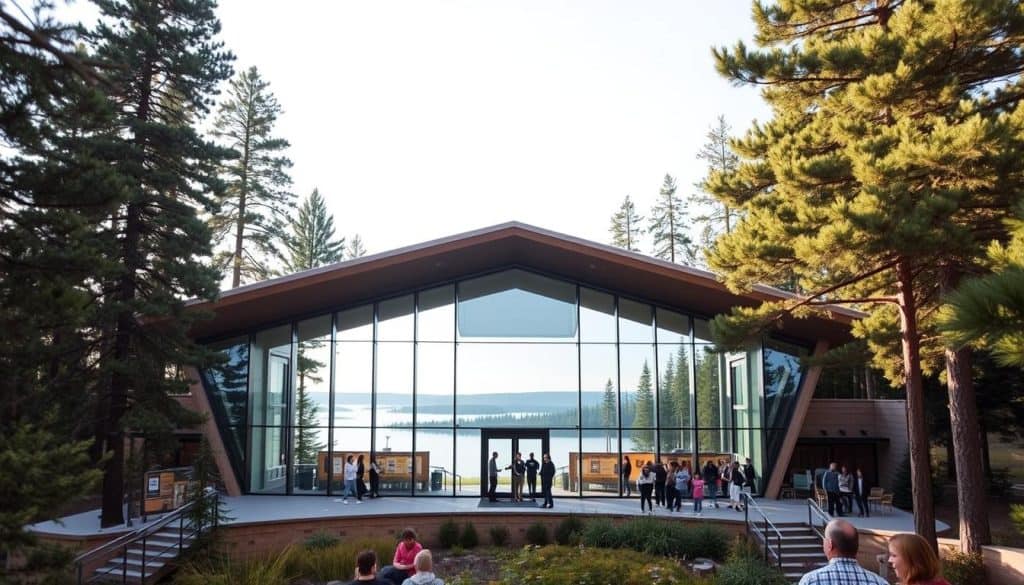
Rainy Lake Visitor Center
The Rainy Lake Visitor Center is the only one open year-round, making it a reliable resource no matter when you visit. Located just 11 miles from International Falls, it’s a convenient starting point for your adventure. Here, you can pick up detailed maps, learn about current trail conditions, and get tips on safe navigation.
This center also offers interpretive programs and ranger-led tours, which are perfect for first-time visitors. The average program lasts about 30 minutes and provides fascinating insights into the area’s history and ecology. Don’t miss the scenic overlooks nearby, accessible via short trails for a quick dose of nature.
Ash River and Kabetogama Details
The Ash River Visitor Center is housed in the historic Meadwood Lodge and operates seasonally from late May to late September. It’s a fantastic spot for those planning inland explorations, as it provides access to heritage sites and lesser-known trails. The center also features a 12-minute park video that’s both informative and inspiring.
At the Kabetogama Lake Visitor Center, you’ll find resources tailored to water-based activities. From boat rentals to fishing permits, this center ensures you’re well-prepared for your time on the lake. Both centers offer interpretive programs and guided tours, making them invaluable for planning your itinerary.
- Plan Early: Visit a visitor center at the start of your trip to gather maps, permits, and safety tips.
- Join a Program: Ranger-led tours and interpretive programs enhance your understanding of the area.
- Check Conditions: Get the latest updates on weather, trail closures, and navigation hazards.
By starting your journey at a visitor center, you’ll gain the knowledge and resources needed for a seamless adventure. These centers are more than just information hubs—they’re your first step toward an unforgettable experience.
Unforgettable Water and Boat Experiences
From tranquil canoe rides to thrilling boat tours, the waterways here are a dream for explorers. Whether you’re gliding across serene lakes or paddling through hidden bays, the water offers a unique perspective of this stunning destination. Summer is the perfect time to dive into these activities, with warm weather and calm conditions making every moment unforgettable.
Canoeing, Kayaking, and Boat Tours
Exploring by canoe or kayak lets you get up close to nature. Paddle through quiet bays, spot wildlife, and discover secluded islands. For a guided experience, boat tours are a fantastic option. These tours often include fascinating insights into the area’s history and ecology, making them both educational and enjoyable.
Here are some popular water-based activities:
- Guided Boat Tours: Learn about the region’s history and wildlife from knowledgeable guides.
- Self-Guided Canoe Trips: Enjoy the freedom to explore at your own pace.
- Kayaking Adventures: Perfect for close-up wildlife viewing and quiet reflection.
Rental Options and Advanced Tips
Renting a canoe, kayak, or boat is easy, with several outfitters offering quality equipment. Some even provide same-day delivery for added convenience. When planning your trip, consider these tips:
- Book Early: Summer is peak season, so reserve your rentals and tours in advance.
- Check Water Conditions: Always verify water levels and weather forecasts before heading out.
- Pack Smart: Bring essentials like sunscreen, a dry bag, and a reliable map.
For those seeking a unique experience, wheelchair-accessible boats are available, ensuring everyone can enjoy the water. Guided tours often run from May through October, offering a variety of themes, from wildlife spotting to stargazing.
“The water is your gateway to discovery here. Plan carefully, and you’ll uncover the most breathtaking spots.”
By embracing these water-based adventures, you’ll create memories that last a lifetime. Whether you’re paddling solo or joining a guided tour, the serene beauty of this destination is best experienced from the water.
Hiking Trails and Land Adventures
Lace up your boots and explore the scenic trails waiting for you here. With over 27 miles of paths, this destination offers something for everyone. Whether you prefer easy walks or challenging treks, the trails here let you connect with nature in a meaningful way.
Accessible by Car Trails
If you’re looking for convenience, start with the trails you can reach by car. These paths are perfect for families or those new to hiking. The Rainy Lake Recreation Trail is a paved 1.75-mile path with benches for resting. It’s ideal for a leisurely stroll with stunning lake views.
Another great option is the Kabetogama Lake Overlook Trail. This short 0.2-mile hike offers breathtaking views of the water. It’s an easy way to experience the beauty of the area without a long commitment.
Remote and Water-Only Access Trails
For a more adventurous experience, head to the remote trails accessible only by water. These paths take you deep into the wilderness, offering solitude and unspoiled landscapes. The Kab-Ash Trail, stretching 28 miles, is the longest and most challenging. It’s perfect for experienced hikers seeking a multi-day adventure.
If you’re up for a shorter but intense hike, try the Cruiser Lake Trail. This 9.5-mile path connects Rainy Lake to Kabetogama Lake, taking you through dense forests and rocky terrain. Remember to pack proper gear and a reliable map for these remote trails.
| Trail Name | Length | Difficulty |
|---|---|---|
| Rainy Lake Recreation Trail | 1.75 miles | Easy |
| Kabetogama Lake Overlook Trail | 0.2 miles | Easy |
| Kab-Ash Trail | 28 miles | Strenuous |
| Cruiser Lake Trail | 9.5 miles | Moderate to Strenuous |
Exploring these trails gives you a deeper connection to the landscape. Whether you’re walking along a paved path or trekking through remote wilderness, the experience is unforgettable. Pack smart, stay safe, and enjoy every step of your adventure!
Lodging and Camping Options
From cozy houseboats to secluded campsites, this area offers diverse lodging options. Whether you’re looking for comfort or adventure, you’ll find the perfect place to rest after a day of exploration. Here’s a guide to help you choose the best option for your trip.
Houseboat Experiences and Hotel Stays
For a unique experience, consider staying on a houseboat. These floating homes let you wake up to stunning lake views and enjoy the tranquility of the water. Houseboats are perfect for families or groups, offering amenities like kitchens and sleeping quarters. However, they require some boating experience and advance booking.
If you prefer traditional accommodations, the Kettle Falls Hotel is a historic option. Located 15 miles from the nearest road, it’s accessible only by boat. The hotel offers full meals and a charming atmosphere, making it a great choice for those seeking comfort and convenience.
Front Country and Back Country Camping
Camping here is an adventure in itself. Front country sites are easily accessible by boat and offer basic amenities like picnic tables and fire rings. These sites are ideal for families or first-time campers.
For a more secluded experience, try back country camping. These sites require a boat ride and sometimes a hike, but they reward you with privacy and unspoiled nature. Remember to pack all essentials, as these sites have limited facilities.
| Option | Best For | Tips |
|---|---|---|
| Houseboats | Families, groups | Book early, check boating rules |
| Hotels | Comfort seekers | Plan meals, confirm access |
| Front Country Camping | Families, beginners | Bring basic gear, reserve early |
| Back Country Camping | Adventurers, solitude seekers | Pack light, check weather |
No matter where you stay, booking early is key. Popular options fill up quickly, especially during peak seasons. Choose an option that matches your adventure style and comfort needs, and enjoy your time in this beautiful state.
Seasonal Adventures and What to Expect
Every season paints a new picture of this stunning destination. Whether you’re drawn to summer’s vibrant energy or winter’s serene solitude, there’s always something to explore. The changing weather transforms the landscape, offering unique experiences throughout the year.
Summer, Fall, Winter, and Spring Highlights
Summer is perfect for water adventures. Kayaking, boating, and fishing are popular, with long days under the bright sky. The lakes come alive, and the trails are lush and green.
In fall, the foliage turns golden, creating a breathtaking backdrop for hiking. The cooler weather makes it ideal for exploring without the summer crowds. Don’t forget your camera for those stunning sky views.
Winter brings a peaceful quiet. Snowmobiling and cross-country skiing are must-try activities. The frozen lakes and snowy forests are magical, especially under a starry sky.
Spring is a time of renewal. The ice melts, and the waterways reopen. It’s a great time to spot wildlife and enjoy the fresh, crisp air.
Local Seasonal Events and Guidelines
Throughout the year, local events celebrate the changing seasons. From summer festivals to winter stargazing nights, there’s always something happening. Check local calendars for updates.
Seasonal weather can impact your plans. In winter, always check ice thickness before venturing onto frozen lakes. Summer storms can come quickly, so stay updated on forecasts.
Here are some tips for each season:
- Summer: Pack sunscreen and bug spray. Book boat tours early.
- Fall: Bring layers for cooler mornings and evenings.
- Winter: Dress warmly and carry safety gear for icy conditions.
- Spring: Be prepared for sudden weather changes.
No matter the time of year, this destination offers unforgettable experiences. Choose the season that aligns with your interests and get ready for an adventure!
Wildlife and Scenic Overlooks
Discover the hidden wonders of wildlife and scenic beauty in this breathtaking destination. From majestic moose to soaring eagles, the area is teeming with life. Add to that the stunning overlooks and night skies, and you’ve got a nature lover’s paradise.
Best Spots for Wildlife Viewing
For wildlife enthusiasts, the Kabetogama Peninsula is a must-visit. This area is home to moose, loons, and even bald eagles. Early mornings and late afternoons are the best times to spot these creatures in their natural habitat.
Another great spot is the Ellsworth Rock Gardens. Here, you can often see deer grazing or beavers building their dams. Bring binoculars for a closer look and remember to keep a respectful distance.
Stargazing and Photographing Scenic Views
As an International Dark Sky Park, this destination offers unparalleled stargazing opportunities. The Kabetogama Peninsula is a prime location for capturing the Milky Way. Use a tripod and long exposure settings for the best night sky photos.
For daytime photography, head to the Rainy Lake Overlook. The panoramic views are perfect for capturing the area’s natural beauty. Sunrise and sunset provide the best lighting for stunning shots.
“The night sky here is like nothing I’ve ever seen. It’s a reminder of how vast and beautiful our world truly is.”
To preserve these incredible views, always follow Leave No Trace principles. Pack out what you bring in and avoid disturbing wildlife. With the right gear and respect for nature, you’ll leave with unforgettable memories and stunning photos.
Local Attractions and Road Trip Stops
Beyond the water and trails, the surrounding area offers a wealth of cultural and natural attractions. Exploring nearby towns and landmarks adds depth to your adventure, providing a broader perspective of northern Minnesota’s charm.
Nearby Towns and Cultural Sites
Start your journey in International Falls, just 12 miles from the park. Known as the “Icebox of the Nation,” this town offers a mix of history and modern amenities. Visit the Bronko Nagurski Museum to learn about the region’s sports legacy or grab a bite at a local café before hitting the road.
Another must-see is Ranier, a small town with a big personality. Its proximity to Rainy Lake makes it a popular stop for boaters and anglers. Don’t miss the Kettle Falls Hotel, a historic landmark accessible only by water. It’s a perfect spot to soak in the area’s rich history.
Must-See Landmarks Around the Park
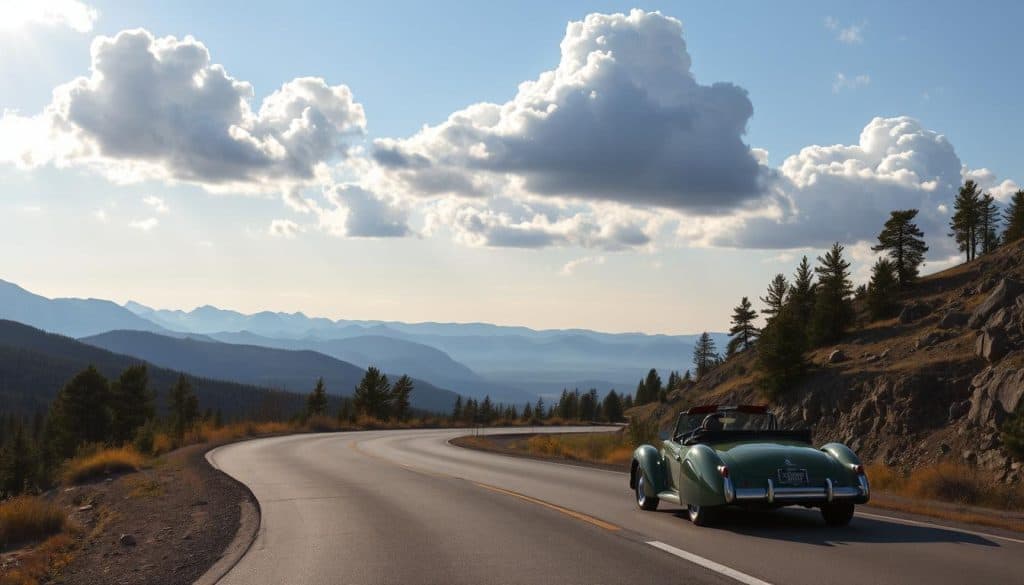
For a scenic drive, head to the bay trail near Rainy Lake. This route offers breathtaking views of the water and surrounding forests. It’s an ideal spot for photography or a peaceful picnic.
Another highlight is Little American Island, a short boat ride from the Rainy Lake Visitor Center. This site played a key role in the 1893 gold rush and features a wheelchair-accessible interpretive trail. It’s a fascinating glimpse into the region’s mining history.
- Plan Ahead: Check road conditions and weather forecasts before setting out.
- Pack Essentials: Bring snacks, water, and a map for a smooth journey.
- Explore Local Cuisine: Try regional dishes at nearby restaurants for a taste of northern Minnesota.
“The charm of this region lies in its blend of natural beauty and rich history. Take the time to explore beyond the park boundaries—you won’t regret it.”
By venturing into nearby towns and landmarks, you’ll gain a deeper appreciation for the area’s culture and heritage. Whether you’re driving along scenic routes or exploring historic sites, these stops will make your trip unforgettable.
Conclusion
This remarkable destination offers a perfect blend of natural beauty, rich history, and thrilling adventures. From serene lakes to rugged trails, every corner invites exploration and discovery. Its unique charm lies in the seamless connection between land and water, creating unforgettable experiences.
To make the most of your trip, thorough planning is essential. Utilize resources like the river visitor center and Ash River to gather maps, tips, and insights. The friendly service from staff and local outfitters ensures a safe and memorable journey.
Whether you’re paddling through quiet bays or hiking remote trails, approach your adventure with an open mind. The stunning landscapes and rich cultural heritage will leave you inspired. So pack your gear, embrace the wilderness, and create lasting memories in this extraordinary place.
FAQ
What are the must-see landscapes in the park?
You’ll love the stunning waterways, lush forests, and scenic overlooks. Rainy Lake and Kabetogama Peninsula are particularly breathtaking.
When is the best time to visit?
Summer and fall are ideal for water activities and hiking. Winter offers unique adventures like snowshoeing and ice fishing.
Are there guided boat tours available?
Yes, you can join guided boat tours at Rainy Lake or Ash River. They’re a great way to explore the area and learn about its history.
Can I rent a canoe or kayak in the park?
Absolutely! You’ll find rental options at visitor centers like Ash River and Kabetogama. It’s perfect for exploring the waterways.
What should I pack for my trip?
Bring layers, sturdy footwear, and waterproof gear. Don’t forget essentials like sunscreen, bug spray, and a map of the area.
Are there hiking trails accessible by car?
Yes, trails like the Oberholtzer Trail and Blind Ash Bay Trail are easy to reach by car and offer great views.
What wildlife can I expect to see?
Keep an eye out for bald eagles, moose, and beavers. The park is also a fantastic spot for birdwatching.
Can I camp overnight in the park?
Yes, you can choose from front country or backcountry camping. Houseboat camping is also a unique option for your stay.
Are the visitor centers open year-round?
Most visitor centers, like Rainy Lake and Ash River, are open seasonally. Check their schedules before your visit.
What are the best spots for stargazing?
The park’s remote areas, like Kabetogama Peninsula, offer incredible night skies. Bring a blanket and enjoy the view!