

Did you know that Olympic National Park spans nearly 1 million acres, making it one of the most diverse landscapes in the U.S.? In 2023 alone, it welcomed 2.9 million visitors, solidifying its place as a top destination for nature lovers. From lush rainforests to rugged coastlines, this iconic national park offers endless opportunities for adventure.
Whether you’re drawn to scenic trails, coastal explorations, or wildlife encounters, there’s something for everyone. This guide will walk you through over 10 exciting activities that showcase the park’s natural beauty and unique ecosystems. Get ready to immerse yourself in the wonders of this breathtaking destination.
Key Takeaways
- Explore diverse landscapes, from rainforests to coastlines.
- Enjoy scenic hikes like the Hall of Mosses and Spruce Nature Trail.
- Spot wildlife, including bears and elk, especially in spring.
- Visit iconic spots like Hurricane Ridge and Lake Crescent.
- Plan your trip during summer for optimal weather and accessibility.
Introduction
Step into a world where nature’s diversity unfolds at every turn. Olympic National is a place where rugged coastlines meet lush rainforests and towering mountain peaks. This iconic destination offers something for everyone, whether you’re seeking adventure or tranquility.
Setting the Scene for Adventure
From the misty Hoh Rainforest to the alpine meadows of Hurricane Ridge, the park’s landscapes are as varied as they are breathtaking. Visitors can explore over 800 lakes, 4,000 miles of rivers, and 62 miles of pristine coastline. Each ecosystem tells a unique story, making every visit unforgettable.
What to Expect from Your Visit
First-time visitors will find a welcoming environment with activities for all seasons. In summer, hike scenic trails like the Sol Duc Falls route or enjoy tidepooling along the coast. Winter brings opportunities for snowshoeing and cross-country skiing. Friendly rangers and local guides are always ready to share tips for making the most of your trip.
- Explore temperate rainforests, alpine zones, and coastal areas.
- Enjoy year-round activities, from hiking to wildlife spotting.
- Plan ahead to avoid crowds, especially during peak hours.
This guide will walk you through the park’s must-see attractions, ensuring you don’t miss a single highlight. Get ready to experience the wonders of Olympic National like never before.
History and Significance of Olympic National Park
With a history as rich as its landscapes, Olympic National Park stands as a testament to conservation. Established in 1938, this iconic destination spans nearly one million acres, offering a unique blend of ecosystems. From its designation to its UNESCO World Heritage Site status, the park’s journey is a fascinating story of preservation and natural beauty.
From Designation to UNESCO Status
The park’s origins trace back to 1897, when it was first designated as the Olympic Forest Reserve. In 1909, part of the reserve became Mount Olympus National Monument to protect the habitat of Roosevelt Elk. By 1938, it was officially established as a national park, thanks to President Franklin Roosevelt’s support. Over the years, the park expanded, including the addition of its coastal areas in 1953.
In 1976, Olympic National Park earned recognition as an International Biosphere Reserve. Just five years later, it was declared a UNESCO World Heritage Site, celebrated for its outstanding universal value. These milestones highlight the park’s commitment to preserving its diverse ecosystems and cultural heritage.
Understanding its Ecosystems
The park is home to three distinct ecosystems: temperate rainforests, alpine regions, and rugged coastlines. Each zone supports a unique array of flora and fauna, making it a haven for nature enthusiasts. From the lush Hoh Rainforest to the snow-capped peaks of Hurricane Ridge, the park’s landscapes are as varied as they are breathtaking.
Preserving these ecosystems is a top priority. Efforts like the Elwha River Ecosystem and Fisheries Restoration Act, enacted in 1992, focus on restoring natural habitats. The removal of two dams along the Elwha River, completed in 2015, marked a significant step in this ongoing conservation work.
Today, Olympic National Park continues to attract millions of visitors annually. Its visitor centers and historical landmarks, such as the Civilian Conservation Corps sites, offer insights into its rich past. Whether you’re exploring its trails or learning about its history, the park promises an unforgettable experience.
Exploring the Park’s Natural Diversity
Few places on Earth showcase nature’s diversity as vividly as this iconic destination. Spanning nearly one million acres, it’s a treasure trove of ecosystems, each with its own unique charm. From mossy rainforests to rugged coastlines, the park’s landscapes are a testament to the wonders of the natural world.
Temperate Rainforest
Step into the lush embrace of the temperate rainforest, where ancient trees tower above and moss carpets the forest floor. This ecosystem is a haven for biodiversity, with towering Sitka spruces and western hemlocks creating a canopy that filters sunlight into a soft, green glow. The Hoh Rainforest, one of the park’s most famous areas, offers trails like the Hall of Mosses, where every turn feels like stepping into a fairy tale.
Alpine Region
For those seeking elevation, the alpine zone delivers breathtaking views and rugged terrain. Snow-capped peaks and wildflower meadows dominate this landscape, especially around Hurricane Ridge. In winter, the area transforms into a snowy wonderland, perfect for snowshoeing and cross-country skiing. The dramatic elevation changes make this zone a favorite among hikers and photographers alike.
Coastal Zones
The park’s coastline is a blend of sandy beaches and rocky shores, offering endless opportunities for exploration. Tidepooling is a must, where you can discover starfish, anemones, and crabs in their natural habitat. Kalaloch Beach is a highlight, with its expansive sands and driftwood-strewn shores. Whether you’re strolling along the water’s edge or watching the waves crash against sea stacks, the coastal zones are unforgettable.
As a gateway to these natural wonders, Port Angeles serves as the perfect starting point for your adventure. This charming town offers easy access to the park’s diverse zones, making it an ideal base for your exploration. Whether you’re drawn to the rainforest, the alpine peaks, or the rugged coastline, this destination promises an experience like no other.
Top Hiking Trails and Scenic Walks
Lace up your boots and get ready to explore some of the most breathtaking trails in the Pacific Northwest. Whether you’re a seasoned hiker or a casual walker, this iconic destination offers routes that cater to all skill levels. From lush forests to serene lakeside paths, every trail promises unforgettable views and a chance to connect with nature.
Popular Trails and Must-See Landmarks
One of the most beloved routes is the Hoh River Trail, winding through the heart of a temperate rainforest. Towering Sitka spruces and moss-covered trees create a magical atmosphere, perfect for a leisurely stroll or a longer adventure. For a shorter hike, the Hall of Mosses trail offers a quick yet enchanting experience.
If you’re drawn to water, the trails around Lake Crescent are a must. The Marymere Falls trail is a favorite, combining a gentle walk through old-growth forests with a stunning waterfall at the end. For a more challenging trek, the High Divide Trail offers panoramic views of alpine meadows and pristine lakes.
- Sol Duc Falls Trail: A 1.8-mile round trip with a 200-foot elevation gain, leading to a picturesque waterfall.
- Hurricane Hill Trail: A 3-mile round trip with breathtaking views of the Olympic Peninsula.
- Spruce Railroad Trail: An 8-mile path along the shores of Lake Crescent, ideal for biking or walking.
Before hitting the trails, remember to plan ahead. Check weather conditions, pack essentials like water and snacks, and follow Leave No Trace principles to preserve the park’s natural beauty. Whether you’re exploring a forest, a lake, or a mountain, these trails in Washington promise an adventure you’ll never forget.
Things To Do At Olympic National Park
From alpine meadows to dense rainforests, this destination offers endless adventures. Whether you’re a first-time visitor or a seasoned explorer, there’s something for everyone. Let’s dive into the top activities that make this place unforgettable.
One of the most popular activities is hiking. Trails like the Hurricane Hill Trail provide stunning views of the Olympic Peninsula. This 3-mile round trip is perfect for those seeking panoramic vistas. For a more challenging adventure, the Mount Storm King Trail offers a 4-mile trek with an elevation gain of 2,100 feet.
Another must-visit spot is Sol Duc Falls. Accessible via a 1.6-mile round trip trail, this triple waterfall is a favorite among visitors. The surrounding old-growth forest adds to the magical experience. Don’t forget to pack water and wear sturdy shoes for these hikes.
For wildlife enthusiasts, the Hoh River Trail is a great choice. This route winds through a temperate rainforest, offering chances to spot Roosevelt elk and other native species. The Hall of Mosses trail, a short 0.8-mile loop, is another gem in this area.
Here are a few tips to make the most of your visit:
- Start early to avoid crowds and enjoy cooler temperatures.
- Check trail conditions and weather forecasts before heading out.
- Bring layers, as temperatures can vary significantly.
Whether you’re exploring Hurricane Ridge or marveling at Sol Duc Falls, these activities promise an unforgettable experience. Plan ahead, stay prepared, and immerse yourself in the natural beauty of this iconic destination.
Coastal Adventures and Beach Escapes
The rugged coastline of this iconic destination offers a mix of sandy shores and rocky outcrops, perfect for coastal adventures. Whether you’re exploring tide pools or strolling along driftwood-strewn beaches, every moment here is unforgettable.
Tidepooling and Shoreline Exploration
One of the most enchanting activities is tidepooling. Rocky shorelines like those at Rialto Beach are teeming with marine life. Starfish, anemones, and crabs are just a few of the creatures you’ll spot. Always check tide schedules for safety and accessibility.
For a serene experience, visit Ruby Beach. Its sea stacks and tide pools make it a favorite among photographers. Early mornings or late afternoons are ideal for capturing the best light and avoiding crowds.
Here are some tips for a great day at the coast:
- Wear sturdy shoes for rocky areas.
- Bring a camera for stunning beach photography.
- Respect wildlife and leave no trace.
Whether you’re exploring the Hoh coastline or enjoying a peaceful walk along Lake Crescent, these coastal adventures promise memories that last a lifetime.
Discovering the Hoh Rainforest
Immerse yourself in the lush greenery of the Hoh Rainforest, a true gem of the Pacific Northwest. Known for its ancient trees and vibrant ecosystems, this temperate rainforest offers an unforgettable experience for nature lovers. Whether you’re exploring solo or joining a guided walk, the Hoh Rainforest promises a journey into the heart of nature.
Guided Walks and Self-Exploration Tips
For those new to the area, guided walks are a fantastic way to learn about the rainforest’s unique flora and fauna. Knowledgeable guides share insights about the towering Sitka spruces, moss-covered maples, and the calming sound of the Hoh River. If you prefer self-exploration, trails like the Hall of Mosses and Spruce Nature Trail are perfect for a peaceful stroll.
Here are some tips for exploring the Hoh Rainforest:
- Wear waterproof gear to stay dry in the rainforest’s wet conditions.
- Bring binoculars for spotting wildlife like Roosevelt elk and native birds.
- Check weather forecasts and trail conditions before heading out.
Safety is key in this environment. The rainforest receives over 12 feet of rain annually, so trails can be slippery. Always stay on marked paths and carry essentials like water, snacks, and a map. The Hoh Rainforest is open year-round, but summer months offer drier conditions and easier access.
Pack smart for your adventure. Layers are essential, as temperatures rarely exceed the mid-70s °F. Don’t forget a camera to capture the stunning scenery. Whether you’re listening to the soothing flow of the river or marveling at the ancient trees, the Hoh Rainforest is a place where nature’s beauty truly shines.
Adventures at Hurricane Ridge
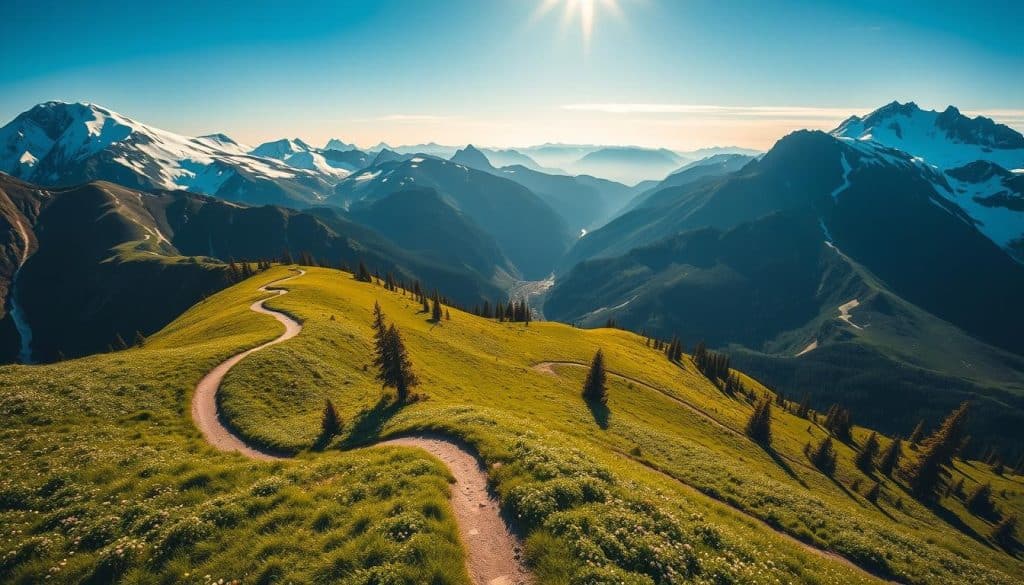
Perched high in the mountains, Hurricane Ridge offers breathtaking views and endless outdoor opportunities. This iconic destination is a must-visit for anyone exploring the region, thanks to its panoramic vistas, vibrant wildflowers, and diverse wildlife.
Wildflower Blooms and Wildlife Spotting
From late spring to early summer, the ridge transforms into a colorful canvas of wildflowers. Lupines, paintbrushes, and avalanche lilies blanket the meadows, creating a stunning backdrop for photography. Wildlife enthusiasts can spot black-tailed deer, marmots, and even the occasional black bear roaming the area.
For the best experience, visit during July or August when the blooms are at their peak. Early mornings are ideal for wildlife spotting, as animals are most active during cooler hours. Bring binoculars and a camera to capture the natural beauty of this place.
Trail Options and Scenic Overlooks
Hurricane Ridge caters to all skill levels with its variety of trails. The Hurricane Hill Trail is a popular 3.4-mile round trip offering sweeping views of the Olympic Mountains and Strait of Juan de Fuca. For a shorter walk, the High Ridge Trail provides a 0.9-mile loop with equally impressive scenery.
More adventurous hikers can explore the Klahhane Ridge Trail, a challenging 12.6-mile route that rewards with alpine lakes and rugged terrain. Each trail offers unique perspectives of the ridge, making it a hiker’s paradise.
Here are some tips for your visit:
- Check weather conditions before heading out, as the ridge can experience sudden changes.
- Wear layers to stay comfortable in varying temperatures.
- Arrive early to secure parking and avoid crowds.
For more insights on planning your trip, explore the best time to visit Washington State National. Whether you’re hiking, wildlife spotting, or simply soaking in the views, Hurricane Ridge promises an unforgettable adventure.
Exploring Lake Crescent and Surroundings
Nestled in the heart of the Pacific Northwest, Lake Crescent is a shimmering gem waiting to be explored. Known for its crystal-clear waters and stunning mountain backdrop, this lake offers a perfect blend of relaxation and adventure. Whether you’re paddling across its serene surface or hiking through its lush surroundings, Lake Crescent promises an unforgettable experience.
Waterfront Activities and Hiking Routes
Lake Crescent is a paradise for water enthusiasts. Kayaking and canoeing are popular activities, with rentals available at Lake Crescent Lodge and Log Cabin Resort. Guided tours are also offered, providing a unique way to explore the lake’s hidden coves and pristine waters.
For those who prefer land-based adventures, the area boasts several scenic hiking trails. The Spruce Railroad Trail is a 4-mile path that follows a historic rail bed, offering stunning lake views. Another favorite is the Marymere Falls Trail, a short 0.85-mile hike leading to a breathtaking 90-foot waterfall.
Here’s a quick guide to activities at Lake Crescent:
| Activity | Details |
|---|---|
| Kayaking | $20/hour or $55/day |
| Canoeing | $9 to $40 depending on duration |
| Hiking | Trails range from 0.85 to 4 miles |
| Guided Tours | $35 for single kayak, $45 for double |
Trails around the lake are well-maintained, ensuring safe passage for visitors. Rangers and local guides are always available to provide tips and recommendations. For the best experience, visit during the summer months when the weather is ideal for outdoor activities.
Here are some practical tips for your visit:
- Arrive early to secure parking, especially on weekends.
- Bring layers, as temperatures can vary throughout the day.
- Check trail conditions and weather forecasts before heading out.
Whether you’re gliding across the lake’s tranquil waters or hiking through its scenic trails, Lake Crescent is a destination that captivates every visitor. Plan your trip today and immerse yourself in the natural beauty of this iconic state treasure.
Experiencing Sol Duc and Its Waterfalls
Sol Duc Valley is a haven for nature lovers, offering serene waterfalls, rejuvenating hot springs, and scenic trails. Located on the Olympic Peninsula, this area is a perfect blend of relaxation and adventure. Whether you’re hiking to Sol Duc Falls or soaking in mineral pools, Sol Duc promises an unforgettable experience.
Visiting the Hot Springs and Local Trails
The Sol Duc Hot Springs Resort is a highlight, featuring three mineral pools and one freshwater pool. Each pool varies in temperature, allowing visitors to choose their ideal soak. The resort opens in late March and is a popular spot for those seeking relaxation.
For hikers, the Sol Duc Falls Trail is a must. This 1.6-mile round trip takes you through an old-growth forest to a stunning 50-foot waterfall. The trail is mostly level, making it accessible for all skill levels. For a longer adventure, the Lover’s Lane Loop offers a 6.1-mile hike with scenic views.
Here’s a quick guide to Sol Duc’s attractions:
| Attraction | Details |
|---|---|
| Sol Duc Falls | 1.6-mile round trip, 200 ft elevation gain |
| Lover’s Lane Loop | 6.1-mile loop, moderate difficulty |
| Hot Springs | Mineral pools, open March to October |
Practical tips for your visit:
- Visit during off-peak hours for a quieter experience.
- Wear sturdy shoes for hiking and bring layers for changing weather.
- Check trail conditions and weather forecasts before heading out.
Sol Duc is easily accessible from Port Angeles, a key entry point to the Olympic Peninsula. The park’s loop roads connect Sol Duc to other attractions, making it a convenient stop on your journey. Whether you’re planning a day trip or an overnight stay, Sol Duc offers a perfect mix of relaxation and adventure.
For more details, visit the official Sol Duc Valley guide.
Biking the Olympic Discovery Trail
The Olympic Discovery Trail offers a unique biking experience through diverse landscapes. Spanning 130 miles, this premier route takes you from coastal views to ancient rainforests. Whether you’re a seasoned cyclist or a casual rider, this trail promises adventure and stunning scenery.
Route Highlights and Scenic Transitions
The trail’s northern section features breathtaking coastal vistas, while the southern route winds through lush rainforests. One of the most scenic stretches is the 20-mile path along Lake Crescent. Here, cyclists enjoy crystal-clear waters and towering evergreens.
For a shorter ride, the 14-mile round trip from Port Townsend is perfect. It offers a mix of forested paths and open meadows. The elevation gain is manageable, making it ideal for all skill levels.
Safety Tips for a Smooth Ride
Safety is key when biking the Olympic Discovery Trail. Always wear a helmet and carry at least 2.5 liters of water. Check trail conditions before heading out, especially during rainy seasons when the rainforest sections can be slippery.
Here are some essential tips:
- Bring a repair kit for flat tires or mechanical issues.
- Wear layers to adapt to changing weather conditions.
- Plan your route to include rest stops and resupply points.
Historical and Cultural Points of Interest
The trail passes through Kalaloch, a coastal area rich in history and culture. This spot is perfect for a break, offering stunning ocean views and a chance to learn about local heritage. Other landmarks include the Spruce Railroad Trail, which follows a historic rail bed.
Recommended Stops and Scenic Points
Take time to explore the Sol Duc River crossing, where mature forests create a serene atmosphere. Another must-see is the Larry Scott Memorial Trail, known for its lush greenery and peaceful vibe.
Here’s a quick guide to key stops:
| Stop | Distance | Highlights |
|---|---|---|
| Lake Crescent | 20 miles | Crystal-clear waters, forested paths |
| Kalaloch | 7.5 miles | Coastal views, cultural heritage |
| Sol Duc River | 6 miles | Mature forests, serene atmosphere |
Whether you’re biking the entire trail or just a section, the Olympic Discovery Trail offers an unforgettable journey. Plan your ride today and experience the beauty of the Pacific Northwest.
Water Activities and Kayaking Adventures
Dive into the crystal-clear waters and thrilling rapids of the Pacific Northwest. Whether you’re gliding across serene lakes or tackling whitewater challenges, this region offers unforgettable water-based adventures. From kayaking on Lake Crescent to rafting the Hoh River, there’s something for every level of adventurer.

River Paddling and Whitewater Rafting
For those seeking excitement, the Sol Duc River is a prime spot for whitewater rafting. Spring brings high water levels, making it ideal for navigating its rapids. Beginners can enjoy calmer sections, while experienced paddlers tackle more challenging stretches.
Kayaking enthusiasts will love Lake Crescent, known for its pristine waters and scenic surroundings. Guided tours are available, offering a safe and informative way to explore. For a more rugged experience, head to Rialto Beach, where the coastline meets the Pacific Ocean.
Here are some tips for a safe and enjoyable experience:
- Always wear a life jacket and check weather conditions before heading out.
- Bring waterproof gear and extra layers for changing temperatures.
- Respect wildlife and follow Leave No Trace principles.
Whether you’re paddling through calm waters or braving rapids, these activities promise an unforgettable adventure. Plan your trip today and experience the thrill of the Pacific Northwest’s waterways.
Night Sky Programs and Stargazing Opportunities
Under a canopy of stars, the night sky reveals its magic in ways you’ve never imagined. Away from city lights, the park offers exceptional stargazing opportunities. With minimal light pollution, the heavens come alive, showcasing constellations, planets, and even the Milky Way.
One of the highlights is the ranger-led Night Sky Programs. These sessions focus on astronomy and local myths, offering a deeper understanding of the celestial wonders above. Last summer, over 2,200 visitors participated, including 261 youth, setting new attendance records.
Best Spots to Enjoy the Stars
For the best stargazing experience, head to areas with minimal artificial light. Lake Crescent is a prime spot, offering serene waters and a clear view of the sky. The Rialto Beach vicinity is another favorite, where the sound of waves complements the celestial show.
Here’s a quick guide to the top stargazing locations:
| Location | Highlights |
|---|---|
| Lake Crescent | Clear skies, serene atmosphere |
| Rialto Beach | Ocean views, minimal light pollution |
| Hurricane Ridge | High elevation, panoramic vistas |
Planning your evening is key to a successful stargazing session. Arrive before sunset to secure a good spot. Bring warm layers, a blanket, and a star map or app to identify constellations. Don’t forget a flashlight with a red filter to preserve night vision.
Whether you join a guided program or explore on your own, the night sky here promises an unforgettable experience. So, pack your gear, find your spot, and let the stars guide your adventure.
Local Towns and Visitor Spots on the Olympic Peninsula
The Olympic Peninsula is not just about natural wonders; its charming towns add a cultural flair to your adventure. Port Angeles, Sequim, and Port Townsend are vibrant communities that offer unique attractions, making them perfect stops during your visit. Whether you’re exploring art galleries, historical sites, or savoring local cuisine, these towns provide a delightful contrast to the park’s wilderness.
Exploring Port Angeles, Sequim, and Port Townsend
Port Angeles is the gateway to the peninsula, known for its bustling waterfront and the Feiro Marine Life Center. It’s also a hub for outdoor enthusiasts, with easy access to Hurricane Ridge and Lake Crescent. During summer, the town comes alive with festivals and farmers’ markets.
Sequim, located in the rain shadow of the Olympic Mountains, boasts sunny weather and lavender fields. The annual Lavender Festival in July attracts visitors from across the country. Don’t miss the Dungeness Spit, the longest sand spit in the U.S., offering an 11-mile round-trip beach stroll.
Port Townsend is a historic gem, with Victorian architecture and a thriving arts scene. The town’s maritime heritage is showcased at the Northwest Maritime Center. It’s also a great spot for whale watching and kayaking adventures.
These towns are more than just bases for exploring the park; they’re destinations in their own right. Most are just an hour’s drive from key entry points, making them convenient additions to your itinerary.
“The charm of the Olympic Peninsula lies not only in its natural beauty but also in the vibrant communities that surround it.”
Here are some highlights to include in your visit:
- Port Angeles: Waterfront dining and access to Hurricane Ridge.
- Sequim: Lavender farms and the Dungeness Spit.
- Port Townsend: Victorian architecture and maritime history.
Whether you’re planning a day trip or an extended stay, these towns offer a perfect blend of culture and convenience. Add them to your itinerary and experience the full charm of the Olympic Peninsula.
Planning Your Visit: Seasonal Tips and Practical Advice
Planning a trip to this iconic destination requires thoughtful preparation to make the most of your adventure. From checking weather conditions to packing the right gear, a little planning goes a long way in ensuring a smooth and enjoyable experience.
Weather Considerations and Packing Essentials
The weather here can change quickly, so it’s essential to be prepared. Summers are warm and dry, making them ideal for hiking and exploring. Winters bring snow and colder temperatures, perfect for snowshoeing and skiing. Spring and fall offer milder weather but can be unpredictable.
Here’s a quick guide to what to pack:
| Season | Essentials |
|---|---|
| Summer | Light layers, sunscreen, water bottle |
| Winter | Insulated jacket, gloves, snow boots |
| Spring/Fall | Rain jacket, waterproof shoes, extra layers |
Always check the forecast before heading out. A good rule of thumb is to dress in layers to adapt to changing conditions.
Insider Tips for a Smooth Journey
To make the most of your visit, start early to avoid crowds and enjoy cooler temperatures. Weekdays are generally less busy than weekends. Use visitor centers for up-to-date information on trail conditions and closures.
Here are some additional tips:
- Bring a map or download offline maps for areas with limited cell service.
- Pack snacks and plenty of water, especially for longer hikes.
- Respect wildlife and follow Leave No Trace principles.
For more detailed planning, check out the best months to visit national parks guide. It’s a good resource for understanding seasonal highlights and planning your trip accordingly.
Whether you’re hiking through a dense tree-lined trail or relaxing by a serene lake, being prepared ensures you’ll have a good time. Remember, this place is a home to diverse ecosystems, so tread lightly and enjoy the beauty responsibly.
Conclusion
From misty rainforests to snow-capped peaks, this destination offers a world of adventure. Whether you’re exploring the lush Hoh Rainforest, hiking the alpine trails of Hurricane Ridge, or strolling along rugged coastlines, every corner of this place is filled with natural wonders.
What makes this area truly special is its diversity. Unlike other parks, it combines temperate rainforests, alpine meadows, and pristine beaches into one unforgettable experience. No matter the weather, there’s always something to discover, from wildflower blooms in spring to snowy landscapes in winter.
Plan your visit today and create memories that will last a lifetime. Share your experiences and let others know about the magic of this unique thing olympic national treasure. We invite you to revisit this guide for future adventures and explore even more of what this incredible destination has to offer.
FAQ
What are the best hiking trails in the park?
Popular trails include the Hoh River Trail, Hurricane Hill, and the Sol Duc Falls Trail. Each offers unique views of the rainforest, mountains, and waterfalls.
Can I visit the Hoh Rainforest year-round?
Yes, the Hoh Rainforest is open all year. Summer is the busiest season, but winter visits offer a quieter, misty experience.
Are there activities for families with kids?
Absolutely! Families can enjoy tidepooling at Rialto Beach, short hikes like the Hall of Mosses, and ranger-led programs.
What’s the best time to visit Hurricane Ridge?
Summer is ideal for wildflower blooms and clear views. Winter offers snowshoeing and cross-country skiing opportunities.
Can I swim in Lake Crescent?
Yes, the lake is perfect for swimming, kayaking, and paddleboarding. The water is cool and refreshing, especially in summer.
Are there guided tours available?
Yes, ranger-led tours are offered in the Hoh Rainforest, Hurricane Ridge, and other areas. Check the visitor center for schedules.
What should I pack for a day trip?
Bring layers, sturdy shoes, water, snacks, and a rain jacket. Weather can change quickly, especially in the rainforest and coastal areas.
Is stargazing possible in the park?
Absolutely! Hurricane Ridge and Lake Crescent are great spots for stargazing, especially during clear nights.
Can I bike in the park?
Yes, the Olympic Discovery Trail offers scenic biking routes. Biking is also allowed on some park roads.
Are pets allowed in the park?
Pets are allowed in certain areas, like campgrounds and some trails, but not in the rainforest or on most beaches. Always check regulations beforehand.