
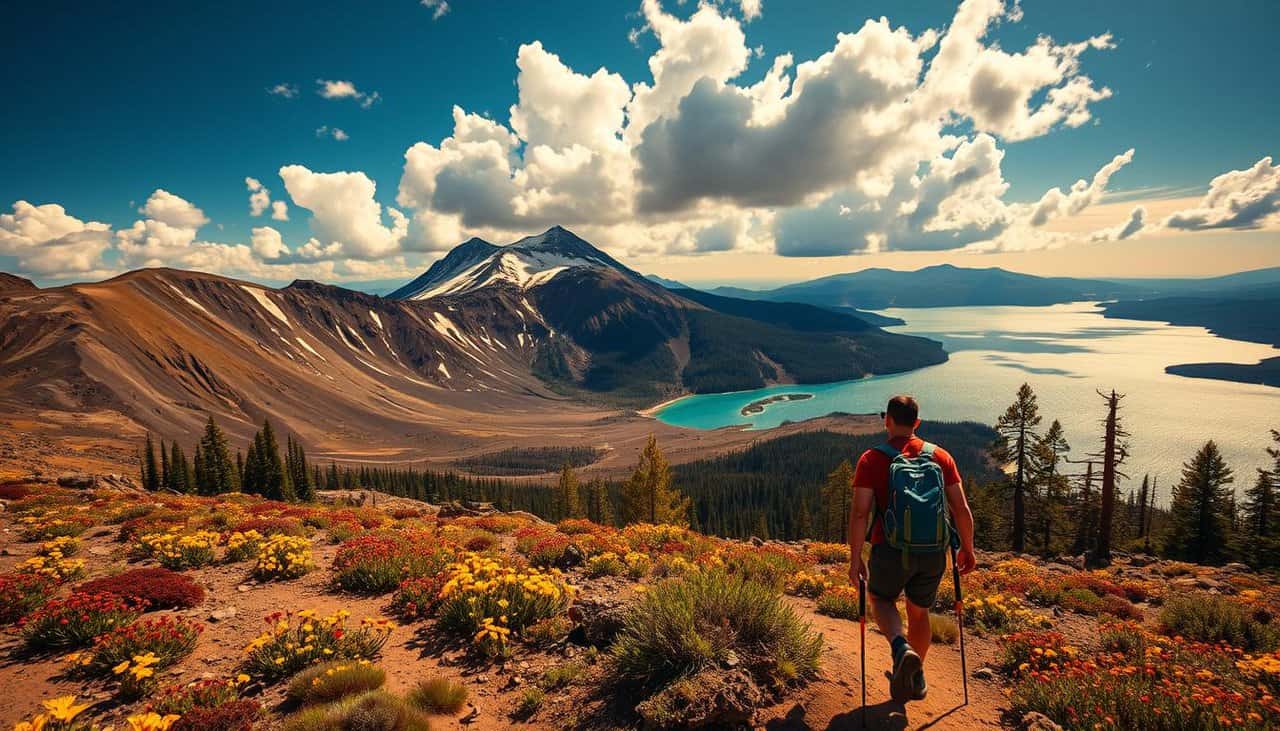
Did you know that Lassen Volcanic National Park receives only 500,000 visitors annually, compared to Yosemite’s 4.5 million? This hidden gem in Northern California offers breathtaking volcanic landscapes, serene lakes, and geothermal wonders that rival the best in the world.
From the towering Lassen Peak to the bubbling mud pots of Bumpass Hell, this park is a playground for nature lovers. Whether you’re planning a summer adventure or a day trip, there’s something for everyone. Hike scenic trails, enjoy lakeside picnics, or camp under the stars.
Less crowded than other parks, Lassen offers a peaceful escape into nature. Its rich history, including the 1915 eruption of Lassen Peak, adds to its allure. Ready to explore? This guide will help you plan an unforgettable trip.
Key Takeaways
- Lassen Volcanic National Park is a lesser-known treasure with stunning volcanic features.
- It’s perfect for hiking, camping, and exploring geothermal wonders.
- The park is less crowded, offering a peaceful retreat.
- Lassen Peak, the highest point, provides breathtaking views.
- Plan your visit during the summer for the best experience.
Getting to Lassen Volcanic National Park
Planning your journey to Lassen Volcanic National Park is easier than you think. Located about four hours northeast of San Francisco, this hidden gem is accessible via well-maintained highways. Whether you’re driving from nearby cities or flying in, the trip is part of the adventure.
Driving Directions and Highways
If you’re driving, Highway 44 and Highway 36 are the main routes to the park. Highway 44 connects from Redding, offering a scenic drive through forests and past Manzanita Lake. Highway 36, coming from Red Bluff, provides stunning views of the surrounding landscapes.
Parking lots are available near popular spots like the Kohm Yah-mah-nee Visitor Center and Boiling Springs Lake. Arrive early to secure a spot, especially during peak season. Road signage is clear, guiding you to key attractions like Lassen Peak and Kings Creek.
Nearest Airports and Transportation Options
For those flying in, the closest airports are in Redding, Sacramento, and Reno. Each offers car rental services, which are essential since public transportation to the park is limited. From Redding, it’s about an hour’s drive, while Sacramento and Reno are roughly three hours away.
Once you arrive, take time to explore the park’s highlights. Start at the Kohm Yah-mah-nee Visitor Center for maps and tips. Don’t miss the chance to stroll around Manzanita Lake or hike to Boiling Springs Lake for a glimpse of the park’s geothermal wonders.
With proper planning, your trip to Lassen Volcanic National Park will be smooth and memorable. Pack your essentials, check road conditions, and get ready for an unforgettable experience.
When to Visit: Best Time for Your Lassen Adventure
Timing your visit to Lassen Volcanic National Park can make all the difference in your experience. This California gem transforms with the seasons, offering unique adventures throughout the year. Whether you’re chasing summer hikes or autumn foliage, planning ahead ensures a smooth and memorable trip.
Seasonal Weather and Road Conditions
Winter snowfall can reach up to 30 feet, closing many roads and trails from November through March. Spring brings melting snow, but some areas remain inaccessible until late May or early June. Summer, from June to August, is the most accessible time, with roads fully open and trails cleared of snow.
Fall offers cooler temperatures and fewer crowds, but snowfall can return as early as October. Always check current road conditions before your trip, especially during seasonal transitions. Pack layers and appropriate gear, as weather changes quickly in this volcanic landscape.
Optimal Months for Exploring the Park
The best time to visit is during the summer months of July, August, and September. During this period, all roads, trails, and facilities are open, making it easier to explore the park’s highlights. Ranger-led programs are also more frequent, adding depth to your visit.
Spring and fall offer their own charms. Spring brings lush wildflowers, while fall showcases vibrant autumn colors. However, access to higher elevations may be limited due to early snowfall. Winter is ideal for snowshoeing and backcountry skiing, but most roads are closed.
| Season | Highlights | Accessibility |
|---|---|---|
| Summer (June–September) | Full access to roads, trails, and ranger programs | Best for hiking and sightseeing |
| Spring (March–May) | Wildflowers and melting snow | Limited access to higher elevations |
| Fall (October–November) | Autumn colors and fewer crowds | Early snowfall may close roads |
| Winter (December–February) | Snowshoeing and backcountry skiing | Most roads closed |
No matter when you visit, planning ahead ensures a safe and enjoyable trip. Check the park’s website for up-to-date information on road conditions and weather forecasts. Pack accordingly, and get ready to explore this volcanic wonderland at its best.
Things To Do At Lassen Volcanic National Park
Discover the diverse wonders of this unique destination, where volcanic landscapes meet serene lakes. From dramatic peaks to bubbling geothermal areas, there’s something for every adventurer. Whether you’re seeking challenging hikes or peaceful walks, this national park delivers unforgettable experiences.
One of the highlights is Lassen Peak, the park’s highest point. The hike to the summit is strenuous but rewards you with breathtaking views of the surrounding area. For a more relaxed adventure, stroll around Manzanita Lake. Its calm waters and scenic trails make it perfect for families.
Don’t miss the geothermal wonders of Bumpass Hell. A 3-mile trail leads you to boardwalks overlooking bubbling mud pots and steaming vents. It’s a fascinating glimpse into the park’s volcanic activity. Nearby, Boiling Springs Lake offers a shorter hike with equally captivating sights.
For those interested in the park’s history and geology, the Kohm Yah-mah-nee Visitor Center is a must-visit. Interactive exhibits and ranger programs provide insights into the volcanic landscape and its formation. It’s a great starting point for planning your adventures.
Whether you’re hiking a challenging trail or enjoying a lakeside picnic, take your time to explore. Each area offers unique beauty and opportunities for discovery. Plan your visit during the seasonal highlights to make the most of your trip.
Exploring Geothermal Wonders: Bumpass Hell and Boiling Springs
Step into a world of bubbling mud pots and steaming vents at Lassen’s geothermal wonders. These areas showcase the park’s volcanic activity, offering a glimpse into the Earth’s raw power. From the sizzling landscapes of Bumpass Hell to the serene beauty of Boiling Springs Lake, these features are a must-see for every visitor.
Bumpass Hell Boardwalk Experience
The Bumpass Hell trail is a 3-mile round trip that leads to one of the park’s most iconic geothermal areas. As you walk along the boardwalk, you’ll be greeted by sizzling steam and the distinct sulfuric odor of the fumaroles. Temperatures here can soar above 320°F, making it one of the hottest spots in the park.
Named after an early explorer who suffered severe burns, Bumpass Hell serves as a reminder of nature’s power. The boardwalk ensures safe viewing while protecting the delicate environment. Take your time to admire the bubbling mud pots and steaming vents, but always stay on the designated path.
Safety Tips for Geothermal Areas
Exploring geothermal areas requires caution. The ground may appear solid but can conceal pools of boiling water or mud. Always wear sturdy footwear and keep a safe distance from any active features. Staying on the boardwalks is essential to avoid accidents.
Here are a few tips to ensure a safe and enjoyable visit:
- Arrive early to avoid crowds and enjoy the area at your own pace.
- Take breaks during your hike, especially on hot summer days.
- Respect the power of nature and follow all posted warnings.
Whether you’re hiking the trail or simply taking in the view, these geothermal wonders offer a unique and unforgettable experience. Plan your visit carefully, and you’ll leave with a deeper appreciation for this California treasure.
Hiking Trails and Scenic Walks
Explore the diverse trails that wind through this stunning landscape, offering something for every adventurer. From roaring waterfalls to serene lakes, each path provides a unique way to experience the park’s natural beauty. Whether you’re seeking a leisurely stroll or a challenging climb, you’ll find it here.
Kings Creek Falls and Other Trail Highlights
One of the most popular hikes is the Kings Creek Falls Trail. This 3-mile round trip takes you through lush forests and rugged terrain, ending at a breathtaking waterfall. The return route includes steep stairs, so wear sturdy footwear and take your time.
For panoramic views, head to the Lassen Peak Trail. This 5-mile hike rewards you with stunning vistas of the surrounding peaks and valleys. It’s a challenging climb, but the scenery makes it worth the effort.
Family-Friendly and Challenging Hikes
If you’re traveling with kids, the Manzanita Lake Loop is a great option. This easy 1.9-mile trail offers beautiful lake views and plenty of shaded spots to rest. It’s perfect for a relaxing day outdoors.
For a more strenuous adventure, try the Brokeoff Mountain Trail. This 7-mile hike takes you to one of the park’s highest peaks, offering unparalleled views of the volcanic landscape. Bring plenty of water and start early to avoid the midday heat.
Before you hit the trails, stop by the Kohm Yah-mah-nee Visitor Center for maps and safety tips. Whether you’re planning a short walk or a full-day hike, the park’s well-maintained trails ensure a memorable experience. For more details on trail options, visit the official hiking guide.
Lakeside Relaxation: Manzanita, Lake Helen, and Summit Lake
Escape to the serene shores of Lassen’s pristine lakes for a day of relaxation and adventure. These tranquil spots are perfect for unwinding after a hike or simply soaking in the natural beauty. Whether you’re picnicking by the water or paddling across its surface, the lakes here offer something for everyone.
Picnicking and Water Activities
Manzanita Lake is a favorite for families, with its calm waters and shaded picnic areas. Bring a blanket and enjoy a meal with a stunning view of the surrounding peaks. For those seeking adventure, kayaking and paddleboarding are popular activities here.
Lake Helen is known for its sapphire-blue water and peaceful ambiance. It’s an ideal spot for a quiet picnic or a gentle stroll along the shore. The reflections of the sky and trees on the water make it a photographer’s dream.
Summit Lake offers a more secluded experience, with fewer crowds and plenty of space to relax. Its clear waters are perfect for a refreshing dip on a warm summer day. Picnic tables and restroom facilities are conveniently located nearby.
For a unique experience, try kayaking or canoeing on these lakes. Rentals are available from May through September, making it easy to explore the water at your own pace. Whether you’re gliding across the surface or simply wading near the shore, the lakes provide endless opportunities for fun.
Plan your visit later in the day or during off-peak hours to enjoy a quieter atmosphere. Pack a picnic backpack with your favorite snacks and drinks, and take advantage of the laid-back ambiance. A day spent by these lakes is the perfect complement to the park’s more active adventures.
Family-Friendly Activities and Visitor Centers
Families can dive into the park’s history and geology at the Kohm Yah-mah-nee Visitor Center. This hub of learning offers interactive exhibits that showcase the area’s volcanic features and Native American heritage. It’s a great starting point for your trip, with maps and tips to help you explore.
Kohm Yah-mah-nee Visitor Center Attractions
The visitor center features engaging displays that explain the park’s formation and its geothermal wonders. Kids will love the hands-on exhibits, while adults can appreciate the detailed information about the volcanic landscape. Friendly staff are always available to answer questions and provide updates on park activities.
Don’t miss the ranger-led talks and cultural demonstrations. These programs add depth to your visit, offering insights into the park’s natural and cultural history. The center’s LEED-certified design also reflects its commitment to sustainability.
Interactive Exhibits and Souvenir Spots
After exploring the exhibits, stop by the gift shop for unique souvenirs. From books to locally made crafts, there’s something for everyone. The Manzanita Lake Camper Store nearby also offers snacks and gear for your adventures.
Before you leave, pick up a trail map and check the latest conditions. Whether you’re planning a short hike or a full-day trail, the visitor center ensures you’re well-prepared. It’s the perfect place to start and end your day in the park.
Exploring Unique Volcanoes: Lassen Peak and Chaos Crags
Lassen Peak stands as a testament to nature’s raw power, offering visitors a chance to explore its volcanic wonders. As the world’s largest plug dome volcano, it rises to an impressive 10,500 feet, dominating the landscape of this national park. Nearby, Chaos Crags adds to the dramatic scenery with its rugged formations and volcanic history.
Understanding Plug Volcanoes
Plug volcanoes, like Lassen Peak, form when thick lava hardens in the vent of a volcano. This creates a steep, dome-shaped cone that can tower over the surrounding area. Lassen Peak’s last eruption in 1915 reshaped the landscape, leaving behind a legacy of volcanic activity that continues to fascinate geologists and visitors alike.
What sets plug volcanoes apart is their unique structure. Unlike shield volcanoes, which have gentle slopes, or stratovolcanoes, which are layered, plug domes are steep and compact. This makes them a striking feature in any national park.
Spectacular Vistas and Trail Insights
For those eager to explore, the Lassen Peak Trail offers a challenging 5-mile hike to the summit. The effort is rewarded with panoramic views of the surrounding peaks and valleys. Along the way, you’ll witness the raw beauty of the volcanic terrain, from jagged rocks to sparse vegetation.
If you prefer a less strenuous option, the Chaos Crags Trail provides a shorter, 4-mile loop. This path takes you through a landscape shaped by ancient eruptions, with towering rock formations and serene meadows. Both trails offer a chance to connect with the park’s volcanic history and enjoy its natural beauty.
| Trail | Distance | Difficulty |
|---|---|---|
| Lassen Peak Trail | 5 miles | Challenging |
| Chaos Crags Trail | 4 miles | Moderate |
Before you set out, remember to pack plenty of water, wear sturdy footwear, and check the weather. The time you spend on these trails will leave you with unforgettable memories of this national park’s unique landscapes.
Beyond the Trails: Wilderness and Camping Options
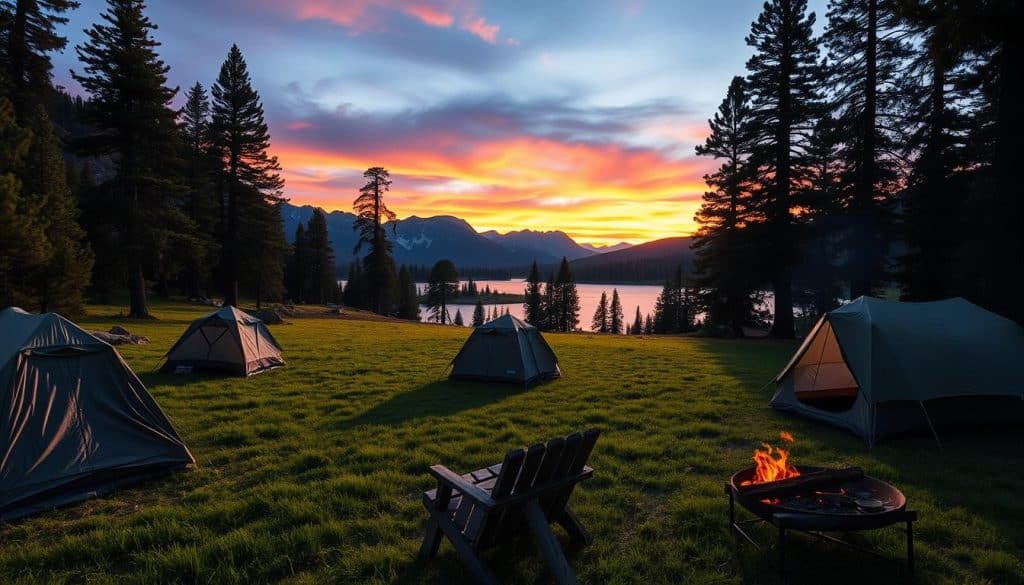
Camping in this serene wilderness offers a unique way to connect with nature. With several campgrounds to choose from, you can find the perfect spot to pitch your tent or park your RV. Whether you prefer a lakeside retreat or a secluded forest setting, the park’s campgrounds provide a peaceful escape.
Overview of Campground Choices
The park features seven campgrounds, each offering distinct amenities and settings. Manzanita Lake is a popular choice, with RV-friendly sites, showers, and a nearby store. For a more rustic experience, try Summit Lake, which offers stunning views and easy access to hiking trails.
Group camping is available at Lost Creek and Butte Lake, accommodating up to 25 guests. Reservations are recommended during peak months, as many sites fill up quickly. Check the park’s website for updates on closures and availability.
Tips for a Memorable Overnight Stay
Plan ahead to ensure a smooth camping experience. Arrive early to secure a first-come, first-served site, especially on weekends. Pack essentials like water, food, and weather-appropriate gear. Remember, some campgrounds may not have water during colder months.
Respect the park’s natural beauty by following Leave No Trace principles. Keep food stored securely to avoid wildlife encounters. Quiet hours are from 10 PM to 6 AM, ensuring a peaceful environment for all guests.
| Campground | Amenities | Capacity |
|---|---|---|
| Manzanita Lake | Showers, store, RV sites | Up to 6 vehicles |
| Summit Lake | Picnic tables, fire rings | Up to 4 vehicles |
| Lost Creek | Group sites, fire rings | Up to 6 vehicles |
| Butte Lake | Group sites, picnic tables | Up to 6 vehicles |
Camping here enhances your adventure, offering a chance to immerse yourself in the park’s natural beauty. Whether you’re staying for a night or a week, the experience will leave you with lasting memories.
Local Tips: Safety, Gear, and Seasonal Considerations
Exploring this California gem requires smart preparation for its ever-changing conditions. From sudden weather shifts to rugged trails, being ready ensures a safe and enjoyable trip. Here’s how to make the most of your adventure while staying prepared.
Hiking Essentials and Safety Gear
Packing the right gear is crucial for any hike in this diverse landscape. Start with sturdy footwear to navigate rocky and uneven trails. A waterproof jacket is essential, as weather can change quickly, especially at higher elevations.
Carry a backpack with a first-aid kit, a headlamp, and a map of the area. Staying hydrated is key, so bring plenty of water and energy snacks. For longer hikes, consider a portable water filter to refill from streams.
Weather Preparation and Road Closure Alerts
The park’s weather can be unpredictable, even in summer. Check forecasts before heading out and dress in layers to adapt to temperature changes. Snow can linger into early summer, so be prepared for cooler conditions at higher elevations.
Road closures are common during winter and early spring due to heavy snowfall. Always check the park’s website for updates on road conditions and closures. This ensures you won’t face unexpected detours during your day out.
By staying informed and packing wisely, you’ll be ready to tackle the park’s challenges. Whether you’re hiking a scenic trail or exploring geothermal areas, preparation is the key to a memorable experience.
Day Trips and Nearby Attractions
Expand your adventure beyond the park’s borders with exciting day trips nearby. These hidden gems offer unique experiences that complement your visit to this California treasure. From lava tubes to scenic trails, there’s plenty to explore just a short drive away.
Subway Cave Lava Tube and Hidden Gems
One of the most fascinating stops is the Subway Cave Lava Tube. This natural wonder features a 1/3-mile loop trail that takes you through a cooled lava tube. Bring a flashlight to navigate the dark interior and marvel at the unique geological formations.
Other nearby attractions include Burney Falls, a stunning 129-foot waterfall located about 30 minutes north of the cave. For those who enjoy scenic drives, the Lassen Volcanic National Park Highway offers breathtaking views and easy access to these destinations.
Transportation options are straightforward, with most sites accessible by car. Plan your route to include multiple stops, ensuring you make the most of your trip. Pack essentials like comfortable walking shoes, water, and snacks for a seamless experience.
These nearby attractions are perfect for visitors with limited time who still want to explore the area’s natural beauty. Whether you’re hiking a short trail or admiring a waterfall, these stops add depth to your travel itinerary.
Don’t miss the chance to uncover these hidden gems. They provide a unique perspective on the region’s volcanic history and stunning landscapes. Incorporate them into your plans for an unforgettable adventure.
Planning Your Itinerary: Trip Duration and Route Ideas
Crafting the perfect itinerary for your visit ensures you don’t miss the park’s top highlights. Whether you’re here for a weekend or a longer stay, a well-organized plan helps you make the most of your time. Below is a sample three-day schedule that balances hikes, scenic views, and relaxation.
Sample 3-Day Itinerary Highlights
Day 1: Exploring the Highlights
Start your trip with a visit to the Kohm Yah-mah-nee Visitor Center for maps and tips. Then, hike the Bumpass Hell Trail to witness bubbling mud pots and steaming vents. In the afternoon, enjoy a picnic by Manzanita Lake and take a leisurely stroll around its shores. End the day with a sunset view from Lassen Peak.
Day 2: Lakes and Geothermal Wonders
Begin with a morning hike to Kings Creek Falls, a 3-mile trail offering stunning waterfall views. After lunch, explore the Subway Cave Lava Tube, a unique geological feature. Spend the evening relaxing at Lake Helen, known for its sapphire-blue waters.
Day 3: Off-the-Beaten-Path Adventures
Head to Boiling Springs Lake for a shorter hike with geothermal sights. In the afternoon, visit the Devastated Area Trail for an interpretive walk through volcanic history. Wrap up your trip with a scenic drive along the Lassen National Park Highway.
Practical Tips for Your Trip
- Arrive early to avoid crowds and secure parking at popular spots.
- Pack layers and sturdy footwear for changing weather conditions.
- Check road conditions and trail closures before heading out.
- Bring plenty of water and snacks for longer hikes.
“The best way to experience this area is to balance activity with relaxation. Take your time to soak in the views and enjoy the journey.”
| Day | Activities | Driving Time |
|---|---|---|
| Day 1 | Visitor Center, Bumpass Hell, Manzanita Lake | 1 hour |
| Day 2 | Kings Creek Falls, Subway Cave, Lake Helen | 1.5 hours |
| Day 3 | Boiling Springs Lake, Devastated Area, Scenic Drive | 2 hours |
Flexibility is key, especially with unpredictable weather. Have backup plans for rainy days or trail closures. By following this itinerary, you’ll experience the best of this California gem in just three days.
Conclusion
A journey to this Northern California gem promises unforgettable memories and breathtaking landscapes. From the towering Lassen Peak to the serene shores of Manzanita Lake, every corner of this area offers something special. Whether you’re hiking scenic trails or exploring geothermal wonders like Bumpass Hell, the experience is truly one-of-a-kind.
Planning your trip is key to making the most of your time here. Pack layers, sturdy footwear, and plenty of water to stay comfortable on the trails. Arrive early to avoid crowds and enjoy the peaceful ambiance. Each season brings its own charm, so choose the best time to visit based on your interests.
Immerse yourself in the unique volcanic environment and let the stunning views inspire you. Whether you’re camping under the stars or enjoying a lakeside picnic, this destination is perfect for nature lovers and adventurers alike. Start planning your trip today and create memories that will last a lifetime.
FAQ
What’s the best way to get to Lassen Volcanic National Park?
Driving is the most convenient option. Major highways like CA-36 and CA-44 lead directly to the park. The nearest airports are in Redding and Reno, both about 1.5 hours away.
When is the ideal time to visit the park?
Summer and early fall are optimal, typically from June to October. Roads and trails are fully accessible, and the weather is pleasant for exploring.
Are there family-friendly activities in the park?
Absolutely! The Kohm Yah-mah-nee Visitor Center offers interactive exhibits, and Manzanita Lake is perfect for picnics and easy hikes. Kids will love the Junior Ranger program too.
What should I know before hiking Bumpass Hell?
The Bumpass Hell boardwalk takes you through geothermal wonders, but stay on marked paths. The ground can be unstable, and steam vents are extremely hot.
Can I camp overnight in the park?
Yes! There are several campgrounds, like Manzanita Lake and Summit Lake. Reservations are recommended, especially during peak season.
What are the must-see volcanic features?
Don’t miss Lassen Peak and Chaos Crags. These plug volcanoes offer stunning views and unique geological insights. The Lassen Peak Trail is a favorite for hikers.
Are there any nearby attractions worth visiting?
The Subway Cave Lava Tube is a fascinating spot just outside the park. It’s a short drive and offers a glimpse into the area’s volcanic history.
What gear should I bring for hiking?
Pack sturdy hiking boots, plenty of water, and layers for changing weather. Sunscreen and a map are also essential, especially for longer trails.
How long should I plan for my trip?
A 3-day itinerary works well to explore the highlights. Include hikes, geothermal areas, and time to relax by the lakes for a balanced experience.