
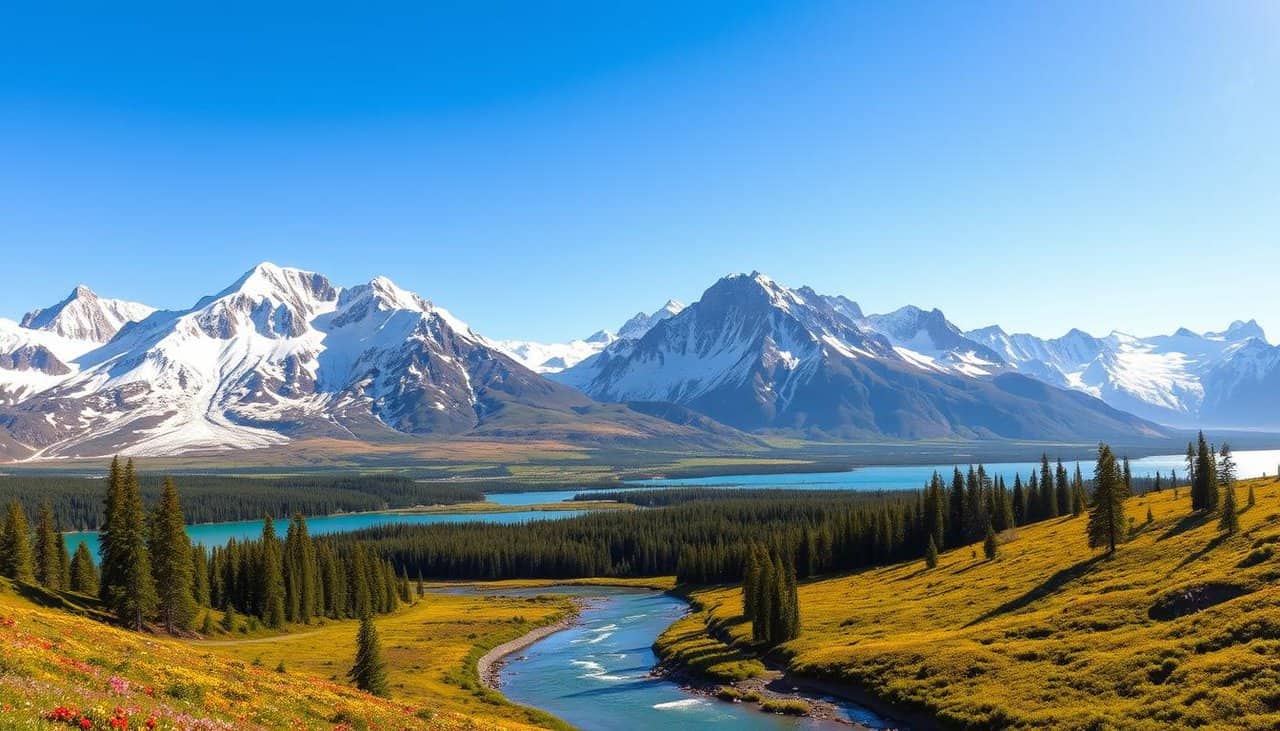
Did you know that Lake Clark National Park spans over 2.6 million acres, making it the 7th largest national park in the U.S.? This vast wilderness in Alaska offers an unparalleled escape for outdoor enthusiasts. From rugged mountains to pristine lakes, the park is a haven for adventure seekers.
Whether you’re hiking through untouched trails, casting a line in crystal-clear waters, or observing wildlife in their natural habitat, the park promises unforgettable experiences. Its remote location adds to its charm, providing a true sense of solitude and connection with nature.
Despite its wild and rugged beauty, Lake Clark National Park is surprisingly accessible. Visitors can easily plan their trips to explore its diverse landscapes. Ready to dive into the ultimate wilderness adventure? Let’s uncover the top activities this stunning park has to offer.
Key Takeaways
- Lake Clark National Park spans 2.6 million acres, making it the 7th largest in the U.S.
- The park offers diverse activities like hiking, fishing, and wildlife viewing.
- Its remote location provides a true wilderness experience.
- Accessible by small plane, it’s easier to visit than you might think.
- Perfect for outdoor enthusiasts seeking solitude and adventure.
Overview of Lake Clark National Park
Nestled in the heart of Alaska, Lake Clark National Park offers a glimpse into untouched wilderness. This vast expanse of land, spanning over 2.6 million acres, is a sanctuary for wildlife and a playground for adventurers. Its remote location ensures a true escape from the hustle and bustle of modern life.
Park History and Geography
Originally designated as a national monument, Lake Clark National Park became a national park in 1980. Its rugged terrain is home to two active volcanoes, Mount Redoubt and Mount Iliamna, which dominate the skyline. Glaciers, pristine lakes, and mountain ranges add to the park’s dramatic beauty.
The park’s geography is as diverse as it is breathtaking. From the Chigmit Mountains to the Aleutian Range, the landscape is a blend of towering peaks and serene valleys. Lake Clark itself, stretching 42 miles, is a vital habitat for sockeye salmon, supporting one of the world’s largest fisheries.
Wildlife and Natural Wonders
As a national park preserve, Lake Clark plays a crucial role in protecting diverse ecosystems. Visitors can spot Dall sheep, moose, and brown bears roaming freely. The park’s salt marshes are particularly popular for bear viewing during the summer months.
This remote destination is part of Alaska’s eight national parks, each offering unique experiences. Despite its challenges, the park’s unspoiled beauty and rich wildlife make it a prized destination for nature enthusiasts and adventurers alike.
Exploring the Natural Landscapes
Step into a world where glaciers meet volcanoes and lakes mirror the sky. This remote paradise is a haven for those seeking both thrill and tranquility. Its diverse terrain offers endless opportunities to connect with nature.
Glaciers, Volcanoes, and Mountain Ranges
The dramatic landscapes here are shaped by two active volcanoes, Mount Redoubt and Mount Iliamna. These towering peaks are part of the Pacific Ring of Fire, adding a sense of raw power to the scenery. Glaciers carve through the mountains, creating a stunning contrast between ice and rock.
For hikers, the trails winding through these ranges are a dream come true. The Chigmit Mountains and Aleutian Range offer challenging routes with rewarding views. Whether you’re a seasoned adventurer or a casual explorer, the trails here promise unforgettable experiences.
Pristine Lakes and Tundra Views
Beyond the rugged peaks, the park is home to crystal-clear lakes and vast tundra landscapes. Lake Clark itself stretches 42 miles, providing a habitat for sockeye salmon. The tundra, with its open vistas, offers a peaceful retreat from the dramatic geological features.
These serene environments are perfect for those seeking solitude. The contrast between the towering mountains and the tranquil lakes creates a unique harmony. It’s a place where you can truly immerse yourself in the beauty of the natural world.
| Feature | Highlight |
|---|---|
| Glaciers | Carved by time, offering breathtaking views |
| Volcanoes | Active peaks adding drama to the landscape |
| Mountain Ranges | Challenging trails with panoramic views |
| Lakes | Pristine waters perfect for reflection |
| Tundra | Open vistas for peaceful exploration |
Must-See Attractions in the Park
Discover the hidden gems that make this wilderness unforgettable. From stunning natural landmarks to historic sites, these attractions offer a deeper connection to the area’s beauty and heritage.
Twin Lakes and Turquoise Beauty
The twin lakes are a highlight of the park, known for their striking turquoise hues. These pristine waters reflect the surrounding mountains, creating a scene straight out of a postcard. Whether you’re kayaking, fishing, or simply soaking in the view, the lakes provide a serene escape.
Photographers and nature lovers will find endless inspiration here. The vibrant colors and tranquil atmosphere make it a perfect spot for capturing unforgettable moments. For those seeking an immersive outdoor activity, the lakes are a must-visit.
Historic Proenneke Cabin
Step back in time at the historic Proenneke Cabin. Built by Richard Proenneke in the 1960s, this cabin is a testament to simple, sustainable living in the wild. Its rustic charm and remote location offer a glimpse into a life deeply connected to nature.
Visitors can explore the cabin and its surroundings, learning about Proenneke’s self-sufficient lifestyle. The area also provides stunning views of the landscape, making it a favorite for history buffs and adventurers alike. This landmark is a centerpiece for understanding the park’s cultural and natural heritage.
Both the twin lakes and the cabin serve as gateways to deeper exploration. Whether you’re drawn to the water’s allure or the cabin’s history, these attractions promise unforgettable experiences. For more details on planning your visit, check out the official park guide.
Things To Do At Lake Clark National Park
Immerse yourself in the untamed beauty of Alaska’s wilderness. This destination offers a mix of thrilling hikes and serene wildlife encounters. Whether you’re an experienced adventurer or a casual explorer, there’s something for everyone.
Hiking Adventures and Wildlife Viewing
The rugged landscape provides endless opportunities for hiking. Trails range from challenging mountain treks to peaceful walks through tundra valleys. Each path offers stunning views and a chance to connect with nature.
Wildlife viewing is a highlight of any trip. The area is home to brown bears, moose, and Dall sheep. The best time for bear viewing is from late July to September, when salmon runs attract these majestic creatures.
For a safe and enjoyable experience, plan your trip carefully. Bring bear spray, stay on marked trails, and keep a safe distance from wildlife. These precautions ensure a memorable adventure.
| Activity | Highlights |
|---|---|
| Hiking | Challenging trails with panoramic views |
| Wildlife Viewing | Brown bears, moose, and Dall sheep |
| Bear Viewing | Best from late July to September |
| Safety Tips | Bring bear spray and stay on trails |
Tailor your trip to match your interests. Whether you’re drawn to the thrill of a hike or the serenity of wildlife encounters, this destination promises unforgettable experiences.
Port Alsworth: Gateway to Adventure
Port Alsworth serves as the perfect launchpad for exploring the park’s wonders. This small community is home to the park headquarters and Visitor Center, making it a hub for information and resources. Whether you’re planning a day hike or a multi-day adventure, Port Alsworth provides the essentials to get started.
Local Trails and Visitor Center Insights
For those eager to hit the trails, Alsworth offers several options. The Beaver Pond Loop Trail is a 3.4-mile loop with stunning views, perfect for a day hike. More experienced hikers can tackle Mount Tanalian, an 8.9-mile trek with a 3,772-foot elevation gain. These trails provide a mix of challenge and beauty, catering to all skill levels.
The Visitor Center is a must-visit for trip planning. Open daily from 10 am to 4:30 pm, it offers maps, guides, and expert advice. Located less than a mile from local accommodations, it’s a convenient stop for travelers.
Getting to Port Alsworth
Access to Port Alsworth is primarily by air. Flights from Anchorage take about an hour, making it a quick and scenic journey. The town’s two gravel airstrips accommodate small planes, ensuring a smooth arrival. Once there, visitors can rent kayaks or canoes to explore nearby waters.
| Feature | Details |
|---|---|
| Beaver Pond Loop Trail | 3.4 miles, 554-foot elevation gain |
| Mount Tanalian | 8.9 miles, 3,772-foot elevation gain |
| Visitor Center Hours | 10 am – 4:30 pm daily |
| Flight Duration | 1 hour from Anchorage |
The local community enhances the travel experience with full-service amenities and tailored packages. From gear rentals to guided tours, Port Alsworth ensures every visitor is well-prepared for their adventure. As the starting point for further exploration, this small settlement is the heart of the park’s allure.
Outdoor Adventures – Hiking, Fishing, and Boating
From rugged hikes to tranquil waters, this place offers endless excitement. Whether you’re scaling mountain trails, casting a line in pristine lakes, or gliding along rivers, the opportunities for adventure are boundless. Each activity provides a unique way to connect with the untamed beauty of this wilderness.
Signature Hiking Trails
For hikers, the trails here are a dream come true. The Tanalian Falls Trail is a 4-mile round trip that rewards you with stunning waterfall views. For a more challenging trek, the Tanalian Mountain Trail spans 9 miles and offers panoramic vistas of the surrounding landscape.
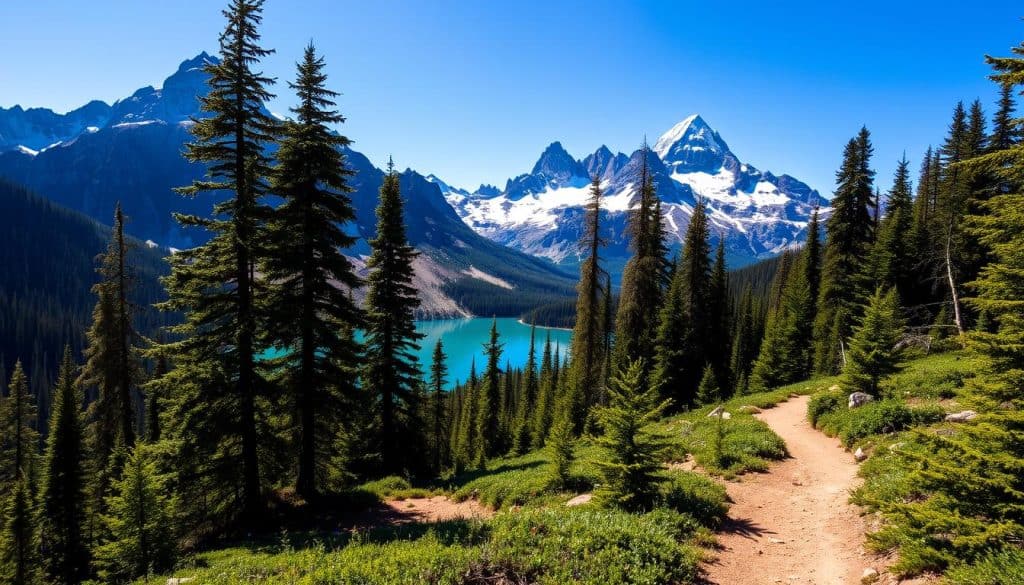
These trails wind through diverse terrain, from dense forests to open tundra. Each step brings you closer to the heart of this wild paradise. Whether you’re a seasoned hiker or a casual walker, there’s a path for you.
Fishing Spots and Boating Escapades
Anglers will find paradise in the clear waters of the park. The salmon runs in July and August are particularly popular, offering a chance to reel in sockeye and other species. The rivers and lakes are teeming with fish, making it a haven for both novice and experienced anglers.
For those who prefer to explore by water, boating and float trips are a must. Glide along serene lakes or navigate gentle rivers to discover hidden corners of the park. These excursions provide a peaceful way to soak in the breathtaking scenery.
Local lodges play a key role in enhancing your adventure. They offer guided tours, gear rentals, and comfortable accommodations. Whether you’re planning a day trip or an extended stay, these lodges ensure you’re well-prepared for your outdoor experience.
Bear Viewing and Wildlife Encounters
Witnessing brown bears in their natural habitat is a once-in-a-lifetime experience. The park’s coastal areas, like Chinitna Bay, are prime spots for observing these majestic creatures. With proper planning and safety measures, visitors can enjoy unforgettable wildlife encounters.
Popular Viewing Spots and Guidelines
Chinitna Bay is one of the most popular locations for bear viewing. Here, visitors can often spot twenty or more brown bears feeding in the salt marshes. Other notable areas include Crescent Lake and Silver Salmon Creek, where salmon runs attract bears from miles away.
Safety is paramount when observing wildlife. Maintain a distance of at least 50 yards from bears and 100 yards from sows with cubs. Groups are safer than individuals, so stay close to your companions. Avoid sudden movements and never approach a bear.
Guided tours offer a secure and educational way to experience bear viewing. Local operators provide expert insights into bear behavior and ensure visitors follow safety protocols. These tours are ideal for a day trip, offering both convenience and peace of mind.
| Location | Highlights |
|---|---|
| Chinitna Bay | Salt marshes with frequent bear sightings |
| Crescent Lake | Salmon runs attract bears in summer |
| Silver Salmon Creek | Ideal for observing cubs and families |
Planning your visit carefully ensures a safe and memorable experience. Whether you’re exploring independently or joining a guided tour, the park’s wildlife encounters are sure to leave a lasting impression.
Aerial Experiences and Flightseeing Tours
Soaring above the rugged landscapes offers a perspective like no other. Flightseeing tours reveal the full splendor of this vast wilderness, showcasing dramatic vistas of glaciers, volcanoes, and remote lakes. Whether you’re a first-time visitor or a seasoned adventurer, these tours provide an unforgettable way to explore.
Guided Flight Tours Over the Park
Guided tours are a popular choice for those seeking a hassle-free experience. These flights often ascend to 6,000 feet, offering panoramic views of towering peaks and expansive tundra. Knowledgeable pilots share insights into the area’s geology and wildlife, making the journey both educational and awe-inspiring.
For a closer look, some tours descend to lower altitudes, allowing passengers to witness sockeye salmon streaming upriver. These excursions typically last 1-2 hours, providing ample time to soak in the breathtaking scenery.
Private Aircraft and Float Plane Tips
Private aircraft and float planes offer a more personalized adventure. Float planes, in particular, combine water landings with aerial exploration, giving visitors access to remote areas inaccessible by foot. When choosing an operator, prioritize safety and reputation. Look for companies with experienced pilots and well-maintained aircraft.
Flightseeing tours are a must-do activity for anyone visiting the area. They provide a unique perspective that ground-based exploration simply cannot match. Whether you’re marveling at active volcanoes or gliding over pristine lakes, these tours promise memories that will last a lifetime.
Camping and Backpacking in the Wilderness
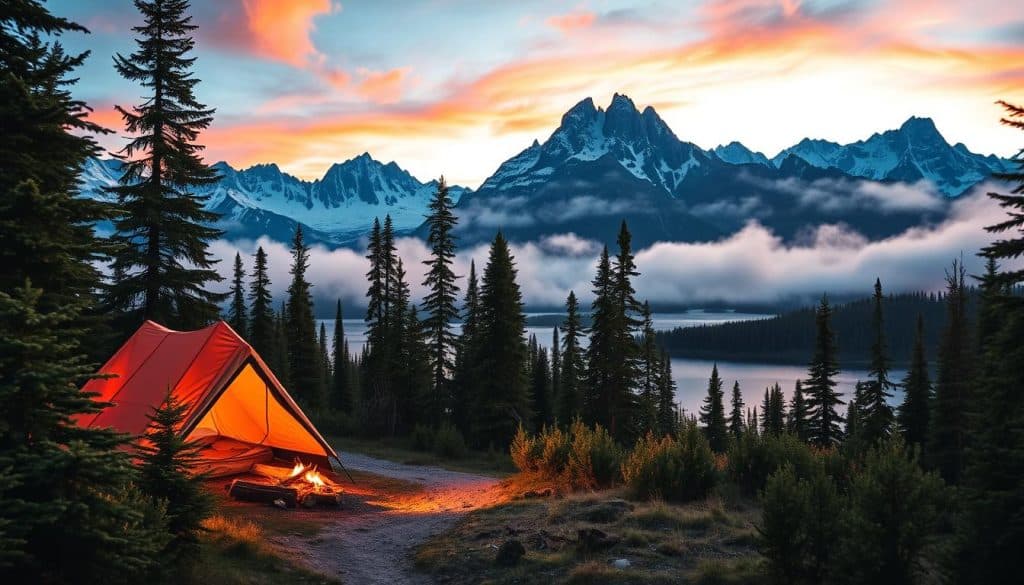
For those seeking solitude and adventure, camping here is an unmatched experience. The vast wilderness offers a rare chance to disconnect and immerse yourself in nature. Whether you prefer the comfort of a cabin or the thrill of backcountry camping, this destination has something for everyone.
Public Use Cabins and Campsite Options
Public use cabins like Priest Rock and Joe Thompson provide a unique way to experience the wilderness. These cabins are accessible yet remote, offering a comfortable base for exploration. Reservations are required, so plan ahead to secure your spot.
For those who crave a more rugged experience, backcountry camping is the way to go. With no designated campsites, you’re free to set up camp in the preserve’s undeveloped areas. This flexibility allows you to tailor your adventure to your preferences.
- Priest Rock Cabin: A cozy retreat with stunning views of the surrounding landscape.
- Joe Thompson Cabin: Perfect for small groups, offering easy access to nearby trails.
- Backcountry Campsites: Explore remote areas and create your own adventure.
Preparation is key to a successful trip. Bring essential gear, including bear-proof containers and a reliable map. Follow safety guidelines to ensure a safe and enjoyable experience.
Exploring this wilderness by foot or with a base camp results in an intimate connection with nature. Few places offer such a raw and unfiltered experience. Whether you’re a novice or a seasoned backpacker, this destination promises memories that will last a lifetime.
Comprehensive Trip Planning and Tips
Planning a trip to this remote wilderness requires careful preparation and attention to detail. From securing permits to arranging transportation, every step ensures a smooth and enjoyable experience. Here’s a guide to help you navigate the essentials.
Permits, Fees, and Reservations
While there are no entrance fees, certain activities may require permits. For example, backcountry camping and fishing often need authorization. Public use cabins, like Priest Rock and Joe Thompson, require reservations well in advance, especially during peak season.
Bear-resistant food storage is mandatory in many areas. Containers can be borrowed from the visitor center or rented from outdoor shops in Anchorage. Planning ahead ensures you have all necessary permits and gear for your adventure.
Transportation and Local Services
Travel within the park is primarily by air, as there are no roads. Flights from Anchorage to Port Alsworth take about an hour and provide a scenic introduction to the area. Local air taxis serve remote parts of the park, offering flexibility for exploration.
Port Alsworth is the hub for local services, including gear rentals and guided tours. The visitor center offers maps, guides, and expert advice to help you plan your trip. Whether you’re hiking, fishing, or wildlife viewing, these resources ensure you’re well-prepared.
| Transportation Option | Details |
|---|---|
| Flights from Anchorage | 1-hour duration, scenic views |
| Local Air Taxis | Access to remote areas |
| Visitor Center Services | Maps, guides, and expert advice |
By coordinating permits, transportation, and local services, you can focus on enjoying the park’s natural beauty. Proper planning ensures a seamless and memorable experience in this pristine wilderness.
Seasonal Considerations and Weather Insights
Understanding the seasonal patterns is key to making the most of your visit to this remote Alaskan destination. Weather here can shift rapidly, so planning ahead ensures a safe and enjoyable trip. From sunny skies to sudden rain, being prepared is the best way to handle the unpredictable conditions.
Summer, from June to August, is the most popular time to visit. Temperatures range between 50 and 65°F, offering comfortable conditions for hiking and wildlife viewing. August tends to be the rainiest month, so pack waterproof gear if you’re visiting during this time.
Fall brings cooler temperatures and fewer crowds, making it ideal for observing brown bears foraging along riverbanks. However, daylight hours shorten, so plan activities accordingly. Winter, from November to March, is harsh, with extreme cold and deep snowfall limiting access to many areas.
Spring, in April and May, offers longer daylight hours and fewer visitors. It’s a great time for wildlife viewing, as animals emerge from hibernation. However, trails may still be wet or muddy, so sturdy footwear is essential.
Fly-in conditions can be challenging, especially over cook inlet. Visibility issues are common, so flexibility in travel plans is crucial. Pilots often adjust routes to ensure safety, but delays can occur. Always check weather forecasts before your flight.
Daylight plays a significant role in planning activities. During summer, the sun sets late, providing ample time for exploration. In contrast, winter days are short, limiting outdoor activities. Understanding these patterns helps you make the most of your trip.
| Season | Highlights | Challenges |
|---|---|---|
| Summer | Warm temperatures, wildlife viewing | Increased rainfall in August |
| Fall | Fewer crowds, bear foraging | Shorter daylight hours |
| Winter | Solitude, snowy landscapes | Extreme cold, limited access |
| Spring | Longer daylight, wildlife activity | Wet or muddy trails |
By understanding the seasonal patterns, you can plan your trip the right way. Whether you’re hiking, wildlife viewing, or exploring by air, being prepared ensures a memorable experience in this stunning wilderness.
Essential Visitor Regulations and Safety
Exploring this pristine wilderness comes with a responsibility to protect its natural beauty and wildlife. Adhering to guidelines ensures a safe and enjoyable experience for everyone. Whether you’re hiking, camping, or observing wildlife, following these rules helps preserve the area for future generations.
Leave No Trace and Food Storage Rules
The Leave No Trace principles are essential for minimizing your impact on the environment. Pack out all trash, avoid disturbing wildlife, and stay on designated trails. These practices help maintain the integrity of the site and its ecosystems.
Proper food storage is critical, especially in bear country. Use bear-resistant containers to store food and scented items. These containers can be borrowed from the visitor center or rented locally. Never leave food unattended, as it can attract wildlife and create dangerous situations.
When camping, choose designated sites to reduce your footprint. This not only protects the environment but also ensures your safety. Always follow local regulations and respect the natural habitat.
Guidelines for Safe Wildlife Encounters
Wildlife viewing is a highlight of any trip, but it requires caution. Maintain a distance of at least 50 yards from bears and 100 yards from sows with cubs. Avoid sudden movements and never approach animals. Groups are safer than individuals, so stay close to your companions.
In areas like Cook Inlet, where bears are abundant, guided tours offer a secure way to observe wildlife. These tours provide expert insights and ensure you follow safety protocols. Always carry bear spray and know how to use it in case of an encounter.
Respecting wildlife and their habitat ensures a safe and memorable experience. By following these guidelines, you contribute to the preservation of this incredible wilderness.
| Safety Tip | Details |
|---|---|
| Leave No Trace | Pack out trash, stay on trails, minimize impact |
| Food Storage | Use bear-resistant containers, never leave food unattended |
| Wildlife Viewing | Maintain safe distances, avoid sudden movements |
| Bear Safety | Carry bear spray, join guided tours in high-risk areas |
Conclusion
The wilderness of this Alaskan gem offers a unique blend of adventure and tranquility. From hiking rugged trails to observing majestic wildlife, the experiences here are as diverse as the landscapes. Embracing the spirit of exploration is key to fully appreciating this remote destination.
Careful planning and respect for regulations ensure a fulfilling journey. Proper preparation, from securing permits to understanding safety guidelines, enhances your adventure. This approach not only protects the environment but also enriches your experience.
For those seeking extended adventures, nearby Katmai National Park provides additional opportunities to immerse in nature. Combining visits to these national parks creates a comprehensive wilderness experience, showcasing the best of Alaska’s natural beauty.
Start planning your visit today. With the insights from this article, every aspect of your journey will be informed and unforgettable. Discover the magic of these pristine landscapes and create memories that will last a lifetime.
FAQ
What are the best activities for first-time visitors?
First-timers should explore hiking trails, enjoy bear viewing, and take in the stunning views of Twin Lakes. Don’t miss a visit to the Proenneke Cabin for a touch of history.
How do I get to Port Alsworth?
Port Alsworth is accessible by float plane or small aircraft. Many visitors fly from Anchorage, which offers regular services to this gateway community.
Are there guided tours available in the park?
Yes, guided flightseeing tours and wildlife viewing excursions are popular. Local operators in Port Alsworth can arrange these adventures for you.
What’s the best time of year to visit?
Summer (June to August) is ideal for hiking, fishing, and bear viewing. Fall offers vibrant colors, while winter is perfect for those seeking solitude and snowy landscapes.
Can I camp in the wilderness?
Absolutely! The park offers public use cabins and backcountry camping options. Be sure to follow Leave No Trace principles and secure proper permits.
What wildlife can I expect to see?
You might spot brown bears, moose, bald eagles, and salmon. The park is a haven for wildlife enthusiasts, especially near Cook Inlet and river systems.
Are there any fishing opportunities?
Yes, the park is renowned for its fishing spots. Anglers can catch salmon, trout, and grayling in the pristine waters of lakes and rivers.
What should I pack for my trip?
Bring layers for changing weather, sturdy hiking boots, bear spray, and a camera. Don’t forget essentials like a map, water filter, and food storage containers.
Are there any visitor centers in the park?
The Port Alsworth Visitor Center is a great starting point for information, maps, and tips on exploring the area.
Can I visit Katmai National Park from here?
While Lake Clark and Katmai National Park are separate, some tour operators offer combined trips. Check with local services for options.