
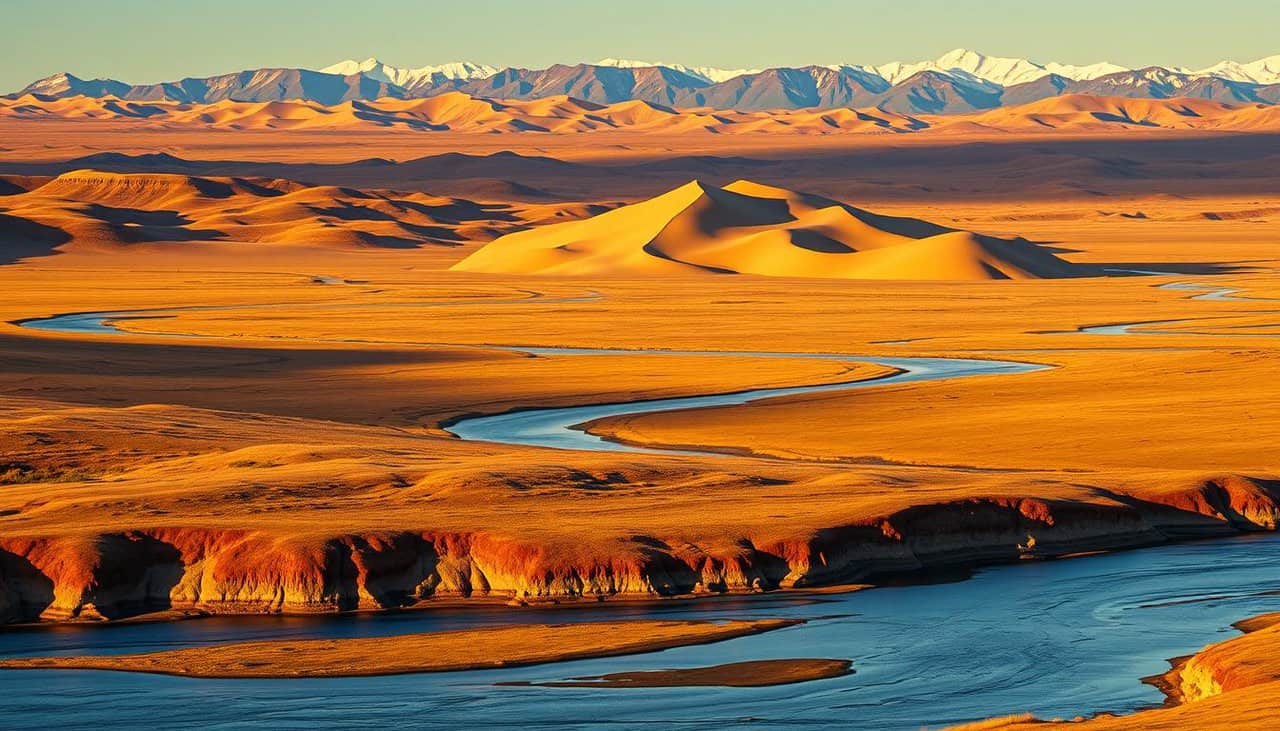
Did you know that one of the most unique landscapes in the United States lies above the Arctic Circle? Kobuk Valley National Park is home to the Great Kobuk Sand Dunes, a stunning desert-like area surrounded by rugged wilderness. This remote destination offers a blend of ecosystems, from vast sand dunes to lush river valleys, making it a must-visit for adventurers.
Located in the western Brooks Range, this park is entirely roadless. Visitors often arrive by air taxi or boat, adding to the sense of exploration. The Great Kobuk Sand Dunes stretch across 25 square miles, with some reaching heights of 100 feet. These dunes, shaped by wind and time, create a surreal contrast against the Arctic backdrop.
Whether you’re drawn to the park’s unique geography or its rich cultural history, there’s something for everyone. From the annual caribou migration to the endless summer daylight, Kobuk Valley promises an unforgettable experience. This guide will help you plan your trip and discover the best activities in this pristine wilderness.
Key Takeaways
- Kobuk Valley National Park is located above the Arctic Circle, offering a unique Arctic desert landscape.
- The Great Kobuk Sand Dunes span 25 square miles and are a must-see attraction.
- No roads lead to the park; visitors typically arrive by air taxi or boat.
- The park is home to diverse ecosystems, including sand dunes, rivers, and tundra.
- Summer visitors can enjoy 24-hour daylight, while winter brings extreme cold and limited sunlight.
Overview of Kobuk Valley National Park
Nestled above the Arctic Circle, Kobuk Valley National Park offers a rare blend of desert and tundra landscapes. This remote Alaskan destination spans over 1.7 million acres, making it one of the largest national parks in the United States. Its unique geography includes the Great Kobuk Sand Dunes, winding rivers, and rugged mountain ranges.
Location and Geographical Highlights
Located in the western Brooks Range, the park is surrounded by the Baird and Waring Mountains. The Kobuk River flows through the heart of the valley, creating a lifeline for the region’s diverse ecosystems. This vast wilderness is entirely roadless, adding to its untouched charm.
The park’s landscape is a mix of Arctic tundra, boreal forests, and expansive sand dunes. These features make it a unique destination for adventurers and nature enthusiasts alike. Whether you’re exploring the riverbanks or hiking the dunes, the park’s natural beauty is awe-inspiring.
The Story Behind the Sand Dunes
The Great Kobuk Sand Dunes are a geological wonder. Formed after the last Ice Age, these dunes were shaped by glacier-grind and wind erosion. Covering 25 square miles, they are the largest active Arctic dune field in North America.
Standing up to 100 feet tall, the dunes create a surreal contrast against the Arctic backdrop. Their formation is a testament to the powerful forces of nature that have shaped this region over millennia. Visitors can walk across these sandy expanses, feeling like they’ve stepped into a desert in the middle of the Arctic.
For more insights into Alaska’s national parks, visit this guide. Kobuk Valley National Park stands out as a must-see destination for anyone seeking adventure in the Arctic wilderness.
Planning Your Adventure: How to Get There
Reaching Kobuk Valley National Park is an adventure in itself, with no roads leading to this remote Arctic destination. Located above the Arctic Circle, the park is entirely roadless, making air and river travel the only options for visitors. Whether you choose to fly or paddle, careful planning is essential to ensure a safe and enjoyable trip.
Air Taxi Options from Kotzebue and Bettles
Most visitors arrive by air taxi, with Kotzebue and Bettles serving as the primary gateways. Airlines like Alaska Airlines and Ravn Alaska offer flights to these towns, where you can charter a smaller plane to the park. Air taxis provide a convenient and efficient way to reach the park, but weather delays are common, so flexibility is key.
Charter costs vary depending on the provider and distance, typically ranging from $500 to $1,500 per person. It’s advisable to book flights well in advance, especially during the summer months when demand is high. Ensure you have all necessary gear and supplies, as services within the park are limited.
River Travel and Chartering Essentials
For those seeking a more adventurous route, river travel is an excellent option. The Kobuk River flows through the heart of the park, offering access from nearby communities like Kobuk, Shungnak, and Ambler. Chartering a boat or kayak allows you to experience the park’s stunning landscapes from the water.
River excursions require careful planning, as conditions can change rapidly. Pack waterproof gear, navigation tools, and emergency supplies. It’s also essential to check river conditions and weather forecasts before embarking on your journey. Whether by air or river, reaching Kobuk Valley is a memorable part of the adventure.
Exploring the Unique Landscapes
The Arctic wilderness hides a surprising desert-like landscape that defies expectations. The Great Kobuk Sand Dunes, stretching over 25 square miles, dominate the southern part of the park. These dunes, reaching heights of up to 100 feet, create a dramatic contrast against the surrounding tundra and boreal forests.
Discovering the Great and Little Kobuk Sand Dunes
The Great Kobuk Sand Dunes are a geological marvel. Formed by glacial activity and shaped by wind and water erosion, they are the largest active Arctic dune field in North America. Nearby, the Little Kobuk and Hunt River dunes offer a more intimate experience, with smaller but equally stunning formations.
These dunes are not just visually striking; they also tell a story of the Earth’s history. Their formation began after the last Ice Age, when glaciers ground rocks into fine sand. Over thousands of years, wind carried this sand to its current location, creating the vast dune fields we see today.
Exploring Safely and Responsibly
Visiting the dunes is an unforgettable adventure, but it requires preparation. Wear sturdy footwear and bring plenty of water, as the sandy terrain can be challenging to navigate. Always stay on marked paths to protect the fragile ecosystem and avoid disturbing wildlife.
For photographers, the dunes offer endless opportunities. The interplay of light and shadow on the sandy ridges creates a dynamic landscape that changes throughout the day. Early morning and late afternoon are ideal for capturing the dunes’ dramatic textures.
Nearby Natural Wonders
Beyond the dunes, the park is home to other remarkable features. The sandy river bluffs along the Kobuk River provide a striking contrast to the dunes. These bluffs, shaped by the river’s flow, are a testament to the power of water in shaping the landscape.
| Feature | Description |
|---|---|
| Great Kobuk Sand Dunes | 25 square miles, up to 100 feet tall |
| Little Kobuk Dunes | Smaller formations, equally stunning |
| Hunt River Dunes | Complementary dune field near the river |
| Sandy River Bluffs | Striking formations along the Kobuk River |
Whether you’re drawn to the dunes or the river bluffs, the park’s unique landscapes promise an adventure like no other. Plan your visit carefully, and you’ll be rewarded with memories that last a lifetime.
Outdoor Adventures and Activities
Adventure seekers will find endless opportunities in this remote Arctic destination. From hiking across vast sand dunes to paddling along serene rivers, the park offers a unique blend of activities for every type of traveler. Whether you’re looking for a physical challenge or a scenic escape, there’s something here for you.
Hiking, Backpacking, and Flightseeing
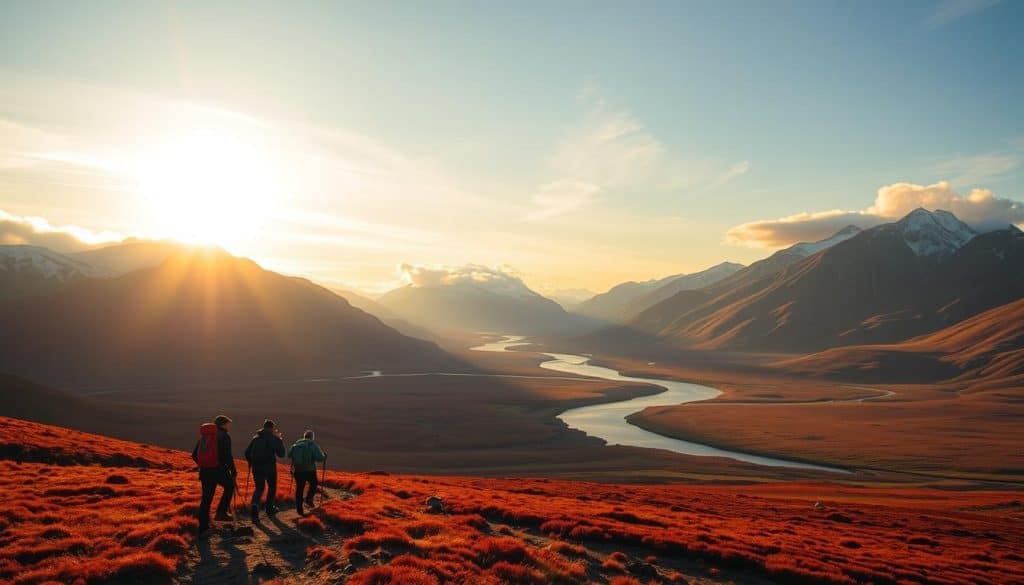
Hiking and backpacking in this area are unlike anywhere else. With no designated trails or campgrounds, visitors can explore the wilderness freely. The Great Kobuk Sand Dunes are a popular spot, offering a surreal experience of walking through an Arctic desert. Be prepared for rugged terrain and bring all necessary supplies, as services are limited.
For a different perspective, consider flightseeing. Aerial tours provide breathtaking views of the dunes, rivers, and mountains. This is a great way to see the park’s dramatic landscapes from above. Charter flights are available from nearby towns, but always check weather conditions before booking.
Boating, Paddling, and Fishing on the Kobuk River
The Kobuk River is a lifeline for water-based activities. Boating and paddling are excellent ways to explore the park’s waterways. The slow-moving river is perfect for kayaking or canoeing, offering a peaceful yet adventurous experience. Always be mindful of changing water conditions and bring safety gear.
Fishing enthusiasts will also find plenty to enjoy. The river is home to species like northern pike and grayling. For more tips on fishing in national parks, check out this guide. Remember to practice responsible fishing to preserve the park’s natural beauty.
Planning your trip carefully is key. The remote nature of the park requires self-reliance. Pack essentials like food, water, and emergency supplies. With the right preparation, your visit will be an unforgettable adventure.
Wildlife Encounters in the Arctic Wilderness
Kobuk Valley’s remote landscapes are teeming with diverse Arctic wildlife. This pristine environment is home to over 250,000 caribou, moose, wolves, and bears, offering visitors a rare chance to observe these animals in their natural habitat. The park’s untouched wilderness provides a sanctuary for species that thrive in the Arctic ecosystem.
Witnessing the Caribou Migration
One of the most spectacular events in the park is the annual caribou migration. Each spring and fall, hundreds of thousands of caribou traverse the Great Kobuk Sand Dunes and river valleys. This migration is a vital part of the region’s ecosystem, connecting the park to the larger Beringia grassland.
The best time to witness this event is during the spring and fall months. Visitors often gather near the Kobuk River or the dunes to observe the herds. Early mornings and late afternoons are ideal for photography, as the soft light enhances the dramatic scenery.
Other Wildlife Sightings
Beyond caribou, the park is home to a variety of species. Grizzly bears, moose, and wolves are commonly spotted along the riverbanks and tundra. Smaller animals like red squirrels and river otters add to the park’s biodiversity. Birdwatchers will also enjoy spotting loons and other Arctic birds.
Tips for Safe Wildlife Viewing
Observing wildlife in their natural habitat requires caution and respect. Always maintain a safe distance and avoid disturbing the animals. Use binoculars or a zoom lens for close-up views. Follow park guidelines to ensure both your safety and the well-being of the wildlife.
| Species | Best Viewing Locations |
|---|---|
| Caribou | Kobuk River, Great Kobuk Sand Dunes |
| Grizzly Bears | Riverbanks, tundra areas |
| Moose | Waterways, willow thickets |
| Wolves | Remote valleys, open tundra |
For more insights into the park’s wildlife and ecosystems, visit this guide. Kobuk Valley offers a unique opportunity to connect with nature in one of the most remote and untouched environments on Earth.
Things To Do At Kobuk Valley National Park
Exploring Kobuk Valley is like stepping into a world where Arctic tundra meets desert-like dunes. This remote destination offers a mix of natural wonders and cultural landmarks that are worth adding to your itinerary. From the vast Great Kobuk Sand Dunes to the historic Onion Portage, there’s plenty to discover.
Onion Portage: A Cultural Gem
Onion Portage is one of the park’s most significant sites. This area has been a gathering place for thousands of years, serving as a critical hunting ground for the Inupiaq people. The annual caribou migration passes through here, making it a prime spot for wildlife viewing and cultural immersion.
The Great Kobuk Sand Dunes
The Great Kobuk Sand Dunes are a must-see. These massive dunes stretch across 25 square miles, offering a surreal experience in the middle of the Arctic. Their unique formation and dramatic landscapes make them a highlight for photographers and adventurers alike.
Why Choose a Guided Tour?
Exploring remote sections of the park is easier with a guided tour. Experienced guides provide insights into the area’s history, geology, and wildlife. They also ensure safety in this rugged environment, making it a great option for first-time visitors.
Planning Your Visit
When planning your trip, consider flying from Anchorage to Kotzebue, the gateway to the park. Always check weather conditions, as Arctic weather can be unpredictable. Pack essentials like warm clothing, sturdy footwear, and plenty of water to make the most of your adventure.
Whether you’re hiking the dunes, exploring Onion Portage, or joining a guided tour, Kobuk Valley offers an unforgettable experience. Plan carefully, and you’ll leave with memories of one of the most unique landscapes on Earth.
Seasonal Experiences and Aurora Viewing
Kobuk Valley’s seasonal shifts offer a dramatic transformation, from endless summer days to winter’s ethereal auroras. This remote Arctic destination provides a unique opportunity to witness nature’s extremes, blending perpetual daylight with the magic of the northern lights.
Summer Adventures and the Midnight Sun
From early June to early July, the sun never sets, creating a surreal experience known as the midnight sun. This extended day allows for endless exploration, whether you’re hiking the dunes, camping along the kobuk river, or capturing stunning photographs of the landscape.
Summer is ideal for outdoor activities like backpacking and wildlife spotting. The tundra comes alive with vibrant flora, and the riverbanks teem with life. Visitors can enjoy the warmth of the season while immersing themselves in the park’s untouched beauty.
Winter Survival Tips for Aurora Viewing
Winter transforms the park into a frozen wonderland, offering a chance to witness the aurora borealis. However, extreme cold and limited daylight require careful preparation. Pack insulated clothing, thermal gear, and emergency supplies to stay safe in the harsh conditions.
For the best aurora viewing, plan your visit between September and April. The dark skies of the Arctic provide a perfect backdrop for the shimmering lights. “The aurora is nature’s masterpiece, painting the sky with colors that defy imagination,” says a seasoned traveler.
| Season | Highlights |
|---|---|
| Summer | Midnight sun, hiking, camping, wildlife viewing |
| Winter | Aurora borealis, snow-covered landscapes, stargazing |
Whether you visit during the endless day of summer or the polar nights of winter, Kobuk Valley promises an unforgettable adventure. Plan carefully, embrace the extremes, and you’ll leave with memories of one of the most unique places on Earth.
Local Culture and Visitor Tips
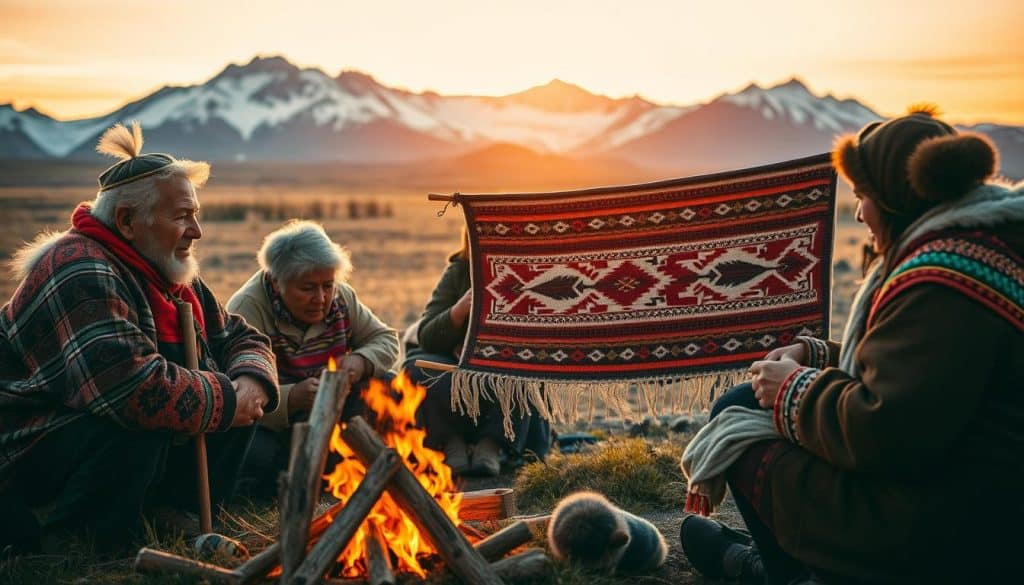
Beyond the stunning natural beauty, the Arctic is home to a rich cultural heritage waiting to be discovered. The Inupiaq people have lived in this region for thousands of years, and their traditions continue to shape the land and its stories. Visitors are encouraged to explore this cultural richness alongside the park’s natural wonders.
Insights into Inupiaq Heritage and Local Traditions
The Inupiaq culture is deeply connected to the land and its resources. Traditional practices like hunting, fishing, and storytelling have been passed down through generations. The annual caribou migration, for example, is not just a natural event but a cultural cornerstone for the Inupiaq people.
Local communities near the park, such as Kotzebue, offer a glimpse into this heritage. Visitors can learn about traditional crafts, music, and dances. Engaging with the local culture provides a deeper understanding of the Arctic’s human history.
Visitor Center and Essential Gear Guidelines
The visitor center in Kotzebue is a great starting point for your journey. It offers exhibits on the region’s history, geology, and wildlife. Staff can provide valuable information on air travel, flight options, and local guides. It’s also a hub for essential gear rentals and safety tips.
Preparing for the Arctic’s extreme conditions is crucial. Pack insulated clothing, sturdy boots, and emergency supplies. Weather can change rapidly, so flexibility and preparedness are key. “The Arctic rewards those who respect its challenges,” says a seasoned adventurer.
Local Dining and Accommodations
Nearby communities offer unique dining experiences, from traditional Inupiaq dishes to modern cuisine. Local lodges and guesthouses provide comfortable stays, often with stunning views of the surrounding landscapes. These accommodations are a great way to support the local economy while enjoying authentic hospitality.
Practical Tips for a Safe Trip
- Check weather forecasts and air travel schedules regularly.
- Bring layers of clothing to adapt to changing temperatures.
- Respect local customs and traditions when visiting communities.
- Plan your flight and accommodations well in advance, especially during peak seasons.
Exploring the Arctic is an unforgettable experience, blending natural wonders with cultural richness. By understanding the local heritage and preparing wisely, you’ll make the most of your adventure in this unique region.
Conclusion
Discover a land where the Arctic’s raw beauty meets adventure, offering experiences unlike anywhere else. From the great sand dunes to the awe-inspiring caribou migration, this remote destination is a treasure trove of natural wonders. Its untouched wilderness invites explorers to immerse themselves in its pristine landscapes.
Planning is essential for a successful trip. With no road access, visitors must rely on air or river travel, adding to the sense of adventure. Whether you’re hiking the dunes, paddling the river, or witnessing the northern lights, every moment here is unforgettable.
This guide has highlighted the best activities, seasonal highlights, and cultural insights to help you prepare. Respect the arctic national environment and its delicate ecosystems. Embrace the challenge, and you’ll leave with memories of a lifetime.
Thank you for exploring this guide. Start planning your journey today and experience the magic of this extraordinary place. Adventure awaits!
FAQ
Where is Kobuk Valley located?
Kobuk Valley is in northwest Alaska, north of the Arctic Circle. It’s a remote area with no roads, making it accessible only by air or river.
How do I get to the park?
Most visitors fly into Kotzebue or Bettles and then take an air taxi or charter a flight. River travel is another option for reaching the park.
What are the Great Kobuk Sand Dunes?
The Great Kobuk Sand Dunes are a unique feature of the park, covering 25 square miles. They’re surrounded by boreal forest and offer a surreal desert-like landscape in the Arctic.
Can I see the Northern Lights here?
Yes! Kobuk Valley is a fantastic spot for aurora viewing, especially during the winter months when the nights are long and dark.
What wildlife can I expect to see?
The park is home to caribou, which migrate through the area twice a year. You might also spot wolves, foxes, and a variety of bird species.
Are there hiking trails in the park?
Kobuk Valley is a wilderness area with no marked trails. Hiking and backpacking are popular, but you’ll need to be prepared for off-trail exploration.
Can I fish in the Kobuk River?
Absolutely! The Kobuk River is a great spot for fishing, with species like sheefish and Arctic grayling. Make sure to check regulations before you go.
What’s the best time to visit?
Summer is ideal for hiking, paddling, and experiencing the Midnight Sun. Winter offers a chance to see the Northern Lights and enjoy snow-based activities.
Is there a visitor center?
The park has a small visitor center in Kotzebue, where you can get information, maps, and tips for your trip.
What should I pack for my trip?
Bring sturdy hiking boots, layered clothing, insect repellent, and plenty of water. If visiting in winter, pack warm gear and survival essentials.