

Did you know that over 2,000 brown bears call this remote Alaskan wilderness home? Between July and September, these majestic creatures gather at Brooks Falls to feast on salmon, creating one of the most incredible wildlife spectacles on Earth. This is just one of the many reasons why this destination is a must-visit for nature lovers.
This guide is your ultimate resource for exploring everything this stunning location has to offer. From thrilling bear viewing to scenic hikes and breathtaking flights over volcanic landscapes, there’s something for every adventurer. Whether you’re planning a short trip or an extended stay, you’ll find detailed tips and recommendations to make your journey unforgettable.
Get ready to immerse yourself in the natural wonders of this Alaskan gem. Whether you’re a seasoned explorer or a first-time visitor, this guide will help you make the most of your experience.
Key Takeaways
- Witness over 2,000 brown bears during the salmon migration at Brooks Falls.
- Explore scenic hiking trails like Dumpling Mountain and the Brooks Falls Trail.
- Take a scenic flight over the Valley of Ten Thousand Smokes for breathtaking views.
- Enjoy fly fishing in Naknek Lake, one of the park’s largest bodies of water.
- Plan your visit during July or September for the best bear viewing opportunities.
Introduction to Katmai National Park Adventures
Katmai’s vast wilderness offers a unique blend of adventure and natural beauty. Spanning over 4 million acres, this Alaskan gem is a paradise for nature enthusiasts. From dense forests to volcanic landscapes, the park’s diverse terrain is nothing short of breathtaking.
One of the most iconic spots is Brooks Falls, where brown bears gather to feast on salmon. This spectacle draws visitors from around the world. Nearby, Brooks Camp serves as a hub for exploration, offering easy access to trails and viewing platforms.
The park isn’t just about bears. Scenic flights over the Valley of Ten Thousand Smokes reveal a landscape shaped by volcanic activity. Cultural trails provide insights into the region’s Native American heritage. Whether you’re hiking, fishing, or simply soaking in the views, there’s something for everyone.
Katmai is home to over 2,000 brown bears, making it one of the best places for wildlife observation. The park’s remote location adds to its charm, offering a true escape from the everyday. With so much to explore, planning your trip is key to making the most of your visit.
This guide will walk you through the must-see attractions, activity options, and expert tips. Get ready to embark on an unforgettable journey into the heart of Katmai’s wilderness.
Top Wildlife Experiences in Katmai
Few places on Earth offer such raw and immersive wildlife experiences. In this remote corner of Alaska, nature’s drama unfolds in spectacular fashion. From the iconic bear viewing at Brooks Falls to the mesmerizing salmon migration, every moment here is unforgettable.
Bear Viewing at Brooks Falls
Brooks Falls is renowned as one of the best spots for bear viewing in Alaska. Each summer, brown bears gather here to feast on salmon, creating a breathtaking spectacle. The falls provide the perfect stage for these powerful predators to showcase their fishing skills.
Peak season for bear activity is between July and September. During this time, the salmon run is at its height, attracting dozens of bears. Visitors can observe these majestic creatures from safe viewing platforms, ensuring a thrilling yet respectful experience.
Salmon Migration Spectacles
The salmon migration is a natural wonder that draws both bears and visitors. Each year, hundreds of thousands of salmon swim upstream to spawn in the Brooks River. This abundance of fish sustains the park’s bear population and creates a dynamic ecosystem.
Watching bears catch salmon mid-air is a sight you’ll never forget. The raw power and precision of these animals highlight the untamed beauty of Katmai. For wildlife enthusiasts, this is a once-in-a-lifetime experience.
To make the most of your visit, plan your trip during the peak salmon run in July. Arrive early to secure a spot on the viewing platforms, and always follow park guidelines to ensure safety for both visitors and wildlife.
Things To Do At Katmai National Park
Brooks Camp serves as the heart of adventure in this Alaskan wilderness. This historic site is more than just a base for exploration—it’s a place where history, nature, and culture intersect. From its rustic charm to its proximity to iconic wildlife, Brooks Camp offers a truly immersive experience.
Exploring Brooks Camp and Surrounding Areas
Brooks Camp is a hub for activities that cater to every type of adventurer. Whether you’re here for wildlife viewing, hiking, or simply soaking in the scenery, there’s something for everyone. The camp’s facilities include comfortable lodging, dining options, and ranger-led programs that provide insights into the area’s rich history.
One of the highlights of Brooks Camp is its role in bear viewing culture. The nearby platforms at Brooks Falls offer safe and spectacular opportunities to observe these majestic creatures in their natural habitat. Rangers are often on hand to share fascinating facts and ensure a respectful experience for both visitors and wildlife.
The surrounding area is equally captivating. Trails like the Brooks Falls Trail and Dumpling Mountain Trail provide scenic hikes with breathtaking views. Historic sites around the camp offer a glimpse into the region’s Native American heritage and its connection to the land.
Seasonal availability plays a key role in planning your visit. The peak season, from July to September, is ideal for bear viewing and salmon migration. However, the camp’s rustic appeal and serene environment make it a year-round destination for those seeking solitude and adventure.
| Activity | Details |
|---|---|
| Bear Viewing | Observe brown bears at Brooks Falls from safe platforms. |
| Hiking | Explore trails like Brooks Falls Trail and Dumpling Mountain. |
| Ranger Programs | Learn about the area’s history and wildlife from park rangers. |
| Historic Sites | Discover Native American heritage and cultural landmarks. |
For those planning their trip, the best time to visit Alaska parks aligns perfectly with the peak season at Brooks Camp. This ensures you’ll experience the park at its most vibrant, with abundant wildlife and optimal weather conditions.
Whether you’re here for a day or an extended stay, Brooks Camp offers a unique blend of adventure and tranquility. Its role as a gateway to the wilds of Alaska makes it an essential stop for any visitor to the national park.
Hiking Trails and Outdoor Exploration
Discover the trails that make this park a hiker’s paradise. Whether you’re seeking an easy stroll or a challenging climb, the paths here lead to some of the most breathtaking views in Alaska. From the iconic Brooks Falls Trail to the rugged Dumpling Mountain Trail, there’s something for every adventurer.
Brooks Falls Trail Insights
The Brooks Falls Trail is a must for first-time visitors. This 1.2-mile path is easy to navigate and wheelchair accessible, making it perfect for all skill levels. Along the way, you’ll witness the park’s famous bear activity, especially during the July salmon run.
For the best experience, plan your trip during peak bear season. Arrive early to secure a spot on the viewing platforms. Don’t forget your camera—this trail offers incredible opportunities for nature photography.
Dumpling Mountain Trail Highlights
If you’re up for a challenge, the Dumpling Mountain Trail is worth the effort. This 1.5-mile hike gains 800 feet in elevation, leading you through boreal forests and subalpine meadows. The summit rewards you with panoramic views of the surrounding wilderness.
Pack sturdy boots and layers for this hike, as weather conditions can change quickly. The trail is moderately challenging but manageable for most hikers. It’s an ideal choice for a full day of exploration.
Both trails offer a chance to immerse yourself in the park’s natural beauty. Whether you’re capturing the perfect shot or simply enjoying the scenery, these hikes are unforgettable. Plan ahead, bring the right gear, and get ready to experience the best of Katmai’s outdoor adventures.
Backcountry Hiking and Camping Tips
Venturing into the backcountry of Katmai is an adventure like no other. The rugged terrain and unpredictable weather make preparation essential. Whether you’re planning a short hike or an extended camping trip, these tips will help you stay safe and enjoy the experience.
Wilderness Camping Essentials
Packing the right gear is crucial for a successful trip. A sturdy three-season tent will keep you comfortable in various environments. Bear-resistant food containers are mandatory to prevent attracting wildlife. Always carry extra food—1-2 days’ worth—in case of unexpected delays.
Water safety is another priority. Treat water from natural sources by boiling it for at least one minute or using a 1-micron filter with chlorine dioxide. Don’t forget protective gear like goggles and dust masks for areas with volcanic ash.
Here’s a checklist of essentials:
| Item | Purpose |
|---|---|
| Bear-resistant food container | Prevent wildlife encounters |
| Three-season tent | Protection from weather |
| Water treatment kit | Safe drinking water |
| Bear spray | Emergency deterrent |
Preparing for Remote Trails
Remote trails in Katmai require advanced planning. Study maps and weather forecasts before heading out. Pack layers to adapt to changing conditions, and wear sturdy boots for uneven terrain. Always inform someone of your itinerary and expected return time.
Brooks Lodge is a valuable resource for supplies and advice. Rangers can provide updates on trail conditions and bear activity. Remember, proper preparation enhances your trip and ensures safety.
Here are some additional tips:
- Plan meals carefully to minimize waste and weight.
- Carry a satellite phone or two-way communication device for emergencies.
- Respect wildlife by maintaining a safe distance and storing food properly.
With the right preparation, your backcountry adventure will be unforgettable. Embrace the challenge and immerse yourself in the untamed beauty of Katmai.
Fly Fishing and Sport Fishing Opportunities
Fly fishing in Katmai is an experience that blends skill, patience, and the thrill of the wild. Whether you’re a seasoned angler or a beginner, the park’s pristine waters offer unparalleled opportunities to cast your line. From the iconic Brooks River to remote streams, every spot promises a unique adventure.
The park is home to a variety of fish species, including rainbow trout, arctic char, and five types of Pacific salmon. The annual salmon runs, especially near Brooks Falls, create a dynamic ecosystem that attracts both fish and anglers. This is the perfect time to witness nature’s cycle while enjoying your favorite sport.
Top Fishing Spots in the Park
Brooks River is the crown jewel of Katmai’s fishing scene. Its clear waters and abundant salmon make it a favorite among visitors. The area around the falls is particularly popular, offering both challenge and reward for anglers.
For those seeking solitude, the Alagnak River provides a quieter alternative. Designated as a Wild and Scenic River, it’s known for its stunning landscapes and healthy fish populations. Other notable spots include Naknek Lake and its tributaries, where you can find arctic grayling and lake trout.
Fishing Regulations and Guidelines
To ensure sustainable fishing practices, Katmai has strict regulations in place. All nonresidents aged 16 and over must have an Alaska sport fishing license. Barbless hooks are recommended to minimize harm to fish during catch and release.
Safety is paramount, especially in bear country. Anglers must maintain a distance of at least 50 yards from bears and cease fishing if one approaches. Always store food in bear-resistant containers and follow park guidelines to protect both wildlife and yourself.
Here’s a quick overview of key rules:
- Obtain a valid fishing license before casting your line.
- Use barbless hooks to reduce injury to fish.
- Respect wildlife by keeping a safe distance from bears.
Fly fishing in Katmai is more than just a sport—it’s a chance to connect with nature in one of the most breathtaking settings on Earth. Plan your trip during the peak salmon runs for the best experience, and prepare for memories that will last a lifetime.
Scenic Flightseeing Tours Over Katmai
Soaring above the rugged landscapes of Alaska offers a perspective like no other. Flightseeing tours provide a unique way to experience the park’s vast wilderness, revealing its hidden beauty from thousands of feet above. These aerial adventures are perfect for those looking to capture the grandeur of Katmai in a single unforgettable journey.
From the sky, you’ll witness towering volcanoes, shimmering lakes, and untouched terrain. The Valley of Ten Thousand Smokes, shaped by the 1912 Novarupta eruption, is a highlight. Its dramatic landscape is best appreciated from above, offering a glimpse into the park’s volcanic history.
Aerial Views of the Volcanoes and Lakes
Flightseeing tours typically last 1-2 hours, depending on the route. Popular departure locations include Homer, Anchorage, and King Salmon. Each tour offers a chance to see landmarks like Naknek Lake, Brooks River, and the park’s iconic brown bears from a safe distance.
For photography enthusiasts, these tours are a dream come true. The aerial perspective allows for stunning shots of the park’s diverse ecosystems. Whether you’re capturing the reflection of a lake or the rugged peaks of a volcano, the results are breathtaking.
Here are some practical tips for your flightseeing adventure:
- Book your tour in advance, especially during peak season (June to September).
- Check weather conditions before your flight, as Alaska’s weather can change quickly.
- Dress in layers to stay comfortable during the flight.
- Bring a camera with a zoom lens for the best photo opportunities.
Flightseeing is more than just a tour—it’s a way to fully appreciate the scale and beauty of Katmai. Whether you’re a first-time visitor or a seasoned explorer, this experience will leave you in awe of Alaska’s untamed wilderness.
Kayaking and Canoeing on Naknek Lake
Glide across the serene waters of Naknek Lake for an unforgettable adventure. This expansive body of water offers a perfect setting for kayaking and canoeing, blending tranquility with excitement. Whether you’re a seasoned paddler or a beginner, the experience is equally rewarding.
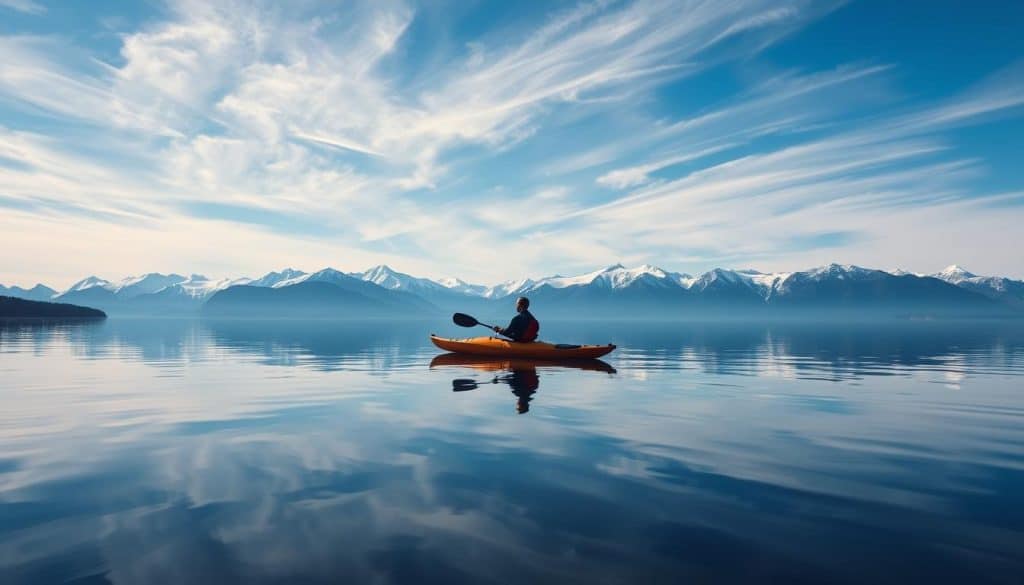
The natural beauty of Naknek Lake is unmatched. Surrounded by lush forests and towering mountains, it’s a haven for nature lovers. The calm waters make it ideal for paddling, while the occasional wildlife sighting adds to the thrill.
Accessibility is a key feature here. Beginners can enjoy guided tours, while experienced paddlers can explore remote areas. Gear rentals are available at Lake Camp, ensuring you have everything you need for a safe and enjoyable trip.
Safety is paramount. Always wear a personal flotation device (PFD), especially in open areas. Follow boating regulations, such as maintaining a flat wake speed near launch facilities. These precautions ensure a smooth experience for everyone.
Here’s a quick guide to get started:
| Activity | Details |
|---|---|
| Kayaking | Explore calm waters and scenic routes. |
| Canoeing | Perfect for longer trips and group adventures. |
| Guided Tours | Ideal for beginners or those seeking local insights. |
Weather conditions can change quickly, so check forecasts before heading out. Dress in layers and bring waterproof gear to stay comfortable. The rewards of paddling on Naknek Lake are well worth the preparation.
From the shimmering reflections on the water to the distant calls of wildlife, every moment on Naknek Lake is magical. Whether you’re here for a day or a week, this experience will leave you with lasting memories.
Discovering the Valley of Ten Thousand Smokes
Step into a landscape shaped by one of the most powerful volcanic eruptions in history. The Valley of Ten Thousand Smokes is a stark reminder of nature’s raw power, offering visitors a chance to explore a unique and dramatic environment.
Understanding the Volcanic History
In June 1912, the Novarupta eruption transformed this region forever. Lasting 60 hours, it released 15 cubic kilometers of magma, making it the largest eruption of the 20th century. The ash and pyroclastic flows created the barren, otherworldly landscape you see today.
The eruption also caused Mount Katmai’s summit to collapse, forming a caldera over 2,000 feet deep. The Valley of Ten Thousand Smokes, named for its countless steam vents, is a testament to this historic event. It’s a rare opportunity to witness the aftermath of such a significant geological event.
Tour Options and What to Expect
Guided tours from Brooks Lodge provide an immersive way to explore this unique site. The day-long trip includes a 1.5 to 2-hour drive each way, offering stunning views of the surrounding wilderness. Once there, you’ll walk along trails that showcase the valley’s dramatic features.
Highlights include the Ukak Falls Trail, a 3.5-mile hike with breathtaking views of the volcanic landscape. Tours run from June to September, with rangers sharing fascinating insights into the area’s history and geology. It’s a must-see for anyone interested in Earth’s natural wonders.
Here’s what to expect on a tour:
- Learn about the Novarupta eruption and its impact on the region.
- Walk through the valley’s ash-covered terrain, surrounded by towering peaks.
- Capture stunning photos of the unique landscape and wildlife.
This tour is more than just a thing to do—it’s a chance to connect with Earth’s powerful forces. Whether you’re a geology enthusiast or simply curious, the Valley of Ten Thousand Smokes offers an unforgettable experience.
Cultural Insights and Historic Trails
The cultural heritage of this region spans thousands of years, offering a deep connection to the land. From ancient Native American traditions to historic landmarks, Katmai provides a unique way to explore the past. These cultural sites add depth to the wilderness experience, making it more than just a journey through nature.
Native American Heritage Sites
The Alutiiq people have called this area home for over 9,000 years. Their reliance on marine resources like salmon and halibut shaped their way of life. Today, descendants of the Alutiiq continue to honor their traditions, preserving a rich cultural legacy.
Visitors can explore reconstructed dwellings and historic markers that tell their story. These sites offer a glimpse into the resilience and ingenuity of the Alutiiq people. Learning about their traditions adds a meaningful layer to your visit.
Historic Brooks Camp Landmarks
Brooks Camp is not just a hub for wildlife viewing—it’s also a window into the region’s history. The camp’s historic trails lead to landmarks that highlight its cultural significance. From ancient trade routes to early 20th-century settlements, every step tells a story.
Ranger-led tours provide fascinating insights into these sites. They often last about an hour, making them a perfect addition to your day. These tours are a great way to connect with the land and its history.
For those interested in cultural exploration, the national parks of New Mexico offer similar opportunities to delve into history and tradition. Whether you’re here for a day or a week, these cultural insights will leave a lasting impression.
Wildlife and Bird-Watching Highlights
Katmai’s diverse ecosystems are a haven for wildlife enthusiasts. Beyond the iconic brown bears, the park is home to a variety of species that thrive in its pristine environment. Whether you’re a bird watcher or a nature lover, there’s something for everyone to discover.
Bird Watching Tips and Best Spots
Katmai is a paradise for bird watchers, with over 130 species recorded in the area. From bald eagles to arctic terns, the park’s birdlife is as diverse as its landscapes. The Brooks River area is a prime spot for sightings, especially during the summer months.
For the best experience, bring binoculars and a field guide. Early mornings are ideal for bird activity, and the trails near Naknek Lake offer excellent opportunities. Don’t forget your camera—capturing these moments is a must.
Other Wildlife Encounters
While bears steal the spotlight, Katmai is also home to moose, wolves, and foxes. The park’s roads and trails provide access to these incredible creatures. The Valley of Ten Thousand Smokes is a unique area where you might spot caribou or even a lynx.
Photography enthusiasts should pack a zoom lens for detailed shots. Always maintain a safe distance and respect the animals’ space. These encounters add depth to your visit and create lasting memories.
| Wildlife | Best Viewing Spots |
|---|---|
| Bald Eagles | Brooks River, Naknek Lake |
| Moose | Valley of Ten Thousand Smokes |
| Wolves | Remote trails, backcountry areas |
Katmai’s wildlife is a testament to the park’s untouched beauty. Take your time to explore its trails and roads, and you’ll be rewarded with unforgettable encounters. Whether you’re here for the birds or the beasts, every moment is a chance to connect with nature.
Planning Your Trip: When and How to Visit
Planning a trip to this remote Alaskan wilderness requires careful preparation and timing. From choosing the right season to navigating travel logistics, every detail matters. Whether you’re here for hiking, wildlife viewing, or exploring the Valley of Ten Thousand Smokes, this guide will help you make the most of your adventure.
Best Time to Visit
The ideal time to visit depends on your interests. For bear viewing, mid-July is prime, as the salmon run peaks at Brooks Falls. Late June to early August is also excellent for wildlife enthusiasts. If you prefer fewer crowds, September offers cooler weather and stunning fall colors.
For hiking and outdoor activities, July and August provide the best conditions. Trails are accessible, and the weather is milder. However, always be prepared for sudden changes, as Alaska’s climate can be unpredictable.
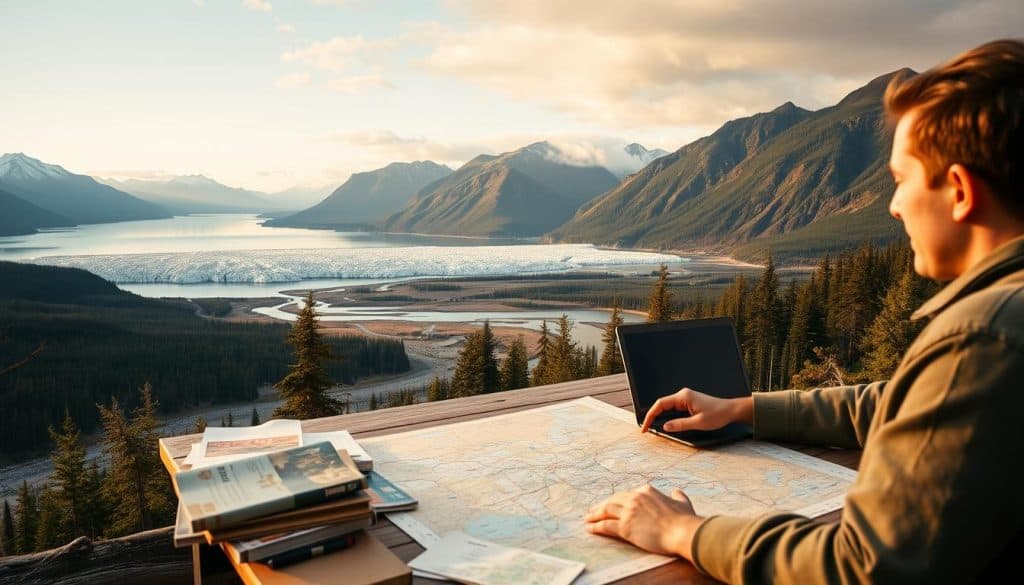
Travel Logistics and Access Tips
Getting here is an adventure in itself. Most visitors fly into King Salmon, the closest airport. From there, a floatplane or boat takes you to Brooks Camp. Round-trip flights from Anchorage to King Salmon cost around $469, with additional fees for the final leg.
Permits and reservations are essential. Brooks Lodge fills up quickly, often a year in advance. Campgrounds also require early booking, especially during peak season. Plan ahead to secure your spot.
Here are some insider tips for a smooth trip:
- Pack layers for varying weather conditions.
- Bring binoculars for wildlife and bird watching.
- Respect wildlife by maintaining a safe distance.
Exploring the Valley of Ten Thousand Smokes is a highlight for many. Guided tours from Brooks Lodge provide insights into the area’s volcanic history. These tours run from June to September, offering a unique perspective on the park’s dramatic landscape.
With proper planning, your visit to this pristine wilderness will be unforgettable. From the thrill of bear encounters to the serenity of hiking trails, every moment is worth the effort.
Accommodations: Brooks Lodge, Campground, and More
From rustic campgrounds to cozy lodges, there’s a spot for everyone to rest and recharge. Whether you prefer the comfort of a lodge or the simplicity of camping, this remote Alaskan destination has you covered.
Brooks Lodge is a top choice for those seeking comfort and convenience. With 16 rooms available, it’s open from June to September, aligning perfectly with peak bear viewing season. The lodge offers modern amenities, including meals and guided tours, making it an ideal base for exploration.
For a more immersive experience, the Brooks Camp Campground is a popular option. It accommodates up to 60 people and features covered cooking shelters, vault toilets, and potable water. Campers are protected by a bear-resistant electric fence, ensuring safety in this wild environment.
Here’s what you need to know about securing your stay:
- Reservations for the campground open on January 5 at 8 a.m. AKST and fill up quickly, especially for July dates.
- Camping costs $18 per person per night from June 1 to September 17, with discounts for America the Beautiful pass holders.
- Brooks Lodge reservations should be made well in advance, as rooms are limited and in high demand.
Visitor services are designed to enhance your experience. Rangers are available to provide insights and ensure safety. Nearby facilities include dining options at the lodge and emergency services for added peace of mind.
For those venturing into the backcountry, preparation is key. Ensure you have the right gear and follow all guidelines to stay safe. Whether you’re staying at the lodge or camping under the stars, early booking is essential during peak seasons.
This destination offers a range of accommodations to suit every traveler. From the comfort of Brooks Lodge to the simplicity of the campground, you’ll find the perfect spot to make your adventure unforgettable.
Dining and Relaxing in the Heart of Katmai
Savoring local flavors is an essential part of any adventure in this Alaskan haven. Whether you’re dining at Brooks Lodge or cooking at camp, the culinary experience here is unforgettable. It’s a chance to connect with the land and enjoy the freshest ingredients.
Local Cuisine at Brooks Lodge Buffet
Brooks Lodge offers a buffet-style dining experience that highlights the region’s best flavors. Freshly caught salmon is a staple, served alongside hearty sides and desserts. The lodge’s chefs take pride in creating meals that reflect the wilderness around you.
Meals are served in a communal setting, allowing visitors to share stories and tips from their day. The lodge’s dining room overlooks the stunning landscape, making every bite a feast for the senses. It’s an experience that adds warmth and comfort to your stay.
Meal and Food Storage Tips at Camp
For those camping, meal planning is key to a successful trip. Always store food in bear-resistant containers to avoid attracting wildlife. Brooks Camp provides designated cooking shelters with potable water and secure storage areas.
Here are some practical tips for managing meals in the wilderness:
- Pack lightweight, non-perishable foods for easy preparation.
- Use airtight containers to keep food fresh and prevent odors.
- Clean up thoroughly after meals to minimize wildlife encounters.
Whether you’re dining at the lodge or cooking at camp, the experience is a highlight of your visit. It’s a chance to relax, refuel, and reflect on the day’s adventures.
For a cozy and personalized stay, consider Katmai B&B, which offers a unique basecamp for exploring the area. Their warm hospitality and convenient access to activities make it a perfect choice for visitors.
From the first bite to the last, dining here is more than just a meal—it’s a celebration of the season and the natural beauty that surrounds you. Take your time to savor every moment and every flavor.
Outdoor Safety and Bear Precautions
Exploring the wilds of Alaska demands both preparation and respect for its untamed beauty. Staying safe in this rugged environment requires knowledge of bear behavior, proper planning, and adherence to Leave No Trace principles. Whether you’re hiking, camping, or simply enjoying the scenery, these guidelines will help you navigate the wilderness responsibly.
Essential Safety Guidelines
When venturing into bear country, always travel in groups of four or more. Larger groups are noisier and more noticeable, reducing the chance of surprising a bear. Bears are most active during the day but can also roam at night, so remain vigilant at all times.
Keep a safe distance of at least 50 yards from bears, especially near food sources like salmon streams or carcasses. If you encounter a bear, avoid sudden movements and never run. Instead, speak calmly and back away slowly. Most charges are bluffs, so stand your ground and appear non-threatening.
Proper food storage is critical. Use bear-resistant containers and store food away from sleeping areas. This minimizes the risk of attracting wildlife to your campsite. Always book your reservation early, as facilities like Brooks Camp fill up quickly during peak season.
Leave No Trace Principles
Preserving the natural beauty of this national park preserve is everyone’s responsibility. Follow the seven Leave No Trace principles to minimize your impact on the environment:
- Plan ahead and prepare for your trip.
- Travel and camp on durable surfaces.
- Dispose of waste properly, including food scraps and trash.
- Leave what you find, including rocks, plants, and artifacts.
- Minimize campfire impact by using established fire rings.
- Respect wildlife by observing from a distance.
- Be considerate of other visitors.
These principles ensure that the park remains pristine for future generations. Rangers are available to provide additional guidance and answer any questions during your visit.
| Safety Tip | Details |
|---|---|
| Travel in Groups | Groups of four or more are safer and noisier. |
| Maintain Distance | Stay at least 50 yards from bears. |
| Food Storage | Use bear-resistant containers and store food away from tents. |
| Leave No Trace | Follow the seven principles to protect the environment. |
By following these guidelines, you can enjoy a safe and memorable adventure in this breathtaking wilderness. Always book your reservation in advance and prepare for the unexpected. Respecting the land and its inhabitants ensures a positive experience for everyone.
Conclusion
This Alaskan gem offers a mix of adventure and serenity, making it a must-visit destination. From thrilling wildlife encounters to scenic flights and breathtaking hikes, there’s something for everyone. Standing on a viewing platform as brown bears fish for salmon is an experience you’ll never forget.
Careful planning is key to enjoying this remote park preserve. Pack wisely, follow safety guidelines, and respect the Leave No Trace principles to protect its pristine beauty. Whether you’re here for a short visit or an extended stay, every moment is worth it.
Ready to explore? Start planning your adventure today and immerse yourself in the wonders of this unique wilderness. For more tips and insights, revisit this guide to ensure your trip is unforgettable.
FAQ
What’s the best time to visit for bear viewing?
July and September are prime months to see bears at Brooks Falls, as salmon runs attract them in large numbers.
How do I get to Brooks Camp?
Most visitors fly into King Salmon and then take a floatplane or boat to Brooks Camp. Book flights early, especially during peak season.
Are there hiking trails for beginners?
Yes, the Brooks Falls Trail is a short, easy hike perfect for all skill levels, offering stunning views of the falls and bears.
Can I fish in the park?
Absolutely! Fly fishing in Naknek Lake or the Brooks River is popular. Just make sure to follow park fishing regulations.
What should I pack for a day trip?
Bring rain gear, sturdy shoes, binoculars, and bear spray. Layered clothing is essential for Alaska’s unpredictable weather.
Is camping allowed in the backcountry?
Yes, but you’ll need a permit. Be prepared for remote conditions and follow Leave No Trace principles to protect the wilderness.
Are there guided tours available?
Yes, ranger-led programs and private tours are offered, including trips to the Valley of Ten Thousand Smokes and bear viewing platforms.
What wildlife can I see besides bears?
Look for moose, eagles, and various bird species. The park is a haven for wildlife enthusiasts and bird watchers.
Can I kayak or canoe in the park?
Yes, Naknek Lake is ideal for paddling. Bring your own gear or rent from nearby services for a serene water adventure.
How do I make reservations for Brooks Lodge?
Book well in advance through the lodge’s official website or authorized booking services, as spots fill up quickly.