

Did you know that Guadalupe Peak, the highest point in Texas, towers at 8,751 feet? This stunning natural landmark is just one of the many reasons to explore the Guadalupe Mountains. With its unique fossil reefs, gypsum dunes, and breathtaking vistas, this area offers endless opportunities for adventure and discovery.
Whether you’re a seasoned hiker or a first-time visitor, the park’s diverse trails cater to all skill levels. From the challenging ascent to Guadalupe Peak to the serene beauty of McKittrick Canyon, there’s something for everyone. Beyond hiking, the park’s rich geological history and vibrant ecosystems make it a must-visit destination in the Southwest.
This guide will help you plan your visit, covering everything from the best trails to essential travel tips. Get ready to immerse yourself in the natural wonders of this remarkable national park.
Key Takeaways
- Home to the highest peak in Texas, Guadalupe Peak, at 8,751 feet.
- Features unique landscapes like fossil reefs and gypsum dunes.
- Offers a variety of hiking trails for all skill levels.
- Rich in geological history and scenic beauty.
- Perfect destination for outdoor enthusiasts and nature lovers.
Discovering Guadalupe Mountains National Park
From ancient fossil reefs to towering peaks, this area is a geologist’s dream. Established in 1972, the park protects one of the world’s most significant Permian fossil reefs. These exposed reefs offer a glimpse into Earth’s distant past, making it a hotspot for scientists and nature enthusiasts alike.
Historical and Geological Background
The park’s name originates from the Guadalupe Range, which itself is tied to the Guadalupian series of geological formations. These formations showcase a rich history of marine life and tectonic activity. The Permian fossil reef, visible in the park’s rugged terrain, is a testament to the area’s ancient underwater origins.
Visitors can explore this geological marvel while hiking through the park’s diverse trails. Each step reveals layers of history, from fossilized sea creatures to dramatic rock formations. This unique blend of science and scenery makes the park a must-visit for anyone curious about Earth’s natural history.
Unique Ecosystems and Landscapes
The park’s ecosystems are as varied as its geology. From arid desert regions to lush canyon areas, the landscape shifts dramatically. McKittrick Canyon, for example, is a lush oasis filled with vibrant plant life, while the surrounding desert offers a stark contrast with its rugged beauty.
Notable peaks like Guadalupe Peak and El Capitan dominate the skyline, offering breathtaking views. These towering formations are a hiker’s paradise, providing both challenge and reward. Whether you’re exploring a canyon or summiting a peak, the park’s diverse landscapes promise unforgettable adventures.
Things To Do At Guadalupe Mountains National Park
Step into a world where nature’s beauty meets geological wonders. This destination offers a mix of challenging hikes, serene walks, and breathtaking views. Whether you’re a seasoned adventurer or a casual visitor, there’s something here for everyone.
Highlighting the Top Attractions
From towering peaks to hidden canyons, the park is packed with unforgettable experiences. Here are some must-see spots:
- Guadalupe Peak: Known as the “Top of Texas,” this 8-mile hike rewards you with panoramic views.
- Devil’s Hall Trail: A 3.8-mile adventure featuring rock scrambles and stunning formations.
- McKittrick Canyon: A lush oasis perfect for a day hike, with turn-around points like Pratt Cabin and The Grotto.
- Pinery Trail: A short walk near the visitor center, offering insights into the park’s history.
For those seeking a challenge, the McKittrick Ridge Trail is one of the toughest hikes in Texas. It spans 14.8 miles with a 1,900-foot elevation gain. If you prefer a relaxed experience, the visitor center provides fascinating fossil displays and historical exhibits.
What Makes This Park a Must-Visit in Texas
This park stands out for its diverse experiences. You can hike to the highest point in Texas, explore ancient fossil reefs, or enjoy the tranquility of a canyon. The balance between physical adventure and cultural exploration makes it a unique destination.
“The views from Guadalupe Peak are unmatched. It’s a challenging hike, but every step is worth it.”
Here’s a quick overview of some popular trails:
| Trail | Distance (Miles) | Difficulty |
|---|---|---|
| Guadalupe Peak | 8 | Strenuous |
| Devil’s Hall | 3.8 | Moderate |
| McKittrick Canyon | 12 (one way) | Moderate |
| Pinery Trail | 0.5 | Easy |
Whether you’re here for a day or a weekend, the park promises unforgettable memories. From scenic drives to hands-on exploration, it’s a destination that truly has it all.
Exploring Iconic Hiking Trails and Peaks
The rugged beauty of this region offers some of the most iconic hikes in Texas. Whether you’re seeking panoramic views or a thrilling rock scramble, the trails here deliver unforgettable experiences. From the highest point in Texas to hidden natural wonders, each hike promises adventure and breathtaking scenery.
Guadalupe Peak: The Top of Texas
Standing at 8,751 feet, Guadalupe Peak is the highest point in Texas. The 8.4-mile round-trip hike is a challenging journey with a 3,000-foot ascent. The trail winds through rugged terrain, offering stunning views of the surrounding desert and distant mountain ranges.
Reaching the summit is a rewarding experience. On a clear day, hikers can see the Davis Mountains, 125 miles away. The effort is worth it for the sense of accomplishment and the panoramic vistas. Be sure to check weather conditions and pack plenty of water before starting this strenuous hike.
Devil’s Hall Trail: A Rock Scramble Adventure
For those who love a bit of adventure, the Devil’s Hall Trail is a must. This 3.8-mile hike features a natural limestone staircase and exciting rock scrambles. The trail leads to a narrow canyon known as Devil’s Hall, where towering rock walls create a dramatic atmosphere.
This moderate hike is perfect for those looking to explore unique geological formations. The trail’s rugged beauty and challenging sections make it a favorite among hikers. Don’t forget to wear sturdy shoes and bring a camera to capture the stunning landscapes.
“The views from Guadalupe Peak are unmatched. It’s a challenging hike, but every step is worth it.”
Before embarking on these hikes, stop by the visitor center for maps and safety guidelines. The staff can provide valuable tips to ensure a safe and enjoyable experience. Whether you’re conquering Guadalupe Peak or exploring Devil’s Hall, these trails offer some of the best adventures in the area.
| Trail | Distance (Miles) | Difficulty |
|---|---|---|
| Guadalupe Peak | 8.4 | Strenuous |
| Devil’s Hall | 3.8 | Moderate |
Adventures in McKittrick Canyon
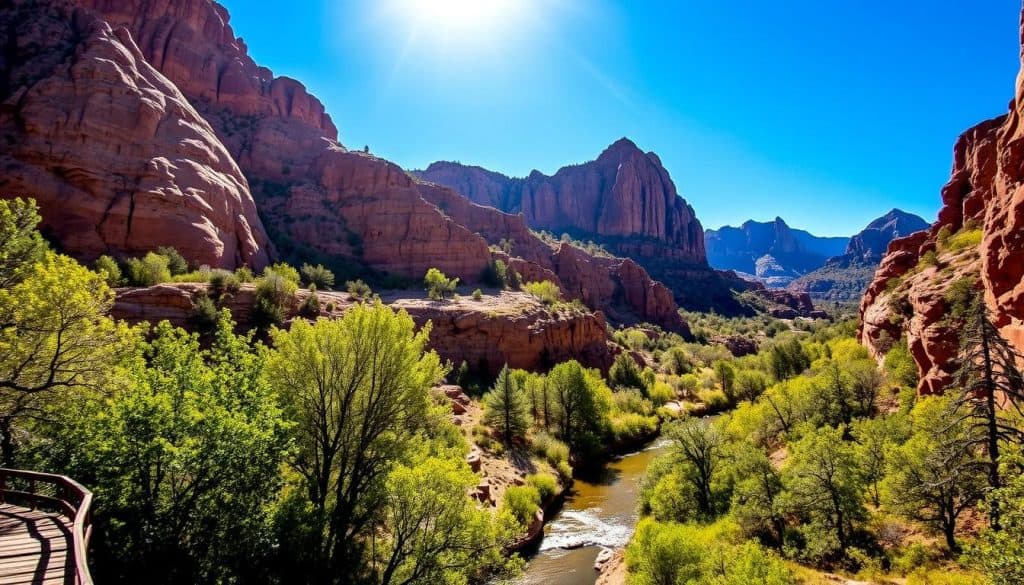
McKittrick Canyon is a hidden gem where history and nature intertwine. This lush oasis offers a mix of serene hikes, historical landmarks, and breathtaking views. Whether you’re a history buff or a nature lover, the canyon promises an unforgettable experience.
Pratt Cabin and Historical Sites
One of the highlights of McKittrick Canyon is Pratt Cabin, a historic site nestled along the trail. Built in the early 20th century, this cabin served as a retreat for geologist Wallace Pratt. Today, it’s a popular picnic spot and a window into the area’s past.
The 4.8-mile round-trip hike to the cabin is moderate, making it accessible for most visitors. Along the way, you’ll pass through vibrant foliage and scenic overlooks. It’s a perfect blend of adventure and history.
The Grotto and The Notch: Scenic Canyon Views
For those seeking more adventure, the Grotto and the Notch are must-see destinations. The Grotto, a 6.8-mile round-trip hike, features unique rock formations and a tranquil atmosphere. It’s a place where you can pause and soak in the canyon’s beauty.
The Notch, a challenging 9.9-mile trek, rewards hikers with panoramic views of the canyon. This trail is strenuous but worth every step for the stunning vistas. As one visitor noted,
“The Notch offers some of the most intimate views of the canyon’s secluded beauty.”
Before heading out, stop by the visitor center for trail maps and seasonal updates. The center also offers interpretive displays that enrich your understanding of the canyon’s history and ecology. Whether you’re exploring Pratt Cabin or hiking to the Notch, McKittrick Canyon is a place where history and nature come alive.
Venturing into Remote Areas and Unique Landscapes
For those seeking solitude and untouched beauty, the remote areas of this region offer a rare escape. These hidden corners are perfect for adventurers who crave quiet exploration and the chance to connect with nature on a deeper level. From rugged canyons to surreal dunes, the park’s less-visited spots promise unforgettable experiences.
Discovering Dog Canyon and Lost Peak
Dog Canyon is a remote paradise nestled in the northern part of the park. Accessible via a scenic two-hour drive from Pine Springs, this area is a haven for hikers and nature lovers. The trail to Lost Peak is a challenging yet rewarding adventure, requiring off-trail navigation and a keen sense of direction.
Reaching the peak offers panoramic views of the surrounding landscape, making the effort worthwhile. For those planning this hike, it’s essential to bring a map, plenty of water, and sturdy footwear. The solitude and untouched beauty of Dog Canyon make it a must-visit for those looking to escape the crowds.
Experiencing the Salt Basin Dunes
The Salt Basin Dunes are a surreal landscape that feels like stepping onto another planet. These gypsum dunes shimmer in the sunlight, creating a dreamlike atmosphere. The 1.5-mile hike from the parking lot is relatively easy, but the last mile requires driving on a clay road, so a high-clearance vehicle is recommended.
Visitors are reminded to stay on the cryptobiotic crust to protect the fragile ecosystem. This unique area is perfect for photography, quiet reflection, and appreciating the park’s diverse landscapes. As one visitor noted,
“The Salt Basin Dunes are a hidden treasure that feels worlds away from the park’s more popular trails.”
When venturing into these remote areas, plan ahead. Check weather conditions, pack essentials, and allow extra time for travel. These less-crowded spots offer a chance to experience the park’s raw beauty in a way that few travelers do. For more tips on exploring the park’s hidden gems, check out this detailed itinerary.
Visitor Centers and Cultural Attractions
The cultural side of this area is as captivating as its natural wonders. Beyond the trails and peaks, the region offers a rich cultural experience through its visitor centers and museums. These sites provide a deeper understanding of the area’s history, making your visit even more meaningful.
Pine Springs Visitor Center Insights
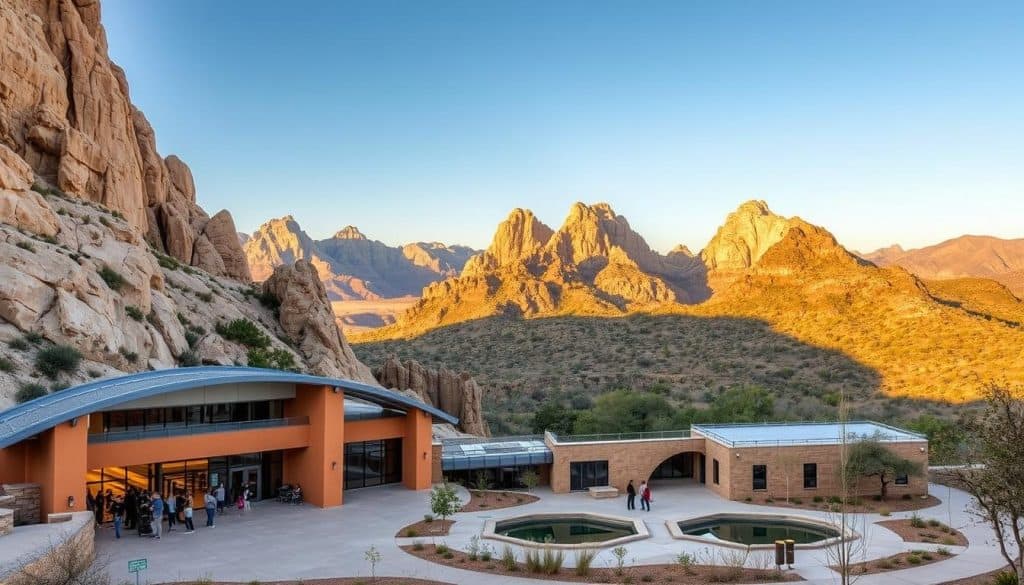
The Pine Springs Visitor Center is the perfect starting point for your adventure. Here, you’ll find educational displays showcasing fossils, wildlife, and the park’s unique geology. Interactive exhibits and detailed maps help you plan your hikes and explore the area with confidence.
Located near the entrance, the center is easily accessible by road and offers a wealth of information about nearby attractions like Carlsbad Caverns. Whether you’re a first-time visitor or a seasoned explorer, the center’s friendly staff and resources ensure a smooth and enriching experience.
Frijole Ranch Museum and Historic Ranch Life
Step back in time at the Frijole Ranch Museum, a historic site that offers a glimpse into the region’s past. The museum features artifacts from Native American life and the early days of ranching, providing a fascinating contrast to the natural landscapes you’ll encounter on the trails.
Located along the road to Dog Canyon, the museum is a convenient stop for those exploring the park’s northern areas. As one visitor noted,
“The Frijole Ranch Museum adds a whole new layer of depth to the park experience. It’s a must-see for history buffs.”
These cultural attractions offer a welcome break from physical activities while enriching your understanding of the area’s heritage. Whether you’re exploring the visitor center or the museum, you’ll gain a deeper appreciation for the stories behind the landscapes.
Planning Your Visit: Travel Tips and Essentials
Planning a trip to this iconic Texas destination requires thoughtful preparation. From camping under the stars to navigating rugged trails, knowing what to expect ensures a smooth and enjoyable experience. Here’s everything you need to plan your adventure.
Camping, Accommodation, and Reservations
For those who love the outdoors, Pine Springs Campground is a popular choice. Located near the visitor center, it offers tent and RV sites for $15 per night. Reservations are not required, but arriving early is recommended, especially during peak seasons.
If you prefer more amenities, nearby towns like Carlsbad provide a range of lodging options. From budget motels to cozy bed-and-breakfasts, there’s something for every traveler. Book in advance to secure your spot, as accommodations can fill up quickly.
Seasonal Considerations and Park Navigation
The best times to visit are during fall and spring when temperatures are mild. Summer can be scorching, while winter brings chilly nights. Always check the weather forecast before heading out, especially if you plan to hike trails like Devil’s Hall or Guadalupe Peak.
When driving to the park, be prepared for remote areas with limited cell service. Download maps and trail guides beforehand. The roads are well-maintained, but a high-clearance vehicle is recommended for accessing areas like the Salt Basin Dunes.
For a seamless experience, stop by the visitor center for updated information and trail recommendations. As one traveler shared,
“The staff at the visitor center were incredibly helpful. They made our trip so much easier!”
With these tips, you’re ready to explore this stunning region. Whether you’re camping under the stars or hiking to the highest point in Texas, preparation ensures a memorable adventure.
Conclusion
Exploring this remarkable destination offers a blend of adventure, history, and natural beauty. From the challenging trails of Guadalupe Peak to the serene paths of McKittrick Canyon, there’s something for every explorer. Historical sites like Pratt Cabin add depth to your visit, connecting you to the area’s rich past.
Whether you’re camping under the stars at the campground or marveling at the Salt Basin Dunes, the park’s diverse landscapes promise unforgettable experiences. Remember to explore responsibly, respecting the fragile ecosystems and leaving no trace.
Plan your trip using the tips provided, and immerse yourself in the park’s unique charm. Share your adventures and help others discover the historical significance of this incredible destination. Your journey starts here—make it unforgettable!
FAQ
What is the best time to visit Guadalupe Mountains National Park?
The ideal time to visit is during spring or fall when temperatures are mild, and the landscapes are vibrant. Summer can be hot, while winter brings cooler weather and occasional snow.
Are there any entrance fees for the park?
No, there are no entrance fees to access Guadalupe Mountains National Park. It’s free for all visitors to enjoy.
Can I hike to Guadalupe Peak in one day?
Yes, the Guadalupe Peak Trail is an 8.4-mile round trip and can typically be completed in 6-8 hours, depending on your pace and breaks.
Is camping available inside the park?
Yes, there are campgrounds at Pine Springs and Dog Canyon. Both offer tent and RV sites, but reservations are recommended during peak seasons.
What should I bring for a day hike in McKittrick Canyon?
Bring plenty of water, snacks, sturdy hiking shoes, sunscreen, and a map. The canyon’s beauty is worth the preparation!
Are pets allowed on the trails?
Pets are not allowed on most trails to protect the park’s wildlife and ecosystems. They are permitted in campgrounds and picnic areas but must be leashed.
How far is Guadalupe Mountains National Park from Carlsbad Caverns?
The park is about 40 miles from Carlsbad Caverns, making it a great addition to your trip if you’re exploring the area.
What can I see at the Frijole Ranch Museum?
The museum showcases the history of ranching and pioneer life in the region. It’s a fascinating stop to learn about the area’s cultural heritage.
Is the Devil’s Hall Trail suitable for beginners?
The Devil’s Hall Trail is moderate, with some rocky sections. Beginners can enjoy it, but proper footwear and caution are advised.
Are there guided tours available in the park?
While the park doesn’t offer regular guided tours, ranger-led programs and talks are available seasonally. Check the visitor center for schedules.