

Did you know that Great Smoky Mountains National Park welcomes over 14 million visitors annually? That’s more than any other national park in the U.S.! Spanning 522,419 acres across North Carolina and Tennessee, this park is a treasure trove of natural wonders and outdoor adventures.
From the towering Clingmans Dome, the highest point in the park, to its lush forests and vibrant wildflowers, there’s something for everyone. Whether you’re a hiker, history buff, or wildlife enthusiast, the Smoky Mountains National area offers endless opportunities to explore.
With over 800 miles of trails, historic landmarks, and breathtaking views, it’s no wonder this park is a favorite destination. Ready to discover what makes the Great Smoky Mountains so special? Let’s dive in!
Key Takeaways
- Great Smoky Mountains National Park is the most visited in the U.S.
- The park spans 522,419 acres across two states.
- Clingmans Dome is the highest point, offering stunning views.
- Over 800 miles of trails cater to hikers of all levels.
- The park is home to diverse wildlife and vibrant wildflowers.
Introduction to the Great Smoky Mountains National Park
Spanning two states, this park is a natural wonder. Located along the Appalachian range, it stretches across Tennessee and North Carolina. Its diverse ecosystems and cultural heritage make it a must-visit destination.
The mountains national park is home to lush forests, vibrant wildflowers, and scenic mountain views. With elevations ranging from 875 to 6,643 feet, the landscape is as varied as it is breathtaking. Over 1,500 types of flowering plants thrive here, creating a paradise for nature lovers.
One of the park’s unique features is its free entry policy. While parking tags are required for stays longer than 15 minutes, this accessibility makes it a favorite among visitors. Whether you’re hiking, driving the fork motor nature trail, or exploring historic sites, there’s something for everyone.
The smoky mountains are also a haven for wildlife. Black bears, deer, and elk roam freely, offering unforgettable encounters. With over 800 miles of trails, the park caters to adventurers of all levels.
Here’s what makes this park special:
- Straddles Tennessee and North Carolina, offering diverse landscapes.
- Free entry with parking tag requirements for extended stays.
- Rich cultural heritage with historic landmarks and structures.
- Abundant flora and fauna, including over 1,500 flowering plants.
- Variety of activities, from hiking to scenic drives.
Must-See Sights and Landmarks
Step into a world where history and nature intertwine seamlessly. The mountains national area is home to over 90 preserved historic structures, offering a glimpse into the rich heritage of southern Appalachia. From barns and churches to mills and schools, these landmarks tell the story of a bygone era.
Historic Structures and Cultural Landscapes
One of the most fascinating aspects of the great smoky region is its cultural landscapes. The Walker Sisters’ Cabin, dating back to the mid-1800s, is a prime example. This historic site showcases the resilience of the Appalachian people, who lived off the land for generations.
Other notable landmarks include the restored churches of Cades Cove and the historic schools scattered throughout the park. These structures not only preserve the past but also serve as backdrops for the area’s stunning natural beauty.
Iconic Scenic Locations
For those seeking breathtaking views, Newfound Gap is a must-visit. This scenic pass, nearly a mile high, offers panoramic vistas of the national park. It’s also the site where Franklin D. Roosevelt dedicated the park in 1940, adding historical significance to its natural allure.
Another iconic spot is the Rockefeller Memorial, which commemorates the park’s establishment. These locations bridge the gap between human history and the timeless beauty of the landscape.
| Landmark | Significance |
|---|---|
| Walker Sisters’ Cabin | Mid-1800s homestead showcasing Appalachian life |
| Newfound Gap | Scenic pass with historical dedication site |
| Rockefeller Memorial | Commemorates the park’s establishment |
These landmarks and scenic spots add depth to the visitor experience, blending natural wonders with cultural heritage. Whether you’re a history enthusiast or a nature lover, the mountains national area offers something truly special.
Things To Do At Great Smoky Mountains National Park
From thrilling hikes to peaceful drives, the activities here cater to all interests. Whether you’re an avid adventurer or someone who prefers a slower pace, there’s something for everyone to enjoy.
Hiking is one of the most popular ways to explore the area. With over 800 miles of trails, you’ll find routes for every skill level. From the easy Laurel Falls trail to the challenging Rainbow Falls hike, each path offers stunning views and unique experiences.
For those who prefer scenic drives, the Roaring Fork Motor Nature Trail is a must. This 6-mile route winds through lush forests and past historic structures, offering a glimpse into the region’s past. It’s perfect for a leisurely afternoon.
Wildlife enthusiasts will love the opportunities for viewing animals in their natural habitat. Keep an eye out for black bears, deer, and elk as you explore. The park is also a birdwatcher’s paradise, with over 240 species recorded.
If you’re planning a visit, don’t forget to check out other Tennessee national parks for even more outdoor adventures. Whether you’re hiking, driving, or simply soaking in the views, the park promises an unforgettable experience.
Scenic Drives for an Unforgettable Experience
Discover the charm of scenic drives that offer a perfect blend of nature and history. One of the most iconic routes is the Cades Cove Loop Road, an 11-mile journey through a valley filled with breathtaking views and historic landmarks.
This one-way loop takes you past rolling meadows, forested mountain slopes, and preserved 19th-century structures. Along the way, you’ll encounter historic homesites, churches, and even wildlife like deer and black bears. It’s a drive that combines natural beauty with cultural heritage.
During summer and fall, the route is especially popular with cyclists. To enhance safety and enjoyment, the road is closed to vehicles on certain mornings, allowing cyclists to explore without traffic. This makes it a favorite for those who love both driving and biking.
Here are some tips to make the most of your drive:
- Start early to avoid crowds and enjoy the morning light.
- Bring binoculars for wildlife spotting and scenic views.
- Stop at the historic cabins and churches for a glimpse into the past.
- Check for vehicle restrictions, especially during peak cycling seasons.
For more details on scenic drives in the area, visit this guide to the best routes. Whether you’re driving or cycling, the Cades Cove Loop Road promises an unforgettable experience.
Hiking Trails for Every Adventurer
With over 800 miles of trails, the park is a hiker’s paradise. Whether you’re a beginner or an experienced trekker, there’s a path for you. From gentle walks to rugged climbs, the diverse terrain offers something for everyone.
Family-Friendly and Beginner-Friendly Routes
For those new to hiking or traveling with kids, the park has plenty of easy trails. The Laurel Falls Trail is a popular choice. This 2.6-mile roundtrip hike leads to a stunning 80-foot waterfall. It’s paved and well-maintained, making it accessible for all ages.
Another great option is the Porters Creek Trail. This 4-mile roundtrip route takes you through lush forests and past historic homesteads. It’s perfect for a leisurely day out in nature.
Challenging Backcountry Trails
For seasoned hikers, the park offers more demanding routes. The Mount LeConte Via Alum Caves hike is a favorite. This 11-mile roundtrip trail features steep ascents and breathtaking views. Along the way, you’ll pass landmarks like Arch Rock and Alum Cave Bluff.
Another challenging option is the Rocky Top/Thunderhead trail. Covering 13.9 miles roundtrip, this hike rewards adventurers with panoramic vistas and a sense of accomplishment.
Hidden Gems on the Appalachian Trail
The park is home to a section of the famous Appalachian Trail. One standout spot is Charlies Bunion. This 9.5-mile roundtrip hike offers rugged terrain and jaw-dropping views. It’s a must-visit for those seeking a unique adventure.
Another hidden gem is Andrews Bald. A 1.8-mile hike from the Clingman’s Dome parking lot leads to this serene meadow. It’s an ideal spot for a peaceful picnic or a moment of reflection.
Before hitting the trails, plan ahead. Check trail conditions, pack essentials like water and snacks, and wear sturdy footwear. With so many options, every visitor can find their perfect hike in the smoky wilderness.
Waterfall Wonders and Nature Walks
Immerse yourself in the serene beauty of cascading waterfalls and peaceful nature walks. The national park is home to some of the most breathtaking natural features, offering a perfect escape for nature lovers.
One standout destination is the Deep Creek Loop Trail. This trail is renowned for its access to multiple waterfalls, making it a must-visit for anyone exploring the area. Whether you’re hiking or biking, this route provides a unique blend of rugged trails and accessible paths.
The trail’s versatility is one of its greatest strengths. Families can enjoy leisurely walks, while avid hikers can tackle more challenging sections. Cyclists will also appreciate the opportunity to explore this scenic road on two wheels.
Here’s what makes the Deep Creek Loop Trail special:
- Access to three stunning waterfalls: Indian Creek Falls, Tom Branch Falls, and Juney Whank Falls.
- A mix of easy and moderate trails, suitable for all skill levels.
- Cycling opportunities, a rarity among park trails.
- Less crowded, offering a tranquil experience.
For those seeking a quick escape or an extended adventure, this trail delivers. The soothing sounds of rushing water and the lush greenery create a truly magical atmosphere.
| Waterfall | Trail Length | Difficulty |
|---|---|---|
| Indian Creek Falls | 1.6 miles | Easy |
| Tom Branch Falls | 1.6 miles | Easy |
| Juney Whank Falls | 0.8 miles | Moderate |
Whether you’re chasing waterfalls or simply enjoying the journey, the Deep Creek Loop Trail promises an unforgettable experience. Pack your gear and get ready to explore this hidden gem in the heart of the park.
Wildflowers and Seasonal Blooms
Known as the ‘Wildflower National Park,’ this area is a haven for nature lovers. With over 1,500 species of flowering plants, it’s no wonder the Smokies are celebrated for their botanical diversity. From delicate trillium to vibrant lady slipper orchids, the park offers a floral spectacle that changes with the seasons.
Spring Wildflower Pilgrimage
Each spring, the park hosts the Spring Wildflower Pilgrimage, a 70-year-old event that draws visitors from across the country. From February through April, new species emerge weekly, creating a dynamic display of color. Lower elevations peak in mid-to-late April, while higher elevations follow a few weeks later.
Highlights include the red cardinal flower and the towering sweet Joe-Pye-weed, which can reach up to 10 feet tall. This event is a must for anyone passionate about nature and photography.
Year-Round Floral Displays
While spring is the peak season, the Smokies offer beautiful blooms throughout the year. Summer brings mountain laurel and Catawba rhododendron, while fall showcases the fiery hues of red maples. Even winter has its charm, with hardy species adding subtle color to the landscape.
Areas like Gatlinburg serve as excellent starting points for wildflower exploration. Trails like the Rich Mountain Loop and Porter Creek Trail are perfect for spotting these natural wonders.
- Over 1,500 species of flowering plants, more than any other U.S. national park.
- Spring ephemerals bloom from February through April, with peak displays in mid-to-late April.
- Year-round blooms include mountain laurel, rhododendron, and red maples.
- Gatlinburg is a gateway to some of the best wildflower trails in the region.
Wildlife Encounters and Bird Watching
The diverse wildlife in this region offers unforgettable encounters for visitors. Home to around 1,500 American black bears, reintroduced elk, and over 200 bird species, this area is a paradise for animal lovers. Whether you’re spotting a black bear in the forest or listening to the melodic calls of migratory birds, every moment in nature here is magical.
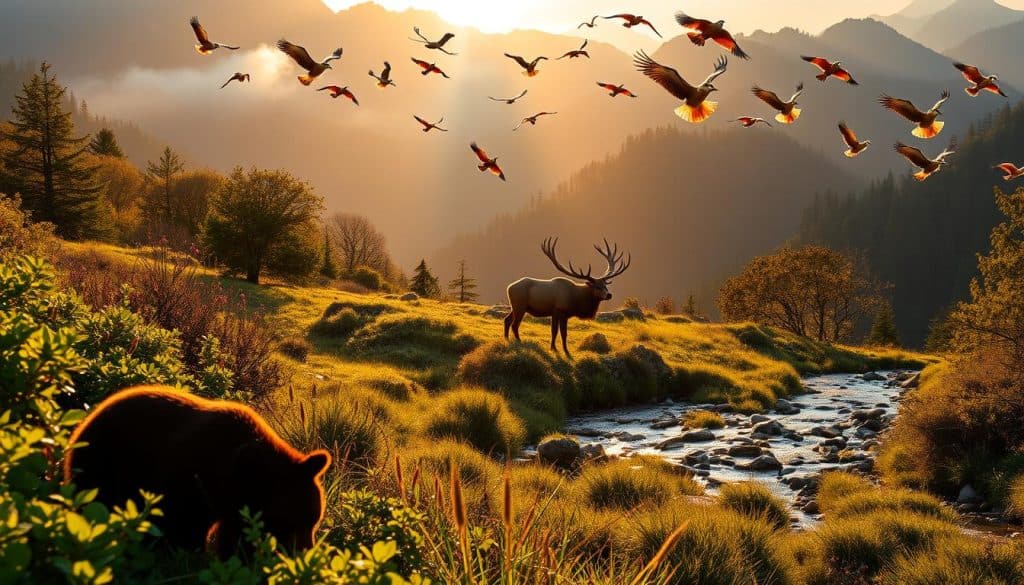
For the best wildlife viewing, plan your visit during the early morning or late afternoon. These times of the day are when animals are most active, increasing your chances of sightings. During the summer, black bears are often seen foraging, while elk are more visible in open areas like Cataloochee Valley.
Tips for Safe Wildlife Viewing
Respecting wildlife is crucial for both your safety and the animals’ well-being. Always maintain a distance of at least 50 yards from bears and elk. Avoid feeding animals, as it disrupts their natural behaviors and can be harmful. Use binoculars or a zoom lens for closer views without intruding on their space.
Guided tours are an excellent way to learn more about the park’s wildlife. Rangers and naturalists provide insights into animal habits and habitats, making your experience both educational and safe. Designated observation areas, such as Cades Cove, are ideal for spotting deer, elk, and other species in their natural environment.
Here are some additional tips for a memorable wildlife encounter:
- Stay quiet and move slowly to avoid startling animals.
- Carry a field guide or use a wildlife app to identify species.
- Visit during the summer months for increased bear activity.
- Bring a camera with a good zoom to capture moments without disturbing wildlife.
Whether you’re a seasoned birdwatcher or a first-time visitor, the park’s rich biodiversity promises an enriching experience. From the vibrant songs of migratory birds to the majestic presence of elk, every encounter connects you deeper with the wonders of nature.
Picnicking and Outdoor Dining
Outdoor dining takes on a new meaning with the park’s picturesque picnic spots. With ten designated areas, visitors can enjoy meals surrounded by lush forests, rolling meadows, and serene rivers. These spots are perfect for a relaxing break during your adventure.
While the park has limited dining options, the picnic areas are well-maintained and offer superb views. Visitors often pack their own meals or grab food from nearby local eateries. Planning ahead ensures you have everything you need for a memorable outdoor meal.
Top Picnic Areas to Explore
Cades Cove is a favorite for its spacious lawns and proximity to historic sites. With 81 picnic sites, it’s ideal for families and large groups. The area also features charcoal grills, making it easy to cook up a feast.
Metcalf Bottoms is another popular choice, especially for those who enjoy fishing or wildlife spotting. Located near a river, this spot offers a peaceful setting for your meal. Its 122 picnic sites make it one of the largest areas in the park.
For a more secluded experience, head to Greenbrier. This area accommodates up to 70 people, making it perfect for gatherings. Its proximity to hiking trails adds to its appeal.
Tips for a Perfect Picnic
- Arrive early, especially during peak seasons, to secure a prime spot.
- Pack essentials like utensils, napkins, and a trash bag to keep the area clean.
- Consider grabbing prepared meals from local delis or BBQ joints for convenience.
- Check for seasonal closures to avoid disappointment.
| Picnic Area | Features |
|---|---|
| Cades Cove | 81 sites, charcoal grills, historic landmarks |
| Metcalf Bottoms | 122 sites, river access, fishing opportunities |
| Greenbrier | 12 sites, large pavilion, hiking trail access |
Whether you’re enjoying a quick snack or a full meal, the park’s picnic areas provide the perfect backdrop. Plan ahead, pack wisely, and savor the beauty of nature while you dine.
Camping: From Backcountry to Developed Campgrounds
Whether you prefer the convenience of developed sites or the solitude of the wilderness, camping here is unforgettable. With 10 developed campgrounds and numerous backcountry sites, the area caters to all types of campers. From family-friendly spots to rugged adventures, there’s something for everyone.
Frontcountry Camping Options
Frontcountry camping is perfect for those who want easy access to amenities. Cades Cove Campground is a popular choice, offering 159 sites and stunning views of the surrounding landscape. Open year-round, it’s ideal for families and first-time campers.
Another great option is Smokemont Campground, which also operates year-round. With 142 sites, it’s located near hiking trails and scenic water streams. Both campgrounds provide picnic tables, fire grates, and restrooms with cold running water.
Backcountry Adventures
For a more immersive experience, backcountry camping is the way to go. This option requires planning and a permit, but the rewards are worth it. You’ll hike to secluded sites deep within the park, surrounded by pristine nature.
Backcountry camping offers a chance to disconnect and truly connect with the environment. Remember to pack essentials like a sturdy tent, sleeping bag, and enough water for your trip. Always follow Leave No Trace principles to preserve the beauty of the area.
Here are some tips for a successful camping trip:
- Reserve your campsite in advance, especially during peak seasons.
- Pack layers and prepare for changing weather conditions.
- Bring a map and compass, as cell service can be limited.
- Respect wildlife and maintain a safe distance at all times.
| Campground | Features | Season |
|---|---|---|
| Cades Cove | 159 sites, picnic tables, fire grates | Year-round |
| Smokemont | 142 sites, restrooms, hiking trails | Year-round |
| Elkmont | 220 sites, scenic views | Seasonal |
Whether you’re pitching a tent at a developed site or venturing into the backcountry, camping here promises an unforgettable experience. Plan ahead, pack wisely, and enjoy the beauty of nature.
Visitor Centers and Essential Information
Planning your visit starts with understanding the essentials. Visitor centers like Sugarlands, Oconaluftee, and Cades Cove are your go-to place for maps, parking tags, and tips. These hubs ensure you’re well-prepared to explore the area’s vast network of trails and roads.
Parking Tag Details and Access
Parking tags are required for stays longer than 15 minutes. Daily tags cost $5, weekly tags $15, and annual tags $40. You can purchase them online or at visitor centers. Tags help maintain the park’s infrastructure and ensure a smooth drive for everyone.
Check for alerts about road closures or weather conditions before you head out. Visitor centers provide up-to-date information, so you can plan your trip without surprises.
Using Visitor Centers and Maps
Visitor centers offer more than just maps. They provide guided tour schedules, weather updates, and trail conditions. Stop by to grab a paper map or download topographic maps for offline use. These resources are invaluable for navigating the park’s diverse terrain.
Here’s what you can expect at visitor centers:
- Detailed maps and trail guides.
- Information on guided tours and educational programs.
- Updates on weather and road conditions.
- Parking tags and permits.
Make your first stop a visitor center. It’s the best way to start your adventure and ensure you have everything you need for a memorable experience.
Exploring the Roaring Fork Motor Nature Trail
The Roaring Fork Motor Nature Trail is a hidden gem for those seeking a blend of history and nature. This 5.5-mile one-way loop winds through lush forests, past historic farmsteads, and alongside cascading waterfalls. It’s a quieter alternative to the park’s busier roads, offering a more intimate experience.
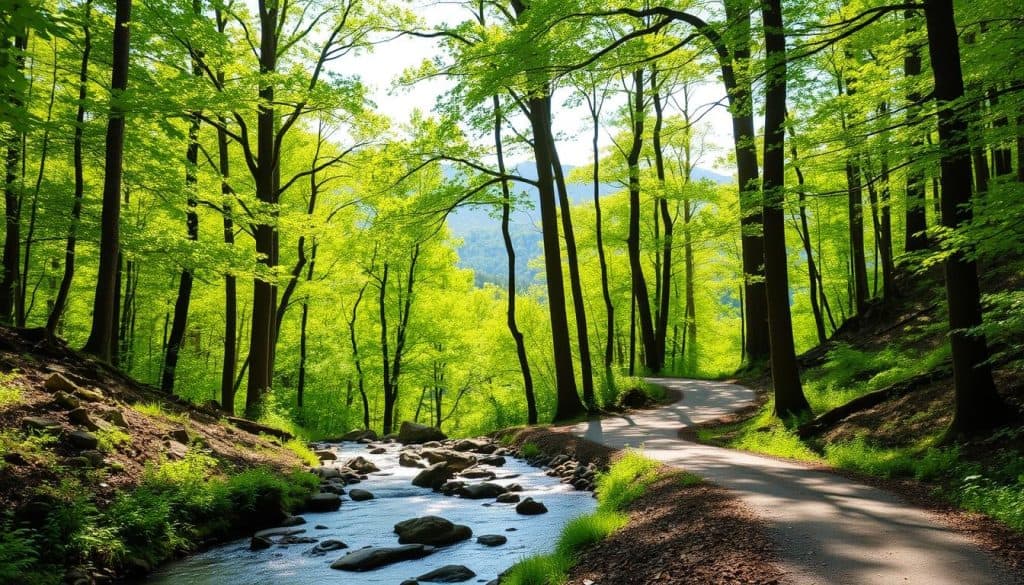
Historic Farmstead and Waterfall Stops
Along the trail, you’ll find well-preserved historic buildings like the Ephraim Bales Cabin. This log cabin housed a family of 11 and offers a glimpse into 19th-century Appalachian life. Nearby, the Place of a Thousand Drips waterfall is a must-see, especially after rain when the water flows abundantly.
Another highlight is the trailhead for Grotto Falls, a 25-foot waterfall accessible via a 2.6-mile roundtrip hike. The trail’s lush greenery and serene atmosphere make it a favorite among visitors.
Here’s what makes this trail special:
- Historic farmsteads showcasing Appalachian heritage.
- Access to picturesque waterfalls like Grotto Falls and Place of a Thousand Drips.
- A quieter, less crowded route compared to other park roads.
- Stunning views of the valley and surrounding mountains.
For the best experience, plan your drive early in the morning or late afternoon. This timing helps avoid traffic and allows you to fully appreciate the trail’s beauty. Remember, the trail is closed during winter months, so check the National Park Service website for specific dates.
| Landmark | Description |
|---|---|
| Ephraim Bales Cabin | 19th-century log cabin showcasing Appalachian life |
| Place of a Thousand Drips | “Wet weather” waterfall with abundant flow after rain |
| Grotto Falls | 25-foot waterfall accessible via a 2.6-mile hike |
Whether you’re a history buff or a nature lover, the Roaring Fork Motor Nature Trail promises a memorable journey. Pack your camera, wear comfortable shoes, and get ready to explore this scenic spot in the heart of the park.
Local Cuisine and Dining Near the Park
Exploring the area around the park offers more than just nature—it’s a culinary adventure. The surrounding towns are brimming with eateries that serve up hearty meals and local flavors. Whether you’re craving Southern comfort food or gourmet dishes, there’s something to satisfy every palate.
Frankie’s Italian Trattoria is a must-visit for Italian lovers, offering classic dishes with a Southern twist. Joey’s Pancake House, a local favorite since 1966, is perfect for a hearty breakfast before your day of exploration. These spots are just a short drive from the park, making them convenient stops during your trip.
On the side of comfort food, Haywood Smokehouse is a standout. Known for its Texas-style barbecue, it’s a hit with both locals and visitors. For a more upscale experience, Dancing Bear Appalachian Bistro offers farm-to-table dishes that highlight the region’s fresh ingredients.
Family-owned establishments like The Old Mill Restaurant bring a touch of history to your dining experience. Their menu features traditional Southern dishes made with locally sourced ingredients. Seasonal specialties, such as fall-inspired dishes, add a unique twist to your visit.
Here’s what makes dining near the park special:
- A mix of Appalachian and Southern cuisines, showcasing local flavors.
- Family-owned restaurants offering both comfort food and gourmet dining.
- Seasonal specialties that highlight the region’s fresh produce.
- Convenient locations just outside the park’s boundaries.
After a day of hiking or sightseeing, these eateries provide the perfect way to unwind and refuel. Plan your meals ahead to make the most of your culinary adventure in the area.
Seasonal Tips for the Best Visit Experience
The changing seasons bring unique experiences to this natural wonder. Whether you’re planning a spring escape or a fall adventure, timing your visit can enhance your trip. From vibrant wildflowers to active wildlife, each season offers something special.
Visiting in Fall and Spring
Fall is a magical time to explore. The crisp air and colorful foliage create a stunning backdrop. In Cataloochee Valley, the fall rut season brings elk activity, offering a chance to see these majestic creatures up close. Plan your visit for early morning or late afternoon for the best sightings.
Spring is equally enchanting. From March through June, the park transforms into a wildflower paradise. Over 1,500 species bloom, painting the landscape in vibrant colors. Lower elevations peak in mid-to-late April, while higher elevations follow a few weeks later. It’s a photographer’s dream.
Weather and Road Alerts
Seasonal changes also mean shifting weather and road conditions. Spring brings mild temperatures, with highs averaging 71°F in April. However, rain is common, so pack a waterproof jacket. Fall temperatures are cooler, ranging from 42°F to 71°F, perfect for hiking and scenic drives.
Always check road alerts before your trip. Some areas, like the motor nature trail, may close during winter months. Visitor centers provide up-to-date information on closures and weather forecasts. This ensures a safe and enjoyable visit, no matter the season.
| Season | Highlights | Tips |
|---|---|---|
| Spring | Wildflower blooms, mild weather | Bring rain gear, visit lower elevations first |
| Fall | Elk activity, vibrant foliage | Plan early morning visits, check road alerts |
By planning ahead and staying informed, every person can make the most of their visit. Whether you’re chasing wildflowers or spotting elk, the park’s seasonal beauty is waiting to be discovered.
Essential Tips for a Safe and Enjoyable Visit
Planning a trip to the Smokies? Start with these essential tips for a safe and enjoyable adventure. Proper preparation ensures you can fully embrace the beauty and challenges of this iconic destination. From packing the right gear to understanding safety protocols, these insights will help you make the most of your visit.
Packing and Preparation Advice
Weather in the Smokies can change rapidly, so packing for all conditions is crucial. Layers are your best friend, as temperatures can vary significantly between lower and higher elevations. A waterproof jacket is a must, especially during spring and summer when rain is common.
For hikers, sturdy footwear is essential to navigate uneven terrain and prevent slips on wet rocks or loose stones. Don’t forget a first aid kit, plenty of water, and high-energy snacks. These items are especially important for longer hikes or backcountry trips.
If you’re exploring areas like Cades Cove or Newfound Gap, bring binoculars for wildlife spotting and a map for navigation. Cell service can be limited, so offline resources are invaluable.
Local Expert Recommendations
Park rangers and local guides emphasize the importance of staying informed and prepared. Emily Davis, a seasoned guide, advises, “Always check trail conditions and weather forecasts before heading out. This can make the difference between a great adventure and a challenging situation.”
When hiking near waterfalls or streams, exercise caution. Wet rocks and slippery surfaces are common causes of accidents. Maintain a safe distance from wildlife, especially bears, and follow park guidelines to ensure both your safety and the animals’ well-being.
For overnight stays, whether at developed campgrounds or backcountry sites, plan ahead. Reserve your spot early, especially during peak seasons, and ensure you have all necessary permits. Packing a headlamp, extra food, and a lightweight tent can make your experience more comfortable.
| Essential Items | Purpose |
|---|---|
| Waterproof Jacket | Protection from rain and wind |
| Sturdy Footwear | Prevent slips on uneven terrain |
| First Aid Kit | Handle minor injuries |
| Binoculars | Wildlife spotting and scenic views |
| Map and Compass | Navigation in areas with limited cell service |
By following these tips and packing wisely, you’ll be ready to explore the Smokies with confidence. Whether you’re hiking, camping, or simply enjoying the scenery, proper preparation ensures a memorable and safe experience.
Conclusion
The beauty of this region lies in its endless opportunities for exploration and discovery. From scenic drives and historic landmarks to challenging hikes and tranquil waterfall walks, there’s something for everyone. Whether you’re seeking adventure or a peaceful retreat, this destination offers unforgettable experiences.
Plan your visit with the tips and details provided to ensure a safe and enjoyable trip. Remember to check visitor centers for maps, parking tags, and seasonal alerts. Proper preparation, like packing layers and sturdy footwear, will enhance your journey.
Ready to immerse yourself in nature? Lace up your boots for a hike or marvel at the cascading beauty of a waterfall. The wonders of this area are waiting to be explored—start planning your adventure today!
FAQ
What are the must-see sights in the park?
Don’t miss Cades Cove, Clingmans Dome, and the Roaring Fork Motor Nature Trail. These spots offer stunning views, historic sites, and beautiful waterfalls.
Are there family-friendly hiking trails?
Yes! The Deep Creek Loop Trail and Abrams Falls Trail are perfect for families. They’re easy to navigate and offer scenic views.
When is the best time to see wildflowers?
Spring is ideal, especially during the Wildflower Pilgrimage in April. You’ll find vibrant blooms throughout the park.
Can I camp in the park?
Absolutely! Choose from frontcountry campgrounds or backcountry sites for a more rugged experience. Reservations are recommended.
What should I pack for my visit?
Bring layers, sturdy shoes, water, and a map. Weather can change quickly, so be prepared for rain or cooler temperatures.
Are there dining options nearby?
Yes, Gatlinburg and nearby towns have great restaurants. Try local favorites like pancakes and Southern comfort food.
How do I get a parking tag?
Purchase a parking tag online or at visitor centers. It’s required for parking longer than 15 minutes in most areas.
What’s special about the Roaring Fork Motor Nature Trail?
This scenic drive features historic farmsteads, waterfalls, and lush forests. It’s a great way to explore the area’s history and beauty.
Is wildlife viewing safe?
Yes, but keep a safe distance. Never feed or approach animals. Use binoculars for a closer look at bears, deer, and birds.
What’s the best season to visit?
Fall offers stunning foliage, while spring brings wildflowers. Summer is busy but great for hiking, and winter has quieter trails.