
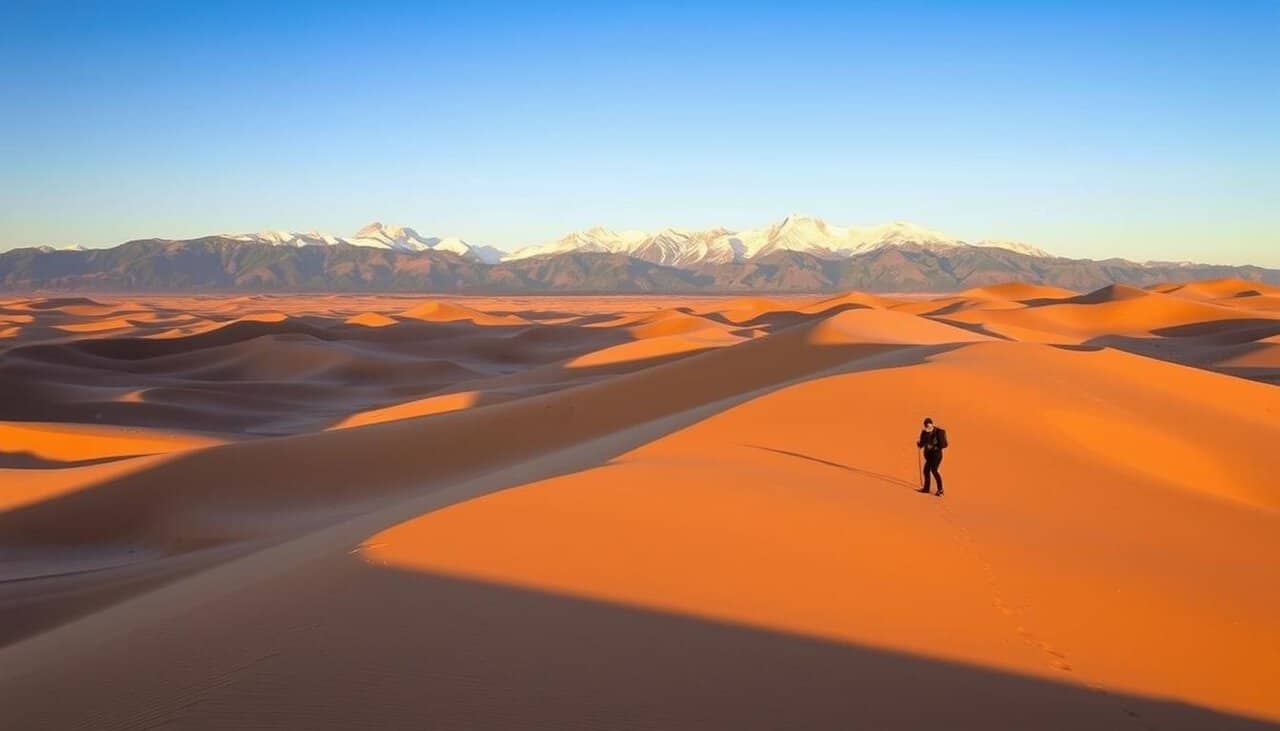
Did you know that the tallest dunes in North America are found at Great Sand Dunes National Park? These towering dunes, like Star Dune, rise to an impressive 750 feet, offering a unique landscape unlike any other. Whether you’re a seasoned adventurer or a first-time visitor, this park promises unforgettable experiences.
From hiking across vast sandy expanses to sandboarding down steep slopes, there’s something for everyone. The park’s diverse terrain includes alpine forests, wetlands, and even a seasonal creek. Planning your visit? Don’t forget to stop by the visitor center for tips and maps to make the most of your trip.
This guide will help you discover the best activities and essential information to ensure your adventure is both safe and memorable. Let’s dive into what makes this destination so special!
Key Takeaways
- Explore the tallest dunes in North America, reaching up to 750 feet.
- Enjoy activities like hiking, sandboarding, and camping in diverse landscapes.
- Visit the visitor center for helpful tips and park maps.
- Plan for changing weather and high sand temperatures in summer.
- Experience unique features like Medano Creek and alpine forests.
Overview of Great Sand Dunes National Park
Millions of years of natural forces shaped the iconic dunes we see today. The tallest dunes in North America are a result of sediment deposits from ancient glacial waters and the relentless work of wind. This unique landscape is a testament to the power of nature over time.
Park History and Formation
The story of this park begins with the melting glaciers of the Sangre de Cristo Mountains. As the glaciers receded, they carried sediment into the San Luis Valley. Over thousands of years, winds pushed this sediment into the massive dunes we see today. Medano Creek plays a crucial role in maintaining the dunes’ structure, especially during spring when its flow is at its peak.
Designated as a national monument in 1932, the area gained full national park status in 2004. Today, it attracts over 300,000 visitors annually, drawn by its unique geology and diverse ecosystems.
What Sets It Apart
What makes this park truly special is its combination of towering dunes, alpine forests, and wetlands. Unlike other national parks, it offers a rare blend of desert-like dunes and lush greenery. The seasonal Medano Creek adds another layer of uniqueness, creating a beach-like experience in the middle of the desert.
Here’s a quick look at what makes this park stand out:
| Feature | Description |
|---|---|
| Tallest Dunes | Reaching up to 750 feet, these are the tallest in North America. |
| Medano Creek | A seasonal creek that creates a unique beach-like environment. |
| Diverse Ecosystems | From alpine forests to wetlands, the park offers varied landscapes. |
For more ideas on how to explore this unique destination, check out this guide to activities at Great Sand Dunes National.
Why Visit Great Sand Dunes: Scenic Views & Unique Landscapes
The dramatic views of the dunes against the mountains are unparalleled. The towering sand formations create a striking contrast with the rugged peaks of the Sangre de Cristo Mountains. This visual spectacle is a photographer’s dream, offering endless opportunities to capture the park’s natural beauty.
Breathtaking Backdrops
One of the most iconic sights is the interplay between the shifting sand and the evergreen forests. The park’s diverse ecosystems include wetlands, alpine lakes, and grasslands. Seasonal Medano Creek adds to the charm, creating a beach-like environment during spring and early summer.
Diverse Ecosystems and Vistas
The park’s unique landscape is a blend of desert-like dunes and lush greenery. Scenic drives and walking trails allow visitors to explore these varied terrains. For more ideas on how to experience this natural wonder, check out this guide to activities at the park.
Things To Do At Great Sand Dunes National Park
Step into a world where sand meets sky in an unforgettable way. The towering dunes offer endless opportunities for adventure, whether you’re hiking or gliding down the slopes. This section dives into the most popular activities that make this destination a must-visit.
Exploring the Dunes on Foot
Walking across the vast expanse of the sand dunes is a unique experience. The shifting sands create a dynamic landscape that changes with every step. Popular routes like High Dune and Star Dune challenge hikers with steep climbs but reward them with panoramic views.
High Dune, standing at 699 feet, is a favorite for its accessibility. The 2.5-mile round trip takes about 2 hours, making it ideal for a half-day adventure. For a more strenuous hike, Star Dune rises to 750 feet and offers a 6-mile round trip that takes roughly 6 hours.
Sandboarding and Sledding Adventures
For thrill-seekers, sandboarding and sledding down the dunes are must-try activities. These sports combine the excitement of snowboarding with the unique texture of sand. Beginners can rent equipment from nearby shops, ensuring a smooth start to their adventure.
Here are a few tips for first-timers:
- Wear long sleeves and pants to protect against hot sand.
- Start on smaller slopes before tackling steeper dunes.
- Check the weather, as sand temperatures can reach 150°F in summer.
Nearby Medano Creek adds to the fun, especially during its peak flow in late spring. The creek’s cool waters provide a refreshing break after an exhilarating ride.
| Activity | Details |
|---|---|
| Hiking High Dune | 2.5 miles round trip, 2 hours |
| Hiking Star Dune | 6 miles round trip, 6 hours |
| Sandboarding | Rentals available nearby |
Whether you’re hiking or sandboarding, these activities offer something for everyone. The combination of adventure and natural beauty makes this park a standout destination.
Exploring the Sand Dunes and Hiking Trails
The towering dunes of this unique landscape offer a one-of-a-kind hiking experience. Whether you’re a seasoned hiker or a beginner, the trails here cater to all skill levels. From short day hikes to challenging treks, there’s something for everyone.
High Dune and Star Dune Adventures
High Dune, standing at 699 feet, is a popular choice for its accessibility. The 2.5-mile round trip takes about 2 hours, making it ideal for a half-day adventure. The gradual ascent rewards hikers with panoramic views of the surrounding area.
For those seeking a greater challenge, Star Dune rises to 750 feet. This 6-mile round trip takes roughly 6 hours and is perfect for experienced hikers. The sense of accomplishment at the summit is unmatched, with views stretching across the entire national park.
Trail Navigation Tips
Navigating the dunes can be tricky, as many trails are unmarked. Here are some tips to help you stay on track:
- Bring a map or use a GPS device to avoid getting lost.
- Wear sturdy footwear to handle the shifting sands.
- Carry plenty of water, especially during hot summer days.
Trail conditions can vary, so it’s essential to be prepared. The sand can reach temperatures of 150°F in summer, making early morning or late afternoon hikes more comfortable. Preparation is key to enjoying your adventure safely.
“The views from the top of Star Dune are worth every step. It’s a challenging hike, but the reward is unforgettable.”
Whether you choose High Dune or Star Dune, each hike offers a unique perspective of this great landscape. The combination of physical challenge and stunning scenery makes these trails a must for any visitor.
Experience Adrenaline-Pumping Activities
For those seeking a thrilling off-road adventure, Medano Pass Road delivers an unforgettable experience. This 22-mile route connects the dunes with the Wet Mountain Valley, offering a mix of rugged terrain and breathtaking scenery. Accessible only in warmer months, it’s a must for 4WD enthusiasts.
4WD Medano Pass Road Excursions
Navigating Medano Pass Road is not for the faint of heart. The trail features deep sand, creek crossings, and steep climbs, making it a true test of skill and vehicle capability. High-clearance 4WD vehicles are essential for tackling this challenging route.
Along the way, you’ll encounter stunning views of the Sangre de Cristo Mountains and opportunities to spot local wildlife like bighorn sheep. The journey takes about 2.5 to 3 hours, so plan your time wisely and ensure your vehicle is in top condition.
Here are some tips for a safe and exciting adventure:
- Check road conditions before heading out, as the trail is seasonal and weather-dependent.
- Bring plenty of water and snacks, as there are no facilities along the route.
- Use proper parking etiquette at trailheads to avoid blocking access for others.
This Medano Pass excursion is one of the most adrenaline-pumping activities in the area. Whether you’re a seasoned off-roader or a first-timer, it’s an adventure you won’t soon forget.
Family-Friendly Fun at the Dunes
Families looking for a memorable outdoor adventure will find endless opportunities at this unique destination. The towering dunes and diverse landscapes provide a perfect setting for fun and exploration. Whether you’re planning a day trip or a longer visit, there’s something for everyone to enjoy.

Activities for All Ages
Children love playing in the soft sand, building castles, or simply running down the gentle slopes. For families who enjoy hiking, the Montville Nature Trail offers an easy, short route that’s perfect for younger kids. Older children might enjoy the challenge of the Dunes Overlook Trail, which provides stunning views of the surrounding area.
Sandboarding is another popular activity that’s fun for all ages. Rentals are available nearby, and beginners can start on smaller slopes before tackling the larger dunes. During the spring and early summer, Medano Creek adds to the excitement with its seasonal flow, creating a beach-like atmosphere where kids can splash and play.
Here are some tips for a smooth family outing:
- Arrive early to secure parking and avoid crowds.
- Bring plenty of water, sunscreen, and snacks for the kids.
- Encourage children to participate in the Junior Ranger Program for an educational twist.
With its mix of adventure and relaxation, this destination offers a safe and enjoyable way to create lasting memories. For more ideas on planning your family’s next trip, check out this guide to the best national parks trips.
Camping Under the Stars and Nighttime Explorations
Camping here offers a rare chance to sleep under some of the clearest skies in the country. As an International Dark Sky Park, this destination provides an unmatched stargazing experience. Whether you’re pitching a tent at a designated campground or venturing into the backcountry, the night sky will leave you in awe.
Stargazing in an International Dark Sky Park
The park’s certification ensures minimal light pollution, making it one of the best places in Colorado to observe the Milky Way. For optimal visibility, plan your visit on moonless nights or during early morning hours in spring. Bring a blanket, a telescope, and a sense of wonder to fully enjoy this celestial spectacle.
Summer night programs offer educational insights into the night sky and nocturnal ecology. Kids can participate in the Junior Ranger Night Explorer program, earning a patch by completing an activity booklet. Remember to use red-filtered flashlights to preserve the dark skies and enhance your experience.
Backcountry and Campground Options
For those who prefer convenience, Piñon Flats Campground is a popular choice. Located near the main parking area, it offers 88 sites, though RVs longer than 35 feet are not accommodated. Reservations are recommended, especially during peak seasons.
If you’re seeking solitude, backcountry camping is an excellent option. Permits are required and can be obtained at the visitor center. Be prepared for temperature shifts, as nights can get chilly even in summer. Carry plenty of water and wear layers to stay comfortable.
Here’s a quick guide to camping options:
- Piñon Flats Campground: Close to amenities, ideal for families.
- Backcountry Sites: Perfect for adventurers seeking privacy.
- Zapata Falls Campground: Located 11 miles south, offers stunning mountain views.
“The stars here are unlike anything I’ve seen before. It’s a humbling experience to feel so connected to the universe.”
Whether you’re exploring on foot or relaxing at your campsite, the peaceful ambiance and surreal beauty of this location make it a must-visit. Plan ahead, pack wisely, and prepare for an unforgettable night under the stars.
Day Trips and Nearby Attractions
Just a short drive from the dunes lies a hidden gem waiting to be explored. While the towering sands are the main draw, the surrounding area offers additional adventures that complement your visit. From cascading waterfalls to scenic trails, these nearby attractions provide a refreshing change of scenery.
Exploring Zapata Falls
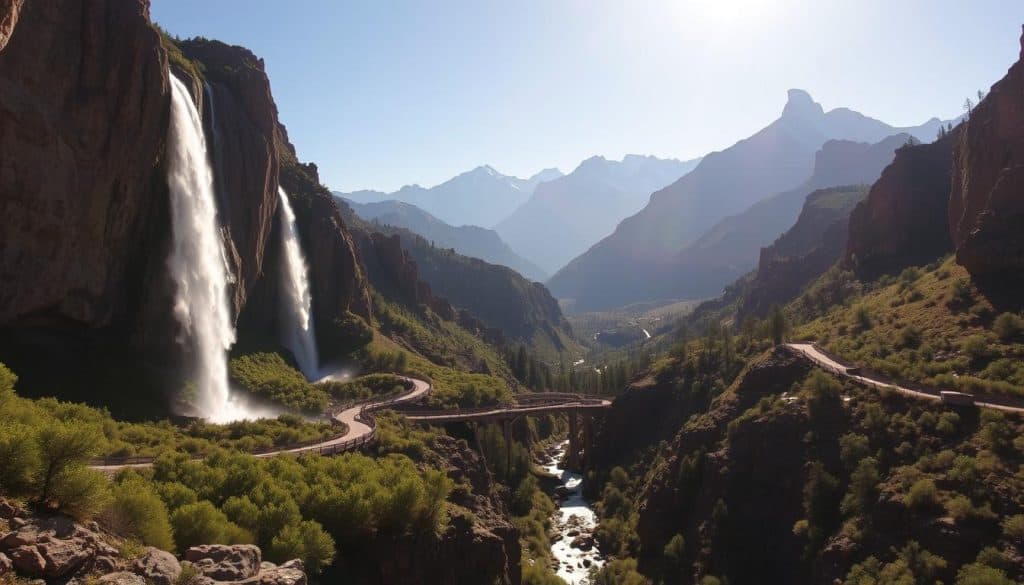
One of the most popular day trips is to Zapata Falls, located just 40 minutes from the park. This stunning waterfall is nestled in a rocky canyon, offering a cool retreat from the sandy environment. The drive to the falls is an experience in itself, with scenic views of the San Luis Valley and the Sangre de Cristo Mountains.
The hike to the falls is short but rewarding. At just 0.9 miles round trip, it’s accessible for most visitors. The trail includes a brief scramble over rocks, so sturdy footwear is recommended. The best month to visit is late spring to early summer when the water flow is at its peak, creating a dramatic cascade.
- It’s a quick and easy hike, perfect for families and casual adventurers.
- The falls offer a refreshing contrast to the dry, sandy dunes.
- The surrounding area is ideal for picnics and photography.
Whether you’re looking to extend your adventure or simply take a break from the dunes, Zapata Falls is a place that enhances your overall experience. Plan your visit during the right month to enjoy the falls at their most spectacular.
Planning Your Visit and Travel Tips
Planning a trip to this unique destination requires careful preparation to make the most of your adventure. From understanding seasonal weather patterns to packing the right gear, a little planning goes a long way. Here’s everything you need to know to ensure a smooth and enjoyable visit.
Seasonal Considerations
Weather here varies dramatically throughout the year. Spring and fall are the most popular times to visit, with mild temperatures ideal for hiking and outdoor activity. Summer can be intense, with sand temperatures reaching up to 150°F. Winter brings colder conditions, with temperatures often dropping below freezing.
If you’re visiting during peak seasons, arrive early to secure parking and avoid crowds. For those planning a winter trip, check road conditions and pack warm layers to stay comfortable.
What to Bring
Packing the right essentials can make or break your trip. Here’s a quick checklist:
- Plenty of water to stay hydrated, especially during summer hikes.
- Sunscreen and sunglasses to protect against the strong sun.
- Sturdy footwear, like sandals or hiking boots, for navigating the dunes.
- Layered clothing to adapt to temperature shifts throughout the day.
For those staying overnight, consider bringing a tent and sleeping bag if you’re camping at Piñon Flats Campground or venturing into the backcountry.
Access and Parking Information
The park is accessible year-round, but some areas may be closed during extreme weather. The main parking area is located near the visitor center, which is a great starting point for your visit. During peak hours, parking can fill up quickly, so arriving early is recommended.
For those planning to hike, allow at least one hour to reach the peak of smaller dunes and up to six hours for more challenging routes. The visitor center provides maps and updates on trail conditions to help you plan your day.
Whether you’re here for a day trip or an extended stay, these tips will help you make the most of your visit. Plan ahead, pack wisely, and get ready for an unforgettable adventure.
Conclusion
Discover a place where towering sands meet endless skies, offering adventure and serenity in equal measure. From hiking the tallest dunes to gliding down slopes, this destination blends excitement with natural beauty. The campground at Piñon Flats provides a perfect base for exploring, especially during april when the weather is ideal.
For those seeking a unique experience, the night sky here is a must-see. As an International Dark Sky Park, it offers breathtaking views of the stars. Whether you’re camping under the open sky or enjoying a day trip, the park’s diverse landscapes will leave you in awe.
Plan your visit with essential information from the visitor center. Check trail conditions, reserve your campground spot, and prepare for temperature shifts. With its mix of adventure and tranquility, this destination promises unforgettable memories.
Pack your gear, gather your loved ones, and experience the magic of this unique landscape. Whether under the stars or beneath the sun, your adventure awaits.
FAQ
What is the best time to visit Medano Creek?
The best time to enjoy Medano Creek is late spring to early summer, typically from May to June, when the snowmelt creates a flowing stream perfect for splashing and cooling off.
Can I drive on Medano Pass Road?
Yes, but only with a high-clearance 4WD vehicle. The road is rugged and requires careful navigation, especially during wet conditions. Check with the visitor center for current road status.
Are there camping options near the dunes?
Absolutely! The park offers the Piñon Flats Campground for tents and RVs, and backcountry camping is available with a permit. Both options provide stunning views and a chance to connect with nature.
Is sandboarding allowed in the park?
Yes, sandboarding and sledding are popular activities here. Bring your own gear or rent it from nearby shops. It’s a thrilling way to experience the dunes!
How do I prepare for hiking Star Dune?
Wear sturdy shoes, bring plenty of water, and start early to avoid the midday heat. Star Dune is the tallest in North America, so be ready for a challenging but rewarding trek.
What should I pack for a day trip?
Bring sunscreen, sunglasses, a hat, water, snacks, and layers for changing weather. Don’t forget a camera to capture the breathtaking landscapes!
Are there family-friendly activities?
Definitely! Kids love splashing in Medano Creek, exploring the dunes, and participating in ranger-led programs. It’s a perfect destination for all ages.
Can I stargaze at the park?
Yes! The park is designated as an International Dark Sky Park, making it an ideal spot for stargazing. Bring a blanket and enjoy the mesmerizing night sky.
Are pets allowed in the park?
Pets are welcome but must be leashed at all times. They are not allowed on the dunes or in Medano Creek to protect the fragile ecosystem.
What’s the closest attraction to the park?
Zapata Falls, located just a short drive away, is a must-see. The scenic hike leads to a stunning waterfall tucked into a rocky canyon.