
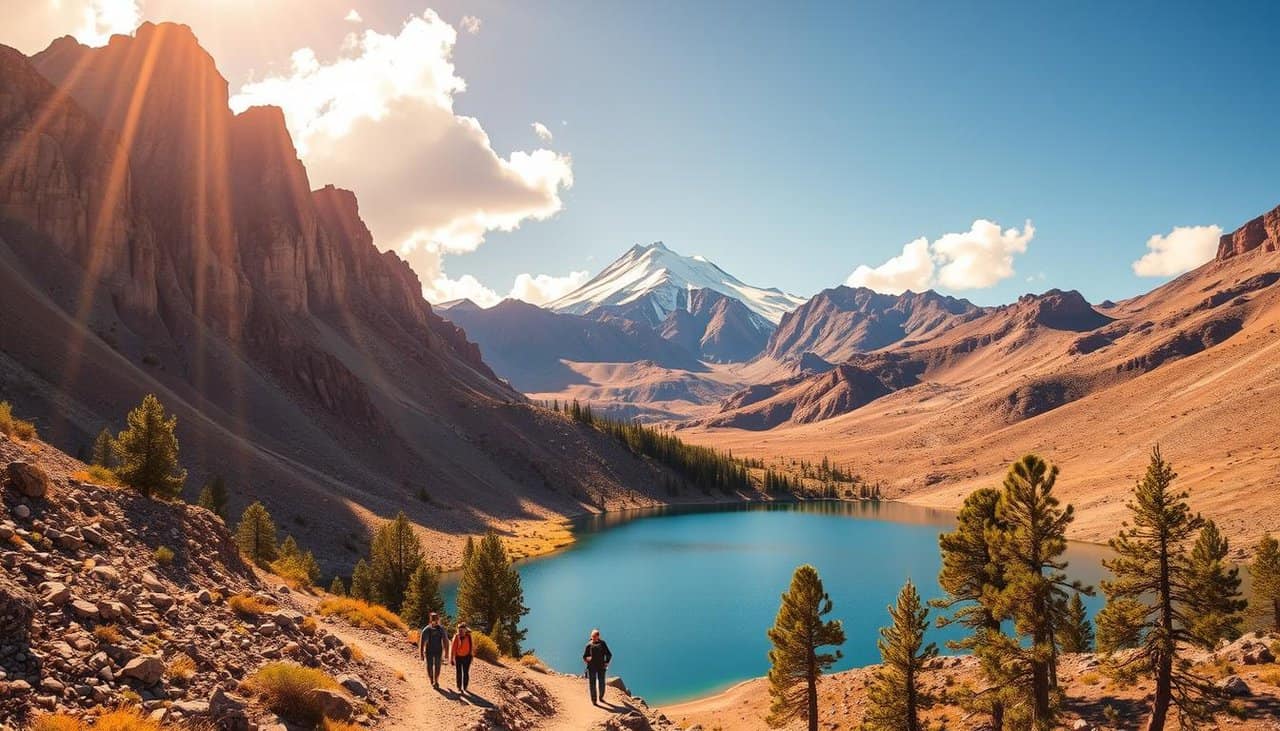
Did you know that Great Basin National Park is one of the least visited parks in the U.S.? This hidden gem offers a unique escape into nature, far from the crowds of more popular destinations. With its stunning landscapes and diverse activities, it’s a paradise for adventure-seekers and nature lovers alike.
From scenic drives to stargazing under some of the darkest skies in the country, the park promises unforgettable experiences. Explore underground caves, hike through ancient bristlecone pine forests, or marvel at the towering Wheeler Peak. Whether you’re planning a weekend getaway or a longer adventure, this park has something for everyone.
What makes Great Basin National Park truly special is its remoteness. Here, you can enjoy nature’s beauty without the hustle and bustle. Ready to discover all it has to offer? Let’s dive into the best ways to make the most of your visit.
Key Takeaways
- Great Basin National Park is one of the least visited parks in the U.S., offering a peaceful escape.
- Enjoy scenic drives, stargazing, and hiking in a remote and stunning environment.
- Explore unique features like Lehman Caves and ancient bristlecone pine forests.
- Wheeler Peak, the park’s highest point, is a must-see for outdoor enthusiasts.
- Plan ahead for activities like cave tours, as they can fill up quickly.
Introduction to Great Basin National Park
Nestled in the heart of Nevada, this park offers a rare blend of desert and alpine landscapes. Its diverse geography ranges from arid high deserts to lush mountain ecosystems, creating a unique environment for exploration. Whether you’re drawn to towering peaks or serene valleys, the park’s beauty is unmatched.
One of the standout features is the Wheeler Peak Scenic Drive. This 12-mile route takes you through breathtaking vistas, climbing over 4,000 feet in elevation. Along the way, you’ll encounter panoramic views that showcase the park’s rugged charm. It’s a must-do for anyone visiting the area.
Another highlight is the park’s designation as an International Dark Sky Park. Here, the night sky comes alive with stars, planets, and even the Milky Way. It’s a perfect spot for stargazing and reconnecting with nature’s wonders.
Travelers often share stories of the park’s peaceful solitude. With fewer visitors compared to other parks, it’s easy to find quiet moments to reflect and unwind. From ancient bristlecone pines to underground caves, every corner of this place tells a story.
Why Great Basin National Park is a Must-Visit Destination
Step into a world where history and nature collide in breathtaking harmony. Established in 1986, this national park has preserved its unique landscapes and rich heritage for generations to explore. From towering peaks to ancient glacial features, it’s a place where the past feels alive.
History and Distinctive Natural Beauty
The park’s history is as fascinating as its scenery. Designated a national park in 1986, it protects some of the oldest living organisms on Earth, including the ancient bristlecone pines. These trees, some over 4,900 years old, stand as silent witnesses to centuries of change.
Wheeler Peak, the park’s crown jewel, rises to 13,056 feet. Its glacial features and alpine lakes add to the park’s diverse beauty. Whether you’re hiking or simply soaking in the views, the landscape tells a story of resilience and wonder.
Dark Skies and Secluded Wilderness
One of the park’s most unique features is its designation as an International Dark Sky Park. With minimal light pollution, the night sky here is a canvas of stars, planets, and galaxies. It’s a haven for stargazers and astronomers alike.
Unlike crowded tourist spots, this basin national treasure offers solitude. Visitors often describe the peacefulness as unmatched, making it the perfect escape from the hustle and bustle of daily life.
| Feature | Description |
|---|---|
| Wheeler Peak | Second highest peak in Nevada, offering stunning glacial views. |
| Dark Sky Park | Ideal for stargazing, with some of the darkest skies in the U.S. |
| Ancient Bristlecone Pines | Some of the oldest living trees, dating back nearly 5,000 years. |
Whether you’re a history buff or an adventure seeker, this park has something for everyone. Its blend of natural beauty and solitude makes it a must-visit destination for anyone looking to reconnect with nature.
Scenic Drives and Panoramic Overlooks
Take a journey through diverse terrains on one of the park’s most iconic drives. The Wheeler Peak Scenic Drive is a 12-mile route that climbs over 3,400 feet in elevation. Starting at 7,000 feet, it takes you through breathtaking vistas, ending near the base of Wheeler Peak, the park’s highest point.
Along the way, you’ll witness dramatic changes in the landscape. From sagebrush-covered valleys to alpine forests, the drive offers a visual feast. Visitors often describe it as a highlight of their trip, with plenty of photo opportunities at every turn.
Key Stops Along the Route
One of the most popular stops is the Mather Overlook. Here, you can enjoy sweeping views of the surrounding valleys and mountains. It’s a perfect spot to stretch your legs and take in the scenery.
Further up the drive, the Wheeler Peak Overlook provides a closer look at the park’s namesake mountain. On clear days, you can even spot the glacier near its summit. This stop is a favorite among photographers and nature enthusiasts alike.
| Stop | Elevation | Highlights |
|---|---|---|
| Mather Overlook | 8,000 feet | Panoramic valley views |
| Wheeler Peak Overlook | 10,000 feet | Close-up views of Wheeler Peak |
This drive is accessible from late spring to early fall, depending on weather conditions. Visitors rave about the convenience of experiencing so much beauty in such a short distance. As one traveler put it, “The scenic drive is like a mini adventure—you get a taste of everything the park has to offer.”
Memorable Hiking Trails and Outdoor Adventures
Lace up your boots and get ready to explore some of the most stunning trails in the region. Whether you’re a seasoned hiker or a beginner, the park offers routes that cater to all skill levels. From lush valleys to alpine lakes, every step brings you closer to nature’s wonders.
Trail Highlights from Baker Creek to Alpine Lakes
One of the most popular routes is the Baker Creek Trail. This moderate hike takes you through dense forests and alongside a bubbling creek. The trail eventually leads to serene alpine lakes, offering a perfect spot to rest and soak in the views.
For those seeking a challenge, the Alpine Lakes Loop is a must-try. This 2.7-mile loop rewards hikers with breathtaking panoramas and crystal-clear waters. Along the way, you’ll encounter wildflowers, wildlife, and the peaceful sounds of nature.
Before hitting the trails, stop by the visitor center. Here, you can grab maps, get trail updates, and learn about current conditions. The staff is always ready to help you plan your adventure.
| Trail | Distance | Difficulty | Highlights |
|---|---|---|---|
| Baker Creek Trail | 3.5 miles | Moderate | Forests, creek, alpine lakes |
| Alpine Lakes Loop | 2.7 miles | Moderate | Panoramic views, wildflowers |
Remember to prepare for elevation gains and changing weather. Bring plenty of water, wear sturdy shoes, and check the forecast before you go. With these tips, you’re all set for an unforgettable hiking experience.
Things To Do At Great Basin National Park
Discover a world of adventure in one of the most underrated destinations in the U.S. This basin offers a mix of activities that cater to every type of traveler. Whether you’re seeking relaxation or excitement, there’s something here for you.
Start your journey with a scenic drive. The Wheeler Peak route takes you through stunning landscapes, from valleys to alpine forests. Along the way, stop at overlooks for panoramic views that will leave you in awe.
For those who love the outdoors, hiking trails like the Baker Creek route are a must. This moderate path leads you through forests and ends at serene alpine lakes. It’s perfect for a day trip filled with nature’s beauty.
Don’t miss the chance to explore Lehman Caves. Guided tours take you through stunning underground formations. Reservations are recommended, as spots fill up quickly. It’s a unique experience you won’t forget.
At night, the park transforms into a stargazer’s paradise. With some of the darkest skies in the country, it’s the perfect spot to marvel at the Milky Way. Bring a blanket, lie back, and enjoy the show.
Whether you’re here for a day or a week, this destination offers a perfect balance of adventure and tranquility. Plan your visit great escape today and create memories that will last a lifetime.
Exploring the Lehman Cave Tours
Step beneath the surface and uncover the hidden wonders of Lehman Caves. This underground marvel is a must-see for anyone visiting the area. With its stunning formations and rich history, it’s a journey into the heart of nature’s artistry.
Tour Variations and What to Expect
Lehman Caves offers two main tours: the Gothic Palace and the Grand Palace. Each provides a unique perspective on the cave’s geological wonders. The Gothic Palace tour focuses on intricate formations, while the Grand Palace tour covers the entire cave system, including the Lodge Room.
One of the highlights is the Grand Palace Tour, which lasts 90 minutes. It takes you through the most impressive sections of the cave, showcasing stalactites, stalagmites, and rare shield formations. The Gothic Palace tour, on the other hand, is shorter but equally mesmerizing, perfect for those with limited time.
“The cave’s beauty is otherworldly. Every turn reveals something new and breathtaking.” – A recent visitor
Both tours are guided, ensuring you learn about the cave’s history and scientific significance. Did you know Lehman Caves is home to endemic species like the Great Basin cave pseudoscorpion? It’s a fascinating ecosystem that adds to the cave’s allure.
Practical Tips for Your Visit
Planning is key to enjoying your Lehman Caves experience. Tickets are available 30 days in advance and often sell out quickly, especially during peak seasons. Be sure to check in at least 15 minutes before your scheduled tour time to avoid forfeiting your spot.
The cave maintains a cool temperature of around 50°F (10°C), so dress warmly. Comfortable shoes are also a must, as the terrain can be uneven. Remember, children under 5 are only allowed on the Lodge Room tour during the summer months.
| Tour | Duration | Highlights |
|---|---|---|
| Gothic Palace | 60 minutes | Intricate formations, shorter route |
| Grand Palace | 90 minutes | Full cave system, rare shield formations |
Whether you’re a first-time visitor or a seasoned explorer, Lehman Caves promises an unforgettable adventure. Book your tour today and prepare to be amazed by nature’s underground masterpiece.
Stargazing and Nighttime Wonders
Witness the cosmos in its purest form under a Bortle 1 sky. This remote destination offers some of the darkest skies in the country, making it a paradise for stargazers. Whether you’re an amateur astronomer or simply love the stars, the night sky here will leave you in awe.
Experiencing a Bortle 1 Night Sky
A Bortle 1 sky is the darkest possible, with minimal light pollution. Here, the Milky Way shines brightly, and countless stars are visible to the naked eye. It’s a rare experience that few places on Earth can offer.
Visitors often describe the night sky as “otherworldly.” One traveler shared, “I’ve never seen so many stars in my life. It felt like I was looking into the heart of the universe.”
Organized Programs and Telescope Sessions
The park hosts an annual Astronomy Festival, where over 30 telescopes are available for public viewing. Some of these telescopes are as tall as 20 feet, offering incredible views of distant galaxies and planets. These programs are perfect for families and curious minds alike.
For those who prefer a more intimate experience, ranger-led night sky programs are also available. These sessions provide insights into constellations, planets, and the science behind the stars.
Best Spots for Stargazing
To make the most of your stargazing adventure, head to these prime locations:
- Wheeler Peak Overlook: High elevation and clear views make this spot ideal.
- Lehman Caves Visitor Center: A convenient location with minimal light interference.
- Bristlecone Pine Grove: Combine stargazing with a walk among ancient trees.
| Location | Highlights |
|---|---|
| Wheeler Peak Overlook | High elevation, panoramic views |
| Lehman Caves Visitor Center | Convenient, minimal light pollution |
| Bristlecone Pine Grove | Unique setting with ancient trees |
Pack a blanket, a thermos of hot cocoa, and let the night sky captivate you. This is more than stargazing—it’s a chance to reconnect with the universe.
Discovering Ancient Bristlecone Pines
Journey back in time and stand among the oldest living trees on Earth. The ancient bristlecone pines are a testament to nature’s resilience, with some trees dating back over 5,000 years. These remarkable trees thrive in the harshest conditions, making them a must-see for any visitor.
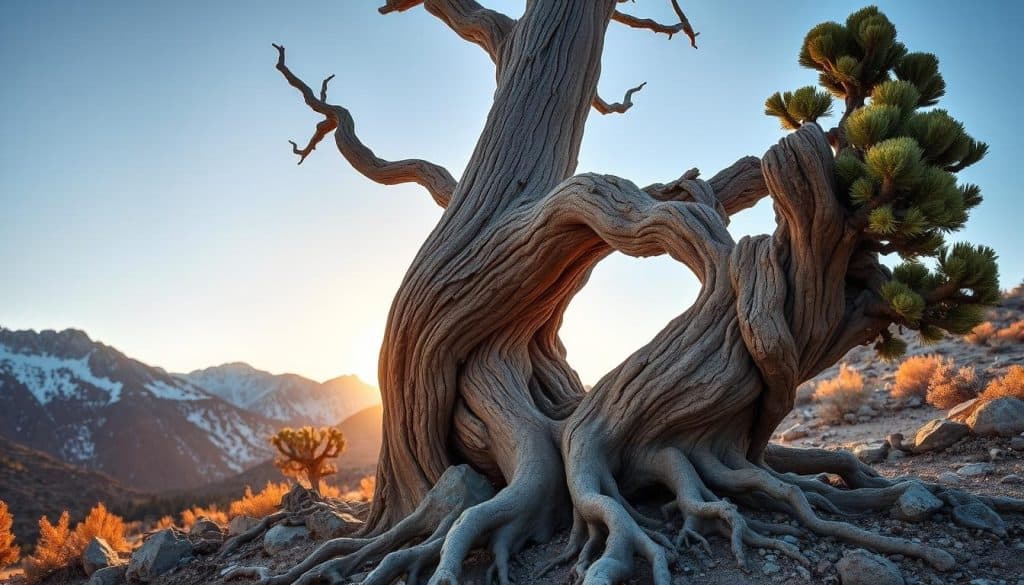
Located near Wheeler Peak, these trees grow on quartzite rock and glacial moraines. Their twisted, gnarled trunks and sparse foliage tell a story of survival against extreme weather and poor soil. Despite these challenges, they continue to thrive, offering a glimpse into the past.
Hiking to the bristlecone groves is a rewarding experience. The 1.5-mile trail is moderate, making it accessible for most visitors. Along the way, interpretive signs provide insights into the trees’ growth and the threats they face. It’s a perfect way to spend a day immersed in nature.
These trees are classified as five-needle pines, with needles growing in clusters of five. Their slow growth rate and ability to adapt to harsh conditions contribute to their incredible longevity. Some of the oldest trees in the grove are over 3,000 years old, with the oldest recorded tree estimated at 5,000 years.
Visitors often describe the experience as humbling. One traveler shared, “Standing next to a tree that’s been alive for thousands of years puts life into perspective. It’s a moment you’ll never forget.”
For more detailed information, check out the National Park Service guide on identifying bristlecone pines.
| Feature | Details |
|---|---|
| Location | Near Wheeler Peak, elevation 13,063 feet |
| Trail Length | 1.5 miles, moderate difficulty |
| Oldest Tree | Estimated at 5,000 years old |
Plan your visit between June and October, as the road to the grove is closed during winter. Whether you’re a history buff or a nature lover, the ancient bristlecone pines offer a unique and unforgettable experience.
Disconnecting and Embracing Nature
Step away from screens and into the serenity of nature. In today’s fast-paced world, unplugging from technology can feel like a challenge. Yet, this remote destination offers the perfect setting to disconnect and recharge. Leave behind the noise of notifications and immerse yourself in the quiet beauty of the outdoors.
How to Escape Digital Distractions
Unplugging doesn’t have to be difficult. Start by turning off your phone or setting it to airplane mode. Focus on the present moment and let nature guide your experience. Many visitors find that leaving their devices behind helps them fully appreciate the park’s tranquility.
Here are some practical tips for a successful digital detox:
- Set boundaries: Designate specific times to check your phone, if necessary.
- Engage in low-tech activities: Try hiking a scenic trail or joining a guided tour of Lehman Caves.
- Bring a journal: Reflect on your experiences and capture memories without a screen.
The park’s peaceful environment makes it easier to relax and reconnect with yourself. One visitor shared, “Spending a day without my phone was liberating. I felt more present and connected to the world around me.”
For those seeking deeper connection, consider stargazing under the dark skies. The lack of light pollution creates a breathtaking canvas of stars. It’s a reminder of how small we are in the grand scheme of the universe.
Unplugging isn’t just about escaping technology—it’s about rediscovering the joy of simplicity. Whether you’re hiking a quiet trail or marveling at ancient bristlecone pines, the park offers countless opportunities to embrace nature’s rhythm.
Visitor Information and Practical Park Tips
Planning a trip to this remote destination? Here’s everything you need to know to make your visit smooth and enjoyable. From the best times to visit to essential packing tips, we’ve got you covered.
When to Visit and What to Pack
The ideal time to explore this area is from late spring to early fall. During these months, the weather is mild, and most trails and roads are accessible. Winter visits are possible, but snowfall can limit access to higher elevations, including the scenic drive to Wheeler Peak.
Here’s a quick packing list to ensure you’re prepared:
- Hiking Gear: Sturdy boots, a backpack, and trekking poles.
- Camping Essentials: A tent, sleeping bag, and cooking supplies if you’re staying overnight at a campground.
- Weather-Appropriate Clothing: Layers for changing temperatures and rain gear for sudden showers.
- Navigation Tools: A map, compass, or GPS device, as cell service is limited.
Road Conditions and Weather Tips
The road to Wheeler Peak is open from late May to October, depending on snowfall. In 2023, it opened on July 1 due to unusually high snow levels. Always check current conditions before heading out, as weather can change rapidly at higher elevations.
For those planning a drive, note that the route climbs over 3,000 feet in elevation. Ensure your vehicle is in good condition, especially if you’re driving an RV or towing a trailer.
Navigating the Park
Start your visit at the Lehman Caves Visitor Center. Here, you can grab maps, get trail updates, and learn about current conditions. The staff is always ready to help you plan your adventure.
For real-time updates, check the park’s website or social media channels. These resources are invaluable for staying informed about closures, weather alerts, and special events.
| Resource | Details |
|---|---|
| Visitor Center | Maps, trail updates, and expert advice. |
| Park Website | Real-time updates on closures and weather. |
| Social Media | Alerts and event announcements. |
With these tips, you’re all set for a memorable and stress-free adventure. Whether you’re hiking, camping, or simply soaking in the views, preparation is key to making the most of your visit.
Campgrounds and Overnight Stays
From rustic campgrounds to cozy lodges, find the ideal spot to rest after a day of exploration. Whether you’re a visitor seeking solitude under the stars or prefer the comforts of a nearby town, there’s an option for everyone.
Overview of Available Campgrounds
This area offers a variety of campgrounds, each with its own charm. Lower Lehman Creek Campground is open year-round and features 11 sites, perfect for those who enjoy a quieter setting. Upper Lehman Creek Campground, with 23 sites, allows reservations from June to October, making it a popular choice during peak season.
For those seeking higher elevations, Wheeler Peak Campground boasts 37 sites and stunning views. Baker Creek Campground, also with 37 sites, operates on a first-come, first-served basis year-round. Grey Cliffs Campground requires reservations and offers a peaceful retreat with 16 sites.
Local Lodging Options Outside the Park
If camping isn’t your style, nearby towns like Baker and Ely provide comfortable alternatives. Baker offers budget-friendly motels and inns, ideal for travelers seeking convenience. Ely, a bit farther away, features a wider range of accommodations, including hotels and vacation rentals.
Staying in town has its perks, such as access to restaurants, shops, and additional amenities. However, for a true immersion in nature, camping within the park is unbeatable. As one visitor shared, “There’s nothing like waking up to the sound of birds and the smell of fresh pine.”
Camping vs. Staying in Town
Camping allows you to fully embrace the park’s beauty, especially during the night when the stars light up the sky. It’s a great way to disconnect and recharge. On the other hand, staying in town offers more comfort and convenience, making it a better choice for families or those with limited time.
Here’s a quick comparison to help you decide:
| Option | Pros | Cons |
|---|---|---|
| Camping | Closer to nature, budget-friendly | Limited amenities |
| Staying in Town | More amenities, comfortable | Further from park activities |
For more details on RV camping options, check out this guide.
Practical Tips for Your Stay
When planning your overnight adventure, consider the following:
- Book early: Popular campgrounds fill up quickly, especially in summer.
- Pack wisely: Bring layers for changing temperatures and essentials like water and food.
- Check facilities: Some campgrounds have running water and restrooms, while others are more primitive.
Whether you choose to camp or stay in town, your overnight experience will add depth to your visit. Plan ahead and make the most of your time in this stunning destination.
Guided Programs and Educational Tours
Explore the wonders of nature through engaging guided programs and educational tours. These experiences are designed to deepen your understanding of the park’s unique ecosystems and history. From cave explorations to stargazing sessions, there’s something for everyone to enjoy.
At the visitor center, you’ll find a wealth of information about the park’s offerings. Rangers are available to answer questions and provide insights into the best ways to explore. Whether you’re interested in geology, wildlife, or astronomy, the center is your starting point for an enriching adventure.
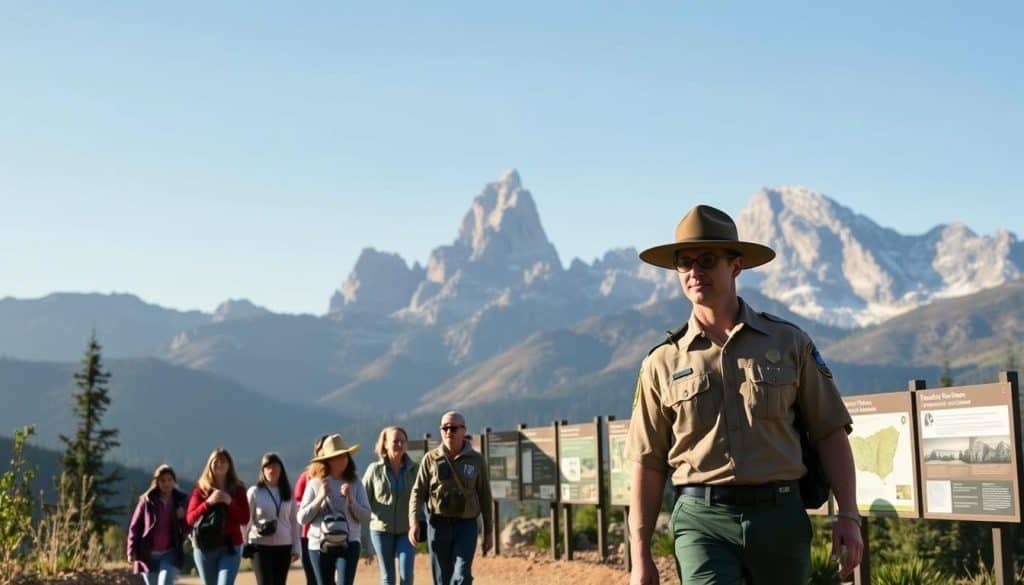
One of the most popular activities is the Lehman Caves tour. These guided walks take you through stunning underground formations, revealing the park’s geological history. Tours are tailored for different age groups, ensuring an engaging experience for all. Reservations are recommended, as spots fill up quickly.
For those fascinated by the night sky, the park’s astronomy programs are a must. With some of the darkest skies in the country, it’s the perfect place to learn about constellations and distant galaxies. Telescopes are provided, and rangers share fascinating facts about the cosmos.
Educational tours are also available for school groups. These programs align with science standards and offer hands-on learning opportunities. From exploring ancient bristlecone pines to studying the ecology of alpine lakes, students gain a deeper appreciation for nature.
Participating in these programs not only enhances your visit but also fosters a connection to the environment. As one visitor shared, “The guided tours opened my eyes to the beauty and complexity of this place. It’s an experience I’ll never forget.”
Plan your visit today and take advantage of these enriching opportunities. Whether you’re a first-time visitor or a seasoned explorer, the park’s guided programs promise unforgettable memories.
Planning Your Park Itinerary
Crafting the perfect itinerary for your visit ensures you don’t miss the park’s highlights. Whether you’re here for a quick day trip or a longer stay, thoughtful planning helps you make the most of your time. Consider your interests, physical ability, and the season to create a schedule that works for you.
One-Day Versus Multi-Day Options
A one-day visit is perfect for those short on time. Start with the Wheeler Peak Scenic Drive, stopping at overlooks for panoramic views. Add a short hike, like the 1.5-mile trail to the ancient bristlecone pines, and end with a guided tour of Lehman Caves. This approach lets you experience the park’s diversity in a compact timeframe.
For a multi-day trip, you can delve deeper into the park’s wonders. Spend a day hiking the Upper Lehman Creek Trail, which offers stunning views and a chance to connect with nature. Add stargazing under the dark skies or a longer hike, like the 7-mile Lehman Creek Trail, which gains over 2,000 feet in elevation. This extended stay allows you to explore at a relaxed pace.
Sample Itineraries
Here are two sample itineraries to inspire your planning:
- One-Day Itinerary: Scenic drive, short hike, and cave tour.
- Three-Day Itinerary: Day 1 – Scenic drive and short hikes; Day 2 – Longer hike and stargazing; Day 3 – Cave tour and leisurely exploration.
Practical Tips for Your Visit
Timing is key. Summer months are ideal for hiking, while fall offers cooler temperatures and fewer crowds. Check trail conditions and road closures, especially if you’re visiting in spring or early summer. Pack layers, as temperatures can vary significantly throughout the day.
Flexibility is your friend. While it’s great to have a plan, be open to spontaneous discoveries. Whether you’re marveling at ancient trees or soaking in the night sky, the park’s beauty lies in its surprises.
With these tips and sample itineraries, you’re ready to design a trip that fits your style. Whether you’re here for a day or a week, the park’s wonders await your exploration.
How to Get to Great Basin National Park
Planning your route to this remote destination is the first step to an unforgettable adventure. Whether you’re coming from Las Vegas or Salt Lake City, the journey offers stunning views and a chance to disconnect from the hustle and bustle of city life. Here’s everything you need to know to make your trip smooth and enjoyable.
Driving from Las Vegas
Starting from Las Vegas, the drive covers approximately 300 miles and takes about 4.5 hours. Take I-15 North to US-93 North, then merge onto NV-318 North. Follow signs to NV-487, which leads directly to the park. Along the way, you’ll pass through charming small towns and vast desert landscapes.
One highlight of this route is the scenic mountain views as you approach the park. Be sure to stop in the town of Baker for a quick break or to refuel, as services are limited once you enter the park.
Driving from Salt Lake City
From Salt Lake City, the drive is around 240 miles and takes roughly 4 hours. Take I-15 South to US-50 West, then follow signs to NV-487. This route takes you through the Great Basin Desert, offering a unique blend of arid landscapes and mountain vistas.
As you get closer to the park, the road winds through the Snake Range, providing breathtaking views of Wheeler Peak. This loop is a favorite among travelers for its dramatic scenery.
Tips for Navigating Remote Roads
Traveling to this destination requires some preparation. Here are a few tips to ensure a smooth journey:
- Fuel Up: Gas stations are sparse, so fill up in towns like Baker or Ely before entering the park.
- Check Road Conditions: Weather can change quickly, especially in higher elevations. Verify road closures or delays before you go.
- Pack Essentials: Bring water, snacks, and emergency supplies, as cell service is limited in remote areas.
The drive to this peaceful retreat is as rewarding as the destination itself. With careful planning and a sense of adventure, you’ll arrive ready to explore all that this stunning location has to offer.
Essential Gear and Preparation Tips
Proper preparation is the key to a successful outdoor adventure. Whether you’re hiking through rugged terrain or camping under the stars, having the right gear ensures you’re ready for anything. From unpredictable weather to high foot elevation, being equipped makes all the difference.
Hiking and Camping Checklist
When planning your trip, start with the basics. For hiking, sturdy boots with ankle support are a must, especially on uneven trails. Pack layers to adapt to changing weather, and don’t forget a hydration system. At higher foot elevation, the air is thinner, so staying hydrated is crucial.
For camping, bring a reliable tent, a warm sleeping bag, and a portable stove. Essentials like a headlamp, first-aid kit, and navigation tools can save the way in emergencies. If you’re hiking near a creek, water filtration systems are invaluable for safe drinking water.
Preparing for High Elevation and Weather
High foot elevation can bring challenges like altitude sickness. Symptoms include headaches and nausea, so acclimatize gradually. Check the forecast before heading out, as weather can change rapidly. Pack rain gear and sun protection to stay comfortable in any condition.
As one experienced hiker shared,
“Having the right gear turned a potentially rough trip into an unforgettable adventure.”
This advice highlights the importance of preparation.
Where to Shop and Safety Tips
For quality gear, visit stores like REI or check online retailers. Invest in durable items that will last multiple trips. Safety gear, such as a whistle and emergency blanket, should always be in your pack. If you’re exploring Utah’s national parks, check out the best hikes in Utah national parks for more tips.
With the right preparation, your adventure will be smooth and enjoyable. Pack smart, stay safe, and embrace the beauty of the outdoors.
Conclusion
Your adventure awaits in a place where nature’s wonders unfold at every turn. From scenic drives with breathtaking views to trails that wind through ancient pine forests, this destination offers something for everyone. Explore underground caves, marvel at the night sky, and discover the resilience of trees that have stood for thousands of years.
Whether you’re planning a quick getaway or an extended stay, the park’s diverse landscapes and high elevation trails promise unforgettable experiences. The peaceful solitude and unique activities make it a perfect escape from the everyday hustle.
Thank you for exploring this guide. We hope it inspires you to plan your own journey. Share your stories and tips with others, and let the world know about this hidden gem. Your next adventure is just a step away—embrace it with excitement and curiosity!
FAQ
What makes Great Basin National Park unique?
The park boasts diverse landscapes, including ancient bristlecone pines, Lehman Caves, and Wheeler Peak. Its remote location also offers some of the darkest skies in the U.S., perfect for stargazing.
Can I visit Lehman Caves without a tour?
No, access to Lehman Caves is only available through guided tours. Reservations are recommended, especially during peak seasons.
Is the Wheeler Peak Scenic Drive open year-round?
The drive is typically open from late spring to early fall, depending on weather conditions. Snow can close the road during winter months.
Are there family-friendly hiking trails in the park?
Yes, trails like the Bristlecone Pine Grove Trail and the Alpine Lakes Loop are great for families. They offer stunning views and manageable distances.
What’s the best time to visit for stargazing?
Summer and fall are ideal for stargazing due to clear skies. The park hosts annual astronomy events, but any clear night offers incredible views.
Are there campgrounds inside the park?
Yes, there are several campgrounds, including Upper Lehman Creek and Baker Creek. Some are first-come, first-served, while others accept reservations.
What should I pack for a day trip?
Bring layers, sturdy footwear, water, snacks, and a map. Sunscreen and a hat are also essential, especially for hikes and scenic drives.
How do I get to the park from Las Vegas?
The drive from Las Vegas takes about 4.5 hours via US-93 North and NV-487. It’s a scenic route with plenty of stops along the way.
Are pets allowed on trails or in caves?
Pets are not allowed on trails, in caves, or in the backcountry. They are permitted in campgrounds and along paved roads but must be leashed.
Can I see bristlecone pines on a short hike?
Yes, the Bristlecone Pine Grove Trail is a short, 2.8-mile round trip hike that takes you through groves of these ancient trees.