
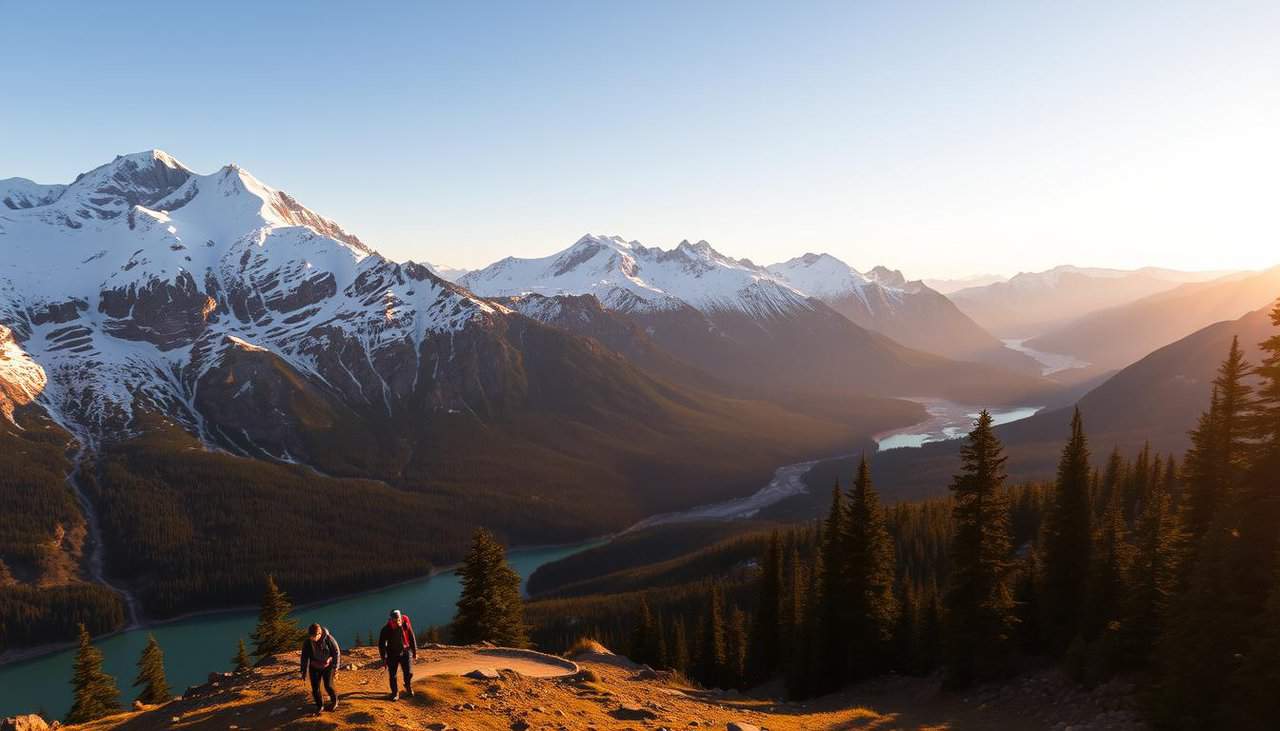
Did you know that over 3 million people visit this iconic destination every year? With its breathtaking landscapes and endless adventures, it’s no wonder this park is a top choice for nature lovers. From towering peaks to crystal-clear lakes, the park offers a mix of activities that cater to every type of traveler.
Whether you’re hiking through lush trails, cruising along the famous Going-to-the-Sun Road, or exploring hidden gems, there’s something for everyone. Planning is key, especially for popular spots like Logan Pass, where reservations are often required. This guide will help you uncover the best experiences, from scenic drives to thrilling water activities.
With its diverse wildlife and stunning views, this park promises unforgettable memories. Ready to dive into the adventure? Let’s explore what makes this destination so special.
Key Takeaways
- Discover a mix of hiking, scenic drives, and water activities.
- Plan ahead for reservations on the Going-to-the-Sun Road.
- Explore both popular landmarks and hidden gems.
- Enjoy tips to maximize your visit and make the most of your trip.
- Experience the park’s diverse beauty and wildlife up close.
Introduction to Glacier National Park Adventures
With over 1 million acres of pristine wilderness, this destination offers endless exploration opportunities. Spanning rugged mountains, lush forests, and shimmering lakes, the park is a playground for adventurers of all kinds. Whether you’re hiking, driving, or simply soaking in the views, there’s something here for everyone.
The park’s diverse terrains include over 700 miles of trails, perfect for hikers of all skill levels. From short, family-friendly paths to challenging backcountry routes, the options are endless. Going-to-the-Sun Road, a 50-mile scenic drive, is a must-see, offering panoramic views of the park’s most iconic landmarks.
Before your trip, it’s essential to check seasonal alerts and park conditions. Weather can change quickly, and some areas may close due to snow or maintenance. Planning ahead ensures a smooth and enjoyable experience.
Here’s a quick overview of what makes this park so special:
| Feature | Details |
|---|---|
| Size | 1,013,322 acres |
| Trails | Over 700 miles |
| Iconic Drive | Going-to-the-Sun Road (50 miles) |
| Best Time to Visit | August (all features accessible) |
For a memorable trip, pack layers, sturdy footwear, and plenty of water. Local advice can also help you discover hidden gems and avoid crowds. With proper preparation, your adventure here will be unforgettable.
Exploring Glacier National Park’s Iconic Attractions
Glacier National Park is home to some of the most iconic natural wonders in the United States. From towering peaks to serene lakes, the park’s attractions are a must-see for any traveler. Whether you’re a first-time visitor or a seasoned explorer, these landmarks will leave you in awe.
Famous Landmarks and Scenic Viewpoints
One of the park’s most famous landmarks is Grinnell Glacier, a stunning ice formation that offers breathtaking views. The hike to this glacier is challenging but rewarding, with panoramic vistas along the way. Another must-see is the Hidden Lake Overlook, a short trail that leads to a viewpoint overlooking a pristine alpine lake.
For those who prefer scenic drives, the Going-to-the-Sun Road is a highlight. This 50-mile route winds through the park, offering access to some of the best viewpoints. Logan Pass, the highest point on the road, is a great spot for wildlife spotting and photography.
Must-See Natural Wonders
The park is also known for its crystal-clear lakes, such as Lake McDonald and Saint Mary Lake. These lakes are perfect for kayaking, paddleboarding, or simply soaking in the views. For a more secluded experience, head to Bowman Lake, a hidden gem surrounded by rugged peaks.
Don’t forget to explore the park’s diverse wildlife. Keep an eye out for mountain goats, bighorn sheep, and even grizzly bears. Early mornings and late afternoons are the best times for spotting animals in their natural habitat.
With so many iconic attractions, the park offers endless opportunities for adventure and discovery. Plan your visit carefully to make the most of your time in this natural wonderland.
Hiking Trails and Natural Wonders
From serene lakes to challenging peaks, the hiking options here cater to every adventurer. Whether you’re looking for a leisurely stroll or a rigorous climb, the trails offer something for everyone. Let’s dive into some of the most popular routes and hidden gems.
Avalanche Lake and Trail of the Cedars
The Trail of the Cedars is a perfect starting point for beginners. This easy, wheelchair-accessible path winds through a lush forest of ancient cedars. It connects to the Avalanche Lake Trail, a 5.9-mile round-trip hike with a moderate elevation gain of 757 feet.
As you hike, you’ll be rewarded with stunning views of cascading waterfalls and the pristine Avalanche Lake. The trail is well-maintained, making it a great choice for families or those new to hiking.
Grinnell Glacier and Hidden Overlook Trails
For more experienced hikers, the Grinnell Glacier Trail is a must. This challenging 11.6-mile round-trip hike offers breathtaking views of glaciers and alpine meadows. The elevation gain of over 1,600 feet makes it a rewarding but strenuous adventure.
Another gem is the Hidden Overlook Trail, a 5.3-mile hike with an elevation gain of 1,325 feet. The trail leads to a panoramic viewpoint overlooking a crystal-clear alpine lake. It’s a great spot for photography and wildlife spotting.
Suggestions for All Skill Levels
Choosing the right trail depends on your skill level and time available. Here are some tips:
- Beginners: Stick to shorter trails like the Trail of the Cedars or Avalanche Lake.
- Intermediate: Try the Hidden Overlook Trail for a mix of challenge and reward.
- Advanced: Tackle the Grinnell Glacier Trail for a full-day adventure.
Always pack layers, sturdy footwear, and plenty of water. Check trail conditions before heading out, especially in west glacier areas where weather can change quickly.
With so many options, you’re sure to find a trail that matches your pace and interests. Happy hiking!
Things To Do At Glacier National Park
Glacier National Park is a treasure trove of outdoor adventures for every type of traveler. From scenic hikes to serene lakes, the park offers a wide range of activities that cater to all interests and skill levels. Whether you’re a seasoned adventurer or a first-time visitor, there’s something here for everyone.
One of the most popular activities is hiking, with over 700 miles of trails to explore. From easy walks like the Trail of the Cedars to challenging routes like the Grinnell Glacier Trail, there’s a path for every level. For those who prefer water activities, kayaking on Lake McDonald or paddleboarding on Saint Mary Lake are unforgettable experiences.
Planning ahead is key to making the most of your visit. Reservations are required for the Going-to-the-Sun Road, and some trails may have seasonal closures. Always check park alerts and pack essentials like water, layers, and sturdy footwear. Safety is a priority, especially when exploring remote areas or encountering wildlife.
Here’s a quick overview of the activities you can enjoy:
| Activity | Details |
|---|---|
| Hiking | Over 700 miles of trails |
| Boating | Kayaking, paddleboarding, and scenic cruises |
| Scenic Drives | Going-to-the-Sun Road and other routes |
| Wildlife Viewing | Mountain goats, bighorn sheep, and more |
Don’t limit yourself to the well-known spots. Hidden gems like Bowman Lake and Apikuni Falls offer quieter, equally stunning experiences. Whether you’re here for a day or a week, the park’s diverse beauty will leave you in awe.
Scenic Drives: Experience the Going-to-the-Sun Road
The Going-to-the-Sun Road is a bucket-list drive for nature enthusiasts. Spanning 50 miles, this iconic route takes you through some of the most breathtaking landscapes in the country. From towering peaks to serene valleys, every turn offers a new perspective. Planning ahead ensures a smooth and enjoyable journey.
Planning Your Drive and Reservations
Reservations are essential for driving the Going-to-the-Sun Road during peak season (May 24 to September 8, 2024). About 50% of passes are released four months in advance, with “Next Day” passes available nightly at 7 p.m. Arrive early to secure parking at Logan Pass, as the lot fills up by 9:30 a.m.
Check park alerts before your trip. Weather can change quickly, especially at higher elevations. Temperatures at Logan Pass are often 10 degrees cooler than lower areas, so dress in layers. The 33-mile stretch between Lake McDonald and Rising Sun Motor Inn has no services, so pack snacks and water.
Breathtaking Overlooks Along the Route
The drive is dotted with scenic overlooks perfect for photos and wildlife spotting. Logan Pass, the highest point, offers panoramic views and a chance to see mountain goats and bighorn sheep. Other must-see stops include:
| Stop | Highlights |
|---|---|
| Lake McDonald | Crystal-clear waters and mountain reflections |
| Hidden Lake Overlook | Stunning alpine views and wildlife |
| Goat Lick Overlook | Chance to see mountain goats up close |
For a quieter experience, consider the North Fork Road or Looking Glass Highway. These routes offer equally stunning views with fewer crowds. Remember to drive safely, especially on narrow sections of the road.
Whether you’re here for the views or the adventure, the Going-to-the-Sun Road is a must-experience part of your trip. Plan well, and you’ll create memories that last a lifetime.
Water Activities and Boating Adventures
The sparkling waters of this iconic destination offer a unique way to experience its natural beauty. From serene lakes to rushing rivers, there’s no shortage of ways to enjoy the water. Whether you’re gliding across a calm lake or navigating thrilling rapids, these activities provide a fresh perspective on the landscape.
Boat Tours and Scenic Cruises
One of the best ways to explore is by joining a guided boat tour. Lake McDonald is a popular spot for scenic cruises, offering stunning views of the surrounding mountains. The historic vessel DeSmet operates here, providing a blend of history and nature.
For a more intimate experience, consider a private cruise. These tours often include insights into the area’s ecology and history. Reservations are recommended, especially during peak season.
Kayaking, Rafting, and SUP Options
If you prefer a hands-on adventure, kayaking and paddleboarding are excellent choices. Flathead Lake, the largest freshwater lake in the west, is perfect for these activities. Its calm waters are ideal for beginners, while the surrounding scenery is breathtaking.
For thrill-seekers, rafting on the Middle Fork of the Flathead River is a must. This river offers a mix of calm sections and challenging rapids, catering to all skill levels. Always check safety guidelines and wear proper gear.
Here are some tips to make the most of your water adventures:
- Permits: Obtain necessary permits for boating within the park.
- Safety: Wear life jackets and check weather conditions before heading out.
- Timing: Early mornings and late afternoons are ideal for fewer crowds and calmer waters.
Whether you’re cruising, paddling, or rafting, these water activities offer unforgettable memories. Plan ahead, and you’ll discover a whole new side of this stunning destination.
Camping and Backcountry Exploration
Exploring the backcountry is an unforgettable way to experience the park’s raw beauty. From established campgrounds to remote sites, there’s a camping option for every adventurer. Whether you’re a seasoned backpacker or a first-time camper, the national park offers a unique opportunity to connect with nature.
Finding the Perfect Campsite
Choosing the right campsite depends on your preferences and skill level. Frontcountry campgrounds like Apgar and Many Glacier provide amenities such as restrooms and picnic tables. For a more rugged experience, backcountry sites offer solitude and stunning views. Here’s a quick checklist to help you decide:
- Location: Proximity to trails, water sources, and scenic views.
- Amenities: Availability of restrooms, bear-proof storage, and fire pits.
- Accessibility: Ease of reaching the site, especially for beginners.
Backcountry camping requires a permit, which can be reserved online or obtained as a walk-in. Permits are limited, so plan ahead to secure your spot. Always check weather conditions and trail updates before heading out.
Essential Gear and Safety Tips
Packing the right gear is crucial for a safe and enjoyable trip. Here’s what you’ll need:
- Shelter: A sturdy tent and sleeping bag rated for the season.
- Food Storage: Bear-proof containers or hanging systems to protect your supplies.
- Navigation: Maps, a compass, or a GPS device to stay on track.
Safety is a top priority, especially in bear country. Maintain a distance of 25 yards from wildlife and 100 yards from bears. Store food securely and follow all park regulations to avoid fines.
Local Supplies and Immersive Experiences
If you need camping gear or supplies, local stores near the park offer everything from tents to trail snacks. Supporting these businesses also helps the local community.
Camping in the national park is more than just a place to sleep—it’s a chance to immerse yourself in nature. Wake up to the sound of birdsong, walk along pristine trails, and stargaze under clear skies. Whether you’re here for a night or a week, the experience will leave you refreshed and inspired.
Guided Tours and Ranger-Led Programs
Discover the hidden stories of the wilderness with guided tours and ranger-led programs. These experiences offer a deeper understanding of the park’s history, ecology, and natural wonders. Whether you’re joining a nature walk or a boat tour, expert guides provide unique insights that enrich your visit.
Insightful Nature Walks and Educational Talks
Ranger-led programs are a fantastic way to explore the park’s diverse ecosystems. From easy nature walks to all-day hikes, these activities cater to all skill levels. Programs like the Changing Landscapes tour focus on climate change, while the Earth Science Hike delves into geology and natural history.
For younger visitors, K-2 programs feature short hikes under one mile, while grades 3-5 explore trails up to three miles. These educational talks are designed to inspire curiosity and a love for nature.
Customized Group Tours and Private Guides
If you prefer a personalized experience, private guides offer tailored tours that match your interests. These experts provide in-depth knowledge about the park’s flora, fauna, and cultural history. Customized group tours are perfect for families, schools, or special events.
Here’s a quick overview of popular tour options:
| Tour Type | Highlights |
|---|---|
| Ranger-Led Walks | Educational talks, short hikes, and wildlife spotting |
| Guided Boat Tours | Scenic cruises with historical and ecological insights |
| Private Tours | Customized itineraries and expert guidance |
To make the most of your experience, book tours in advance and check for seasonal availability. These guided adventures ensure a memorable and educational visit to this iconic destination.
Family-Friendly Outdoor Adventures
Exploring the great outdoors with your family can create memories that last a lifetime. This iconic destination offers a variety of activities designed to engage visitors of all ages. From easy hikes to interactive programs, there’s something for everyone to enjoy.

Accessible Trails and Kid-Friendly Hikes
For families with young children, the Laurel Falls Trail is a perfect choice. This 2.5-mile roundtrip hike is paved and easy to navigate, making it ideal for little legs. Along the way, you’ll encounter scenic views and even the chance to spot wildlife like deer.
Another great option is the Ridgeline Nature Loop, a 1-mile trail that complies with accessibility guidelines. It’s suitable for kids of all ages and abilities, offering a safe and enjoyable experience for the whole family.
Interactive Park Programs for All Ages
The park also offers a range of ranger-led programs designed to educate and entertain. From nature walks to storytelling sessions, these activities provide a deeper understanding of the national park’s ecosystem. Programs like Changing Landscapes focus on climate change, making learning fun and interactive.
For younger visitors, K-2 programs feature short hikes and hands-on activities. These programs are tailored to spark curiosity and foster a love for nature in children.
Here are some tips to make your family adventure stress-free:
- Pack Essentials: Bring water, snacks, sunscreen, and layers for changing weather.
- Plan Ahead: Check trail conditions and program schedules before your visit.
- Safety First: Teach kids to stay on the trail and respect wildlife.
With so many family-friendly options, your visit to this national treasure will be both fun and educational. Start planning your adventure today!
Local Dining, Breweries, and Cultural Experiences
Montana’s culinary scene is as vast and diverse as its landscapes. From hearty comfort food to handcrafted brews, the area offers a feast for the senses. Whether you’re a visitor or a local, these experiences provide a taste of the region’s rich culture and traditions.
Unique Eateries and Must-Try Local Dishes
For a true taste of Montana, stop by North Fork Pizza. Known for its wood-fired pies, this spot is a favorite among locals and travelers alike. Another gem is the Gunsight Saloon, where you can enjoy classic American fare with a rustic twist.
Don’t miss the chance to try dishes made with locally sourced ingredients. From Flathead cherries to fresh trout, the flavors here are as authentic as the scenery. These eateries not only satisfy your hunger but also connect you to the region’s agricultural roots.
Microbreweries, Distilleries, and Artisans
Beer enthusiasts will love exploring the local microbreweries. Backslope Brewing is a standout, offering a variety of craft beers brewed with Montana-grown ingredients. Their Cold Smoke® Scotch Ale is a must-try for any visitor.
For a deeper dive into local culture, visit the Columbia Falls Community Market. Open Thursday nights from May to September, it’s a hub for artisans and food vendors. Here, you’ll find everything from handmade crafts to farm-fresh produce.
If you’re looking for more activities outside the park, check out Under Canvas Glacier. It’s a great way to explore the area’s natural beauty and local charm.
Off-the-Beaten-Path Hidden Gems
Beyond the well-trodden paths lies a world of untouched beauty waiting to be discovered. While the park’s iconic landmarks draw crowds, quieter trails and secret viewpoints offer a chance to experience its magic in solitude. These hidden gems are perfect for explorers seeking unique photo opportunities and a deeper connection with nature.
Secret Viewpoints and Lesser-Known Trails
For a truly unforgettable experience, venture to Apikuni Falls. This short but rewarding hike leads to a stunning waterfall surrounded by lush greenery. It’s a peaceful spot, often overlooked by visitors, making it ideal for quiet reflection.
Another hidden treasure is the Pitamakan-Dawson Loop. This challenging trail offers panoramic views of the park’s rugged peaks and alpine meadows. The solitude here is unmatched, allowing you to immerse yourself in the natural beauty without distractions.
If you’re looking for a serene escape, head to Bowman Lake. Tucked away in the park’s northwest corner, this tranquil lake is perfect for kayaking or simply soaking in the views. The journey to get there is an adventure in itself, with fewer crowds and more wildlife sightings.
“The quieter trails are where you truly find the soul of the park. It’s a place to breathe, reflect, and connect.”
Insider Tips for Finding Hidden Gems
To uncover these secret spots, consider visiting during the shoulder seasons. Spring and fall offer fewer crowds and a chance to experience the park’s beauty in a more intimate setting. Early mornings and late afternoons are also ideal for avoiding peak visitor times.
Here’s a quick guide to some of the best hidden gems:
| Spot | Highlights |
|---|---|
| Apikuni Falls | Secluded waterfall, short hike |
| Pitamakan-Dawson Loop | Panoramic views, challenging trail |
| Bowman Lake | Tranquil lake, kayaking opportunities |
Exploring these lesser-known areas not only offers solitude but also increases your chances of encountering wildlife. Keep your camera ready for unexpected moments with mountain goats, bighorn sheep, or even a grazing moose.
For more tips on planning your visit, check out the best time to visit Montana’s national parks. Whether you’re a seasoned adventurer or a first-time visitor, these hidden gems promise an unforgettable experience.
Essential Tips for a Successful Glacier Trip
Planning a trip to this breathtaking destination requires careful preparation to make the most of your adventure. From packing the right gear to securing reservations, these tips will help ensure a smooth and enjoyable experience.
Packing, Food, and Safety Essentials
Packing smart is the first step to a successful trip. Here’s a checklist to help you prepare:
- Clothing: Dress in layers to adapt to changing weather. Include a waterproof jacket and sturdy hiking boots.
- Food and Water: Pack high-energy snacks like nuts and granola bars. Carry at least 2 liters of water per person daily.
- Safety Gear: Bring a first-aid kit, bear spray, and a map or GPS device. Always stay on marked trails.
For activities like kayaking or boat tours, ensure you have a life jacket and waterproof bags for your belongings. Safety should always be a priority.
Reservations, Alerts, and Local Advice
Securing reservations early is crucial, especially for popular spots like the Going-to-the-Sun Road. Here’s how to plan:
- Book Early: Reserve permits and campsites months in advance. Check the park’s official website for updates.
- Check Alerts: Visit the visitor’s center or website for trail conditions and weather alerts. This helps avoid unexpected closures.
- Local Insights: Talk to rangers or locals for tips on hidden gems and less crowded areas.
Remember, flexibility is key. Weather can change quickly, so have backup plans for your activities.
“Preparation is the foundation of a great adventure. Take the time to plan, and you’ll reap the rewards of a seamless trip.”
By following these tips, you’ll be ready to explore this stunning destination with confidence. Whether you’re hiking, boating, or simply soaking in the views, preparation ensures a memorable and safe experience.
Conclusion
Exploring this iconic destination offers endless opportunities for adventure and discovery. From scenic hikes to serene lakes, there’s something for everyone to enjoy. Whether you’re cruising along the Going-to-the-Sun Road or paddling on crystal-clear waters, the experiences here are unforgettable.
Preparation is key to making the most of your visit. Secure reservations early, especially for popular spots, and pack essentials like layers, sturdy footwear, and water. Planning ahead ensures a smooth and rewarding trip.
Share your own experiences and tips with fellow travelers. Early bookings and careful planning will help you uncover the magic of this breathtaking destination. Start your adventure today and create memories that will last a lifetime.
FAQ
What are the must-see attractions in Glacier National Park?
Don’t miss iconic spots like Logan Pass, Lake McDonald, and the Grinnell Glacier. The Going-to-the-Sun Road offers stunning views and access to many landmarks.
Are there family-friendly activities in the park?
Absolutely! Try easy hikes like Trail of the Cedars or join ranger-led programs designed for kids. Boat tours on Lake McDonald are also a hit with families.
What’s the best way to explore the Going-to-the-Sun Road?
Drive early to avoid crowds and secure parking. Stop at overlooks like Big Bend and Jackson Glacier for breathtaking photo opportunities.
Can I go kayaking or rafting in the park?
Yes! Kayaking and rafting are popular on Lake McDonald and the Flathead River. Guided tours are available for beginners and experienced adventurers alike.
Are there camping options for beginners?
Many campgrounds, like Apgar and Many Glacier, are beginner-friendly. Reserve early, especially during peak season, to secure your spot.
What should I pack for a day hike?
Bring water, snacks, sunscreen, and layers for changing weather. Sturdy footwear and a trail map are essential for a safe and enjoyable hike.
Are there guided tours available?
Yes! Join ranger-led nature walks or book private tours for a more personalized experience. These tours offer insights into the park’s history and wildlife.
Where can I find local dining near the park?
West Glacier has great options like the Belton Chalet. For a unique experience, try local breweries and eateries offering Montana-inspired dishes.
Are there hidden gems in the park?
Explore lesser-known trails like the Iceberg Lake Trail or visit quieter spots like Two Medicine Lake for a peaceful escape from the crowds.
Do I need reservations for park activities?
Yes, especially for the Going-to-the-Sun Road and popular campgrounds. Check the park’s website for updates and book early to avoid disappointment.