
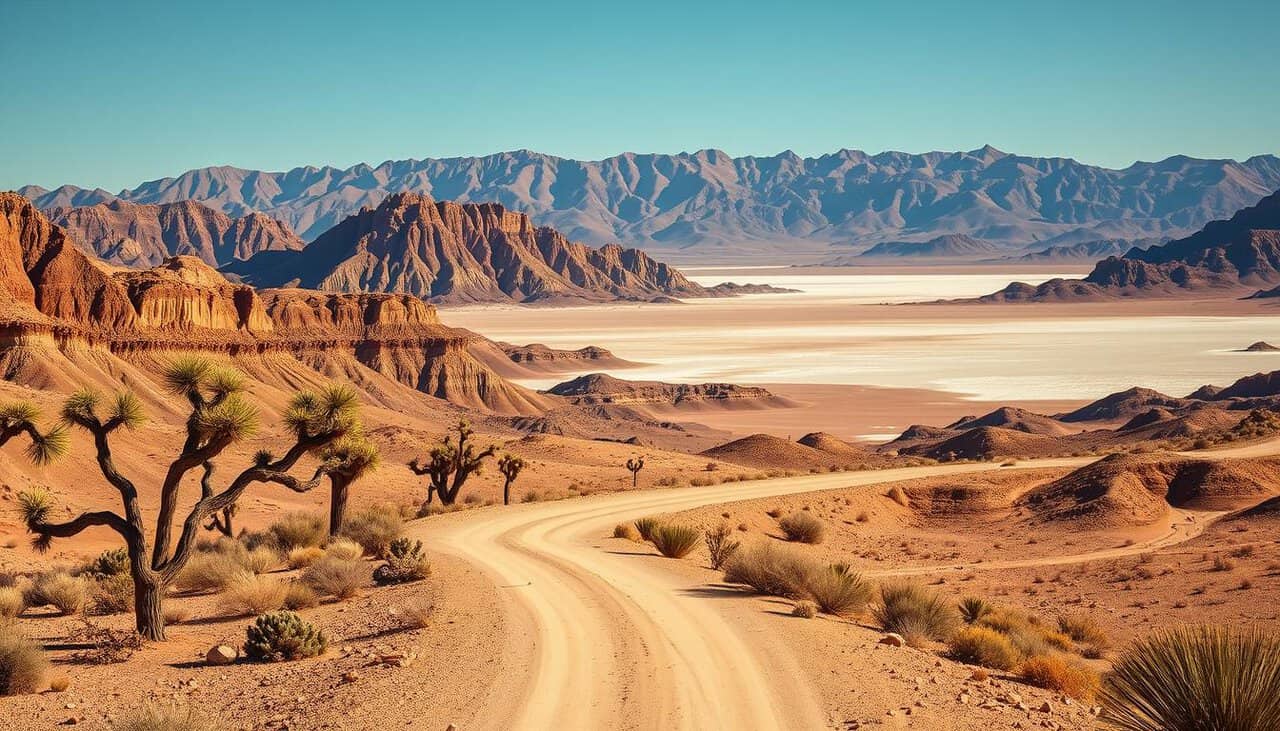
Did you know that Death Valley holds the record for the hottest temperature ever recorded on Earth? In 1913, the mercury soared to a scorching 134°F, making it a place of extremes. But this iconic destination is far more than just a land of heat and desolation. It’s a surreal wonderland filled with salt flats, towering mountains, and shifting sand dunes that inspire awe at every turn.
From the mysterious sailing stones to the vibrant colors of Artist’s Palette, the park offers a unique blend of natural wonders. Visitors can explore the lowest point in North America at Badwater Basin or marvel at the dramatic canyons carved by time. Whether you’re hiking, stargazing, or simply soaking in the views, Death Valley promises unforgettable experiences.
This vast landscape, spanning over 3.3 million acres, is a testament to nature’s raw beauty. Its extremes—both in temperature and elevation—create a one-of-a-kind environment that leaves every visitor in awe. Ready to discover more? Let’s dive into what makes this park a must-visit destination.
Key Takeaways
- Death Valley is the hottest and driest place in the U.S., with record-breaking temperatures.
- Explore Badwater Basin, the lowest point in North America at 282 feet below sea level.
- Witness the vibrant colors of Artist’s Palette, best seen at sunrise or sunset.
- Discover the mysterious sailing stones at Racetrack Playa.
- Enjoy stargazing in this International Dark Sky Park.
- Hike through dramatic canyons and towering sand dunes.
- Visit during spring for the chance to see wildflower superblooms.
Introduction to Death Valley National Park
Spanning over 3.4 million acres, this park is a land of extremes and wonders. It’s not just the hottest and driest place in the U.S.; it’s also the largest national park in the continental United States. From towering sand dunes to rugged mountains, the terrain here is as diverse as it is breathtaking.
This valley is a place of contrasts. It holds the record for the highest temperature ever recorded on Earth, yet it’s also home to snow-capped peaks. The park’s unique rock formations, like the vibrant Artist’s Palette, showcase nature’s artistry. Its historic significance and natural phenomena make it a standout destination.
Quick Park Overview
Here’s what makes this park truly special:
- It’s the largest national park in the lower 48 states, covering 3.4 million acres.
- Features include salt flats, canyons, and the iconic Eureka Sand Dunes.
- It’s home to Badwater Basin, the lowest point in North America at 282 feet below sea level.
Why Visit This Park?
This valley offers experiences you won’t find anywhere else. Whether you’re marveling at the mysterious sailing stones or stargazing under its dark skies, every moment here is unforgettable. Its extreme conditions and unique landscapes make it a must-visit for nature lovers and adventurers alike.
Things To Do At Death Valley National Park
Discover the endless adventures waiting in this vast desert landscape. From scenic drives to challenging hikes, every road leads to a new discovery. The rugged terrain enhances the experience, offering a mix of thrill and serenity.
Explore iconic sites like Badwater Basin, the lowest point in North America. Hike through Golden Canyon or marvel at the colorful hills along Artist’s Drive. Each activity is designed to immerse you in the extreme beauty of this unique environment.
Off-road enthusiasts will love the thrill of navigating unpaved routes. Whether you’re driving to Racetrack Playa or exploring remote backcountry, the adventure never ends. Planning your route is key to uncovering hidden gems and making the most of your visit.
Every corner of this valley offers something unforgettable. From stargazing under dark skies to witnessing mysterious natural phenomena, the experiences here are one-of-a-kind. Pack your sense of adventure and get ready to explore.
Exploring Iconic Destinations – Badwater Basin & Zabriskie Point
Experience the stark contrasts of nature at Badwater Basin and Zabriskie Point. These two destinations offer a glimpse into the park’s diverse landscapes, from salt flats to panoramic vistas. Each location tells a story of geological history and natural beauty.
Discovering Badwater Basin
At 282 feet below sea level, Badwater Basin is the lowest point in North America. Its vast salt flats stretch endlessly, creating a surreal, otherworldly landscape. The hexagonal salt formations are a testament to the passage of time and the forces of nature.
Visitors often spend about 45 minutes here, walking on the salt flats and capturing the unique textures. Sunset is a particularly magical time, as the light transforms the basin into a golden expanse. It’s a must-see for photographers and nature enthusiasts alike.
Capturing Views at Zabriskie Point
Zabriskie Point offers a completely different perspective. This viewpoint overlooks the eroded badlands, with their intricate patterns and vibrant colors. The sweeping views of the horizon make it a favorite spot for sunrise and sunset.
Many visitors spend around 30 minutes here, soaking in the dramatic scenery. The contrast between the rugged badlands and the vast sky creates a sense of timelessness. It’s a place where you can truly feel the power of nature.
Together, Badwater Basin and Zabriskie Point showcase the park’s extremes. From the lowest point to breathtaking heights, these destinations highlight the beauty and diversity of this unique landscape. Whether you’re exploring the salt flats or gazing at the badlands, you’ll leave with unforgettable memories.
Scenic Drives and Unique Landscapes
The roads of this desert wonderland offer more than just a journey; they reveal a story of time and nature. Each route is a gateway to breathtaking views and hidden treasures. Whether you’re cruising through colorful hills or winding through ancient canyons, the experience is unforgettable.
Artist’s Drive Highlights
Artist’s Drive is a 9-mile one-way road that showcases nature’s artistry. The hills here are painted in vibrant shades of red, green, and purple, created by mineral deposits over millions of years. The most famous stop, Artist’s Palette, is a must-see for photographers and nature lovers.
Plan to spend about 30 minutes on this drive, including stops for photos. The best time to visit is late afternoon when the sunlight enhances the colors. This route is perfect for those who want to experience the desert’s beauty from the comfort of their car.
Touring Twenty Mule Team Canyon
Twenty Mule Team Canyon offers a unique journey through the area’s mining history. This short, unpaved drive takes you through narrow canyons and past remnants of borax mining operations. The rugged terrain and dramatic rock formations make it a favorite for adventurers.
The drive is easy to navigate in most vehicles, but high clearance is recommended for the best experience. Take your time to explore the area and imagine the lives of the miners who once worked here. It’s a fascinating glimpse into the past.
| Drive | Length | Highlights |
|---|---|---|
| Artist’s Drive | 9 miles | Vibrant rock formations, Artist’s Palette |
| Twenty Mule Team Canyon | 2.7 miles | Mining history, rugged terrain |
These scenic drives are more than just routes; they’re experiences that connect you to the land’s history and beauty. For more inspiration on exploring this national treasure, check out this guide to scenic drives.
Unforgettable Hiking Experiences
The Golden Canyon and Gower Gulch Loop is a hiker’s dream, blending intimate trails with vast panoramas. This moderate hike takes you through golden rock formations and scenic valleys, offering a mix of geological wonders and breathtaking mountain views. It’s a journey that rivals the iconic Zabriskie Point in its beauty and diversity.
As you start the trail, you’ll walk through narrow canyons with towering walls of golden rock. The path gradually opens up to reveal expansive views of the surrounding landscape. Along the way, you’ll encounter unique geological formations that tell the story of millions of years of natural history.
What makes this hike special is its accessibility. The trail’s gradual progression allows for moments of rest and plenty of photo opportunities. Whether you’re an experienced hiker or a beginner, the Golden Canyon and Gower Gulch Loop offers something for everyone.
- Explore golden rock formations and scenic valleys.
- Enjoy both intimate canyon walks and expansive mountain vistas.
- Take in the trail’s gradual progression, perfect for all skill levels.
- Discover new natural highlights with every step.
This hike is more than just a trail; it’s an experience that connects you to the raw beauty of the desert. From the golden canyons to the sweeping views, every moment on this loop is unforgettable.
Adventurous Off-Road Excursions
For those seeking adventure, off-road excursions provide an unforgettable way to experience the park’s remote beauty. The rugged terrain and bumpy roads demand high-clearance vehicles, making these journeys both thrilling and challenging. Whether you’re navigating sandy expanses or rocky paths, the adventure is worth every bump along the way.
Tips for High Clearance Vehicles
Choosing the right vehicle is crucial for off-road adventures. High-clearance vehicles, like Jeeps or trucks, are designed to handle rough terrain. Before hitting the road, ensure your vehicle is in top condition. Check the tires, brakes, and suspension to avoid breakdowns in remote areas.
Pre-trip planning is equally important. Research the routes and check weather conditions. Pack essentials like water, snacks, and a first-aid kit. Staying prepared ensures a safe and enjoyable journey.
Driving on unpaved roads through vast, sandy stretches is an exhilarating experience. The feeling of freedom as you explore untouched landscapes is unmatched. Always drive cautiously, especially on loose sand or steep inclines.
Safety should be your top priority. Stick to designated trails and avoid risky maneuvers. Let someone know your route and expected return time. These precautions ensure you can fully enjoy the breathtaking views and true desert experience.
Mysterious Natural Formations in Death Valley
Step into a world where time and erosion have sculpted the land into breathtaking natural wonders. The desert landscape is dotted with surreal rock formations that defy expectations. These geological marvels are the result of millions of years of wind, water, and weathering, creating shapes that seem almost otherworldly.
One of the most fascinating aspects of these formations is their unpredictability. Each hike or trail leads to new discoveries, from towering spires to delicate arches. The sense of exploration is unparalleled, as every turn reveals something unexpected. It’s a paradise for inquisitive explorers and nature lovers alike.
Natural erosion plays a key role in shaping these wonders. Over time, softer rock layers wear away, leaving behind the harder, more resistant structures. This process creates intricate patterns and textures that are a testament to the power of nature. The result is a landscape that feels both ancient and alive.
- Discover surreal rock formations shaped by wind and water.
- Embark on a hike to uncover hidden natural sculptures.
- Experience the thrill of exploration on every trail.
- Marvel at the intricate patterns created by erosion.
- Find a deeper connection to the raw beauty of the desert.
These unique features offer a magical insight into the forces that shape our planet. Whether you’re a seasoned adventurer or a curious traveler, the mysterious formations here are sure to leave you in awe. It’s a reminder that even in the harshest environments, nature creates extraordinary things.
A Journey into Volcanic Landscapes
Journey into the heart of ancient volcanic activity at Ubehebe Crater. This dramatic landmark offers a fascinating glimpse into the park’s fiery past. Formed around 2,100 years ago, the crater’s massive size and charred surroundings tell a story of explosive forces and natural transformation.
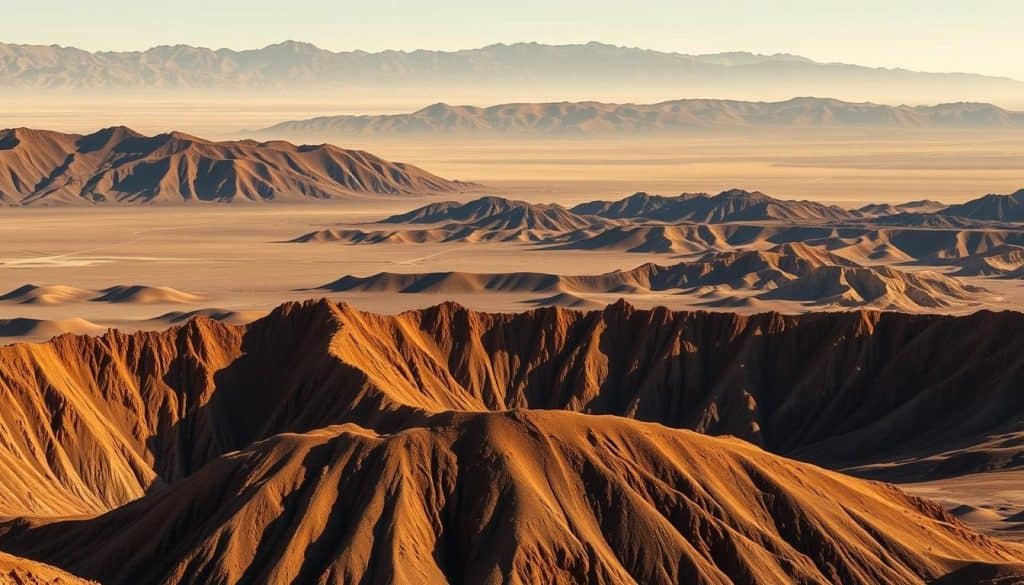
Ubehebe Crater stretches half a mile across and plunges 600 feet deep. Its rugged rim and stark landscape create a surreal atmosphere. The surrounding area, shaped by volcanic ash and erosion, feels otherworldly. It’s a must-visit for anyone exploring the park’s diverse geology.
Hiking Along the Rim
One of the best ways to experience Ubehebe Crater is by hiking along its rim. The trail offers panoramic views of the crater and the surrounding desert. The hike is moderate, making it accessible for most visitors. Along the way, you’ll see unique rock formations and evidence of ancient volcanic activity.
For a more immersive experience, consider visiting during the cooler parts of the day. Early mornings or late afternoons provide the best lighting for photography. The contrast between the crater’s dark interior and the bright desert sky is breathtaking.
“Standing on the rim of Ubehebe Crater feels like stepping onto another planet. The raw power of nature is palpable.”
This volcanic landscape is not just visually stunning; it’s also educational. Interpretive signs along the trail explain the crater’s formation and its role in the park’s geological history. It’s a perfect spot for families and curious explorers alike.
Ubehebe Crater connects visitors to the earth’s raw history. Its dramatic presence reminds us of the powerful forces that shape our planet. Whether you’re hiking, photographing, or simply soaking in the views, this volcanic wonder is unforgettable.
Experiencing the Unique Sand Dunes
Step onto the soft, golden sands of Mesquite Flat and feel the desert’s timeless allure. These expansive dunes are a playground for explorers and photographers alike. Their undulating shapes stretch endlessly, creating a landscape that feels both serene and dynamic.
Walking or sandboarding on these shifting dunes is an experience like no other. The soft sand beneath your feet and the endless horizon ahead create a sense of freedom. As the light changes throughout the day, so do the textures and patterns of the dunes, offering endless opportunities for stunning photos.
Mesquite Flat Sand Dunes Adventure
The dunes’ vast area is juxtaposed against rugged mountain backdrops, creating a striking contrast. This unique combination makes Mesquite Flat a must-visit spot. Whether you’re seeking adventure or simply want to relax, the dunes provide the perfect setting.
One of the most fascinating aspects is the interplay between the dunes and the nearby salt flats. This creates an otherworldly landscape that feels almost surreal. The combination of soft sand and the stark, cracked salt flats is a testament to the desert’s diversity.
- Walk or sandboard on the soft, shifting dunes for an unforgettable experience.
- Capture the changing textures and patterns as the light shifts throughout the day.
- Enjoy the contrast between the vast sand area and the rugged mountain backdrop.
- Relax or seek adventure in this unique desert landscape.
- Marvel at the interplay between the dunes and the nearby salt flats.
Mesquite Flat Sand Dunes are more than just a destination; they’re an experience that connects you to the raw beauty of the desert. Whether you’re exploring, photographing, or simply soaking in the views, these dunes will leave a lasting impression.
Family-Friendly Day Trips and Itineraries
Planning a family-friendly day trip? Here’s how to make the most of your visit. With a well-organized itinerary, you can experience the park’s highlights without feeling rushed. From sunrise to sunset, this guide ensures a memorable adventure for everyone.
One Day Itinerary Insights
Start your day early with a sunrise visit to Zabriskie Point. The morning light transforms the badlands into a canvas of vibrant colors. It’s a perfect spot for family photos and a gentle introduction to the park’s beauty.
Next, head to Badwater Basin, the lowest point in North America. The vast salt flat is a surreal landscape that kids will love exploring. Spend about 45 minutes walking on the hexagonal salt formations and capturing the unique textures.
For a scenic drive, take the 9-mile Artist’s Drive. The colorful hills, especially at Artist’s Palette, are a must-see. Stop for photos and enjoy the changing hues as the sun moves across the sky.
After lunch, consider a short hike in Golden Canyon. The trail is family-friendly and offers stunning views of golden rock formations. It’s a great way to stretch your legs and immerse in the desert’s natural beauty.
End your day with a sunset view at Dante’s View. The panoramic vista of the valley is breathtaking and a perfect way to wrap up your adventure.
| Time | Activity | Highlights |
|---|---|---|
| 6:00 AM | Sunrise at Zabriskie Point | Vibrant badlands, family photos |
| 8:00 AM | Badwater Basin | Salt flat exploration, unique textures |
| 10:00 AM | Artist’s Drive | Colorful hills, Artist’s Palette |
| 12:00 PM | Lunch Break | Relax and refuel |
| 2:00 PM | Golden Canyon Hike | Golden rock formations, scenic views |
| 5:00 PM | Sunset at Dante’s View | Panoramic valley vista |
Planning ahead is key to a successful day trip. Arrive early to avoid crowds and the midday heat. Bring plenty of water, snacks, and sunscreen to stay comfortable throughout the day.
This itinerary balances adventure with convenience, making it ideal for families. Whether you’re exploring the salt flat or marveling at the colors of Artist’s Drive, every moment is designed to create lasting memories.
Hidden Oasis and Waterfall Escapes
Amidst the scorching heat, a hidden oasis offers a refreshing escape. Darwin Falls is a year-round waterfall that stands in stark contrast to the surrounding desert. This lush retreat is a testament to nature’s ability to thrive even in the harshest conditions.
Discovering Darwin Falls
The hike to Darwin Falls is a 2-mile round trip with a moderate difficulty level. The trail begins with a flat walk through an open area, offering no shade but stunning views. As you progress, the path leads into a canyon filled with lush vegetation and a small stream.
This waterfall creates a unique micro-environment within the desert. The cool mist and greenery provide a refreshing break from the furnace-like heat. It’s a perfect spot for photography, with the waterfall and surrounding foliage creating a picturesque setting.
- Experience a lush oasis in the heart of the desert.
- Enjoy a moderate hike with scenic views and a rewarding destination.
- Capture stunning photos of the waterfall and its lush surroundings.
- Escape the summer heat with a cool, refreshing retreat.
Darwin Falls is a must-visit for those seeking a unique and lesser-known escape. Its serene beauty and refreshing atmosphere make it a highlight of any trip to the area.
Exploring Remote Backcountry Roads
Venture into the untouched wilderness of remote backcountry roads for an unforgettable journey. These unpaved routes offer a chance to experience the desert’s raw beauty and dramatic scenery. Far from the main attractions, these paths lead to isolated landscapes that few get to see.
Driving through the backcountry requires a high-clearance vehicle. The rugged terrain can be challenging, but the rewards are immense. Each winding course unveils unique geological formations and surreal vistas. The sense of discovery is unparalleled.

Careful planning is essential for these adventures. Respect for the fragile environment is crucial. Stick to designated trails and avoid disturbing the natural landscape. The solitude and grandeur of the backcountry offer a truly immersive experience.
One of the highlights is the view from dante view. This vantage point provides a panoramic perspective of the vast desert below. The contrast between the rugged terrain and the endless horizon is breathtaking.
Another must-see is the area around mesquite dunes. The soft, shifting sands create a dynamic landscape that changes with the light. Exploring these dunes is a reminder of the desert’s ever-changing nature.
These remote roads are more than just a drive; they’re an adventure. From the challenges of the terrain to the beauty of the vistas, every moment is unforgettable. Whether you’re navigating rocky paths or sandy stretches, the backcountry offers a unique way to connect with nature.
Nighttime Wonders – Stargazing in the Desert
Few places on Earth provide a stargazing experience as profound as this remote desert. With some of the darkest skies in the United States, the area is a haven for astronomers and casual observers alike. Its Gold Tier certification by the International Dark-Sky Association ensures minimal light pollution, making it a prime destination for witnessing the cosmos in all its glory.
Best Spots for Night Sky Viewing
For the clearest views, head to areas like Artist’s Drive. This scenic route offers unobstructed horizons, perfect for setting up a telescope or simply lying back to admire the stars. Another favorite is Dante’s View, where the elevation provides a panoramic perspective of the night sky. These locations are easily accessible and provide breathtaking backdrops for astrophotography.
Timing Your Visit for Clear Skies
To experience the night sky at its best, plan your visit during the new moon phase. This ensures the moon’s glow doesn’t interfere with the clarity of the stars. Cooler months, especially fall and winter, offer comfortable temperatures for nighttime exploration. Remember to bring a red flashlight to preserve your night vision and a blanket or chair for comfort.
The experience of stargazing here is both humbling and awe-inspiring. The sheer number of stars visible to the naked eye creates a magical and peaceful atmosphere. Whether you’re an avid astronomer or a first-time stargazer, the desert’s night sky will leave you with unforgettable memories.
Seasonal Highlights and Superblooms
Nature’s most stunning transformations often occur in the most unexpected places. In the desert, a rare phenomenon known as the superbloom turns barren lands into vibrant fields of wildflowers. This breathtaking spectacle is a result of ideal weather conditions, including just the right amount of rain and warmth.
Superblooms vary by elevation, creating unique displays across the landscape. Lower areas, such as those near sea level, often bloom first, while higher regions follow suit as temperatures rise. This diversity offers endless photographic opportunities, especially in iconic spots like Artist’s Palette, where the colors of the flowers complement the mineral-rich hills.
Even in years without a superbloom, seasonal changes add new hues to the desert. Spring brings delicate blossoms, while fall introduces warm tones to the terrain. These transitions remind us of the resilience and adaptability of life in harsh environments.
The transformation from a harsh desert to a vibrant wildflower meadow is a sight to behold. Visitors are often left in awe as they witness the interplay of colors and textures. This seasonal highlight is a must-see for nature enthusiasts and photographers alike.
“A superbloom is a reminder that even in the most unforgiving landscapes, beauty can flourish.”
| Season | Elevation Level | Highlights |
|---|---|---|
| Spring | Sea level to 2,000 ft | Early wildflowers, vibrant colors |
| Late Spring | 2,000 ft to 5,000 ft | Peak superbloom, diverse species |
| Fall | All elevations | Warm tones, subtle blooms |
Whether you’re exploring Artist’s Palette or hiking through lower elevation areas, the seasonal changes here are unforgettable. These moments of natural beauty are a testament to the desert’s ability to surprise and inspire.
Practical Tips for Visiting Death Valley
Preparing for a trip to this extreme desert requires careful planning and practical tips. From hydration to vehicle preparation, these strategies will highlight how to make your visit safe and enjoyable.
First, hydration is critical. The dry, hot climate demands constant water intake. Bring at least one gallon per person per day, and carry extra in your vehicle. Sun protection is equally important—wear a wide-brimmed hat, sunglasses, and sunscreen with high SPF.
Checking weather forecasts and road conditions is essential. Temperatures can soar above 130°F in summer, making midday activities dangerous. Plan outdoor activities for early mornings or late afternoons. Winter months are milder but still require layers for cooler nights.
For off-road or backcountry drives, vehicle preparation is a must. Ensure your car has high clearance, sturdy tires, and a full tank of gas. Gas stations are sparse, so fill up before entering remote areas. Carry a spare tire, jack, and emergency kit for unexpected breakdowns.
Accommodations range from luxury stays to budget-friendly options. The Inn at Death Valley offers upscale comfort, while campgrounds like Stovepipe Wells provide a more rustic experience. Book early, especially during peak seasons, to secure your spot.
- Stay hydrated and protect yourself from the sun.
- Check weather forecasts and plan activities accordingly.
- Prepare your vehicle for off-road adventures.
- Choose accommodations that suit your budget and preferences.
- Always inform someone of your travel plans and expected return time.
Proper planning not only enhances safety but also ensures you get the most out of your trip. Whether you’re exploring the iconic golf course or hiking through rugged canyons, these tips will help you navigate the extremes of this stunning landscape.
Conclusion
Few places on Earth combine stark beauty with such diverse experiences. From the lowest point in North America to vibrant wildflower blooms, this destination is a treasure trove of natural wonders. Whether hiking through golden canyons or stargazing under dark skies, every moment here is unforgettable.
Careful planning ensures a safe and enjoyable visit. Stay hydrated, respect the environment, and prepare for extreme conditions. These steps allow you to fully immerse yourself in the unique landscapes and adventures this spot offers.
This world of contrasts—from scorching deserts to hidden oases—invites exploration and discovery. Start planning your trip today and experience one of the most remarkable places on the planet. Share your journey and inspire others to uncover its magic.
FAQ
What makes Badwater Basin a must-see spot?
Badwater Basin is the lowest point in North America, sitting 282 feet below sea level. Its vast salt flats create a surreal, otherworldly landscape perfect for photography and exploration.
Why is Zabriskie Point so popular?
Zabriskie Point offers breathtaking panoramic views of the park’s colorful badlands. It’s a favorite spot for sunrise and sunset, showcasing the area’s unique geology and vibrant hues.
What’s special about Artist’s Drive?
Artist’s Drive is a scenic 9-mile loop that winds through hills painted in shades of green, pink, and gold. The Artist Palette stop is a highlight, showcasing the area’s mineral-rich beauty.
Can I hike in Golden Canyon?
Yes! The Golden Canyon and Gower Gulch Loop is a popular trail offering stunning views of narrow canyons, rugged peaks, and colorful rock formations. It’s a great way to experience the park’s geology up close.
Are there any family-friendly activities?
Absolutely! The Mesquite Flat Sand Dunes are perfect for kids to explore, and the Furnace Creek area offers a golf course and visitor center with educational exhibits.
What’s the best time for stargazing?
Clear nights in fall, winter, and spring are ideal for stargazing. Dante’s View and Mesquite Flat Sand Dunes are excellent spots to enjoy the park’s dark skies.
Is it safe to visit in the summer?
Summer temperatures can exceed 120°F, so it’s essential to stay hydrated and limit outdoor activities to early mornings or evenings. Always check weather conditions before your trip.
Can I explore off-road areas?
Yes, but high-clearance vehicles are recommended for backcountry roads like Titus Canyon. Always carry extra water, a map, and emergency supplies for remote adventures.
Are there any waterfalls in the park?
Darwin Falls is a hidden oasis with a year-round waterfall. It’s a short hike through a lush canyon, offering a refreshing contrast to the desert landscape.
What’s unique about Ubehebe Crater?
Ubehebe Crater is a massive volcanic crater formed by steam explosions. Visitors can hike around the rim for stunning views of the crater’s colorful walls and surrounding desert.