

Did you know that over 1.3 million people visited Capitol Reef in 2023, yet it still feels like a hidden gem? Nestled in Utah’s stunning landscape, this park offers a perfect blend of adventure and tranquility. Whether you’re an outdoor enthusiast or a family seeking a peaceful escape, there’s something here for everyone.
As part of Utah’s “Mighty 5”, Capitol Reef boasts unique geological wonders like the Waterpocket Fold. Its designation as an International Dark Sky Park makes it a stargazer’s paradise. From scenic drives to family-friendly hikes, this guide will help you plan an unforgettable trip.
Key Takeaways
- Discover scenic drives like the Capitol Reef Scenic Drive and Cathedral Valley Loop.
- Explore family-friendly trails such as Hickman Bridge and Grand Wash.
- Enjoy stargazing under pristine night skies.
- Learn about the park’s history at the Gifford Homestead.
- Experience the unique geology of the Waterpocket Fold.
Getting Started at Capitol Reef: Essential Visitor Information
Before exploring the wonders of Capitol Reef, here’s what you need to know. This stunning destination offers a mix of natural beauty and adventure, but planning ahead ensures a smooth experience. From park hours to the best times to visit, we’ve got you covered.
Park Hours, Fees, and Seasonality
The park is open year-round, but hours vary by season. The visitor center operates from 8 a.m. to 4:30 p.m., with extended hours in summer. Entry fees are $20 per vehicle, valid for seven days. Annual passes are also available for frequent visitors.
Seasonality plays a big role in your experience. Spring and fall offer mild weather, perfect for hiking and sightseeing. Summers can be hot, while winters bring snow and cooler temperatures. Always check road and weather conditions before your trip.
Best Times to Visit for Clear Skies and Mild Weather
For the best experience, plan your visit during early fall or late spring. These months provide clear skies and comfortable temperatures. Weekdays are less crowded, making it easier to enjoy popular spots like Capitol Gorge.
Don’t forget to stop by the visitor center for the latest updates. Rangers can provide maps, safety tips, and recommendations tailored to your interests. Whether you’re a first-time visitor or a seasoned explorer, this resource is invaluable.
“The key to a great trip is preparation. Check conditions, pack wisely, and always respect the park’s natural beauty.”
| Season | Weather | Recommendations |
|---|---|---|
| Spring | Mild, occasional rain | Hike Hickman Bridge, explore orchards |
| Summer | Hot, dry | Visit early morning, stargaze at night |
| Fall | Cool, clear skies | Drive Scenic Drive, photograph foliage |
| Winter | Cold, snow possible | Check road conditions, enjoy solitude |
Things To Do At Capitol Reef National Park: Top Must-See Experiences
Capitol Reef is a treasure trove of natural wonders waiting to be explored. From towering rock formations to ancient petroglyphs, this destination offers unforgettable adventures for every visitor. Whether you’re planning a quick trip or a multi-day stay, these signature attractions should be at the top of your list.
One of the most iconic hikes is the Grand Wash Trail. This scenic route takes you through narrow canyons with towering walls, offering a glimpse into the park’s unique geology. For a family-friendly option, the Hickman Bridge Trail is a short but rewarding hike leading to a stunning natural arch.
History buffs will love the petroglyph panels, which showcase ancient rock art dating back over a thousand years. These fascinating carvings provide a window into the lives of the Fremont people who once called this area home.
“Every trail and overlook tells a story, from the ancient petroglyphs to the towering cliffs. It’s a place where history and nature collide.”
To fully experience the park’s beauty, consider spending at least two days exploring. This allows time for scenic drives, leisurely hikes, and even stargazing under the pristine night skies. Capitol Reef’s diverse landscapes and rich history make it a destination worth savoring.
Exploring Scenic Drives and Iconic Overlooks
Driving through this area feels like stepping into a postcard of natural beauty. The open roads offer some of the most breathtaking views in the region, making them a must for any visitor. Whether you’re cruising along Highway 24 or exploring the Capitol Reef Scenic Drive, every turn reveals a new wonder.
Highway 24 and the Capitol Reef Scenic Drive
Highway 24 is a gateway to the park’s most dramatic landscapes. This route winds through towering red rock formations, offering countless opportunities to pull over and soak in the views. It’s a perfect introduction to the area’s unique geology.
The Capitol Reef Scenic Drive is another highlight. This 8-mile paved road takes you deeper into the park, with pullouts for panoramic vistas. Along the way, you’ll see the Waterpocket Fold and other geological marvels. It’s an easy drive suitable for all vehicles.
Panorama Point and Sunset Overlooks
For a quick but unforgettable stop, head to Panorama Point. This short gravel road leads to a viewpoint that lives up to its name. The sweeping vistas are perfect for photos and a refreshing break from hiking.
As the day winds down, make your way to the Sunset Overlooks. These spots are easily accessible and offer a front-row seat to the park’s vibrant evening colors. It’s a serene way to end your day, surrounded by nature’s brilliance.
“The scenic drives here are more than just routes—they’re experiences that bring you closer to the heart of the park.”
Plan your stops along these routes to capture the best views. Whether you’re a photographer or simply looking to relax, these drives are an integral part of your adventure.
Hiking Adventures: Grand Wash Trail and Cohab Canyon
Lace up your boots and get ready to explore some of the most stunning trails in the region. Whether you’re a family looking for a gentle adventure or an experienced hiker seeking a challenge, these routes offer something for everyone.
Grand Wash Trail: A Family Favorite
The Grand Wash Trail is perfect for families and casual hikers. This 4.8-mile route winds through narrow canyon walls, creating a sense of awe and intimacy. The trail is mostly flat, with an elevation gain of just 341 feet, making it accessible for all ages.
As you walk, the canyon narrows to just 20 feet in some sections, offering a unique experience. The trail is best enjoyed in spring or fall when the weather is mild. Remember to bring water and sunblock, as there are no water sources along the way.
For those seeking more adventure, the trail connects to the Cassidy Arch route, adding 3 miles to your hike. This flexibility makes it a versatile choice for visitors. Nearby, the Hickman Bridge trailhead offers another family-friendly option to explore.
Cohab Canyon: A Steep but Rewarding Hike
If you’re up for a challenge, the Cohab Canyon hike is worth the effort. This 3-mile round trip features steep switchbacks and an elevation gain of 793 feet. The first quarter-mile is the most demanding, climbing 450 feet, but the views are worth every step.
Once you reach the top, you’ll be rewarded with panoramic vistas of the surrounding landscape. The trail is less crowded, offering a peaceful escape. It’s ideal for experienced hikers or families with older kids who enjoy a bit of adventure.
For a longer hike, combine Cohab Canyon with the Frying Pan and Cassidy Arch Trails. This 5-mile point-to-point route provides a full day of exploration. Always check the weather before heading out, as flash floods can occur during monsoon season.
“Every step on these trails brings you closer to nature’s wonders, from towering canyons to breathtaking views.”
For more detailed trail information, consult the official trail guide to plan your adventure safely and effectively.
Family-Friendly Walks and Outdoor Activities
Families and casual explorers will find plenty of low-impact activities to enjoy at this stunning destination. Whether you’re traveling with kids, seniors, or just looking for a relaxing way to spend the day, the park offers trails and experiences designed for everyone.
Easy Trails and Nature Walks
For a stress-free way to explore, try the Sulphur Creek Waterfall Trail. This 1.8-mile route is perfect for families, offering gentle terrain and beautiful scenery. Another great option is the Hickman Bridge Trail, which features a short hike with rewarding views of a natural arch.
These trails are ideal for visitors of all ages and mobility levels. Even an hour-long walk can provide plenty of natural beauty and a chance to connect with the outdoors. Don’t forget to bring water and sun protection, as some areas have limited shade.
Petroglyph Viewing on Boardwalks
Step back in time with a visit to the Petroglyph Panels. Accessible boardwalks guide visitors safely to these ancient carvings, created by the Fremont people over a thousand years ago. It’s a fascinating way to learn about the area’s rich history while enjoying a leisurely stroll.
This activity is perfect for families and those looking for a cultural experience. The boardwalks are easy to navigate, making them accessible for everyone. Take your time to admire the intricate designs and imagine the stories they tell.
“Exploring these trails and boardwalks is a gentle yet enriching way to experience the park’s natural and cultural wonders.”
Whether you’re spending a full day or just a few hours, these activities offer a perfect balance of relaxation and discovery. They’re a great way to enjoy the park without the need for strenuous hikes.
Discovering Historic Fruita and Local Culture
Step into a slice of history as you explore the charming historic district of Fruita. This small settlement, nestled in the heart of Utah, offers a unique blend of natural beauty and cultural heritage. From its well-tended orchards to its historic buildings, Fruita is a must-visit for anyone exploring the region.
Exploring the Historic District and Orchards
Fruita’s orchards are a living reminder of the area’s pioneer past. Planted in the 1880s by Mormon settlers, these orchards still thrive today, thanks to the National Park Service. Visitors can stroll through rows of apple, cherry, and peach trees, especially vibrant during spring blossoms or fall harvests.
Don’t miss the chance to pick fresh fruit during the harvest season. The Gifford House, a historic homestead, also offers locally baked pies made from these very fruits. It’s a delicious way to connect with the area’s history and flavors.
Visiting the Visitor Center and Local Landmarks
The Visitor Center is your gateway to understanding Fruita’s rich history. Here, you’ll find exhibits, maps, and ranger-led programs that bring the past to life. Nearby, the one-room schoolhouse and other historic buildings offer a glimpse into the daily lives of early settlers.
Just a short drive away, the town of Torrey adds to the cultural experience. Known for its small-town charm, Torrey is a great place to relax after a day of exploring. For those venturing further, Bryce Canyon offers another stunning example of Utah’s natural wonders.
“Fruita is more than a destination—it’s a journey through time, where every orchard and building tells a story.”
Driving Remote Routes: Cathedral Valley and Loop the Fold
Venture beyond the main areas to uncover hidden gems along remote routes. These drives take you into the heart of the wilderness, where dramatic landscapes and solitude await. Whether you’re seeking adventure or a break from the crowds, these routes offer a unique way to experience the park.
Cathedral Valley Loop: Off-the-Beaten-Path Exploration
The Cathedral Valley Loop is a 58-mile journey through some of the most stunning and remote areas. This rugged route features towering monoliths, volcanic dikes, and vast desert vistas. It’s a trip that rewards those willing to venture off the main roads.
Highlights include the Gooseneck Overlook, where the river curves dramatically through the canyon, and the Cathedral Valley Campground, a peaceful spot to rest. A high-clearance vehicle is strongly recommended, as parts of the road can be rough and uneven.
Loop the Fold: Scenic Drives and Slot Canyons
For a different perspective, try the Loop the Fold drive. This route takes you through the Waterpocket Fold, showcasing the park’s unique geology. Along the way, you’ll encounter slot canyons, sandstone cliffs, and panoramic views that are truly breathtaking.
This drive is best enjoyed with a well-planned schedule and a reliable vehicle. The road conditions can vary, so check with the visitor center before heading out. It’s a perfect way to experience a quieter side of the park.
“Driving these remote routes is more than just a journey—it’s an adventure into the heart of untouched beauty.”
| Route | Distance | Highlights | Vehicle Recommendation |
|---|---|---|---|
| Cathedral Valley Loop | 58 miles | Monoliths, Gooseneck Overlook | High-clearance, 4×4 advised |
| Loop the Fold | Varies | Slot canyons, Waterpocket Fold | High-clearance, reliable vehicle |
Optional Day Trips Beyond Capitol Reef
Looking to extend your adventure beyond the main park? Nearby attractions offer even more to explore. These day trips provide unique experiences that complement your visit, from surreal rock formations to ancient art. Whether you have a few extra hours or a full day, these destinations are worth the detour.
Goblin Valley State Park and Little Wild Horse Canyon
Just a 90-minute drive from Torrey, Goblin Valley State Park feels like stepping onto another planet. Its whimsical rock formations, known as “goblins,” create a surreal landscape perfect for exploration. Families and photographers alike will love wandering through this unique terrain.
Nearby, Little Wild Horse Canyon offers a thrilling slot canyon experience. This 3.3-mile trail features narrow passages and stunning rock walls. It’s a great way to add adventure to your day trip while staying close to the area’s natural beauty.
Temple Mountain Wash Pictograph Panel
For a quick but meaningful stop, visit the Temple Mountain Wash Pictograph Panel. This site showcases ancient Native American rock art, offering a glimpse into the region’s rich history. The panel is easily accessible, making it a perfect addition to your itinerary.
“These day trips are more than just detours—they’re opportunities to deepen your connection with the region’s natural and cultural wonders.”
When planning your excursions, consider the distance and weather conditions. Early mornings are ideal for avoiding crowds and heat. Pack plenty of water, snacks, and a map to ensure a smooth journey.
| Destination | Distance from Torrey | Highlights |
|---|---|---|
| Goblin Valley State Park | 90 minutes | Surreal rock formations, family-friendly |
| Little Wild Horse Canyon | 20 minutes from Goblin Valley | Slot canyons, narrow passages |
| Temple Mountain Wash Pictograph Panel | 1 hour | Ancient rock art, cultural history |
These optional trips add depth to your multi-day itinerary, offering new perspectives and unforgettable memories. Whether you’re drawn to the gorge of Little Wild Horse or the overlook at Goblin Valley, these destinations are sure to inspire.
Tips and Safety Guidelines for a Smooth Visit
Exploring this stunning area requires careful preparation to ensure a safe and enjoyable experience. From unpredictable weather to rugged terrain, being informed and responsible is key. Here’s how to make the most of your visit while respecting the environment.
Checking Trail and Weather Conditions
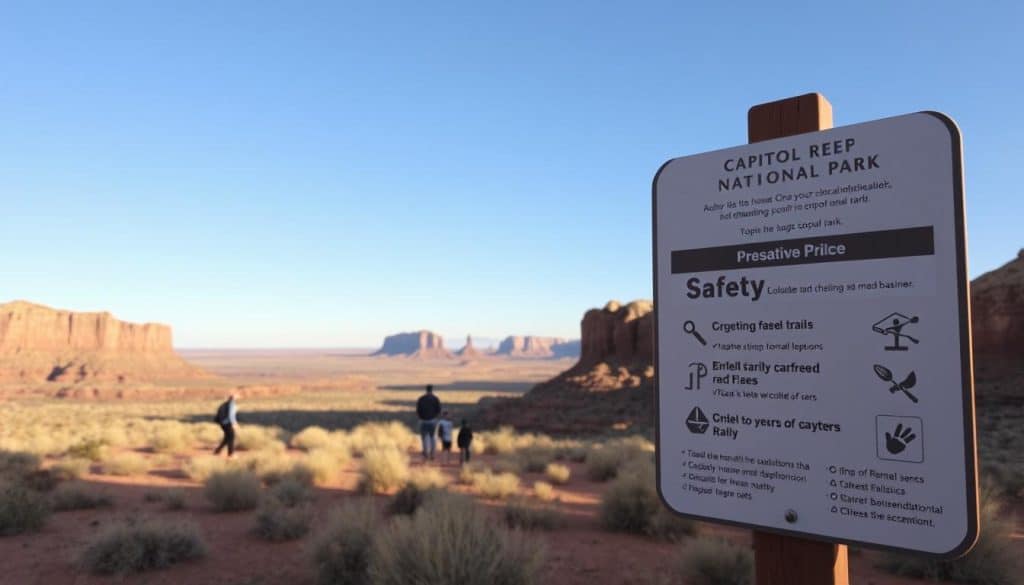
Before heading out, always check the latest trail and weather reports. The remote nature of this area means conditions can change quickly. Flash floods, especially in canyons like Grand Wash, can pose serious risks even if it’s not raining nearby.
Spring and fall are ideal for hiking, with mild temperatures and clear skies. Summers can be harsh, so plan activities for early mornings or evenings. Winter brings snow, so check road conditions before driving. The Visitor Center is a great resource for up-to-date information.
Practicing Leave No Trace Principles
Preserving the pristine beauty of this area is everyone’s responsibility. Follow these Leave No Trace principles to minimize your impact:
- Stay on designated paths to protect fragile ecosystems.
- Pack out all waste, including food scraps and trash.
- Respect wildlife by observing from a distance.
- Leave natural and cultural artifacts undisturbed.
By adhering to these guidelines, you help ensure this area remains unspoiled for future visitors.
“Preparation and respect for nature are the cornerstones of a memorable and responsible visit.”
For more tips on safe and enjoyable hiking, check out our guide to the best hikes in national parks. Whether you’re exploring well-trodden trails or venturing into remote areas, these practices will enhance your experience and protect the environment.
Planning Your Multi-Day Exploration
Planning a multi-day adventure allows you to fully immerse yourself in the beauty and diversity of this remarkable destination. With so much to see and do, spending two or more days ensures you won’t miss out on the area’s hidden gems and iconic landmarks. Whether you’re hiking scenic trails, driving remote routes, or simply soaking in the views, a well-structured itinerary makes all the difference.
Create a Flexible Itinerary
Start by mapping out your must-see spots, such as the Grand Wash Trail or Cathedral Valley Loop. Leave room for spontaneity—sometimes the best discoveries happen when you wander off the beaten path. A balanced schedule might include a morning hike, an afternoon scenic drive, and an evening stargazing session.
Consider the time of year when planning. Spring and fall offer mild weather, while summer requires early starts to beat the heat. Winter visits are quieter but may involve snow-covered roads. Always check trail and weather conditions before heading out.
Local Lodging and Camping Options
Staying nearby ensures you’re close to the action while providing a comfortable base for your adventures. The town of Torrey, just a short drive away, offers cozy motels, charming bed-and-breakfasts, and RV parks. For a more immersive experience, consider camping within the area itself.
Campgrounds like Fruita Campground provide easy access to trails and scenic drives. If you prefer a bit more comfort, nearby lodges and cabins offer modern amenities without sacrificing the natural setting. Advanced reservations are recommended, especially during peak seasons.
“A flexible itinerary and a well-chosen base camp are the keys to a stress-free and unforgettable multi-day adventure.”
Here’s a quick comparison of lodging options to help you decide:
| Option | Location | Highlights |
|---|---|---|
| Fruita Campground | Within the area | Close to trails, scenic views |
| Torrey Lodges | Nearby town | Comfortable, modern amenities |
| RV Parks | Torrey and surrounding areas | Convenient for road trips |
By planning ahead and staying flexible, you’ll make the most of your multi-day visit. Whether you’re camping under the stars or relaxing in a cozy lodge, this destination promises an adventure you’ll never forget.
Local Eats and Culinary Highlights Near the Park
Indulge in the flavors of the region with a visit to local eateries near the park. From freshly baked pies to farm-to-table dining, the area offers a variety of culinary delights that complement your outdoor adventures. Whether you’re craving a sweet treat or a hearty meal, there’s something to satisfy every palate.
Gifford House: Pie and Picnic Delights
No visit is complete without stopping by the Gifford House. Known for its homemade pies, this charming spot is a favorite among visitors. The pies, made from locally sourced ingredients, come in flavors like apple, cherry, and peach. Pair your slice with a cup of coffee for the perfect afternoon snack.
Outside, the picnic area provides a serene setting to enjoy your meal. Surrounded by scenic beauty, it’s an ideal spot to relax after a day of exploring. The combination of delicious food and breathtaking views makes the Gifford House a must-visit.
Exploring Other Local Eateries
Beyond the Gifford House, the area boasts a variety of dining options. From food trucks serving quick bites to family-friendly restaurants, there’s something for everyone. Many eateries focus on locally sourced ingredients, offering a true taste of the region.
For a unique experience, try the Hell’s Backbone Grill, a James Beard-nominated restaurant known for its farm-to-table cuisine. Their menu features dishes made with organic produce and proteins, providing a fresh and flavorful dining experience.
Why Sampling Local Cuisine Matters
Trying local dishes adds an authentic flavor to your trip. It’s a chance to connect with the culture and support the community. Whether it’s a slice of pie or a farm-fresh meal, these culinary experiences enhance your overall adventure.
“Food is more than sustenance—it’s a way to connect with the heart of a place. Savor every bite and make it part of your journey.”
Make time to enjoy a slow, satisfying meal during your visit. It’s not just about refueling—it’s about creating memories that last long after your trip ends.
Hidden Gems and Off-the-Beaten-Path Attractions
For those seeking solitude and untouched beauty, this destination offers hidden treasures waiting to be discovered. While the main trails and overlooks are stunning, the lesser-known spots provide a unique and personal experience. These quiet corners are perfect for reflection, photography, and connecting with nature on a deeper level.
Strike Valley Overlook and Remote Trails
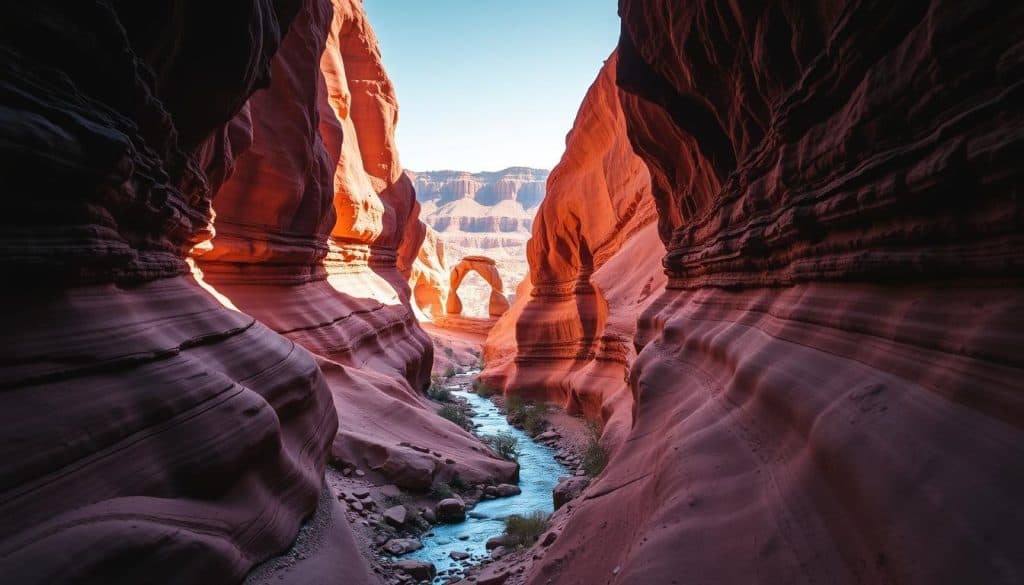
One of the most breathtaking hidden gems is the Strike Valley Overlook. This remote viewpoint offers panoramic views of the Waterpocket Fold, a geological marvel that stretches for miles. Reaching it requires a bit of adventure, as the trail involves rugged terrain and a high-clearance vehicle. The effort is well worth it for the unparalleled views and peaceful atmosphere.
For those who love hiking, the remote trails in this area are a dream come true. These paths wind through quiet canyons, past ancient rock formations, and into untouched landscapes. They’re perfect for visitors who want to escape the crowds and immerse themselves in nature’s beauty.
“Exploring these hidden spots feels like discovering a secret world. The tranquility and beauty are unmatched.”
These off-the-beaten-path attractions not only offer solitude but also a chance to see the area from a fresh perspective. Whether it’s a quiet overlook or a secluded trail, these spots often become the highlight of a trip. They remind us that sometimes, the best adventures are the ones we have to seek out.
If you’re willing to venture beyond the main routes, you’ll be rewarded with unforgettable memories and a deeper connection to this remarkable place. So pack your sense of adventure and discover the hidden gems that make this destination truly special.
Conclusion
From towering cliffs to serene orchards, this destination offers endless possibilities for adventure and relaxation. Whether you’re hiking scenic trails, driving remote routes, or simply soaking in the views, there’s something here for everyone. The blend of natural beauty, cultural history, and family-friendly activities makes it a must-visit for all types of travelers.
Planning ahead ensures a smooth and enjoyable experience. Check trail and weather conditions, pack essentials, and respect the environment to make the most of your trip. From popular spots like the Grand Wash Trail to hidden gems like Strike Valley Overlook, every corner of this landscape invites you to explore.
| Activity | Highlights |
|---|---|
| Hiking | Grand Wash Trail, Hickman Bridge, Cohab Canyon |
| Scenic Drives | Highway 24, Cathedral Valley Loop |
| Cultural Sites | Petroglyph Panels, Fruita Historic District |
| Stargazing | Designated Dark Sky Park |
Whether you’re visiting for a day or planning a multi-day trip, this destination promises rich memories and inspiring natural beauty. Start planning your adventure today and discover why it’s a favorite among outdoor enthusiasts and families alike.
“The best journeys are the ones that leave you with stories to tell and a longing to return.”
FAQ
Planning a trip to this stunning destination involves a mix of preparation and flexibility. Here are answers to common questions to help you make the most of your visit.
The ideal time to explore is during spring or fall, when the weather is mild and skies are clear. Summers can be hot, so plan activities for early mornings or evenings. Winter visits are quieter but may require checking road conditions.
Pack essentials like water, sunscreen, and layers for changing weather. Sturdy footwear is a must for hiking trails. Always check trail conditions and weather updates before heading out.
For a deeper experience, consider a multi-day trip. This allows time for scenic drives, hikes, and stargazing. Day visitors can still enjoy highlights like the Grand Wash Trail or Gifford House pies.
Local dining options include the Gifford House for homemade pies and nearby eateries in Torrey. Accommodations range from campgrounds to cozy lodges, so book early during peak seasons.
For the latest updates, visit the official website. Planning ahead ensures a smooth and memorable adventure in this breathtaking area.
FAQ
What are the park hours and entrance fees?
The park is open year-round, 24 hours a day. Entrance fees are per vehicle or per person for those on foot or bike. Annual passes are also available for .
When is the best time to visit for good weather?
Spring (April-May) and fall (September-October) offer mild temperatures and clear skies, making them ideal for exploring. Summers can be hot, while winters bring cooler weather and occasional snow.
What are the must-see attractions in the park?
Don’t miss the Capitol Gorge, Hickman Bridge, and the Fruita Historic District. The Scenic Drive and Panorama Point are also highlights for breathtaking views.
Are there family-friendly trails?
Yes! The Grand Wash Trail is a flat, easy walk perfect for families. The Petroglyph Boardwalk is another great option for viewing ancient rock art with minimal effort.
Can I drive through remote areas like Cathedral Valley?
Absolutely, but a high-clearance vehicle is recommended for the Cathedral Valley Loop. Be prepared for rugged terrain and check road conditions before heading out.
What should I know about hiking in the park?
Always check trail conditions and weather forecasts before starting your hike. Carry plenty of water, wear sturdy shoes, and practice Leave No Trace principles.
Are there dining options near the park?
Yes, the Gifford House in Fruita is famous for its homemade pies. Nearby towns like Torrey also offer a variety of restaurants and cafes.
What are some hidden gems to explore?
For a quieter experience, visit the Strike Valley Overlook or hike the remote trails in Cohab Canyon. These spots offer stunning views and fewer crowds.
Can I camp or stay overnight in the park?
Yes, the Fruita Campground is a popular option, but it’s first-come, first-served. Nearby towns like Torrey also have lodging options for all budgets.
Are there guided tours or ranger programs?
Yes, the Visitor Center offers ranger-led programs and guided tours. Check the schedule upon arrival for current activities and events.