
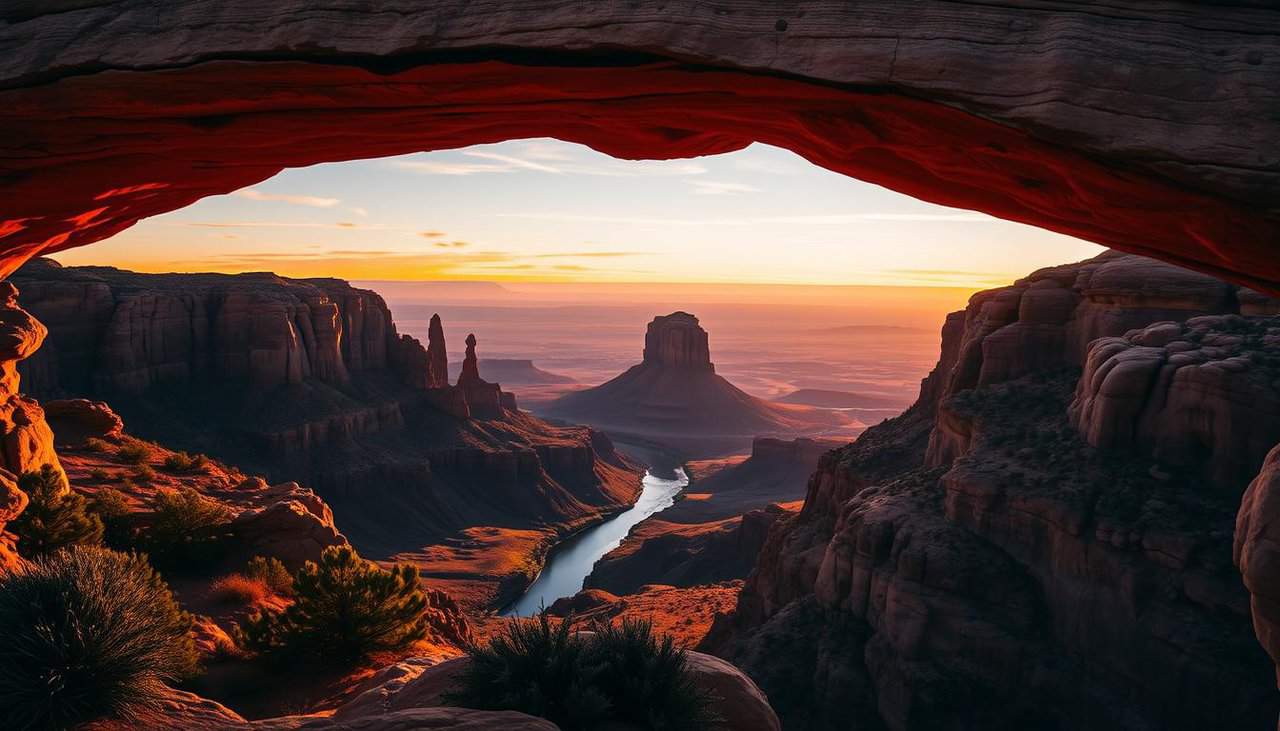
Did you know that Canyonlands National Park spans over 337,598 acres yet remains one of Utah’s best-kept secrets? While its neighbors like Arches and the Grand Canyon often steal the spotlight, this hidden gem offers breathtaking landscapes and endless adventure.
From the iconic Mesa Arch Sunrise to the dramatic canyons carved by the Colorado River, the park is a paradise for hikers, photographers, and nature lovers. Its vast terrain includes four distinct districts, each with unique features and activities.
Whether you’re exploring scenic drives, tackling challenging trails, or simply soaking in the views, Canyonlands promises an unforgettable experience. Plus, its proximity to Moab makes it an easy addition to any Utah itinerary.
Key Takeaways
- Canyonlands spans over 337,598 acres, offering diverse landscapes.
- It’s less crowded compared to nearby parks like Arches.
- Popular activities include hiking, photography, and scenic drives.
- The park is divided into four unique districts.
- Spring and fall are the best times to visit for mild weather.
Discover the Unique Districts of Canyonlands
Canyonlands is divided into four distinct districts, each offering its own unique adventure. These areas—Island in the Sky, The Needles, The Maze, and Horseshoe Canyon—are as diverse as they are stunning. Whether you’re seeking panoramic views, colorful rock formations, or remote wilderness, there’s something for everyone.
Island in the Sky
The Island in the Sky district is the most accessible and popular area. Perched on a massive mesa, it offers sweeping views of the surrounding canyons. Visitors can enjoy scenic drives, easy overlooks, and iconic trails like the Mesa Arch Sunrise. This district is perfect for first-time visitors and those looking for breathtaking photo opportunities.
The Needles, The Maze, and Horseshoe Canyon
The Needles district is known for its intricate rock formations and vibrant colors. It’s a hiker’s paradise, with trails winding through spires and arches. For those seeking solitude, The Maze offers rugged, remote terrain best explored by experienced adventurers. Meanwhile, Horseshoe Canyon is a hidden gem, home to ancient rock art panels that tell stories of the past.
Each district provides a different experience, from family-friendly overlooks to challenging off-road trails. Exploring these areas reveals the true diversity of Canyonlands National Park. Whether you’re here for a day or a week, there’s always more to discover.
Top Attractions and Iconic Overlooks
For those seeking breathtaking vistas, Canyonlands offers some of the most iconic overlooks in the West. These spots are not just scenic but also tell the story of the park’s geological wonders. From the golden glow of sunrise at Mesa Arch to the sweeping panoramas of Grand View Overlook, each location is a photographer’s dream.
Mesa Arch Sunrise
One of the most photographed landmarks in the park, Mesa Arch is a must-see at sunrise. The arch frames the white rim and distant La Sal Mountains, creating a stunning interplay of light and shadow. Early risers are rewarded with a golden glow that illuminates the canyon below, making it a favorite for both amateur and professional photographers.
Grand View and Upheaval Dome
The Grand View Overlook lives up to its name, offering sweeping panoramas of the park’s rugged terrain. From this vantage point, visitors can see the white rim and the Colorado River winding through the canyon. Nearby, Upheaval Dome provides a geological mystery. Its unique formation sparks curiosity, with theories ranging from a meteorite impact to a salt dome.
| Attraction | Highlights | Best Time to Visit |
|---|---|---|
| Mesa Arch | Sunrise views, photography | Early morning |
| Grand View Overlook | Panoramic vistas, white rim | Daytime |
| Upheaval Dome | Geological intrigue, short hike | Morning or afternoon |
These iconic spots are more than just viewpoints—they are gateways to understanding the park’s dramatic landscapes. Whether you’re capturing the perfect shot or simply soaking in the views, these overlooks define the Canyonlands experience.
Exciting Hiking Adventures and Scenic Trails
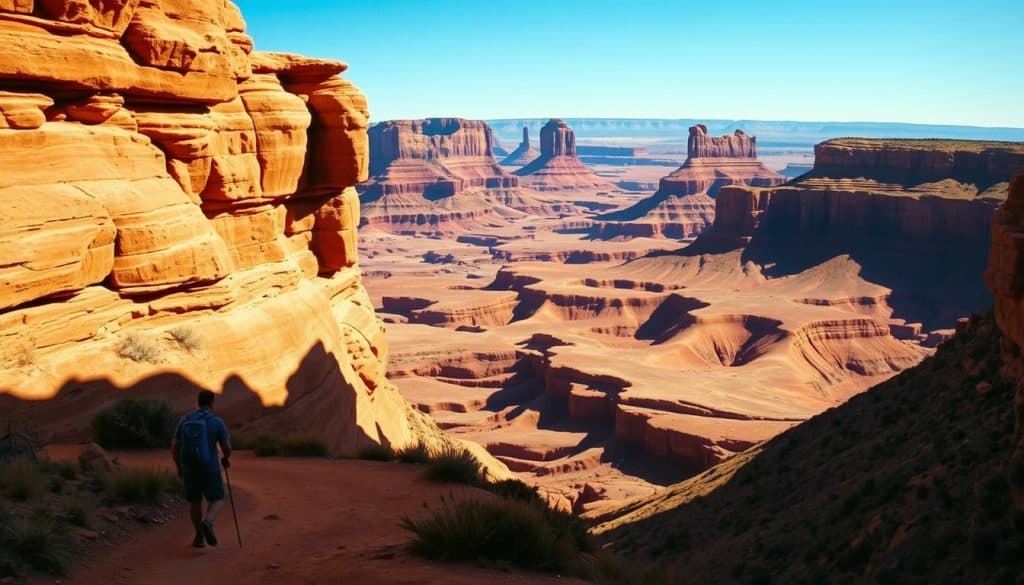
With over 300 miles of trails, Canyonlands is a hiker’s dream, offering everything from easy strolls to rugged adventures. Whether you’re a beginner or an experienced trekker, the park’s diverse landscapes provide endless opportunities to explore. From winding slot canyons to panoramic mesa views, each trail promises a unique experience.
Chesler Park Loop and Slot Canyons
The Chesler Park Loop is a standout trail, known for its stunning rock formations and vibrant colors. This 11-mile loop takes you through towering spires and narrow slot canyons, offering a challenging yet rewarding adventure. The trail’s unique geology makes it a favorite among photographers and nature enthusiasts.
Slot canyons, like those found in the Needles District, are another highlight. These narrow, winding passages are perfect for adventurous hikers. They require careful navigation but reward explorers with intimate views of the park’s intricate rock layers.
White Rim and Syncline Loop Trails
For those seeking a longer adventure, the White Rim Road offers a 100-mile loop that combines hiking and off-road driving. This trail provides breathtaking views of the Colorado River and the park’s vast canyons. It’s ideal for multi-day trips, with designated campsites along the way.
The Syncline Loop is another challenging option, circling the base of Upheaval Dome. This 8.1-mile trail features steep descents and rugged terrain, making it a test of endurance. Proper preparation, including plenty of water and sturdy footwear, is essential for this hike.
No matter which trail you choose, Canyonlands offers a mix of natural beauty and physical challenge. Be sure to carry a map, stay hydrated, and respect the park’s fragile ecosystem. These trails are more than just paths—they’re gateways to unforgettable experiences.
Where to Stay and Camp Near Canyonlands
Planning your stay near Canyonlands? You’ll find a variety of options, from rustic campgrounds to cozy lodgings in Moab. Whether you prefer sleeping under the stars or relaxing in a comfortable room, there’s something for every traveler. Let’s explore the best choices to make your visit unforgettable.
On-site Campgrounds and Backcountry Options
For those who love the outdoors, the park offers several campgrounds. Willow Flat in the Island in the Sky district is a popular choice, with 12 sites available year-round. It’s perfect for visitors seeking simplicity and stunning views. The Needles Campground in the Needles district provides 26 sites, complete with seasonal water access and flush toilets.
If you’re up for adventure, consider backcountry camping. Permits are required, and these remote sites offer a true wilderness experience. Remember, backcountry areas have strict rules, including no open fires. Always check with the visitor center for the latest guidelines and availability.
Lodging Choices in Moab
Just a short drive from the park, Moab is a convenient base for your adventures. The town offers a range of accommodations, from budget-friendly motels to upscale hotels. Many lodgings are close to the state park, making it easy to explore both Canyonlands and nearby attractions.
For a unique experience, consider staying at a boutique inn or a cozy cabin. These options often provide personalized service and local charm. If you’re traveling with a group, vacation rentals are a great choice, offering more space and flexibility.
Booking early is key, especially during peak seasons. Whether you’re camping or staying in Moab, planning ahead ensures a smooth and enjoyable trip. Use this guide to find the perfect spot for your Canyonlands adventure.
Scenic Drives and Off-Road 4×4 Experiences
Exploring Canyonlands by vehicle unlocks a world of rugged beauty and thrilling adventures. Whether you’re behind the wheel of a 4×4 or cruising along scenic routes, the park’s backcountry roads offer unparalleled views and heart-pounding excitement. From steep drop-offs to winding trails, these drives are as challenging as they are rewarding.
Shafer Trail Highlights
The Shafer Trail is a must for off-road enthusiasts. This 19.6-mile route features steep switchbacks, narrow lanes, and jaw-dropping views of the canyon. While the drive takes 2-3 hours, it’s worth every minute for the adrenaline rush and photo opportunities. A 4×4 vehicle is highly recommended, especially in rough areas or during winter months.
Prepare for significant elevation changes and steep drop-offs exceeding 1,000 feet. Carry plenty of water, food, and survival gear, as services are limited. The trail is closed in winter, so plan your visit during milder seasons for the best experience.
The White Rim Road Adventure
For a longer adventure, the White Rim Road offers a 100-mile loop that combines stunning views with off-road challenges. This route winds along the Colorado River, providing access to remote areas of the park. It’s ideal for multi-day trips, with designated campsites along the way.
Driving the full loop requires a sturdy 4×4 vehicle and careful planning. The road’s rough terrain and deep sand can be demanding, but the rewards—panoramic vistas and solitude—are unmatched. Check road conditions before starting, as flooding or deep sand can make sections impassable.
| Route | Highlights | Best Time to Drive |
|---|---|---|
| Shafer Trail | Steep switchbacks, canyon views | Spring to fall |
| White Rim Road | 100-mile loop, remote campsites | Spring or fall |
These drives are more than just routes—they’re gateways to the park’s wild heart. Whether you’re tackling the Shafer Trail or exploring the White Rim Road, proper preparation ensures a safe and unforgettable adventure. For a comfortable base, consider staying in Moab, just a short drive from the park’s entrance.
Water and River-Based Adventures
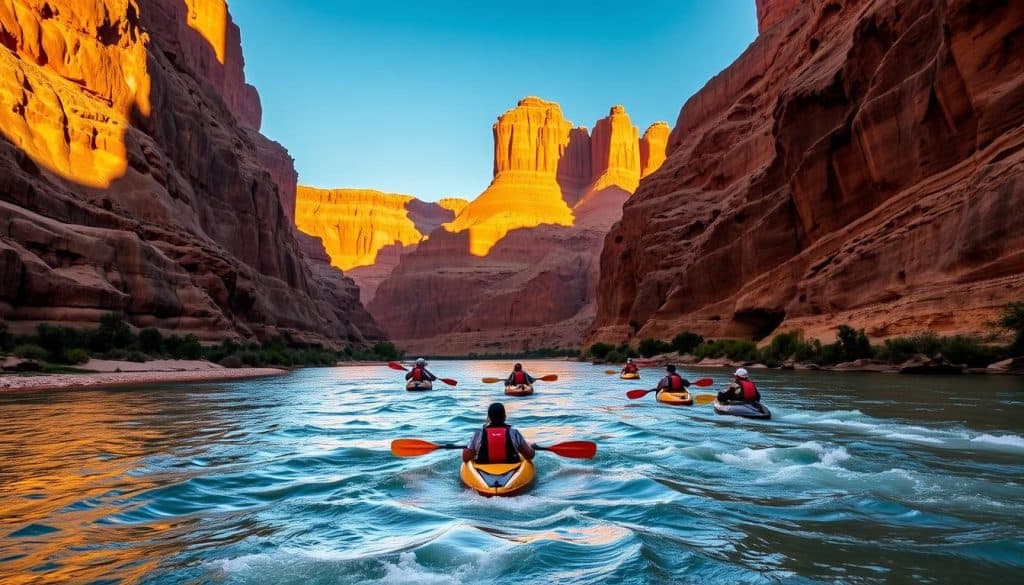
From tranquil waters to roaring rapids, the rivers here provide endless excitement. Whether you’re gliding through calm stretches or tackling white water, these waterways offer something for everyone. The Colorado River and Green River are the heart of this region, carving through stunning landscapes and creating unforgettable adventures.
Canoeing, Kayaking, and White Water Rafting
For those who love paddling, the slower sections of the rivers are perfect for canoeing and kayaking. These activities let you soak in the natural beauty at your own pace. Look for calm stretches near the Green River, where the water is gentle and the scenery is breathtaking.
If you’re seeking adrenaline, white water rafting on the Colorado River is a must. The rapids range from Class III to V, offering challenges for both beginners and experts. Guided tours are available, ensuring a safe and thrilling experience for all skill levels.
Colorado and Green Rivers Experience
Drifting along these rivers is more than just an activity—it’s an immersive experience. The Colorado River takes you through dramatic canyons, while the Green River offers serene stretches surrounded by towering cliffs. Both rivers provide unique vantage points to appreciate the park’s geology and wildlife.
Here’s what you need to know before hitting the water:
- Equipment: Bring a sturdy kayak, canoe, or raft. Life jackets and helmets are essential for safety.
- Preparation: Check weather conditions and water levels before your trip. Pack plenty of water and snacks.
- Guided Tours: First-timers should consider a guided tour for expert advice and safety support.
Whether you’re paddling solo or joining a group, these river adventures are a highlight of any visit. The combination of natural beauty and thrilling activities makes them a must-do for all visitors.
Delving into Rich History and Rock Art
Step back in time and uncover the cultural treasures hidden within the rugged landscapes. The rock formations here are not just geological wonders but also canvases of ancient stories. From petroglyphs to pictographs, the area is a testament to the enduring legacy of the Ancestral Puebloans.
Ancestral Puebloan Culture
The Ancestral Puebloans left behind a rich cultural heritage, visible in the rock art and artifacts scattered across the area. Sites like the Great Gallery in Horseshoe Canyon showcase the Barrier Canyon Style, a unique form of archeological art. These panels, some over 7,000 years old, depict human-like figures and animals, offering a glimpse into their spiritual and daily lives.
Preserving these cultural treasures is vital. Vandalism poses a significant threat, and visitors are encouraged to view these sites respectfully.
“These ancient works are irreplaceable windows into the past,”
says a local historian. By following park guidelines, we can ensure these stories endure for future generations.
Historic Trails and Artifacts
The historic trails winding through the area tell another chapter of the region’s story. These paths, once used by ancient peoples, are now accessible to modern explorers. Along these routes, you’ll find remnants of pottery, tools, and other artifacts that provide insight into their way of life.
One notable point of interest is the arch formations that served as natural shelters. These sites often contain remnants of ancient camps, offering a tangible connection to the past. Guided tours are available for those eager to learn more about the history and significance of these trails.
Exploring these trails is more than a hike—it’s a journey through time. Whether you’re marveling at the rock art or tracing the steps of ancient peoples, the experience is both educational and inspiring.
Things To Do At Canyonlands National Park
Canyonlands offers a mix of adventure and tranquility, perfect for crafting unforgettable day trips. Whether you’re visiting for a few hours or a full day, the park’s diverse landscape ensures there’s something for everyone. From iconic overlooks to hidden gems, here’s how to make the most of your time in this stunning place.
Day Trips and Itineraries
For a one-day visit, start at the Island in the Sky district. This area is packed with easy-to-access overlooks and short hikes. Begin your day with the Mesa Arch Sunrise, followed by a scenic drive to Grand View Point. These spots offer panoramic views of the Colorado River and the vast canyonland.
If you have more time, explore the Needles District. This area is known for its colorful rock formations and challenging trails. Combine popular hikes like the Chesler Park Loop with lesser-known spots like Elephant Hill for a balanced experience.
Here’s a sample itinerary for a full day:
- Morning: Watch the sunrise at Mesa Arch, then hike the Grand View Point Trail.
- Midday: Drive to the Needles District and explore the Chesler Park Loop.
- Afternoon: Visit the Elephant Hill area for unique rock formations.
- Evening: End your day with a peaceful sunset at Green River Overlook.
Unique Experiences and Hidden Gems
Canyonlands is full of surprises. For a unique experience, head to Horseshoe Canyon. This remote area is home to ancient rock art panels, offering a glimpse into the region’s rich history. The Great Gallery is a must-see, with its life-sized figures and intricate designs.
Another hidden gem is Upheaval Dome. This geological mystery is perfect for curious minds. Take the short hike to the overlook and ponder the theories behind its formation—whether it’s a meteorite impact or a salt dome.
For a quieter experience, visit the Whale Rock trail. This short hike offers stunning views and fewer crowds, making it a peaceful escape.
| Activity | Time | Highlights |
|---|---|---|
| Mesa Arch Sunrise | Early morning | Iconic views, photography |
| Chesler Park Loop | Midday | Colorful rock formations, moderate hike |
| Green River Overlook | Evening | Peaceful sunset, easy access |
No matter how you spend your day, Canyonlands promises an unforgettable experience. Plan ahead, stay hydrated, and embrace the adventure!
Practical Tips for Planning Your Visit
Planning a trip to this stunning Utah destination requires careful preparation to make the most of your adventure. From choosing the best time to visit to packing the right gear, these tips will help ensure a safe and memorable experience. Whether you’re exploring scenic drives or hiking rugged trails, a little planning goes a long way.
Best Times to Visit and Seasonal Insights
The ideal time to visit depends on your preferences and activities. Spring and fall are the most popular seasons, offering mild weather and vibrant landscapes. Summer can be scorching, with temperatures exceeding 100°F, but early mornings and evenings are still enjoyable. Winter brings fewer crowds and stunning snow-dusted views, though some roads and facilities may be closed.
Here’s a seasonal breakdown to help you decide:
| Season | Highlights | Considerations |
|---|---|---|
| Spring | Wildflowers, mild weather | Busy season, book permits early |
| Summer | Long days, stargazing | Extreme heat, stay hydrated |
| Fall | Cooler temps, fewer crowds | Ideal for hiking and photography |
| Winter | Serene landscapes | Limited access, cold nights |
For more detailed insights on the best months to explore Utah’s natural wonders, check out this guide.
Essential Gear and Safety Recommendations
Proper preparation is key to enjoying your trip. Start with sturdy footwear for hiking and layers to adapt to changing weather. Bring at least one gallon of water per person per day, especially in summer. A map, compass, or GPS is essential for navigating remote areas.
Here’s a checklist of must-have items:
- Hydration: Water bottles or a hydration bladder.
- Navigation: Map, compass, or GPS device.
- Sun Protection: Hat, sunglasses, and sunscreen.
- First Aid: Basic kit for minor injuries.
- Emergency Supplies: Flashlight, whistle, and extra food.
If you’re planning to explore nearby attractions like Dead Horse Point, add extra time to your itinerary. This iconic overlook is just a short drive away and offers breathtaking views of the Colorado River.
Finally, always check road conditions and permit requirements before heading out. Some areas, like the White Rim Road, require advance reservations. By planning ahead, you’ll ensure a smooth and enjoyable adventure in this remarkable Utah landscape.
Conclusion
Exploring this vast Utah gem offers endless opportunities for adventure and discovery. From the iconic Mesa Arch Sunrise to the rugged trails of the Needles District, every corner of this landscape tells a story. Whether you’re hiking, driving scenic routes, or marveling at ancient rock art, there’s something for everyone.
Careful planning ensures a safe and enjoyable trip. Pack essentials like water, sturdy footwear, and navigation tools. Visiting during spring or fall provides the best weather, while winter offers serene, crowd-free experiences. For more tips on planning your visit, check out this guide.
Ready to embark on your adventure? Start planning today and experience the beauty and wonder of this remarkable destination. Share your stories and tips in the comments—your insights could inspire others to explore this natural treasure!
FAQ
What are the best districts to explore in Canyonlands?
The park is divided into four districts: Island in the Sky, The Needles, The Maze, and Horseshoe Canyon. Each offers unique landscapes, from towering mesas to rugged canyons and ancient rock art.
Where can I catch the best sunrise in the park?
Mesa Arch in the Island in the Sky district is a must-see for sunrise. The sun lights up the underside of the arch, creating a stunning glow against the canyon backdrop.
Are there family-friendly hikes in Canyonlands?
Yes! The Chesler Park Loop in The Needles and the Grand View Point Trail in Island in the Sky are great options for families, offering manageable distances and breathtaking views.
Can I camp inside the park?
Absolutely. There are on-site campgrounds like Willow Flat in Island in the Sky and Squaw Flat in The Needles. Backcountry camping is also available for those seeking a more rugged experience.
What’s the best way to explore the White Rim Road?
The White Rim Road is perfect for 4×4 vehicles or mountain bikes. It’s a 100-mile loop that offers stunning views of the canyons and the Colorado River.
Are there water activities in Canyonlands?
Yes! You can enjoy canoeing, kayaking, or whitewater rafting on the Colorado and Green Rivers. These adventures provide a unique perspective of the park’s dramatic landscapes.
What historical sites can I visit in the park?
Explore Horseshoe Canyon to see ancient rock art created by the Ancestral Puebloans. Historic trails and artifacts throughout the park also offer a glimpse into its rich cultural past.
When is the best time to visit Canyonlands?
Spring and fall are ideal, with mild temperatures and fewer crowds. Summer can be hot, while winter brings cooler weather and occasional snow.
What should I pack for a trip to Canyonlands?
Bring plenty of water, sunscreen, sturdy hiking shoes, and layers for changing weather. A map, first aid kit, and snacks are also essential for a safe and enjoyable visit.
Are there guided tours available in the park?
Yes, guided tours are available for activities like 4×4 adventures, river rafting, and hiking. Check with the visitor center or local outfitters in Moab for options.