
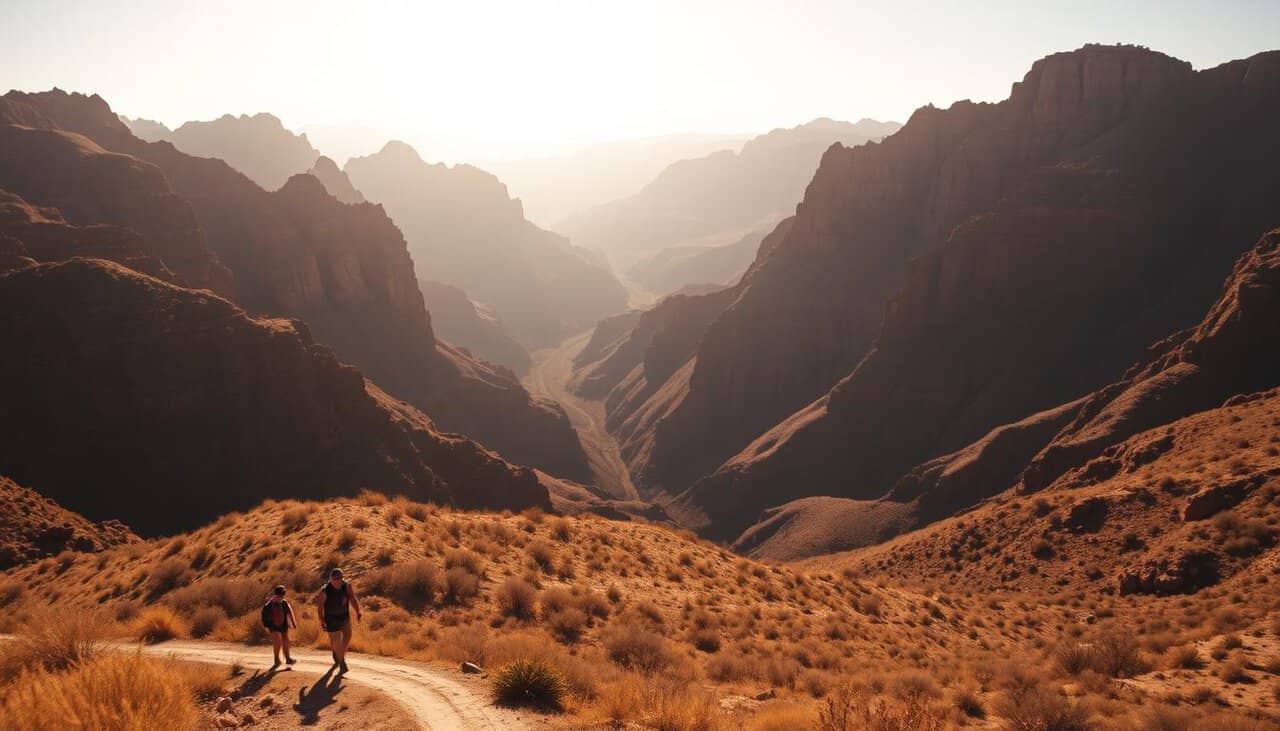
Did you know that Big Bend National Park spans over 800,000 acres, making it one of the largest national parks in the United States? This remote gem in West Texas is a haven for adventurers, offering a stunning mix of desert landscapes, towering mountain ranges, and the dramatic canyon walls of the Rio Grande.
Whether you’re planning a weekend getaway or an extended trip, this guide will help you uncover the best ways to explore the park. From hiking scenic trails to driving along breathtaking routes, there’s something for everyone. You can even experience a unique border crossing adventure, adding an extra layer of excitement to your visit.
With its rich biological diversity and awe-inspiring views, Big Bend National Park is a destination that promises unforgettable memories. Let’s dive into the details to make your trip planning seamless and enjoyable.
Key Takeaways
- Big Bend National Park covers over 800,000 acres, offering vast landscapes to explore.
- The park features diverse activities, including hiking, scenic drives, and border crossings.
- Plan ahead to make the most of your visit, especially during peak seasons.
- High-clearance vehicles are recommended for accessing remote areas.
- Don’t miss iconic spots like Santa Elena Canyon and the Chisos Mountains.
Overview of Big Bend National Park
Spanning over 800,000 acres, this park is a treasure trove of natural wonders. Its diverse terrain includes desert landscapes, towering mountains, and the iconic Rio Grande. This remote destination is perfect for those seeking adventure and solitude.
One of the park’s standout features is Santa Elena Canyon. Its towering limestone walls rise over 1,500 feet, creating a dramatic backdrop for photos and exploration. The canyon’s narrow passage along the Rio Grande offers a unique perspective of the river’s power and beauty.
Another must-see attraction is the Ross Maxwell Scenic Drive. This 30-mile route winds through the park, offering breathtaking views of the Chisos Mountains and the desert below. Along the way, you’ll find overlooks, hiking trails, and historical sites that showcase the area’s rich heritage.
“The Ross Maxwell Scenic Drive is a journey through time, revealing the park’s geological and cultural history.”
These landmarks contribute to the park’s unique environment, making it a haven for outdoor enthusiasts. Whether you’re hiking, driving, or simply soaking in the views, there’s no shortage of ways to connect with nature here.
| Landmark | Key Feature | Activity |
|---|---|---|
| Santa Elena Canyon | 1,500-foot limestone walls | Hiking, photography |
| Ross Maxwell Scenic Drive | 30-mile scenic route | Driving, sightseeing |
With its stunning landscapes and diverse activities, this park promises an unforgettable experience. Whether you’re a first-time visitor or a seasoned explorer, there’s always something new to discover.
Planning Your Trip to Big Bend National Park
Planning a visit to this expansive desert wonderland requires thoughtful preparation. With its remote location and limited services, knowing what to expect can make your adventure smoother and more enjoyable. From choosing the right season to packing essentials, every detail matters.
When to Visit and Seasonal Tips
Timing your trip is crucial for a comfortable experience. Spring, from March to May, is ideal for mild weather and vibrant wildflowers. Summer months can be scorching, with temperatures often exceeding 100°F, so it’s best to avoid this season unless you’re prepared for extreme heat.
Fall brings cooler temperatures and fewer crowds, making it a great time for hiking and exploring. Winter, from December to February, offers pleasant daytime weather, though nights can be chilly. Regardless of the season, always check the forecast and plan accordingly.
Trip Preparation and Road Trip Essentials
Given the park’s remote nature, advanced planning is key. Fuel stations and convenience stores are limited, so fill up your tank and stock up on supplies before entering. High-clearance vehicles are recommended for accessing rugged areas.
Pack essentials like water, snacks, sunscreen, and a first-aid kit. Comfortable hiking shoes, layered clothing, and a reliable map are also must-haves. Don’t forget to make reservations for campgrounds or lodges well in advance, as they fill up quickly during peak seasons.
“Proper preparation ensures a seamless and memorable adventure in this vast wilderness.”
By planning ahead and packing smartly, you’ll be ready to embrace the beauty and challenges of this unique destination. For nearby accommodations, consider checking out the best RV parks near Big Bend National to enhance your stay.
Getting to Big Bend National Park
Reaching this remote destination requires careful planning due to its geographic isolation. Located in West Texas, the park is a significant distance from major cities, making the journey part of the adventure. Whether you’re driving or flying, preparation is key to ensuring a smooth trip.
Driving Directions and Route Planning
Most visitors access the park by car, with El Paso and Midland/Odessa being the closest major cities. From El Paso, the drive takes approximately 4.5 hours, while Midland/Odessa is about 3.5 hours away. The route along the Rio Grande offers stunning views and a chance to explore nearby landmarks like Rio Grande Village.
For those driving from the east, take Highway 385 south from Marathon. This scenic route winds through the desert, offering glimpses of the park’s diverse landscapes. Be sure to carry extra fuel and supplies, as services are limited once you enter the area.
Flying In: Airport Options and Car Rentals
If you prefer to fly, El Paso International Airport is the best option. It offers a wide range of car rental services, making it easier to secure a vehicle for your trip. Midland International Air & Space Port is another alternative, though rental options may be more limited.
Once you arrive, the drive to the park is an opportunity to soak in the beauty of West Texas. Plan for rest stops along the way, especially if you’re traveling with family or friends. The journey is as memorable as the destination itself.
“The drive to the park is a scenic adventure, offering a glimpse of the rugged beauty that awaits.”
By planning your route and preparing for the long distances, you’ll ensure a seamless journey to this iconic destination. Whether you’re driving along the Rio Grande or flying into El Paso, the trip is the first step in an unforgettable adventure.
Park Regions and Distinct Areas
From towering canyons to lush basins, each region has its own story to tell. This vast wilderness is divided into three distinct areas, each offering unique experiences and breathtaking landscapes. Whether you’re drawn to dramatic cliffs, serene valleys, or border adventures, these regions are essential for itinerary planning.
Santa Elena Canyon Region
The Santa Elena Canyon is a must-see for its towering limestone walls that rise over 1,500 feet. This iconic landmark is easily accessible, making it a favorite for hikers and photographers. The narrow passage along the Rio Grande offers a stunning perspective of the river’s power and beauty.
Trails here are well-maintained, allowing visitors to explore the canyon’s natural wonders without difficulty. The combination of rugged cliffs and serene waters creates a mesmerizing contrast that’s perfect for capturing memories.
Chisos Basin and Boquillas Canyon
Nestled within the Chisos Mountains, the Chisos Basin is a lush oasis at an elevation of 5,400 feet. This area is known for its mild temperatures, making it a refreshing escape during the summer months. The basin is home to scenic trails, diverse wildlife, and stunning views of the surrounding peaks.
For those seeking adventure, Boquillas Canyon offers a unique border experience. This region allows visitors to explore the natural beauty of the canyon while crossing into Mexico for a cultural twist. The combination of scenic hikes and cultural immersion makes it a standout destination.
“The Chisos Basin is a tranquil retreat, offering a perfect blend of nature and comfort.”
Each of these regions showcases the park’s diverse landscapes, ensuring every visitor finds something to love. Whether you’re hiking, sightseeing, or crossing borders, these areas promise unforgettable adventures.
Things To Do At Big Bend National Park
Big Bend National Park offers a wide range of activities for every type of adventurer. Whether you’re a hiker, a driver, or a river enthusiast, this iconic destination has something to captivate you. As part of the national parks system, it stands out for its unique blend of desert, mountain, and river landscapes.
One of the best ways to visit big bend is by exploring its extensive trail network. With over 200 miles of paths, you can choose from short family-friendly hikes to challenging treks like the South Rim Trail. Each trail offers stunning views and a chance to connect with nature.
For those who prefer wheels over boots, the park’s scenic drive options are unbeatable. The Ross Maxwell Scenic Drive is a highlight, winding through dramatic landscapes and offering plenty of photo opportunities. Along the way, you’ll find overlooks and historical sites that add depth to your journey.
Adventurers seeking a unique experience can explore the Rio Grande. Whether you’re paddling through Santa Elena Canyon or crossing into Mexico at Boquillas, the river adds an exciting dimension to your trip. These activities make visit big bend a truly memorable adventure.
“Big Bend National Park is a place where every turn reveals a new wonder, from towering cliffs to serene riverbanks.”
Here’s a quick overview of what you can do:
- Hiking: Explore trails like the Window View or Lost Mine for breathtaking vistas.
- Scenic Drives: Take the Ross Maxwell route for unforgettable views.
- Border Crossings: Experience the cultural richness of Boquillas, Mexico.
- River Adventures: Paddle or hike along the Rio Grande for a unique perspective.
With so much to offer, this park is a must-visit for anyone who loves the outdoors. Whether you’re planning a day trip or a longer stay, the activities here will leave you inspired and eager to return.
Hiking Trails and Outdoor Adventures
With over 200 miles of trails, this destination is a hiker’s paradise, offering everything from quick nature walks to challenging mountain treks. Whether you’re seeking a short scenic stroll or an all-day adventure, there’s a trail for every skill level and interest. Let’s explore some of the most popular options to help you plan your outdoor experience.
Window View and Short Trails
For those looking for a quick but rewarding hike, the Window View Trail is a perfect choice. This 0.3-mile path offers stunning views of the Chisos Basin and is ideal for families or those with limited time. Another great option is the Santa Elena Canyon Trail, a 1.7-mile easy hike that takes you along the Rio Grande, offering breathtaking canyon views.
South Rim, Lost Mine, and Longer Treks
If you’re up for a challenge, the South Rim Trail is a must. This 12.6-mile trek rewards hikers with panoramic views of the park’s rugged landscapes. The Lost Mine Trail, a 4.8-mile moderate hike, is another favorite, offering a mix of elevation gain and scenic overlooks. Both trails are perfect for avid hikers seeking a full-day adventure.
Easy Hikes for Family Adventures
Families will love the Boquillas Canyon Trail, a 1.6-mile easy-to-moderate hike that winds along the Rio Grande. Another great option is the Lower Burro Mesa Trail, a 1-mile path that’s perfect for kids and beginners. These trails provide a chance to enjoy nature without requiring extensive preparation or time.
“Hiking here is more than just a walk—it’s an opportunity to connect with nature and create lasting memories.”
Here are some tips to make your hiking experience safe and enjoyable:
- Stay hydrated: Carry plenty of water, especially on longer hikes.
- Wear proper footwear: Sturdy shoes are essential for rocky and uneven terrain.
- Check the weather: Conditions can change quickly, so be prepared for sudden shifts.
- Plan ahead: Know your trail’s distance and difficulty level before starting.
Whether you’re exploring the maxwell scenic routes or tackling the south rim trail, these adventures promise unforgettable experiences for all ages.
Scenic Drives and Overlooks
Discover the breathtaking beauty of the Ross Maxwell Scenic Drive, a journey through the heart of West Texas. This 30-mile route is celebrated for its panoramic desert landscapes and access to key overlook spots, making it one of the most iconic experiences in the area.
Ross Maxwell Scenic Drive Journey
The Ross Maxwell Scenic Drive winds through diverse terrain, offering stunning views of the Chisos Mountains and the desert below. Along the way, you’ll find several pullouts where you can safely stop and take in the scenery. Highlights include the Sotol Vista Overlook, which provides panoramic views, and the Castolon Historic District, a glimpse into the area’s rich history.
One of the unique features of this drive is the chance to spot hot springs and other natural wonders. Keep an eye out for side trails that lead to hidden gems, like the Lower Burro Mesa Pour-Off, a short hike into a secluded canyon.
Must-Stop Overlook Spots
For the best views, make sure to stop at the Sotol Vista Overlook. This spot offers a sweeping vista of the desert and mountains, perfect for photography. Another must-see is the Mule Ears Viewpoint, where you can see the iconic rock formations that resemble mule ears.
“The Ross Maxwell Scenic Drive is more than just a route—it’s an adventure through time and nature.”
Take your time on this memorable drive. Whether you’re exploring the overlooks or hiking the side trails, the Ross Maxwell Scenic Drive promises an unforgettable experience.
Visiting Santa Elena Canyon
The towering walls of Santa Elena Canyon are a testament to nature’s grandeur. Rising over 1,500 feet above the Rio Grande, this iconic landmark is a must-see for anyone exploring the region. Its dramatic limestone cliffs and narrow passage create a breathtaking backdrop for adventure and photography.
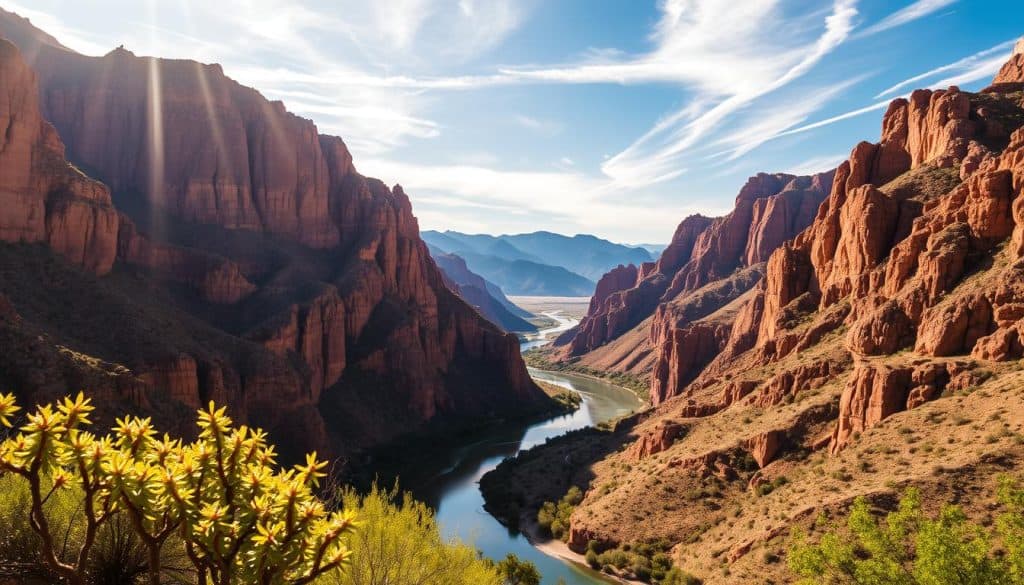
Accessing the canyon is straightforward, with a well-maintained trail that’s perfect for all skill levels. The 1.6-mile path offers a slight incline, making it family-friendly and accessible. Along the way, you’ll be treated to stunning views of the river and the canyon’s sheer walls.
What makes Santa Elena Canyon truly unique is its geology. The canyon’s formation is the result of millions of years of erosion, shaped by the powerful flow of the Rio Grande. At its narrowest point, the canyon is just 25 feet wide, creating an intimate and awe-inspiring experience.
“Santa Elena Canyon is a natural masterpiece, offering a blend of beauty and adventure that’s hard to match.”
Here’s what you can expect during your visit:
- Scenic Views: The canyon’s walls are visible from over 10 miles away, offering a dramatic first impression.
- Family-Friendly Trails: The easy hike is perfect for kids and beginners, with precautions for areas with drop-offs.
- Geological Wonders: Learn about the canyon’s formation and the forces that shaped it.
Whether you’re hiking the trail or simply soaking in the views, Santa Elena Canyon promises an unforgettable experience. Its combination of natural beauty and accessibility makes it a highlight of any trip to the region.
Exploring the Chisos Basin
Nestled high in the Chisos Mountains, the Chisos Basin offers a serene escape surrounded by rugged beauty. This central area is the heart of the park, providing a perfect base for exploration. With its cool temperatures and stunning views, it’s a favorite among visitors seeking both adventure and relaxation.
Hiking and Scenic Walks in the Basin
The Chisos Basin is home to some of the most scenic trails in the region. Whether you’re a beginner or an experienced hiker, there’s a path for you. The Window View Trail is a short, family-friendly option that offers breathtaking views of the basin. For a more challenging hike, the South Rim Trail rewards adventurers with panoramic vistas of the surrounding mountains and desert.
Another popular choice is the Lost Mine Trail, a moderate hike that takes you through diverse landscapes, including lush forests and rocky outcrops. Each trail provides a unique way to experience the basin’s natural beauty, making it a must-visit for outdoor enthusiasts.
Local Accommodations and Lodging Options
After a day of exploring, unwind at the Chisos Mountain Lodge, the only lodging option within the basin. This charming lodge offers comfortable rooms with stunning views of the surrounding peaks. It’s the perfect place to relax and recharge for your next adventure.
For those who prefer camping, the Chisos Basin Campground provides a more immersive experience. With 60 sites available, it’s a great way to stay close to nature. Be sure to book early, as spots fill up quickly, especially during peak seasons.
“The Chisos Basin is a tranquil retreat, offering a perfect blend of nature and comfort.”
Here are some tips for making the most of your stay:
- Book early: Lodging and campsites are limited, so reserve well in advance.
- Pack layers: Temperatures can vary significantly, especially at higher elevations.
- Explore early: Start your hikes in the morning to avoid the midday heat and crowds.
With its scenic trails and cozy accommodations, the Chisos Basin is an ideal destination for anyone looking to visit big and experience the best of the park. Whether you’re hiking, relaxing, or simply soaking in the views, this area promises an unforgettable adventure.
Experiencing the Rio Grande’s Wonders
The Rio Grande is more than a river—it’s a gateway to adventure and natural beauty. Flowing along the border with Mexico, it shapes the landscape and offers endless opportunities for exploration. From dramatic canyons to serene riverbanks, this iconic waterway is a centerpiece of the region’s charm.
The river’s significance goes beyond geography. It creates lush areas and dramatic canyons, like the towering cliffs of Santa Elena Canyon. These natural wonders are perfect for hiking, photography, and simply soaking in the views. The Rio Grande also offers unique recreational activities, such as river paddling and border crossings.
One of the best ways to experience the river’s beauty is by exploring the south rim trails. These paths offer panoramic views of the river and surrounding mountain ranges. Whether you’re hiking or driving, the blend of river and mountain vistas is unforgettable.
“The Rio Grande is a natural masterpiece, offering a blend of beauty and adventure that’s hard to match.”
For those seeking a more immersive experience, consider staying at a nearby lodge. These accommodations provide easy access to the river and trails, making it convenient to explore at your own pace. Whether you’re paddling the Rio Grande or hiking the south rim, the river’s wonders promise an unforgettable adventure.
| Activity | Highlights |
|---|---|
| River Paddling | Explore the Rio Grande’s winding waters and dramatic canyons. |
| Hiking | Discover trails like the South Rim for panoramic views. |
| Border Crossings | Experience the cultural richness of nearby Boquillas, Mexico. |
The Rio Grande’s mysteries are waiting to be explored. Whether you’re hiking, paddling, or simply enjoying the views, this iconic river offers something for everyone. Plan your visit today and discover the wonders it has to offer.
Camping and Lodging Options
Finding the perfect place to stay is a key part of planning your adventure in this vast wilderness. Whether you prefer camping under the stars or staying in a cozy lodge, there are options to suit every traveler’s needs. Planning ahead is essential, especially during peak seasons, to ensure you secure your ideal spot.
Inside the park, there are four campgrounds to choose from. The Chisos Basin Campground offers 56 sites year-round, while the Rio Grande Village Campground has 93 sites. For a quieter experience, the Cottonwood Campground provides 22 sites, though capacity is limited in summer due to extreme heat. If you’re traveling in an RV, the Rio Grande Village RV Park has 25 full-hookup sites, accommodating vehicles up to 38 feet long.
Camping inside the park allows you to immerse yourself in nature, with easy access to trails and scenic views. However, reservations are highly recommended, as sites fill up quickly. Generators are permitted at Chisos and Rio Grande campgrounds, but not at Cottonwood, making it a quieter option for those seeking peace.
“Staying in the park puts you at the heart of the action, with stunning landscapes right outside your tent or RV.”
For those who prefer more amenities, local hotels and nearby state parks offer comfortable alternatives. Staying outside the park provides flexibility and access to additional services, though it may require a longer drive to reach key attractions. Whichever option you choose, be sure to pack essentials like water, sunscreen, and layered clothing for a safe and enjoyable experience.
Here’s a quick comparison of in-park and out-of-park stays:
| Option | Pros | Cons |
|---|---|---|
| In-Park Camping | Close to trails and scenic spots | Limited amenities, high demand |
| Out-of-Park Lodging | More amenities, greater flexibility | Longer drive to attractions |
Whether you’re camping under the stars or staying in a nearby lodge, planning ahead ensures a seamless experience. Take the time to explore your options and choose the one that best fits your adventure style. With the right preparation, your stay will be as memorable as the stunning landscapes you’ll explore.
Discovering the Hot Springs Historic District
Step back in time and unwind in the soothing waters of the Hot Springs Historic District. This unique area combines rich history with natural relaxation, offering a one-of-a-kind experience. Nestled along the Rio Grande, it’s a perfect blend of culture and nature.
The district preserves a history of human occupation spanning thousands of years. The hot springs, with water temperatures of 105°F, have been a source of healing and comfort for generations. A short 0.5-mile hike leads you to the springs, where you can soak in the warm waters while enjoying the scenic view of the surrounding landscape.

Beyond the springs, the area offers a one-mile loop trail that takes you around the bluff above the Rio Grande. This trail provides breathtaking views of the river and the dramatic cliffs that line its banks. It’s a great way to explore the district’s natural beauty while learning about its historical significance.
“The Hot Springs Historic District is a place where history and nature come together, offering a unique escape for visitors.”
After your visit, consider exploring the nearby grande village for dining and shopping. This charming community adds a modern touch to your adventure, making it a well-rounded experience. Whether you’re soaking in the springs or hiking the trails, the district promises a memorable journey.
| Activity | Highlights |
|---|---|
| Hot Springs Soak | Relax in 105°F waters with scenic views. |
| Hiking Trails | Explore the 0.5-mile trail to the springs and the one-mile loop trail. |
| Local Dining | Visit the grande village for a taste of local cuisine. |
The Hot Springs Historic District is more than just a destination—it’s an experience. From its historical roots to its natural wonders, it’s a must-visit for anyone seeking relaxation and adventure. Plan your trip today and discover the magic of this unique area.
Crossing Over to Boquillas, Mexico
Crossing into Boquillas, Mexico offers a unique cultural and scenic experience that’s just a short trip from the Rio Grande. This small village, home to around 200 residents, provides a glimpse into Mexican life while being easily accessible from the park. To make the most of your visit, it’s essential to understand the process and requirements for crossing the border.
Border Crossing Tips and Requirements
To cross into Boquillas, you’ll need a valid passport. The Boquillas Crossing Port of Entry operates on a seasonal schedule. From November to April, it’s open Wednesday through Sunday, 9:00 am to 4:00 pm. During the summer months (May to October), it’s open Friday through Monday. Plan to arrive early and return at least 30 minutes before closing to avoid delays.
The crossing involves a short rowboat ride across the Rio Grande, costing $5 round trip. Once on the Mexican side, you’ll walk or take a burro or horse for the 0.5-mile journey to the village. Be sure to check in with Mexican immigration officials upon arrival.
Here are some practical tips for a smooth experience:
- Bring small bills: U.S. currency is accepted, but smaller denominations are preferred.
- Check the schedule: Verify operating hours before your trip to avoid disappointment.
- Pack light: Only bring essentials, as you’ll be walking or riding to the village.
- Follow regulations: It’s illegal to bring food or food products back into the U.S.
Once in Boquillas, explore the local culture and enjoy simple, fresh meals at restaurants like Jose Falcon’s. The village offers a peaceful escape, with opportunities to learn about its history and traditions. Whether you spend a few hours or a full day, this border crossing is a memorable addition to your adventure.
“Crossing into Boquillas is more than a trip—it’s a chance to connect with a different culture and create lasting memories.”
By planning ahead and following these tips, you’ll ensure a seamless and enjoyable experience. Whether you’re soaking in the local atmosphere or enjoying the scenic views, Boquillas offers a unique perspective on the region’s charm.
Additional Outdoor Attractions
The night sky here is a canvas of stars, offering a celestial experience like no other. Beyond the trails and scenic drives, there’s a world of nighttime wonders waiting to be explored. From stargazing to sunset views, the park’s after-dark activities are just as captivating as its daytime adventures.
Stargazing and Night Sky Exploration
With some of the darkest skies in the lower 48 states, this destination is a stargazer’s paradise. The lack of light pollution allows for unparalleled views of the Milky Way, constellations, and even meteor showers. Organized night sky events, often hosted by the visitor center, provide telescopes and expert guidance to enhance your experience.
For a truly magical moment, head to the window view points at sunset. As the sun dips below the horizon, the sky transforms into a spectrum of colors, setting the stage for a night of stargazing. Bring a blanket, find a cozy spot, and let the universe unfold above you.
“The night sky here is a reminder of how vast and beautiful our universe truly is.”
Exploring the Visitor Center
The visitor center is a great starting point for nighttime adventures. Here, you’ll find maps, schedules for stargazing events, and tips from rangers. It’s also a place to learn about the park’s unique natural phenomena, from its geological history to its diverse wildlife.
Here’s a quick guide to making the most of your nighttime visit:
- Pack Essentials: Bring a flashlight, warm layers, and a star chart or app.
- Check Event Schedules: Join ranger-led programs for deeper insights.
- Choose Your Spot: Popular locations include the Chisos Basin and Rio Grande Village.
Whether you’re a seasoned astronomer or a first-time stargazer, the park’s nighttime offerings promise an unforgettable experience. Plan your visit today and discover the magic of the night sky.
| Activity | Highlights |
|---|---|
| Stargazing | View the Milky Way, constellations, and meteor showers. |
| Sunset Views | Watch the sky transform at window view points. |
| Visitor Center Programs | Join ranger-led events and learn about the night sky. |
Safety Tips for a Remote Adventure
Exploring the remote and rugged terrain requires careful preparation to ensure a safe and enjoyable adventure. The vast wilderness offers incredible experiences, but it also demands respect for its challenges. Here’s how to stay safe while making the most of your trip.
Sun Protection and Essential Gear
The desert sun can be intense, even in cooler months. Always wear long sleeves, long pants, and a wide-brimmed hat to shield your skin. Apply sunscreen with high SPF regularly, especially if you’re planning a long hike.
Carry at least one gallon of water per person per day. Dehydration is a real risk in this arid environment. Pack a first aid kit, a flashlight, and a signaling device like a whistle or mirror. These essentials can make a big difference in an emergency.
Wildlife, Weather, and Emergency Preparedness
Encounters with wildlife, such as mountain lions or black bears, are rare but possible. Keep a safe distance and never approach or feed animals. Secure your food and trash to avoid attracting them to your campsite.
Weather can change rapidly, so check forecasts before heading out. Flash floods can occur without warning, even if it’s not raining nearby. Avoid camping in dry washes or stream beds, and always let someone know your itinerary.
In case of an emergency, stay calm and conserve your energy. If you’re lost, stay in one place and signal for help. Knowing the location of the nearest port entry or ranger station can be crucial. For more detailed safety guidelines, visit the official park website.
“Preparation is the key to a safe and memorable adventure in this stunning wilderness.”
By following these tips, you’ll be ready to tackle the challenges of this unique destination. Whether you’re hiking the trails or exploring boquillas, safety ensures your adventure is as rewarding as it is unforgettable.
Conclusion
Your journey to this expansive desert landscape promises adventure, solitude, and unforgettable memories. From scenic drives along the road to challenging hikes, there’s something for every explorer. Whether you’re soaking in hot springs or stargazing under pristine skies, the variety of activities ensures a trip filled with wonder.
Remember to plan ahead, especially if you’re traveling during peak seasons. Pack essentials like water, sunscreen, and layered clothing. Safety is key—stay hydrated, respect wildlife, and check weather conditions before heading out. A well-prepared trip ensures you can fully enjoy this unique destination.
Texas is home to 13 national parks, each offering its own charm. This guide highlights the best ways to explore this iconic area, but the real magic lies in experiencing it firsthand. Share your stories or ask questions to inspire others to embark on their own adventure.
Embrace the spirit of exploration and responsible travel. Whether you’re here for a day or a week, this desert gem will leave you with memories to last a lifetime. Start planning your trip today and discover the beauty that awaits.
FAQ
What’s the best time to visit Big Bend?
The ideal time is during fall, winter, or spring when temperatures are milder. Summers can be extremely hot, so plan accordingly.
How do I get to Big Bend National Park?
The park is accessible by car, with the nearest major airports in Midland/Odessa or El Paso. Car rentals are recommended for exploring the area.
Are there family-friendly hikes in the park?
Yes! Trails like the Window View and Santa Elena Canyon offer shorter, scenic hikes perfect for families.
What’s the highlight of the Ross Maxwell Scenic Drive?
This drive features stunning overlooks, including Santa Elena Canyon and the Mule Ears viewpoint, making it a must-see.
Can I visit Boquillas, Mexico from the park?
Yes! Cross the Rio Grande at the Boquillas Crossing Port with proper identification and follow border crossing guidelines.
What should I pack for a trip to Big Bend?
Bring plenty of water, sun protection, sturdy shoes, and layers for changing weather. Don’t forget a map, as cell service is limited.
Are there camping options in the park?
Absolutely! From developed campgrounds to backcountry sites, there are options for every type of adventurer.
Is stargazing popular in Big Bend?
Yes! The park is one of the best places in the U.S. for stargazing due to its remote location and dark skies.
What wildlife might I encounter?
You could spot javelinas, roadrunners, and even black bears. Always observe wildlife from a safe distance.
Are there lodging options inside the park?
Yes, the Chisos Mountains Lodge offers comfortable accommodations, but reservations are recommended, especially during peak seasons.